European Truck Wheel Studs Suppliers and Manufacturers
Source 19 verified suppliers for European Truck Wheel Studs. Compare grounded dimensions including lead times, MOQs, certifications, and prices. Review product specifications and contact suppliers directly to initiate procurement; review the available evidence before requesting comparable quotations from suitable candidates.
Suppliers List

Quanzhou Chaoyang Autoparts Co., Ltd.
- Verified by BV
- Combined
- China Fujian
- Lead time30 days
- Avg. response≤ 12h
Main productsHub Bolt, Wheel Bolt, U Bolt, Center Bolt, Casting Item, Pin
Main marketsEast Asia(Japan/ South Korea),Domestic

Nanchang Bestway Cemented Carbide Co., Ltd.
- Verified by SGS
- Combined
- China Jiangxi
- Lead time23 days
- Avg. response≤ 23h
Main productsCarbide Tip, Carbide Plates, Scarifier Cutter, Tct Cutters, Tungsten Carbide, Tungsten Carbide Cutter
Main marketsSouth America,Africa,Southeast Asia/ Mideast,East Asia(Japan/ South Korea),Europe,Australia,North America

Jinjiang Tagong Hardware Forging Manufacturer Co. Ltd.
- Verified by BV
- Manufacturer/Factory
- China Fujian
- Lead time90 days
- Avg. response≤ 5h
Main productsFastener, Nuts, Wheel Hub Bolt, Hexagon Nuts, Slotted Nuts, Wheel Nuts, Flange Nuts, Railway Nuts, Truck Nuts, Nylon Insert Nuts
Main marketsSouth America,Eastern Europe,Mid East,North America,Southeast Asia,Eastern Asia,Oceania,Western Europe,Africa
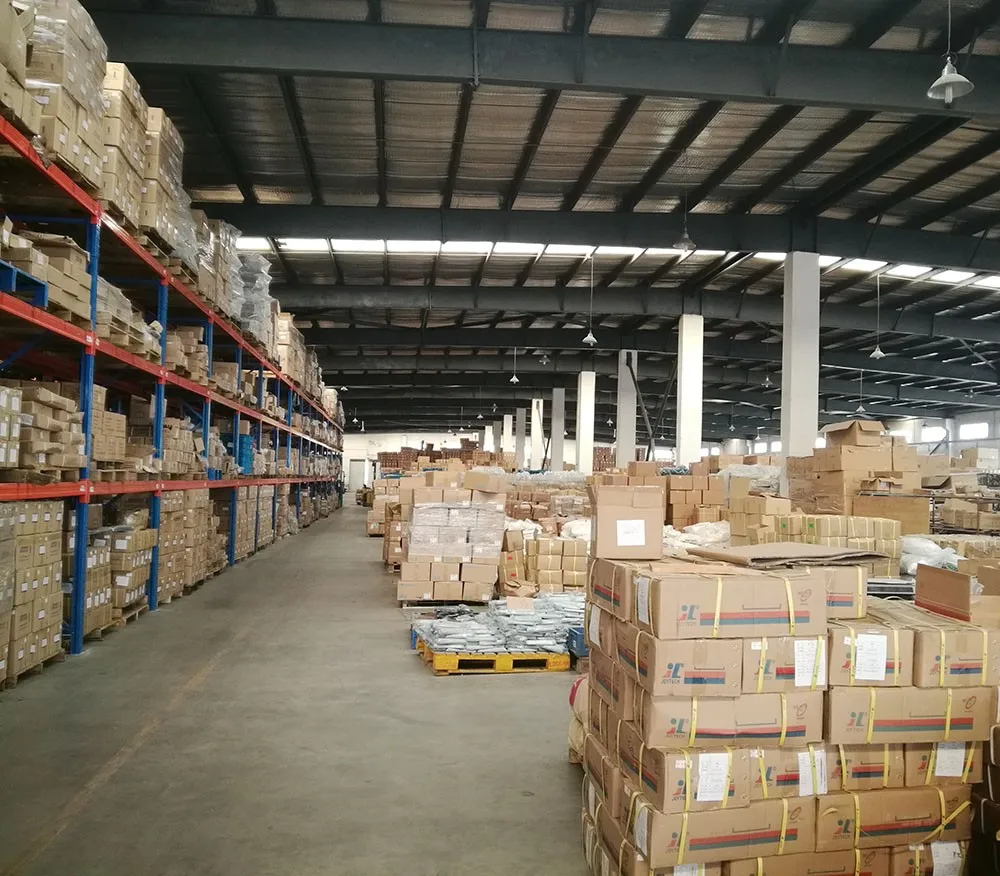
Guangzhou Onok Auto Parts Co., Ltd.
- Manufacturer, Trading Company
- Guangdong, China
- Lead time15 days
- Avg. response≤ 7h
Main productsFilters,Brake Valves,Brake System,Clutch Parts,Truck Body Parts
Main marketsAfrica(30.0%), Mid East(20.0%), South America(20.0%), Southeast Asia(10.0%), Eastern Europe(10.0%), South Asia(5.0%)

- Verified by TUVRHEINLAND
- Trading Company
- China Jiangsu
- Lead time15 days
- Avg. response≤ 1h
Main productsHex Bolts Screws Nuts Washers Thread Rods, Non-Standard Metal Parts
Main marketsSouth America,North America

Dongguan VG Fasteners Co., Ltd.
- Verified by SGS
- Trading Company
- China Guangdong
- Lead time15 days
- Avg. response≤ 2h
Main productsDrop in Anchor, DIN912 Hex Socket Head Cap Screw, Sleeve Anchor, Anchor Bolt, Fasteners, Wedge Anchor, Chemical Anchor, Nut, Thread Rod, Screw
Main marketsSoutheast Asia/ Mideast,Domestic

Ningbo Luyou International Trade Co., Ltd.
- Verified by SGS
- Trading Company
- China Zhejiang
- Lead time30 days
- Avg. response≤ 7h
Main productsAuto Parts, Wheels Accessories, Car Wheels, Wheels Spacers, Wheels Adapters, Wheel Bolts and Nuts, Wheel Cover, X Wheel Chock, Forged Wheel Rims, Cast Alloy Wheels
Main marketsSouth America

Dongying Joyo Auto Parts Co., Ltd.
- Trading Company
- China Shandong
- Lead time30 days
- Avg. response≤ 4h
Main productsAuto Parts
Main marketsSouth America,Southeast Asia/ Mideast
Guangzhou Grand Auto Parts Co., Ltd.
- Trading Company
- Lead time旺季: "1 - 100":15,"> 100":"To be negotiated", 淡季: "1 - 100":15,"> 100":"To be negotiated"
- Avg. response≤ 11h
Main productstruck parts,benz truck parts,scania truck parts,volvo truck parts,man truck parts

Fujian Toly Auto Parts Co., Ltd.
- Verified by TUVRHEINLAND
- Trading Company,Manufacturer/Factory
- China Fujian
- Lead time45 days
- Avg. response≤ 9h
Main productsHeavy Truck Parts, Suspension Rod, Universal Joint, Bolt Nut, V Stay, Tie Rod End, Screw, King Pin Kits, Wheel Bolt
Main marketsSouth America,Eastern Europe,Mid East,North America,Southeast Asia,Eastern Asia,Oceania,Western Europe,Africa
- Verified by BV
- Trading Company
- China Shandong
- Lead time45 days
- Avg. response≤ 8h
Main productsOTR Tyre, Agriculture Tyres, Industrial Tyres, All Steel Radialotr Tyres, Wheel Rim
Main marketsSouth America,Africa,Southeast Asia/ Mideast,East Asia(Japan/ South Korea),Europe,Australia

SHANDONG DINGFENG AUTOMOBILE PARTS CO.,LTD
- Verified by SGS
- Trading Company
- China Shandong
- Lead time30 days
- Avg. response≤ 2h
Main marketsSouth America,Others(foreignTradeCapacity.exportBusinessCapacityMarketOther),Southeast Asia/ Mideast

Shanghai G&T Industry Co., Ltd.
- Verified by TUVRHEINLAND
- Trading Company
- China Shanghai
- Lead time15 days
- Avg. response≤ 2h
Main productsBolt, Nut, Threaded Rod &Stud Bolts, A193 B7/B7m/B16/L7/L7m, A193 B8/B8m, Customized Fastener, A453 Gr660
Main marketsSouth America,Africa,Southeast Asia/ Mideast,Europe,Australia,North America

- Trading Company,Manufacturer/Factory
- China Zhejiang
- Lead time45 days
- Avg. response≤ 11h
Main productsPassenger Car Steel Wheels, Offroad Alloy Wheel, Trailer Steel Wheel, Military Wheel, Trailer Alloy Wheel, Tire Assembly Service, Replica OEM Alloy Wheel, Wheel Lug Nut, Offroad Steel Wheel, Wheel Accessories
Main marketsSouth America,Eastern Europe,Mid East,North America,Southeast Asia,Eastern Asia,Oceania,Africa

QINGDAO SAP INTERNATIONAL TRADING CO., LTD.
- Verified by TUVRHEINLAND
- Combined
- China Shandong
- Lead time15 days
- Avg. response≤ 3h
Main productsSteel Wheel
Main marketsEurope

Qingdao Great Xinda Group Co., Ltd.
- Verified by CTI
- Trading Company,Manufacturer/Factory
- China Shandong
- Lead time15 days
- Avg. response≤ 8h
Main productsTruck Tyre, Truck Tire, Wheel Rim, Steel Wheel, Radial Tyre, Car Tyre, off Road Tire, Tire, OTR Tyre, Rubber Tire
Main marketsSouth America,Eastern Europe,Mid East,North America,Southeast Asia,Eastern Asia,Oceania,Western Europe,Africa

Qingdao Machine and Tyre Sourcing Limited
- Trading Company
- China Shandong
- Lead time23 days
- Avg. response≤ 15h
Main productsTyre, Radial Truck Tyre Tire, Passenger Car Tyre Tire, Lande Brand Tyre, OTR Tyre, Agriculture Tire, Industrial Tire, Inner Tube Truck Wheel, Motorcycle Tire, Wheelbarrow Tyre
Main marketsSouth America,Eastern Europe,Mid East,North America,Southeast Asia,Eastern Asia,Oceania,Western Europe,Africa

Shandong Oasisland Wheel Systems Co., Ltd.
- Trading Company,Manufacturer/Factory
- China Shandong
- Lead time23 days
- Avg. response≤ 25h
Main productsTyre, Wheel Rim, Agricultural Tyre, Flotation Implement Tyre, OTR Tyre, Industrial Tyre, Tractor Tyre, OTR Wheel Rim, Agricultural Wheel Rim, Truck Wheel Rim
Main marketsSouth America,Eastern Europe,Mid East,North America,Southeast Asia,Eastern Asia,Oceania,Western Europe,Africa

QINGDAO TUWO IMPORT AND EXPORT CO., LTD.
- Verified by SGS
- Manufacturer/Factory
- China Shandong
- Lead time15 days
- Avg. response≤ 25h
Main productsTire, Steel Wheel Rim, Detergent Products, Plywood, Wallspike, Frame Systems, Nylon Tyre
Main marketsSouth America,Eastern Europe,Mid East,Southeast Asia,Eastern Asia,Oceania,Western Europe,Africa






Comprehensive Sourcing Guide
European Truck Wheel Studs Supplier Concentration and Factory Types
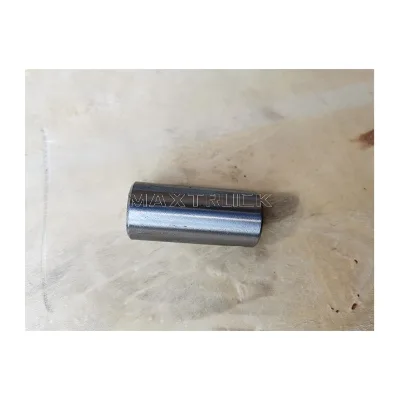
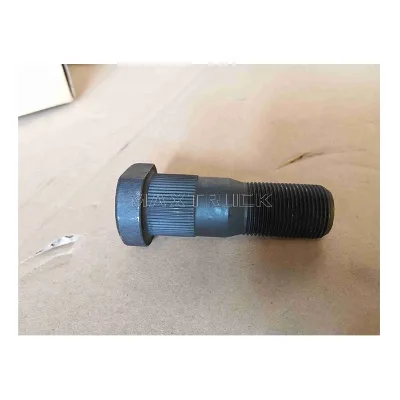
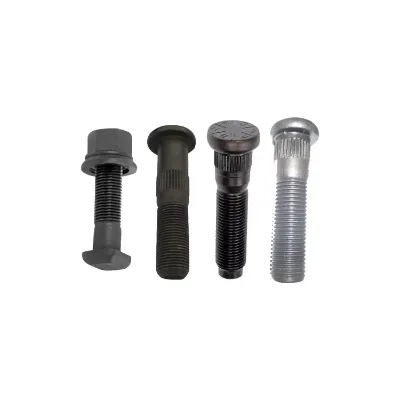
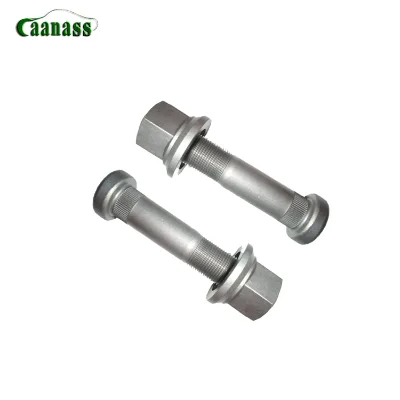
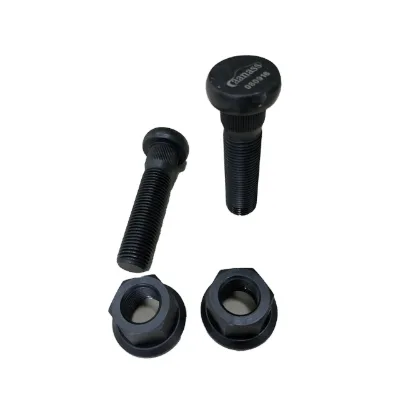
When you search for European Truck Wheel Studs, the supplier pool tends to split into two very different groups that you must separate before comparing anything. The first group makes the studs themselves: hub bolts, wheel bolts, U bolts, center bolts, pins and related castings, typically graded 10.9 and matched to truck hub applications. One observed supplier in this group is a combined manufacturer-trader based in Fujian, China, listing wheel bolt models for European trucks with grades such as 10.9, hot-working or zinc-plated finishes, and customization offered. The second group sells tire studs — anti-skid carbide pins for winter tires — which are a different product despite keyword overlap. A Jiangxi-based supplier of that type lists carbide tire studs with ISO9001:2015 certification and SGS verification. Mixing these groups pollutes your shortlist.
Factory type also matters. Combined companies blur the line between maker and trading intermediary, which affects pricing transparency and quality accountability. Check each profile's main products list: a supplier whose catalog is dominated by fasteners is more credible for studs than one listing them among unrelated items. Note research capacity labels too — ODM, OEM and own-brand flags indicate whether a supplier can execute drawings or only resell standard items. Build your first-pass list by filtering on product category, verification status and stated capacity, then split manufacturers from traders before any outreach.
How to Verify European Truck Wheel Studs Suppliers
Verification begins with the platform signals already attached to supplier profiles, but you should treat them as a floor, not proof. Some suppliers on this keyword carry third-party verification badges — for example, BV or SGS verification appears in current results — and one carbide tire-stud supplier displays an ISO9001:2015 certificate. Confirm that any system certification is current and scoped to fastener manufacturing, not a generic trading registration. Ask each candidate for the certificate number and issuing body, then check it independently before relying on it.
Beyond badges, verification means matching claims to evidence. Request material certificates for the 40Cr or equivalent steel they actually melt or buy, hardness reports per batch, and dimensional inspection records against the 10.9 grade they claim. Ask for OEM references — one listed product references an OEM number for a hub bolt, which you can cross-check against the vehicle application. Confirm the factory address through a live video walkthrough or third-party audit, especially for combined-type companies where the manufacturing role is unclear. Test responsiveness in writing: current suppliers on this keyword show quoted response times ranging from under twelve hours to over twenty-two hours, so set your own timeout and measure real reply latency. Finally, order a sample lot under commercial terms before committing, and inspect it against the drawing rather than against the listing description, which may be outdated or simplified.
What to Compare Across European Truck Wheel Studs Suppliers
Build a comparison sheet with dimensions drawn from what supplier pages actually disclose, and accept gaps rather than guessing. Current results show meaningful spread: lead times of roughly 30 days and 23 days respectively for two different suppliers; response times of about 11.6 hours versus 22.5 hours; MOQs ranging from 1,000 pieces on a 156mm M22 European truck wheel bolt, down to 500 pieces on a 10.9-grade wheel stud, and as low as 100 pieces on an M30/M20x2x127 hub bolt with OEM reference. Unit prices on the fastener side span roughly 0.05 to 0.99 USD depending on model and specification, while carbide tire studs list far higher per-piece prices with MOQ 1. Never compare price without normalizing for grade, finish, diameter and length.
Compare verification type (BV versus SGS versus none), company type (combined versus specialized), research capability labels (ODM, OEM, own brand) and location. Product-level attributes deserve their own columns: grade, finish, raw material, surface treatment such as phosphate or Dacromet, packing format, and whether customization is offered. Remember that not every supplier displays every attribute; a missing lead time is a question to ask, not an assumed weakness. Score suppliers only on dimensions relevant to your volume — a low MOQ with slow response suits trial orders, while a 30-day lead time with fast replies suits replenishment.
Common European Truck Wheel Studs Sourcing Risks
The largest risk in this category is category confusion: tire studs for winter anti-skid applications appear under similar keywords as wheel studs, and their suppliers are structurally different — carbide tooling makers versus fastener manufacturers. Ordering the wrong category is rare, but quoting the wrong supplier wastes weeks. A second risk is grade misrepresentation: listings may state 10.9, but without mill certificates and independent hardness testing you cannot confirm the steel meets it. Treat any grade claim on a product page as a claim only, and verify it through pre-shipment testing tied to payment release.
Other risks cluster around specification drift and packaging. One listed wheel bolt specifies hot-working finish, GB standard reference, dark black color and 10-piece-per-box packaging; if your requirement differs on any attribute and you do not lock it in writing, the shipped goods may still "match" the listing. Customized packing is offered by several suppliers, which introduces its own risk if carton markings, barcodes or box counts are not specified. Combined-type suppliers create an accountability risk — if quality fails, you need to know whether the factory or the trading arm owns the corrective action. Lead-time risk is real where quoted times approach 30 days; build buffer into delivery schedules. Finally, MOQ pressure can push buyers toward a supplier whose product is close but not exact; hold the specification line.
European Truck Wheel Studs Regional Sourcing and Logistics
Regional evidence in current results points to two Chinese provinces: Fujian, home to a combined-type supplier of hub bolts, wheel bolts, U bolts, center bolts and castings; and Jiangxi, home to a carbide-specialist supplier of tire studs. Fujian's presence in fasteners makes it a plausible first region to probe for European Truck Wheel Studs specifically, while Jiangxi's supplier profile sits in carbide tooling, relevant only if your keyword search has drifted toward anti-skid tire studs. Do not generalize from two data points — use these as starting probes, then identify additional clusters through trade data, customs records and industry directories without assuming a region is exhaustive.
Logistics planning should follow product physics. Wheel studs are dense, heavy metal parts; freight cost per unit is low but weight-based, so packaging format matters — a listing showing 10 pieces per box allows carton consolidation and container planning. Carbide tire studs are lighter per unit but often ship with separate reflector or body components, changing carton configurations. Confirm quoted lead times cover production only or production plus export documentation: one fastener supplier quotes 30 days and one tire-stud supplier quotes 23 days, but neither figure tells you port handling time. Ask each supplier to state the incoterms they quote against, and confirm whether export packing, palletization and container loading counts are included before comparing landed cost across regions.
European Truck Wheel Studs Commercial Terms and Order Planning
Commercial terms should be settled in a written order framework before the first purchase order. From current evidence, price points on the fastener side range from about 0.05 USD for a basic 10.9 wheel stud to roughly 0.99 USD for a specified M22 European truck bolt, with MOQs of 100 to 1,000 pieces depending on model. Confirm whether quoted prices are per piece at a stated incoterm, whether tooling or drawing fees apply for customized packing or non-standard lengths, and whether price holds across the MOQ or tiers downward. One supplier lists packing as FOB-referenced and another offers customized packing — clarify exactly what the quoted price includes.
Order planning should sequence trials before volume. Place a sample or small first order at the low end of the MOQ range where offered — 100 pieces on the OEM-referenced hub bolt is a viable trial quantity — then use pre-shipment inspection to validate grade, finish and dimensions before scaling. Where response times differ materially between candidates (under 12 hours versus over 22 hours in current results), weight responsiveness for replenishment programs and allow longer cycles for project-based buying. Set payment terms that keep inspection leverage — typically a balance due after inspection approval. Finally, calendar the lead time: with 23-to-30-day production windows, reorder points must be calculated backward from your stock-out date, not from order placement, and seasonal demand spikes in truck fleets argue for placing repeat orders early.
FAQs
Where are European Truck Wheel Studs manufactured?
European Truck Wheel Studs are manufactured in China, specifically in Fujian and Jiangxi provinces. These regions host suppliers offering combined services with verified certifications like BV and SGS. Buyers can find various grades and finishes suitable for heavy-duty applications in these locations.
What is the minimum order quantity for wheel studs?
The minimum order quantity varies by product, ranging from 100 to 1000 pieces. Some specific models require 1000 units, while others allow orders as low as 100 or even 1 unit for specialized items. Buyers should check individual product listings to confirm the exact MOQ required.
How long does it take to receive wheel studs?
Lead times for European Truck Wheel Studs typically range from 23 to 30 days. Response times for supplier inquiries average around 11 to 22 hours. These timelines depend on the specific supplier and the customization requirements of the order placed by the buyer.
What grades are available for truck wheel bolts?
Available grades for truck wheel bolts include 10.9 and 12.9, with some products meeting GB standards. Specific listings offer classes ranging from 6.8 to 12.9. Buyers can select the appropriate strength grade based on their vehicle requirements and safety standards for European trucks.
Are custom finishes available for wheel studs?
Yes, custom finishes are available for wheel studs, including hot-working, black, gray, and color-zinc plating. Some suppliers offer phosphate or dacromet surface treatments. Buyers can request specific colors and finishes to match their vehicle specifications or aesthetic preferences when placing an order.
What certifications do suppliers hold for these parts?
Suppliers hold certifications such as ISO9001:2015 and SGS verification. Some products are certified by SGS or ISO standards. These certifications ensure quality control and compliance with international standards for automotive fasteners used in heavy-duty European truck applications.
What is the price range for wheel studs?
The price range for wheel studs varies from 0.05 to 50.00 per unit depending on the product type. Standard bolts often cost between 0.66 and 0.99, while specialized carbide tire studs range from 45 to 50. Buyers should compare specific product listings for accurate pricing.