Farm Irrigation Diesel Tricycle Suppliers and Manufacturers
Source 13 verified suppliers for Farm Irrigation Diesel Tricycle units from China Shandong. Compare ISO certifications, lead times, and pricing to find the right fit. Contact suppliers directly to request quotes and verify specifications; review the available evidence before requesting comparable quotations from suitable candidates.
Suppliers List

QINGDAO GUDAO ANDES MACHINERY CO., LTD.
- Manufacturer/Factory
- China Shandong
- Lead time15 days
- Avg. response≤ 5h
Main productsDiesel Tricycle, Electric Tricycle, Wheel Loader, Four Wheel Dump Truck, Site Dumper, Self Loading Concrete Mixer, Backhoe
Main marketsSouth America,Eastern Europe,Mid East,North America,Southeast Asia,Eastern Asia,Oceania,Western Europe,Africa


$800.00 - $1500.00
MOQ: 1 Sets


Laizhou Kunyu Import and Export Trade Co., Ltd.
- Verified by SGS
- Combined
- China Shandong
- Lead time15 days
- Avg. response≤ 7h
Main productsThree-Wheeler
Main marketsDomestic


Hydraulic Dump Diesel Three Wheeler Tricycle Farm Construction Mining Transporter
$1550.00
MOQ: 1 Pieces


Shandong Shuangli International Trading Co., Ltd.
- Verified by TüVRheinland
- Manufacturer, Trading Company
- Lead time25 days
Main productsTractor, Tricycle, Farm Implements
Main marketsEastern Europe(30%), Africa(30%), South America(20%)


Diesel Tricycles for City Cleaning Multi-purpose diesel Tricycles
$4200.00 - $4900.00

Cheap Water tank diesel Tricycle Hot Sale
$2868.00 - $3200.00

Shandong keruide Heavy Machinery co.,ltd
- Verified by TüVRheinland
- Manufacturer, Trading Company
- Lead time3 days
Main productsExcavator, Forklift, Skid Steer Loader, Tricycle, Road Roller
Main marketsDomestic Market(25%), North America(20%), Eastern Europe(20%)
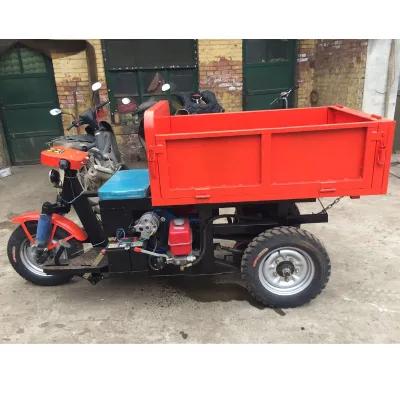

$1981.93 - $2185.20
MOQ: 1 sets


Gaoyang Ruikai Trading Co., Ltd.
- Verified by CTI
- Trading Company
- China Hebei
- Lead time30 days
- Avg. response≤ 1h
Main productsgasoline engine
Main marketsDomestic

Chongqing Dunya Industrial Co., Ltd.
- Trading Company
- China Chongqing
- Lead time30 days
- Avg. response≤ 12h
Main productsTricycle, Three Wheeler Motorcycle
Main marketsSouth America,Africa

Hebei Hensim Jinhe Motorcycle Co., Ltd.
- Verified by SGS
- Combined
- China Hebei
- Lead time30 days
- Avg. response≤ 2h
Main productsFuel Motorcycle and Its Parts, Electric Bicycle and Its Parts, Electric Three-Wheeled Motorcycle
Main marketsSouth America,Africa,Southeast Asia/ Mideast

Liangshan Jinen Automobile Trading Co., Ltd.
- Trading Company
- China Shandong
- Lead time0 days
- Avg. response≤ 8h

Shandong Auchi Machinery Co., Ltd.
- Verified by TUVRHEINLAND
- Manufacturer/Factory
- China Shandong
- Lead time15 days
- Avg. response≤ 2h
Main productsConstruction Machinery, Mining Machinery, Excavators, Building Construction Machinery, Packaging Machinery, Drilling Machinery, Lifting Equipment
Main marketsSouth America,Eastern Europe,Mid East,North America,Southeast Asia,Eastern Asia,Oceania,Western Europe,Africa

High Quality Agricultural Diesel Fuel Tricycles for Household Agricultural
$999.00 - $2999.00
MOQ: 1 Pieces


Shandong Unio Machinery Equipment Co., Ltd.
- Manufacturer, Trading Company
- Shandong, China
- Lead time10 days
- Avg. response≤ 2h
Main productsAgriculture machine
Main marketsAfrica(20.00%), Southern Europe(15.00%), Central America(10.00%), Domestic Market(5.00%), South Asia(5.00%), Northern Europe(5.00%), North America(5.00%), Western Europe(5.00%), Eastern Asia(5.00%), Mid East(5.00%), Eastern Europe(5.00%), Oceania(5.00%), South America(5.00%), Southeast Asia(5.00%)

Shandong Senhong Machinery Manufacturing Co., Ltd.
- Trading Company,Manufacturer/Factory
- China Shandong
- Lead time23 days
- Avg. response≤ 4h
Main productsMotor Trike Tricycle Diesel Powered Cargo Three-, Gasoline Motor 3 Wheel Cargo Tricycle, Loaders Excavators off-Road Dump Trucks Tract, Dump Truck Cargo Tricyclediesel Mini Dumper Tric, Heavy Duty Tractor Disc Harrow&Disc Rake, Farm Tractortrailer Rotary Cultivator Planter Tr, 3 Wheel Tricycle Petrol Auto Rickshaw Gas Motor, Heavy Duty Parallelogram Mounted Pivot Plow
Main marketsNorth America,Oceania,Western Europe

Powerful Diesel Cargo Tricycle for Efficient Farm and Rural Transport
$1300.00 - $1500.00
MOQ: 1 Pieces

Durable Hydraulic Dump Diesel Tricycle for Efficient Farm Operations
$1070.00 - $1299.00
MOQ: 1 Pieces

High Load Motorized Tricycle for Efficient Farm Transport Operations
$1300.00 - $1500.00
MOQ: 1 Pieces

Durable Agricultural Tricycle for Efficient Farm Transport Solutions
$1300.00 - $1500.00
MOQ: 1 Pieces


Hebei Sunrising Machinery Co., Ltd
- Verified by SGS
- Manufacturer
- China Hebei
- Lead time30 days
- Avg. response≤ 8h
Main productsDiesel Engine, Gasoline Engine, Diesel Genset, Air Compressor, Rice Mill, Diesel Pump, Rock Drill, Submersible Pump, Electric Sprayer, Diesel Generator

Hebei Diba Motorcycle Co., Ltd.
- Verified by TUVRHEINLAND
- Combined
- China Hebei
- Lead time15 days
- Avg. response≤ 2h
Main productsTricycle, Small Truck, Tuk Tuk, Electric Motorbike, ATV, off-Road Motorcycle, Cargo Tricycle, Passenger Tricycle, Electric Tricycle, Fuel Tricycle
Main marketsDomestic

Heavy-Duty Self-Unloading Cargo Tricycle for Efficient Farm Transport
$1090.00 - $1100.00
MOQ: 1 Pieces

High Performance Gasoline Tricycle Suitable for Farm Transport 250cc Tricycle
$790.00 - $820.00
MOQ: 1 Pieces


Comprehensive Sourcing Guide
Farm Irrigation Diesel Tricycle Supplier Concentration and Factory Types
When sourcing farm irrigation diesel tricycles, buyers should first map the geographic distribution of manufacturers to understand supply chain proximity. High-confidence data indicates that a significant portion of these suppliers are located in Shandong, China. This region is known for its robust heavy machinery and agricultural equipment manufacturing base. Identifying this cluster helps buyers anticipate shared infrastructure, such as port access and component supply chains, which can influence lead times and shipping costs. However, not all suppliers in this area operate identically; some may be pure manufacturers while others are trading companies. Buyers must distinguish between these types early in the process. A manufacturer typically offers more control over customization and quality control, whereas a trading company might provide better flexibility in small batch orders or mixed product lines. Understanding the factory type is crucial because it dictates the level of technical support available during the design and production phases.
The distinction between manufacturer and trading company also impacts the range of services offered. Manufacturers often have dedicated R&D teams capable of modifying hydraulic systems or engine configurations specific to irrigation tasks. Trading companies, on the other hand, may aggregate products from multiple factories, offering a wider variety of models but potentially less depth in technical customization. Buyers should verify the company type through business licenses and factory audits. If a supplier claims to be a manufacturer, request proof of production facilities, such as factory videos or third-party inspection reports. This verification step ensures that the supplier has the actual capacity to produce the specific diesel tricycle models required for farm irrigation. Additionally, check if the supplier offers OEM or ODM services, as this indicates their ability to adapt standard models to specific agricultural needs. By clearly defining the supplier type and location, buyers can set realistic expectations for communication, production timelines, and post-sales support.
How to Verify Farm Irrigation Diesel Tricycle Suppliers
Verification is a critical step in ensuring that the supplier can deliver reliable farm irrigation diesel tricycles. Start by checking the supplier’s business registration and operational history. Look for established years of operation, as longer tenure often correlates with stability and experience in handling complex machinery. While specific establishment years vary across suppliers, a minimum of three to five years in the industry is a reasonable benchmark for reliability. Additionally, review the supplier’s verification status on the platform. Some suppliers may have undergone third-party inspections by agencies like SGS, which can provide an independent assessment of their production capabilities and quality control processes. If a supplier is verified, request the inspection report to understand the scope of the audit. This document should detail the factory’s production lines, quality control checkpoints, and compliance with international standards.
Beyond basic verification, buyers should conduct deeper due diligence by requesting sample units or visiting the factory if possible. For farm irrigation diesel tricycles, specific technical verifications are essential. Check the engine specifications, such as displacement and power output, to ensure they meet the requirements for heavy-duty agricultural use. Verify the hydraulic system’s capacity, as this directly impacts the tricycle’s ability to handle irrigation equipment. Request test reports for key components, including the engine, transmission, and hydraulic cylinders. These reports should confirm that the components meet relevant safety and performance standards. Additionally, ask for references from previous clients, particularly those in the agricultural sector. Speaking with existing customers can provide insights into the supplier’s reliability, after-sales support, and product performance in real-world conditions. By combining platform verification with independent technical checks, buyers can significantly reduce the risk of sourcing from unreliable suppliers.
What to Compare Across Farm Irrigation Diesel Tricycle Suppliers
When comparing suppliers for farm irrigation diesel tricycles, focus on key performance indicators that directly impact procurement efficiency and product quality. Lead time is a critical factor, as it determines how quickly you can receive the equipment. Some suppliers may offer lead times as short as 15 days, while others may take longer depending on production capacity and customization requirements. Compare these lead times against your project timeline to ensure that the supplier can meet your delivery deadlines. Additionally, examine the Minimum Order Quantity (MOQ) for each supplier. Some may require a minimum of one unit, which is ideal for small-scale operations or trial orders, while others may have higher MOQs that suit larger procurement needs. Aligning the MOQ with your budget and operational scale helps avoid unnecessary inventory costs.
Response speed is another important metric to compare. Suppliers with faster response times, such as those responding within a few hours, are often more responsive to inquiries and issues. This can be particularly valuable when dealing with technical questions or urgent order modifications. Compare the average response time across suppliers to identify those who prioritize customer communication. Furthermore, review the range of main products offered by each supplier. While some may specialize exclusively in tricycles, others may offer a broader portfolio including wheel loaders and dump trucks. A specialized supplier might have deeper expertise in tricycle design and manufacturing, whereas a diversified supplier could offer integrated solutions for multiple farm equipment needs. By comparing these dimensions, buyers can select a supplier that best aligns with their specific requirements for farm irrigation diesel tricycles.
Common Farm Irrigation Diesel Tricycle Sourcing Risks
Sourcing farm irrigation diesel tricycles involves several risks that buyers must carefully manage. One primary risk is product non-conformance, where the delivered equipment does not meet the specified technical requirements. This can occur if the supplier uses substandard components or fails to adhere to the agreed-upon specifications. To mitigate this risk, include detailed technical specifications in the purchase agreement and conduct pre-shipment inspections. Verify that the engine, hydraulic system, and other critical components match the agreed-upon standards. Another risk is supply chain disruption, which can delay delivery and impact project timelines. Suppliers may face issues with raw material availability or production bottlenecks, leading to extended lead times. To address this, maintain open communication with the supplier and request regular updates on production progress. Consider negotiating penalty clauses for late delivery to incentivize timely completion.
Quality control issues are another significant risk, particularly when dealing with new suppliers. Inconsistent quality can result in frequent breakdowns and increased maintenance costs. To mitigate this, request sample units for testing before placing a large order. Evaluate the sample’s performance under real-world conditions to ensure it meets your operational needs. Additionally, consider the risk of intellectual property infringement, especially if you are customizing the tricycle’s design or branding. Ensure that the supplier has the legal right to produce and sell the equipment, and include indemnification clauses in the contract to protect against potential legal disputes. By proactively addressing these risks, buyers can minimize the impact of sourcing challenges and ensure a smoother procurement process for farm irrigation diesel tricycles.
Farm Irrigation Diesel Tricycle Regional Sourcing and Logistics
Regional sourcing considerations play a significant role in the overall cost and efficiency of procuring farm irrigation diesel tricycles. Suppliers located in Shandong, China, benefit from established logistics infrastructure, including proximity to major ports and efficient shipping routes. This geographic advantage can reduce shipping costs and transit times, particularly for buyers in Asia and the Middle East. However, buyers in other regions, such as Europe or the Americas, may face longer transit times and higher shipping costs. To optimize logistics, consider the supplier’s location relative to your destination and evaluate the total landed cost, including shipping, insurance, and customs duties. Additionally, assess the supplier’s experience with international shipping, as they should be familiar with export documentation and compliance requirements.
Logistics planning also involves coordinating with freight forwarders to ensure smooth transportation of the tricycles. Diesel tricycles are bulky and heavy, requiring specialized shipping containers and handling equipment. Work with the supplier to determine the optimal packaging and loading method to prevent damage during transit. Request detailed shipping schedules and tracking information to monitor the shipment’s progress. In case of delays or issues, have a contingency plan in place, such as alternative shipping routes or emergency replacement parts. By carefully planning regional sourcing and logistics, buyers can ensure that farm irrigation diesel tricycles are delivered on time and in good condition, minimizing disruptions to their agricultural operations.
Farm Irrigation Diesel Tricycle Commercial Terms and Order Planning
Negotiating commercial terms is a crucial step in securing a favorable deal for farm irrigation diesel tricycles. Start by discussing the payment terms, such as advance payment, letter of credit, or installment payments. Each option has its own advantages and risks, so choose the one that best aligns with your financial capabilities and risk tolerance. For example, a letter of credit provides security for both the buyer and the supplier, while installment payments may offer more flexibility for cash flow management. Additionally, negotiate the pricing structure, including any discounts for bulk orders or early payment. Compare quotes from multiple suppliers to ensure you are getting a competitive price. Be transparent about your budget and requirements to facilitate a productive negotiation process.
Order planning involves defining the scope of the purchase, including the number of units, specifications, and delivery schedule. Clearly outline the technical requirements for the farm irrigation diesel tricycles, such as engine power, hydraulic capacity, and load-bearing capacity. Include these details in the purchase order to avoid misunderstandings. Establish a clear timeline for production, inspection, and delivery, and agree on the responsibilities of each party. For instance, the supplier may be responsible for pre-shipment inspection, while the buyer handles customs clearance. By carefully planning the commercial terms and order details, buyers can ensure a smooth and efficient procurement process for farm irrigation diesel tricycles, minimizing potential disputes and ensuring timely delivery.
FAQs
What does a diesel tricycle for farm irrigation work typically cost?
Prices for diesel tricycles in this category generally range from about 800 to 3,900 US dollars per unit, depending on load capacity, engine brand, and customization. Smaller farm models sit at the lower end, while heavier mining-grade dump tricycles with hydraulic dumping cost more. Request quotations based on your exact configuration and destination port.
What is the minimum order quantity for a diesel farm tricycle?
Many listed models allow a minimum order of just one unit, which suits buyers testing a new market or replacing a single machine. Larger orders usually unlock better unit pricing and consolidated shipping. Confirm the MOQ for your chosen model and options before placing a trial order.
How long does production and delivery of a diesel tricycle take?
A typical lead time is around 15 days after order confirmation, though it can extend with customized cabins, batteries, or dump systems. Sea freight time to your port adds to the total. Always confirm the current production schedule in writing, especially during peak export seasons or when ordering multiple units.
What load capacities are available for farm irrigation tricycles?
Available models cover load ratings from roughly 1 ton up to 10 tons, with some series spanning 1 to 30 tons. Common farm configurations include 2 to 3 ton rated loads with three-stage hydraulic dumping. Match capacity to terrain and water-tank or cargo weight, and verify the rated load on the specification sheet.
Which certifications should I check on a diesel tricycle before ordering?
Listed products commonly carry CE and ISO 9001, with some models also citing EPA, DOT, CCC, and RoHS. Requirements differ by destination country, so confirm which certificates your customs authority needs. Ask suppliers for copies of current certificates and verify that they apply to the specific model you are buying.
Can diesel tricycles be customized for farm and irrigation tasks?
Yes, customization is generally available across listed models, including roof or cabin options, left or right-hand drive, hydraulic dumping, and different carriage sizes. Widths can range from about 950 mm to 2400 mm. Describe your irrigation site conditions and cargo type so the supplier can propose a suitable configuration.
Where are these diesel tricycles manufactured?
The manufacturers on this page are based in Shandong, China, a region known for engineering machinery and three-wheeler production. Most operate as factories with their own brands plus OEM and ODM capability. Confirm the exact factory address, and consider arranging an inspection or third-party check before shipment.
How quickly do these suppliers respond to buyer inquiries?
Typical response times observed range from roughly four and a half to seven hours, so most inquiries receive replies within one working day. Send a detailed message covering model, quantity, and destination to get an accurate quotation faster. Follow up if no answer arrives within 24 hours.