Farm Safety Glasses Suppliers and Manufacturers in China
Compare 21 verified suppliers offering Farm Safety Glasses with dimensions like location, lead time, and certifications. Review product specs such as ANSI standards and PC lenses, then request quotes to source protective eyewear for agricultural use; review the available evidence before requesting comparable quotations from suitable candidates.
Suppliers List

Jiangsu Huibaicheng Group Co., Ltd.
- Verified by SGS
- Trading Company
- China Jiangsu
- Lead time23 days
- Avg. response≤ 5h
Main productsSafety Helmet, Safety Vest, Reflective Clothing, Hard Hat, Safety Gloves
Main marketsSouth America,Eastern Europe,Mid East,North America,Southeast Asia,Eastern Asia,Oceania,Western Europe,Africa


Safety Glasses Construction Protection Safety Goggles Glasses Anti-Fog Goggles
$1.19 - $1.24
MOQ: 200 pieces

Qingdao Signal Technology Co., Ltd
- Verified by TUVRHEINLAND
- Trading Company,Manufacturer/Factory,Group Corporation
- China Shandong
- Lead time15 days
- Avg. response≤ 3h
Main productsPersonal Protective Equipment Supplier, Safety Products Supplier, Safety Gloves Manufacturer, Construction Safety Equipment, Road Safety Products, OEM PPE Supplier, Industrial Protection Solutions, Foot Protection, Respiratory Protection, Safety Shoes
Main marketsSouth America,Eastern Europe,Mid East,North America,Southeast Asia,Eastern Asia,Oceania,Western Europe,Africa

Wind Dust Splash Resistant Woodworking & Farm Spraying Protective Safety Glasses
$0.80
MOQ: 100 Pieces


Guangzhou MeCan Medical Limited
- Verified by CTI
- Combined
- China Guangdong
- Lead time15 days
- Avg. response≤ 4h
Main productsColor Doppler Ultrasound Scanner, Patient Monitor, Medical Fridge, Medical X-ray Machine, X-ray Film Processor, Colonoscope, Hospital Bed, Medical Freezer, Ventilator, Anaesthesia Machine
Main marketsAfrica,Southeast Asia/ Mideast

Linyi Yonglei Labor Protection Supplies Co., Ltd.
- Verified by TUVRHEINLAND
- Combined
- China Shandong
- Lead time30 days
- Avg. response≤ 8h
Main productsWelding Helmets, Welding Mask, Plastic Welding Mask, Safety Glasses, Safety Helmets, Auto-Darkening Welding Helmet, Welding Filter
Main marketsSouth America,Southeast Asia/ Mideast

Shanghai Alwings Medical Instrument Co., Ltd.
- Manufacturer/Factory
- China Shanghai
- Lead time23 days
- Avg. response≤ 2h
Main productsSterilization Pouch, Saliva Ejector, Isolation Gowns, Face Mask, Face Shields, Bouffant Cap, Shoe Covers, Dental Needles, Non-Woven Sponge, Disposable Impression Tray
Main marketsSouth America,Eastern Europe,Mid East,North America,Southeast Asia,Eastern Asia,Oceania,Western Europe,Africa
- Trading Company
- Taiwan, China
- Lead time45 days
- Avg. response≤ 5h
Main productsHardware,Hand Tools,Tiling Tools,Plumbing Tools,Garden Tools
Main marketsWestern Europe(50.00%), North America(20.00%), Domestic Market(10.00%), Eastern Europe(10.00%), Mid East(5.00%), Africa(5.00%)

- Verified by CTI
- Trading Company
- China Zhejiang
- Lead time15 days
- Avg. response≤ 2h
Main productsWarning Vests, Safety Glasses, Welding Mask, Rain Coat, Work Wear, Gloves, Safety Shoes, Respirator
Main marketsSoutheast Asia/ Mideast,Europe,North America

Industrial Protective Goggles High Quality Trendy Safety Glasses (G030-2)
$0.85 - $0.92
MOQ: 2000 Pieces


Shenyang Liaohe Special Glass Factory
- Manufacturer/Factory
- China Liaoning
- Lead time30 days
- Avg. response≤ 9h
Main productsRail Transit Glass, Electric Heating Glass, Windshield for Locomotives, Laminated Glass and Toughened Glass, Radiation Shielding Glass, Insulating Glass, Boat Glass, Chemically Toughened Glass, Bullet-Proof Glass, Aluminum Profile
Main marketsSoutheast Asia,Oceania,Western Europe,Africa

Safety Glass for Agricultural Machinery
MOQ: 5 Pieces

Safety Glass for Agricultural Machinery
MOQ: 5 Pieces

- Verified by TUVRHEINLAND
- Combined
- China Hebei
- Lead time15 days
- Avg. response≤ 5h
Main productsEndodontic Instruments, Orthodontic, Dental Photography, Denture Box, Dental Micro Applicator, Dental Instrument Container, Hygiene and Protection, Cheek Retractor Mouth Prop, Dental Impressions, Acrylic
Main marketsNorth America

Anhui Mingde Medical Care Products Co., Ltd.
- Trading Company
- China Anhui
- Lead time15 days
- Avg. response≤ 6h
Main productsSterilization Pouch, Dental Bibs, Examination Paper Couch Roll, Protective Bed Sheet, Dental Accessories, Disposable Underpad, Sterilized Packaging, Dental Appliance, Disposable Medical Consumables, Disposable Beauty Items
Main marketsSouth America,Africa,Southeast Asia/ Mideast,East Asia(Japan/ South Korea),Europe,Australia,North America

Safety Medical Eye Protection Isolation Goggles Medical Equipments Safety Glasses
$0.75 - $1.10
MOQ: 500 piece

Waterproof Safety Glasses Protective Eyewear PPE Medical Equipment Isolation Safety Glasses
$0.75 - $1.10
MOQ: 500 piece

$0.75 - $1.10
MOQ: 500 piece

SHANDONG DONGTIE LABOUR SUPPLIES CO., LTD.
- Verified by BV
- Combined
- China Shandong
- Lead time30 days
- Avg. response≤ 2h
Main productsCowhide Gloves, Goatskin/Pigskin Golve, Garden Glove, Driver Glove, Winter Glove, Security & Protection Production, General Work Gloves, Cut Resistant Gloves, Leather Gloves, Working Gloves
Main marketsDomestic
Linyi Feiyuda Imp. & Exp. Co., Ltd.
- Trading Company
- Shandong, China
- Lead time20 days
- Avg. response≤ 8h
Main productssafety gloves,safety helmet,Safety glasses,safety shoes
Main marketsMid East(20.00%), Domestic Market(14.00%), Eastern Europe(12.00%), Western Europe(8.00%), Southern Europe(8.00%), Southeast Asia(8.00%), Northern Europe(5.00%), South America(5.00%), South Asia(5.00%), Eastern Asia(5.00%), North America(5.00%), Oceania(2.00%), Africa(2.00%), Central America(1.00%)
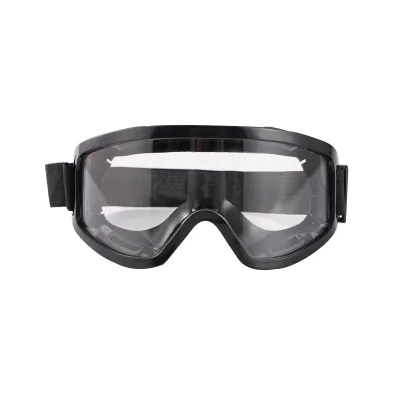
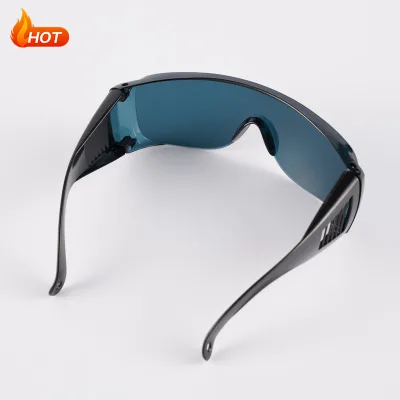
High Velocity PVC Protection Agricultural Safety Glasses Anti Fog Goggles for Protection
$0.60 - $1.00
MOQ: 2400

Yulong Safety Tools Manufacture Corp., Ltd.
- Trading Company,Manufacturer/Factory
- China Zhejiang
- Lead time0 days
- Avg. response≤ 13h
Main productsFace Protection, Hearing Protection, Head Protection, Eye Protection, Knee Protection, Welding Protection, Respiratory, Back Support Belts, Eyeshields, Gloves

Stardent Equipment Co., Limited
- Verified by SGS
- Trading Company
- China Guangdong
- Lead time15 days
- Avg. response≤ 10h
Main productsDental Equipment/Medical Equipment, Dental Instrument/Lab Equipment, Hospital Equipment/Surgical Instrument, Dental Unit/Medical Supply/Diagnostic Equipment, Dental Handpiece/Dental Supply, Dental Chair/Dental Chair Unit/Medical Supply, Dental Material/Medical Products, Dental Product/Ultrasonic Cleaner, Dental Burs/Diamond Burs/Lab Equipment, Teeth Whitening Machine/Surgical Equipment
Main marketsSoutheast Asia/ Mideast,Europe,North America
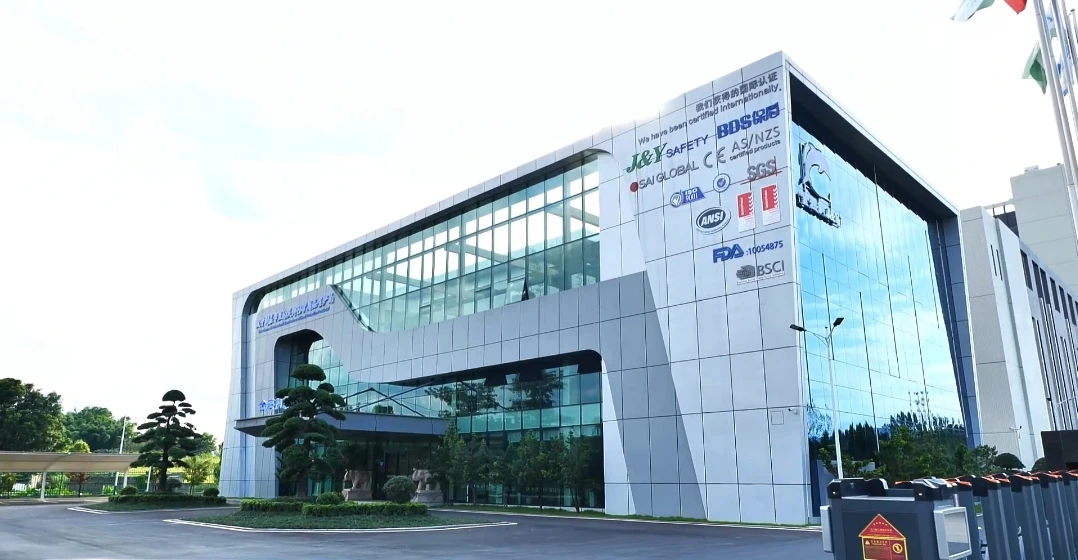
Guangzhou J&y Safety Products Manufacturer Co., Ltd.
- Manufacturer, Trading Company
- Guangdong, China
- Lead time30 days
- Avg. response≤ 9h
Main productsEarplugs,Earmuffs,Safety Goggles
Main marketsNorth America(25.00%), Western Europe(17.00%), South America(13.00%), Oceania(10.00%), Domestic Market(10.00%), Southern Europe(10.00%), Africa(8.00%), Southeast Asia(6.00%), Mid East(1.00%)
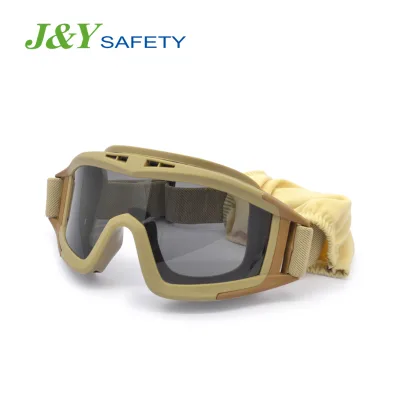
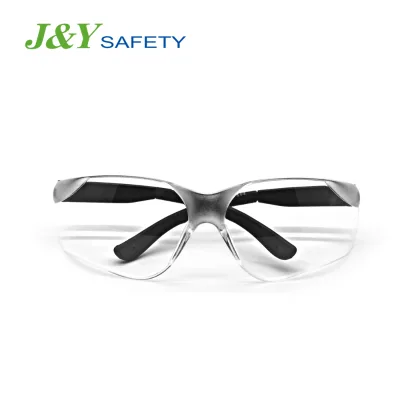
UV Transparent Safety Work Glasses Standard Eye Protection for Daily Use
$1.20 - $1.70
MOQ: 2000 pieces
$1.23 - $1.74
MOQ: 2 pieces

Jiangsu Goldmoon Industry Co., Ltd.
- Verified by SGS
- Combined
- China Jiangsu
- Lead time15 days
- Avg. response≤ 3h
Main productsDrill Bit, Hole Saw, Saw Blade, Router Bit, Taps & Dies, End Mill, Grinding Tool, Work Gloves, Safety Helmet & Safety Shoes, Artificial Flowers
Main marketsEurope

Outdoor Work Eye Protective Safety Goggles Glasses Anti-Dust Safety Glasses
$3.10 - $3.30
MOQ: 1000 Pieces

Safety Glasses Clear Lens Scratchproof Eye Protection Work Goggles Eyewear Work
$1.69 - $1.98
MOQ: 1000 Pieces

Shanghai Fantek Safety Products Co., Ltd.
- Verified by SGS
- Trading Company
- China Shanghai
- Lead time30 days
- Avg. response≤ 1h
Main productsSafety Vest, Safety Glove, Fan, Traffic Cone, Solar Light, Safety Lockout, Fire Blanket, Ear Plug, Spill Absorbent, Safety Goggles
Main marketsSoutheast Asia/ Mideast

Jinhua Toper Safety Equipment Co., Ltd.
- Combined
- China Zhejiang
- Lead time15 days
- Avg. response≤ 17h
Main productsSafey Helmet, Safety Glasses, Safety Goggle, Welding Helmet, Welding Goggle, Face Shield, Dust Mask, Half-Face Respirator, Earmuff, Earplugs
Main marketsDomestic

JIANG SU XIN KAI GROUP CO., LTD.
- Verified by BV
- Trading Company
- China Jiangsu
- Lead time15 days
- Avg. response≤ 23h
Main productsPaint Brush, Paint Roller, Paint Tools, Hardware
Main marketsAfrica

Reusable Protective Glasses Washable Safety Glasses for Daily Work Protection
$1.00 - $5.00
MOQ: 2000 Pieces


Sainty International Group Jiangsu Yangzhou Sumex Imp. & Exp. Co., Ltd.
- Trading Company
- China Jiangsu
- Lead time30 days
- Avg. response≤ 11h
Main productsSyringe, Suction Catheter, Endotracheal Tube, Drainage Bag, Bandage, Dental Instrument, Surgical Gown, Vaginal Speculum, Vacutainer, Suture
Main marketsSouth America,Africa,Southeast Asia/ Mideast,East Asia(Japan/ South Korea),Europe,Australia,North America

- Verified by BV
- Trading Company,Manufacturer/Factory
- China Jiangsu
- Lead time23 days
- Avg. response≤ 5h
Main productsPPE, Work Wear, PVC Boots, Nitrile Gloves, Uniform, Safety Glassess, Coveralls, Scrub, Lab Coat, Safety Harness
Main marketsSouth America,Eastern Europe,Mid East,North America,Southeast Asia,Eastern Asia,Oceania,Western Europe,Africa




Comprehensive Sourcing Guide
Farm Safety Glasses Supplier Concentration and Factory Types
Current data indicates a concentration of suppliers in China, specifically within the Jiangsu, Shandong, and Guangdong provinces. These regions host a mix of trading companies, manufacturers, and group corporations that specialize in personal protective equipment. Some entities in Jiangsu focus on safety helmets and reflective clothing, while others in Shandong list safety gloves and construction equipment as primary outputs. Guangdong-based suppliers often diversify into medical equipment alongside industrial safety gear, suggesting a broader manufacturing ecosystem in that province. Buyers should verify if a specific factory location aligns with their product needs, as the primary product lists vary significantly between trading firms and direct manufacturers.
When assessing factory types, it is crucial to distinguish between pure trading companies and those with OEM or ODM capabilities. The available records show that some suppliers offer both trading and manufacturing services, while others are strictly trading entities. For Farm Safety Glasses, a supplier with OEM capacity allows for customization of frame materials and lens properties, which is often necessary for agricultural environments. Buyers must confirm the actual production capability rather than relying solely on the company type label. If a supplier claims to be a manufacturer, verify their facility details and production lines to ensure they can handle the specific volume and customization requirements of farm safety eyewear.
How to Verify Farm Safety Glasses Suppliers
Verification is a critical step when sourcing Farm Safety Glasses, as the market includes various levels of credibility and compliance. Several suppliers in the current results hold third-party verification from organizations like SGS, TÜV Rheinland, and CTI. These verifications provide a baseline of trust regarding the supplier's business operations and product quality. However, buyers should not assume that a single verification covers all product lines. It is essential to check if the specific Farm Safety Glasses model carries the relevant certification, such as ANSI Z87.1 or CE, which are often listed in product attributes. Relying on general company verification without checking product-specific compliance can lead to sourcing non-compliant equipment.
Beyond third-party verification, buyers should examine the response time and system certifications listed for each supplier. A response time under three days often indicates a more active and responsive sales team, which is vital for resolving technical queries about lens materials or frame durability. System certifications like ISO 9001 suggest a standardized quality management process, though some suppliers may lack this specific certification. Buyers must cross-reference the listed certifications with the actual product specifications to ensure the Farm Safety Glasses meet the required safety standards. If a supplier lacks visible certifications, request documentation directly to confirm their adherence to industry safety norms before proceeding with an order.
What to Compare Across Farm Safety Glasses Suppliers
When comparing suppliers, lead time and minimum order quantity (MOQ) are primary differentiators that impact procurement planning. The data shows lead times ranging from 15 to 23 days, with some suppliers offering faster turnaround than others. MOQs vary significantly, with some suppliers requiring as few as 100 units while others demand 200 or more. For buyers with smaller initial orders, finding a supplier with a lower MOQ is essential to manage inventory costs. Conversely, larger buyers might prioritize suppliers with shorter lead times to ensure timely delivery for seasonal farm safety needs. Comparing these metrics helps align supplier capabilities with specific order volumes and delivery schedules.
Price and customization options are also key comparison points that vary across the supplier base. Product prices for safety glasses can range from under one dollar to over fifty dollars, depending on features like anti-fog coatings, impact resistance, and lens material. Some suppliers offer customization for frame colors and lens types, which is valuable for branding or specific farm safety requirements. Buyers should compare the price range against the feature set, such as UV400 protection or chemical fluid resistance, to determine value. Additionally, checking the response time helps gauge the supplier's ability to handle custom requests efficiently. A supplier with a lower price but a slow response time may delay critical customization, affecting the overall project timeline.
Common Farm Safety Glasses Sourcing Risks
One significant risk in sourcing Farm Safety Glasses is the mismatch between product claims and actual safety standards. While some products list certifications like ANSI Z87.1 or CE, others may only claim general protection without specific compliance data. Buyers must verify that the lenses and frames meet the rigorous standards required for agricultural work, which often involves exposure to dust, chemicals, and impact. Relying solely on product keywords like "safety glasses" without checking the specific certificate details can result in purchasing equipment that fails to protect workers adequately. Always request test reports or certification documents to confirm the product's compliance with relevant safety regulations before finalizing a purchase.
Another risk involves the reliability of the supply chain and the supplier's ability to maintain consistent quality. Variations in lead times and response speeds can indicate potential bottlenecks in production or communication. If a supplier has a high response time or inconsistent lead times, it may signal operational inefficiencies that could delay order fulfillment. Additionally, the diversity of main products offered by some suppliers, such as medical equipment alongside safety glasses, might indicate a lack of specialized focus on personal protective equipment. Buyers should assess whether the supplier has dedicated resources for Farm Safety Glasses or if they are a generalist trading company. Ensuring the supplier has a proven track record in this specific category reduces the risk of quality inconsistencies and delivery failures.
Farm Safety Glasses Regional Sourcing and Logistics
Sourcing from China offers access to a wide range of suppliers, but regional differences affect logistics and product specialization. Suppliers in Jiangsu and Shandong often focus on general safety equipment, while those in Guangdong may have a broader scope including medical and industrial machinery. Understanding these regional clusters helps buyers identify suppliers with relevant expertise. For instance, a supplier in Shandong might have stronger capabilities in manufacturing safety gloves and construction equipment, which could complement a Farm Safety Glasses order. Buyers should consider the proximity of the supplier to major shipping ports to optimize logistics costs and delivery times.
Logistics planning must account for the specific product attributes and packaging requirements of Farm Safety Glasses. Some suppliers use standard transport packaging, while others may offer custom packing solutions. The origin of the product, often listed as Zhejiang or other Chinese provinces, influences the shipping route and potential transit times. Buyers should verify the packing details to ensure the glasses are protected during transit, especially if ordering in bulk. Additionally, understanding the supplier's location helps in estimating customs clearance times and potential tariffs. Coordinating with the supplier on packaging and shipping methods ensures that the Farm Safety Glasses arrive in good condition and on schedule for deployment on the farm.
Farm Safety Glasses Commercial Terms and Order Planning
Commercial terms such as pricing, payment conditions, and order planning are critical for successful procurement of Farm Safety Glasses. The price range for these products varies widely, from approximately $0.50 to $55.00 per unit, depending on features like anti-fog coatings and impact resistance. Buyers must clarify the price structure, including whether it covers customization, packaging, and shipping costs. Understanding the minimum order quantity is equally important, as some suppliers require orders of 100 or 200 units, while others may accept smaller quantities. Clear communication about these terms prevents misunderstandings and ensures that the order aligns with the buyer's budget and volume requirements.
Order planning should also consider the supplier's capacity for customization and production lead times. Suppliers offering OEM and ODM services can tailor products to specific farm safety needs, such as specific frame materials or lens colors. However, customization often extends the lead time, so buyers must factor this into their production schedule. Verifying the supplier's response time helps in planning communication and resolving any issues that arise during the order process. Additionally, checking for quality guarantee periods, such as a two-year warranty, provides assurance of product durability. By carefully planning these commercial terms, buyers can secure a reliable supply of Farm Safety Glasses that meet their operational and safety standards.
FAQs
What is the minimum order quantity for Farm Safety Glasses?
The minimum order quantity varies by supplier and specific product model. Some listings show an MOQ of 100 units for dustproof glasses, while others require 200 units for standard industrial models. Buyers should verify the exact MOQ for their selected item before placing an order.
How long does it take to receive safety glasses from China?
Lead times for these products typically range from 15 to 23 days depending on the supplier location and order volume. Suppliers in Shandong may offer faster delivery at 15 days, while those in Jiangsu might require up to 23 days. Confirm the specific timeline with the vendor.
Are these safety glasses certified for industrial use?
Yes, many available models carry certifications such as CE, ANSI Z87.1, and ANSI/ESD standards. Specific products feature high toughness and strong protection suitable for general industrial applications. Always check the product attributes to ensure the certification matches your local safety regulations.
What materials are used for the frames and lenses?
Frames are commonly made from PC or PA Polyamides, offering durability and flexibility. Lenses are typically constructed from PC material to provide high toughness and anti-impact protection. Some models feature anti-fog coatings and transparent lens colors for better visibility during work.
Can I customize the safety glasses with my logo?
Customization is available for many listed products, including logo printing options. Suppliers indicate that customization services are offered for various models, allowing buyers to add branding. Contact the supplier directly to confirm specific customization requirements and any associated costs for your order.
What is the price range for wholesale safety glasses?
Prices for these items generally range from 0.50 to 55.00 per unit depending on the type and features. Basic dustproof models start around 0.50, while specialized laser safety glasses can cost up to 55.00. Bulk orders often qualify for lower pricing tiers within these ranges.
Which suppliers are verified for quality assurance?
Several suppliers hold verification from recognized agencies like SGS, TÜV Rheinland, and CTI. These verifications indicate that the suppliers have undergone third-party assessments for their business operations and product quality. Buyers should look for these verification badges when selecting a reliable partner.