Farmhouse Plant Fiber Microgreens Kit Suppliers and Manufacturers
Explore 15 verified options for the Farmhouse Plant Fiber Microgreens Kit, comparing lead times, certifications, and customization capabilities. Review product specifications and pricing to identify suitable partners for your sourcing needs; review the available evidence before requesting comparable quotations from suitable candidates.
Suppliers List
- Verified by SGS Group
- Trading Company
- Lead time7 days
Main productsHerb Kit, Bonsai Kit, Microgreens Kit, Chia Pet, Hydroponic System
Main marketsNorth America(60%), South America(10%), Eastern Europe(10%)
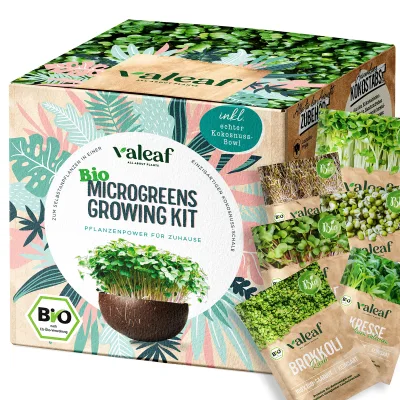
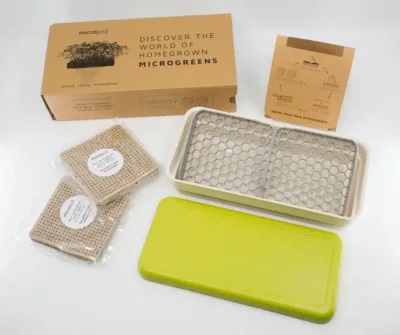
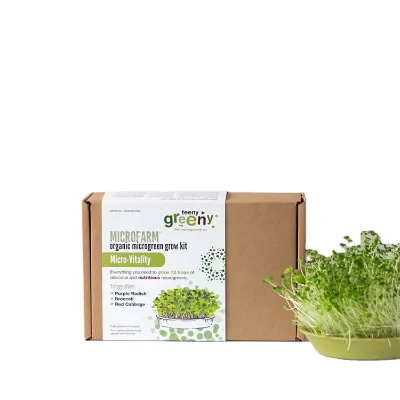
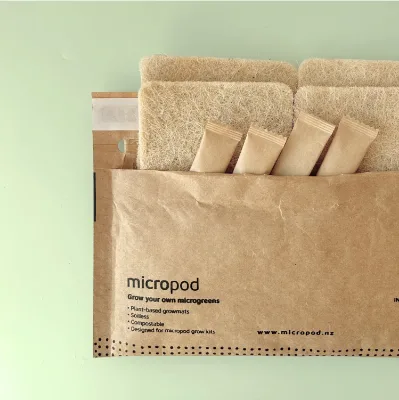
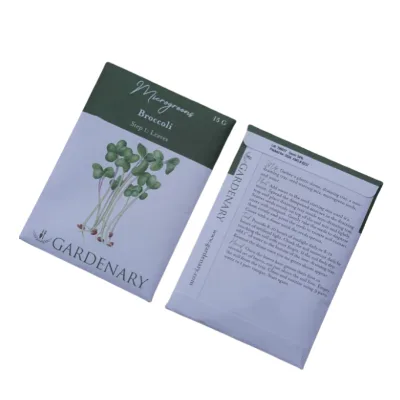
A Set Gardenarys Magic Microgreens Kit Include Ten Pack Microgreens Growing Kit
$12.49 - $18.74
Moq: 1000

- Verified by TUVRHEINLAND
- Trading Company,Manufacturer/Factory
- China Fujian
- Lead time23 days
- Avg. response≤ 4h
Main productsBonsai Kit, Herb Kit, Succulent Kit, Flower Kit, Microgreens Kit, Terrarium Kit, Chia Pet, Mushroom Kit, Seed Paper & Seed Bomb, Kids Garden Kit
Main marketsSouth America,Eastern Europe,Mid East,North America,Southeast Asia,Eastern Asia,Oceania,Western Europe,Africa
- Manufacturer, Trading Company
- Fujian, China
- Lead time15 days
- Avg. response≤ 2h
Main productsBonsai tool & Planter Kit,Garden Stake,Grow Medium,Garden Accessories,Kids DIY Paint Kit
Main marketsNorth America(40.0%), Southern Europe(10.0%), Western Europe(10.0%), Northern Europe(10.0%), Eastern Europe(10.0%), South America(10.0%), Central America(5.0%), Mid East(5.0%)

- Manufacturer
- China Guangdong
- Lead time23 days
- Avg. response≤ 3h
Main productsPVC Trunking, PVC Pipe, PVC Fittings, Gi Box, Street Light, Flood Light, Light Fitting, AAC Cable, Metal Box, PPR Pipe
Main marketsAfrica,Southeast Asia/ Mideast,Australia

Wuxi Liford Import and Export Co., Ltd.
- Verified by SGS
- Trading Company
- China Jiangsu
- Lead time15 days
- Avg. response≤ 3h
Main productsDrum Truck, Coating Line, Forklift Drum Grab, Coating Machine, Electrocoating Production Line, E-Coating Line, Liquid Coating Line, Powder Painting Machine, Painting Equipment, Aluminum Coil Coating Line for Window-Shades
Main marketsEurope,North America

Shandong New Silk Road Greenhouse Engineering Co., Ltd.
- Verified by SGS
- Manufacturer/Factory
- China Shandong
- Lead time23 days
- Avg. response≤ 3h
Main productsGreenhouse, Capsule House, Water and Fertilizer Integrated Equipment
Main marketsSouth America,Eastern Europe,Mid East,North America,Southeast Asia,Eastern Asia,Oceania,Western Europe,Africa

Chongqing Qing Cheng Agricultural Science and Technology Co., Ltd.
- Verified by SGS
- Trading Company
- China Chongqing
- Lead time60 days
- Avg. response≤ 5h
Main productsPlastic Film Greenhouse, Glass Greenhouse, PC Sheet Greenhouse, Greenhouse Roll up Motor, Greenhouse Accessories, Hydroponic System
Main marketsSouth America,Southeast Asia/ Mideast,Europe,North America

Sichuan Zhifang Net Industry Co., Ltd.
- Verified by CTI
- Manufacturer/Factory
- China Sichuan
- Lead time23 days
- Avg. response≤ 13h
Main productsShade Net, Shade Sail, Insect Net, Ground Cover, Anti Bird Net, Anti Hail Net, Fence Screen, Balcony Screen, Planting Bag, Root Control Container
Main marketsSouth America,Eastern Europe,Mid East,North America,Southeast Asia,Eastern Asia,Oceania,Western Europe,Africa

Henan Dorisun Agricultural Technology Co, . Ltd
- Verified by TUVRHEINLAND
- Trading Company
- China Henan
- Lead time15 days
- Avg. response≤ 3h
Main productsGreenhouse, Rolling Bench, Vertical Grow Rack, Multi Span Greenhouse, Single Span Greenhouse, Blackout Greenhouse, Hydroponic System, Nft Channel System, Container Farm Greenhouse, Plastic Film Greenhouse
Main marketsNorth America

- Verified by TUVRHEINLAND
- Trading Company
- China Guangdong
- Lead time15 days
- Avg. response≤ 3h
Main productsHydroponics System, Nft Channel System
Main marketsSoutheast Asia/ Mideast

Hydroponic Grow Kit with Film Greenhouse Compatibility and Water Saving Design
$150.00 - $180.00
Moq: 1


Anhui Tpack Import&Export Co., Ltd
- Verified by SGS
- Trading Company
- China Anhui
- Lead time30 days
- Avg. response≤ 3h
Main productsVertical Hydroponic, Greenhouse Glass, Dutch Bucket, Greenhouse PC-Board, Hydroponic Nft System, Greenhouse Film, Seedbed, Full Spectrum Grow Light, HVAC System, Grow Container
Main marketsNorth America

Cixi Xingan Industry Co., Ltd.
- Verified by CTI
- Combined
- China Zhejiang
- Lead time23 days
- Avg. response≤ 6h
Main productsPet Door, Dog Door, Cat Door, Green House, Warning Triangle, Retractable Leash, Dog Leash, Pet Leash, Warm House, Cat Leash
Main marketsOthers(foreignTradeCapacity.exportBusinessCapacityMarketOther),Domestic,Europe,Australia,North America

- Verified by BV
- Trading Company
- China Guangdong
- Lead time30 days
- Avg. response≤ 4h
Main productsHydroponic System, Hydroponic Sponge, Nft Channel, Strawberry Gutter/Tower, Raised Garden Bed, Dutch Bucket, Plastic Net Pot, Substrate, Vegetable Mould, Greenhouse
Main marketsSouth America,Africa,Southeast Asia/ Mideast,East Asia(Japan/ South Korea),Europe,Australia,North America

Shenzhen Sanliuwu Technology Limited Company
- Trading Company
- China Guangdong
- Lead time0 days
- Avg. response≤ 3h
Main productsLED Red Light Therapy, LED Grow Light, LED Driver, LED Vertical Farm

Ningbo Artisan Import & Export Co., Ltd.
- Verified by TUVRHEINLAND
- Trading Company
- China Zhejiang
- Lead time30 days
- Avg. response≤ 25h
Main productsMailbox, Shaggy Blanket, Bathrobe, Furniture, Bill Counter, Book Stand, Bamboo Shoes Rack, Bar Tools
Main marketsEurope




Comprehensive Sourcing Guide
Farmhouse Plant Fiber Microgreens Kit Supplier Concentration and Factory Types
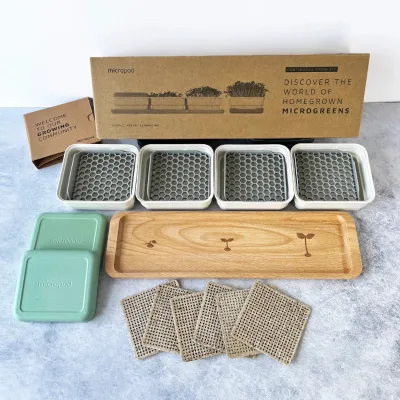
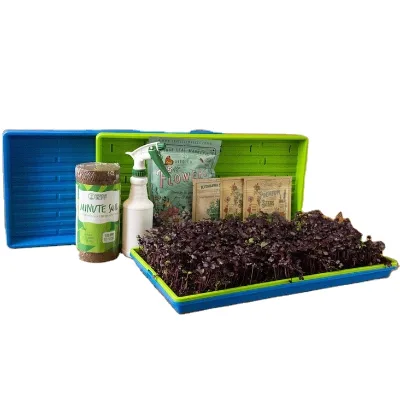
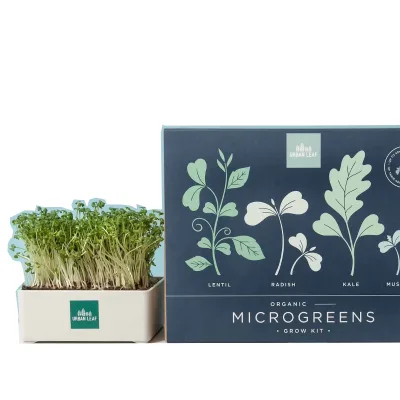
The sourcing landscape for farmhouse plant fiber microgreens kits reveals a distinct mix of trading companies and direct manufacturers, each offering different advantages for commercial buyers. Current data indicates that the majority of suppliers in this niche operate as trading companies, which often provide broader product assortments and flexible customization services. These entities typically aggregate products from various factories, allowing buyers to access a wider range of styles, such as country-style or modern farmhouse designs, within a single order. However, the presence of manufacturer/factory type suppliers suggests that direct production capabilities also exist for those seeking tighter control over material sourcing and production costs. The main products listed across these suppliers frequently include herb kits, bonsai kits, and microgreens kits, indicating a specialized focus on indoor gardening solutions rather than general horticulture supplies. This concentration allows buyers to find partners who understand the specific aesthetic and functional requirements of plant fiber materials, which are central to the eco-friendly appeal of these kits.
Location data points to Fujian, China, as a significant hub for these types of garden supplies, particularly for items made from plant fiber and ceramic. This regional concentration implies established supply chains for raw materials like plant fibers and potentially for the ceramic components found in some microgreen grow kits. Buyers should recognize that while Fujian is a verified origin point, not all suppliers may be physically located there, even if they list it as their place of origin. The distinction between trading companies and manufacturers is crucial because it affects lead times and communication efficiency. Trading companies may offer faster response times and more flexible minimum order quantities, whereas manufacturers might provide better pricing for larger volumes but require longer production runs. Understanding this dynamic helps buyers align their procurement strategy with their specific needs for speed, volume, and customization.
How to Verify Farmhouse Plant Fiber Microgreens Kit Suppliers
Verifying the legitimacy and capability of suppliers requires a multi-layered approach that goes beyond simple profile reviews. Buyers should prioritize suppliers who have undergone third-party verification processes, as these provide an additional layer of trust regarding business operations and product quality. For instance, some suppliers in this category have been verified by SGS Group, a globally recognized inspection and certification company, which adds credibility to their claims about production capacity and quality control. Other suppliers may hold certifications from TUVRHEINLAND, indicating adherence to specific international standards for safety and quality management. These verification badges are not just decorative; they signal that the supplier has passed rigorous audits that assess their financial stability, legal compliance, and operational integrity. Buyers should look for these indicators prominently displayed on supplier profiles to quickly filter out unverified entities that may pose higher risks.
In addition to third-party verification, buyers should examine the specific certifications and standards held by the supplier, such as FSC (Forest Stewardship Council) certification. This is particularly relevant for plant fiber products, as FSC certification ensures that the raw materials are sourced from responsibly managed forests, aligning with the eco-friendly narrative often associated with farmhouse-style microgreens kits. Buyers should request documentation for these certifications to ensure they are current and applicable to the specific products being ordered. Furthermore, checking the supplier’s response time can provide insights into their operational efficiency and customer service quality. A supplier with a low response time, such as under four hours, is likely more responsive to inquiries and potential issues during the production process. Combining verification status, certification details, and responsiveness metrics creates a robust framework for assessing supplier reliability.
What to Compare Across Farmhouse Plant Fiber Microgreens Kit Suppliers
When evaluating multiple suppliers, buyers must compare key operational metrics to determine the best fit for their business needs. Lead time is a critical factor, with some suppliers offering as little as seven days for production, while others may require up to twenty-three days. This variance can significantly impact inventory planning and market launch schedules, making it essential to align supplier capabilities with project timelines. Minimum Order Quantity (MOQ) is another crucial comparison point, ranging from small batches of five units to large industrial orders of five thousand units. Buyers with limited capital or those testing new markets may prefer suppliers with lower MOQs, while those with established distribution channels might leverage higher volumes for better pricing. Understanding these thresholds helps buyers negotiate terms that balance cost efficiency with inventory risk.
Price and customization capabilities are also vital areas for comparison. Unit prices for microgreens kits can vary widely, from approximately $1.27 to over $18.74, depending on materials, complexity, and order volume. Buyers should analyze these price ranges in the context of their target margins and product positioning. Additionally, the level of customization offered by suppliers, such as OEM (Original Equipment Manufacturer) or ODM (Original Design Manufacturer) services, can differentiate one supplier from another. Some suppliers support graphic processing and customized shapes, allowing for unique branding opportunities, while others may offer limited customization options. Response time is another differentiator, with some suppliers responding within hours, which facilitates quicker decision-making and problem resolution. By systematically comparing these dimensions, buyers can identify suppliers that offer the best combination of cost, speed, and flexibility.
Common Farmhouse Plant Fiber Microgreens Kit Sourcing Risks
Sourcing farmhouse plant fiber microgreens kits involves several potential risks that buyers must proactively manage to ensure successful procurement. One significant risk is the variability in product quality, particularly regarding the durability and finish of plant fiber materials. Since these kits are often marketed as eco-friendly and aesthetic, any defects in the fiber structure or coating can lead to customer dissatisfaction and returns. Buyers should request samples to physically inspect the material quality, checking for issues like uneven surfaces, weak structural integrity, or inconsistent coloring. Additionally, the "Not Coated" finishing option, while appealing for eco-conscious consumers, may require careful handling during shipping to prevent damage. Without proper packaging and quality control, these kits can arrive in poor condition, negating the aesthetic benefits.
Another risk is the discrepancy between advertised lead times and actual delivery schedules. Suppliers may quote short lead times, such as seven days, but fail to meet these deadlines due to production bottlenecks or material shortages. This can disrupt supply chains and lead to missed market opportunities. Buyers should establish clear communication channels and request regular production updates to monitor progress. Furthermore, the risk of intellectual property infringement exists if buyers work with suppliers who offer extensive customization without proper legal agreements. Ensuring that designs and branding are protected is crucial, especially when dealing with OEM services. Buyers should also be cautious of suppliers who do not provide transparent pricing or hidden fees, which can erode profit margins. Mitigating these risks requires diligent due diligence, clear contracts, and ongoing supplier relationship management.
Farmhouse Plant Fiber Microgreens Kit Regional Sourcing and Logistics
Regional sourcing from Fujian, China, offers logistical advantages due to the established infrastructure for garden supplies and plant fiber products. This region’s concentration of suppliers facilitates efficient raw material sourcing and production, reducing lead times and costs. However, buyers must consider the logistical implications of shipping from this location, including transit times and customs procedures. The single package sizes for these kits vary, ranging from compact dimensions like 11x22.5x5 cm to larger sizes like 32.99x16.51x6.91 cm, which affects shipping volume and costs. Buyers should calculate the volumetric weight to determine the most cost-effective shipping method, whether by air, sea, or express courier. Understanding these logistical factors helps in planning inventory levels and minimizing storage costs at the destination.
Additionally, the style and application of the kits, such as country-style or modern farmhouse designs, may influence packaging requirements to maintain aesthetic appeal during transit. Buyers should ensure that suppliers use appropriate packaging materials to protect the plant fiber and ceramic components from moisture and impact. The place of origin being Fujian also implies familiarity with international shipping standards, but buyers should still verify that suppliers comply with specific import regulations in their target markets. This includes checking for any restrictions on plant-based materials or certifications required for entry. By addressing these logistical considerations early in the sourcing process, buyers can avoid unexpected delays and additional costs, ensuring a smooth supply chain from factory to final consumer.
Farmhouse Plant Fiber Microgreens Kit Commercial Terms and Order Planning
Effective order planning for farmhouse plant fiber microgreens kits requires careful attention to commercial terms and payment structures. Buyers should negotiate clear terms regarding payment methods, such as using escrow services to protect funds until goods are received and verified. This is particularly important when dealing with new suppliers or large orders, as it mitigates the risk of non-delivery or quality issues. Additionally, buyers should clarify the terms for returns and refunds in case of defective products, ensuring that there is a mechanism for resolving disputes. Understanding the supplier’s return policy and warranty provisions is essential for managing post-sale customer service and maintaining brand reputation.
Furthermore, buyers should plan for scalability by establishing long-term agreements with reliable suppliers who can accommodate volume increases. This involves discussing volume discounts, priority production slots, and dedicated account management. By building strong relationships with suppliers, buyers can secure better terms and more consistent service over time. It is also important to consider the commercial buyer profile, such as gifts stores or home garden retailers, to tailor product offerings and marketing strategies accordingly. Aligning commercial terms with business goals ensures that the sourcing process supports growth and profitability. Regularly reviewing and adjusting these terms based on market conditions and supplier performance helps maintain a competitive edge in the indoor gardening market.
FAQs
What is the price range for farmhouse microgreens kits?
Farmhouse microgreens kits typically range from $1.28 to $15.04 per unit depending on material and customization. Plant fiber options start around $2.40, while ceramic or complete starter kits cost more. Prices vary based on order volume and specific design features requested by the buyer.
What is the minimum order quantity for these kits?
Minimum order quantities vary significantly by supplier and product type. Some suppliers require a minimum of 1000 pieces for standard plant fiber kits, while others may accept orders as low as 5 units. Ceramic or specialized hydroponic kits often have higher MOQs, such as 5000 pieces.
How long does production take for these kits?
Production lead times generally range from 7 to 23 days depending on the supplier and order complexity. Standard plant fiber kits may ship within a week, while customized or larger orders from manufacturers can take up to three weeks. Buyers should confirm specific timelines with their chosen supplier.
Are these kits made from eco-friendly materials?
Yes, many farmhouse microgreens kits are made from plant fiber, which is considered eco-friendly and biodegradable. Some suppliers also offer ceramic options that are durable and reusable. These materials align with sustainable gardening trends and are suitable for indoor farming and home kitchen use.
Can I customize the design of the microgreens kit?
Customization is available for many suppliers, including OEM and ODM services. Buyers can often request specific shapes, colors, or branding on plant fiber or ceramic kits. Graphic processing and sample processing are supported, allowing for tailored designs that match specific farmhouse or modern aesthetic preferences.
Where are these microgreens kits manufactured?
These kits are primarily manufactured in Fujian, China. Suppliers in this region specialize in garden supplies and offer various materials like plant fiber and ceramic. Buyers should verify specific factory locations and certifications to ensure quality and compliance with their sourcing requirements.