Cistern Mechanism Toilet Filling Valve Suppliers and Manufacturers
Source 15 verified suppliers for Cistern Mechanism Toilet Filling Valve components. Compare grounded dimensions including lead times, MOQs, certifications, and prices. Review product specifications and request quotes to streamline your procurement process; review the available evidence before requesting comparable quotations from suitable candidates.
Suppliers List
- Manufacturer/Factory
- China Fujian
- Lead time0 days
Main productsToilet Bidet, Toilet Bidet Attachment, Toilet Fill Valve, Toilet Flush Valve, Toilet Tank Fittings, Dual Flush Valve, Toilet Parts, Flush Valve, Toilet Fittings, Toilet Flush Sensor


MOQ: 100 Pieces

Fill Valve Toilet Flushing Valve
MOQ: 100 Pieces

Toilet Accessories / Cistern Inlet Valve
MOQ: 1000 Pieces

MOQ: 100 Pieces

Silent Toilet Fill Valve Cistern Fill Valve
MOQ: 1000 Pieces
Guangdong HTD Technology Co., Ltd.
- Manufacturer, Trading Company
- Guangdong, China
- Lead time15 days
- Avg. response≤ 2h
Main productsFlush Valve,Tank Fittings,Bidet,Fill Valve,cistern mechanism
Main marketsMid East(30.00%), Southeast Asia(15.00%), Eastern Asia(15.00%), Northern Europe(13.00%), South America(10.00%), North America(8.00%), Africa(5.00%), Domestic Market(4.00%)

- Verified by SGS
- Combined
- China Fujian
- Lead time30 days
Main productsConcealed Cistern, Flush Plate, Toilet Pan Connector, Toilet Fittings
Main marketsAustralia,North America

Toilet Tank Fittings Toilet Flush Mechanism Outlet Valve Toilet Flush Valve
$4.00 - $5.00
MOQ: 500 Pieces


Adjustable Fill Valve Replacement for Toilet Cistern Fittings Flush Valves
$2.35 - $3.23
MOQ: 1000 Pieces


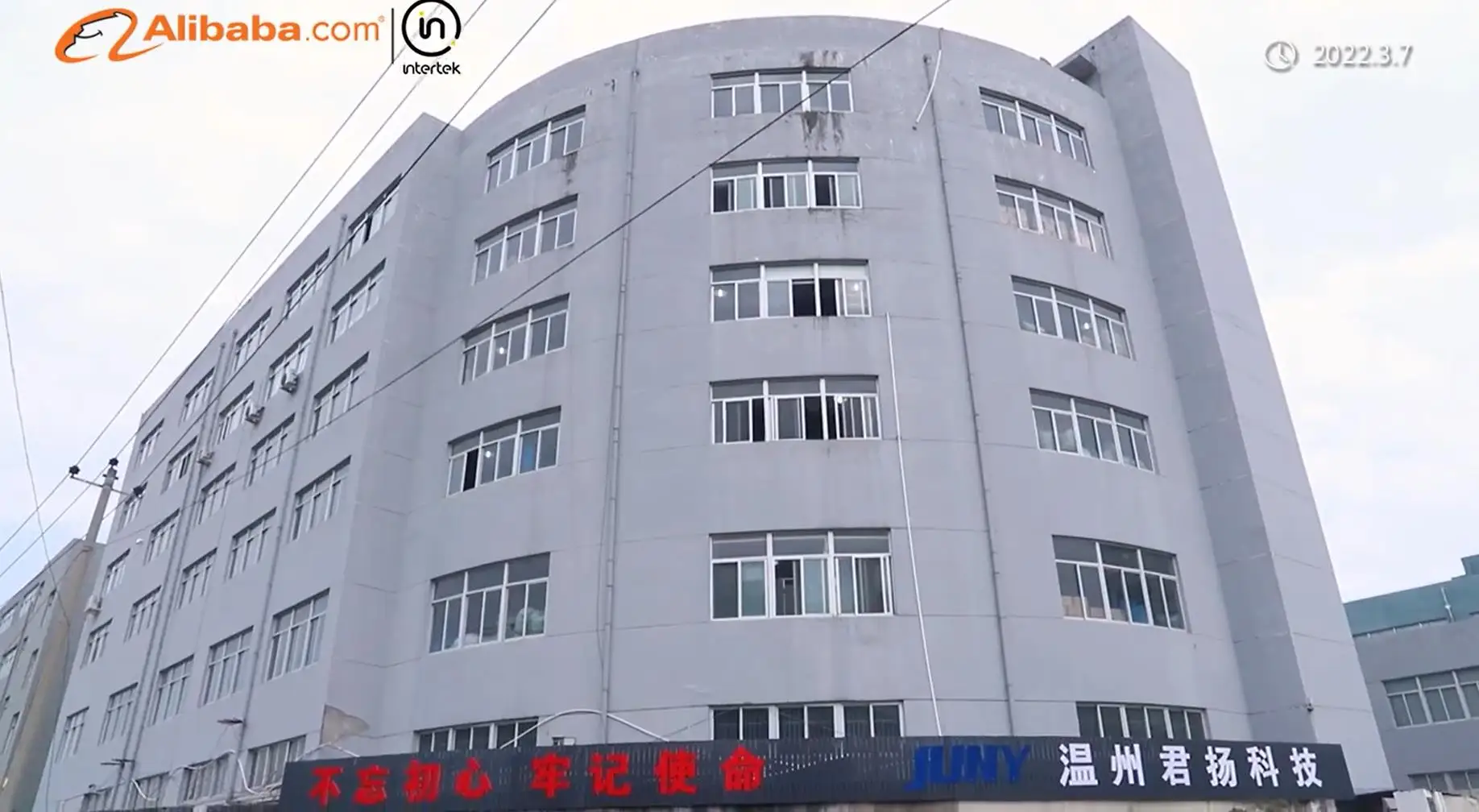
Wenzhou Junyoung Technology Co., Ltd.
- Manufacturer
- Zhejiang, China
- Lead time15 days
- Avg. response≤ 5h
Main productsWater Level Control Valve, Filter, Toilet Fill Valve, Tankbuddy, Vigor Valve
Main marketsSoutheast Asia(60.00%), South America(10.00%), Africa(10.00%), North America(5.00%), South Asia(2.00%), Eastern Asia(2.00%), Oceania(2.00%), Western Europe(2.00%), Central America(2.00%), Mid East(2.00%), Southern Europe(1.00%), Northern Europe(1.00%), Eastern Europe(1.00%)
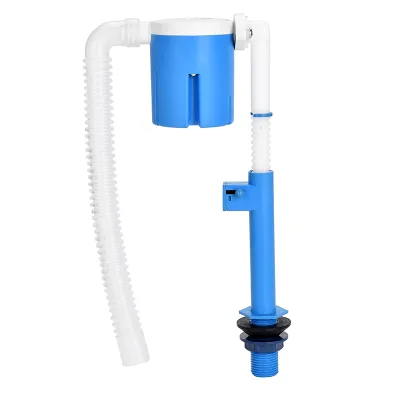
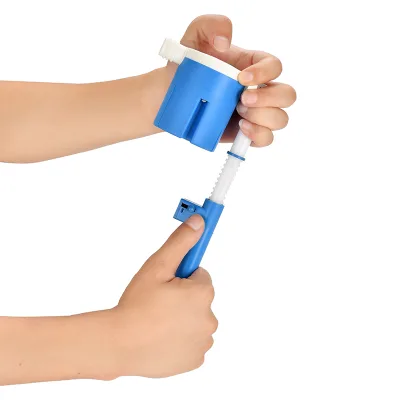
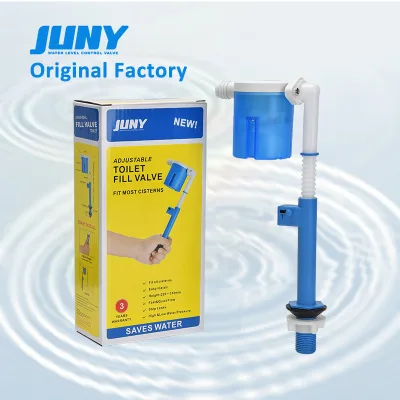
$2.80 - $3.06
MOQ: 20 pieces

Xiamen Jieente Import and Export Co., Ltd.
- Verified by SGS
- Manufacturer/Factory
- China Fujian
- Lead time23 days
Main productsToilet Seat, Water Tank, Toilet Tank Fitting, Flush Tank, Inlet Valve, Outlet Valve, Toilet Cover, Fill Valve, Button, Intelligent Toilet Seat
Main marketsSouth America,Eastern Europe,Mid East,North America,Southeast Asia,Eastern Asia,Oceania,Western Europe,Africa
Xiamen Alyn Plumbing Co., Ltd.
- Manufacturer
- Fujian, China
- Lead time14 days
- Avg. response≤ 24h
Main productsCistern mechanism,Fill valve,Flush valve,Push button,Hand lever
Main marketsWestern Europe(40.00%), North America(25.00%), South America(15.00%), Southeast Asia(10.00%), Mid East(5.00%), Eastern Asia(5.00%)

Xiamen Bellto Sanitary Ware Co., Ltd.
- Verified by SGS
- Manufacturer/Factory
- China Fujian
- Lead time45 days
Main productsBathroom Sinks, Toilets, Toilet Flush Plates, Wc Pan Connector, Toilet Concealed Cistern
Main marketsSouth America,Eastern Europe,Mid East,North America,Southeast Asia,Eastern Asia,Oceania,Western Europe,Africa
Compas (Xiamen) Plumbing Technology Co., Ltd.
- Verified by Intertek
- Manufacturer, Trading Company
- Lead time0 days
- Avg. response≤ 2h
Main productsToilet Tank Fittings, Toilet Seat Cover, Concealed Cistern, Intelligent Toilet
Main marketsDomestic Market(35%), Mid East(13%), South Asia(12%)
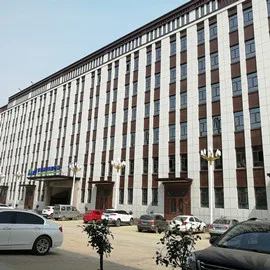
Renqiu Kangjie Sanitary Ware Co., Ltd.
- Manufacturer, Trading Company
- Hebei, China
- Lead time45 days
- Avg. response≤ 3h
Main productsToilet Seat, Water Tank, Toilet Cistern Fitting
Main marketsDomestic Market(30.00%), Africa(20.00%), North America(19.00%), Mid East(10.00%), Southern Europe(5.00%), South America(3.00%), Western Europe(3.00%), Eastern Asia(3.00%), Eastern Europe(3.00%), Southeast Asia(3.00%), Central America(1.00%)
Yuyao City Zeda Plastic Co., Ltd.
- Manufacturer
- Zhejiang, China
- Lead time35 days
- Avg. response≤ 20h
Main productsToilet Flush, Toilet Fill, Smart Toilet Seat Lid, Floor Drain, Flexible Hose
Main marketsSouth America(32.00%), North America(30.00%), Domestic Market(30.00%), Mid East(4.00%), Southern Europe(2.00%), Central America(1.00%), Africa(1.00%)

Renqiu Kangjie Sanitary Ware Co., Ltd
- Combined
- China Hebei
- Lead time30 days
Main productsPlastic Products
Main marketsSouth America,Africa,East Asia(Japan/ South Korea),Domestic,Europe,North America

Henan Fluor Building Materials Co., Ltd
- Verified by SGS
- Trading Company
- China Henan
- Lead time15 days
Main productsBathroom Toilet, Sink, Kitchen Sink, Bathtub, Toilet Valve, Smart Toilet, Bathroom Vanities, Bathroom Cabinets, Portable Toilet
Main marketsSouth America,Southeast Asia/ Mideast,North America

$2.50 - $3.50
MOQ: 5 Pieces

PP Dual-Flush Toilet Cistern Fitting Fill Valve and Flush Toilet Flush Mechanism for Bathroom
$3.50 - $4.50
MOQ: 5 Pieces

Ningbo Sinoflag International Trading Co., Ltd.
- Verified by TUVRHEINLAND
- Trading Company
- China Zhejiang
- Lead time23 days
Main productsTap, Faucet, Shower, Sink, Valve, Thermostatic Shower, Shower Column
Main marketsEurope
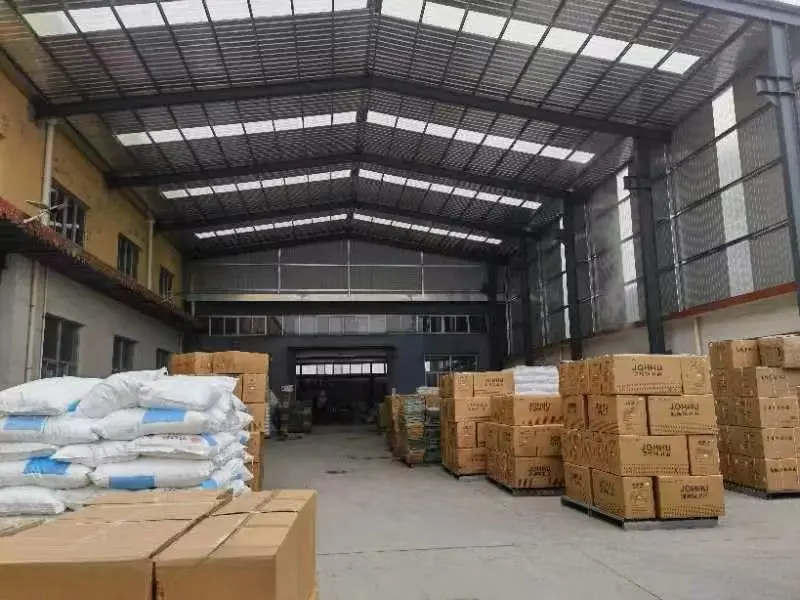
Renqiu Hongjie Sanitary Ware Co., Ltd.
- Trading Company
- Hebei, China
- Lead time15 days
- Avg. response≤ 1h
Main productsToilet Seats,Drains,Bathroom Accessories,Flush Valves
Main marketsNorth America(30.00%), Africa(20.00%), Southeast Asia(20.00%), Domestic Market(10.00%), Eastern Europe(10.00%), South America(10.00%)

Hongxing Manufacturing Group Ltd.
- Manufacturer/Factory
- China Zhejiang
- Lead time45 days
Main productsValve, Fitting, Dzr Brass, Lead Free, Sanitary Ware, Cable Tie, Ball Valve, Stop Valve, Thermostat, Gate Valve
Main marketsSouth America,Eastern Europe,Mid East,North America,Southeast Asia,Eastern Asia,Oceania,Western Europe,Africa




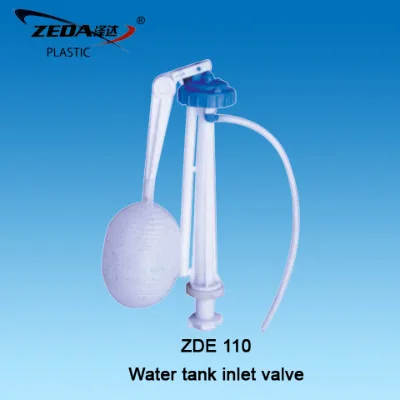
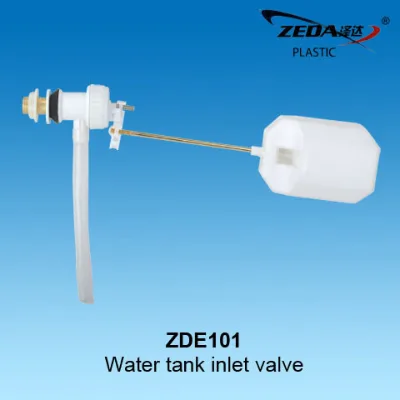


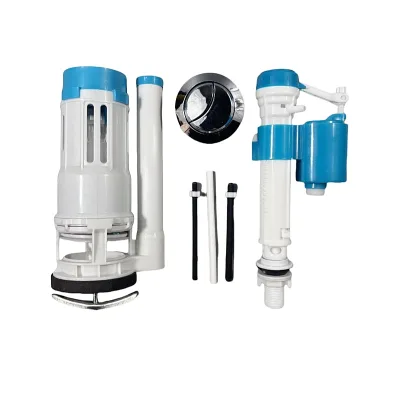
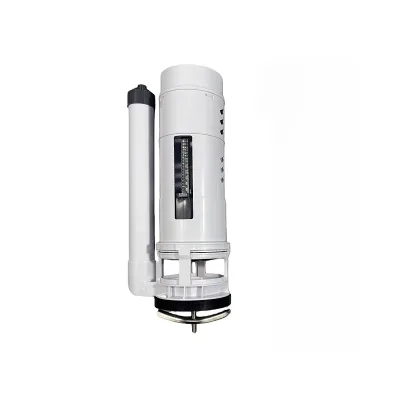


Comprehensive Sourcing Guide
Cistern Mechanism Toilet Filling Valve Supplier Concentration and Factory Types
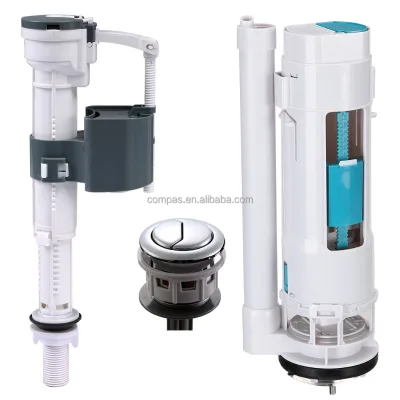
Current data indicates a concentration of manufacturing activity in the Fujian province, specifically within the Xiamen area, where several suppliers list their origin for products like the B4210 and A115 models. These facilities operate primarily as manufacturers or factories, producing core items such as toilet bidets, flush valves, and tank fittings directly on-site. The presence of these specific production hubs suggests a regional cluster where supply chains for plastic components and assembly lines are established, allowing for efficient output of cistern mechanisms. Buyers observing this geographic data can prioritize inquiries with entities explicitly stating their origin as Fujian or Xiamen to ensure direct factory access rather than intermediary trading.
In contrast, other results show suppliers located in Guangdong, China, operating as a mix of manufacturers and trading companies. These entities often list broader product ranges including concealed cisterns and flush plates alongside standard filling valves. The distinction between a pure manufacturer and a combined trading entity is critical, as the latter may source from multiple factories, potentially complicating quality control and communication. When evaluating the supplier type, buyers should verify if the company claims direct production capabilities for the specific cistern mechanism model required, as this impacts the ability to customize features like the button location or inlet valve type.
How to Verify Cistern Mechanism Toilet Filling Valve Suppliers
Verification begins with checking for specific certifications and verification badges that appear in supplier profiles, such as the SGS verification status observed in some results. While some product listings explicitly display CE certification for models like the B4210, others may show no system certification listed, requiring the buyer to request proof of compliance directly. It is essential to confirm that the certification applies to the specific cistern mechanism being ordered, as standards can vary between different product lines within the same factory. Buyers should not assume that a general company verification covers every SKU, especially when the product evidence shows mixed certification data across different listings.
Response time and lead time are also vital metrics for verifying supplier reliability and operational capacity. Data shows response times as low as two days for some entities, while others may have longer lead times ranging from fifteen to thirty days depending on the order volume and customization needs. A supplier with a thirty-day lead time might be a larger factory with a robust production schedule, whereas a shorter lead time could indicate a trading company with existing stock or a smaller, agile manufacturer. Buyers must cross-reference these timeframes with their own project deadlines to ensure the supplier can meet delivery requirements without compromising on the quality of the anti-siphon or flush valve mechanisms.
What to Compare Across Cistern Mechanism Toilet Filling Valve Suppliers
When comparing suppliers, the minimum order quantity (MOQ) is a primary differentiator that affects procurement strategy and inventory costs. Available data reveals significant variation, with some suppliers requiring an MOQ of 500 units for specific flush valve kits, while others set the threshold at 100 units for fill valves or 1000 units for specialized anti-siphon mechanisms. This disparity means that buyers with smaller order volumes must specifically target suppliers with lower MOQs to avoid excessive capital tie-up. Conversely, large-scale buyers might leverage higher MOQs to negotiate better unit prices, as the price range for certain models can be fixed at specific points like 4.00 or 1.59 per unit depending on the supplier's pricing structure.
Another critical comparison point is the specific product attributes and customization options available for the cistern mechanism. Some listings offer customization for installation types, such as base type or hand control, while others provide standard configurations like bottom inflow or front button locations. The warranty terms also vary, with some suppliers offering a three-year warranty on flush valves, which indicates confidence in their manufacturing durability. Buyers should compare the structural details, such as whether the valve is a one-piece design or includes specific features like burst-proof capabilities, to ensure the selected mechanism matches the technical requirements of their plumbing systems and end-user expectations.
Common Cistern Mechanism Toilet Filling Valve Sourcing Risks
One significant risk involves the inconsistency of product specifications and origin claims across different listings from the same or similar suppliers. For instance, while some products list their origin as Xiamen, others may simply state Fujian, China, without specific city details, making it difficult to trace the exact manufacturing facility. This lack of granularity can lead to quality inconsistencies if a buyer orders from a different production line than the one that produced the sample. Additionally, the absence of detailed certification data for certain models, where system certification is listed as NIL, poses a compliance risk for buyers targeting markets with strict regulatory requirements for sanitary ware.
Another risk is the potential mismatch between the advertised lead time and the actual production capacity, particularly when customization is involved. Suppliers offering customization services may extend their lead times beyond the standard fifteen to thirty days observed in non-customized orders. If a buyer does not explicitly confirm the timeline for custom features like specific button diameters or anti-siphon designs, they may face delays that disrupt their supply chain. Furthermore, relying on a supplier that lists itself as a combined entity without clear manufacturing ownership can obscure the true source of defects, making it harder to enforce quality guarantees or warranty claims when issues arise with the cistern mechanism.
Cistern Mechanism Toilet Filling Valve Regional Sourcing and Logistics
Sourcing from the identified clusters in Fujian and Guangdong offers logistical advantages due to the established infrastructure for exporting bathroom and kitchen fittings. The concentration of manufacturers in Xiamen and other parts of Fujian suggests a mature ecosystem for packaging and shipping, with products often packed in cartons or PE bags ready for international transport. Buyers should verify the specific packing details, such as the use of standard boxes or PE bags, as this impacts the volume efficiency and protection of the cistern mechanisms during transit. Understanding the regional logistics capabilities helps in estimating freight costs and delivery schedules more accurately.
However, buyers must also consider the variability in shipping times based on the supplier's location and their specific logistics partners. While some suppliers in Guangdong may offer faster response times, the actual transit time depends on the destination port and customs clearance procedures. It is crucial to confirm whether the supplier handles export documentation and if they have experience shipping to the buyer's specific region. The lack of explicit shipping terms in some product listings means buyers should proactively ask about Incoterms and freight responsibilities to avoid unexpected costs or delays that could arise from unclear logistics arrangements between the factory and the final destination.
Cistern Mechanism Toilet Filling Valve Commercial Terms and Order Planning
Commercial terms regarding pricing and payment structures vary significantly across the supplier base, with some models showing fixed price points while others may require negotiation based on volume. For example, specific flush valve kits are listed with a price of 4.00, while other fill valves are priced at 1.59, indicating that unit costs are not uniform across all product types. Buyers must carefully review the price ranges provided, noting that some listings show a single price point while others might have a range, and clarify if these prices include packaging or if they are ex-works. Understanding the pricing model is essential for accurate budgeting and comparing the total cost of ownership across different suppliers.
Order planning must also account for the specific warranty and after-sales support terms offered by each supplier. While some manufacturers provide a three-year warranty and online technical support, others may not explicitly state their after-sales service capabilities in the product evidence. Buyers should ensure that the commercial agreement includes clear provisions for handling defective units, especially for critical components like anti-siphon valves where failure can cause water damage. Additionally, confirming the availability of spare parts and the duration of the warranty period is vital for long-term project planning, ensuring that the cistern mechanism remains functional and supported throughout its intended service life.
FAQs
What is the typical lead time for cistern mechanisms?
Lead times vary by supplier, with some offering 0 days and others requiring up to 30 days. Buyers should verify specific delivery windows before ordering to ensure production schedules align with project deadlines and inventory needs.
What are the minimum order quantities for these valves?
Minimum order quantities range from 100 pieces to 1000 pieces depending on the specific model and supplier. Some products like fill valves start at 100 units, while others require orders of 500 or 1000 units to qualify for pricing.
Are these toilet filling valves certified for safety?
Some products carry CE certification, indicating compliance with specific safety standards. Buyers should check individual product attributes for certification details, as not all listed items explicitly display this credential in the provided specifications.
Where are these cistern mechanisms manufactured?
Manufacturing locations include Fujian and Guangdong provinces in China, with specific origins noted as Xiamen. These regions are known for producing various bathroom fittings and toilet parts for international markets.
What is the price range for these valves?
Prices vary significantly, ranging from approximately 1.52 to 5.00 per unit based on the specific model and features. Buyers should compare listings to find options that fit their budget while meeting quality requirements.
Do suppliers offer customization for these mechanisms?
Customization is available for certain models, allowing buyers to request specific designs or branding. This option enables tailored solutions for unique project requirements while maintaining standard functionality and performance specifications.
What is the response time for supplier inquiries?
Response times can be as fast as 2 hours for some suppliers, ensuring quick communication. Buyers should expect varying reply speeds and may need to follow up to confirm details regarding availability and pricing.