Flame-Retardant Waterproof Construction Workwear Suppliers and Manufacturers
Discover 19 verified suppliers offering Flame-Retardant Waterproof Construction Workwear with customizable features. Compare dimensions including location, lead times, certifications, and pricing to find the right partner. Contact suppliers directly to request samples and confirm specifications; review the available evidence before requesting comparable quotations from suitable candidates.
Suppliers List

Xinxiang Xinke Protective Technology Co.,Ltd.
- Verified by BV
- Combined
- China Henan
- Lead time45 days
Main productsWorkwear, Work Uniform, Work Clothes, Cargo Pants, Work Pants, Work Wear, Flame Resistant Coverall, Flame Resistant Clothes, Fire Retardant Fabric, Fr Shirt
Main marketsSouth America,Europe,North America

Construction Safety Flame Retardant Workwear Men Working Safety Sweatshirt
$27.80 - $29.80
MOQ: 500 pieces

Flame Retardant Clothing Construction Workers Flame Retardant Work Hoodie
$27.80 - $29.80
MOQ: 500 pieces

Fire Safety Protection Fireproof Work Wear Flame Resistant Clothing for Men
$27.80 - $29.80
MOQ: 500 pieces

Kinglong Protective Products (Hubei) Co., Ltd.
- Verified by TUVRHEINLAND
- Combined
- China Hubei
- Lead time60 days
Main productsWork Clothes, Workwear, Coveralls, Work Garment, Uniforms, Pants, Cargo Pants, Leisure Pants, Outdoor Wear
Main marketsSouth America,Southeast Asia/ Mideast,Europe

Workwear Jackets Waterproof Breathable Fabric for Construction Safety Workwear Jackets
$8.00 - $10.80
MOQ: 3000 piece

$8.56 - $10.68
MOQ: 3000 piece

Waterproof Windproof Softshell Work Jacket for Men Outdoor Construction Site Workwear
$8.00 - $10.80
MOQ: 3000 piece

$8.56 - $10.68
MOQ: 3000 piece

Professional Softshell Work Jacket Waterproof Breathable for Construction Workers
$8.00 - $10.80
MOQ: 3000 piece

Heavy Duty Work Coveralls Safety Protective Clothing for Construction Work
$8.56 - $10.68
MOQ: 3000 piece

Jinzhou City Hejin Clothing Co., Ltd.
- Verified by TUVRHEINLAND
- Combined
- China Hebei
- Lead time15 days
Main productsRain Wear, Work Wear, Rain Coat, Rain Jacket, Rain Poncho, Rain Suits, Bib Pants, Safety Wear, Rain Pants, Raincoat
Main marketsAustralia,North America

Flame Retardant Fireproof Reflective PU Coated PVC Waterproof Jacket Workwear
$13.09 - $13.59
MOQ: 1 Pieces


High Visibility Work Uniform Flame Resistant Waterproof Coat Reflective Workwear
$2.99 - $4.99
MOQ: 500 Sets


Jinzhou City Hejin Clothing Co., Ltd.
- Verified by TUVRHEINLAND
- Combined
- China Hebei
- Lead time15 days
Main productsRaincoat, Wader, Ski Jacket, Rain Jacket, Poncho, Rainwear, Workwear, Rainsuit, Rain Coat, Waterproof Raincoat
Main marketsAustralia,North America


Professional Grade Reflective Protection Rain Suit Waterproof Safety Workwear
$8.00 - $8.50
MOQ: 500 Pieces

High Visibility Waterproof Reflective Outdoor Work Suit Raincoat Safety Workwear
$7.00 - $7.80
MOQ: 500 Pieces

Safety Waterproof Raincoat Rain Suit Rainwear Work Clothes Workwear with Durable Coating
$6.30 - $6.60
MOQ: 500 Pieces

$6.30 - $6.60
MOQ: 500 Pieces
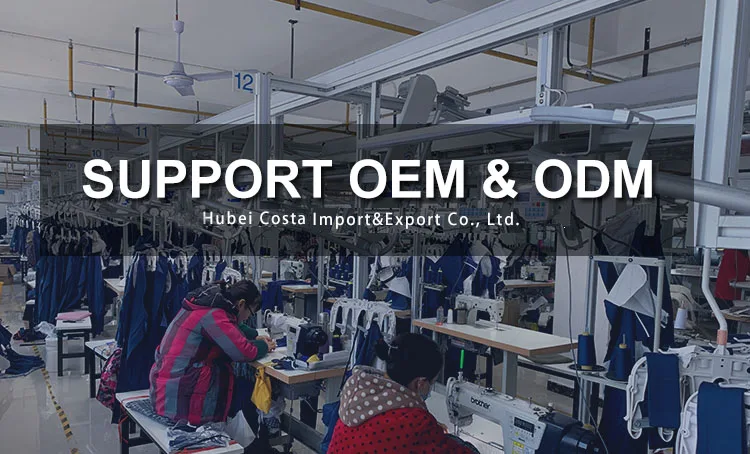
Hubei Costa Import And Export Co., Ltd.
- Manufacturer, Trading Company
- Hubei, China
- Lead time45 days
- Avg. response≤ 2h
Main productsworkwear uniform,functional clothing,man clothes,woman clothes,kids clothes
Main marketsWestern Europe(20.00%), Northern Europe(20.00%), North America(20.00%), South America(15.00%), Central America(15.00%), Southern Europe(10.00%)

Chibi Xiangyuan Special Fabric Co., Ltd.
- Verified by BV
- Trading Company,Manufacturer/Factory
- China Hubei
- Lead time23 days
Main productsFlame Retardant Fabric, Antistatic Fabric, Acid & Alkali Resistant Fabric, Workwear Fabric, 100% Cotton Fabric, Fr Fabric, Textile, Function Fabric
Main marketsSouth America,Eastern Europe,Mid East,North America,Southeast Asia,Eastern Asia,Oceania,Western Europe,Africa


Fireguard Protwill Fabric Flame Retardant Water Repellent Durable Workwear
$2.55 - $2.99
MOQ: 2000 Meters


Ningbo Leaders Imp. & Exp. Co., Ltd.
- Verified by SGS
- Trading Company
- China Zhejiang
- Lead time23 days
Main productsSafety Vest, Fr Coverall, Safety T-Shirt, Safety Jacket, Safety Rain Jacket, Safety Rain Pants, Fr Shirt, Fr Pants, Fr Jacket, Safety Sweatshirt
Main marketsEurope,North America
Jianyang Huayu Clothing Co., Ltd.
- Manufacturer
- Sichuan, China
- Lead time25 days
- Avg. response≤ 2h
Main productsWorking Clothes,Labor Protection,T-Shirt,Suits,Shirt
Main marketsDomestic Market(100.00%)

SHANDONG SEAWELL INDUSTRIAL ENGINEERING CO., LTD.
- Verified by TUVRHEINLAND
- Trading Company
- China Shandong
- Lead time15 days
Main productsExcavator, Bulldozer, Forklift, Mini Crawler Crane, Aerial Working Platform, Marine Product, Spare Parts, Building Material
Main marketsOthers(foreignTradeCapacity.exportBusinessCapacityMarketOther),Southeast Asia/ Mideast


Comfortable Lightweight Construction Site Safety Cover Fibers All Work Clothes
$6.90 - $15.90
MOQ: 50 pieces


Shijiazhuang Beiduoyin International Trade Co., Ltd.
- Verified by SGS
- Combined
- China Hebei
- Lead time15 days
Main productsWork Wear, Work Vest, Polo Shirts, Outdoor Jackets, Uniforms, Work T Shirts, Safety Shoes, Hoodie, Vest
Main marketsSoutheast Asia/ Mideast,Europe,Australia,North America

Professional Flame Retardant Work Uniforms Suits Reflective Safety Fr Workwear
$20.15 - $24.82
MOQ: 200 Pieces

Flame-Retardant Workwear Reflective Working Clothes Suit Anti-Static Fire Retardant Work Coveralls
$20.88 - $26.15
MOQ: 200 Pieces

Suzhou Jingshang Jingmei Electronic Technology Co., Ltd.
- Verified by SGS
- Manufacturer/Factory
- China Jiangsu
- Lead time23 days
Main productsWorkwear, Cleanroom Cloth, Anti-Static Separation Clothing, Dust-Proof Anti-Static Coat, Class 100 Clean Cloth, Safety Shoes, Safety Gloves
Main marketsSouth America,Eastern Europe,Mid East,North America,Southeast Asia,Eastern Asia,Oceania,Western Europe,Africa

Wholesale Safety Factory Customization Workwear for Construction Worker with ISO9001
$12.50 - $18.00
MOQ: 200 Sets


Wholesale Cotton Flame Retardant Coverall Workwear for Welder and Oil & Gas Industry
$12.50 - $15.10
MOQ: 200 Sets

Jsjm1012-9 Antiflaming Fire-Resistant Acid and Alkali Resistance Protective Workwear
$12.50 - $15.10
MOQ: 200 Sets

Jsjm1012-12 Chemical Antiflaming Fire-Resistant Acid and Alkali Resistance Protective Workwear
$12.50 - $15.10
MOQ: 200 Sets

Jsjm1012-10 Newly Designed Antiflaming Fire-Resistant Acid and Alkali Resistance Protective Workwear
$12.50 - $15.10
MOQ: 200 Sets
Xinxiang Chuangwei Garment Co., Ltd.
- Manufacturer, Trading Company
- Henan, China
- Lead time60 days
- Avg. response≤ 4h
Main productsWork Coveralls, Work Jacket, Work Pants, Work Bib Pants, Work Suits
Main marketsSoutheast Asia(25.00%), Oceania(15.00%), Western Europe(10.00%), Domestic Market(10.00%), Mid East(10.00%), North America(5.00%), South America(5.00%), Central America(5.00%), Northern Europe(5.00%), Africa(5.00%), Eastern Europe(5.00%), South Asia(0.00%), Eastern Asia(0.00%), Southern Europe(0.00%)

China Xinxing Shanghai Import and Export Co., Ltd.
- Verified by TUVRHEINLAND
- Trading Company
- China Shanghai
- Lead time15 days
Main productsAnti-Riot Suit
Main marketsSouth America,Africa,Southeast Asia/ Mideast,Europe
Guangdong Mingshun Labour Protective Products Co., Ltd
- Verified by SGS
- Combined
- China Guangdong
- Lead time15 days
Main marketsDomestic


Factory Supply Fireproof Coverall Safety Industrial Oil and Gas Industry Workwear
$20.00 - $25.00
MOQ: 1000 Pieces


Jiangsu Huibaicheng Group Co., Ltd.
- Verified by SGS
- Trading Company
- China Jiangsu
- Lead time23 days
Main productsSafety Helmet, Safety Vest, Reflective Clothing, Hard Hat, Safety Gloves
Main marketsSouth America,Eastern Europe,Mid East,North America,Southeast Asia,Eastern Asia,Oceania,Western Europe,Africa

Shenzhen Hi Vis Garment Co., Limited
- Trading Company
- China Guangdong
- Lead time23 days
Main productsSafety Clothing, Tee Shirts, Polo Shirts, Outdoor Casual Garment, Sportswear, Hoodie, Jackets and Coats, Pants and Shorts, Workwear, Kids Clothing
Main marketsSouth America,Africa,Southeast Asia/ Mideast,East Asia(Japan/ South Korea),Europe,Australia,North America

Construction Coverall Cotton Flame Retardant Overalls Flame-Resistant Safety Reflective Coverall
$12.90 - $17.80
MOQ: 300 Pieces

Industrial Coverall Suit Safety Fire Clothing Flame Retardant Coverall
$11.60 - $16.80
MOQ: 300 Pieces

Henan Eastman Protection Technology Co., Ltd.
- Verified by TUVRHEINLAND
- Combined
- China Henan
- Lead time30 days
Main productsFr Garments, Workwear, Anti Acid & Static, Scrubs, Trousers, Coverall, Working Clothes, Overall, Welding, Chaleco
Main marketsNorth America
Shanxi Weimiao Textile & Garment Co., Ltd.
- Trading Company
- China Shanxi
- Lead time0 days
Main productsWorkwear, Work Uniform, Coverall, Polyester Fabric, Garment Fabric, Fabric, Work Clothing, Cotton Fabric, Isolation Gown

Qingdao Trusty Industry & Trade Co., Ltd.
- Verified by TUVRHEINLAND
- Manufacturer/Factory
- China Shandong
- Lead time23 days
Main productsChemical Protective Clothing, Disposable Coveralls, PPE Suits, Non Woven Fabric, Isolation Gown, Shoe Covers, Safety Clothing, Medical Supplies Consumables, Disposable Towel, Civil Disposable Protective Mask
Main marketsSouth America,Eastern Europe,Mid East,North America,Southeast Asia,Eastern Asia,Oceania,Western Europe,Africa

High Quality Workwear Type5/6 CE Waterproof Overall Men Protective Garment
$2.30 - $2.70
MOQ: 1000 Pieces

Reinforced and Abrasion-Resistant Protective Coveralls for Construction and Heavy Labor
$1.40 - $1.45
MOQ: 1000 piece

$1.40 - $1.45
MOQ: 1000 piece
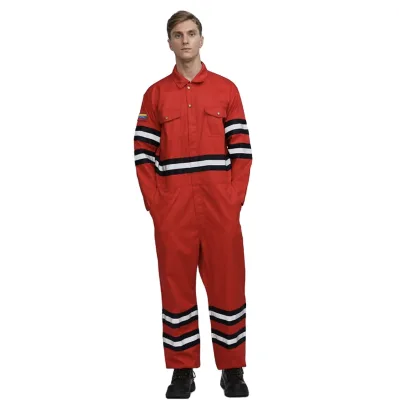
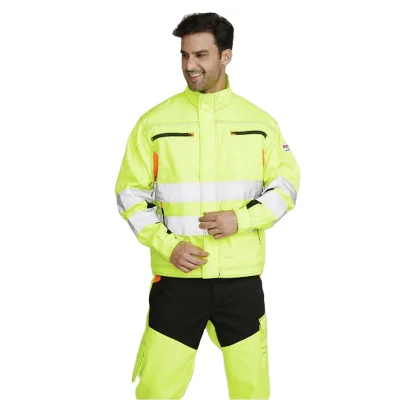


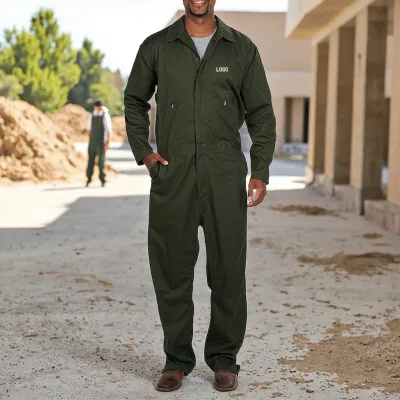


Comprehensive Sourcing Guide
Flame-Retardant Waterproof Construction Workwear Supplier Concentration and Factory Types
Current data indicates a concentration of manufacturing activity in specific Chinese provinces, with verified results showing facilities located in Henan, Hubei, and Hebei. Suppliers in Henan, such as those producing flame-resistant coveralls and sweatshirts, often operate as combined entities capable of both manufacturing and trading. These facilities frequently list origins like Xinziang, Henan, and offer ODM and OEM capabilities alongside their own brands. In contrast, Hubei-based suppliers also demonstrate strong capabilities in producing waterproof and breathable softshell jackets, with some holding ISO9001:2015 and ISO14001:2015 certifications. Hebei suppliers appear to focus heavily on rain wear and reflective safety gear, with some offering very short lead times of 15 days.
When evaluating factory types, buyers should distinguish between pure manufacturers and combined trading companies. The observed data shows that many suppliers in this sector are classified as "Combined," meaning they may manage their own production lines while also sourcing from other factories to fulfill larger orders. This structure allows for flexibility in product ranges, such as offering both flame-retardant clothing and general workwear. However, buyers must verify if the specific factory holds the necessary production capacity for custom orders. Some suppliers list ODM and OEM services, while others may only offer standard stock items. Understanding whether a supplier is a direct factory or a trading intermediary is crucial for negotiating prices and ensuring quality control over the flame-retardant and waterproof treatments applied to the garments.
How to Verify Flame-Retardant Waterproof Construction Workwear Suppliers
Verification of supplier credibility relies heavily on third-party audit reports and specific certification documents. In the current dataset, some suppliers display BV verification status, while others hold TUVRHEINLAND verification. These external validations provide a baseline of trust regarding the company's operational stability and compliance. Additionally, system certifications such as ISO9001:2015 and ISO14001:2015 are present for certain manufacturers, indicating adherence to quality and environmental management standards. Buyers should request copies of these certificates and cross-reference them with the issuing bodies to ensure they are current and valid for the specific product lines being sourced.
Beyond general certifications, specific product evidence is essential for verifying the technical claims of flame retardancy and waterproofing. Some suppliers list product attributes such as Oekotex or EN11612 certificates, which are critical for safety clothing used in hazardous environments. The data also shows variations in product standards, with some items adhering to EN standards and others listing custom specifications. Buyers must confirm that the specific model numbers, such as Xinke-03259 or WH110, correspond to the exact safety features required for their project. It is also important to check if the supplier supports sample provision, as seeing a physical sample is the most reliable way to verify the fabric's breathability, water resistance, and flame-retardant properties before committing to a bulk order.
What to Compare Across Flame-Retardant Waterproof Construction Workwear Suppliers
Comparing suppliers requires a detailed analysis of lead times, minimum order quantities, and pricing structures. The observed data reveals significant variation in production timelines, with some suppliers offering a 15-day lead time while others require up to 60 days. Minimum order quantities also differ widely, ranging from as low as 1 piece for some rainwear suppliers to 3,000 pieces for heavy-duty coveralls. Buyers must align these constraints with their inventory needs and project timelines. A supplier with a low MOQ might be ideal for testing a new design, whereas a high-volume order might necessitate a supplier with a longer lead time but lower unit cost.
Pricing and customization options are another critical comparison point. Unit prices in the dataset range from approximately $8.00 to $29.80, depending on the product complexity and material composition. Some suppliers offer customization for logos, colors, and specific fabric blends, while others provide standard models only. Buyers should compare the cost implications of customization, such as the additional fees for ODM services or specific packing requirements like 20 pieces per carton. Additionally, the material composition, such as 94% polyester and 6% spandex blends, affects both the price and the performance of the workwear. Evaluating these factors side-by-side helps buyers identify the most cost-effective supplier that meets their specific technical and logistical requirements without compromising on safety standards.
Common Flame-Retardant Waterproof Construction Workwear Sourcing Risks
One significant risk involves the inconsistency of certification claims across different suppliers. While some suppliers list specific safety standards like EN11612 or Oekotex, others may only provide generic "Others" or no certification at all. This discrepancy can lead to compliance issues if the purchased workwear does not meet local safety regulations for construction sites. Buyers must be vigilant in requesting detailed test reports for flame retardancy and waterproofing, rather than relying solely on the supplier's marketing claims. Without verified test data, there is a risk that the garments may fail to protect workers in hazardous environments, leading to potential liability and safety incidents.
Another risk is the variability in production capacity and lead time reliability. Suppliers with very short lead times, such as 15 days, may struggle to maintain quality control during peak demand periods. Conversely, suppliers with longer lead times of 60 days might face delays due to raw material shortages or logistical bottlenecks. The data shows that some suppliers have a capacity for ODM and OEM, but this does not guarantee they can handle urgent rush orders. Buyers should assess the supplier's ability to scale production and their track record for meeting deadlines. Additionally, the lack of standardized packaging or labeling across different suppliers can complicate logistics and inventory management, potentially leading to confusion or errors in the supply chain.
Flame-Retardant Waterproof Construction Workwear Regional Sourcing and Logistics
Regional sourcing strategies should account for the specific manufacturing hubs identified in the data, such as Henan, Hubei, and Hebei. Suppliers in Henan often originate from Xinziang and focus on a wide range of workwear, including flame-resistant coveralls and cargo pants. Hubei suppliers are noted for producing waterproof and breathable softshell jackets, often shipping from Shanghai ports. Hebei-based manufacturers specialize in rain wear and reflective safety gear, with some offering flexible shipping terms like FOB Shanghai. Understanding these regional specializations helps buyers target the most efficient suppliers for their specific product needs, reducing transportation costs and lead times.
Logistics planning must also consider the shipping terms and packaging standards provided by each supplier. The data indicates that terms like FOB Shanghai are common, which places the responsibility for freight and insurance on the buyer once the goods leave the port. Packaging varies significantly, with some suppliers using 20 pieces per carton while others use 10 pieces per carton or individual polybags. These differences impact the total volume of the shipment and the efficiency of container loading. Buyers should calculate the total landed cost, including freight, insurance, and customs duties, based on the specific packaging and origin of the goods. Coordinating with logistics partners early in the process ensures that the supply chain remains smooth and that the workwear arrives on time and in good condition.
Flame-Retardant Waterproof Construction Workwear Commercial Terms and Order Planning
Commercial terms and order planning are critical for managing the financial and operational aspects of the procurement process. The data shows that suppliers offer various payment and shipping terms, with FOB Shanghai being a prevalent option. Buyers need to clarify the Incoterms to understand their responsibilities regarding freight, insurance, and customs clearance. Additionally, some suppliers support sample provision, which is a vital step in the order planning phase. Securing samples allows buyers to verify the quality and fit of the workwear before placing a large order, reducing the risk of receiving non-compliant products.
Order planning should also factor in the minimum order quantities and production lead times to ensure timely delivery. With MOQs ranging from 1 to 3,000 pieces, buyers must balance their inventory needs with the supplier's production capabilities. For large orders, a lead time of 60 days may be necessary, while smaller orders might be fulfilled in 15 days. Buyers should create a detailed timeline that accounts for sample approval, production, quality inspection, and shipping. It is also important to consider the customization options available, such as logo printing and color variations, as these can extend the production timeline. By carefully planning the order process and understanding the commercial terms, buyers can mitigate risks and ensure a successful sourcing experience for their flame-retardant waterproof construction workwear needs.
FAQs
What is the typical lead time for flame retardant workwear?
Manufacturers in China generally require 15 to 60 days to produce flame retardant construction workwear. Lead times vary significantly based on the supplier's location and current production capacity. Buyers should confirm specific delivery schedules directly with the factory before placing orders to ensure project timelines are met.
What certifications are available for safety workwear suppliers?
Verified suppliers often hold ISO9001:2015 and ISO14001:2015 system certifications. Some manufacturers also provide specific product certificates such as Oekotex or EN11612 for flame retardant clothing. Buyers should request these documents to verify compliance with international safety standards and quality management requirements for industrial use.
What is the minimum order quantity for custom workwear?
Minimum order quantities typically range from 500 to 3000 pieces depending on the supplier. Some manufacturers offer lower MOQs of just one piece for samples or small batches. Buyers seeking bulk production should expect higher volume requirements, while those testing designs can find flexible low-quantity options.
Where are these workwear manufacturers located in China?
Suppliers are primarily located in Henan, Hubei, and Hebei provinces. Specific origins include Xinxiang in Henan and various sites in Hubei and Hebei. Buyers can filter results by these regions to align with logistics preferences or to visit factories for on-site inspections and quality verification.
What is the price range for flame retardant jackets?
Prices for flame retardant workwear generally range from $8.00 to $29.80 per piece. Costs vary based on material composition, such as polyester blends or cotton, and specific features like waterproofing or breathability. Buyers should compare unit prices against minimum order quantities to determine the total budget for their procurement.
Can suppliers provide OEM and ODM services?
Many manufacturers offer both OEM and ODM customization services for workwear. Buyers can request custom logos, colors, and designs for their specific safety requirements. Suppliers with combined company types often support own brand development, allowing buyers to create unique product lines tailored to their market needs.