Flammable Fluid Pneumatic Pump Suppliers and Manufacturers
Explore 17 verified options for flammable fluid pneumatic pumps with details on location, lead times, and certifications. Compare ISO standards, response times, and product specs to select the right supplier for your needs today; review the available evidence before requesting comparable quotations from suitable candidates.
Suppliers List

Shanghai Rudi Fluid Conveyor Co., Ltd.
- Verified by BV
- Combined
- China Shanghai
- Lead time15 days
- Avg. response≤ 10h
Main productsDiaphragm Pump, Membrane Pump, Pneumatic Pump, Air Operated Pump, Air Pump, Chemical Pump, Oil Pump, Air Pumps, Water Pump, Air Power Pump
Main marketsSouth America,Africa,Southeast Asia/ Mideast,Europe,North America

Zhejiang Yonjou Technology Co., Ltd.
- Verified by BV
- Trading Company,Manufacturer/Factory
- China Zhejiang
- Lead time23 days
- Avg. response≤ 8h
Main productsGear Pump, Diaphragm Pump, Screw Pump, Hot Oil Pump, Lobe Pump, Water Pump, Vacuum Pump, Dewatering Pump, Self Priming Pump, Chemical Pump
Main marketsSouth America,Eastern Europe,Mid East,North America,Southeast Asia,Eastern Asia,Oceania,Western Europe,Africa

Jingjiang Trust Trading Co., Ltd.
- Trading Company
- China Jiangsu
- Lead time30 days
- Avg. response≤ 7h
Main productsWinch, Ancor Chain, Life Boat, Ship Models, Ladder, Window, Heating Treatment Fixtures, Bathroom Cabin Unit, Propeller & Shaft, Galvanized Steel Plank
Main marketsSouth America,Africa,Others(foreignTradeCapacity.exportBusinessCapacityMarketOther),Southeast Asia/ Mideast,East Asia(Japan/ South Korea),Domestic,Europe,Australia,North America

JIANGYIN HETAI INDUSTRIES COMPANY LTD.
- Trading Company,Manufacturer/Factory,Group Corporation
- China Jiangsu
- Lead time15 days
- Avg. response≤ 11h
Main productsAir Operated Diaphragm Pump, Magnetic Pumps, Pump Parts, Pulsation Dampener, Pneumatic Components, Aodd Pump, Jet Aerator, Diaphragm Pump, Pneumatic Pump, Magnetic Driven Pump
Main marketsSouth America,Eastern Europe,Mid East,Southeast Asia,Eastern Asia,Africa

- Combined
- China Shanghai
- Lead time30 days
- Avg. response≤ 6h
Main productsDiesel Engine Pump, Centrifugal Pump, Diaphragm Pump, Self Priming Pump, Sewage Pump, Irrigation Pump, Fire Pump, Dewatering Pump, Transfer Pump, Booster Pump
Main marketsSoutheast Asia/ Mideast,Europe

Shanxi Solid Industrial Co., Ltd.
- Verified by BV
- Manufacturer/Factory
- China Shanxi
- Lead time23 days
- Avg. response≤ 9h
Main productsDuctile Iron Pipes &Pipe Fittings, Manhole Covers, Flanges, Valves, Flange Adaptor, Dismantling Joints, PVC/PE/PPR Pipes &Pipe Fittings, Fire Hydrant, Water Meters, Steel Pipe &Pipe Fittings
Main marketsSouth America,Eastern Europe,Mid East,North America,Southeast Asia,Eastern Asia,Oceania,Western Europe,Africa


Contact supplier

Shanghai Pacific Pump Manufacture (Group) Co., Ltd.
- Verified by BV
- Combined
- China Shanghai
- Lead time23 days
- Avg. response≤ 16h
Main productsFire Pump, Centrifugal Pump, Water Pump, Oil Pump, Chemical Pump, Split Case Pump, Vertical Turbine Pump, End-Suction Pump, Submersible Pump, Sewage Pump
Main marketsSouth America,Africa,Southeast Asia/ Mideast,Domestic,Europe,Australia,North America

Shanghai Haoyang Pump Valve Manufacturing Co., Ltd.
- Verified by BV
- Combined
- China Shanghai
- Lead time15 days
- Avg. response≤ 4h
Main productsDiaphragm Pump, Air Powered Diaphragm Pump, Pneumatic Diaphragm Pump, Air Operated Double Diaphragm Pump, Diaphragm Dosing Pump, Stainless Steel Pump, Stainless Steel Diaphragm Pump, Electric Double Diaphragm Pump, Aluminum Alloy Pump, Air Diaphragm Pump
Main marketsSouth America,Africa,Southeast Asia/ Mideast,East Asia(Japan/ South Korea),Domestic,Europe,Australia,North America
Tangshan Hexiang Intelligent Technology Co., Ltd.
- Verified by CTI
- Combined
- China Hebei
- Lead time120 days
- Avg. response≤ 10h
Main productsHigh Pressure Casting Sanitary Ware Machine, Water Closet Wc High Pressure Casting Machine, Sanitary Ware Casting Machine, Ceramic Ball Mill
Main marketsAfrica,Others(foreignTradeCapacity.exportBusinessCapacityMarketOther),Domestic
Tianjin Dongfanglong Petroleum Equipment Manufacture Co., Ltd.
- Manufacturer/Factory
- China Tianjin
- Lead time15 days
- Avg. response≤ 13h
Main productsAPI 5CT Tubing and Casing Pipe, API 5CT Tubing and Casing Pup Joint, API 5CT Tubing and Casing Coupling, Down Hole Tools Cementing Tools
Main marketsSouth America,Eastern Europe,Mid East,North America,Southeast Asia,Eastern Asia,Oceania,Western Europe,Africa

Shenzhen Yaojienterprise Co., Ltd.
- Trading Company,Manufacturer/Factory,Group Corporation
- China Guangdong
- Lead time23 days
- Avg. response≤ 2h
Main productsElectric Grease Pump, Electric Oil Pump, Oil Pump, Grease Pump, Grease Gun, Digital Flowmeter Gun, Waste Oil Drainer and Collecting Machine, Waste Oil Collecting Machine, Air Operated Grease Pump, Hose Reel
Main marketsSouth America,Eastern Europe,Mid East,North America,Southeast Asia,Eastern Asia,Oceania,Western Europe,Africa
- Manufacturer
- Taiwan, China
- Lead time45 days
- Avg. response≤ 3h
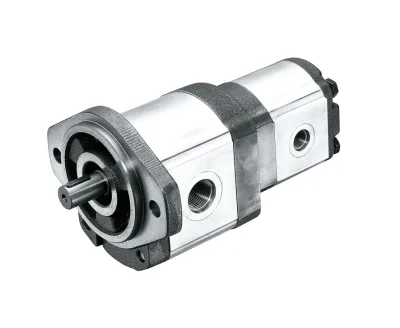
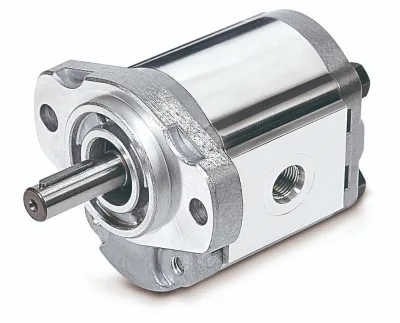
Main productsEXTERNAL GEAR PUMP,EXTERNAL GEAR MOTOR,FLOW DIVIDER
Main marketsNorth America(30.0%), Eastern Asia(25.0%), Southeast Asia(20.0%), Domestic Market(10.0%), South America(5.0%), South Asia(5.0%), Western Europe(5.0%)
$60.00
$60.00

- Verified by TUVRHEINLAND
- Combined
- China Zhejiang
- Lead time23 days
- Avg. response≤ 6h
Main productsSanitary Valve, Rotary Lobe Pump, Diaphragm Valve, Sanitary Butterfly Valve, Twin Pump, Mix Proof Pump, Flow Control Valve
Main marketsEurope,Australia

Shandong Terek Fluid Technology Equipment CO., LTD
- Trading Company
- China Shandong
- Lead time15 days
- Avg. response≤ 6h
Main productsBooster Pump, Pneumatic Booster Pump, Hydrostatic Test Bench and Burst Test Equipment, Safety Valve Test Machine, Pressure Test Equipment
Main marketsSouth America,Southeast Asia/ Mideast,Europe
Yiwu AODOTOP Machinery Company
- Verified by BV
- Trading Company,Manufacturer/Factory
- China Zhejiang
- Lead time23 days
- Avg. response≤ 3h
Main productsTire Changer, Car Bench, Wheel Alignment, Garage Equipment, Spray Booth, Frame Machine, Car Lift, Auto Repair Equipment, Construction Equipment, Automotive Workshop Equipments
Main marketsSouth America,Eastern Europe,Mid East,North America,Southeast Asia,Eastern Asia,Oceania,Western Europe,Africa

Jining Antai Mine Equipment Manufacturing Co., Ltd.
- Verified by BV
- Combined
- China Shandong
- Lead time30 days
- Avg. response≤ 5h
Main productsSubmersible Pump, Pneumatic Diaphragm Pump, Explosion Proof Submersible Pump, Submersible Electric Pump, Submersible Dewatering Pump, Sewage Pump, Submersible Slurry Pump, Mining Submersible Pump, Submersible Drainage Pump, Industrial Submersible Pump
Main marketsSouth America,Southeast Asia/ Mideast,Europe,Australia
Qingdao Zhenlilai I/E Co., Ltd
- Verified by SGS
- Trading Company
- China Shandong
- Lead time30 days
- Avg. response≤ 2h
Main productsDie Casting, Exhaust Flex Pipe, Excavator & Accessories, Building Accessories, Auto Accessories, Construction Buidling, Metal Hose & Expansion Joint, Industry Machine Parts, Scaffolding Accessories, Pump
Main marketsEurope


Comprehensive Sourcing Guide
Flammable Fluid Pneumatic Pump Supplier Concentration and Factory Types
The current supplier landscape for flammable fluid pneumatic pumps shows a concentration of manufacturing and trading entities primarily located in China, with specific clusters identified in Shanghai and Zhejiang. These regions host a mix of combined company types that function as both manufacturers and trading companies, offering a diverse range of products including diaphragm pumps, membrane pumps, and air-operated pumps. The presence of these facilities in Shanghai and Zhejiang suggests a mature industrial ecosystem capable of supporting the production of specialized equipment like pneumatic pumps designed for handling hazardous liquids. Buyers should recognize that while these locations are confirmed, the specific distribution of factories versus trading houses varies, requiring careful verification of the actual production capability behind each listing.
When assessing the factory types available, it is crucial to distinguish between pure manufacturers and combined entities that may also engage in trading activities. The observed data indicates that many suppliers in these regions operate as combined entities, which can offer flexibility in sourcing but requires deeper due diligence to confirm in-house production capacity. These suppliers often list main products such as chemical pumps, oil pumps, and water pumps alongside their core pneumatic offerings. Understanding the company type is essential because a trading company might source from multiple factories, whereas a manufacturer controls the entire production process. Buyers must verify whether the supplier's primary focus is on manufacturing the specific pump models required for flammable fluids or if they act as an intermediary, as this distinction impacts quality control and lead time reliability.
How to Verify Flammable Fluid Pneumatic Pump Suppliers
Verification of suppliers for flammable fluid pneumatic pumps relies heavily on third-party validation and specific certification checks rather than general reputation. The available data confirms that certain suppliers hold BV verification status, which serves as a critical indicator of business legitimacy and operational stability. Additionally, system certifications such as ISO9001:2015 and ISO14001:2015 are present in the records, suggesting adherence to international quality and environmental management standards. Buyers should prioritize suppliers who can provide these specific certificates, as they demonstrate a commitment to standardized processes that are vital when handling hazardous materials. It is important to note that while these certifications are observed, they must be validated directly with the issuing bodies to ensure they are current and applicable to the specific pump models being sourced.
Beyond certifications, response time and product attributes offer tangible metrics for evaluating supplier reliability. The observed response times for these suppliers range from approximately 7.47 to 9.40, indicating a generally responsive market, though buyers should confirm real-time responsiveness during their specific inquiry. Product evidence reveals detailed specifications such as diaphragm materials like FPM and Neoprene, which are critical for chemical resistance in flammable fluid applications. Buyers must verify that the listed materials match the specific chemical compatibility requirements of their intended use. Furthermore, the presence of certifications like CE, ATEX, and SGS in product attributes suggests compliance with safety standards for explosive atmospheres, a non-negotiable requirement for flammable fluid handling. Always request current copies of these documents to ensure the supplier's claims are accurate and up-to-date before proceeding with any order.
What to Compare Across Flammable Fluid Pneumatic Pump Suppliers
Comparing suppliers requires a systematic evaluation of key operational metrics such as lead time, minimum order quantity, and pricing structures. The data indicates lead times ranging from 15 to 23 days, which can significantly impact project timelines and inventory planning. Buyers should compare these durations against their specific production schedules to determine which suppliers can meet their delivery deadlines. Additionally, the minimum order quantity (MOQ) is observed to be as low as 1 unit for some products, offering flexibility for small-scale testing or initial orders. However, pricing varies widely, with ranges observed from $50 to $1000 depending on the model and specifications. It is essential to compare the price-to-specification ratio rather than just the absolute cost, ensuring that the selected pump meets the necessary performance criteria for flammable fluids without unnecessary expense.
Product customization and technical specifications are equally critical factors in the comparison process. Many suppliers offer customization options, allowing for tailored solutions regarding material composition, such as PVDF or PP, and specific valve body types. The observed product attributes include flow rates ranging from 38 L/Min to 570 L/Min and working pressures up to 100psi, highlighting the diversity of available options. Buyers must compare these technical parameters against their operational requirements to ensure compatibility. Furthermore, the availability of OEM and ODM capabilities suggests that suppliers can adapt products to specific needs, but this requires clear communication of requirements. Evaluating the depth of customization and the flexibility of the supplier to accommodate unique specifications will help identify the most suitable partner for complex flammable fluid applications.
Common Flammable Fluid Pneumatic Pump Sourcing Risks
One of the primary risks in sourcing flammable fluid pneumatic pumps involves the potential mismatch between advertised specifications and actual product performance. While product evidence lists attributes like "No Leak" performance and specific diaphragm materials, these claims must be rigorously tested to ensure they hold up under real-world conditions involving hazardous fluids. The reliance on third-party certifications like CE and ATEX is a positive sign, but buyers should not assume that all listed certifications apply to every model or batch. There is a risk that a supplier might list broad certifications without ensuring that the specific pump configuration ordered meets the necessary safety standards for the intended fluid. This discrepancy can lead to safety hazards and regulatory non-compliance, making it imperative to verify the exact certification scope for the specific model being purchased.
Another significant risk relates to supply chain transparency and the consistency of manufacturing quality. The mix of combined company types, including trading companies and manufacturers, introduces a layer of complexity where the actual production site may not be immediately apparent. If a supplier acts primarily as a trading company, the buyer may have limited visibility into the manufacturing process, increasing the risk of quality inconsistencies. Additionally, the variation in lead times from 15 to 23 days suggests potential bottlenecks or capacity constraints that could delay delivery. Buyers must assess the supplier's ability to maintain consistent quality and delivery schedules, especially when dealing with specialized equipment for flammable fluids. Failure to address these risks can result in project delays, increased costs, and potential safety incidents, underscoring the need for thorough due diligence before finalizing any agreement.
Flammable Fluid Pneumatic Pump Regional Sourcing and Logistics
Sourcing from the identified regions of China, specifically Shanghai and Zhejiang, offers logistical advantages due to established industrial infrastructure and port access. These locations are known for their concentration of pump manufacturers and trading companies, facilitating efficient production and export processes. The proximity of these hubs to major shipping lanes can reduce transit times and costs for international buyers. However, buyers must consider the specific logistics requirements for hazardous materials, as flammable fluid pumps may be subject to special shipping regulations and documentation. Understanding the local logistics capabilities of the supplier is crucial to ensure that the equipment can be transported safely and in compliance with international shipping standards.
Logistics planning also involves coordinating with the supplier's packing and shipping methods, which are often detailed in product attributes. The observed data indicates that products are typically packed in cartons or wooden boxes, sometimes with foam inside for added protection. This level of packaging is essential for preventing damage during transit, particularly for sensitive components like diaphragms and valves. Buyers should verify that the supplier's packing methods align with the specific needs of their shipment, especially if the destination involves long-distance transport or multiple handling points. Additionally, the lead times observed, ranging from 15 to 23 days, should be factored into the overall logistics timeline to ensure timely delivery. Effective communication regarding shipping terms and packaging requirements is vital to mitigate risks associated with regional sourcing and ensure a smooth supply chain operation.
Flammable Fluid Pneumatic Pump Commercial Terms and Order Planning
Commercial terms for flammable fluid pneumatic pumps often include specific conditions regarding payment, customization, and warranty, which must be clearly defined before placing an order. The observed data shows that customization is available across many suppliers, allowing for tailored solutions that meet specific operational needs. However, the extent of customization and the associated costs can vary significantly, requiring detailed negotiation to ensure that the final product meets all requirements without exceeding the budget. Buyers should also consider the impact of minimum order quantities on their order planning, as some suppliers may have MOQs that influence the total cost per unit. Understanding these commercial terms is essential for effective budget management and ensuring that the procurement process aligns with the organization's financial constraints.
Order planning for these specialized pumps requires careful consideration of lead times and production capacity to avoid delays. The observed lead times of 15 to 23 days indicate that production schedules can vary, and buyers should plan accordingly to ensure timely delivery. It is also important to verify the supplier's capacity to handle large orders or rush requests, as this can impact the overall project timeline. Additionally, the availability of certifications and compliance documents should be confirmed early in the planning process to avoid last-minute complications. By integrating these factors into the order planning phase, buyers can create a robust procurement strategy that minimizes risks and ensures the successful acquisition of high-quality flammable fluid pneumatic pumps. Clear communication and detailed planning are key to navigating the complexities of commercial terms and order execution in this specialized market.
FAQs
What certifications do these pneumatic pumps hold?
The pumps carry ISO9001:2015 and ISO14001:2015 system certifications. Additional product certificates include CE, Atex, and SGS for specific models. These documents verify compliance with international safety and quality standards for handling flammable fluids safely.
How long does delivery take for these pumps?
Lead times vary between 15 and 23 days depending on the specific supplier and order volume. Some manufacturers in Shanghai offer faster turnaround, while those in Zhejiang may require slightly longer production schedules. Confirm exact dates before placing orders.
What is the minimum order quantity for these pumps?
The minimum order quantity is one unit for most pneumatic diaphragm pump models. This low MOQ allows buyers to test performance before committing to larger bulk purchases. It is ideal for small-scale industrial applications or initial prototyping phases.
Are customization options available for these pumps?
Yes, customization is available for material, size, and specific fluid handling requirements. Buyers can select plastic or PVDF materials and choose diaphragm types like FPM or Neoprene. OEM and ODM services support tailored designs for unique industrial processes.
What is the price range for these pneumatic pumps?
Prices range from 50 to 1000 USD depending on model specifications and material quality. Basic plastic models start around 50 USD, while heavy-duty PVDF pumps can reach 1000 USD. Flow rates and pressure ratings significantly influence the final unit cost.
Where are these pumps manufactured?
Manufacturing locations include Shanghai and Zhejiang provinces in China. Suppliers in these regions specialize in producing air-operated diaphragm pumps for chemical and water transfer. Verify specific factory addresses during the sourcing process to ensure logistical compatibility.
How quickly do suppliers respond to inquiries?
Response times typically range from 7.47 to 9.40 hours for verified suppliers. This ensures prompt communication regarding technical specifications and pricing. Buyers should expect timely updates on order status and product availability through the platform messaging system.