Flannel Toy Baby Blanket Suppliers and Manufacturers
Compare 25 verified Flannel Toy Baby Blanket suppliers by location, response time, lead time, and certifications. Review product specs like material and MOQ before contacting factories in Zhejiang and Jiangsu for quotes; review the available evidence before requesting comparable quotations from suitable candidates.
Updated
Suppliers List
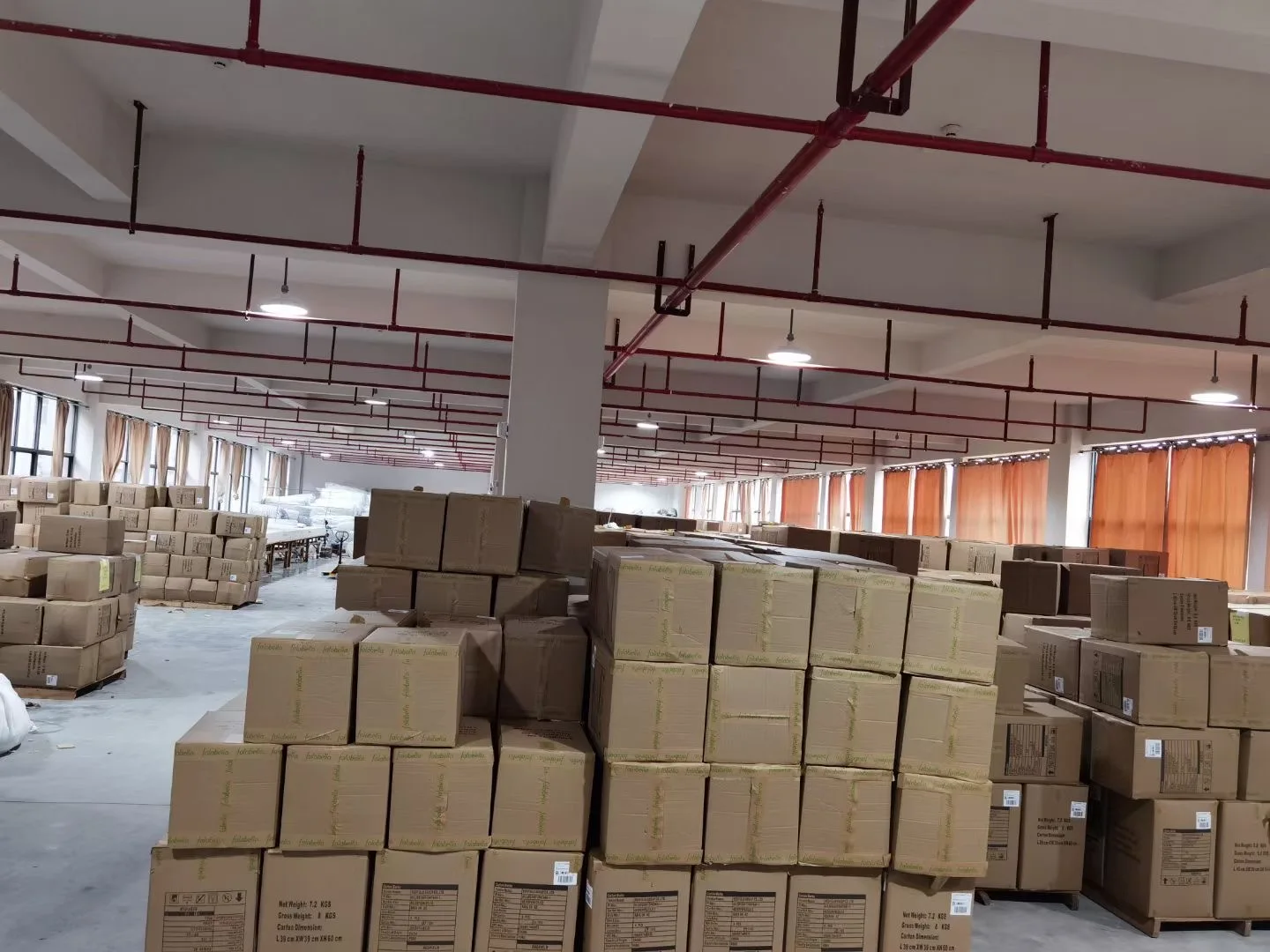
Hangzhou Yanxin Trading Co., Ltd.
- Manufacturer, Trading Company
- Zhejiang, China
- Lead time35 days
- Avg. response≤ 1h
Main productsBlanket,Cushion,Hoodie Blanket,comforter sets
Main marketsNorth America(40.00%), Oceania(40.00%), Mid East(8.00%), Southeast Asia(5.00%), Southern Europe(5.00%), South Asia(2.00%)

Nantong Longdu Home Textile Co., Ltd.
- Verified by CTI
- Combined
- China Jiangsu
- Lead time15 days
- Avg. response≤ 2h
Main productsBeach Towel, Sports Towel, Kitchen Towel, Picnic Mat, Fleece Blanket, Pillow Blanket, Decorative Pillow, Poncho Towel, Blanket Hoodie, Bathrobe
Main marketsSouth America,Africa,Southeast Asia/ Mideast,East Asia(Japan/ South Korea),Domestic,Europe,Australia,North America


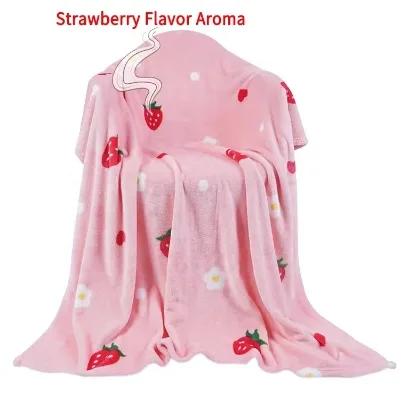
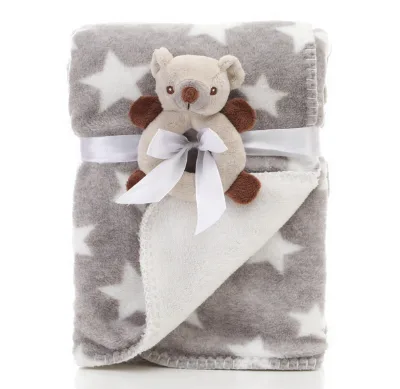
Wholesale Custom Double-Layer Plush Soft Warm Flannel Baby Winter Blanket
$2.29 - $4.68
MOQ: 100 Pieces


$1.98 - $4.98
MOQ: 100 Pieces

Shanghai Easun Group Imp & Exp Co., Ltd.
- Verified by TUVRHEINLAND
- Trading Company
- China Shanghai
- Lead time15 days
- Avg. response≤ 20h
Main productsBlankets, Home Slippers, Bedding Sets, Towel, Amenity Kits, Airline Supply, Hospital Supply, Hotel Supply, Railway Supply, Pillow&Case
Main marketsAfrica,Southeast Asia/ Mideast,Europe


Linen Blanket Hotel Blankets Polyester Throw Blanket Fleece Baby Blankets
$3.00 - $6.00
MOQ: 1000 Pieces
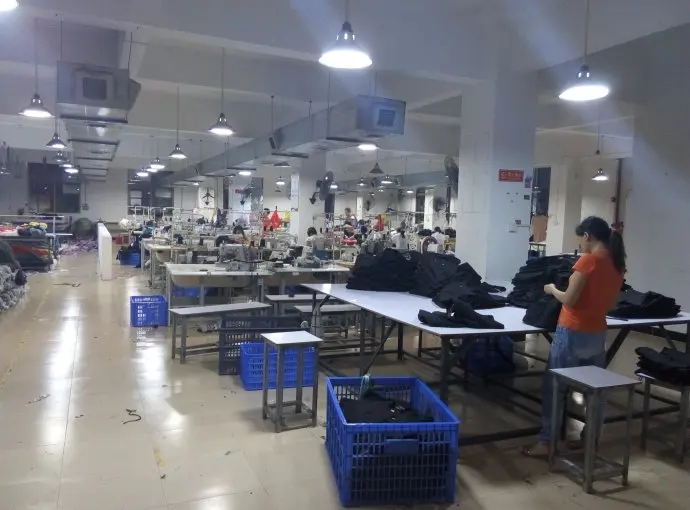
Shantou Minxin Clothing Co., Ltd.
- Manufacturer, Trading Company
- Guangdong, China
- Lead time5 days
- Avg. response≤ 4h
Main productsBaby Sleeping Bag,Baby Swaddle Blanket,Baby Products,Baby Clothing,Baby Sleeping Pillow
Main marketsDomestic Market(90.00%), Southeast Asia(5.00%), Eastern Europe(3.00%), North America(2.00%)
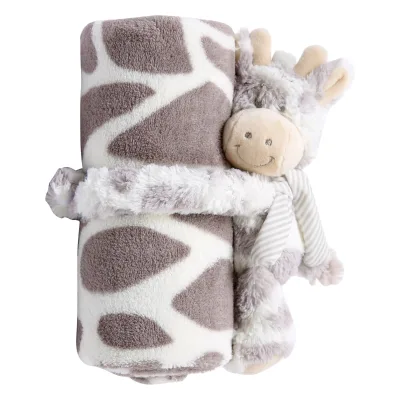
$4.6931 - $6.9311
MOQ: 50 pieces
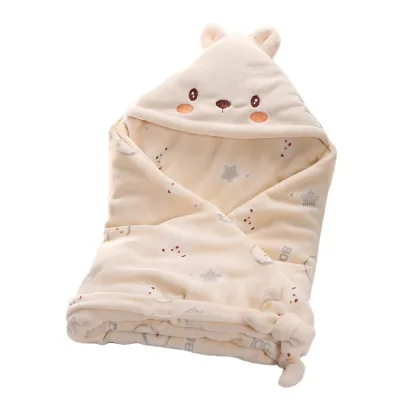
Shaoxing Hengchen Textile Co., Ltd.
- Verified by TüVRheinland
- Manufacturer, Trading Company
- Lead time15 days
- Avg. response≤ 3h
Main productsBlanket, Pillow, Fabric
Main marketsNorth America(48%), Western Europe(15%), Domestic Market(11%)

Shanghai Hexuan Baby Products Co., Ltd.
- Verified by SGS
- Trading Company
- China Shanghai
- Lead time15 days
- Avg. response≤ 6h
Main productsBaby Wear Baby Cloth Diaper Bibs Baby Rompers
Main marketsSouth America,Africa,Southeast Asia/ Mideast,East Asia(Japan/ South Korea),Europe,Australia,North America
- Verified by Intertek
- Manufacturer, Trading Company
- Lead time30 days
- Avg. response≤ 7h
Main productsBaby Products
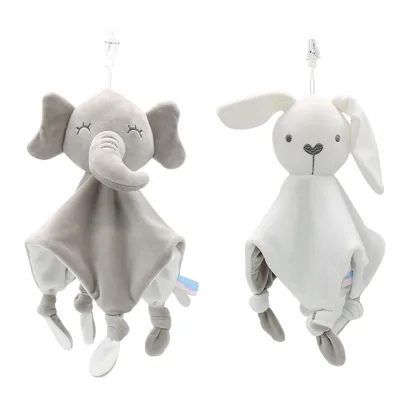
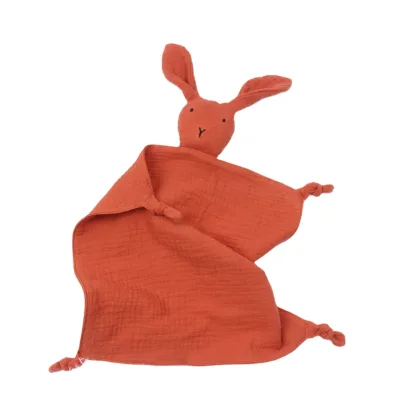
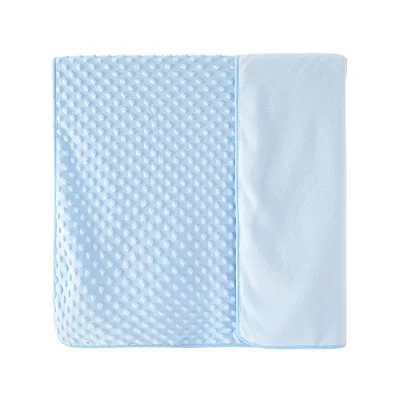
Microfiber Fabric Newborn Quilt Comfortable Spring Autumn Wearable Blanket for Babies
$4.0329
MOQ: 300 Minimum

SHAOXING GOLD SUN TEXTILE CO., LTD.
- Combined
- China Zhejiang
- Lead time15 days
- Avg. response≤ 17h
Main productsBlankets, Carpet, Pillow, Pillowcase, Headrestcover, Table Cloth, Home Textile, Surgical Gown, Protective Clothing
Main marketsSouth America,Southeast Asia/ Mideast,East Asia(Japan/ South Korea),Domestic,Europe,Australia,North America

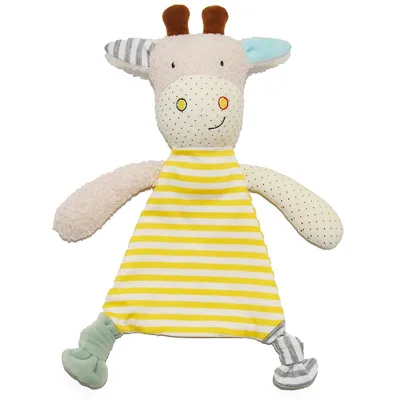
Cartoon Children's Blanket Giraffe Flannel Blanket Infant Air Conditioning Blanket Coral Plush
$15.50 - $17.00
MOQ: 49 piece,pieces

2024 Fashion Flannel Baby Sleeping Blanket Warmth Ventilate Soft Baby Sleeping Blanket for Household
$4.59 - $4.99
MOQ: 2 Pieces

HANGZHOU PERSERPRO GARMENT CO., LTD.
- Other
- China Zhejiang
- Lead time45 days
- Avg. response≤ 24h
Main productsKnitwear, Kid's Knitwear, Pet Clothes, Men's Knitwear, Knitting Blanket, Sweater, Knitting Accessories, Ladie's Knitwear, Blanket
Main marketsSouth America,Eastern Europe,Mid East,North America,Western Europe

SHAOXING OLE LEISURE CO., LTD.
- Verified by BV
- Trading Company,Manufacturer/Factory
- China Zhejiang
- Lead time120 days
- Avg. response≤ 25h
Main productsRattan Furniture, Outdoor, Outdoor Furniture, Garden Furniture, Leisure Products, Great Leisure Life, Parasol, Garden Umbrella, Gazebo, Outdoor and Indoor Blanket
Main marketsSouth America,Eastern Europe,Southeast Asia,Oceania,Western Europe,Africa

Shanghai Touch Industrial Development Co., Ltd.
- Verified by TUVRHEINLAND
- Combined
- China Shanghai
- Lead time15 days
- Avg. response≤ 5h
Main productsInstant Hot Pack, Hot Cold Pack, Gel Eye Mask, Gel Ice Pack, Gel Bottle Cooler, Instant Ice Pack, Hand Warmer, Heat Pack, Cooling Scarf, Gel Beads
Main marketsSouth America,Others(foreignTradeCapacity.exportBusinessCapacityMarketOther),Southeast Asia/ Mideast,East Asia(Japan/ South Korea),Domestic,Europe,Australia,North America

- Verified by SGS
- Combined
- China Shandong
- Lead time30 days
- Avg. response≤ 9h
Main productsBlanket, Towel, Robe, Sleepbag, Pajama, Babysuit, Bedding, Garments
Main marketsAfrica
Zhangjiagang Acoshine Hometextile Co., Ltd.
- Manufacturer, Trading Company
- Jiangsu, China
- Lead time30 days
- Avg. response≤ 10h
Main productsBlanket,Cushion,Bathrobe
Main marketsWestern Europe(30.00%), North America(30.00%), Southeast Asia(20.00%), South Asia(2.00%), Southern Europe(2.00%), Northern Europe(2.00%), Central America(2.00%), South America(2.00%), Eastern Asia(2.00%), Mid East(2.00%), Oceania(2.00%), Africa(2.00%), Eastern Europe(2.00%)
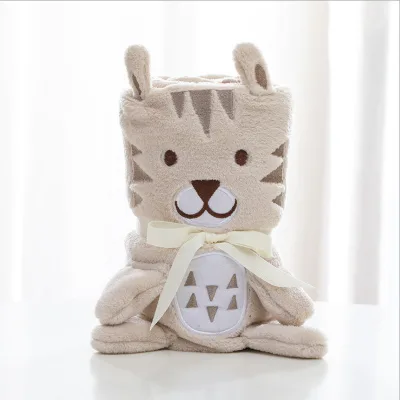
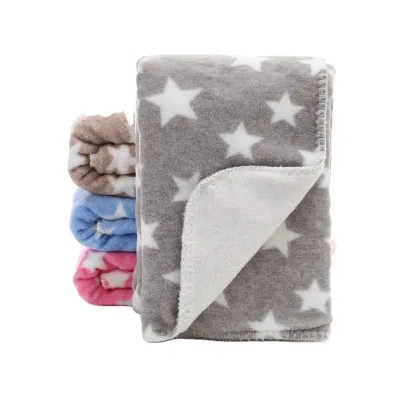
Personalized Fluffy Baby Blanket Warm Fleece Double Layer Soft Cozy Flannel Blanket
$3.8967 - $5.9476
MOQ: 20 Minimum
$2.5674 - $4.1078
MOQ: 10 pieces
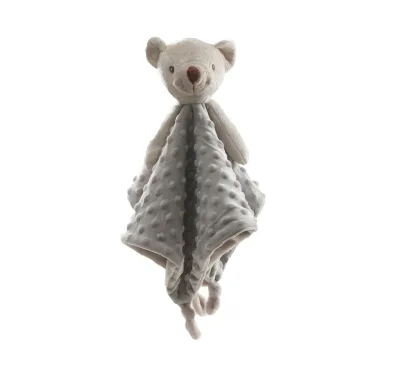

Yiwu Joyful Commodity Co., Ltd.
- Trading Company
- Zhejiang, China
- Lead time0 days
- Avg. response≤ 5h
Main productsBaby bibs,Baby name blanket,Newborn baby products,clothing,custom textile
Main marketsWestern Europe(30.00%), North America(30.00%), South Asia(10.00%), Northern Europe(10.00%), South America(10.00%), Southeast Asia(10.00%)
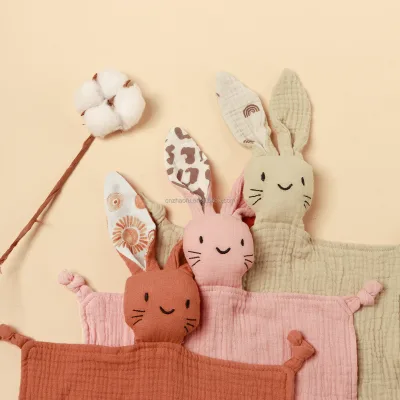
$2.9431 - $3.0569
MOQ: 50 pieces
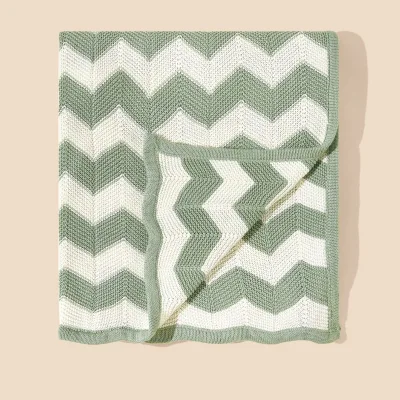
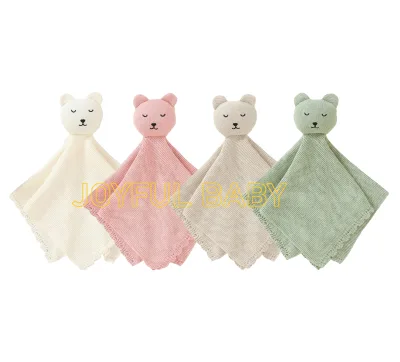
Baby New Arrival Popular Wave Knitted Cotton Stroller Blanket for Newborn Gift
$7.7829 - $7.8967
MOQ: 50 pieces
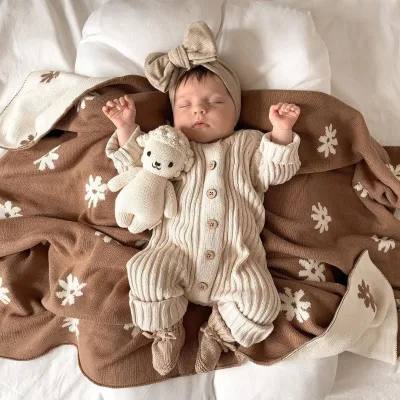
$8.2051 - $8.6152
MOQ: 50 pieces

Jinjiang Jiaxing Import and Export Co., Ltd.
- Verified by CTI
- Manufacturer/Factory
- China Fujian
- Lead time120 days
- Avg. response≤ 1h
Main productsShoes, Slipper, Clothes, Promotion Gifts, Silicone Products, Outdoor Sports Products, Bags, Fashion Accessories, Consumer Electronics
Main marketsSouth America,Eastern Europe,Mid East,North America,Southeast Asia,Eastern Asia,Oceania,Western Europe,Africa

Shenzhen Wo Silicone Tech Co., Ltd.
- Manufacturer, Trading Company
- Guangdong, China
- Lead time15 days
- Avg. response≤ 2h
Main productsCloth Book,Baby Bib,Baby Pacifier Clip,Baby Toy,Baby Towel
Main marketsNorth America(20.00%), Eastern Europe(10.00%), Western Europe(10.00%), South America(10.00%), Oceania(10.00%), South Asia(5.00%), Southern Europe(5.00%), Africa(5.00%), Southeast Asia(5.00%), Northern Europe(5.00%), Central America(5.00%), Eastern Asia(5.00%), Mid East(5.00%)

- Verified by TUVRHEINLAND
- Trading Company
- China Jiangsu
- Lead time30 days
- Avg. response≤ 2h
Main productsPlush Toy, Teddy Bear, Baby Toy, Pet Toy, Puppet, Doll, Plush Bag, Slippers, Cap, Electric Toy
Main marketsNorth America
Zhongshan Juezhier Mother & Baby Product Co., Ltd.
- Trading Company
- Guangdong, China
- Lead time0 days
- Avg. response≤ 5h
Main productspacifier clip,silicone teething,educational toy,felt book,crochet toy
Main marketsSouth America(30.00%), North America(30.00%), Southern Europe(10.00%), Western Europe(10.00%), Eastern Europe(10.00%)
- Manufacturer, Trading Company
- Lead time旺季: "1 - 300":35,"> 300":"To be negotiated", 淡季: "1 - 300":35,"> 300":"To be negotiated"
- Avg. response≤ 3h
Main productsBaby Rompers, Baby Blanket, Baby Pajama Set, Baby Comforter Blanket, Baby Sweatshirt Set

Dongguan Lokwell Toys Co. Ltd.
- Trading Company,Manufacturer/Factory
- China Guangdong
- Lead time45 days
- Avg. response≤ 19h
Main productsPlush&Stuffed Toy, Fabrics Doll, Teddy Bear, Pet Toy, Cuddle Toy, Backpacks, Keychain, Cushion, Neck Pillow, Hand Puppets
Main marketsSouth America,Eastern Europe,Mid East,North America,Southeast Asia,Eastern Asia,Oceania,Western Europe,Africa
YIWU DOLPHINESHOW TRADING CO.LTD
- Verified by SGS Group
- Trading Company
- Lead time25 days
- Avg. response≤ 4h
Main productsPlush Toys, Blankets, Plush Keychains and Travel Pillows, Plush Dolls, Pet Toys
Main marketsNorth America(40%), South America(30%), Southeast Asia(10%)
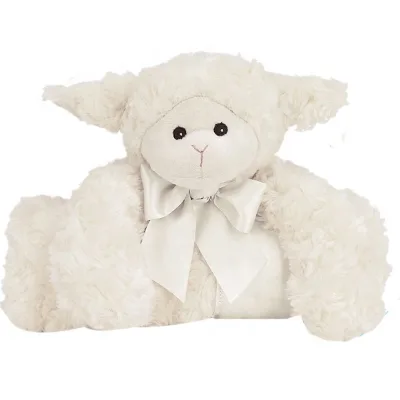
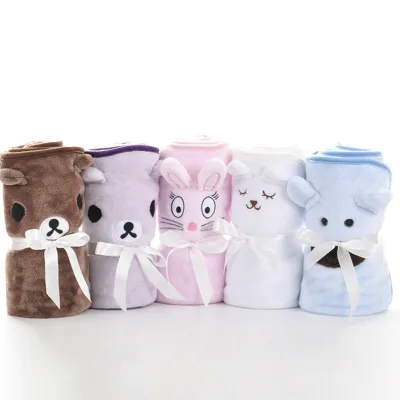
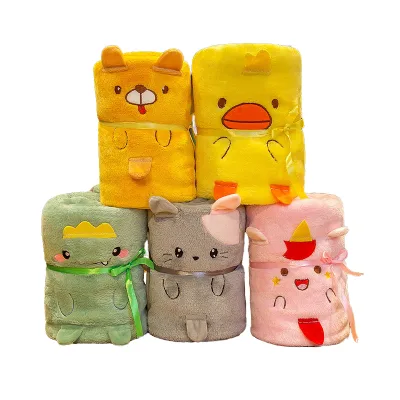
Cartoon White Sheep Lamb Plush Toy Baby Blanket New Custom Cute Kids Soft Coral Fleece Blanket
$1.9326 - $3.7515
MOQ: 500 pieces
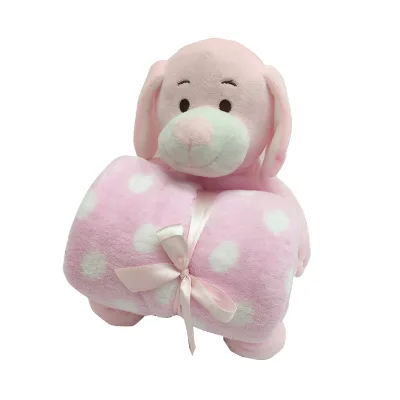
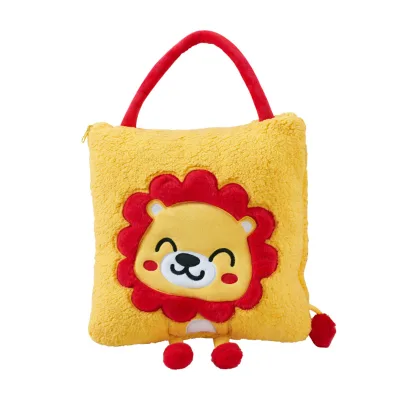
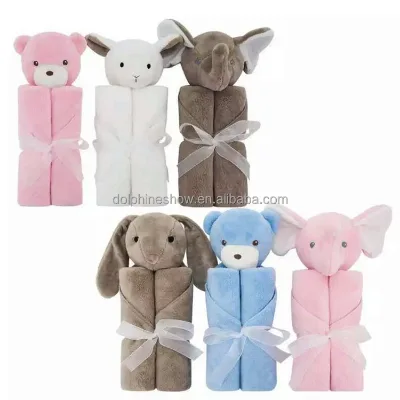
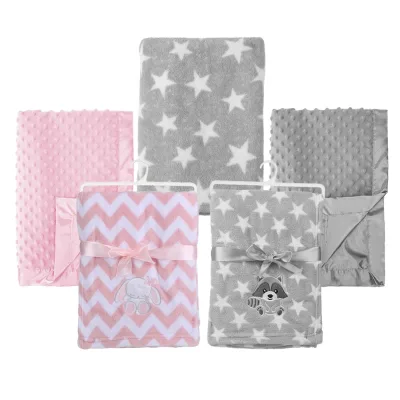
Various Baby Blanket Factory China Custom OEM Cute Soft Fleece Animal Head Plush Baby Blanket
$4.3667 - $6.6272
MOQ: 300 pieces

Ningbo V.k. Industry And Trading Co., Ltd.
- Verified by SGS
- Combined
- China Zhejiang
- Lead time60 days
- Avg. response≤ 4h
Main productsFlannel Fleece Blanket, Sherpa Throw Blanket, Dog Waterproof Blanket, Fleece Bathrobe, PVC Leather, TV Blanket, Down Coat, PV Fleece Blanket, Bazin Riche, Ice Bath Tub
Main marketsSouth America,Africa,Southeast Asia/ Mideast,East Asia(Japan/ South Korea),Domestic,Europe,Australia,North America
Foshan Faye Clothing Co., Ltd.
- Verified by TüVRheinland
- Trading Company
- Lead time15 days
- Avg. response≤ 2h
Main productsBaby Clothes, Baby Sweater, Knitted Baby Bedding, Baby Hoodies Sweatshirts, Baby Rompers
Main marketsNorth America(40%), Oceania(20%), Southeast Asia(15%)
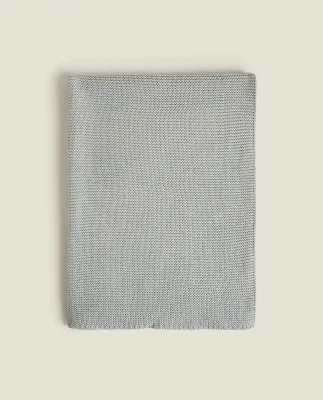
Baby Blanket Super Soft Cotton Toddler Wrap Blanket Boys Girls Soft Knit Blankets for Newborns
$4.9221 - $6.973
MOQ: 50 pieces
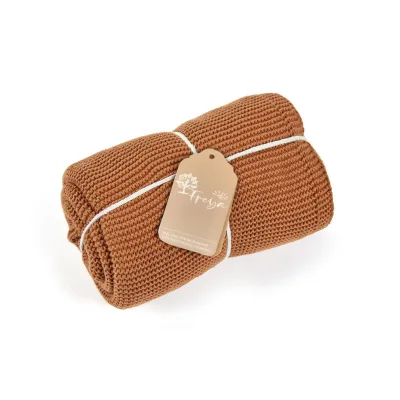
$6.726 - $8.7949
MOQ: 50 pieces
Zhejiang Gangju Import & Export Co., Ltd.
- Verified by TüVRheinland
- Manufacturer, Trading Company
- Lead time15 days
- Avg. response≤ 6h
Main productsCloth Diaper, Baby Bib, Wet Bag, Baby Clothes, Muslin Swaddle Blanket
Main marketsNorth America(27%), Southeast Asia(10%), Oceania(10%)
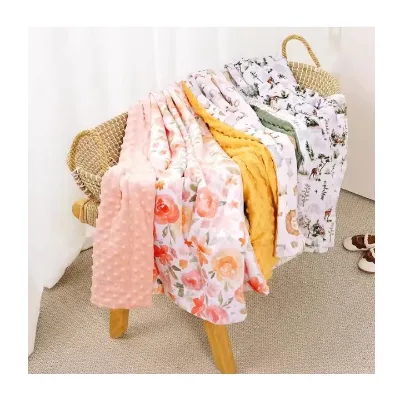
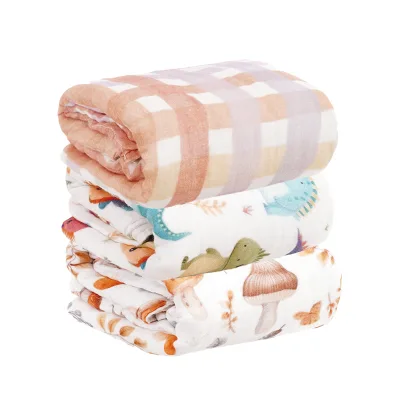
$2.7485 - $3.265
MOQ: 200 pieces
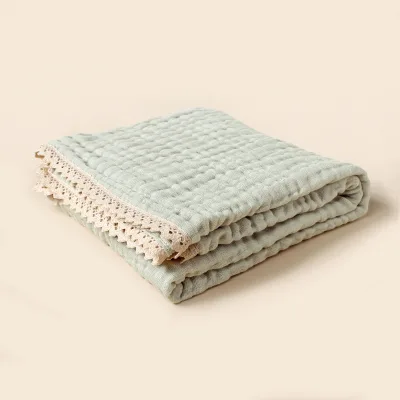
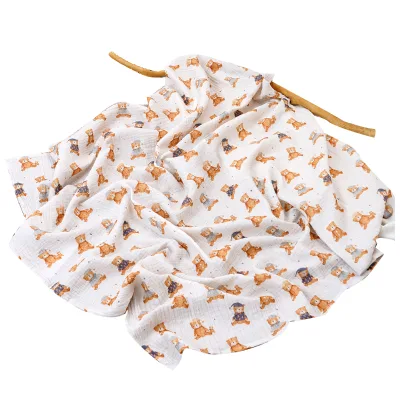
$1.1048 - $1.6168
MOQ: 200 pieces

Changshu Hongchang Weaving Co., Ltd.
- Manufacturer, Trading Company
- Jiangsu, China
- Lead time45 days
- Avg. response≤ 10h
Main productsFlannel Blanket,Comforter,Bedding set,Coral blanket,Sherpa blanket
Main marketsNorth America(30.00%), Mid East(15.00%), Africa(15.00%), South America(10.00%), Northern Europe(10.00%), Southeast Asia(5.00%), Southern Europe(5.00%), Central America(5.00%), Western Europe(5.00%)






Comprehensive Sourcing Guide
Flannel Toy Baby Blanket Supplier Concentration and Factory Types
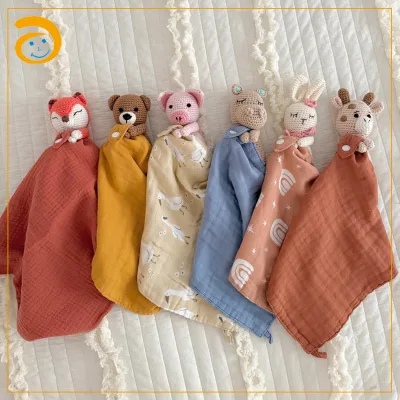
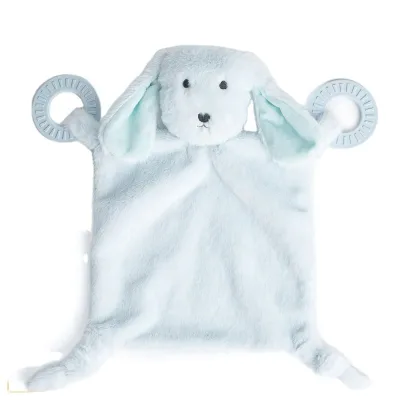
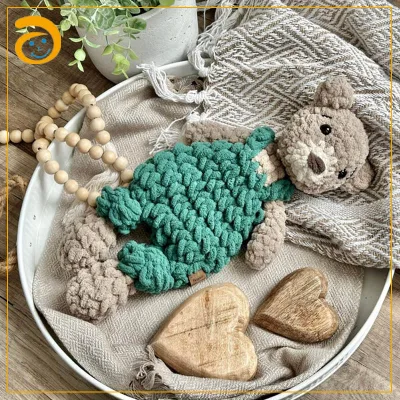
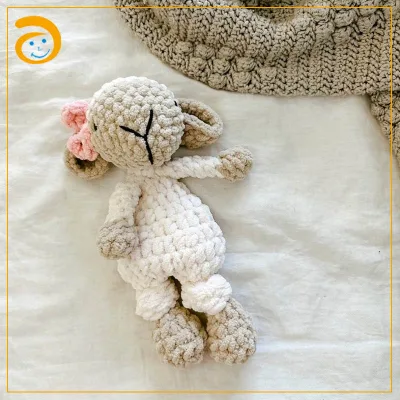
The current supplier landscape for flannel toy baby blankets reveals a distinct concentration of manufacturing and trading entities within specific Chinese provinces. Evidence indicates that a significant portion of these suppliers are located in Zhejiang, China, establishing this region as a primary hub for this specific textile category. This geographic clustering suggests a mature supply chain ecosystem where raw material sourcing, such as polyester and coral fleece, is readily available, reducing logistical friction for producers. Buyers evaluating this market should recognize that Zhejiang-based suppliers often benefit from established infrastructure for home textiles, which can translate to more consistent production capabilities. However, it is crucial to note that not all suppliers are confined to this single location; some results also point to operations in Jiangsu, China, indicating a broader regional distribution of manufacturing capacity. This diversity in location data implies that buyers should not assume a monolithic supply source but rather consider a wider geographic spread when assessing potential partners. The presence of suppliers in both Zhejiang and Jiangsu highlights the competitive nature of the Chinese textile industry, where multiple clusters compete on price, quality, and speed. Understanding this concentration helps buyers narrow their search parameters effectively, focusing on regions known for high-volume output of soft goods like blankets and throws.
Beyond geography, the types of companies operating in this space vary significantly, offering different advantages depending on the buyer’s specific needs. The observed supplier types include Manufacturers, Trading Companies, and Combined entities, each presenting a unique value proposition for sourcing flannel toy baby blankets. Manufacturers typically offer direct control over production processes, which can be beneficial for ensuring quality consistency and managing custom design requirements. On the other hand, Trading Companies may provide a broader range of product selections and potentially more flexible order terms, acting as intermediaries who aggregate products from multiple factories. Combined entities, such as those identified with CTI verification and ISO9001:2015 certification, often blend these roles, offering both manufacturing capabilities and trading services. This hybrid model can be particularly appealing for buyers seeking a single point of contact for both production and logistics. It is important for buyers to carefully distinguish between these company types during their evaluation process, as the implications for communication, pricing, and liability differ substantially. By understanding the structural composition of the supplier base, buyers can align their sourcing strategy with their operational preferences, whether they prioritize direct factory engagement or the convenience of a trading partner.
How to Verify Flannel Toy Baby Blanket Suppliers
Verifying the legitimacy and capability of Flannel Toy Baby Blanket suppliers requires a multi-layered approach that goes beyond simple profile reviews. One critical step is to examine the verification status provided by third-party inspection agencies. For instance, some suppliers in this category have undergone CTI verification, which adds a layer of credibility regarding their business operations and physical existence. Buyers should prioritize suppliers who display such independent verification badges, as these indicate that an external party has confirmed key business details. Additionally, system certifications like ISO9001:2015 serve as important indicators of a supplier’s commitment to quality management systems. While the presence of a certification does not guarantee product quality, it suggests that the supplier has established standardized processes for production and service delivery. Buyers should request copies of these certificates and verify their validity through the issuing bodies when possible. This due diligence helps mitigate the risk of engaging with fraudulent or non-compliant entities, ensuring that the partner has a foundational level of operational maturity. In the context of baby products, where safety and quality are paramount, these verification markers are essential for building trust and ensuring regulatory compliance.
Another vital aspect of verification involves assessing the supplier’s responsiveness and production transparency. The response time of a supplier can be a strong indicator of their operational efficiency and customer service quality. Data shows that some suppliers in this category have a response time of approximately one day, while others may take slightly longer, such as 1.69 days. A faster response time often correlates with a more agile organization that can address inquiries and resolve issues promptly. Buyers should also look for evidence of customization capabilities, such as OEM and ODM services, which demonstrate the supplier’s ability to adapt to specific design requirements. Furthermore, examining the detailed product attributes, such as material composition and knitting methods, can provide insights into the supplier’s technical expertise. For example, knowing whether a blanket is machine weaved or knitted helps buyers assess the production method’s suitability for their needs. Buyers should also inquire about the supplier’s packaging details and standard operating procedures to ensure they align with the buyer’s logistical requirements. By combining verification of credentials with an assessment of operational metrics, buyers can form a comprehensive view of a supplier’s reliability and suitability for long-term partnership.
What to Compare Across Flannel Toy Baby Blanket Suppliers
When evaluating multiple suppliers for flannel toy baby blankets, buyers must systematically compare key operational metrics to identify the most suitable partner. One of the most significant differentiators is the minimum order quantity (MOQ), which directly impacts inventory management and cash flow. The data indicates a wide range in MOQs, with some suppliers offering a minimum of just one piece, while others require orders of 100 pieces or more. This disparity allows buyers with different business models to find a match; small businesses or those testing new markets may prefer low-MOQ suppliers, whereas larger retailers might benefit from the economies of scale offered by higher-MOQ partners. Additionally, lead times are a critical factor in supply chain planning. Suppliers in this category exhibit varying lead times, with some offering as little as 15 days and others requiring up to 35 days. Buyers must align these lead times with their sales cycles and inventory replenishment schedules to avoid stockouts or excess inventory. Comparing these two metrics side-by-side helps buyers balance flexibility with cost-efficiency, ensuring that their sourcing strategy supports their overall business objectives.
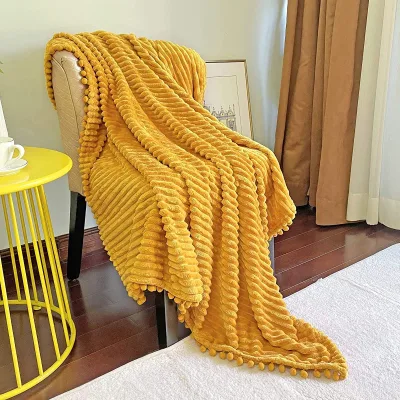
Price and product specifications are equally important dimensions for comparison across suppliers. The price range for flannel toy baby blankets varies significantly, with some products priced as low as $2.29 and others reaching up to $10.32. This variation reflects differences in material quality, design complexity, and production volume. Buyers should not solely focus on the lowest price but rather evaluate the value proposition, considering factors such as material composition, feature sets, and customization options. For instance, some blankets are made from 100% polyester with specific features like anti-pilling or waterproof properties, which may justify a higher price point. Additionally, the availability of customization, such as logo printing or unique packaging, can add significant value for brand-focused buyers. Buyers should also compare the main products offered by each supplier to ensure alignment with their broader product portfolio. Some suppliers specialize in a narrow range of items, while others offer a diverse array of home textiles, including cushions, hoodies, and throw blankets. By conducting a holistic comparison of MOQ, lead time, price, and product range, buyers can make informed decisions that optimize both cost and operational efficiency.
Common Flannel Toy Baby Blanket Sourcing Risks
Sourcing flannel toy baby blankets from international suppliers introduces several inherent risks that buyers must proactively manage. One primary concern is the variability in product quality, which can arise from differences in material sourcing and manufacturing processes. Since many suppliers use polyester as the base material, variations in fiber quality or weaving techniques can lead to inconsistencies in softness, durability, and appearance. Buyers may encounter issues such as pilling, fading, or uneven stitching if they do not establish clear quality standards and conduct rigorous inspections. This risk is particularly acute when dealing with low-MOQ suppliers who may not have the same level of quality control infrastructure as larger manufacturers. Additionally, the customization process itself can introduce risks, such as miscommunication regarding design specifications or color matching. If the supplier’s understanding of the buyer’s requirements differs from the final output, it can result in costly rework or rejected shipments. To mitigate these risks, buyers should invest in detailed product specifications and request pre-production samples to verify quality before committing to large orders. Establishing a robust quality assurance protocol is essential to maintaining product integrity and customer satisfaction.
Another significant risk is the potential for delays in production and shipping, which can disrupt supply chain operations and damage customer relationships. Lead times can fluctuate due to various factors, including raw material shortages, production bottlenecks, or logistical challenges. Buyers who rely on tight delivery schedules may find themselves unable to meet market demand if suppliers fail to adhere to promised timelines. Furthermore, the complexity of international logistics, including customs clearance and transportation delays, can exacerbate these issues. Buyers must also be vigilant about compliance risks, particularly regarding safety standards for baby products. While some suppliers may claim compliance with certain standards, buyers should verify these claims independently to ensure that the products meet the regulatory requirements of their target markets. Failure to do so can result in legal liabilities and reputational damage. Additionally, the risk of intellectual property infringement exists if suppliers use unauthorized designs or logos. Buyers should ensure that all custom designs are properly protected and that suppliers adhere to strict confidentiality agreements. By identifying and addressing these risks early in the sourcing process, buyers can build a more resilient and reliable supply chain.
Flannel Toy Baby Blanket Regional Sourcing and Logistics
The geographic location of suppliers plays a crucial role in determining logistics costs and delivery efficiency for flannel toy baby blankets. As noted, a significant concentration of suppliers is located in Zhejiang, China, a region known for its robust textile industry and well-developed infrastructure. This proximity to major ports and transportation networks can facilitate faster and more cost-effective shipping to international destinations. Buyers sourcing from Zhejiang-based suppliers may benefit from streamlined logistics processes and a wider selection of freight forwarders. However, it is important to consider that not all suppliers are located in this primary hub; some operate in Jiangsu, China, which also offers strong logistical advantages due to its proximity to Shanghai and other major trade centers. Buyers should evaluate the specific location of each supplier to assess its impact on shipping routes and transit times. Understanding the regional distribution of suppliers allows buyers to optimize their logistics strategy, potentially reducing freight costs and improving delivery reliability. Additionally, buyers should consider the seasonal variations in logistics capacity, as peak seasons can lead to congestion and delays at ports.
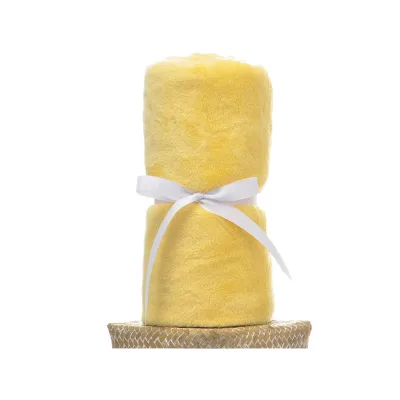
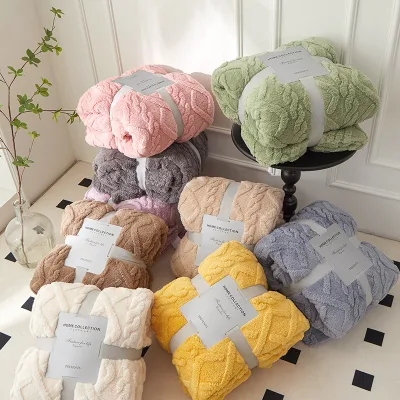
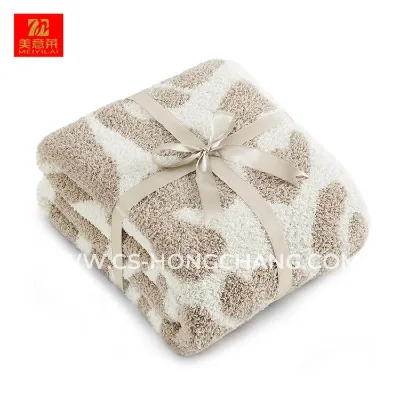
Logistics planning also involves managing packaging and handling requirements to ensure product safety during transit. The data indicates that suppliers offer various packaging options, such as hanger with paper card, roll packing with satin ribbon, or custom requests. These packaging methods can affect the volume and weight of shipments, influencing freight costs and storage requirements. Buyers should work closely with suppliers to select packaging that balances protection with cost-efficiency, ensuring that the blankets arrive in pristine condition. Furthermore, buyers must account for the single package size and gross weight when calculating shipping volumes. For example, some products have a single gross weight of 0.320 kg and specific package dimensions, which can be used to optimize container loading. By understanding these logistical details, buyers can make informed decisions about shipping methods and carrier selection. Additionally, buyers should consider the environmental impact of packaging materials, as sustainability is becoming an increasingly important factor in global trade. Choosing eco-friendly packaging options can enhance brand image and comply with emerging regulatory standards. Ultimately, effective logistics management requires a collaborative approach between buyers and suppliers, focusing on transparency and efficiency to minimize risks and costs.
Flannel Toy Baby Blanket Commercial Terms and Order Planning
Effective order planning for flannel toy baby blankets requires a thorough understanding of commercial terms and financial implications. Pricing is a fundamental aspect of this planning, with costs varying based on order volume, customization, and material quality. Buyers should negotiate pricing structures that align with their budget and volume commitments, considering whether tiered pricing or bulk discounts are available. Additionally, buyers must clarify payment terms, including deposit requirements
FAQs
What is the minimum order quantity for flannel toy baby blankets?
The minimum order quantity is 1 piece for some suppliers, while others require 100 pieces. Buyers should check specific product listings to confirm the exact threshold. This flexibility allows small businesses to test samples before committing to larger wholesale orders.
How long does production take for custom flannel blankets?
Production lead times range from 15 to 35 days depending on the supplier. Faster turnaround options are available for standard items, while custom designs may require additional time. Buyers should confirm the exact schedule with the manufacturer before placing orders.
What materials are used in these baby flannel blankets?
Most blankets are made from 100% polyester, including coral fleece and polar flannel varieties. These materials offer softness and durability suitable for infants. Some products feature anti-pilling and portable designs, ensuring comfort and practicality for travel or home use.
Are these blankets suitable for winter use?
Yes, many flannel blankets are designed for winter seasons, providing warmth and comfort. Some options are also suitable for spring and autumn use. The thick double-fleece constructions ensure insulation, making them ideal for cozy home environments or travel during colder months.
Can I customize the design or logo on the blanket?
Customization is available for many products, including logo printing and pattern selection. Buyers can choose from various colors and designs to match their brand. This service allows for unique product differentiation, catering to specific market preferences and retail requirements.
What is the price range for wholesale flannel baby blankets?
Prices typically range from $2.29 to $10.32 per unit, depending on size and features. Lower costs apply to basic designs, while premium options cost more. Buyers should compare quotes from multiple suppliers to find the best value for their specific requirements.