Foldable Eco-Friendly Cardboard Display Box Suppliers and Manufacturers
Compare 22 verified suppliers offering foldable eco-friendly cardboard display boxes with varying lead times, MOQs, and certifications like ISO and FSC. Review product attributes such as material and printing options to select the right factory for your needs; review the available evidence before requesting comparable quotations from suitable candidates.
Updated
Suppliers List

Shanghai Forests Packaging Group Co., Ltd.
- Verified by CTI
- Combined
- China Shanghai
- Lead time15 days
- Avg. response≤ 10h
Main productsPaper Gift Box, Carton Cardboard Box, Gift Box, Paper Box, Carton Box, Cardboard Box, Corrugated Box, Packaging Box, Paper Packaging, Paper Carton
Main marketsDomestic,Europe,North America


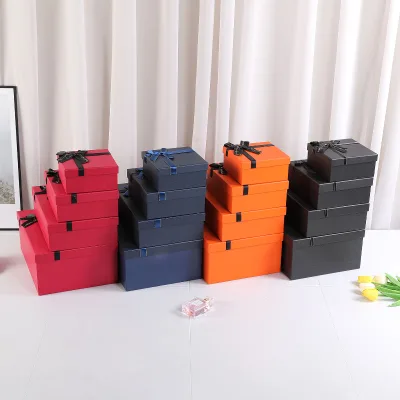
Eco Friendly Custom Paper Gift Packaging Design Printing Folding Paper Box
$0.32 - $1.43
MOQ: 500 Pieces


Shanghai Woods Packaging Co., Ltd.
- Verified by CTI
- Combined
- China Shanghai
- Lead time15 days
- Avg. response≤ 10h
Main productsGift Box, Paper Box, Carton Box, Pizza Box, Paper Gift Box, Carton Cardboard Box
Main marketsAustralia,North America
Shanghai Forests Packaging Group Co., Ltd.
- Manufacturer, Trading Company
- Lead time旺季: "1 - 500":12,"501 - 1000":15,"> 1000":"To be negotiated", 淡季: "1 - 500":12,"501 - 1000":15,"> 1000":"To be negotiated"
- Avg. response≤ 3h
Main productsPackaging Box, Pizza Box, Beer Packaging Box, Fruit Packaging Box, Gift Box

Shanghai Unison Packaging Co., Ltd.
- Verified by CTI
- Combined
- China Shanghai
- Lead time15 days
- Avg. response≤ 8h
Main productsPaper Box, Corrugated Box, Paper Bag, Shipping Box, Food Box, Gift Box, Paper Tube, Fruit Packaging Box, Wine Box, Carton Box
Main marketsEast Asia(Japan/ South Korea),Europe,North America


Wholesale Foldable Eco-Friendly Custom Logo Gift Packing Cardboard Boxes
$0.19 - $0.96
MOQ: 500 Pieces


Dongguan Pomall Packaging Product Co.,Ltd
- Verified by CTI
- Combined
- China Guangdong
- Lead time15 days
- Avg. response≤ 6h
Main productsPaper Box, Chocolate Box, Gift Box, Packaging Box, Jewelry Box, Cosmetic Box, Perfume Box, Wine Box
Main marketsSoutheast Asia/ Mideast
Shenzhen Betterlife Technology Co., Ltd.
- Verified by Intertek
- Trading Company
- Lead time5 days
- Avg. response≤ 5h
Main productsPackaging, Accessories, Plastic Tube, Mylar Bag
Main marketsWestern Europe(45%), North America(15%), Eastern Europe(10%)
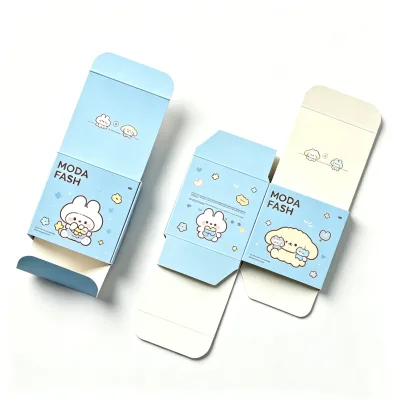
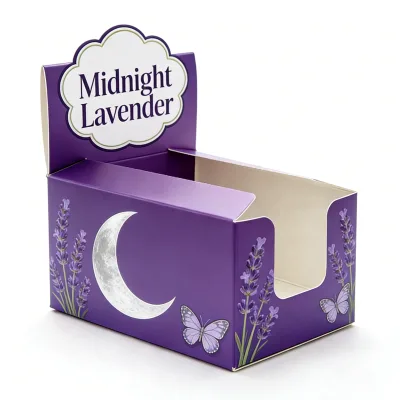
$0.0823 - $0.1557
MOQ: 1000 pieces
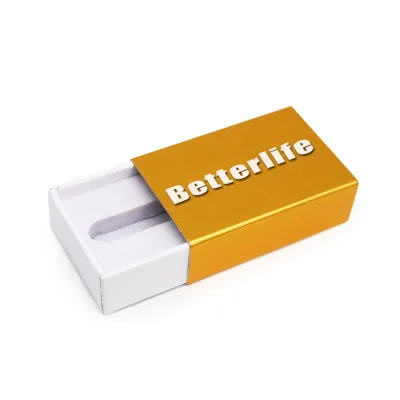
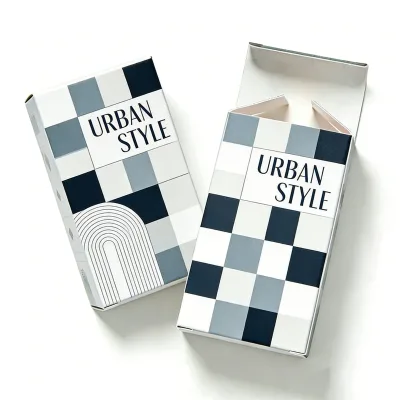

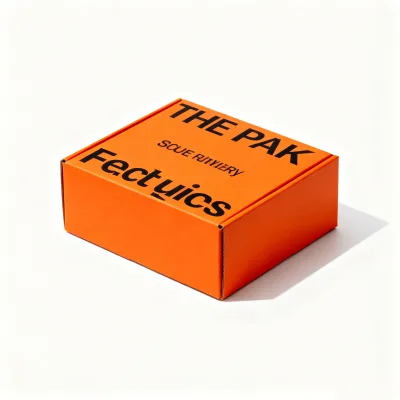
$0.3084 - $0.3593
MOQ: 1 pieces

Jiangxi Jindieli Packaging Co., Ltd.
- Verified by BV
- Combined
- China Jiangxi
- Lead time45 days
- Avg. response≤ 8h
Main productsPerfume Packaging, Customized Packaging
Main marketsSoutheast Asia/ Mideast,Europe

Fuzhou Xinyao Supply Chain Co., Ltd
- Verified by SGS
- Manufacturer
- China Fujian
- Lead time23 days
- Avg. response≤ 2h

Eco-Friendly Foldable Corrugated Cardboard Rigid Box for Retail Goods Packaging
$0.30 - $0.40
MOQ: 500 Pieces

Custom Cardboard Color Eco-Friendly Boxes Logo Printing Paper Packaging Box
$0.11 - $0.44
MOQ: 500 Pieces


Forest Packing Group Co., Ltd.
- Verified by SGS Group
- Manufacturer, Trading Company
- Lead time30 days
- Avg. response≤ 3h
Main productsPaper Box, Gift Box
Main marketsDomestic Market(94%), North America(3%), Western Europe(2%)

Kunshan Deco POP Display Co., Ltd.
- Verified by TUVRHEINLAND
- Trading Company,Manufacturer/Factory
- China Shanghai
- Lead time15 days
- Avg. response≤ 2h
Main productsDisplay Stand, Cardboard Display Stand, Floor Display, Counter Display, Cardboard Display Box, Paper Display, Pop Display, Pallet Display, Acrylic Display, Display Rack Shelf
Main marketsSouth America,Eastern Europe,Mid East,North America,Southeast Asia,Eastern Asia,Oceania,Western Europe,Africa
Shanghai Cholyn Packing Products Co., Ltd.
- Manufacturer, Trading Company
- Lead time旺季: "1 - 1000":7,"1001 - 5000":10,"5001 - 10000":15,"> 10000":"To be negotiated", 淡季: "1 - 1000":7,"1001 - 5000":10,"5001 - 10000":15,"> 10000":"To be negotiated"
- Avg. response≤ 1h
Main productsPacking Boxes,custom packaging box,BOX,Paper Boxes,gift box

Katady International Co., Limited
- Trading Company
- Hong Kong S.A.R.
- Lead time0 days
- Avg. response≤ 8h
Main productsDisplay Stand,Paper Box,Glass Tube,Plastic Tube,mylar bag
Main marketsNorthern Europe(25.00%), North America(25.00%), Southern Europe(20.00%), Western Europe(20.00%), Eastern Europe(10.00%)

Dongguan City Shipai Mingshan Packaging Products Factory
- Verified by SGS
- Manufacturer
- China Guangdong
- Lead time15 days
- Avg. response≤ 1h
Main productsBox, Gift Box Perfume Box Custom Gift Box Printe, Packaging Box Transport Packaging Corrugated Box, Jewelry Box Aromatherapy Box Product Outer Packa, Shoe Box Airplane Box Pull-out Box Sky and Ea, Skin Care Product Box Watch Box Water Cup Box, Handbags Garment Bags Packaging Paper Bags Gift, Shoe Box Clothing Box Hat Box, Printing Color Custom Size
Main marketsDomestic,Europe

Jinjiang Wandaihao Packing Co., Ltd.
- Verified by SGS
- Manufacturer
- China Fujian
- Lead time30 days
- Avg. response≤ 12h
Main marketsDomestic
Dongguan Hao Cai Packaging Co., Ltd.
- Trading Company
- Guangdong, China
- Lead time7 days
- Avg. response≤ 3h
Main productsMailing Boxes,Paper boxes,Paper Bags,Hand Tag,Envelopes
Main marketsSouth America(30.00%), North America(30.00%), Eastern Europe(20.00%), Oceania(10.00%), Southeast Asia(5.00%), Africa(3.00%), Eastern Asia(2.00%)

Shenzhen Daohua Industrial Co., Ltd.
- Verified by TUVRHEINLAND
- Manufacturer/Factory
- China Guangdong
- Lead time15 days
- Avg. response≤ 5h
Main productsPackaging Material, Gift Box, Paper Box, Wooden Box, Watch Box, Jewelry Box, Carton, Packing Box
Main marketsEastern Europe,North America,Southeast Asia,Eastern Asia,Oceania,Western Europe

Xiamen Yixin Printing Co., Ltd.
- Verified by SGS
- Combined
- China Fujian
- Lead time15 days
- Avg. response≤ 4h
Main productsPackaging Boxes Packaging Bags
Main marketsEurope
Dongguan Tianshi Plastic Packaging Product Co., Ltd.
- Verified by TüVRheinland
- Manufacturer, Trading Company
- Lead time7 days
- Avg. response≤ 1h
Main productsPaper Box, Gift Box, Custom Boxes With Logo, PVC/PET Box, Perfume Packaging
Main marketsNorth America(40%), Southeast Asia(15%), Oceania(10%)
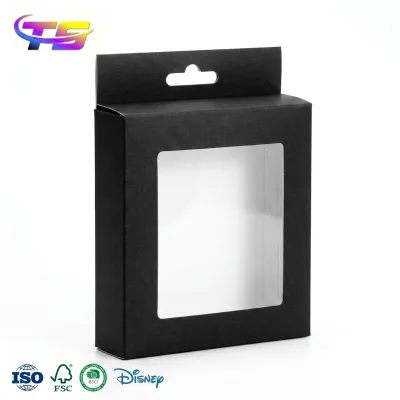
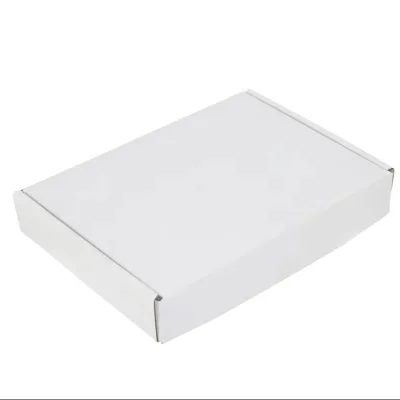
Best Selling Eco-Friendly Simple Style Retail Box Folding Paper Box for Packaging Product
$0.02 - $0.10
MOQ: 100 pieces
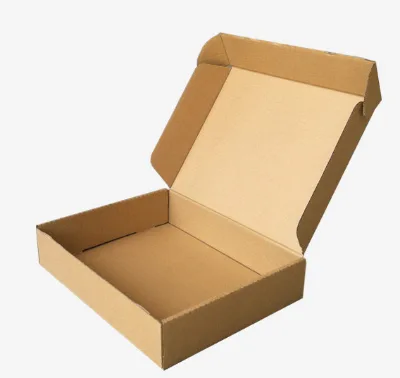

Shenzhen Hongchen Packaging Co., Ltd.
- Verified by SGS
- Trading Company
- China Guangdong
- Lead time15 days
- Avg. response≤ 1h
Main marketsDomestic


Customizable Eco-Friendly Paper Packaging Boxes for Distinct Product Display
$0.10 - $3.00
MOQ: 500 Pieces

Shenzhen Guangtianya Printing Co., Ltd.
- Manufacturer
- Guangdong, China
- Lead time15 days
- Avg. response≤ 2h
Main productsPaper stickers,Color boxes,brochure,Gift boxes,HangBag
Main marketsNorth America(40.00%), Southeast Asia(20.00%), Southern Europe(15.00%), Western Europe(15.00%), South America(5.00%), Northern Europe(5.00%)
Guangzhou Blue Sky Packaging And Printing Products Co., Ltd.
- Trading Company
- Lead time旺季: "1 - 10000":7,"> 10000":"To be negotiated", 淡季: "1 - 10000":7,"> 10000":"To be negotiated"
- Avg. response≤ 3h
Main productsCake Box, Pizza Box, Paper Bag, Envelope, Paper Box

Guangzhou Weiye Color Printing Co., Ltd.
- Verified by BV
- Combined
- China Guangdong
- Lead time15 days
- Avg. response≤ 3h
Main productsPaper Box, Packing Box, Paper Bag, Gift Bag, Picture Album, PVC/Pet Box, Envelope, Sticker, Hag Tag, Red Packets/Greeting Card
Main marketsEurope








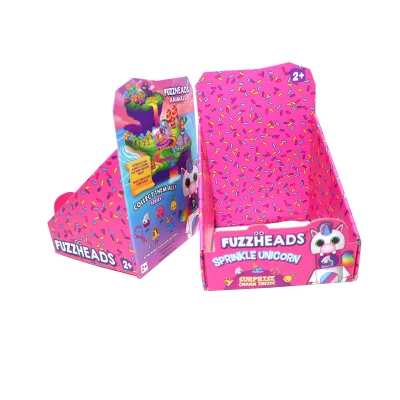


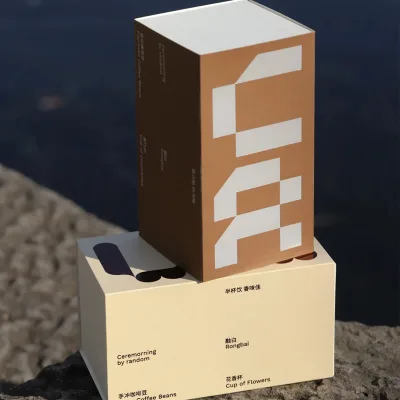
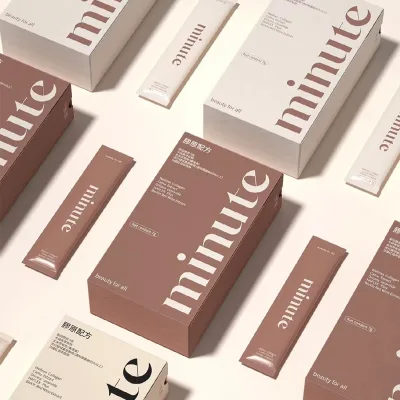
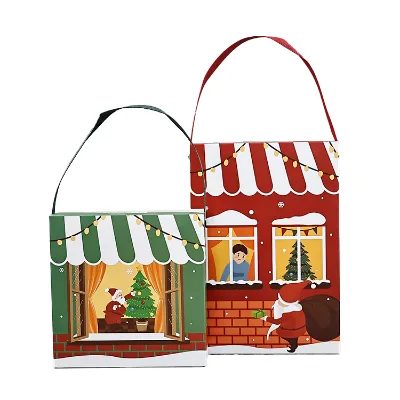


Comprehensive Sourcing Guide
Foldable Eco-Friendly Cardboard Display Box Supplier Concentration and Factory Types
Suppliers listed under this keyword are concentrated in eastern China, with Shanghai appearing as a verified company location and Zhejiang province appearing repeatedly as product origin, including one product traced to Zhejiang Taizhou. This clustering matters because corrugated and paperboard conversion, offset and flexo printing, and die-cutting capacity sit close together in these regions, which shortens material sourcing and allows suppliers to offer foldable display boxes as custom-made items rather than stock goods. Buyers should treat the region pattern as a starting hypothesis: filter results by listed location and origin attributes, then confirm the actual production address during inquiry, since a Shanghai-registered company may operate workshops elsewhere.
Supplier types in these results are mostly combined companies rather than pure factories or pure traders. Several list ODM, OEM, and own-brand capability, and product attributes explicitly state OEM service, customized orders, and manufacturer status. Main products span paper gift boxes, carton cardboard boxes, corrugated boxes, and packaging boxes, indicating suppliers whose core competence is paper conversion generally, with display boxes as one application. For a foldable eco-friendly cardboard display box, this breadth is useful but requires probing: ask which of their lines produce corrugated foldable structures specifically, request the machine list for die-cutting and gluing, and check whether the "eco-friendly" claim refers to FSC-certified board, recycled content, or both, because the listings vary in how that term is evidenced.
How to Verify Foldable Eco-Friendly Cardboard Display Box Suppliers
Start with the verification signals already displayed. At least one supplier in these results carries a third-party verification mark (CTI), which is a stronger starting signal than an unverified profile, but it is not a substitute for your own checks. Confirm the business license matches the registered location, and reconcile the product origin attribute with the company location; a Shanghai company shipping products with a Zhejiang origin should prompt a question about where production actually happens. Ask for certificates cited in the listings, such as ISO 9001/14001, FSC chain-of-custody, BSCI, or SGS reports, and request the certificate numbers so you can check validity and scope with the issuing body rather than accepting PDFs at face value.
Then verify capability with physical evidence. Several products list customization as available with OEM service, so request samples of the closest existing foldable display box and, separately, a pre-production sample of your design. For eco-friendly claims, ask which board grades and certifications support the claim, and whether recycled content percentages can be documented. For foldability, test the crease lines, glue points, and flat-pack recovery after repeated folding, since a display box that arrives flat must erect cleanly at retail. Ask each supplier to confirm which listed attributes—single-wall versus double-wall or triple-wall corrugated, printing pages, surface finishes—are available on your design. A supplier that cannot tie its eco-friendly claims to a named board specification is unlikely to hold that position when a third-party audit arrives.
What to Compare Across Foldable Eco-Friendly Cardboard Display Box Suppliers
Build a comparison sheet using the attributes suppliers actually display, without assuming every profile shows every field. In these results, the dimensions worth capturing include: location and product origin; main products; company type (combined, manufacturer, or trader); verification status; response time, where one supplier shows roughly a 9.5-hour average response; lead time, where one shows about 15 days; capacity labels such as ODM, OEM, and own brand; and per-product MOQ and price ranges, which here span from a 500-piece minimum on a kraft folding box to 5,000 pieces on a black corrugated foldable display box. Record what is shown and leave blank cells blank—gaps are themselves information about profile maturity.
Weight the fields differently depending on your order. For a first trial order, MOQ and sample terms matter more than headline price; for replenishment, lead time consistency and response speed dominate. Compare product-level attributes rather than company-level slogans: printing page (single versus two-sided), board structure (single, double, or triple wall), weight capacity ranges such as 5 kg to 100 kg on one listing, surface finishes like UV varnish or matt lamination, and packing methods (kraft paper, master carton, pallet). Price ranges also vary widely across listings, so normalize by board grade, size, and print coverage before ranking. Finally, check whether each supplier's main products actually overlap with foldable corrugated display structures or whether your item is an outlier in their catalog.
Common Foldable Eco-Friendly Cardboard Display Box Sourcing Risks
The most common risk is an unverified eco-friendly claim. Listings reference certifications such as ISO 9001/14001, FSC, BSCI, and SGS in product attributes, but attribute text is not proof; scope, expiry, and issuing body all need checking. A related risk is ambiguity between FSC-certified board, recycled content, and recyclable design—three different claims that buyers often conflate. If your retail customer audits sustainability claims, define the required evidence in writing before sampling, and confirm the supplier can trace the board mill. Second, foldable structures fail mechanically: crease cracking, delamination at glue points, and boxes that do not stay square when loaded. Listings cite weight capacities up to 100 kg on certain structures, but that figure may not apply to your board choice or print coverage.
Third, customization gaps. Most listings say customization is available and orders are customized, but scope differs—size, color (CMYK or Pantone), surface finishing, and packing may each be negotiable or fixed. Confirm in writing which parameters are flexible and which carry surcharges. Fourth, sample-versus-production drift: one listing offers free stock samples, which will not represent your custom dieline. Fifth, logistics damage; foldable display boxes ship flat-packed in master cartons or on pallets, but compression during sea freight can crush edges. Specify palletized packing if your quantity justifies it. Finally, watch the verification gap: not every supplier in results carries a third-party mark, so treat unverified profiles as requiring a deeper audit before any deposit.
Foldable Eco-Friendly Cardboard Display Box Regional Sourcing and Logistics
The observable cluster sits in eastern China. One supplier is located in Shanghai with verified status, and product origin attributes point to Shanghai and Zhejiang, including Zhejiang Taizhou specifically. This geography is coherent for paper packaging: board supply, printing houses, and die-making shops are dense in that corridor, and the Port of Shanghai provides direct sailings to most major markets. When filtering results, prioritize suppliers whose company location and product origin align, and ask directly whether production is in-house or subcontracted to a nearby converter. Where no location is shown for a given result, request the production address and port of loading before quoting—it changes freight cost and lead time materially.
On logistics mechanics, foldable display boxes are advantageous because they ship flat. Listed packing options include kraft paper wrapping, master cartons, and pallets, and one supplier lists shipment by sea, air, or express. Match the mode to urgency: air or express for pre-production and shop samples, sea for volume replenishment. Lead time evidence in these results ranges from about 7 working days after payment and artwork confirmation on one listing, to 7–10 working days on another, to roughly 15 days as a supplier-level figure—so confirm which figure applies to your customized design, since artwork approval, plate-making, and die-making sit on the critical path. Also confirm carton compression strength and container loading plans if boxes will stack inside the container during a multi-week ocean transit.
Foldable Eco-Friendly Cardboard Display Box Commercial Terms and Order Planning
Anchor commercial planning on the per-product data suppliers actually display. In these results, listed price ranges run from roughly USD 0.09–0.12 on a black corrugated foldable display box at a 5,000-piece MOQ, to USD 0.23–0.65 on a white cardboard display paper box, USD 0.49–0.79 on foldable white corrugated display boxes, USD 0.32–1.43 on a kraft folding gift-style box at a 500-piece MOQ, and USD 0.56–0.61 on a color display box at 1,000 pieces. Treat these as indicative only; price moves with board grade, size, print coverage, and finishing. Confirm the Incoterm, currency, and validity period of any quote, and ask whether tooling (dielines and printing plates) is charged separately or amortized.
Structure orders to de-risk the supplier. Start with a paid pre-production sample even where stock samples are free, then place a pilot run near the stated MOQ, and scale after inspecting foldability, print color against a Pantone standard, and pack-out. State payment terms explicitly; if escrow or third-party trade protection is available on the platform you use, verify it is actually enabled for the transaction rather than assumed. Plan lead time from artwork approval, not from inquiry—figures displayed range from about 7 working days to roughly 15 days. Finally, document every customized attribute—size, board, color, finishing, packing, and any certification requirement—in a specification sheet both parties sign, because customized orders otherwise leave disputes unresolved.
Word count: approximately 1,395 words across six sections.
FAQs
What is the price range for foldable eco-friendly cardboard display boxes?
Prices typically range from $0.09 to $1.43 per unit depending on material and customization. Basic corrugated options start near $0.09, while premium kraft or magnetic closure designs can reach $1.43. Buyers should verify specific costs based on order volume and surface finishing requirements.
What certifications are available for these packaging boxes?
Suppliers offer various certifications including ISO9001, ISO14001, FSC, BSCI, SGS, and BRC. These credentials ensure quality management, environmental responsibility, and social compliance. Buyers should request specific certificate copies to verify compliance with their target market regulations and sustainability standards before placing orders.
What is the minimum order quantity for custom display boxes?
MOQs vary significantly, ranging from 500 pieces for basic gift boxes to 5000 units for standard corrugated display boxes. Lower MOQs often apply to simpler designs or stock items. Buyers should confirm exact thresholds with suppliers, as higher volumes usually secure better pricing tiers.
How long does production take for custom orders?
Lead times generally span 7 to 15 working days after payment and artwork confirmation. Some suppliers offer faster turnaround of 7 days, while others require up to 15 days for complex customizations. Buyers should confirm exact schedules during negotiation to align with their launch timelines.
Where are these suppliers located?
Manufacturers are primarily located in Shanghai and Zhejiang, China. These regions are known for robust packaging supply chains and efficient logistics. Buyers can verify specific factory addresses to assess shipping costs and lead times relative to their destination ports or warehouses.
Can I get free samples before ordering?
Suppliers often provide free samples for stock items only. Custom samples may incur charges or require shipping fees. Buyers should request stock samples to evaluate material quality and print accuracy before committing to large production runs for their specific branding needs.