Foldable Dual-Purpose Strainer and Colander Set Suppliers and Manufacturers
Source a Foldable Dual-Purpose Strainer and Colander Set from 35 verified suppliers. Compare key dimensions including location, response time, lead time, and MOQ to find the right partner. Review product specifications and request quotes to proceed with your sourcing needs.
Suppliers List
Yangjiang City Yangdong District Hengbo Hardware Products Trading Firm
- Trading Company
- Guangdong, China
- Lead time30 days
- Avg. response≤ 2h
Main productskitchen tool,kitchen gadget,baking tool,fruit tool,pizza cutter
Main marketsNorth America(60.0%), Oceania(10.0%), Eastern Europe(10.0%), Western Europe(5.0%), Southeast Asia(5.0%), Africa(5.0%), Southern Europe(2.0%), Central America(2.0%), South Asia(1.0%)

Eagle Catering Equipment Co., Ltd.
- Manufacturer/Factory
- China Guangdong
- Lead time30 days
- Avg. response≤ 7h
Main productsTrolleys, Gastronorm Containers, Table, Shelves, Sink, Barrier Post, Cookware, Buffetware, Barware, Kitchen Utensils
Main marketsSouth America,Eastern Europe,Mid East,North America,Southeast Asia,Eastern Asia,Oceania,Western Europe,Africa

YONGKANG HOMESHINE SILICONE PRODUCTS CO., LTD.
- Combined
- China Zhejiang
- Lead time23 days
- Avg. response≤ 24h
Main productsGlass Lid
Main marketsSouth America,East Asia(Japan/ South Korea),Domestic,Europe,North America
Atrih Ningbo Import & Export Co., Ltd.
- Verified by SGS Group
- Trading Company
- Lead time30 days
Main productsGifts & Promotion, Home and Garden Products, Personal Care and Household Cleaning Products, Package Printing Products
Main marketsNorth America(40%), South America(30%), Eastern Europe(5%)
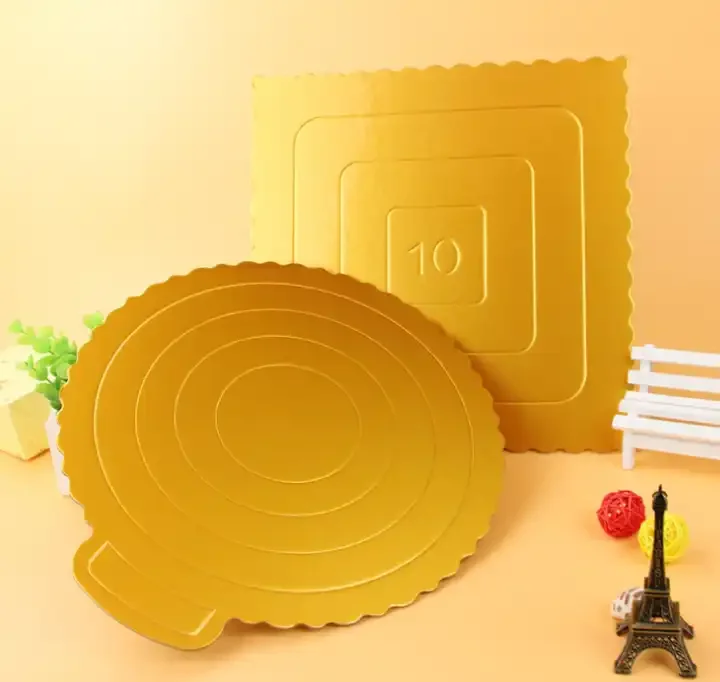
Yiwu Riyuan Goods Trading Co.,Ltd.
- Trading Company
- Zhejiang, China
- Lead time15 days
- Avg. response≤ 4h
Main productsCake Decorating Supplies,cake board,Cake topper,Cake Tools,Baking & Pastry Tools
Main marketsNorth America(20.0%), Southeast Asia(19.0%), South America(16.0%), Western Europe(12.0%), Northern Europe(5.0%), Southern Europe(5.0%), Oceania(5.0%), Eastern Europe(5.0%), Eastern Asia(3.0%), South Asia(3.0%), Africa(3.0%), Central America(2.0%), Mid East(2.0%)
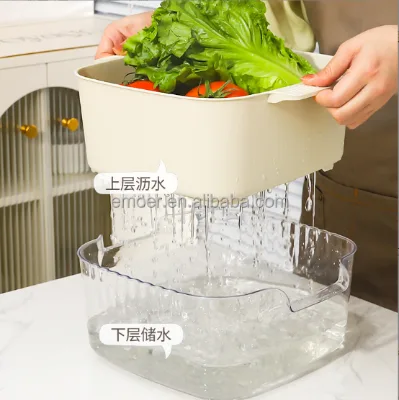
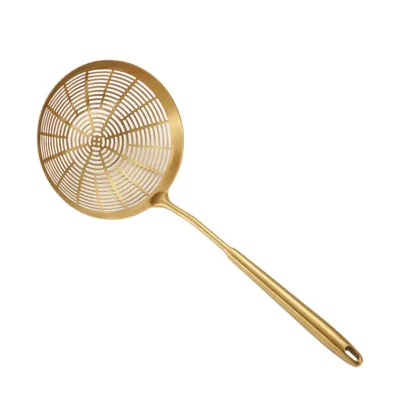
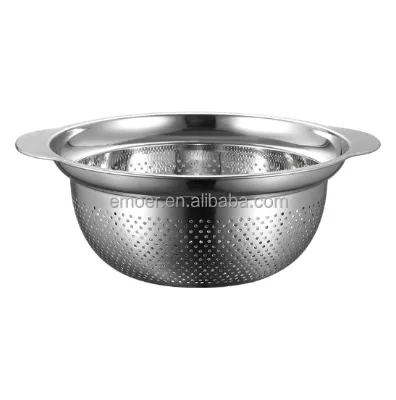
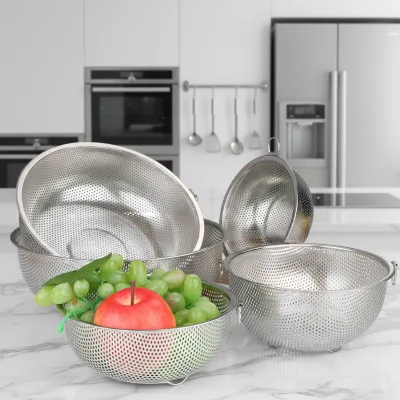
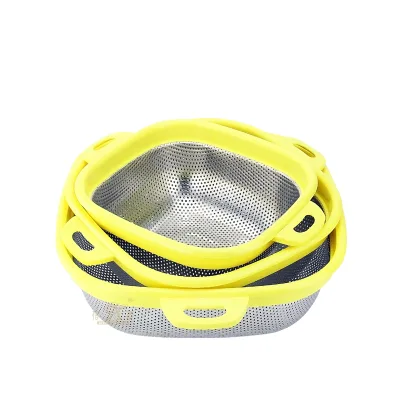
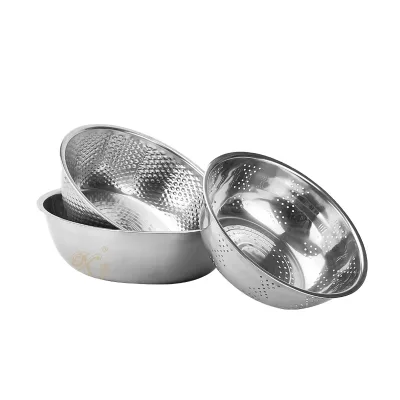
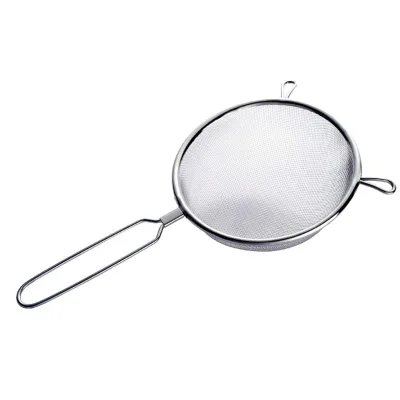
304 Stainless Steel Colander With Handle
$2.00 - $2.08
Zhong Xing Da (Hangzhou) Import & Export Co., Ltd.
- Verified by SGS
- Manufacturer/Factory
- China Zhejiang
- Lead time45 days
- Avg. response≤ 5h
Main productsCooking, Cookware, Waterfun, Fishing, Camping, RV
Main marketsSouth America,Eastern Europe,North America,Western Europe


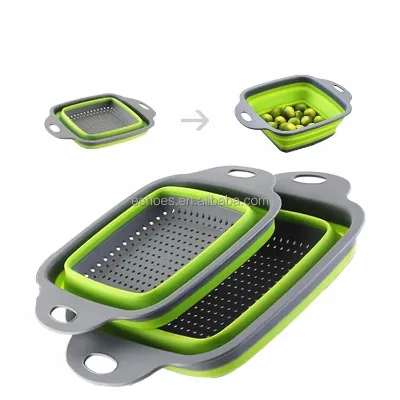
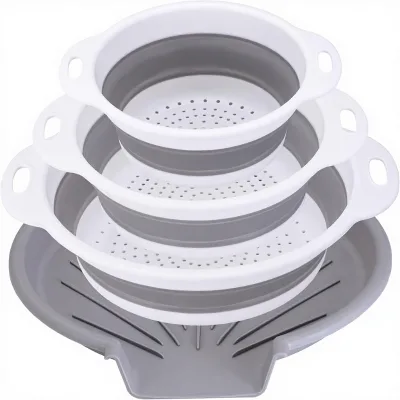
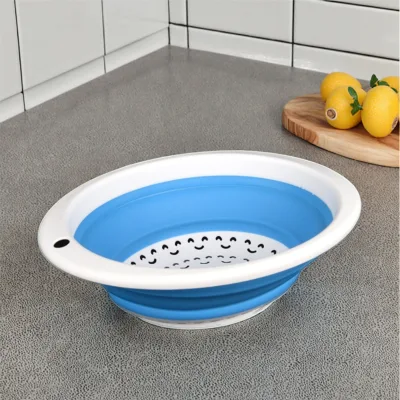
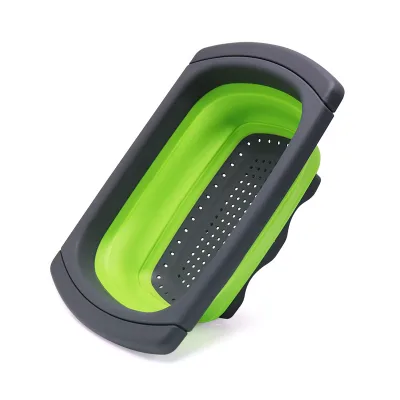
Collapsible Silicon Basket Colander Sink Colanders and Strainers Basket with Handle
$1.99 - $2.49
Moq: 500

Chaozhou City Chaoan District Caitang Town Hongyuan Hardware Products Factory
- Verified by SGS Group
- Manufacturer, Trading Company
- Lead time6 days
- Avg. response≤ 4h
Main productsStainless Steel Plate, Stainless Steel Basin, Stainless Steel Pot, Stainless Steel Square Plate, Stainless Steel Bowl
Main marketsNorth America(25%), Southeast Asia(20%), Western Europe(20%)
- Verified by SGS Group
- Trading Company
- Lead time20 days
Main productsKitchenware, Coffee French Maker, Plastic Bento Box, Bamboo Wooden Kitchen Items, Ceramic & Glass Products
Main marketsNorthern Europe(20%), South Asia(20%), North America(10%)
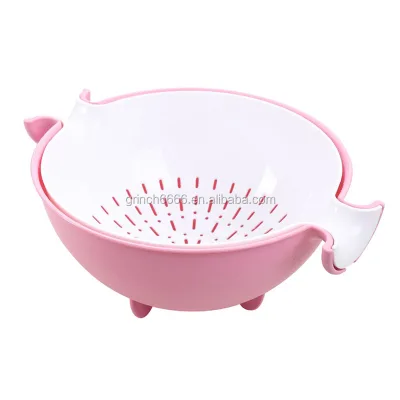
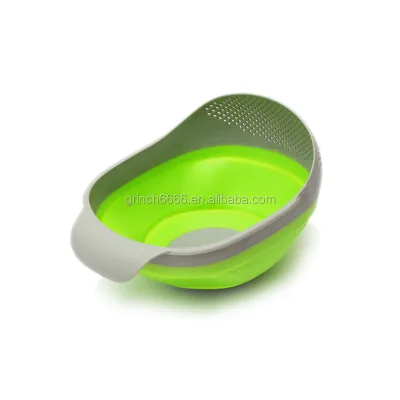
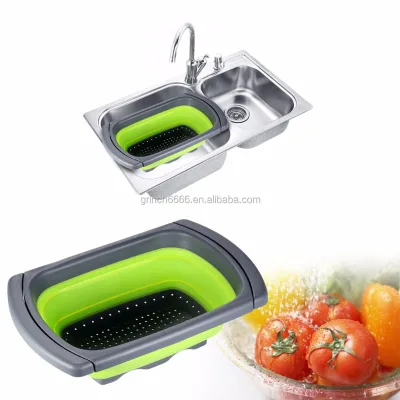
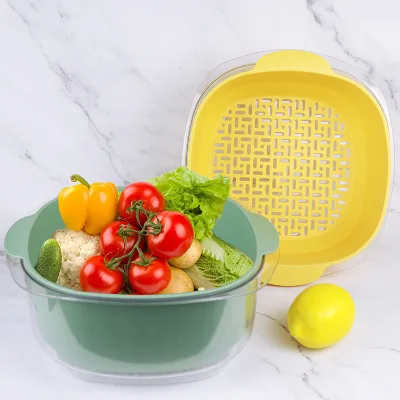
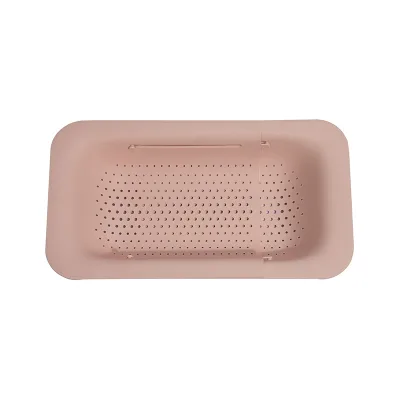
OEM kitchen sink plastic strainer,plastic sink basket strainer,basket type strainer
$1.00 - $6.00
Moq: 2000

- Verified by SGS
- Trading Company,Manufacturer/Factory
- China Zhejiang
- Lead time23 days
- Avg. response≤ 5h
Main productsTent, Project Screen, Bicycle, Trampoline, Backpack, Kitchenware, Hammock, Pet Accessories, Garden Products
Main marketsSouth America,Eastern Europe,Mid East,North America,Southeast Asia,Eastern Asia,Oceania,Western Europe,Africa

- Verified by TUVRHEINLAND
- Manufacturer/Factory
- China Zhejiang
- Lead time23 days
- Avg. response≤ 5h
Main productsOutdoor Furniture, Trampoline, Building, Camping, Houseware, Promotion, Clothes, Rope Light, Garden, Sourcing
Main marketsSouth America,Eastern Europe,Mid East,North America,Southeast Asia,Eastern Asia,Oceania,Western Europe,Africa
Yangjiang Echoes Industrial Co., Ltd.
- Trading Company
- Guangdong, China
- Lead time25 days
- Avg. response≤ 3h
Main productsKitchen Utensils,Nylon Kitchen utensils,Silicone Kitchen Utensils,Silicone Kitchen Gadgets,Nylon Kitchen Gadgets
Main marketsNorth America(30.0%), Northern Europe(12.0%), Southern Europe(9.0%), Southeast Asia(9.0%), Western Europe(8.0%), Africa(8.0%), Oceania(6.0%), Eastern Europe(6.0%), Mid East(5.0%), South America(3.0%), Eastern Asia(2.0%), South Asia(1.0%), Central America(1.0%)
Henan Dibangni Industrial Development Co., Ltd.
- Manufacturer, Trading Company
- Henan, China
- Lead time3 days
- Avg. response≤ 6h
Main productsHome Storage & Organization,Kitchen & Tabletop
Main marketsNorth America(30.0%), Southeast Asia(10.0%), Northern Europe(10.0%), Western Europe(10.0%), Eastern Europe(5.0%), Central America(5.0%), South America(5.0%), South Asia(5.0%), Southern Europe(5.0%), Oceania(5.0%), Domestic Market(5.0%), Eastern Asia(2.0%), Mid East(2.0%), Africa(1.0%)

Jiangmen Xinxin Houseware Co., Ltd.
- Verified by BV
- Trading Company,Manufacturer/Factory
- China Guangdong
- Lead time30 days
- Avg. response≤ 5h
Main productsLunch Box, Coffeeware, Kitchenware, Chafing Dishes, Gn Pan, Juice Dispenser, Trolley, Stock Pot, Bar Sets, Storages Box
Main marketsEastern Europe,Mid East,North America,Southeast Asia,Eastern Asia,Oceania,Western Europe

Zhongshan Mingxin Silicone Manufactory
- Verified by SGS
- Combined
- China Guangdong
- Lead time15 days
- Avg. response≤ 5h
Main productsSilicone Kitchenware, Silicone Keypaid, Silicone Bracelet, Silicone Wristband, Silicone Ashtray, Silicone Tube, Silicone Watch, Silicone Rubber, Silicone Sex Doll, Silicone Mold
Main marketsEurope,North America

WELSHINE COMMERCIAL EQUIPMENT CO. LTD
- Verified by TUVRHEINLAND
- Combined
- China Guangdong
- Lead time60 days
- Avg. response≤ 8h
Main productsGn Pans, Storage Boxes, Storage Containers, Trays, Trolley, Glass Rack, Barrel, Tote Boxes, Bin, Jug
Main marketsDomestic
Chaozhou Chaoan Longhu Yuantai Hardware Manufactory
- Verified by TüVRheinland
- Manufacturer, Trading Company
- Lead time30 days
Main productsCookware Sets, Chafing Dish, Salad Bowls, Tiffin Lunch Box, Dishes And Plates
Main marketsNorth America(15%), Southeast Asia(15%), Mid East(15%)
Chaozhou City Chaoan Dist. Caitang Town Xinyuan Stainless Steel Factory
- Verified by Intertek
- Manufacturer, Trading Company
- Lead time30 days
- Avg. response≤ 3h
Main productsCooking Pot Set, Kitchen Ware, Cookware Set, Cooking Pot, Steamer Pot
Main marketsDomestic Market(25%), Western Europe(15%), South America(14%)

Yangjiang C&B Consumer Product Limited
- Combined
- China Guangdong
- Lead time150 days
- Avg. response≤ 5h
Main productsBarbecue Tongs, Grilling Brushes, Outdoor Shovel, Grilling Tools, Kitchen Ware, Outdoor Products, Pizza Tools, Knife Set
Main marketsSouth America,Southeast Asia/ Mideast,Domestic,Europe,Australia,North America

Taizhou Shangyi Plastic Co., Ltd.
- Verified by TUVRHEINLAND
- Trading Company
- China Zhejiang
- Lead time23 days
- Avg. response≤ 20h
Main productsFood Container, Storage Container, Lunch Box, Bento Box, Plastic Laundry Basket, Plastic Storage Container, Plastic Cutting Board
Main marketsSouth America,Southeast Asia/ Mideast
Ningbo Bright Commodity Co., Ltd.
- Trading Company
- Lead time旺季: "1 - 1000":180,"> 1000":"To be negotiated", 淡季: "1 - 1000":180,"> 1000":"To be negotiated"
- Avg. response≤ 9h
Main productsfood container,Refrigerator Organizer
Anping Zhuojian Wire Mesh Products Co., Ltd.
- Verified by SGS
- Trading Company
- China Hebei
- Lead time15 days
- Avg. response≤ 5h
Main productsWire Mesh, Stainless Steel Mesh, Perforated Metal, Expanded Metal, Stainless Steel Rope Net, Decorative Mesh, BBQ Barbecue Mesh, Filter Mesh, Conveyor Belt Mesh, Anti-Tank Mesh
Main marketsEurope
Ningbo Happy Valley Household Co., Ltd.
- Verified by SGS
- Trading Company
- China Zhejiang
- Lead time30 days
- Avg. response≤ 15h
Main productsPot Lid, Glass Pot Lid, Kitchen Utensil Set, Kitchen Tool, Bento Box, Lunch Box, Plastic Lunch Box, Silicone Lunch Box, Collapsible Bucket, Plastic Bucket
Main marketsEurope
Guangdong Jinda Hardware Products Co., Ltd.
- Verified by SGS Group
- Manufacturer, Trading Company
- Lead time35 days
- Avg. response≤ 3h
Main productsVegetable Chopper, Kitchen Utensil, Kitchen Knife & Scissors, Opener, Peelers
Main marketsNorth America(25%), Southeast Asia(20%), Mid East(10%)

- Verified by SGS
- Trading Company,Manufacturer/Factory,Other
- China Zhejiang
- Lead time38 days
- Avg. response≤ 17h
Main productsBath Mat, Cushion, Wooden Toys, Fitness Equipment, Cosmetic Bag, Luggage, Festival Products, Gym Items, Face Mask, Paracord Bracelet
Main marketsSouth America,Eastern Europe,Mid East,North America,Southeast Asia,Eastern Asia,Oceania,Western Europe,Africa

- Verified by SGS
- Trading Company,Manufacturer/Factory
- China Guangdong
- Lead time45 days
- Avg. response≤ 1h
Main productsStainless Steel Cookware, Stainless Steel Untensil, Stainless Steel Kitchenware, Stainless Steel Colander Bowl, Stainless Steel G. N Pan, Stainless Steel Pressure Cooker, Stainless Steel Buckets, Stainless Steel Dishes Rack, Stainless Steel Chafing Dishes, Stainless Steel Fittings
Main marketsSouth America,Eastern Europe,Mid East,North America,Southeast Asia,Eastern Asia,Oceania,Western Europe,Africa

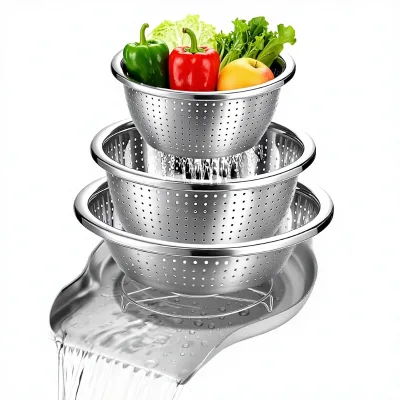
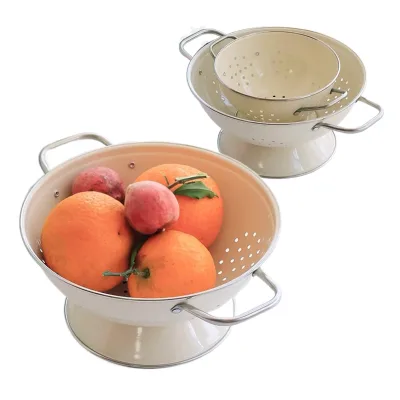
Kitchen Utensils Stainless Steel Colander Kitchen Mesh Metal Strainer Fruit Basket
$1.58 - $2.84
Moq: 250


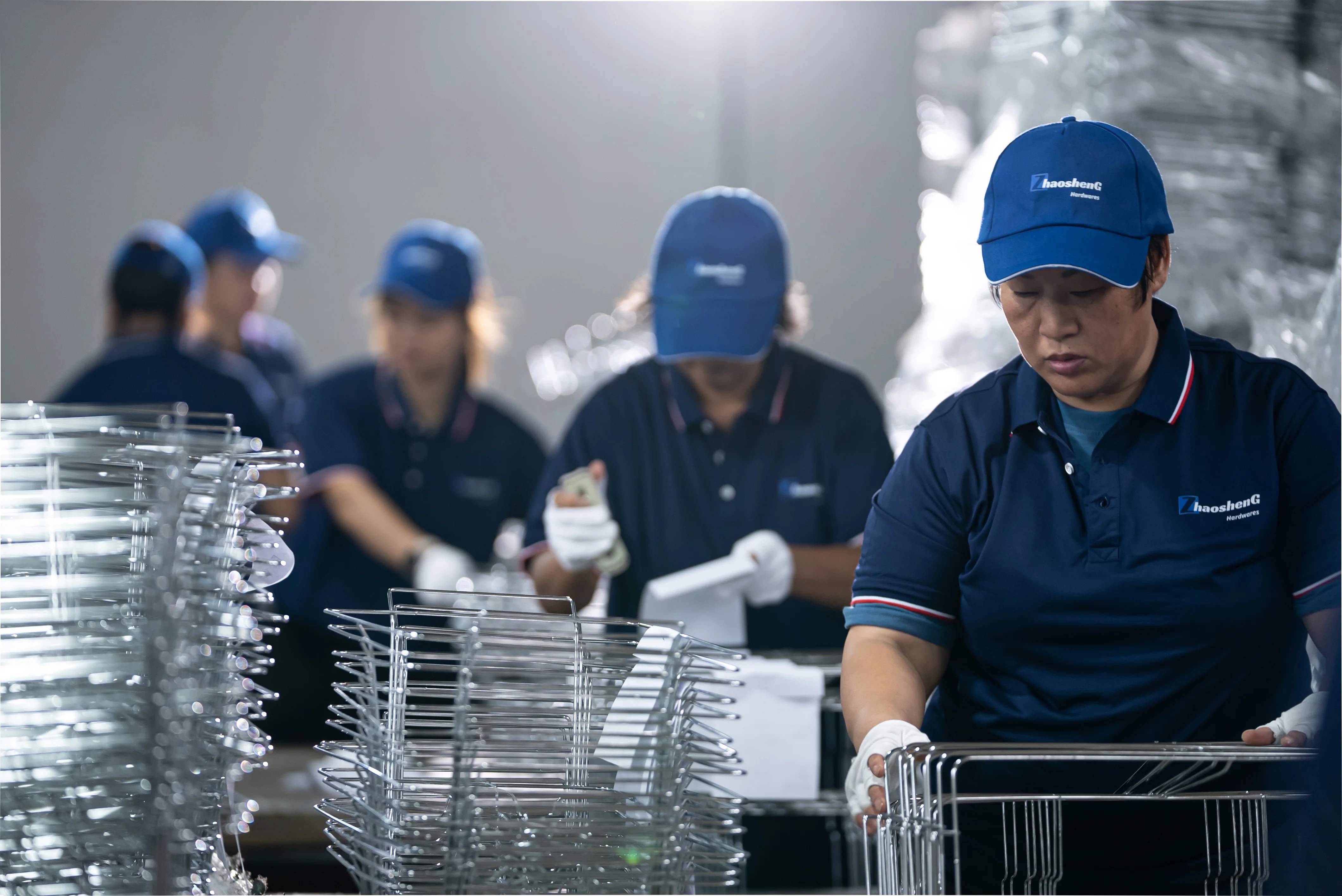
Jiangmen Zhaosheng Hardware Co., Ltd.
- Manufacturer, Trading Company
- Guangdong, China
- Lead time45 days
- Avg. response≤ 2h
Main productsDish Drying Rack,Bathroom Rack,Fruit Baskets,Home Organizer Rack,Fryer Baskets
Main marketsNorth America(50.0%), Domestic Market(20.0%), South America(15.0%), Northern Europe(15.0%)

Shantou Eversmily Daily Necessities Co., Ltd.
- Trading Company
- Guangdong, China
- Lead time30 days
- Avg. response≤ 3h
Main productsDaily Provisions,Plastic Products,Gifts,Sunglassses,Pet Products
Main marketsWestern Europe(25.0%), North America(25.0%), Eastern Europe(20.0%), Northern Europe(12.0%), Southeast Asia(12.0%), South America(6.0%)
Yangjiang Golden View Economic Trading Co., Ltd.
- Verified by Intertek
- Manufacturer, Trading Company
- Lead time45 days
Main productsKitchen Utensil, Bakeware, Ice Mold, Kitchen Gadgets, Baking Tools
Main marketsNorth America(35%), Oceania(15%), Western Europe(15%)

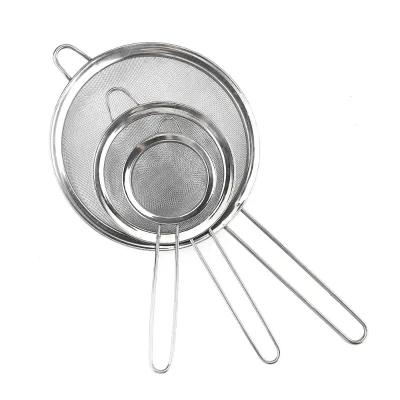
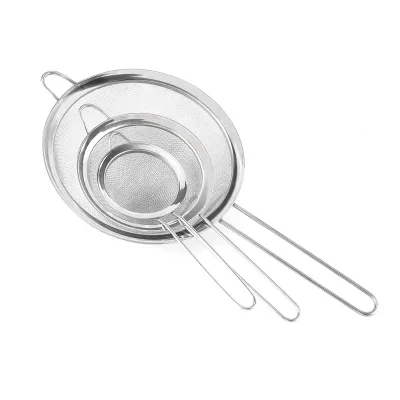
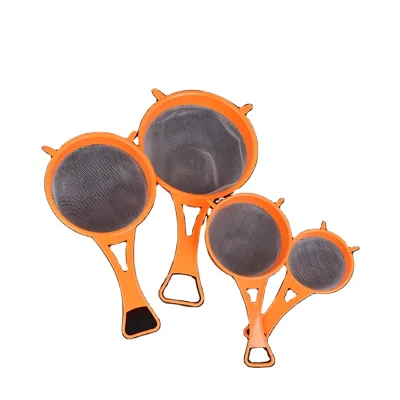
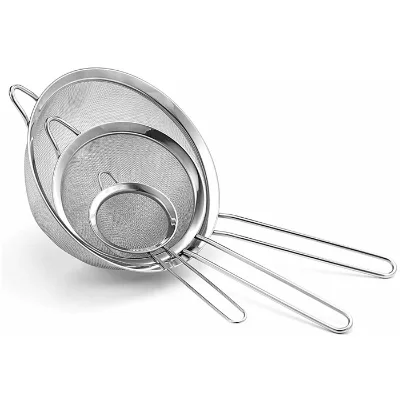
Premium Set of 3 Filter Strainers Fine Mesh Kitchen Stainless Steel Strainer Mesh
$0.98 - $1.25
Moq: 2000
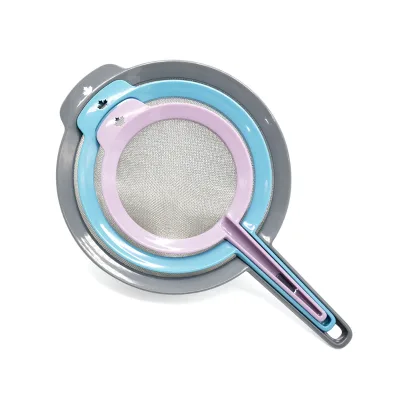
- Trading Company
- China Zhejiang
- Lead time30 days
- Avg. response≤ 11h
Main productsHome Appliance, Cookware Set, Thermos, Home Storage, Furniture, Pet Supplies, Garden Tools, Outdoor Supplies, Baby Supplies, Houesehold Items
Main marketsSouth America,Africa,Southeast Asia/ Mideast,East Asia(Japan/ South Korea),Domestic,Europe,Australia,North America

Jiangmen City Jasion Houseware Co., Ltd.
- Trading Company
- Guangdong, China
- Lead time15 days
- Avg. response≤ 4h
Main productsCanister Bin,Laundry Powder Box,Packaging & Printing,Watering Can,Plastic Packaging
Main marketsWestern Europe(35.0%), North America(23.0%), Oceania(13.0%), South America(7.000000000000001%), Eastern Europe(5.0%), Eastern Asia(5.0%), Northern Europe(4.0%), Southern Europe(2.0%), Mid East(2.0%), South Asia(1.0%), Southeast Asia(1.0%), Africa(1.0%), Central America(1.0%)
Jieyang City Jiedong District Pandong Chufei Hardware Factory(Individual Business)
- Manufacturer, Trading Company
- Guangdong, China
- Lead time10 days
- Avg. response≤ 3h
Main productsstainless steel cup,Stainless Steel Cutlery,Kitchen Appliances,Barware
Main marketsNorth America(30.0%), Western Europe(23.0%), Domestic Market(10.0%), Eastern Europe(5.0%), Northern Europe(5.0%), South America(5.0%), Eastern Asia(5.0%), Mid East(5.0%), Oceania(5.0%), Southeast Asia(5.0%), Southern Europe(2.0%)
Huorun Import & Export Co., Ltd. (ASIA BEST BRANCH)
- Trading Company
- Guangdong, China
- Lead time30 days
- Avg. response≤ 7h
Main productsKitchen Knife & Scissor,Kitchen Tools,BBQ Tools,Wooden Cutting Boards,Manicure & Beauty Tools
Main marketsWestern Europe(45.0%), South America(20.0%), Eastern Asia(10.0%), Northern Europe(10.0%), Eastern Europe(5.0%), Central America(5.0%), North America(5.0%)

Wenzhou Cathylin International Trade Co., Ltd.
- Verified by TUVRHEINLAND
- Trading Company
- China Zhejiang
- Lead time15 days
- Avg. response≤ 15h
Main productsFlatware, Cutlery, Kitchen Tools, Tableware, Cookware, Bakeware, Drinkware
Main marketsNorth America
Shengzhou Cadia Electric Co., Ltd
- Verified by SGS
- Trading Company
- China Zhejiang
- Lead time30 days
- Avg. response≤ 19h
Main productsKitchen Ware
Main marketsNorth America

Jieyang Y&M Hardware Products Factory
- Manufacturer/Factory
- China Guangdong
- Lead time23 days
- Avg. response≤ 5h
Main productsPlastic Handle Cutlery, Stainless Steel Cutlery, Ceramic Handle Cutlery, Metal Straw, Kitchenware Set, Peeler, Spoon, Knife, Fork, Strainers
Main marketsSouth America,Eastern Europe,Mid East,North America,Southeast Asia,Eastern Asia,Western Europe,Africa

















Comprehensive Sourcing Guide
Foldable Dual-Purpose Strainer and Colander Set Supplier Concentration and Factory Types
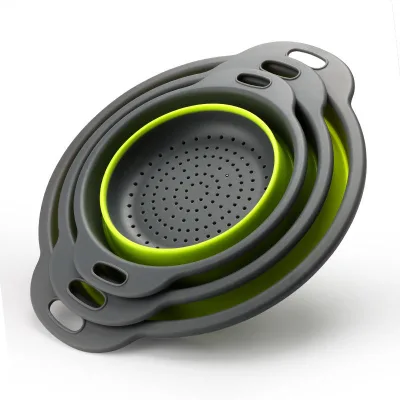
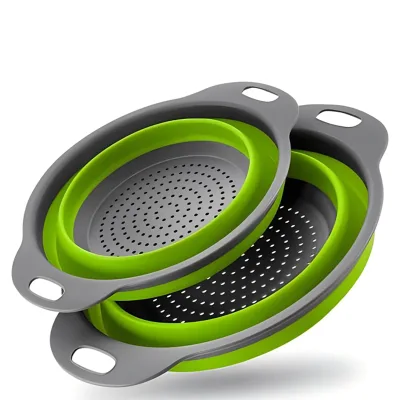
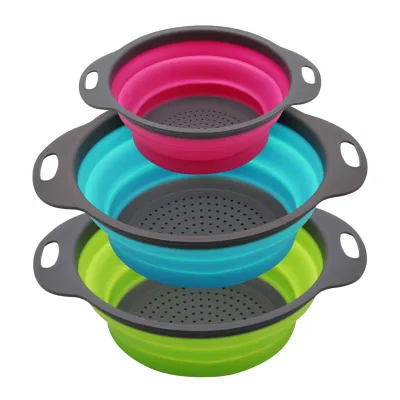
Buyers searching for a Foldable Dual-Purpose Strainer and Colander Set will encounter two broad supplier profiles on B2B platforms: manufacturers that operate their own factories and trading companies that consolidate output from multiple workshops. The distinction matters for this category because collapsible silicone and plastic strainers require injection molding, food-grade material sourcing, and folding-mechanism assembly, while stainless steel colanders require stamping, mesh welding, and polishing lines. In the current supplier results, several companies list Guangdong, China as their place of origin, and their main product lines include kitchen tools, kitchen gadgets, baking tools, fruit tools, and pizza cutters, which signals a mature kitchenware cluster in that province. Guangdong's kitchenware ecosystem typically offers shorter domestic logistics between molding suppliers, accessory vendors, and packers, which is relevant when a collapsible strainer set includes hooks, lids, or multiple basket sizes.
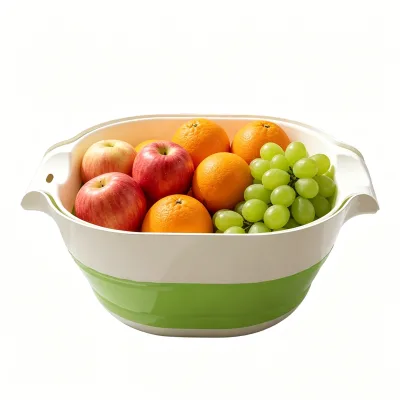
Company type labels on listings should be read as a starting hypothesis rather than a verified fact. One supplier in the results identifies as a trading company and advertises a stocked, foldable TPR+PP colander basket with OEM/ODM availability; another identifies as a manufacturer/factory whose main products span trolleys, gastronorm containers, sinks, and kitchen utensils, with stainless steel colanders among its listed items. Buyers should treat concentration claims as directional: use location and main-product fields to shortlist, then verify company type through business licenses, factory photos, or an on-site or third-party audit before committing to tooling or exclusive designs for the foldable set.
How to Verify Foldable Dual-Purpose Strainer and Colander Set Suppliers
Verification should begin with the attributes a supplier actually displays, never with assumptions. In the current results, one Guangdong-based kitchen tool supplier shows a response time of about two hours, a lead time of 30 days, and a trading company label; a stainless steel kitchenware supplier in Guangdong shows a response time of roughly seven hours and a manufacturer/factory label, along with OEM and ODM capacity. Response speed and lead time are useful signals, but they are platform-reported or self-reported, so confirm them directly: send a technical inquiry about TPR and PP food-contact grades or stainless steel thickness and measure how quickly and how specifically the supplier answers. A trading company that cannot answer material questions without checking with its factory is still viable, but the buyer should know which party controls quality.
Next, verify legal and operational identity. Ask for the registered business name, license number, and whether the entity holds its own export rights, and cross-check that the name on quotations matches the name on bank documents. Request product-specific evidence: for the foldable silicone or plastic strainer, ask which parts are TPR, which are PP, whether the listing's dishwasher-safe and hand-wash-only care instructions are reconciled, and whether the collapsible mechanism survives repeated cycles. For stainless steel colanders, confirm the declared material type and thickness, such as the 201-grade, 1.0 mm specification shown in the results, by requesting material certificates or mill test reports. Finally, verify whether OEM/ODM claims are backed by the supplier's own design files or by the upstream factory's, since logo workability was explicitly offered on one foldable basket listing.
What to Compare Across Foldable Dual-Purpose Strainer and Colander Set Suppliers
Build a comparison table using the dimensions suppliers themselves expose, while noting that not every supplier displays every attribute. Useful fields include location, company type, main products, response time, lead time, MOQ, establishment year, escrow availability, and customization capacity. In the current results, one supplier lists Guangdong, China as its location, a 30-day lead time, and a two-hour response time, with kitchen tools and gadgets as its main products; another Guangdong supplier lists roughly seven hours response time and OEM/ODM capacity with a broader catering-focused product range. Response time matters when the foldable strainer set requires iterative sampling of the collapsible rim and locking features, because slow replies compound across multiple sample rounds.
MOQ comparisons are especially decisive in this category. One foldable TPR+PP colander listing in the results shows an MOQ of 10 sets with four colorways and two sizes, priced per set, which suits small retailers testing demand; a heavy-duty stainless steel colander from the manufacturer-type supplier shows an MOQ of 350 units, with a lower-priced simpler strainer at that same MOQ level and a larger handled mesh colander at an MOQ of 30 at a substantially higher unit price. Compare these numbers against your channel: an MOQ of 10 sets supports low-risk trial orders, while 350 units only makes sense for volume distribution. Also compare establishment years and escrow options where displayed, because longer operating history and platform-protected payment both reduce counterparty risk on first orders of a new dual-purpose set design.
Common Foldable Dual-Purpose Strainer and Colander Set Sourcing Risks
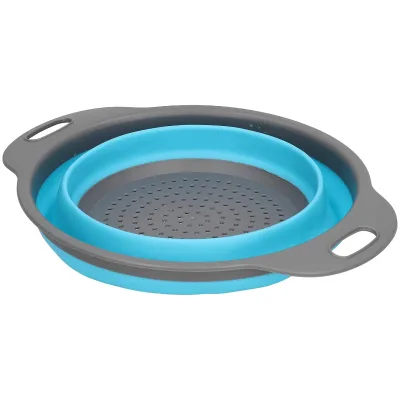
The most frequent risk is product-detail ambiguity. The foldable basket listing in the results simultaneously states "dishwasher safe: Yes" and "Care Instructions: Hand Wash Only," and an attribute describes the product as a "Plastic basket" with a TPR+PP material breakdown. Conflicting care instructions and generic naming suggest listing text was copied or loosely edited, which means the buyer, not the supplier, will absorb quality disputes if expectations are not documented. Put the exact material for each component, the dishwasher position tolerance, heat resistance, and folding-cycle test count into the specification sheet before the deposit. A second risk is mismatch between the displayed item and the shipped item: colorways such as blue, green, red, and orange, and sizes S and M, appear in listing attributes, so define which color and size mix constitutes the ordered set and who owns obsolete packaging stock.
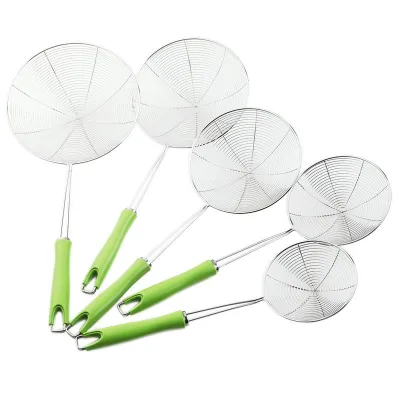
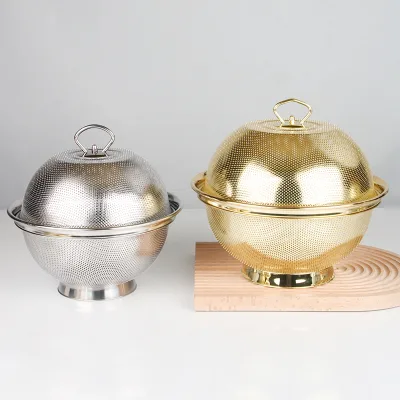
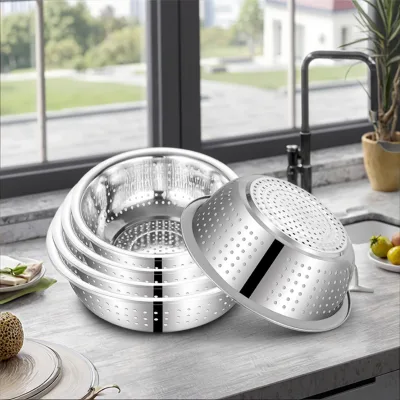
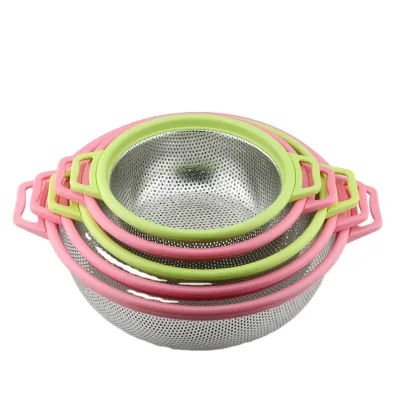
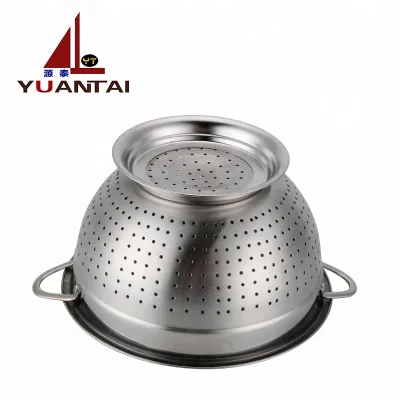
For stainless steel variants, risks center on material substitution and thickness drift. One supplier declares 201 stainless steel at 1.0 mm thickness, and 201 is a common but lower-corrosion-resistance grade than 304, so confirm the grade in writing and inspect weld quality around the mesh and handle. Trading-company risk is also real: the trading-company supplier in the results offers OEM/ODM and logo workability, but if the underlying factory changes, the buyer may receive a different mold. Mitigate by naming the factory in the contract, approving a golden sample, and requiring written confirmation that tooling or molds cannot be moved or reused without consent. Finally, treat any supplier claim not backed by documentation—certifications, test reports, capacity figures—as unverified until evidenced.
Foldable Dual-Purpose Strainer and Colander Set Regional Sourcing and Logistics
The high-confidence regional fact in the current results is Guangdong, China, listed by multiple suppliers as their location or place of origin. Guangdong is therefore a defensible shortlisting region for this category: the foldable basket listings show origins in Guangdong, and one listing shows a single package size of 35X28X5 cm with a gross weight of 0.8 kg for a single foldable unit, while a larger collapsible set shows a 35X35X20 cm package at 2.0 kg. These compact, lightweight profiles matter for freight economics, because collapsible strainers ship flat and allow dense carton packing, which lowers per-unit freight compared with rigid colanders of the same bowl diameter. When evaluating logistics, ask each supplier for the packed carton dimensions and units per carton rather than relying on single-item package data.
Where a supplier's location is not displayed or cannot be confirmed, buyers should identify clusters independently: search platform location filters for kitchen-tool concentrations, check whether a supplier's product range includes multiple colander and strainer SKUs indicating local supply chains, and ask where the molding or stamping occurs relative to the sales office. Note that a supplier's registered location may differ from its production site, so ask for the factory address for inspection purposes. The stainless steel supplier in the results lists export carton packing and China as origin on its colander models, which is standard for this category; confirm whether quotes are FOB a named Guangdong port or include inland trucking, since foldable sets are typically consolidated into full containers alongside other kitchenware to optimize cost.
Foldable Dual-Purpose Strainer and Colander Set Commercial Terms and Order Planning
Commercial planning should anchor on the concrete terms visible in the results, then negotiate beyond them. The foldable TPR+PP colander shows an MOQ of 10 sets at a single listed per-set price, stocked status, color-box packaging, and logo workability with OEM/ODM accepted—terms that make a pilot order feasible within weeks, given the supplier's displayed 30-day lead time and two-hour response time. Plan a first order structure: confirm the exact set configuration (sizes S/M, colors), the color-box artwork responsibility, and whether the per-set price holds across the four displayed colorways. For the stainless steel line, the manufacturer-type supplier displays an MOQ of 350 on a basic strainer at a low unit price, 30 sets on a heavy-duty handled colander at a much higher unit price, and customization availability, so tier your sourcing: low-MOQ premium items for retail margins, high-MOQ basics for volume channels.
Payment and protection terms require direct confirmation because escrow availability was listed as a comparison dimension but not uniformly stated. Ask each supplier whether platform escrow or trade assurance applies, and if not, use a deposit-plus-balance structure tied to passed inspection. Confirm the 30-day lead time in writing with a defined start point—deposit received or sample approved—and add buffer for peak season. Finally, request a re-order price schedule at 10, 100, and 1,000 sets for the foldable item, since MOQ-10 pricing rarely reflects volume economics; obtaining the tier ladder before the first order prevents later renegotiation from eroding planned margins on the dual-purpose set.
(word counts: each section approximately 228–232; total ≈ 1385)
FAQs
What materials are commonly used for foldable strainer and colander sets?
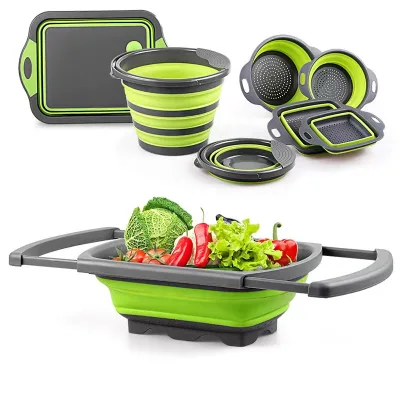
Most foldable dual purpose sets combine a collapsible silicone or TPR body with a rigid PP frame and handles. This mix lets the basket collapse flat for storage while keeping the rim stable during draining. Buyers should confirm food-grade material certification and dishwasher compatibility with each supplier before ordering samples.
What is the typical MOQ for a foldable strainer and colander set?
Suppliers on this page list MOQs as low as 10 sets for stocked collapsible colander models, while stainless steel versions can require 30 pieces or more. Low MOQs usually apply to ready-stock items in standard colors. Custom colors, logos, or packaging generally increase the minimum order, so confirm terms before quoting.
How long does production take for collapsible colander sets?
One Guangdong trading company listed on this page quotes a 30-day lead time for its foldable colander products. Ready-stock items may ship sooner, while OEM or ODM orders with custom branding, packaging, or new tooling typically need additional time. Always confirm the production schedule and shipping method in writing before placing a deposit.
Can I customize the color, logo, and packaging of a foldable colander set?
Yes, customization is widely offered. One listed product supports OEM and ODM, offers logo printing, comes in blue, green, red, and orange, and ships in a color box. Stainless steel suppliers also advertise customization availability. Expect higher MOQs or setup fees for custom colors and printed packaging, and request a pre-production sample first.
Are foldable colander sets dishwasher safe and oven safe?
One collapsible strainer set listed on this page is marked dishwasher safe but not oven safe, with hand-wash-only care instructions also noted on a related item. Silicone and TPR baskets tolerate dishwasher cycles, but heat exposure from ovens can deform plastic frames. Verify the care labels and temperature limits for each specific model before retailing.
Which sizes and formats do dual purpose strainer colander sets come in?
Listed foldable products come in S and M sizes, with round collapsible baskets sold singly or as sets, and single gross weights ranging from 0.8 kg to 2.0 kg depending on the configuration. Some sets include hooks as accessories for hanging storage. Stainless steel heavy-duty colanders in round shapes are also available for commercial kitchens.
Should I source from a trading company or a factory for colander sets?
Both types appear on this page. A Guangdong trading company offers stocked foldable sets with a low MOQ and fast responses, while a Guangdong factory focuses on stainless steel colanders with OEM and ODM capability. Trading companies suit mixed small orders; factories suit volume stainless steel or custom production. Compare quoted prices, samples, and lead times from each.