Foldable Eco-Friendly Food Storage Jar Suppliers and Manufacturers
Compare 21 verified suppliers offering foldable eco friendly food storage jars with varying lead times, MOQs, and certifications. Review response times and product specifications to select the right partner for your sourcing needs today; review the available evidence before requesting comparable quotations from suitable candidates.
Suppliers List
Ningbo Hongwei Plastic Co., Ltd
- Verified by SGS
- Combined
- China Zhejiang
- Lead time23 days
- Avg. response≤ 1h
Main marketsDomestic

Shenzhen Bright Glassware Co., Ltd.
- Verified by SGS
- Trading Company
- China Guangdong
- Lead time30 days
- Avg. response≤ 7h
Main productsGlassware, Candle Jar, Glass Candle Holder, Reed Diffuser Bottle, Glass Perfume Bottle, Drinkware, Food Storage Jar, Candle Lid, Packaging Gift Box

LIANYUNGANG KAESHING INTERNATIONAL TRADING CO., LTD.
- Verified by TUVRHEINLAND
- Trading Company
- China Jiangsu
- Lead time15 days
- Avg. response≤ 5h
Main productsGlass Bottle, Glass Jar, Glass Cup, Glassware, High Borosilicate Glass Jar Bottle Mug, Glass Perfume Bottle, Glass Mug, Glass Decanter, Storage Jar, Fused Silica
Main marketsNorth America


Various Capacities Storage Airtight Storage Glass Food Jar with Bamboo Lid
$2.89 - $6.34
MOQ: 1000 Pieces


Tianjin Jiaming Technology Co., Ltd.
- Verified by SGS
- Trading Company
- China Tianjin
- Lead time15 days
- Avg. response≤ 10h
Main productsGlass Jar, Glass Cup, Kitchen Utensils, Teapot, Glass Pitcher
Main marketsOthers(foreignTradeCapacity.exportBusinessCapacityMarketOther)

Xuzhou Sheenland Glass Products Co., Ltd.
- Verified by CTI
- Trading Company
- China Jiangsu
- Lead time45 days
- Avg. response≤ 5h
Main productsGlass Bottle, Glass Jar, Glass Container
Main marketsSouth America,Africa,Southeast Asia/ Mideast,East Asia(Japan/ South Korea),Domestic,Europe,Australia,North America


Hot Sale Leakproof Screw High Borosilicate Glass Food Storage Jar with Lid
$0.33 - $0.52
MOQ: 1000 Pieces
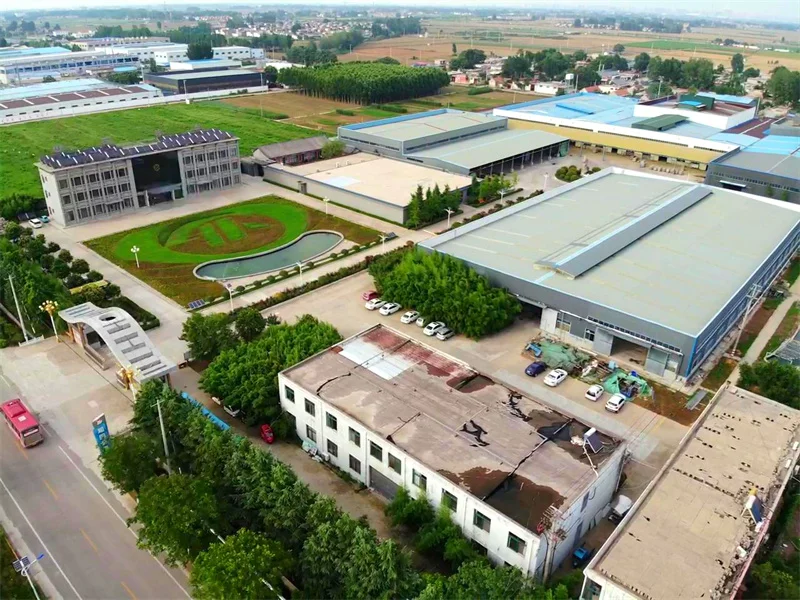
Shandong Houde Glass Products Co., Ltd.
- Manufacturer, Trading Company
- Shandong, China
- Lead time30 days
- Avg. response≤ 2h
Main productsGlass Storage Jar,candle jar,Glass Vase,Glass Cup,glass jar
Main marketsDomestic Market(70.00%), North America(10.00%), Southern Europe(3.00%), Northern Europe(3.00%), Central America(3.00%), Western Europe(3.00%), South Asia(1.00%), South America(1.00%), Oceania(1.00%), Africa(1.00%), Southeast Asia(1.00%), Eastern Europe(1.00%), Eastern Asia(1.00%), Mid East(1.00%)
Anhui Creative Packaging Technology Co., Ltd.
- Verified by BV
- Trading Company,Manufacturer/Factory
- China Anhui
- Lead time23 days
- Avg. response≤ 5h
Main productsGlass Jars, Glass Bottles, Glass Liquor/Beer/Oil Bottles, Glass Cosmetic/Perfume Bottles, Glass Cup, Candle Jar, Preform, Lids/Cap, Aluminum Cans, Wine Glass
Main marketsSouth America,Eastern Europe,Mid East,North America,Southeast Asia,Eastern Asia,Oceania,Western Europe,Africa
Xuzhou Shine Packaging Technology Co., Ltd.
- Verified by SGS
- Manufacturer/Factory
- China Jiangsu
- Lead time45 days
- Avg. response≤ 5h
Main productsCosmetic Packaging, Cosmetic Jar, Lotion Bottle, Shampoo Bottle, Sprayer Bottle, Foam Bottle, Acrylic Jar, Dropper Bottle, Airless Bottle, Pet Cosmetic Jar
Main marketsSouth America,Eastern Europe,Mid East,North America,Southeast Asia,Eastern Asia,Oceania,Western Europe,Africa


Premium 220ml Square Glass Food Storage Jar with Secure Metal Clip Lid for Coffee Tea Sugar Storage
$0.28 - $0.53
MOQ: 500 Pieces

Coffee Jar with Airtight Lids for Coffee, Tea, Spices & Food Service Use
$0.20 - $0.34
MOQ: 1000 Pieces

Multi-Sizes Food Storage Glass Jars with Lids for Nuts, Pickles and Dry Foods
$0.70 - $1.32
MOQ: 500 Pieces


Anhui Ruitu Communication Equipment Co., Ltd.
- Verified by SGS
- Combined
- China Anhui
- Lead time15 days
- Avg. response≤ 7h
Main productsPlastic Bucket, Plastic Pail, Plastic Bottle, Plastic Jar, F Style Jug, IBC Tote Fittings, Plastic Jerry Can, IBC Valve, Collapsible Water Bag, Irrigation System
Main marketsOthers(foreignTradeCapacity.exportBusinessCapacityMarketOther),Europe,North America

ANHUI IDEA TECHNOLOGY CO., LTD
- Verified by TUVRHEINLAND
- Trading Company
- China Anhui
- Lead time23 days
- Avg. response≤ 5h
Main productsGlass Jar, Glass Bottle, Pet Preform, Aluminum Cans, Glass Cup, Bottle Caps Jar Lids, Candle Jars, Perfume Bottle, Cosmetic Bottle
Main marketsSouth America,Africa,Southeast Asia/ Mideast,East Asia(Japan/ South Korea),Europe,Australia,North America

Xuzhou Selead Packaging Material Co., Ltd.
- Verified by SGS
- Trading Company
- China Jiangsu
- Lead time15 days
- Avg. response≤ 6h
Main productsGlass Bottle, Plastic Bottle, Water Bottle, Glass Jar, Mason Jar, Wine Bottle, Cosmetic Bottle, Beverage Bottle, Glass, Candle Holder
Main marketsAfrica,Southeast Asia/ Mideast,Europe,North America

Shanghai Friend Metals Technology Co.,LTD
- Verified by CTI
- Trading Company
- China Shanghai
- Lead time30 days
- Avg. response≤ 20h
Main productsAluminum Cans, Aluminum Lid, Aluminum Coil, Food Aluminum Cans, Tinplate Cans, Pet Cans
Main marketsDomestic

Eco-Friendly Small Food Storage Jars with Printed Aluminium Foil Lids
$0.01 - $0.05
MOQ: 100000 pieces


Jinhua Allies Import and Export Co., Ltd.
- Verified by SGS
- Manufacturer/Factory
- China Zhejiang
- Lead time23 days
- Avg. response≤ 7h
Main productsCanister, Container, Bottle, Cosmetic, Make up, Plastic Packaging, Eyeshadow, Palette, Box, Compact Case
Main marketsSouth America,Mid East

High Glossy Seal Plastic Storage Bottle Plastic Container Food Storage Jars Containers
$0.30 - $0.85
MOQ: 10000 Pieces

Customized Color Plastic Storage Can Round Bottle Food Jar Plastic Container
$0.35 - $0.85
MOQ: 10000 Pieces


Xuzhou Huanzhou Glass Technology Co., Ltd.
- Verified by SGS Group
- Manufacturer, Trading Company
- Lead time20 days
- Avg. response≤ 6h
Main productsPerfume Bottle, Water Cup, Aromatherapy Bottle, Lotion Bottle, Candle Holder
Main marketsNorth America(30%), Southeast Asia(20%), South America(10%)
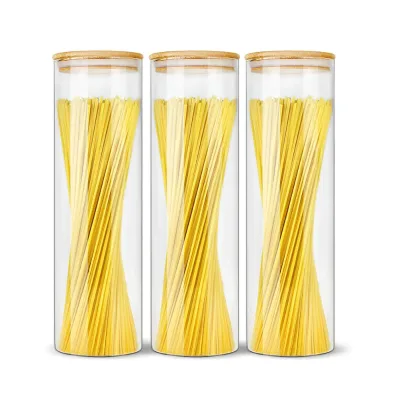
50oz Glass Jars with Bamboo Lids Glass Food Storage Containers Large Glass Bamboo Jars with Lids
$1.80 - $4.00
MOQ: 5000 pieces
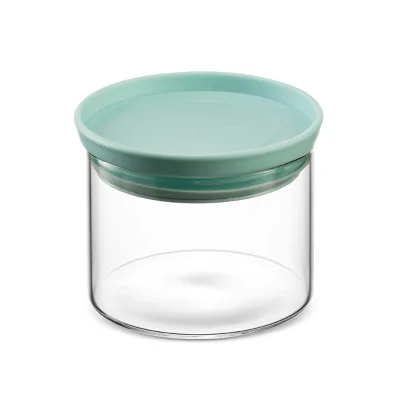
10oz Food Storage Containers Stackable Organization Canister Small Glass Jars
$0.82 - $1.53
MOQ: 5000 pieces

Xiamen Ebei Import & Export Co., Ltd.
- Verified by CTI
- Trading Company,Manufacturer/Factory
- China Fujian
- Lead time45 days
- Avg. response≤ 2h
Main productsEco-Friendly Products, Bamboo Tableware, Bamboo Furniture, Bamboo Kitchenware, Bamboo Office Supply, Bamboo Fibre Products, Biodegradable Products, Bamboo Towel, Solar Energy Products, Bamboo Garden Products
Main marketsSouth America,Eastern Europe,Mid East,North America,Southeast Asia,Eastern Asia,Oceania,Western Europe,Africa

Zibo Chuangxinzhe International Trade Co., Ltd
- Verified by TUVRHEINLAND
- Trading Company
- China Shandong
- Lead time15 days
- Avg. response≤ 3h
Main productsGlass Bottle, Glass Jar, Bottle, Glass Storage Jar, Glass Tube, Mason Jar, Food Jar, Dropper Bottle, Empty Candle Jars, Perfume Bottle
Main marketsSouth America


Sealed Glass Jar with Lid for Home Use, Suitable as a Food Storage Container
$0.02 - $2.99
MOQ: 2000 Pieces
Hebei Xingchen Glass Technology Co., Ltd.
- Verified by CTI
- Combined
- China Hebei
- Lead time30 days
- Avg. response≤ 11h
Main productsGlass Cup, French Press, Coffee Pot, Glass Jar, Teapot, Syphon Coffee Maker, Glass Cooking Pot, Glass Pitcher, Glass Straw, Glass Teacup
Main marketsSouth America,Africa,Others(foreignTradeCapacity.exportBusinessCapacityMarketOther),Southeast Asia/ Mideast,East Asia(Japan/ South Korea),Europe,Australia,North America

Food Grade Airtight Borosilicate Glass Jar with Bamboo Lid Glass Storages
$0.40 - $0.90
MOQ: 100 Pieces

Customizable Glass Color Clear Glass Storage Jar Various Sizes Food Storage Jar with Glass Lid
$1.45 - $125.00
MOQ: 200 Pieces

Wenzhou Cathylin International Trade Co., Ltd.
- Verified by TUVRHEINLAND
- Trading Company
- China Zhejiang
- Lead time15 days
- Avg. response≤ 13h
Main productsFlatware, Cutlery, Kitchen Tools, Tableware, Cookware, Bakeware, Drinkware
Main marketsNorth America

Zibo Timestone International Co., Ltd.
- Manufacturer/Factory
- China Shandong
- Lead time45 days
- Avg. response≤ 12h
Main productsCeramic Dinnerware, Ceramic Mugs, Stainless Steel Bottles Mugs and Tumblers, Glass Bottles Mugs and Tumblers, Dinnerware, Tableware, Glassware, Kitchenware, Household Items, Ceramic Granding Balls and Filters
Main marketsSouth America,Eastern Europe,Mid East,North America,Southeast Asia,Eastern Asia,Oceania,Western Europe,Africa


Large Glass Jar with Square Lid
MOQ: 3000 Sets

Guangzhou Garbo International Trading Co., Ltd.
- Verified by TUVRHEINLAND
- Trading Company,Manufacturer/Factory
- China Guangdong
- Lead time45 days
- Avg. response≤ 6h
Main productsGlassware, Glass Cup, Glass Mug, Glass Bowl, Glass Candy Jar, Glass Pitcher, Glass Ice Cream Cup and Ice Bucket, Opal Glassware, Stainless Steel Cutlery, Ceramic Dinnerware
Main marketsSouth America,Eastern Europe,Mid East,North America,Southeast Asia,Eastern Asia,Oceania,Western Europe,Africa


Hot Selling Multiple Sizes Borosilicate Glass Food Storage Jar with Bamboo Sealing Lid
$0.90 - $1.20
MOQ: 3000 Pieces

Ningbo Beixuan International Trading Co., Ltd.
- Verified by TUVRHEINLAND
- Manufacturer/Factory
- China Zhejiang
- Lead time15 days
- Avg. response≤ 12h
Main productsPlastic Bottle, Plastic Cup, Plastic Honey Jar, Plastic Food Container, Glass Juice/ Beverage Bottle, Glass Jar, Glass Wine Bottle, Glass Essential Oil Bottles, Cosmetic & Perfume Glass Bottles, Paper Cup
Main marketsSouth America,Eastern Europe,Mid East,North America,Southeast Asia,Eastern Asia,Oceania,Western Europe,Africa


Popular 250ml 500ml 780ml Food Storage Canister Glass Jar with Plastic Lid
$0.10 - $0.50
MOQ: 5000 Pieces




Comprehensive Sourcing Guide
Foldable Eco-Friendly Food Storage Jar Supplier Concentration and Factory Types
Current data indicates supplier presence in China Zhejiang, China Guangdong, and China Jiangsu, suggesting these provinces host relevant manufacturing clusters for food storage solutions. In Zhejiang, combined company types are observed alongside specific product attributes like PP material and high-temperature resistance, which are critical for durable storage containers. Guangdong suppliers appear to focus on glassware and candle jars, with main products including glass food storage jars and reed diffuser bottles, indicating a specialization in rigid glass containers rather than flexible foldable options. Jiangsu-based entities are verified by TÜV Rheinland and list high borosilicate glass jars as primary outputs, pointing to a cluster capable of producing high-quality glass storage solutions.
Buyers should identify clusters by examining the origin field in supplier profiles rather than assuming a single geographic hub. If a supplier lists Ningbo, Zhejiang, or specific cities in Guangdong, they likely belong to established manufacturing zones for packaging and glassware. The presence of ODM and OEM capabilities in Zhejiang suggests factories there can handle custom designs, while trading companies in Guangdong may offer broader catalogs including glass jars. To confirm a cluster, verify the "prod_origin" field against known industrial zones. Do not assume all suppliers in these regions offer foldable products; many listed items are rigid boxes or standard jars. Focus on suppliers explicitly stating customization support and specific material types like PP or BOPS when seeking flexible or eco-friendly alternatives.
How to Verify Foldable Eco-Friendly Food Storage Jar Suppliers
Verification status varies significantly among available suppliers, with some holding SGS verification and others displaying TÜV Rheinland certification. In the current dataset, one supplier is marked as verified by SGS, while another in Jiangsu holds TÜV Rheinland verification, indicating a higher level of third-party assessment for specific entities. Buyers must check the "is_verified" field to distinguish between unverified entities and those with recognized quality assurance. The absence of a system certification label for some suppliers does not necessarily imply a lack of quality, but it requires deeper due diligence. Always request current certificates directly from the supplier if the platform listing shows "NIL" or no specific certification badge.
Response times and lead times serve as secondary indicators of supplier reliability and operational efficiency. A response time of 0.23 hours suggests a highly active supplier capable of rapid communication, whereas a 6.66-hour response time indicates a slower engagement cycle that could delay project initiation. Lead times range from 15 days to 30 days, with some suppliers offering 7-day production for standard items and 30 days for customized orders. Buyers should prioritize suppliers with shorter response times to ensure timely project management. Verify the "response_time" metric before initiating negotiations, as slow replies often correlate with poor after-sales support. Cross-reference these metrics with the "lead_time" to ensure the supplier can meet your specific delivery schedule without compromising quality.
What to Compare Across Foldable Eco-Friendly Food Storage Jar Suppliers
When evaluating suppliers, compare minimum order quantities (MOQ) as they vary widely based on product type and customization needs. One supplier lists an MOQ of 20,000 pieces for disposable lunch boxes, while another requires 3,000 pieces for glass jars. This disparity highlights the importance of aligning your order volume with supplier capabilities. For foldable or eco-friendly containers, MOQs may differ from standard rigid boxes. Check the "product.moq" field carefully to avoid over-ordering or facing unfulfillable requests. Suppliers with lower MOQs, such as the 3,000-piece threshold, may be more suitable for startups or smaller batch testing, whereas high-volume buyers might prefer the 20,000-piece options for cost efficiency.
Price ranges and material specifications are critical comparison points that directly impact total landed costs. Prices for food storage items range from $0.06 to $1.20 per unit, depending on material and complexity. PP-based containers are priced lower, while glass jars with bamboo lids command higher prices due to material costs and craftsmanship. Compare the "price_min" and "price_max" fields to understand the cost structure. Additionally, examine material types like PP, BOPS, or borosilicate glass to ensure they meet your eco-friendly standards. Verify if the supplier supports customization, as this often affects pricing and lead times. A supplier offering "Support Customization" may have higher unit costs but provides greater flexibility for branding and design requirements.
Common Foldable Eco-Friendly Food Storage Jar Sourcing Risks
One significant risk involves the mismatch between product descriptions and actual capabilities, particularly regarding foldability and eco-friendly claims. Some listed products are labeled as "Disposable Lunch Box" or "Disposable Bowl," which contradicts the expectation of reusable, foldable storage solutions. Buyers must scrutinize the "Type" and "Characteristic" fields to ensure the product is truly reusable and foldable. Relying solely on keywords like "Eco-Friendly" without verifying material properties can lead to receiving non-compliant goods. Check if the material is explicitly stated as recyclable or biodegradable, and confirm the "Characteristic" includes high-temperature resistance if the product is intended for microwave use.
Another risk is the inconsistency in delivery timelines and production capacity. While some suppliers offer 7-day production for standard items, customized orders may take up to 30 days. This variance can disrupt supply chains if not managed correctly. Verify the "Delivery Time" and "Delivery Time1" fields to understand the full production cycle. Suppliers with longer lead times may struggle to meet urgent deadlines, especially if customization is required. Additionally, check if the supplier has a history of meeting delivery commitments by reviewing their "lead_time" metric. A supplier with a 30-day lead time might be reliable for planned orders but risky for last-minute needs. Always confirm production capacity before placing large orders to avoid delays.
Foldable Eco-Friendly Food Storage Jar Regional Sourcing and Logistics
Regional sourcing impacts logistics costs and lead times, with suppliers located in Zhejiang, Guangdong, and Jiangsu offering different advantages. Zhejiang suppliers often provide combined services with ODM and OEM capabilities, making them suitable for custom designs. Guangdong-based trading companies may offer a wider range of glassware and packaging solutions, potentially simplifying logistics for mixed orders. Jiangsu suppliers, verified by TÜV Rheinland, might provide higher quality assurance for glass products. Buyers should consider the "prod_origin" field to estimate shipping distances and customs procedures. Proximity to major ports like Ningbo or Shanghai can reduce freight costs and transit times.
Logistics planning must account for packaging standards and shipping methods to ensure product integrity. Suppliers list packaging options such as "Plastic Bag+Cardboard Box" or "Brown Carton," which affect how products are protected during transit. For fragile items like glass jars, "Egg-Crate Packing" is essential to prevent breakage. Verify the "prod_packing" field to ensure the packaging meets your shipping requirements. Additionally, check if the supplier offers EXW, FOB, or CNF terms, as these dictate who bears the shipping and insurance costs. Understanding these terms helps in calculating the total landed cost accurately. Plan for potential delays by selecting suppliers with reliable logistics partners and clear shipping protocols.
Foldable Eco-Friendly Food Storage Jar Commercial Terms and Order Planning
Commercial terms such as price conditions and payment methods are vital for financial planning and risk management. Suppliers may offer EXW, FOB, or CNF terms, each with different implications for cost and responsibility. EXW terms place the burden of shipping on the buyer, while FOB terms include loading costs at the port of origin. Verify the "Price Term" field to understand the exact scope of the supplier's responsibility. Additionally, check if the supplier accepts escrow or other secure payment methods to protect your investment. Clear commercial terms prevent disputes and ensure both parties understand their obligations throughout the transaction.
Order planning requires careful attention to customization lead times and production schedules. Customized production can take up to 30 days, while standard items may be ready in 7 days. This difference necessitates accurate forecasting and buffer time in your supply chain. Verify the "Delivery Time1" field for customized orders to ensure it aligns with your project timeline. Suppliers with "Support Customization" may require additional time for design approval and sample production. Plan your orders well in advance to accommodate these timelines. Also, consider the MOQ requirements when planning production runs to avoid overstocking or underutilizing capacity. Effective order planning ensures a smooth procurement process and minimizes disruptions.
FAQs
What is the minimum order quantity for eco-friendly food storage jars?
The minimum order quantity varies by material and customization. For PP disposable lunch boxes, the MOQ is 20,000 pieces. For glass storage jars with bamboo lids, the MOQ is typically 3,000 pieces. Buyers should verify specific requirements with suppliers before placing orders to ensure alignment with production capabilities.
How long does production take for custom food storage containers?
Production lead times depend on the order type. Standard production for PP containers takes approximately 7 days. Customized production for these items requires about 30 days. Glass jars generally have a lead time of 30 days. Buyers should confirm exact timelines with suppliers to plan inventory effectively.
What materials are used for eco-friendly food storage containers?
Common materials include PP plastic and borosilicate glass. PP containers are often disposable and feature high-temperature resistance. Glass jars are thick, transparent, and paired with bamboo lids. Some biodegradable options use BOPS material. These materials ensure durability and safety for storing various types of food items.
Are these food storage containers suitable for microwave use?
Many PP containers are designed for microwave use and offer high-temperature resistance. Glass jars are also suitable for heating food. Buyers should check specific product attributes for microwave safety certifications. Not all biodegradable or disposable options may be microwave-safe, so verifying material characteristics is essential for safe usage.
What is the price range for bulk food storage jars?
Prices vary based on material and quantity. PP disposable containers range from $0.06 to $0.08 per piece. Glass jars with bamboo lids cost between $0.50 and $1.20 per piece. Other glass containers range from $0.40 to $0.80. Bulk orders typically offer better pricing, so buyers should request quotes for accurate costs.
Can suppliers provide custom logos on food storage containers?
Yes, many suppliers support customization including custom logos. PP containers and glass jars often allow logo printing. Buyers should confirm customization options and associated costs with suppliers. Customization may affect production time and minimum order quantities, so early discussion is recommended to align with branding requirements.