Foldable Kids Balance Bike Scooter Suppliers and Manufacturers
Compare 12 verified suppliers offering Foldable Kids Balance Bike Scooter options with ISO 9000 and CE certifications. Review lead times, response times, and pricing to source suitable products from China Hebei, Henan, and Zhejiang factories; review the available evidence before requesting comparable quotations from suitable candidates.
Suppliers List

Hebei Naqiang Automobile Industry Co., Ltd
- Verified by TUVRHEINLAND
- Manufacturer/Factory
- China Hebei
- Lead time30 days
- Avg. response≤ 3h
Main productsElectric Bike, E Bike, Scooter, Children Toy, Balance Bike, Sport Product, Motor Bike, Bike Spear Parts
Main marketsSouth America,Eastern Europe,Mid East,North America,Southeast Asia,Eastern Asia,Oceania,Western Europe,Africa

Luohe Viltis Trading Co., Ltd.
- Trading Company
- China Henan
- Lead time30 days
- Avg. response≤ 3h
Main productsElectric Scooter, Electric Motorcycle, Electric Tricycle, Electric Bike, Mountain Bike, Spinning Bikes, ATV, Electric Mobility Scooter, Electric Harley Scooter, Electric Folding Scooter
Main marketsSouth America,Southeast Asia/ Mideast,Europe,North America

Outdoor Sports Kids Electric Balance Bike Electric Scooter for Children
$130.00 - $190.00
MOQ: 2 Pieces


Zhejiang Yongkang Sportward Enterprises Co., Ltd.
- Verified by TUVRHEINLAND
- Combined
- China Zhejiang
- Lead time30 days
- Avg. response≤ 11h
Main productsElectric Scooter, Scooter, E Scooter, Electric Skate Board, Kick Scooter, Hover Board, Self Balance Scooter, Suitcase Scooter, Massage Gun, Mini ATV
Main marketsSouth America

Linyi E-sky New Energy Equipment Co., LTD
- Trading Company,Manufacturer/Factory
- China Shandong
- Lead time23 days
- Avg. response≤ 7h
Main productsElectric Scooter, Electric Motorcycle, Kids Electric Motorcycle, Electric Bicycle, Electric Toy Car, Electric Forklift, Kids Electric Car, Lithium Battery
Main marketsSouth America,Eastern Europe,Mid East,North America,Southeast Asia,Eastern Asia,Oceania,Western Europe,Africa

CE Certification Electric Adult Kids Balance Scooter China Manufacturer Eba
$68.00 - $101.00
MOQ: 10 Pieces

CE Certification Electric Adult Kids Balance Scooter China Manufacturer Ebv
$164.00 - $240.00
MOQ: 50 Pieces

CE Self Balance Electric Scooter Folding for Adult Kids China Factory Ebh
$168.00 - $244.00
MOQ: 50 Pieces

CE Self Balance Electric Scooter Folding for Adult Kids China Factory Ebs
$132.00 - $193.00
MOQ: 50 Pieces

CE Self Balance Electric Scooter Folding for Adult Kids Hot Selling Ebs
$132.00 - $193.00
MOQ: 50 Pieces

CE Self Balance Electric Scooter Folding for Adult Kids China Factory Ebb
$56.00 - $92.00
MOQ: 10 Pieces

Yongkang Chochi Fitness Co., Ltd.
- Verified by BV
- Manufacturer/Factory
- China Zhejiang
- Lead time15 days
- Avg. response≤ 8h
Main productsGym Fitness Equipment, Treadmill, Exercise Bike, Helmet, Scooter, Skateboard, Roller Skateshoes, Camping Chair, Camping Trolley
Main marketsSouth America,Eastern Europe,Mid East,North America,Southeast Asia,Eastern Asia,Oceania,Western Europe,Africa

Small Size 3 Wheels Baby Walker Kids Walking Bike Children Balance Scooter
$14.30 - $15.00
MOQ: 500 Pieces

New Design Hot Sale Good Quality Best Price Ce Balance Bike Small Scooter for Kids
$6.80 - $7.50
MOQ: 200 Pieces


Scooter Kick Scooters Scooter Adjustable Height Kick Scooters Children with Hand Brake
$26.00 - $33.00
MOQ: 10 Pieces

Junbai Industry and Trade Company(Hebei) Co., Ltd
- Verified by CTI
- Combined
- China Hebei
- Lead time30 days
- Avg. response≤ 5h
Main productsChildren's Toys Cars, Bicycle, Kids Bike, Scooter, Stroller, Children's Tricycle, Children's Electric Vehicles, Child Seat, Children's Car Accessories, Bicycle Accessories
Main marketsOthers(foreignTradeCapacity.exportBusinessCapacityMarketOther),Domestic


Children's Scooters for Unisex, Balance Bikes That Can Be Ridden and Folded,
$7.00 - $10.00
MOQ: 1 Pieces

Xingtai Dose New Energy Technology Co., Ltd
- Verified by BV
- Manufacturer
- China Hebei
- Lead time23 days
- Avg. response≤ 1h
Main productsBaby Carriage, Children's Electric Toy Car, Children's Toy Car, Electric Car for Children, Children Electric Motor, Electric Bicycle, Electric Tricycle, Electric Bicycle Accessories, Electric Tricycle Accessories

Guangzong Shuanglong Bicycle Industry Co., Ltd.
- Manufacturer
- China Hebei
- Lead time30 days
- Avg. response≤ 12h
Main productsMountain Bike, Children Bicycle, Bicycle, Bicycle Parts
Main marketsSouth America,Africa,Southeast Asia/ Mideast


Small Size 4 Wheels Baby Walker Kids Walking Bike Children Balance Scooter 9600h
$4.50 - $7.00
MOQ: 100 Pieces

China Wholesale Mini Children′ S Balance Bike Scooter with Different Colors Factory Price
$4.50 - $7.00
MOQ: 100 Pieces

China Wholesale Mini Children′ S Balance Bike Scooter with Different Colors
$4.50 - $7.00
MOQ: 100 Pieces

Hebei Biwei Import&export Trade Co., Ltd.
- Verified by Intertek
- Trading Company
- Lead time20 days
- Avg. response≤ 2h
Main productsBaby Walker, Baby Stroller, Baby Crib
Main marketsWestern Europe(40%), North America(20%), Northern Europe(20%)
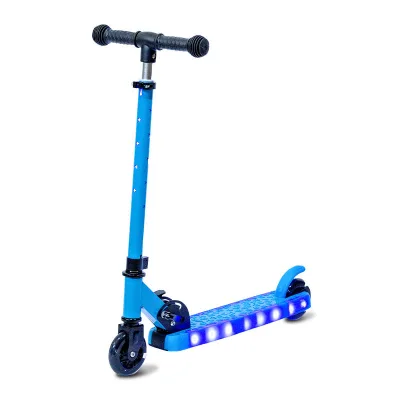
$12.43 - $16.66
MOQ: 10 pieces
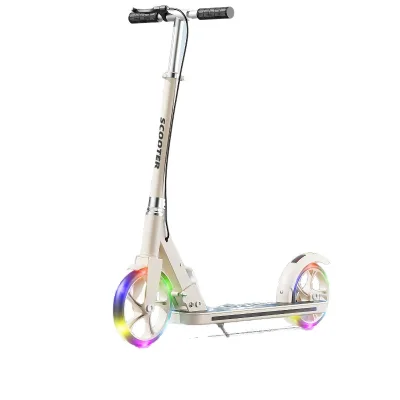
High Quality Children's Scooter Portable Foldable 2 Fashing Wheel Dual Brakes Kids Kick Push Scooter
$17.37 - $19.35
MOQ: 1 pieces

Xingtai Tianjiu Bicycle Parts Co., Ltd
- Verified by SGS
- Combined
- China Hebei
- Lead time30 days
- Avg. response≤ 4h
Main productsBicycle Parts, Bicycle, Bicycle Crank&Chainwheel, Bicycle Brake Sets, Saddle, Pedal, Bicycle Accessories, Bicycle Tire, Children Toy Vehicle, Bike Parts
Main marketsAfrica,Domestic,Europe
Guangzhou Comfortbaby Toys Co., Ltd.
- Verified by SGS Group
- Trading Company
- Lead time30 days
- Avg. response≤ 4h
Main productsBaby feeding chair, Baby walker, Baby bath Products, Stroller, Baby car seat
Main marketsAfrica(25%), Southeast Asia(16%), North America(10%)

XINGTAI REITERSTON VEHICLE CO., LTD.
- Combined
- China Hebei
- Lead time23 days
- Avg. response≤ 3h
Main productsChildrens Scooters, Kick Scooter, Bike, Children's Electric Cars, Mountain Biking, Scooter, Children's Balancing Car, Electric Motorcycle, Electric Car Toys, Juguetes Para Vehiculos Electricos
Main marketsDomestic

The Cheapest Children's Balance Bike/Mini Children's Balance Car/Baby Scooter
$5.30 - $7.30
MOQ: 100 piece

Cheap Sale of Children′ S Scooters/Surfing Scooters/Foldable Scooters/Exercise Balance
$7.50 - $8.50
MOQ: 80 piece


Comprehensive Sourcing Guide
Foldable Kids Balance Bike Scooter Supplier Concentration and Factory Types
Current search results indicate that manufacturers of foldable kids balance bike scooters are concentrated in specific Chinese provinces, with Hebei and Henan appearing as verified locations for production facilities. These regions host a mix of manufacturer factories and trading companies, each offering distinct advantages for buyers seeking specific product attributes. The Hebei-based entities often list main products including electric bikes, scooters, and children's balance bikes, suggesting a specialized cluster for cycling accessories and toy vehicles. Meanwhile, suppliers in Henan and Zhejiang demonstrate capabilities in electric mobility solutions, including electric scooters and motorcycles, which may overlap with electric balance bike production lines.
When evaluating supplier types, buyers should distinguish between manufacturer factories and trading companies based on their primary business model and product evidence. Manufacturer factories typically offer OEM and own-brand customization capabilities, allowing for direct control over frame materials like steel or carbon steel and specific component sourcing. Trading companies, conversely, may aggregate products from various factories, offering a broader range of electric scooters and mobility devices but potentially less direct oversight over the manufacturing process. The presence of ISO 9000 certification and TUVRHEINLAND verification on some profiles indicates a baseline of quality management systems, though buyers must verify if these certifications apply specifically to the foldable balance bike line or the broader factory output.
How to Verify Foldable Kids Balance Bike Scooter Suppliers
Verification of Foldable Kids Balance Bike Scooter suppliers requires a rigorous check of their stated credentials against independent audit reports and product-specific evidence. Buyers should prioritize suppliers displaying TUVRHEINLAND verification status, as this indicates a third-party assessment of their business operations and compliance. Additionally, the presence of ISO 9000 system certification suggests adherence to international quality management standards, which is critical for products intended for children. However, buyers must confirm that these certifications cover the specific production lines for balance bikes and scooters, rather than just general factory operations, by requesting detailed audit scopes or recent inspection reports.
Product evidence serves as a secondary layer of verification, where specific attributes like CE certification, frame material composition, and load-bearing capacity must align with safety expectations. For instance, some product listings explicitly state CE certification and frame materials such as high carbon steel or carbon steel, which are essential for structural integrity. Buyers should cross-reference these claims with the supplier's response time and lead time data to gauge operational reliability. A response time of approximately 2.58 hours or faster suggests active engagement, while a lead time of 30 days indicates a standard production cycle. If a supplier claims customization availability, buyers must verify the specific customization parameters, such as color options or frame modifications, to ensure they meet the intended market requirements.
What to Compare Across Foldable Kids Balance Bike Scooter Suppliers
Comparing suppliers requires a systematic analysis of key operational metrics including lead times, minimum order quantities, and response speeds to determine the best fit for specific procurement needs. Lead times vary, with some suppliers indicating a standard 30-day production window, while others may offer expedited options depending on order volume and customization complexity. Minimum order quantities (MOQ) also differ significantly, ranging from as low as 2 units for electric models to 50 units for standard balance bikes, influencing the initial investment and inventory risk for buyers. Response times, measured in hours, provide insight into communication efficiency, with faster responses often correlating with better customer service and problem-resolution capabilities.
Price ranges and product specifications offer another critical dimension for comparison, allowing buyers to assess value relative to quality and features. Product listings show price points ranging from approximately $13.50 to $23.30 for standard balance bikes, while electric models command higher prices between $130.00 and $190.00 due to added components like lithium batteries and brushless motors. Buyers should compare frame materials, such as steel versus carbon steel, and features like wheel size, battery voltage, and braking systems to ensure the product meets safety and performance standards. Additionally, customization availability and packaging details, such as paper cartons or standard export cartons, should be evaluated to understand the total cost of ownership and logistics requirements.
Common Foldable Kids Balance Bike Scooter Sourcing Risks
One significant risk in sourcing foldable kids balance bike scooters involves the potential mismatch between advertised product specifications and actual manufacturing output. While product evidence lists attributes like CE certification and specific frame materials, buyers must verify that these claims hold true for the final delivered goods, especially when customization is involved. Inconsistent quality control can lead to issues with load-bearing capacity, wheel durability, or battery safety in electric models, posing safety hazards for children. Buyers should request pre-shipment inspection reports or third-party testing results to confirm that the physical products match the listed specifications, particularly regarding critical safety components like brakes and handlebars.
Another risk pertains to supply chain transparency and the reliability of lead times, which can be affected by raw material shortages or production bottlenecks. Suppliers may advertise a 30-day lead time, but external factors such as logistics delays or factory capacity constraints can extend this period, impacting inventory planning and market launch schedules. Additionally, the distinction between manufacturer factories and trading companies can introduce complexity in communication and accountability, as trading companies may not have direct control over the manufacturing process. Buyers should establish clear contractual terms regarding penalties for delays and quality deviations to mitigate these risks and ensure a smooth procurement process.
Foldable Kids Balance Bike Scooter Regional Sourcing and Logistics
Regional sourcing strategies for foldable kids balance bike scooters should focus on the identified manufacturing clusters in China, specifically Hebei, Henan, and Zhejiang, where production capabilities are concentrated. These regions offer established supply chains for cycling accessories and electric mobility products, facilitating efficient logistics and cost-effective shipping. Buyers should consider the proximity of suppliers to major ports to minimize transportation costs and lead times, as well as the availability of local logistics partners who can handle specialized packaging requirements. Understanding the regional infrastructure helps in planning the supply chain, ensuring that products can be transported safely and efficiently to the destination market.
Logistics planning must also account for the specific packaging and dimensions of the products, which vary based on the model and customization options. Product evidence indicates standard packing sizes, such as paper cartons with dimensions around 701634cm or 982949cm for electric models, which impact container loading efficiency and shipping costs. Buyers should calculate the total volume and weight of the shipment to optimize container utilization and reduce freight expenses. Additionally, the choice of shipping method, whether sea freight or air freight, should be aligned with the urgency of the order and the budget constraints, ensuring that the products arrive in good condition and within the required timeframe.
Foldable Kids Balance Bike Scooter Commercial Terms and Order Planning
Commercial terms for Foldable Kids Balance Bike Scooter orders should be clearly defined to manage expectations regarding payment, delivery, and quality assurance. Buyers should negotiate payment terms that balance risk and cash flow, such as using escrow services or partial payments tied to production milestones. Lead times, typically around 30 days, should be confirmed in writing, with provisions for extensions due to unforeseen circumstances. Minimum order quantities, ranging from 2 to 50 units, must be agreed upon to ensure cost-effectiveness and production feasibility. Clear communication of these terms helps prevent misunderstandings and ensures a smooth transaction process.
Order planning requires a strategic approach to inventory management and market demand forecasting, considering the variability in product specifications and customization options. Buyers should analyze historical sales data and market trends to determine the optimal order quantity and product mix, balancing standard models with customized variants. Additionally, planning for potential delays and quality issues is essential, with contingency plans in place to address any disruptions in the supply chain. By carefully managing commercial terms and order planning, buyers can optimize their procurement strategy, reduce costs, and ensure a steady supply of high-quality foldable kids balance bike scooters for their customers.
FAQs
What is the typical lead time for kids balance bikes?
Manufacturers in China Hebei typically require 30 days to produce and ship orders. This timeline applies to standard steel frame models. Buyers should confirm exact dates with suppliers before placing bulk orders to ensure timely delivery for seasonal demand.
What certifications are required for children's balance bikes?
Most suppliers provide CE certification for their balance bikes and scooters. Some electric models also include ISO certification. These documents verify safety standards for children aged 3 to 8 years. Buyers should request valid certificates before finalizing any purchase agreement.
What is the minimum order quantity for balance bikes?
Minimum order quantities vary by supplier and product type. Standard balance bikes often require 30 to 50 units per order. Electric scooters may have lower MOQs, sometimes starting at just 2 units. Always verify the specific MOQ with the supplier.
What materials are used for kids balance bike frames?
Frames are commonly made from steel or carbon steel. Some models feature high carbon steel handlebars with argon arc welding. Aluminum alloy options are also available for lighter weight. Buyers should check product attributes to confirm the specific material composition for their needs.
What is the price range for children's balance bikes?
Prices for standard balance bikes range from approximately $13 to $23 per unit. Electric balance bikes are more expensive, costing between $130 and $190. Costs depend on materials, customization, and order volume. Buyers should request quotes for accurate pricing based on their specifications.
How quickly do suppliers respond to inquiries?
Suppliers typically respond within 2 to 3 days. Average response times are around 2.36 to 2.58 days. Faster responses often indicate higher engagement levels. Buyers should expect replies within this window and follow up if no response is received promptly.