Dual FSESC for Electric Skateboard Suppliers and Manufacturers
Source Dual FSESC for Electric Skateboard from 17 verified manufacturers in Guangdong, China. Compare CE/ROHS certified units with 200A continuous current, 7-day lead times, and MOQs starting at 1 piece. Request quotes to verify pricing and specifications; review the available evidence before requesting comparable quotations from suitable candidates.
Suppliers List
GuangDong Flipsky Technology Company Limited
- Manufacturer
- Guangdong, China
- Lead time7 days
- Avg. response≤ 3h
Main productsElectric speed controller,BLDC motors,Anti-spark switch,remote controller,esurf/efoil ESC
Main marketsNorth America(35.00%), Domestic Market(5.00%), South Asia(5.00%), Southern Europe(5.00%), Northern Europe(5.00%), Central America(5.00%), Western Europe(5.00%), Eastern Asia(5.00%), Mid East(5.00%), Oceania(5.00%), Africa(5.00%), Southeast Asia(5.00%), Eastern Europe(5.00%), South America(5.00%)
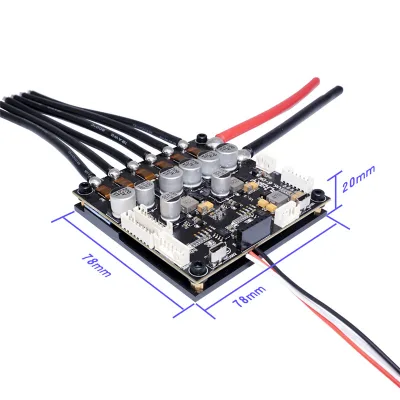
200A Dual FSESC6.6 with Anti-Spark Switch Skateboard BLDC Motor Controller Electric Longboard ESC
$220.74 - $296.37
MOQ: 1 pieces
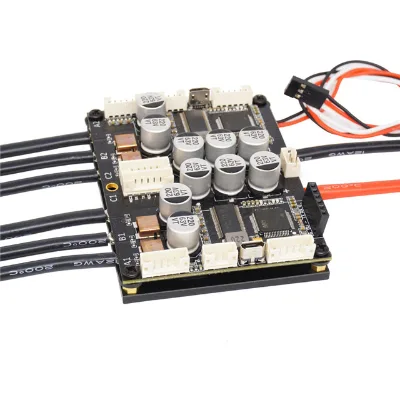
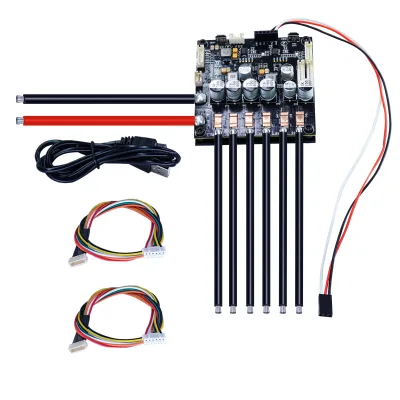
Flipsky Dual FSESC6.6 Plus Base Upon VESC6 for E-Skateboard and E-Bike
$256.00 - $308.00
MOQ: 1 pieces
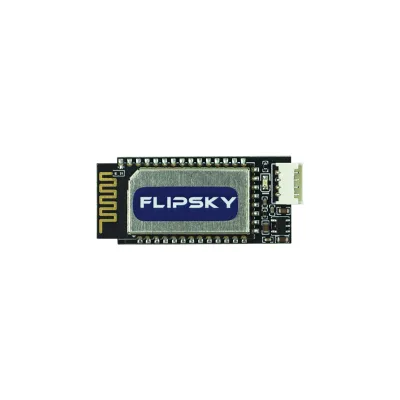
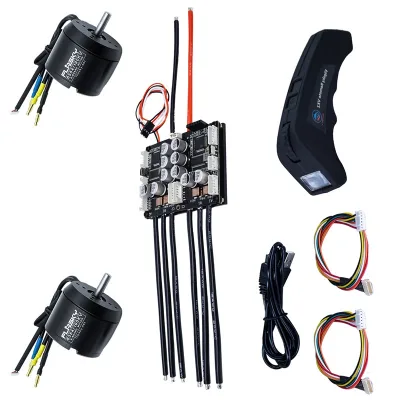
100A Dual V4 Plus / Brushless Motor 6354 / Screen Display Remote VX2 Electric Skateboard ESC
$313.74 - $384.26
MOQ: 1 pieces

Zhejiang Yongkang Sportward Enterprises Co., Ltd.
- Verified by TUVRHEINLAND
- Combined
- China Zhejiang
- Lead time30 days
- Avg. response≤ 12h
Main productsElectric Scooter, Scooter, E Scooter, Electric Skate Board, Kick Scooter, Hover Board, Self Balance Scooter, Suitcase Scooter, Massage Gun, Mini ATV
Main marketsSouth America

Guangdong Flipsky Technology Company Ltd.
- Verified by SGS
- Manufacturer
- China Guangdong
- Lead time15 days
- Avg. response≤ 2h
Main productsESC, Motor, Anti Spark Switch, Electric Speed Controller, Skateboard
Main marketsSouth America,Africa,Southeast Asia/ Mideast,East Asia(Japan/ South Korea),Domestic,Europe,Australia,North America

Flipsky Dual Motor Brushless ESC 4.20 Base on Vesc for Electric Skateboard
$66.50 - $95.00
MOQ: 1 Pieces


Flipsky Brushless Motor Controller Dual Fsesc6.7 Plus Buttom Electric Skateboard Drive
$110.00 - $169.00
MOQ: 1 Pieces


Shanghai Lannmarker Industrial Co., Ltd.
- Verified by TUVRHEINLAND
- Manufacturer/Factory
- China Shanghai
- Lead time15 days
- Avg. response≤ 3h
Main productsElectric Scooter, Electric Bike, Rice Transplanter, ATV/UTV, Motorcycle, Golf Cart, Plastic Bathtub
Main marketsSouth America,Eastern Europe,Mid East,North America,Southeast Asia,Eastern Asia,Oceania,Western Europe,Africa


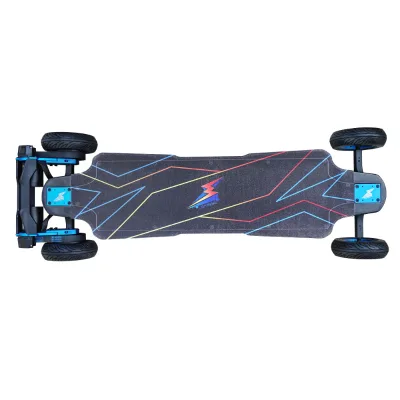
4 Wheels High Speed Off Road Longboard Electric Skateboard with Dual Motor
$395.00 - $450.00
MOQ: 1 Pieces

Linyi Huanyu Jindong New Energy Technology Co., Ltd.
- Verified by TUVRHEINLAND
- Manufacturer
- China Shandong
- Lead time15 days
- Avg. response≤ 9h


Affordable 48V 20ah Electric Skateboard with Lead-Acid Battery Remote Control
$235.00 - $300.00
MOQ: 10 Pieces

$199.00 - $266.00
MOQ: 10 Pieces

$189.00 - $255.00
MOQ: 50 Pieces


YONGKANG SG INDUSTRY & TRADE CO., LTD.
- Combined
- China Zhejiang
- Lead time23 days
- Avg. response≤ 8h
Main productsSkateboard, Helmet, Scale, Kitchen Scale, Body Scale, Mini Bike, Spinning Bike, Exercise Bike, Protective Pads
Main marketsDomestic,Australia,North America

Shenzhen Dbs Technology Co., Ltd.
- Manufacturer, Trading Company
- Guangdong, China
- Lead time60 days
- Avg. response≤ 8h
Main productsElectric Skateboard,electric scooter,electric bike,electric skate,outdoor sports
Main marketsNorth America(70.00%), Western Europe(15.00%), Southeast Asia(8.00%), Eastern Europe(7.00%)
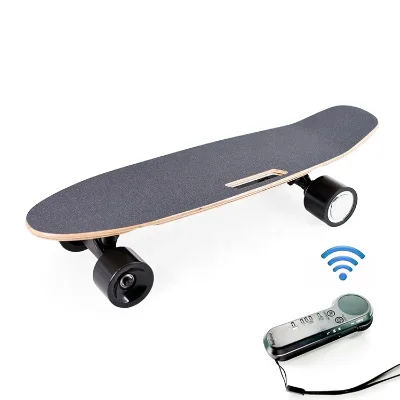
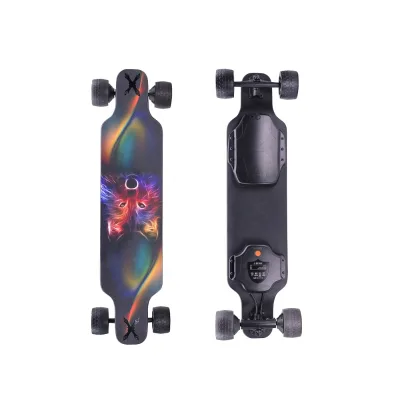
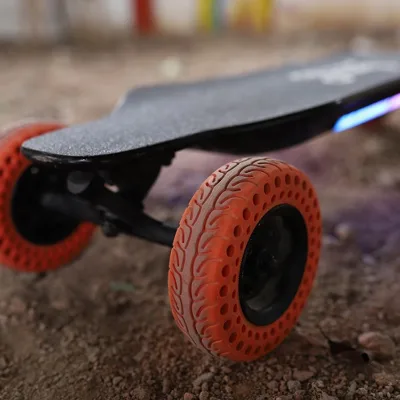
Detachable Tire Electric Skateboard with Fast Speed Upgrade Custom Longboard Support
$233.55 - $247.83
MOQ: 10 pieces
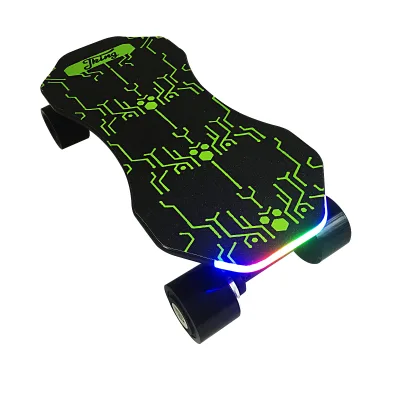
$51.00 - $62.00
MOQ: 2 pieces
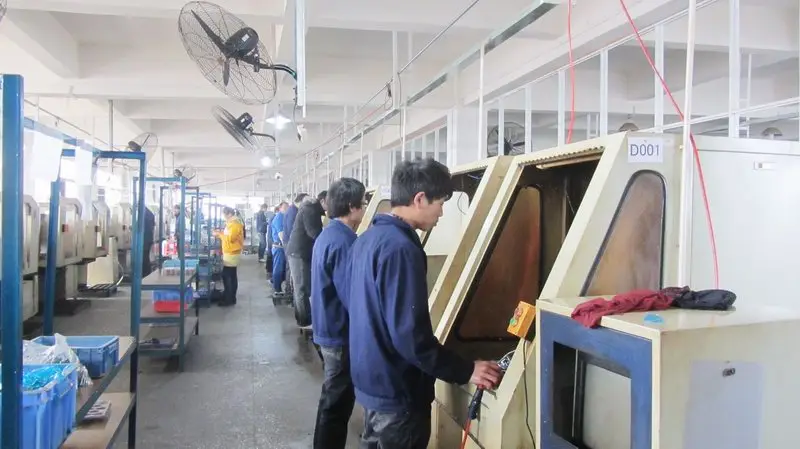
Dongguan Freerchobby Model Co., Ltd.
- Manufacturer, Trading Company
- Guangdong, China
- Lead time10 days
- Avg. response≤ 8h
Main productsDC Motor,Motor Controller,Propeller
Main marketsNorth America(30.00%), Northern Europe(10.00%), Western Europe(10.00%), Mid East(10.00%), Southeast Asia(10.00%), Domestic Market(10.00%), Southern Europe(10.00%), Eastern Europe(5.00%), South America(5.00%)
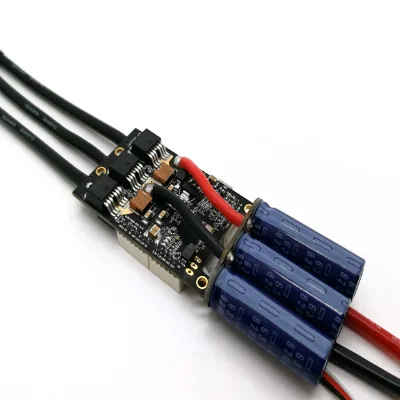
VESC V4 Based on Benjamin Vedder Controller for DIY Electric Skateboard Electric Longboard
$61.11 - $71.29
MOQ: 5 pieces
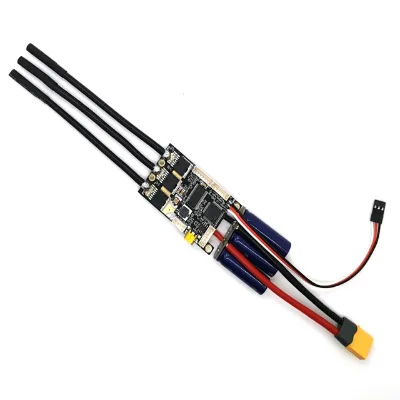
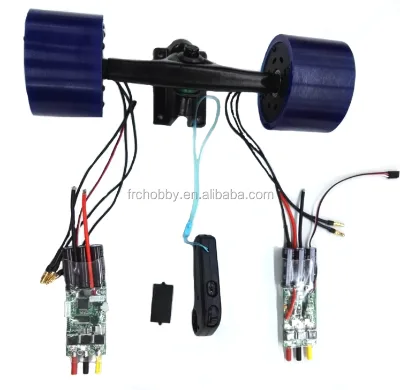
$315.94 - $355.69
MOQ: 5 sets

Fujian Dazhen Sporting Goods Co., Ltd.
- Verified by BV
- Manufacturer/Factory
- China Fujian
- Lead time15 days
- Avg. response≤ 3h
Main productsCarbon Fiber Bike E Bike, Electric Scooter, Electric Skateboard, Electric Golf Scooter
Main marketsSouth America,Eastern Europe,Mid East,North America,Southeast Asia,Eastern Asia,Oceania,Western Europe,Africa

Esk8 3600W Dual Belt Drive Motors 50.4V 20A off Road Electric Skateboard
$799.00 - $815.00
MOQ: 1 Pieces

2000W Dual Four Motor Long Range 48V 20ah Electric Offroad Longboard Skateboard
$1780.00 - $1850.00
MOQ: 2 Pieces

$1780.00 - $1850.00
MOQ: 2 Pieces

Electric Skateboard Longboard with LCD Remote Controller and Hub Motor 4WD
$1780.00 - $1850.00
MOQ: 2 Pieces

Fastest off Road Electric Skateboard Speed Mode 50km/H Electric Mountainboard 3600W
$799.00 - $815.00
MOQ: 1 Pieces

Profession Customized Electric Skateboards Long Range Electric Longboard
$799.00 - $815.00
MOQ: 1 Pieces

Yongkang Chochi Fitness Co., Ltd.
- Verified by BV
- Manufacturer/Factory
- China Zhejiang
- Lead time15 days
- Avg. response≤ 9h
Main productsGym Fitness Equipment, Treadmill, Exercise Bike, Helmet, Scooter, Skateboard, Roller Skateshoes, Camping Chair, Camping Trolley
Main marketsSouth America,Eastern Europe,Mid East,North America,Southeast Asia,Eastern Asia,Oceania,Western Europe,Africa

Electric Longboard Skate Board Skateboard off Road Kit Price Electric Skateboard
$156.00 - $172.00
MOQ: 10 Pieces

2025 New Dual Motor 2.8in Longboard Electric Skateboard for Adult Outdoor
$147.00 - $160.00
MOQ: 10 Pieces

2000W*4 Boosted Motor Driven 40km Range All Terrain Electric Longboard Skateboard
$110.00 - $118.00
MOQ: 10 Pieces

- Verified by TUVRHEINLAND
- Combined
- China Guangdong
- Lead time15 days
- Avg. response≤ 5h
Main productsBrushless Motor, ESC, Propeller, Drone, Unmanned Aerial Vehicle, Model Power, Robot Dynamics, Underwater Power, Skatboard, Propulsion System
Main marketsDomestic


$190.00 - $210.00
MOQ: 9 Pieces

$225.00 - $240.00
MOQ: 5 Sets

Shenzhen Angelol Technology Co., Ltd.
- Manufacturer
- Guangdong, China
- Lead time7 days
- Avg. response≤ 6h
Main productssegway,electric bike,electric bicycle,patrol scooter,self balance scooter
Main marketsNorth America(30.00%), Eastern Europe(20.00%), Western Europe(10.00%), Southern Europe(10.00%), Southeast Asia(10.00%), Northern Europe(10.00%), Mid East(5.00%), South America(5.00%)

Shenzhen Youthsmile Sporting Goods Co., Ltd.
- Trading Company
- Guangdong, China
- Lead time40 days
- Avg. response≤ 1h
Main productsInline Roller Skate,Helmet,Protector,Skateboard,Scooter
Main marketsSouth America(50.00%), Eastern Europe(30.00%), North America(15.00%), Southeast Asia(5.00%)

- Verified by TUVRHEINLAND
- Combined
- China Guangdong
- Lead time30 days
- Avg. response≤ 7h
Main productsCustomized DC Brushless Motor, Customized BLDC, Customized Inrunner Brushless DC Motor, Customized Outrunner Brushless DC Motor, Brushless Motor, Brushless DC Motor, Boat Motor, Propulsion Brushless DC Motor, Waterproof DC Brushless Motor
Main marketsDomestic,Europe


High-Performance Jet Remote-Controlled E-Foil Skateboard with Speed Control
$3288.00 - $3888.00
MOQ: 2 Sets

- Verified by SGS
- Manufacturer/Factory
- China Guangdong
- Lead time45 days
- Avg. response≤ 6h
Main productsGolf Cart, UTV, ATV, Motorcycle, Utility Vehicle, Electric Robot, Spare Parts
Main marketsSouth America,Eastern Europe,Mid East,North America,Southeast Asia,Eastern Asia,Oceania,Western Europe,Africa
Shenzhen Fx Dynamics Technology Co., Ltd.
- Verified by Intertek
- Trading Company
- Lead time0 days
- Avg. response≤ 2h
Main productsServo, RC Model Parts, Hardware Products, RC Car Parts, Battery Charger
Main marketsNorth America(30%), South America(10%)

Shandong Ming Star Industry and Trade Co., Ltd.
- Verified by TUVRHEINLAND
- Trading Company
- China Shandong
- Lead time15 days
- Avg. response≤ 5h
Main productsIndoor Fitness Equipment/Gym Equipment, Home/Commercial Treadmills Spinning Bike, Dumbbells/Barbells/Kettlebells, Strength Machine/Smith Machine, Yoga Mat/Yoga Products, Exercise Bike/Rowing Machine/Elliptical Bike, Electric Scooter/Citycoco, Outdoor Sports Goods/Camping Tents, Motorcycle Electric Bike/Mountain Bike/City Bike, Bodybuilding Machine
Main marketsEurope,Australia






Comprehensive Sourcing Guide
Dual FSESC for Electric Skateboard Supplier Concentration and Factory Types
The current supplier landscape for dual FSESC units is heavily concentrated in Guangdong, China, a region widely recognized for its robust electronics manufacturing ecosystem. This geographic clustering suggests that buyers will likely encounter manufacturers rather than pure trading companies, as the primary supplier type identified is explicitly listed as a Manufacturer. This distinction is critical for procurement teams seeking direct factory access, as it often implies better control over production schedules, technical modifications, and quality assurance protocols. The concentration in this specific province allows for a dense network of component suppliers, which can streamline the assembly of complex electronic speed controllers like the VESC-based units. Buyers should leverage this geographic data to prioritize suppliers located in this hub, as they are more likely to have established supply chains for the electric components and battery management systems required for high-performance skateboards.
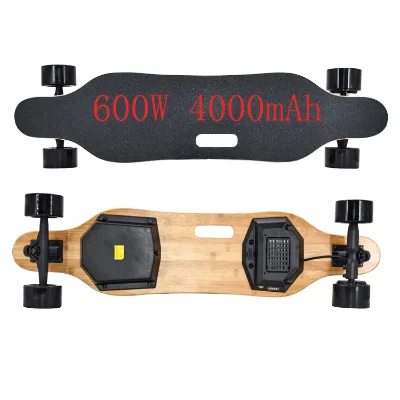
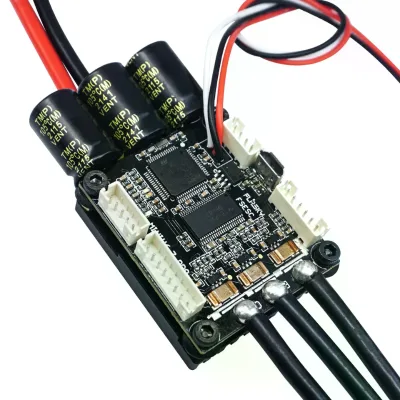
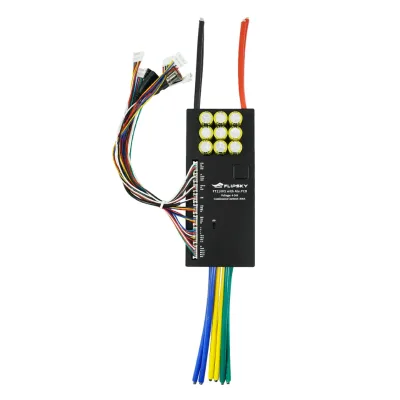
Within this cluster, the product range varies significantly, from standalone dual ESCs to integrated kits that include motors, remote controllers, and even complete skateboard decks. For instance, some listings offer the Dual FSESC6.6 Plus, which is based on the VESC6 architecture and supports up to 200A continuous current, catering to high-end performance builds. Other options include the Dual FSESC4.20 Plus, which features integrated anti-spark protection and supports 3-12S lithium polymer batteries. There are also complete solutions that bundle these controllers with 6354 brushless motors and wireless Bluetooth remote modules, such as the FTESC-BLE. This variety means that buyers must carefully define whether they need just the control unit or a comprehensive drivetrain solution. Understanding the specific factory type and their primary product focus helps in assessing their technical capability to support custom engineering requests or volume production needs for electric skateboard brands.
How to Verify Dual FSESC for Electric Skateboard Suppliers
Verifying the legitimacy and technical competence of a supplier requires a multi-layered approach that goes beyond simple profile reviews. First, buyers should confirm the supplier’s declared location in Guangdong, China, by requesting recent factory audit reports or video walkthroughs of the production floor. This step is essential to ensure that the entity is indeed a manufacturer and not a middleman, which can impact pricing and communication efficiency. Additionally, checking for specific certifications such as CE and ROHS is mandatory, as these indicate compliance with international safety and environmental standards for electronic devices. The product evidence shows that items like the FSESC6.6 Plus carry these certifications, but buyers must verify that the certificates are valid and issued by recognized bodies for the specific models they intend to purchase. This verification process protects against potential regulatory hurdles in the buyer’s home market.
Beyond documentation, technical verification involves assessing the supplier’s responsiveness and the clarity of their product specifications. A response time of 3 hours, as observed in some results, indicates a high level of operational readiness, which is crucial for resolving technical queries quickly. Buyers should ask detailed questions about the hardware version, such as whether the unit uses V6.6 or V4.20 architecture, and request datasheets that detail the continuous and instantaneous current ratings. For example, confirming if a unit supports 200A continuous and 300A instantaneous current is vital for high-power applications. Furthermore, buyers should inquire about the warranty terms, which may vary, with some suppliers offering a 2-month warranty while others list "Other" terms. Clarifying these details upfront ensures that the buyer understands the support structure and can hold the supplier accountable for product defects or performance issues that arise after delivery.
What to Compare Across Dual FSESC for Electric Skateboard Suppliers
When evaluating multiple suppliers, the primary comparison points should include lead times, minimum order quantities (MOQ), and pricing structures. Lead times are a critical factor for inventory planning; some suppliers indicate a lead time of 7 days, which allows for relatively quick restocking but requires precise demand forecasting. Buyers must also scrutinize the MOQ, as some listings show an MOQ of 1, which is ideal for prototyping or small batch orders, while others may have higher thresholds for bulk pricing. Comparing the price ranges is equally important, as costs can vary significantly based on the model and included accessories. For instance, standalone dual ESCs may range from approximately $112 to $136, while more advanced models like the FSESC6.6 Plus can cost between $220 and $308. Complete kits with motors and remotes will naturally command higher prices, often exceeding $300.
Another key dimension for comparison is the supply ability and packaging details, which affect both scalability and product safety. Suppliers should declare a clear supply ability, such as 500 pieces per day, to ensure they can meet larger order volumes without compromising quality or delivery schedules. Packaging is also a significant differentiator; some suppliers use comprehensive packaging involving paper boxes, bubble paper, and foam boxes to protect the sensitive electronic components during transit. Buyers should compare these packaging standards to minimize the risk of damage upon arrival. Additionally, the inclusion of accessories like heatsinks, sensor wires, LED buttons, and USB cables can add value and reduce the need for separate sourcing. By systematically comparing these operational and commercial metrics, buyers can identify suppliers that offer the best balance of cost, speed, and reliability for their specific sourcing needs.
Common Dual FSESC for Electric Skateboard Sourcing Risks
One of the most significant risks in sourcing dual FSESC units is the potential mismatch between advertised specifications and actual performance. Buyers must be cautious of suppliers who do not provide detailed technical datasheets or who use vague terminology for current ratings. For example, a supplier might claim a high continuous current rating, but without verification of the thermal management system, such as the inclusion of heatsinks, the controller may overheat under sustained load. This risk is particularly relevant for high-performance electric skateboards that require sustained power output. Additionally, compatibility issues can arise if the buyer selects a controller that is not compatible with their existing battery configuration or remote control system. Some modules, like the FTESC-BLE, are explicitly noted as compatible only with specific FT ESCs and not with standard VESC units, which could lead to integration failures if not carefully checked.
Another common risk is the variability in warranty and after-sales support. While some suppliers offer a clear 2-month warranty, others may list "Other" warranty terms, which can be ambiguous and difficult to enforce. Buyers should be wary of suppliers who do not clearly define their return and repair policies, as this can leave them without recourse if the units fail prematurely. Furthermore, the risk of receiving counterfeit or substandard components is present if the supplier does not provide verifiable certifications like CE and ROHS. Buyers should also consider the risk of supply chain disruptions, especially if the supplier relies on imported components for their manufacturing process. To mitigate these risks, buyers should conduct thorough due diligence, request samples for testing, and establish clear contractual terms that specify quality standards and support obligations before committing to large orders.
Dual FSESC for Electric Skateboard Regional Sourcing and Logistics
Sourcing from Guangdong, China, offers logistical advantages due to the region’s proximity to major shipping ports, such as Shenzhen. This geographic benefit can reduce transit times and shipping costs for international buyers, making it an attractive hub for electronics procurement. However, buyers must also consider the complexities of international logistics, including customs clearance, import duties, and insurance. The port of dispatch is a critical detail that affects the shipping route and timeline; suppliers dispatching from Shenzhen typically have access to a wide range of shipping options, including air freight for urgent orders and sea freight for cost-effective bulk shipments. Buyers should work with their freight forwarders to determine the most efficient shipping method based on their order volume and delivery deadlines.
Packaging and handling requirements are also influenced by the regional sourcing context. Given the sensitive nature of electronic components, suppliers in Guangdong often employ robust packaging methods to ensure products arrive in perfect condition. Buyers should verify that the packaging includes adequate protection, such as foam boxes and bubble paper, to prevent damage during transit. Additionally, buyers should be aware of any specific labeling or documentation requirements imposed by their local customs authorities. This may include providing detailed product descriptions, HS codes, and certificates of origin. By understanding the logistical landscape of sourcing from this region, buyers can better plan their supply chain, minimize delays, and ensure that their dual FSESC units are delivered safely and efficiently to their final destination.
Dual FSESC for Electric Skateboard Commercial Terms and Order Planning
Effective order planning for dual FSESC units requires a clear understanding of commercial terms, including payment methods, pricing tiers, and delivery schedules. Buyers should negotiate favorable payment terms, such as using escrow services to protect their funds until the goods are received and verified. This is particularly important for first-time transactions or large orders where the financial risk is higher. Pricing should be analyzed in the context of the total cost of ownership, which includes not only the unit price but also shipping, insurance, and potential tariffs. For example, while a standalone ESC may cost around $112, a complete kit with motors and remotes can exceed $300, significantly impacting the overall budget. Buyers should request detailed quotations that break down these costs to ensure transparency.
Delivery schedules and lead times must be integrated into the buyer’s production or sales calendar. A lead time of 7 days, as seen in some supplier results, allows for relatively quick turnaround, but buyers should account for potential delays due to holidays, component shortages, or logistics bottlenecks. It is advisable to place orders well in advance of peak seasons to ensure timely delivery. Additionally, buyers should establish clear communication channels with the supplier to monitor production progress and address any issues promptly. By carefully planning the commercial aspects of the order, including payment, pricing, and logistics, buyers can minimize risks and ensure a smooth procurement process for their dual FSESC electric skateboard components.
FAQs
What is the price range for dual FSESC controllers?
Dual FSESC controllers typically range from $112 to $384 depending on specifications. Basic programmable models start near $112, while high-performance kits with motors and remotes can exceed $300. Prices vary based on continuous current ratings and included accessories like wireless modules or display screens.
What certifications do these ESCs hold?
Most dual FSESC controllers carry CE and ROHS certifications, ensuring compliance with international safety and environmental standards. These certifications verify that the electronic components meet specific regulatory requirements for electrical safety and material restrictions, providing assurance for commercial and personal use applications.
What is the minimum order quantity for these parts?
The minimum order quantity is generally one unit for standard controllers, allowing buyers to test samples easily. Some specific wireless modules may require a minimum of two units. This low MOQ supports prototyping and small-scale assembly without requiring large initial inventory investments.
How long does production take?
Standard lead times for these controllers are approximately seven days. This timeframe covers processing and preparation for shipment. Buyers should confirm exact delivery schedules with suppliers, as production capacity and shipping methods can influence the final arrival date at the destination port.
Where are these manufacturers located?
Manufacturers of dual FSESC controllers are primarily located in Guangdong, China. This region is a major hub for electronics manufacturing, offering efficient supply chains for components like VESC-based controllers. The Shenzhen port is commonly used for dispatching these goods globally.
What is the warranty period?
Warranty periods for these controllers are typically two months. This coverage protects against manufacturing defects and component failures during initial operation. Buyers should verify specific warranty terms with individual suppliers, as policies may vary slightly between different manufacturers and product models.