Breathable Wear-Resistant Wrist Wrap Suppliers and Manufacturers
Source 24 verified suppliers for Breathable Wear-Resistant Wrist Wrap products. Compare key dimensions including Zhejiang location, 2-45 day lead times, and MOQs ranging from 100 to 500 units. Review response times and customization options to identify the right partner for your fitness accessory needs.
Suppliers List

Hangzhou Sprocare Med Medical Supplies Co., Ltd.
- Manufacturer/Factory
- China Zhejiang
- Lead time45 days
- Avg. response≤ 18h
Main productsKinesiology Tape, Jump Rope, Resistance Rubber Bands, Sport Tape, Gymnastic Rings, Weightlifting Belt, Hook Grip Tape, Elastic Wrist Wraps, Cork Yoga Ball, Yoga Mat
Main marketsSouth America,Eastern Europe,Mid East,North America,Southeast Asia,Eastern Asia,Oceania,Western Europe,Africa
TONGLU HUNTER OUTDOOR PRODUCTS INC
- Verified by SGS Group
- Manufacturer, Trading Company
- Lead time20 days
- Avg. response≤ 2h
Main productsSports Protective Gear, Diving Fabric, Rubber Rain boots
Main marketsMid East(30%), South America(15%), Western Europe(15%)
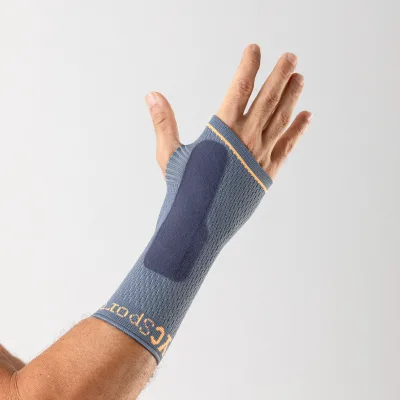
Fitness Adjustable Elastic Compression Wrist Wraps Breathable Wristband with Custom Logo
$2.05 - $2.16
MOQ: 300 pieces
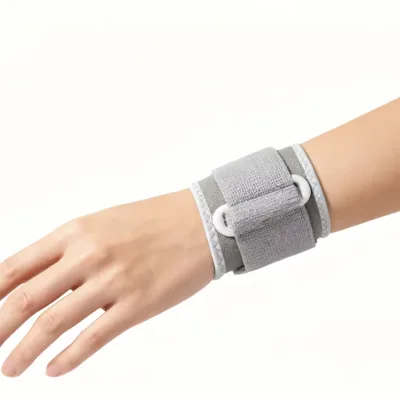
Sports Breathable Elastic Compression Wrist Support Brace Professional Wrist Wraps
$1.95 - $2.05
MOQ: 300 pieces
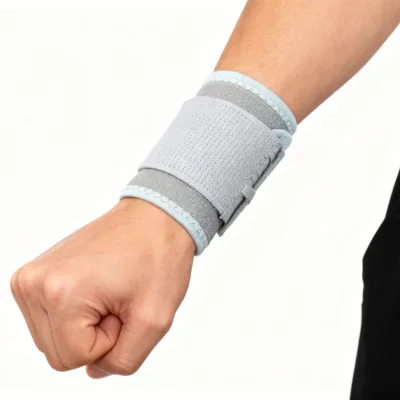
Safety Wrist Splint Protector Adjustable Wrist Support Brace Breathable Support Brace
$1.95 - $2.05
MOQ: 300 pieces

Dongguan Zhengyong Leather Co., Ltd.
- Verified by SGS
- Manufacturer
- China Guangdong
- Lead time15 days
- Avg. response≤ 12h
Main productsBelt, Handbags, Bracelet, Wallet, Card Holder, Dog Collar/Leash, Dog Harness, Carrier Bags, Camera Strap Series
Main marketsEurope,North America

Handan Wuxin Medical Devices Co., Ltd.
- Verified by TUVRHEINLAND
- Trading Company
- China Fujian
- Lead time15 days
- Avg. response≤ 2h
Main productsKnee Brace, Back Brace, Neck Brace, Waist Trainer, Body Shaper, Sportswear, Posture Corrector, Sexy Lingerie, Orthopedic Products, Gym Equipment
Main marketsEurope


Ultra-Thin Elastic Wrist Brace Wrist Wraps Compression Wrist Straps Brace
$1.10 - $1.59
MOQ: 100 Pieces


Shenzhen Villsun Sports Technology Co., Ltd
- Verified by SGS
- Trading Company
- China Guangdong
- Lead time23 days
- Avg. response≤ 2h
Main productsFitness Equipment, Yoga Mats, Resistance Bands, Yoga Ball, Shin Guards, Knee Pads, Elbow Pads, Strength Fitness Equipment, Hand Grip, Yoga Wear
Main marketsSouth America,Southeast Asia/ Mideast,Europe,Australia,North America

Yangzhou Goldenwell Import&Export Co., Ltd.
- Verified by BV
- Trading Company,Manufacturer/Factory
- China Jiangsu
- Lead time23 days
- Avg. response≤ 6h
Main productsMedical Devices, Syringe, Medical Tape, Medical Bandage
Main marketsSouth America,Eastern Europe,Mid East,North America,Southeast Asia,Eastern Asia,Oceania,Western Europe,Africa


Wrist Wraps Power Lifting Wrist Support Braces for Strength Training ISO Approved
$0.60 - $0.86
MOQ: 2 Pieces

High Elastic Thumb Support Wrist Bracer Band Wraps for Weight Lifting Sports Adjustable Wrist Band
$1.50 - $2.20
MOQ: 500 Pieces

Adjustable Gym Wrist Support Wraps Sports Guard Protective Wrist Band Brace
$0.60 - $0.86
MOQ: 2 Pieces

Workout & Fitness Wrist Support Fitness Elastic Bandage Wrist Wraps for Sports
$0.60 - $0.86
MOQ: 2 Pieces

$0.60 - $0.86
MOQ: 2 Pieces

PLANET (ANHUI) INTERNATIONAL CO., LTD.
- Verified by BV
- Combined
- China Jiangsu
- Lead time60 days
- Avg. response≤ 3h
Main productsBandage, First Aid Kits, Band Aid, Wound Dressing, Foot Patch, Knee Brace, Knee Support, Knee Pad, Adhesive Tape, Compression Stocks
Main marketsNorth America
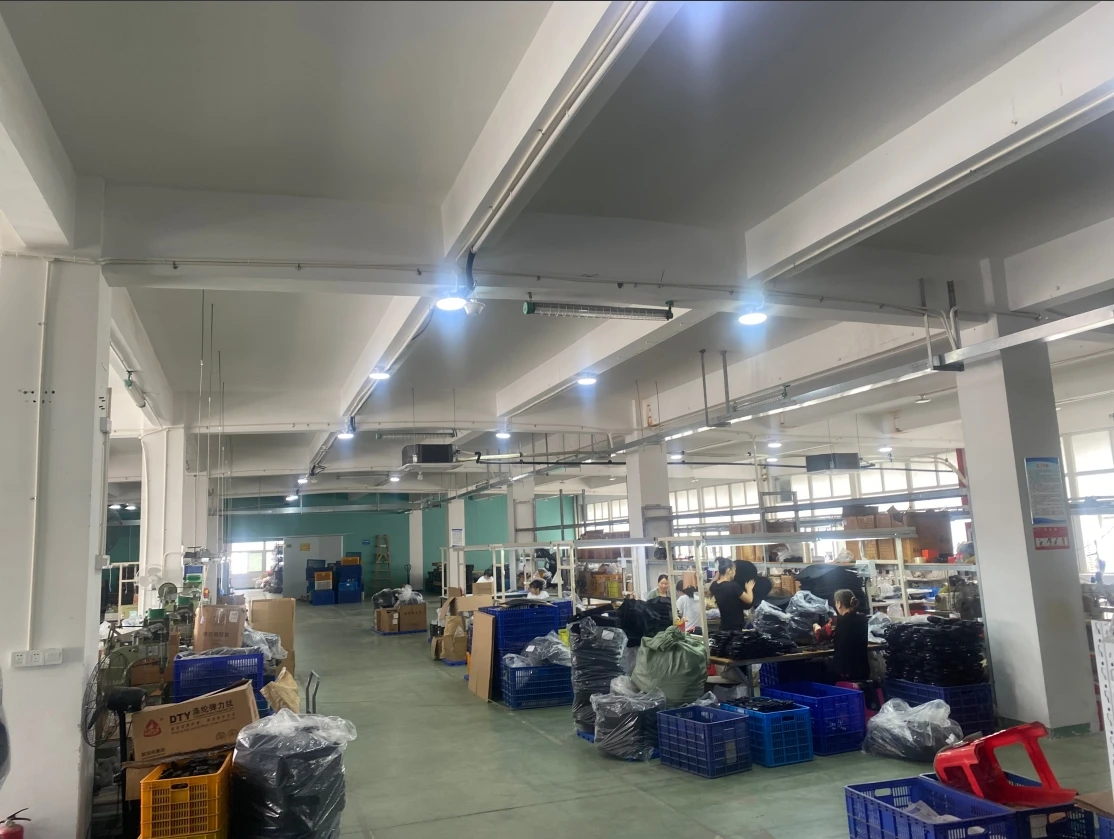
Xiamen Longstar Medical Equipment Co., Ltd.
- Manufacturer
- Fujian, China
- Lead time30 days
- Avg. response≤ 2h
Main productsCervical Collar,Shoulder Brace,Back Brace,Knee brace,Ankle brace
Main marketsDomestic Market(40.00%), Western Europe(20.00%), Eastern Europe(20.00%), North America(10.00%), Mid East(10.00%)
Yangzhou Weller Sports Goods Co., Ltd
- Verified by SGS
- Trading Company,Manufacturer/Factory
- China Jiangsu
- Lead time23 days
- Avg. response≤ 4h
Main productsKnee Brace, Posture Corrector, Sports Protection, Shin Guards, Knee Pad, Knee Support, Waist Trainer, Elbow Brace, Orthopedic Products, Kinesiology Tape
Main marketsSouth America,Eastern Europe,Mid East,North America,Southeast Asia,Eastern Asia,Oceania,Western Europe,Africa

Comfortable and Multi-Functional Wrist Brace Wrap with Compression Straps Wrist Support
$1.40 - $1.60
MOQ: 500 Pieces

Compression Wrist Brace Strap with Adjustable Strap Wrist Wraps for Sports
$1.40 - $1.60
MOQ: 500 Pieces
Jinjiang Naike Eco Technology Co., Ltd.
- Verified by SGS
- Trading Company
- China Fujian
- Lead time30 days
- Avg. response≤ 2h
Main productsKeychain, Promotional Gifts, Shoes Charm, Straw Toppers, Pencil Toppers, Christmas Decoration, Party Decoration, Toy, Metal Craft, Silicone Products
Main marketsEurope,North America

Hot Sale Rubber High Elastic Anti Slip Straps Gym Wristbands Thumb Wrist Wraps Support
$0.78 - $1.21
MOQ: 500 Pieces

Professional Sports Wrist Guards Double Straps Pressurized Wrist Wrap Adjustable Wrist Protection
$0.87 - $0.99
MOQ: 1000 Pieces

High Quality Comfortable Wrist Support Wholesale Sport Compression Wrist Wrap
$0.48 - $0.74
MOQ: 1000 Pieces

- Combined
- China Guangdong
- Lead time30 days
- Avg. response≤ 11h
Main productsFirst Aid Kits, Kinesiology Tape, Rigid Strapping Tape, Coach Tape, Lite Eab, Precut Kinesio, CPR Mask, Band Aid Box, Zinc Oxide Tape, Cohesive Bandage
Main marketsSouth America,Africa,Southeast Asia/ Mideast,East Asia(Japan/ South Korea),Domestic,Europe,Australia,North America

$0.55 - $0.58
MOQ: 100 Pieces

$0.71 - $0.75
MOQ: 100 Pieces
Dongguan Runhong Sports Products Co., Ltd.
- Verified by SGS
- Manufacturer
- China Guangdong
- Lead time15 days
- Avg. response≤ 15h
Main productsLoptop Bag, Cup Covers, Lunch Bag, Wine Bags, Stubby Holders, Cooler Bags, Koozies, Beach Tote Bag
Main marketsSouth America,Southeast Asia/ Mideast,Europe,Australia,North America

Wrist Wrap Wrist Support Workouts Wrist Brace Carpal Tunnel Compression Wrist
$1.00 - $3.00
MOQ: 300 Pieces


Nantong Get Power Fitness Equipment Co., Ltd.
- Verified by TüVRheinland
- Trading Company
- Lead time30 days
- Avg. response≤ 2h
Main productsDumbbell, Barbell, Weight Plate, Power Rack, Bench
Main marketsNorthern Europe(40%), North America(20%), Southeast Asia(20%)

Nanjing Ihome Comfort Co., Ltd.
- Verified by SGS
- Trading Company
- China Jiangsu
- Lead time30 days
- Avg. response≤ 10h
Main productsHot Water Bottle, Ice Pack, Hot Water Bag, Kneepad, Hot Cold Pack, Bp Bulb Bladder, Fitness Equipment, Leather Bag, Test Pack, First Aid Kit
Main marketsSouth America,Africa,Others(foreignTradeCapacity.exportBusinessCapacityMarketOther),Southeast Asia/ Mideast,East Asia(Japan/ South Korea),Europe,North America

Yibin Haixun Machinery Technology Co., Ltd.
- Verified by SGS
- Manufacturer/Factory
- China Sichuan
- Lead time23 days
- Avg. response≤ 3h
Main productsSwimming Goggles, Goggles, Ski Goggles, Cycling Goggles, Protective Goggles, Wrist Guard; Knee Pad, Basketball Glasses, Gymnastics Gloves, Sports Shoes, Sportswear
Main marketsSouth America,Eastern Europe,Mid East,North America,Southeast Asia,Eastern Asia,Oceania,Western Europe,Africa
Ningbo Kangbeien Heatlh Tech. Co., Ltd.
- Verified by SGS
- Combined
- China Zhejiang
- Lead time30 days
- Avg. response≤ 10h
Main marketsDomestic


Palm Wrap Hand Brace Support Elastic Wrist Sleeve Band, Gym Sports Guard
$0.30 - $0.40
MOQ: 1000 Pieces


Jiangsu Yulong Medical Technology Co., Ltd.
- Manufacturer, Trading Company
- Jiangsu, China
- Lead time20 days
- Avg. response≤ 13h
Main productsKnee Brace,Waist Brace,Wrist Brace,Hip Brace,Sweatbands
Main marketsSouth America(20.00%), North America(20.00%), Domestic Market(10.00%), Southern Europe(10.00%), Northern Europe(10.00%), Africa(10.00%), Southeast Asia(10.00%), Eastern Europe(10.00%)

Dongguan Prosperity Sports Goods Co., Ltd.
- Verified by SGS
- Trading Company,Manufacturer/Factory
- China Guangdong
- Lead time23 days
- Avg. response≤ 4h
Main productsEVA Case, EVA Tool Bag, EVA Pouch, Neoprene Can Cooler, Knee Support, Laptop Bag, Neoprene Lunch Bag, Neoprene Beer Cooler, Ankle Support, Waterproof Dry Bag
Main marketsSouth America,Eastern Europe,Mid East,North America,Southeast Asia,Eastern Asia,Oceania,Western Europe,Africa

- Verified by SGS
- Trading Company
- China Zhejiang
- Lead time23 days
- Avg. response≤ 3h
Main productsBaseball Cap, Hat, Handbag, Duffle Bag, UV Hat, Sport Cap, Sport Hat, Travel Bag, Cosmetic Bag, Storage Bag
Main marketsSouth America

HAWSON INTERNATIONAL INDUSTRIAL LIMITED
- Trading Company
- China Zhejiang
- Lead time45 days
- Avg. response≤ 25h
Main productsSaddlery, Equestrian Products, Grooming Kit, Whips, Harness, Brush Hoof Pick, Dog Apparel, Girth Halter Lead Rope Bandage, Bag, Horse Stable Rack
Main marketsSouth America,Southeast Asia/ Mideast,Europe
Telamon Sports Goods (Shanghai) Co., Ltd.
- Verified by BV
- Trading Company
- China Shanghai
- Lead time15 days
- Avg. response≤ 9h
Main marketsNorth America

Breathable Finger Thumb Brace Elastic Anti-Slip Finger Protective Support
$1.05 - $2.80
MOQ: 100 Pieces


- Verified by SGS
- Trading Company,Manufacturer/Factory
- China Zhejiang
- Lead time15 days
- Avg. response≤ 3h
Main productsPilates Reformer, Dumbbell, Pilates Cadillac, Yoga Mat, Yoga Ball, Yoga Accessories, Gym Equipment, Yoga Pilates
Main marketsSouth America,Eastern Europe,Mid East,North America,Southeast Asia,Eastern Asia,Oceania,Western Europe,Africa

Anti-Sprain Wrist Guard Finger Joint Compression Wristband with Binding and Support
$1.55 - $1.85
MOQ: 1 Pieces

Breathable Wrist Guard Splint Wrist Brace for Year-Round Comfort and Support
$1.55 - $1.85
MOQ: 1 Pieces

Durable Wrist Guard Splint Wrist Brace for All-Season Support and Stability
$1.55 - $1.85
MOQ: 1 Pieces

Shanghai Goldenwell Medical Technology Co., Ltd.
- Verified by CTI
- Trading Company
- China Shanghai
- Lead time15 days
- Avg. response≤ 7h
Main productsMedical Devices, Sports Support, Medical Dressings
Main marketsSoutheast Asia/ Mideast,Europe

Protective Sports Wrist Support / Band /Strap High Elastic Adjustable Fitness Wristband
$1.50 - $2.20
MOQ: 1 Pieces


Ullwin (Shanghai) Industrial Co., Ltd
- Verified by SGS
- Trading Company
- China Shanghai
- Lead time30 days
- Avg. response≤ 17h
Main productsMedical & Health Care Products, Cosmetic Packaging
Main marketsSouth America,Africa,Southeast Asia/ Mideast,East Asia(Japan/ South Korea),Europe,Australia,North America




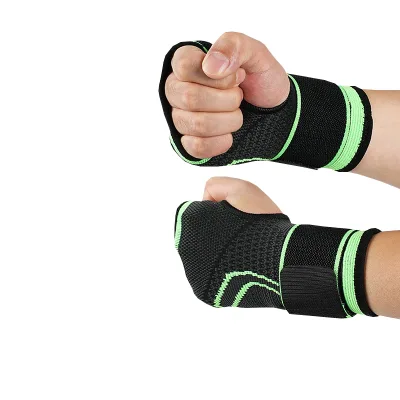
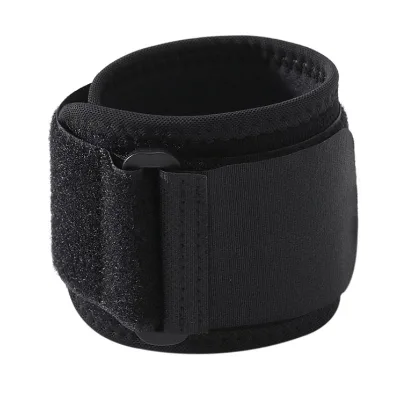


Comprehensive Sourcing Guide
Breathable Wear-Resistant Wrist Wrap Supplier Concentration and Factory Types
When you search for a Breathable Wear-Resistant Wrist Wrap, the supplier mix you see typically includes both pure manufacturers/factories and combined manufacturer-trading companies. A manufacturer listing wrist wraps, sports tape, lifting straps and related fitness accessories will often control fabric cutting, stitching and logo application in-house, while a manufacturer-trading company may add protective gear, diving fabric or rubber footwear to its catalog and subcontract some processes. Knowing which type you are talking to matters because it changes who is accountable when a batch of wraps arrives with loose elastic weave or seams that fail under heavy lifting loads.
Cluster identification is your own task when the platform does not state a region. Filter supplier lists by main products that co-occur with wrist wraps — fitness accessories, sports safety and rehabilitation items, wrist supports, lifting straps — and look for repeated origin patterns in product attribute tables. Where a location is genuinely displayed, treat it as a starting hypothesis rather than proof: one supplier page may show Zhejiang, China as the place of origin for neoprene or nylon wrist supports, which suggests an eastern-coast textile and sportswear base, but you should still request a business license and factory address and confirm the facility makes wrist wraps specifically rather than only sourcing them from neighbors.
How to Verify Breathable Wear-Resistant Wrist Wrap Suppliers
Start with the credentials and signals actually shown on the supplier page, then verify everything else yourself. Some pages display a third-party verification mark, such as an SGS Group verification badge; others show only a company type and response-time figure. A verification badge from a recognized inspection group is a meaningful screening signal, but it rarely tells you whether the factory can hold elastic recovery and abrasion resistance consistent across production runs. Ask for the verification report itself, confirm the audited entity name matches the company you are contracting with, and check whether the audit covered the wrist support line or only other categories.
Then run a hands-on verification sequence before any bulk commitment. Request samples of the specific wrap models you care about and test breathability and edge wear yourself, including after repeated wash cycles. Ask which products are made on the supplier's own lines versus traded in, because a factory whose main products include kinesiology tape, jump ropes, resistance bands and yoga mats may make wrist wraps as one SKU among many. Confirm the exact production site address, request photos or a live video walkthrough of cutting and stitching, and ask for recent production references for wrist supports. Suppliers that answer these requests quickly and consistently — rather than with generic catalogs — are usually the ones whose displayed response times reflect real behavior.
What to Compare Across Breathable Wear-Resistant Wrist Wrap Suppliers
Build a comparison sheet from the attributes suppliers actually display, and leave blanks where data is missing instead of guessing. Useful displayed dimensions include lead time — some wrist wrap suppliers show figures around 45 days while others show roughly 20 days, a gap large enough to determine whether you can serve a seasonal fitness retail window — and MOQ, which on visible wrist wrap listings ranges from 100 pairs to 500 pairs depending on the model. Response time is another comparable field: one manufacturer lists about 17 hours while another lists around 2 hours, and slow responders during quoting are usually slower during problem resolution too.
Compare company type, location and main products side by side. A manufacturer/factory in Zhejiang focused on fitness accessories offers different control over fabric weight and stitching than a manufacturer-trading company whose catalog spans protective gear, diving fabric and rain boots. Compare product-level evidence as well: one supplier lists heavy duty leather wrist wraps at a displayed range of 4.00–10.00 USD with a 100-pair MOQ, elastic strength wraps at 2.00–3.00 USD, and lighter support wraps at 1.20–2.00 USD with a 500-pair MOQ, while another shows neoprene wraps near 2.05–2.16 USD at a 300-pair MOQ. These displayed figures are listings, not quotations — always confirm current pricing and specifications in writing before comparing final candidates.
Common Breathable Wear-Resistant Wrist Wrap Sourcing Risks
The first risk cluster is specification drift. Wrist wraps in this category vary widely even within one supplier's catalog: displayed models include 50 cm leather wraps, 12-inch and 18-inch elastic wraps, and 8×60 cm straps with strength levels ranging from X-light to heavy and pair weights from 136 g to 202 g. If your purchase order says only "heavy duty wrist wrap" without pinning length, width, thickness, closure type and material — elastic, nylon or neoprene all appear in real listings — you may receive a lighter or shorter product that still matches someone's spec sheet. Put the model number, dimensions and material into the contract, and approve a sealed reference sample.
The second cluster is capability and consistency risk. A supplier whose response time is displayed as roughly 17 hours may be a small factory juggling many product lines; delayed replies can translate into delayed material procurement and missed lead times. Displayed lead times of 20 or 45 days are usually normal-season estimates and rarely account for peak fitness retail demand, custom logo production, or rework after a failed inspection. Watch also for non-waterproof construction claims being mistaken for wash-durability, and for "customized logo" promises that exceed the supplier's actual printing capability. Mitigate by writing logo tolerances into the order and scheduling an inspection before shipment rather than after arrival.
Breathable Wear-Resistant Wrist Wrap Regional Sourcing and Logistics
Where origin data is displayed, use it to plan logistics rather than to assume quality. Several wrist wrap and wrist support listings in this category show Zhejiang, China as the place of origin, which matters because eastern-coast Chinese provinces concentrate elastic fabric mills, neoprene laminators, and sports-protection sewing capacity close together, shortening material sourcing legs and enabling faster sample iterations. A supplier showing a 20-day lead time alongside such a location may reflect that proximity, while the 45-day figure shown by another manufacturer could indicate different material sourcing or fuller order books — always ask what drives the number rather than assuming.
Logistics planning should follow product weight and packaging. Wrist wraps are light — displayed pair weights run from about 136 g to 202 g — and pack one pair per OPP bag, so freight cost per unit is modest and air courier for samples is practical. Discuss with each supplier whether their quoted lead time includes custom logo production, since logo application is usually the longest added step. For mixed-category suppliers that also ship protective gear or other bulky goods, confirm which items ship from the same warehouse, because consolidated shipments reduce cost but couple your wrist wrap delivery date to unrelated production schedules. Confirm export documentation experience and Incoterms handling before booking.
Breathable Wear-Resistant Wrist Wrap Commercial Terms and Order Planning
Anchor negotiations on the displayed commercial fields, then negotiate beyond them. Visible listings show MOQs of 100 to 500 pairs and price bands from about 1.20 to 10.00 USD depending on material, length and strength level, so there is clear room to trade order size against unit cost — a 100-pair leather wrap order at 4.00–10.00 USD is a very different commercial profile from a 500-pair elastic wrap order at 1.20–2.00 USD. Ask whether the displayed price includes custom logo application, OPP bag packing and export packaging, and whether MOQ flexibility exists for a trial order of an existing model before committing to customization.
Plan the order calendar backward from your sales window using each supplier's displayed lead time — roughly 20 days for one verified supplier versus 45 days for another — then add sample production, logo approval, inspection and shipping. Ask about sample processing, graphic processing and customized-on-demand capability, which some suppliers list explicitly as R&D or capacity services; this tells you whether a new colorway or branded design is routine or an exception. Clarify payment structure and whether any escrow or trade-assurance mechanism is offered on the platform, since that affects cash exposure on a first order. Finally, secure written confirmation of specs, lead time penalties and replacement terms for defective pairs before paying any deposit.
FAQs
What is the price range for breathable wrist wraps?
Breathable wrist wraps typically range from $1.20 to $10.00 per pair depending on material and thickness. Neoprene and nylon options often cost between $1.95 and $2.16, while heavy-duty leather or thick elastic variants may reach higher price points. Buyers should verify specific model pricing and minimum order quantities before placing bulk orders.
What materials are used for breathable wrist wraps?
Common materials include neoprene, nylon, and leather for breathability and support. Neoprene wraps offer elasticity and comfort, while nylon provides durability and moisture-wicking properties. Leather options deliver heavy-duty strength for powerlifting. Buyers should check product specifications for material composition to ensure the wrap meets their specific sport or rehabilitation needs.
What is the minimum order quantity for wrist wraps?
Minimum order quantities vary by supplier and product type, typically ranging from 100 to 500 pairs. Some manufacturers require 500 pairs for standard models, while others accept orders as low as 100 pairs for customized or heavy-duty variants. Buyers should confirm the exact MOQ with the supplier before finalizing their purchase agreement.
How long does production take for wrist wraps?
Production lead times generally range from 20 to 45 days depending on order volume and customization requirements. Suppliers with faster response times may offer shorter lead times for standard items. Buyers should confirm the exact production schedule with the supplier to ensure timely delivery for their specific project or inventory needs.
Can I customize the logo on wrist wraps?
Yes, many manufacturers offer customized logo options for wrist wraps. Buyers can typically add their brand name or design to the product packaging or the wraps themselves. Customization services often include graphic processing and on-demand design adjustments. Buyers should discuss logo placement and design requirements with the supplier to ensure accurate branding.
Where are breathable wrist wraps manufactured?
Most breathable wrist wraps are manufactured in Zhejiang, China. This region is known for its strong fitness accessory industry and efficient supply chains. Buyers sourcing from this location can expect competitive pricing and a wide variety of product options. It is advisable to verify the specific manufacturing location and quality control processes with the supplier.
What strength levels are available for wrist wraps?
Wrist wraps are available in various strength levels, including light, medium, heavy, and extra-light. Light strength wraps are suitable for general fitness, while heavy-duty options provide maximum support for powerlifting. Buyers should select the appropriate strength level based on their specific training intensity and wrist support requirements to ensure optimal performance and safety.