For VW Polo Piston Kit Suppliers and Manufacturers in China
Compare 25 verified suppliers offering For VW Polo Piston Kit with details on location, lead times, and response times. Review product specifications like diameter and warranty before contacting vendors directly; review the available evidence before requesting comparable quotations from suitable candidates.
Suppliers List

Guangzhou Lefengtong Auto Parts Co., Ltd.
- Manufacturer, Trading Company, Buying Office
- Guangdong, China
- Lead time15 days
- Avg. response≤ 2h
Main productsEngine Parts for VW AUDI,Chassis Parts for AUDIVW,Car Body for VW AUDI,Auto Parts for Porsche,Auto Parts for BMW
Main marketsNorth America(21.00%), Mid East(20.00%), Southeast Asia(10.00%), Eastern Europe(10.00%), Domestic Market(7.00%), Southern Europe(6.00%), Northern Europe(5.00%), Eastern Asia(5.00%), Africa(4.00%), South Asia(3.00%), Central America(3.00%), Western Europe(3.00%), Oceania(2.00%), South America(1.00%)

China Auto Baofeng (Guangzhou) Auto Parts Co., Ltd.
- Trading Company
- Guangdong, China
- Lead time3 days
- Avg. response≤ 10h
Main productsZF INA LUK FAG BOSCH BorgWarner,PIERBURG DIVITIAE BGOE,LEMFORDER Continental BREMBO,VW AUDI PORSCHE BMW BENZ,MAHLE BENSO VALEO
Main marketsMid East(30.00%), Southeast Asia(20.00%), Domestic Market(15.00%), North America(15.00%), Africa(15.00%), South Asia(5.00%)
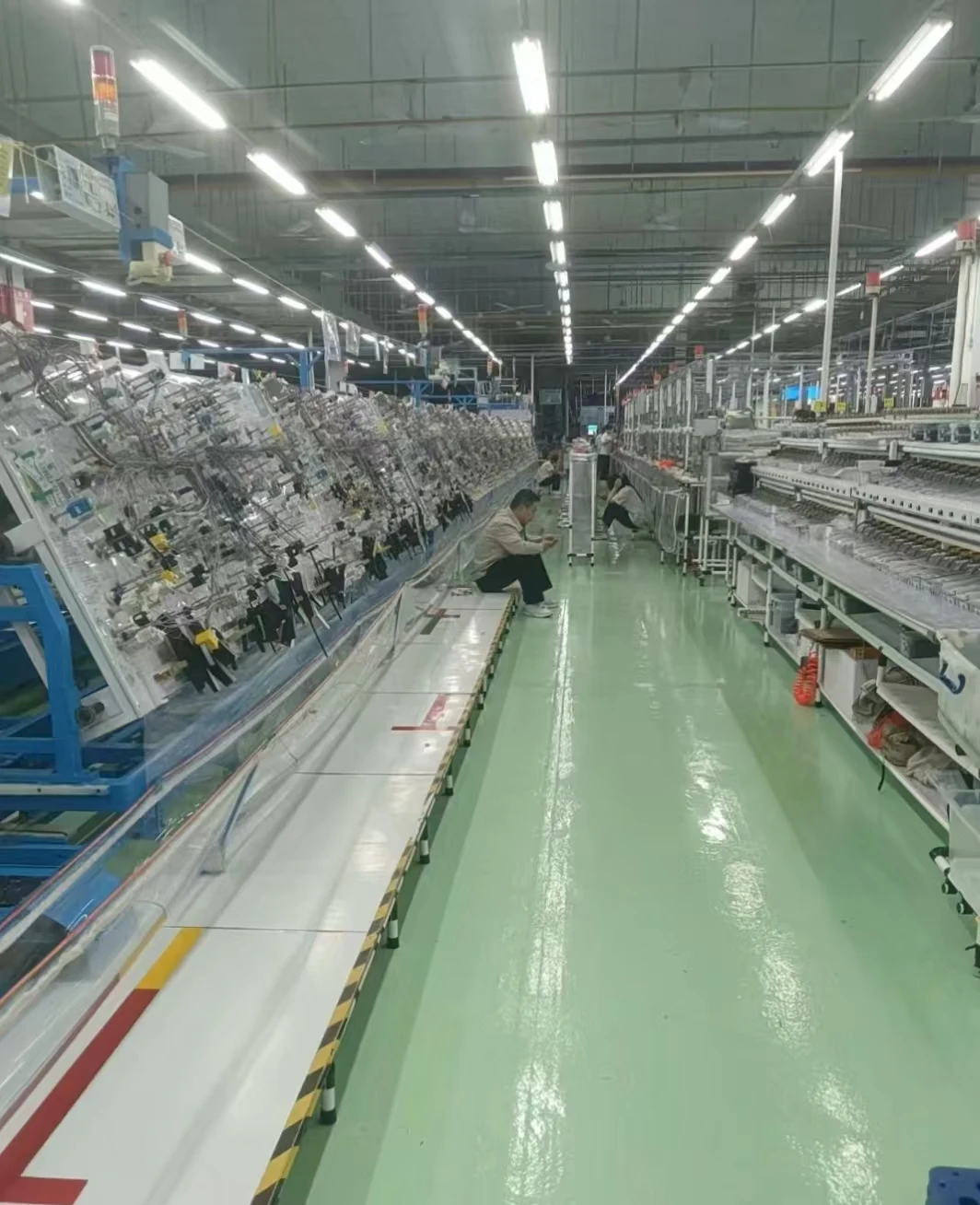
Juqing (guangzhou) International Trade Co., Ltd.
- Trading Company, Buying Office, Distributor/Wholesaler
- Guangdong, China
- Lead time0 days
- Avg. response≤ 4h
Main productsAutomatic transmission and its accessories,shock absorbers,automotive lighting,automobile cylinder head,automobile headlights
Main marketsWestern Europe(16.00%), Domestic Market(15.00%), Eastern Europe(14.00%), South America(13.00%), North America(12.00%), Northern Europe(12.00%), Southeast Asia(8.00%), South Asia(6.00%), Mid East(4.00%)

Luoyang Diron Parts Trading Co., Ltd.
- Combined
- China Henan
- Lead time30 days
- Avg. response≤ 8h
Main productsCylinder Head, Cylinder Block, Crankshaft, Pumps, Turbo, Friction, Shaft and Cartridge, Bushing and Pin/ Bolt and Nut, Universal Joints, Liner
Main marketsSouth America,Africa,Southeast Asia/ Mideast,East Asia(Japan/ South Korea),Domestic,Europe

Ningbo Xurong International Trading Co., Ltd.
- Trading Company,Manufacturer/Factory
- China Zhejiang
- Lead time45 days
- Avg. response≤ 11h
Main productsAuto Part, Auto Filter, Engine Part, Filter, Gasket, Oil Filter, Spare Part, Fan Blade, Glow Plug, Gasket Kit
Main marketsSouth America,Eastern Europe,Mid East,North America,Southeast Asia,Eastern Asia,Oceania,Western Europe,Africa
Guangzhou Xingcheng Auto Parts Co., Ltd.
- Trading Company, Distributor/Wholesaler, Other
- Guangdong, China
- Lead time0 days
- Avg. response≤ 2h
Main productsfull gasket,head gasket,valve seal,exhaust gasket,intake gasket
Main marketsSouth America(15.00%), North America(15.00%), Central America(10.00%), Africa(10.00%), Mid East(10.00%), Domestic Market(5.00%), South Asia(5.00%), Southern Europe(5.00%), Northern Europe(5.00%), Oceania(5.00%), Western Europe(5.00%), Eastern Asia(5.00%), Eastern Europe(5.00%)
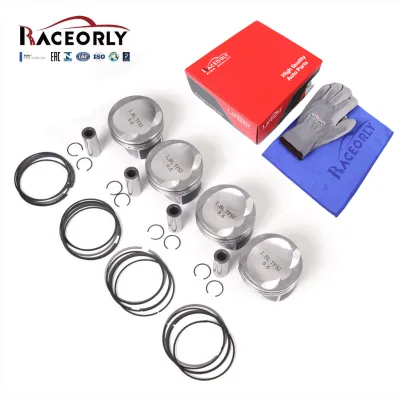
Guangzhou Raceorly Power Technology Co., Ltd.
- Verified by SGS Group
- Trading Company
- Lead time30 days
- Avg. response≤ 4h
Main productsCylinder Head, Engine, Piston, Camshaft, Turbocharger
Main marketsDomestic Market(35%), Eastern Europe(25%), Mid East(20%)

Chongqing Quality Industrial Co., Ltd.
- Verified by SGS
- Manufacturer/Factory
- China Chongqing
- Lead time45 days
- Avg. response≤ 9h
Main productsPiston, Diesel Piston, Auto Piston, Motorcycle Piston
Main marketsSouth America,Eastern Europe,Mid East,North America,Southeast Asia,Eastern Asia,Oceania,Western Europe,Africa


Auto Parts Engine Spare Parts VW 1.8L 8V Forged Piston 81.00 mm Bore Volkswagen Car Piston
$2.00 - $3.00
MOQ: 10 Pieces

Shijiazhuang Xuantao Import and Export Trade Co., Ltd.
- Verified by BV
- Trading Company
- China Hebei
- Lead time15 days
- Avg. response≤ 13h
Main productsEngine Assembly, Short Block, Cylinder Head, Valve Cover, Oil Pan, Crankshaft, Camshaft, Valve, Piston and Ring
Main marketsSouth America,Africa,Southeast Asia/ Mideast,East Asia(Japan/ South Korea),Europe,Australia,North America


High Quality Factory Engine Piston for Audi VW Ea211 1.2t 04e107065bc 71mm Piston Kit
$29.90 - $49.90
MOQ: 5 Sets

High Quality Piston&Rings for Audi VW Engine Piston Kit 06D107066L Four-Cylinder Engine
$39.90 - $69.90
MOQ: 5 Sets


Piston Set with Ring for Audi Volkswagen Polo 1.4L 036107065am 036107065at Gasoline Engine
$50.00 - $55.00
MOQ: 1 Sets

Nanjing Leading Auto Technology Co., Ltd.
- Verified by CTI
- Trading Company,Manufacturer/Factory
- China Jiangsu
- Lead time38 days
- Avg. response≤ 5h
Main productsEngine Motor, Engine Block, Cylinder Head Assembly, Cylinder Head Gasket, Timing Kit, Camshaft, Turbocharger, Crankshaft, Connecting Rod, Piston
Main marketsSouth America,Eastern Europe,Mid East,North America,Southeast Asia,Eastern Asia,Oceania,Western Europe,Africa
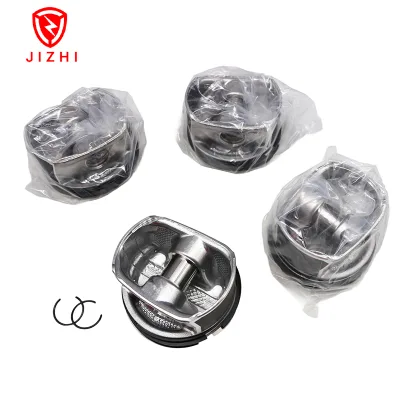
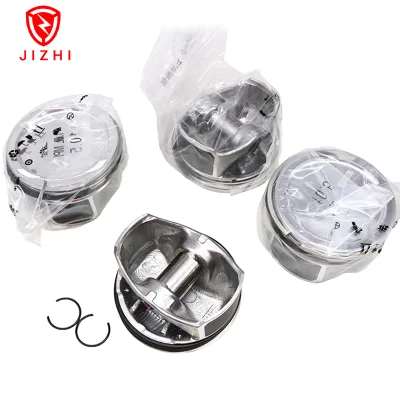
Shanghai Jizhi Automotive Technology Co., Ltd.
- Verified by Intertek
- Trading Company
- Lead time10 days
- Avg. response≤ 3h
Main productsIgnition System, Car Chassis, Engine Parts, Wearing Parts, Parts Interiors
Sichuan Haishida Trading Co., Ltd.
- Verified by Intertek
- Trading Company
- Lead time5 days
- Avg. response≤ 2h
Main productsPiston Assembly, Cylinder Head Assembly, Timing Kit, Engine Maintenance Component, New Energy Vehicle Accessories
Main marketsMid East(50%), South America(20%), Southeast Asia(20%)
Boigevis Trading (guangzhou) Co., Ltd.
- Trading Company, Distributor/Wholesaler, Other
- Guangdong, China
- Lead time3 days
- Avg. response≤ 6h
Main productsEngine Parts,Chassis Parts,Suspension Parts,Other Auto Parts
Main marketsNorth America(35.00%), Domestic Market(5.00%), South Asia(5.00%), Southern Europe(5.00%), Northern Europe(5.00%), Central America(5.00%), Western Europe(5.00%), Eastern Asia(5.00%), Mid East(5.00%), Oceania(5.00%), Africa(5.00%), Southeast Asia(5.00%), Eastern Europe(5.00%), South America(5.00%)
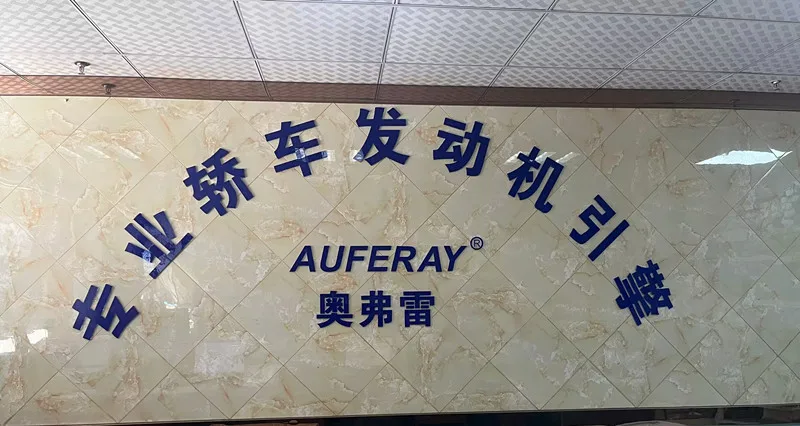
Hangzhou Wanpin Auto Parts City Xinnong Kai Auto Parts Firm
- Trading Company
- Zhejiang, China
- Lead time0 days
- Avg. response≤ 2h
Main productsCylinder block assembly,Cylinder head assembly,Automobile seal,Automobile transmission system,Fastener for automobile engine
Main marketsSouth Asia(50.00%), North America(30.00%), South America(15.00%), Northern Europe(10.00%), Eastern Europe(10.00%), Africa(10.00%), Western Europe(8.00%), Mid East(7.00%), Oceania(5.00%)
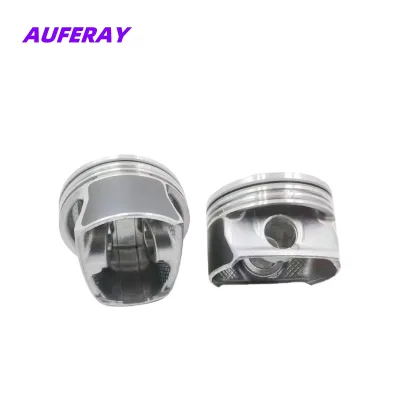
$31.00 - $35.00
MOQ: 4 pieces
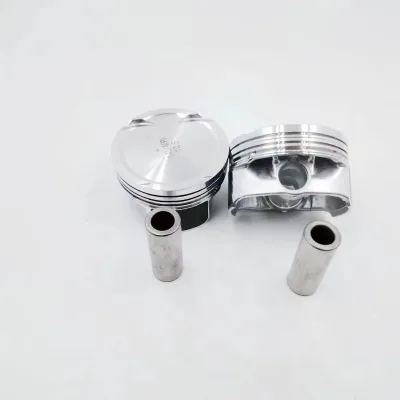
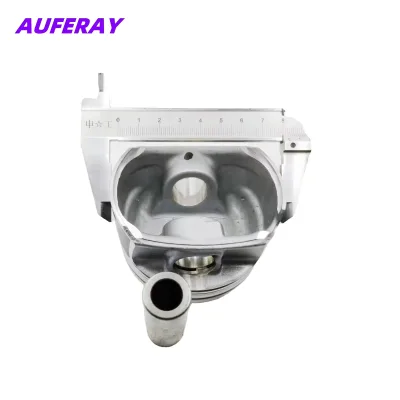
$18.52 - $20.58
MOQ: 4 pieces
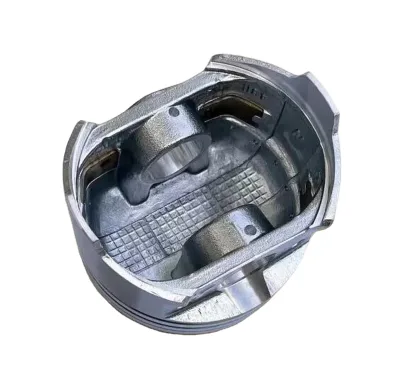
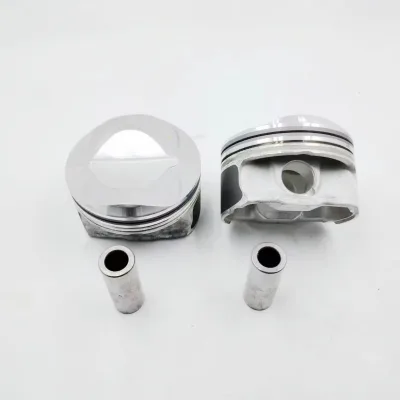
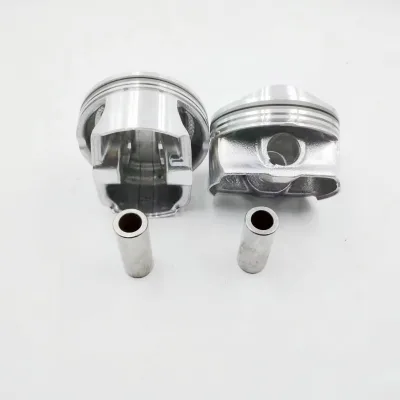
High Quality New 036 107 065DE CLP POLO 1.4 Piston Pump Parts Piston for Volkswagen Polo 1.4 Engine
$20.58 - $25.73
MOQ: 4 pieces

Anhui Jagrow Auto Parts Co., Ltd.
- Verified by TUVRHEINLAND
- Trading Company,Manufacturer/Factory
- China Anhui
- Lead time45 days
- Avg. response≤ 4h
Main productsPerformance Parts, Exhaust System, Air Intake System, Cooling System, Carbon Fiber Parts, Exhaust Downpipe, Exhaust Manifold, Exhaust Catback, Oil Cooler, Turbo Intercooler
Main marketsSouth America,Eastern Europe,Mid East,North America,Southeast Asia,Eastern Asia,Oceania,Western Europe,Africa

Aluminium Front Mount Intercooler Kit for VW Polo Skoda 1.9 Tdi Piping Kit
$99.00 - $188.00
MOQ: 1 Pieces

Hebei Haodun Auto Parts Co., Ltd.
- Verified by SGS Group
- Trading Company
- Lead time10 days
- Avg. response≤ 2h
Main productsEngine Piston, Engine Valve, Engine Bearing, Piston Ring, Complete Gasket Kit
Main marketsSouth America(15%), North America(10%), Africa(10%)
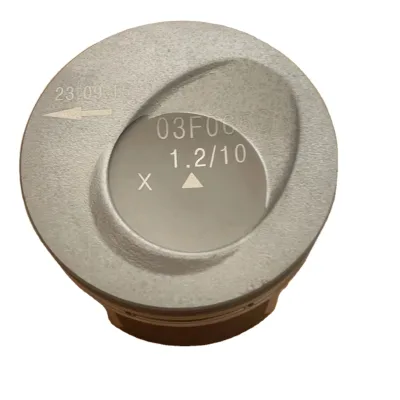
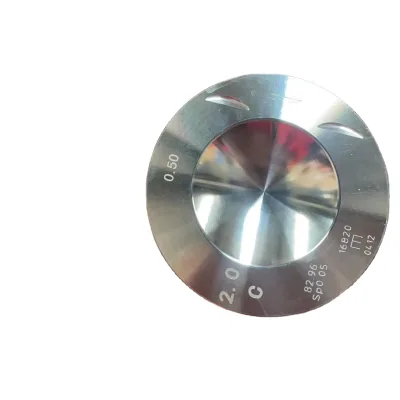
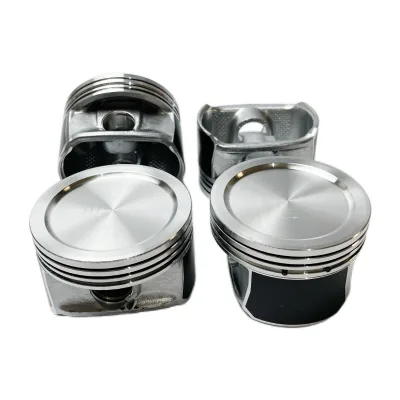
$12.00 - $15.00
MOQ: 1 pieces
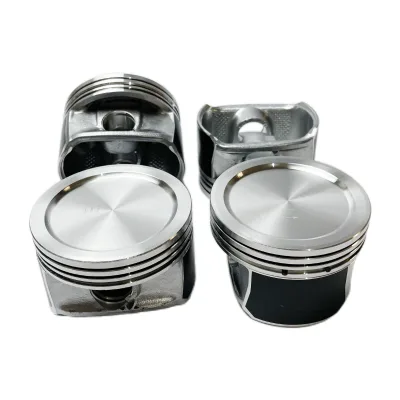
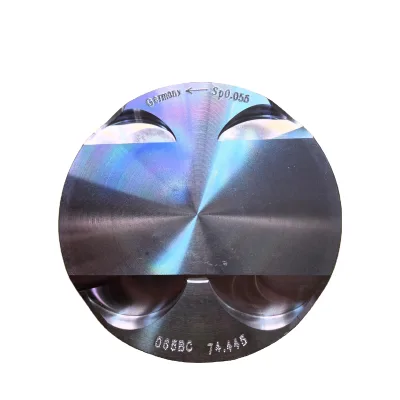

Sichuan Mighty Machinery Co., Ltd.
- Verified by BV
- Manufacturer/Factory
- China Sichuan
- Lead time23 days
- Avg. response≤ 6h
Main productsAuto Bearing, Auto Parts, Motorcycle Parts, Power Transmission Parts, Wheel Bearing, Idler Pulley, Clutch Bearing, CV Joint, Belt Tensioner, Wheel Hub Assembly
Main marketsSouth America,Eastern Europe,Mid East,North America,Southeast Asia,Eastern Asia,Oceania,Western Europe,Africa


2710305017 Engine Piston Kit Piston Rings and Piston Fit for Mercedes Benz
$16.90 - $18.20
MOQ: 100 Pieces

AN HUI JI CHENG TRADING CO., LTD.
- Verified by SGS
- Trading Company,Manufacturer/Factory
- China Anhui
- Lead time0 days
- Avg. response≤ 7h
Main productsCar Parts Auto Parts, Suspension Parts, Brake Parts, Engine Parts, Toyota Car Parts, Volkswagen Car Parts, BMW Car Parts, Hyundai Car Parts, Chery Car Parts, Byd Car Parts
Main marketsSouth America,Eastern Europe,Mid East,North America,Southeast Asia,Eastern Asia,Oceania,Western Europe,Africa

Engine 03L107065n Piston Kits for VW Transporter Beetle Amarok for Golf Jetta Passat Audi A3
$4.00 - $6.00
MOQ: 250 Sets


Pistons Kit for Volkswagen Beetle Jetta Passat Audi A1 03c107065bl 03c198151f
$30.00 - $38.00
MOQ: 20 Pieces


80.985mm Piston Set Piston Pin and Sanp Ring 026107065D 026107103D for VW Audi Golf 1.8
$3.00 - $3.50
MOQ: 300 Sets

Engine Parts 0271151055 Oil Pump for VW Polo Classic 1997-2005 Van 2006-2009
$18.00 - $25.00
MOQ: 5 Pieces

Hangzhou Meisu Automotive Parts Co., Ltd
- Verified by SGS
- Trading Company
- China Zhejiang
- Lead time30 days
- Avg. response≤ 1h
Main productsTransmission Parts, Automatic Transmission, Transmission Clutch, Transmission Tcu, Transmission Flywheel, Transmission Valve Body, Transmission Mechatronics Unit, Gearbox, Transmission Actuator, Transmission Line Board
Main marketsDomestic
Hebei Haodun Auto Parts Sales Co., Ltd.
- Verified by SGS
- Trading Company
- China Hebei
- Lead time15 days
- Avg. response≤ 3h
Main productsEngine Piston, Engine Bearing, Full Gasket Set, Timing Chain Set, Engine Valve, Engine Crankshaft, Camshaft, Adjuster Vvt Gears, Connecting Rod, Piston Ring
Main marketsEurope,North America


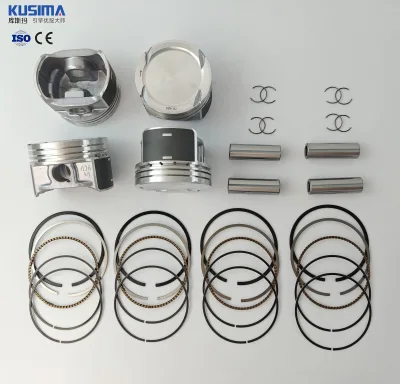
Kusima Factory Ea888 Engine OEM 82.5mm Piston Kit for Audi VW Ea888 1.8t 21mm Pin OE 06h107065dm
$9.00 - $16.00
MOQ: 4 Pieces

$9.00 - $16.00
MOQ: 4 Pieces

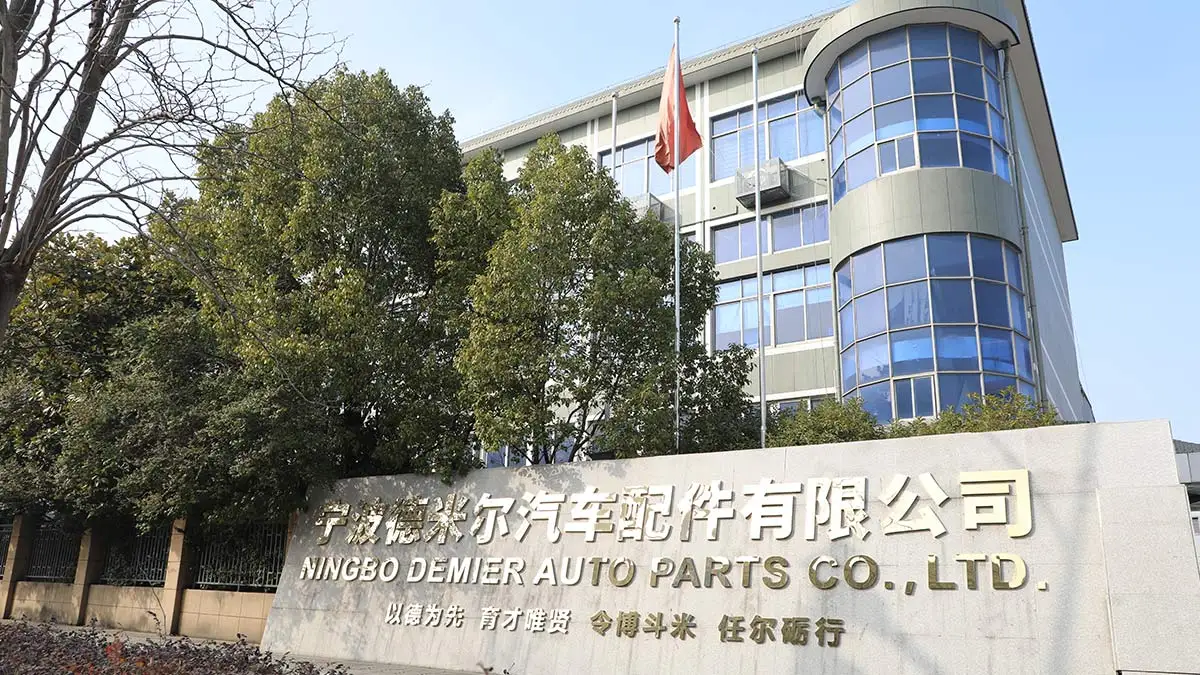
Ningbo Demier Auto Parts Co., Ltd.
- Manufacturer, Trading Company
- Zhejiang, China
- Lead time30 days
- Avg. response≤ 6h
Main productsFull Gasket Set, Timing Chain Kit, Timing Belt Kit, Engine Rebuild Kit, Piston Kit
Main marketsNorth America(50.00%), Mid East(20.00%), Western Europe(13.00%), South America(5.00%), Africa(5.00%), Oceania(3.00%)
Guangzhou CARWINPARTS Electronics Co., LTD
- Manufacturer, Trading Company
- Guangdong, China
- Lead time15 days
- Avg. response≤ 3h
Main productsCAR ENGINE PARTS,CAR SWITCHES,CAR SENSORS,CAR IGNITION SYSTEM,CAR VALVES
Main marketsWestern Europe(34.46%), North America(13.88%), Southern Europe(10.10%), Eastern Europe(9.68%), South America(7.00%), Northern Europe(6.88%), Southeast Asia(5.00%), Mid East(3.00%), Domestic Market(2.00%), Eastern Asia(2.00%), Africa(2.00%), South Asia(2.00%), Oceania(1.00%), Central America(1.00%)
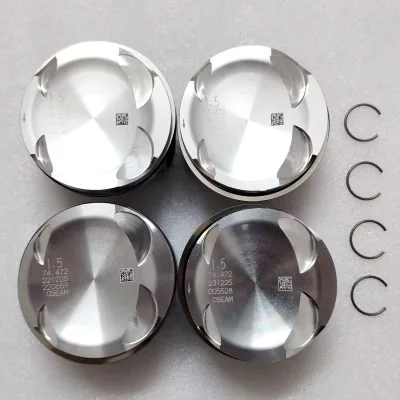
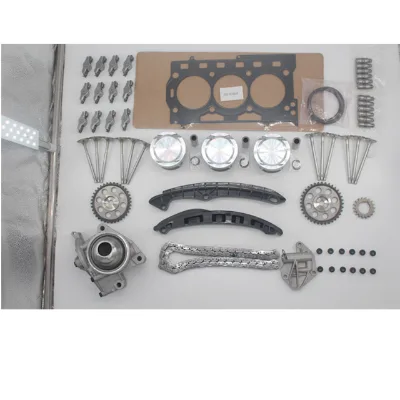
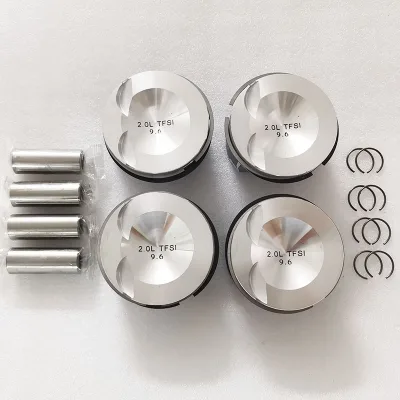
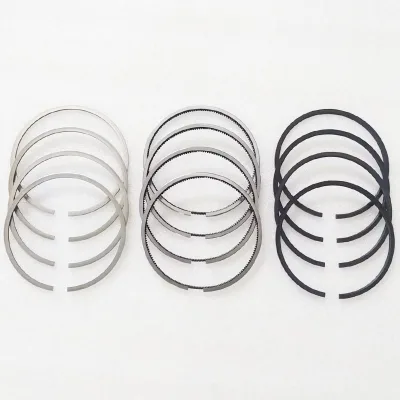
03E103383H Engine Repair Rebuild Kit for VW Polo Skoda Fabia Seat Ibiza 1.2 CGPA CGPB
$120.00 - $150.00
MOQ: 50
Guangzhou Longjian Auto Parts Co., Ltd.
- Manufacturer, Trading Company
- Guangdong, China
- Lead time45 days
- Avg. response≤ 4h
Main productsForged Piston,Forged Connecting Rod,forged crankshaft,camshaft,Piston Ring
Main marketsSouthern Europe(20.00%), North America(19.00%), Southeast Asia(11.00%), Northern Europe(9.00%), Domestic Market(6.00%), Oceania(6.00%), Eastern Asia(6.00%), Eastern Europe(5.00%), Mid East(5.00%), South Asia(5.00%), South America(5.00%), Central America(1.00%), Western Europe(1.00%), Africa(1.00%)

Hubei Kingland Industrial Co., Ltd.
- Verified by CTI
- Trading Company
- China Hubei
- Lead time15 days
- Avg. response≤ 7h
Main productsFuel Injector, Fuel Pump, Piston Kit, Liner Kit, Bearing, Gasket Set, Water Pump, Turbocharger, Sensor, Valve Kit
Main marketsSouth America,Africa,Southeast Asia/ Mideast,East Asia(Japan/ South Korea),Europe,North America

Shanghai Spb Industry Co., Ltd.
- Verified by SGS
- Trading Company,Manufacturer/Factory,Group Corporation
- China Shanghai
- Lead time30 days
- Avg. response≤ 4h
Main productsCar Spare Part, Suspension Parts, Ball Joint, Shock Absorber, C. V Joint, Brake Pad, Radiator, Stabilizer Bar, Oil Filter, Steering Rack
Main marketsSouth America,Eastern Europe,Mid East,North America,Southeast Asia,Eastern Asia,Oceania,Western Europe,Africa
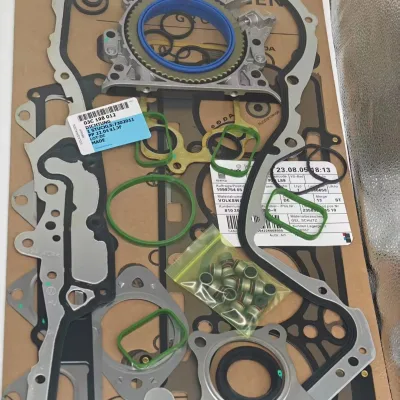
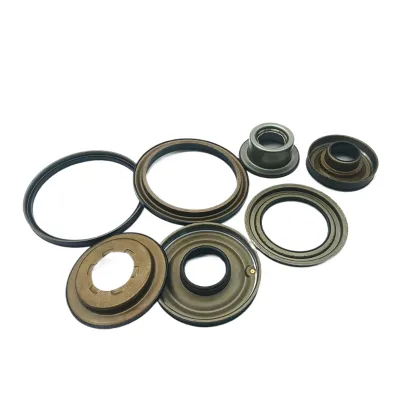
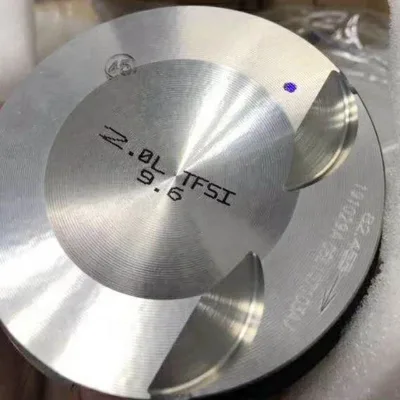


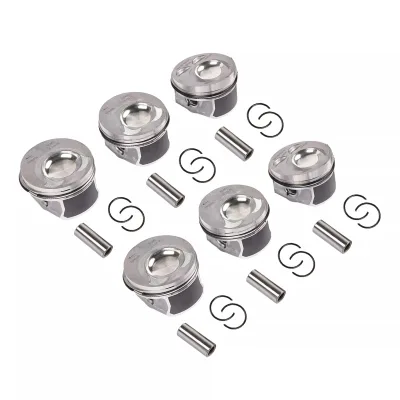
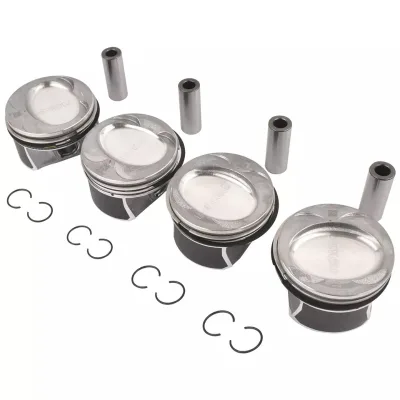
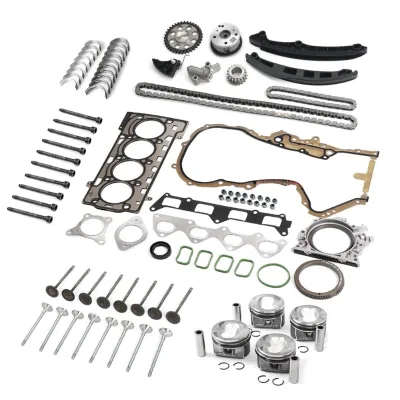
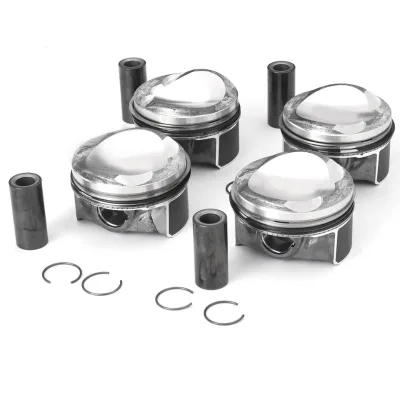


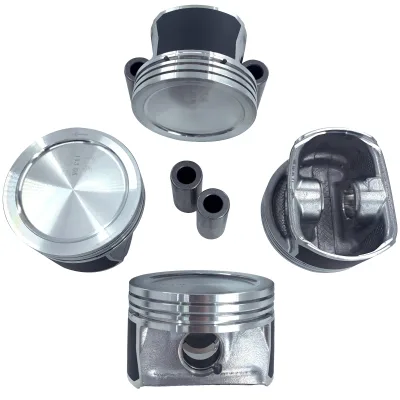
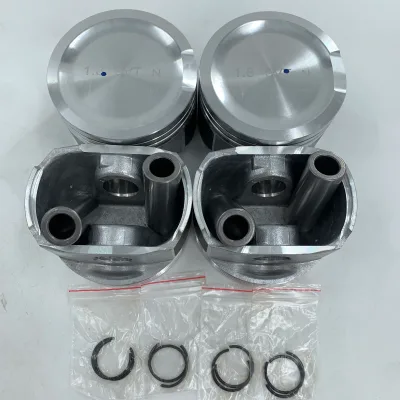
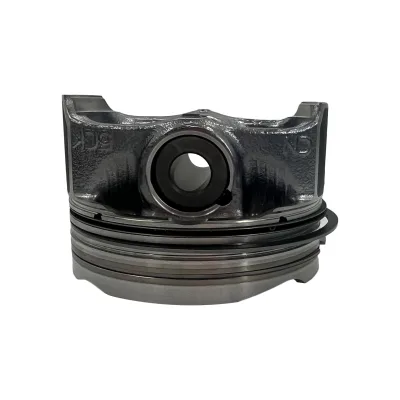
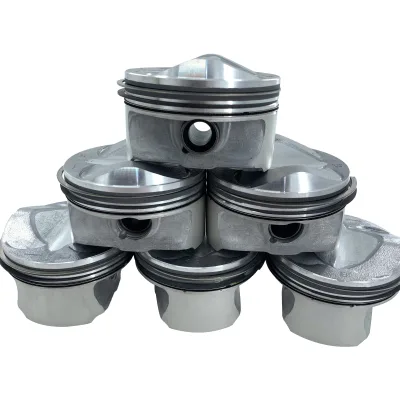
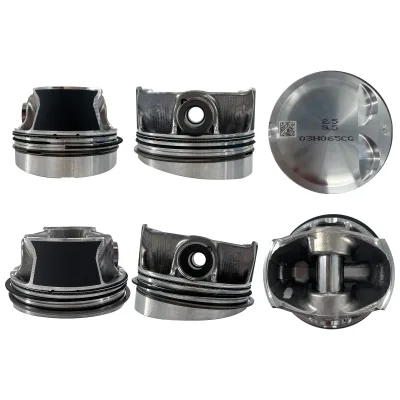
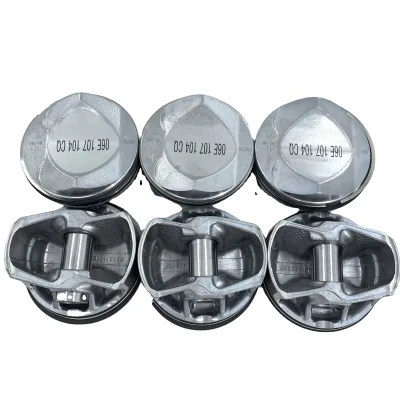
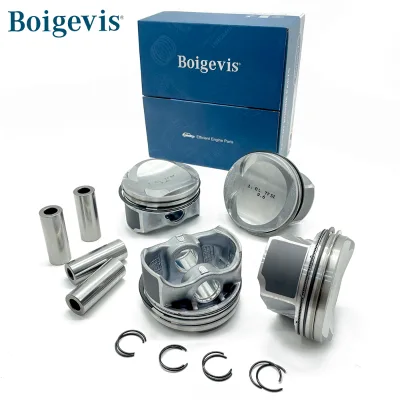
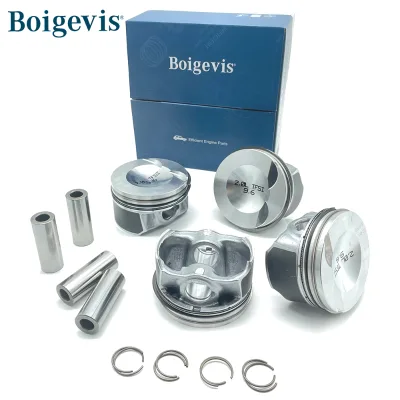
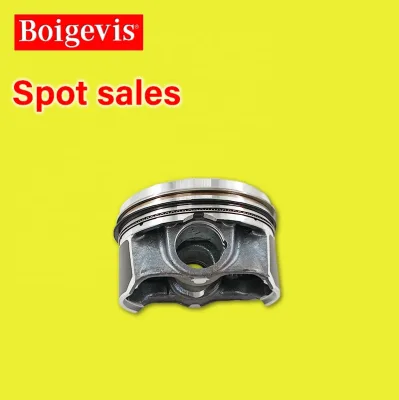


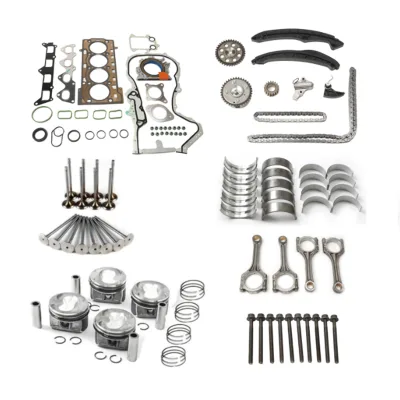
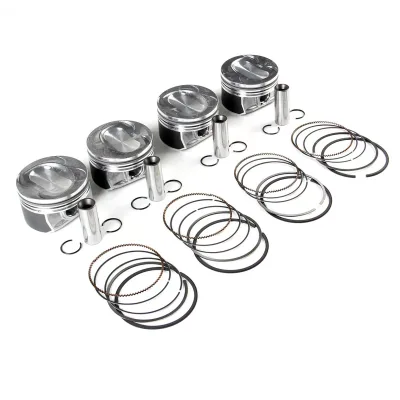


Comprehensive Sourcing Guide
For VW Polo Piston Kit Supplier Concentration and Factory Types
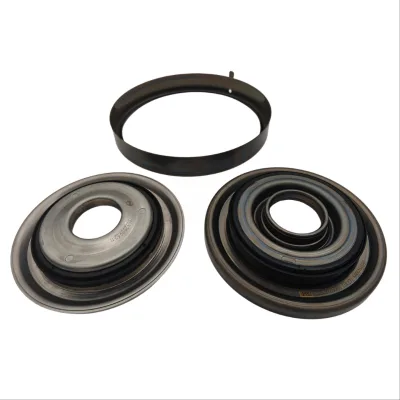
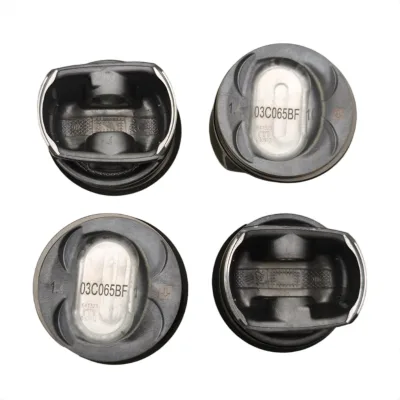
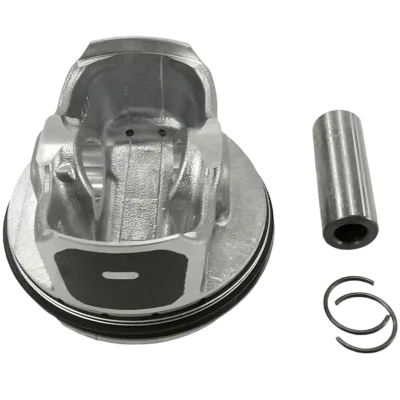
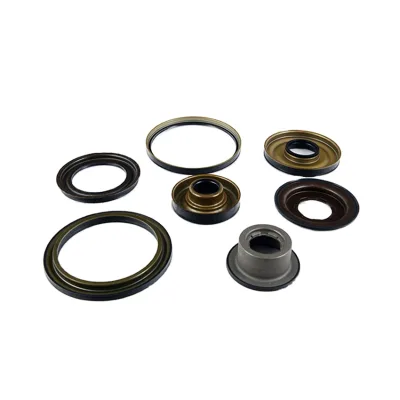
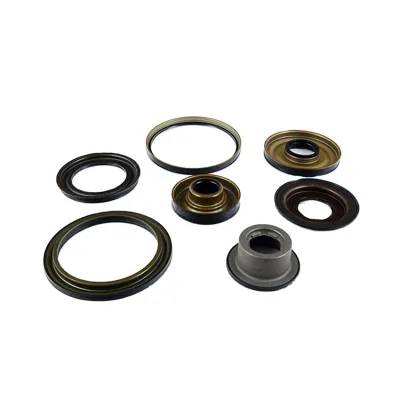
The available data indicates a specific concentration of suppliers operating from Guangdong, China, for components like the ZF 8HP65 Transmission Piston Kit and various engine piston sets. This geographic clustering suggests a regional hub for automotive parts manufacturing and trading, where supply chains for Volkswagen and Audi components are established. Buyers should prioritize verifying the physical address of any potential partner to confirm they are indeed based in this region, as this location is the only one explicitly confirmed in the current results. The supplier types observed include manufacturers, trading companies, and buying offices, offering a mix of direct production capabilities and sourcing services.
When evaluating these entities, it is crucial to distinguish between a factory and a trading company, as their operational models differ significantly. Some suppliers list themselves as manufacturers, while others operate strictly as trading companies or buying offices. The main products listed for these entities often span a broad range, including chassis parts, car bodies, and components for Porsche, BMW, and Mercedes-Benz, in addition to VW and Audi parts. This diversity indicates that a single supplier may not specialize exclusively in piston kits but rather serves as a general auto parts provider. Buyers must verify if the specific piston kit they require is a core competency or a secondary item within a broader catalog to ensure quality control and technical expertise.
How to Verify For VW Polo Piston Kit Suppliers
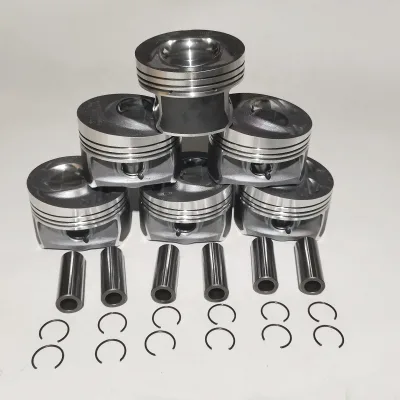
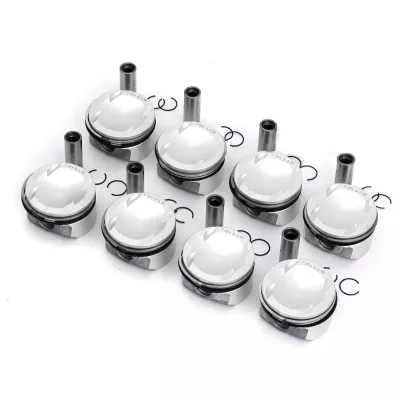
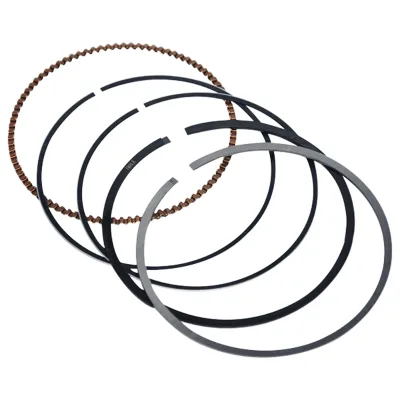
Verification begins with confirming the specific product attributes listed in the supplier's catalog against the buyer's technical requirements. For instance, one observed product listing specifies a diameter of 76.51mm and an OEM number of 036107065DB for a 4-piece piston set, while another lists a standard diameter for a different kit. Buyers must cross-reference these exact specifications, such as the model number 03C107065CK or the OE number 06L107065CH, to ensure compatibility with their specific vehicle models like the VW Polo or Lavida. Relying on generic descriptions without matching the precise OEM numbers can lead to procurement errors and installation failures.
Beyond product specifications, buyers should validate the supplier's response time and lead time capabilities to ensure they meet project deadlines. The data shows response times ranging from 2 to 10 units, which may indicate the speed of initial communication, while lead times vary from 3 to 15 days for different items. A supplier claiming a 3-day lead time for a complex piston kit may be offering a different product than one with a 15-day lead time. It is essential to request a formal quotation that explicitly states the production lead time for the specific order quantity. Additionally, checking for certifications like TS16949, which appears in one product attribute, provides a baseline for quality management systems, though buyers should verify the validity of such certificates directly with the issuing body.
What to Compare Across For VW Polo Piston Kit Suppliers
Comparing suppliers requires a detailed analysis of pricing structures, minimum order quantities, and warranty terms. The observed price range for piston kits varies significantly, with some items listed at 130.00 USD and others at 54.60 USD or 36.20 USD. These price differences may reflect variations in material quality, such as the "Plastic+Metal" composition noted in one listing, or differences in the complexity of the kit, such as a simple piston set versus a full engine gasket set. Buyers must ensure they are comparing apples to apples by verifying that the price includes all necessary components like rings and that the warranty terms, which range from 12 months to 1 year, are clearly defined in the contract.
Another critical comparison point is the payment methods and shipping logistics offered by each supplier. The data indicates that some suppliers accept T.T, Alipay, and VISA, while others may have different financial terms. Buyers should also compare the single package size and gross weight, as these factors directly impact shipping costs and handling requirements. For example, one kit has a single gross weight of 1.200 kg and a package size of 20X20X13 cm, while another weighs 5.000 kg with dimensions of 55X25X15 cm. These logistical details affect the total landed cost and the feasibility of shipping to the buyer's location. Additionally, comparing the delivery time limits, which can range from 15 to 25 days, helps in planning inventory levels and production schedules effectively.
Common For VW Polo Piston Kit Sourcing Risks
One significant risk involves the potential mismatch between the advertised product type and the actual item delivered. Some listings describe a product as a "Piston Kit" while the attributes list the type as "Crankshaft" or "Tensioner Pulley," creating confusion about the actual contents. This discrepancy highlights the risk of relying solely on product titles without scrutinizing the detailed attribute fields. Buyers must carefully review the "Type" and "Product Name" fields to ensure the item matches the intended application, such as a 1.4 TSI EA111 engine piston kit versus a transmission piston kit. Misidentification can lead to receiving parts that are incompatible with the vehicle's engine or transmission system.
Another risk is the variability in warranty coverage and the clarity of the return policy. While some listings explicitly state a 1-year or 12-month warranty, others may not provide clear terms regarding defects or returns. The condition of the product is listed as "New" in most cases, but the lack of standardized warranty language across different suppliers creates uncertainty. Buyers should verify if the warranty covers manufacturing defects or only specific failure modes. Furthermore, the "Brand Name" varies from "ODM/OEM" to specific brands like "DIVITIAE" or "ORIGNAL," which may affect the perceived value and reliability of the part. Without a standardized warranty and clear brand identity, buyers face higher risks of receiving substandard components that fail prematurely.
For VW Polo Piston Kit Regional Sourcing and Logistics
The primary sourcing region identified in the data is Guangdong, China, which serves as a central hub for these automotive parts. This location is consistently listed as the place of origin for various piston kits, including those for the VW Golf, Jetta, and Polo. Buyers should prioritize suppliers with a confirmed physical presence in this region to ensure better logistics coordination and potentially lower shipping costs. The concentration of manufacturers and trading companies in Guangdong suggests a mature supply chain ecosystem, but buyers must verify the specific factory address to avoid intermediaries who may not have direct control over production quality.
Logistics planning must account for the varying package dimensions and weights observed in the product listings. Some kits are compact, with a single package size of 15X15X15 cm and a weight of 2.000 kg, while others are larger, measuring 55X25X15 cm and weighing 5.000 kg. These differences impact the choice of shipping method and the calculation of freight charges. Buyers should request detailed packing lists and dimensions from the supplier before finalizing the order to optimize container space and reduce shipping expenses. Additionally, the delivery time limits, which can extend up to 25 days, should be factored into the overall supply chain timeline to prevent production delays. Understanding the specific logistics capabilities of the supplier is essential for maintaining a smooth flow of goods.
For VW Polo Piston Kit Commercial Terms and Order Planning
Commercial terms for these piston kits often include specific payment methods such as T.T, Alipay, and VISA, which buyers must confirm are suitable for their financial operations. The minimum order quantity (MOQ) is a critical factor, with some listings indicating an MOQ of 1, allowing for small trial orders, while others may have higher thresholds. Buyers should negotiate terms that align with their inventory strategy, ensuring they can test the product quality without committing to large volumes initially. The selling units are typically listed as "Single item," which simplifies the ordering process but requires careful attention to the total quantity needed for the project.
Order planning must also consider the delivery time limits and the potential for delays. The data shows delivery time limits ranging from 15 to 25 days, which can vary based on the specific product and order volume. Buyers should establish a buffer in their production schedule to accommodate these lead times and any potential customs clearance delays. Additionally, the warranty terms, which range from 12 months to 2 years, should be clearly documented in the purchase agreement to protect against defects. By carefully reviewing the commercial terms, including payment methods, MOQ, and delivery schedules, buyers can mitigate risks and ensure a successful procurement process for their VW Polo piston kits.
FAQs
Where are the VW Polo piston kits manufactured?
The piston kits for VW Polo are manufactured in Guangdong, China. This location is confirmed by the product attributes listed for multiple items. Buyers should verify specific factory details with the supplier before placing large orders to ensure quality standards are met.
What is the typical lead time for these parts?
Lead times for these piston kits range from 3 to 15 days depending on the specific supplier and order volume. Some listings indicate a delivery time limit of 15 to 25 days. Buyers must confirm the exact shipping schedule with the seller to plan their inventory effectively.
What payment methods are accepted for these orders?
Accepted payment methods include T.T, Alipay, and VISA for these piston kits. These options are standard across the listed products. Buyers should ensure their payment gateway supports these methods and verify any transaction fees before completing the purchase transaction.
Do these piston kits come with a warranty?
Yes, many of these piston kits come with a warranty of 12 months or 1 year. Some specific repair kits offer a 2-year warranty. Buyers should check the specific product listing for the exact warranty duration and terms before finalizing their purchase decision.
What is the minimum order quantity for these kits?
The minimum order quantity for these piston kits is 1 unit. This allows buyers to test the product quality before committing to larger volumes. Buyers should verify if bulk discounts apply when ordering more than the single item minimum.
Which car models are compatible with these piston kits?
These kits are compatible with VW Polo, Lavida, Golf, Jetta, and Audi A1, A3 models. Specific years like 2006-2015 or 2010-2013 are often listed. Buyers must match the OE number to their specific vehicle model to ensure proper fitment and engine compatibility.
What certifications do these auto parts hold?
Some of these piston kits hold TS16949 certification. This indicates adherence to specific automotive quality management standards. Buyers should request the certification document from the supplier to verify the authenticity and current status of the quality assurance for the parts.