For Toyota PCV Valve Suppliers and Manufacturers
Find 34 verified suppliers offering For Toyota PCV Valve with varying lead times, MOQs, and certifications. Compare response times, locations, and product specs to select the right partner. Contact suppliers directly to request quotes; review the available evidence before requesting comparable quotations from suitable candidates.
Suppliers List
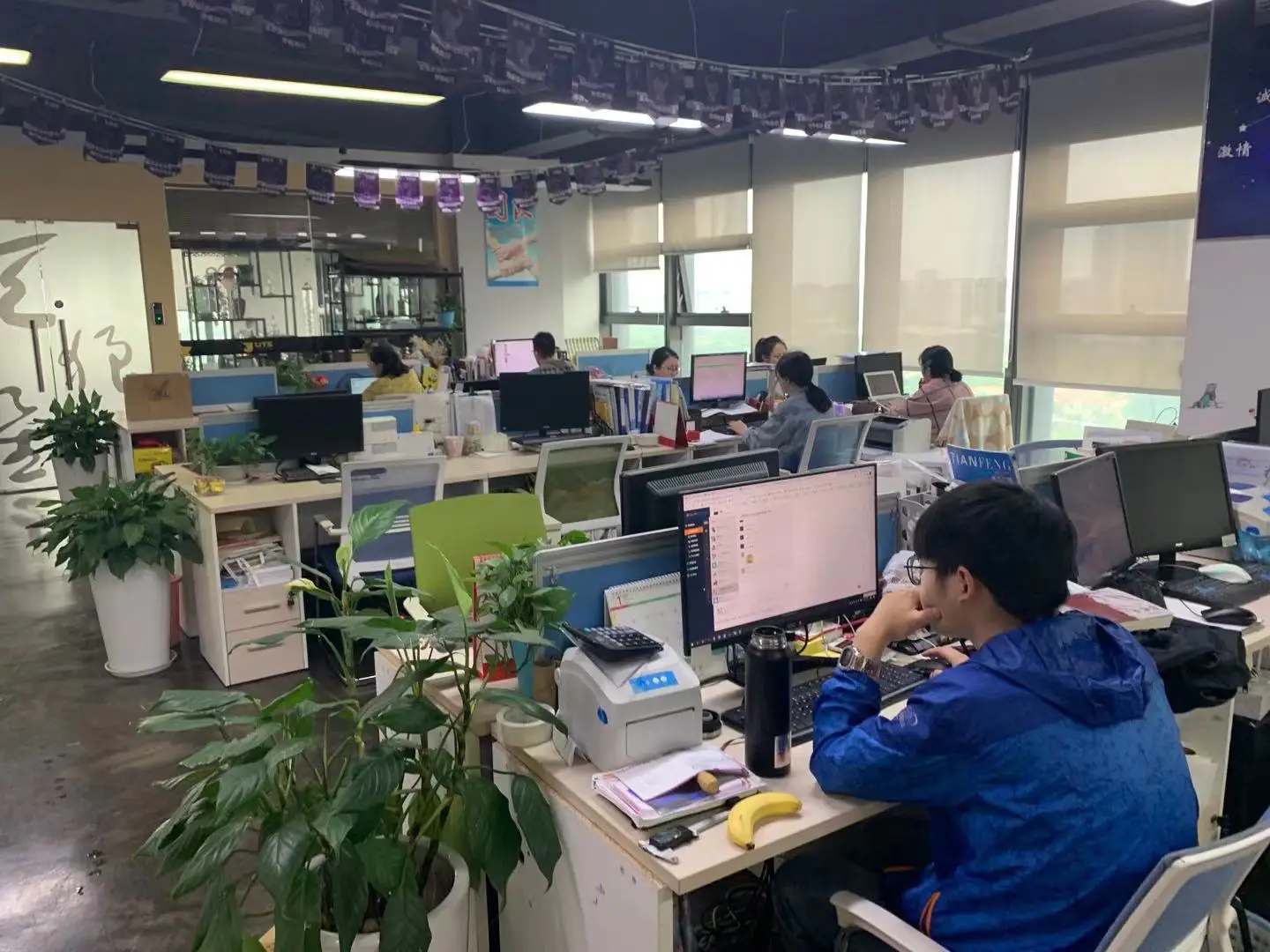
Haining Youte E-Commerce Co., Ltd.
- Trading Company
- Zhejiang, China
- Lead time50 days
- Avg. response≤ 7h
Main productsOil Drain Plugs,Car clips,Drain Plug Gaskets,Cylinder head bolt,Auto fasteners
Main marketsNorth America(40.00%), Southern Europe(10.00%), Western Europe(10.00%), South America(10.00%), South Asia(5.00%), Southeast Asia(5.00%), Northern Europe(5.00%), Central America(5.00%), Eastern Europe(5.00%), Mid East(5.00%)
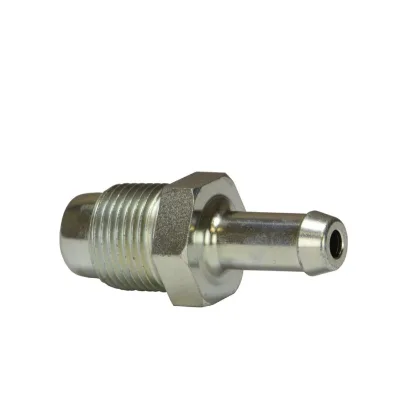
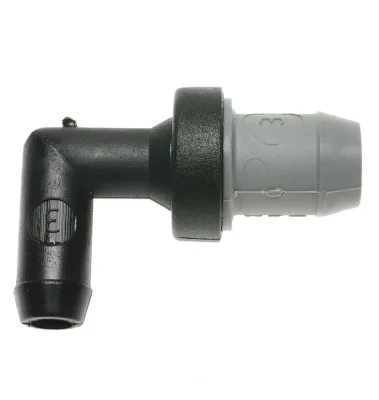
$0.16 - $0.31
MOQ: 100 pieces
Yichun Hengjin Auto Parts Co., Ltd.
- Verified by TüVRheinland
- Trading Company
- Lead time7 days
- Avg. response≤ 3h
Main productsFuel Injector, Auto Steering Parts, Auto Sensors, Valves & Valve Tappets
Main marketsSouth America(75%), North America(5%), Southeast Asia(5%)
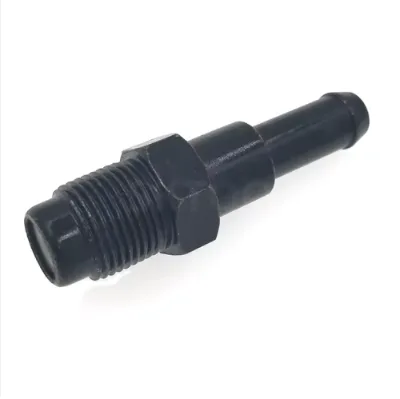
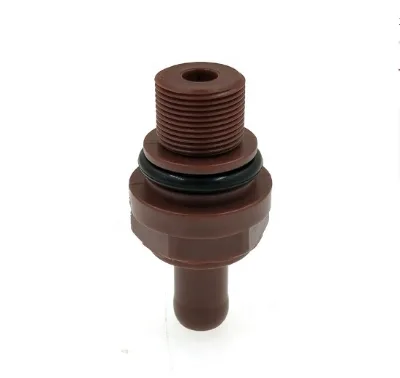
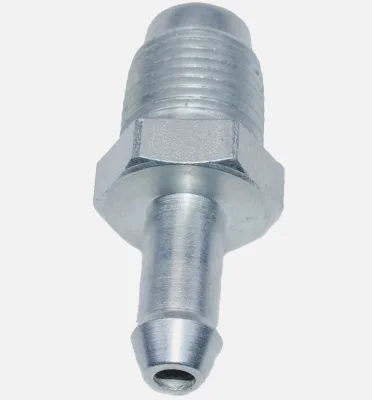
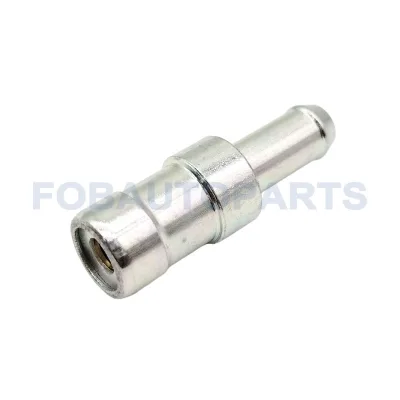
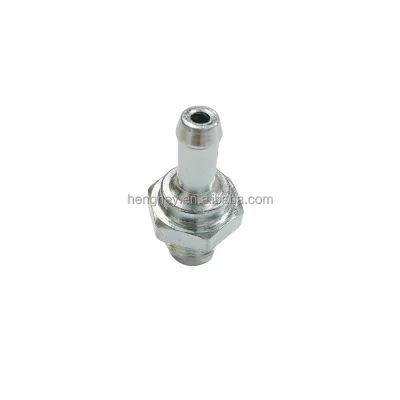
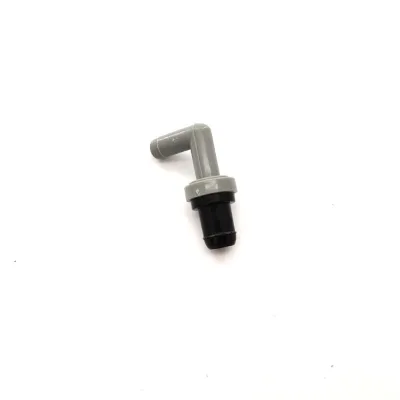
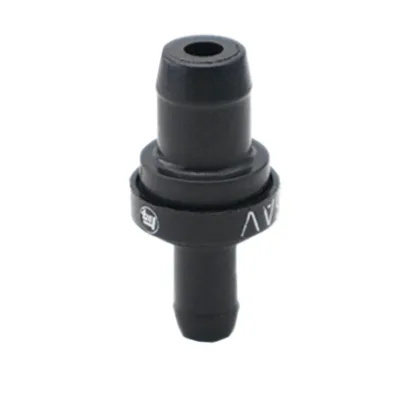
12204-31040 12204 31040 1220431040 PCV Valve for Lexus ES350 IS250 RX350 Toyota Camry Avalon
$1.50
MOQ: 10000 Minimum

Dongguan Yi Hui Forklift Co., Ltd.
- Verified by SGS
- Trading Company
- China Guangdong
- Lead time15 days
- Avg. response≤ 6h
Main productsForklift Parts Forklift Accessories Valve, Injection Pump Forklift Engine Parts Valve, Pump Engine Valve Forklift Parts, Cat Excavator Parts, Cat -/ C6.6/C7/C9/C13/C15 Engine, Toyota Way Multi-Way Valve for 7f/8f Forklift, Toyota Original Accessories for Forklif, Cat Walking Hydraulic Pump/Pump/Fuel Injection P, Toyota Fuel Injector or Forklift, Toyota Direction of The Machine for Forklift
Main marketsOthers(foreignTradeCapacity.exportBusinessCapacityMarketOther),Domestic
Guangzhou Fenway Auto Parts Co., Ltd.
- Trading Company
- Guangdong, China
- Lead time0 days
- Avg. response≤ 1h
Main productsOil Pump,Water Pump,Timing Chain Kit,Piston,Spark Plug
Main marketsAfrica(30.00%), Mid East(20.00%), South Asia(20.00%), Southeast Asia(20.00%), South America(10.00%)
Ruian Shengyue International Trade Co., Ltd.
- Trading Company
- Zhejiang, China
- Lead time0 days
- Avg. response≤ 4h
Main productsAutomotive fuel pressure regulator,Automotive fuel pressure valves,Pressure valve,Constant pressure valve,Pressure relief valve
Main marketsDomestic Market(1.00%), South Asia(1.00%), Southern Europe(1.00%), Northern Europe(1.00%), Central America(1.00%), Western Europe(1.00%), Eastern Asia(1.00%), Mid East(1.00%), Oceania(1.00%), Africa(1.00%), Southeast Asia(1.00%), Eastern Europe(1.00%), South America(1.00%), North America(1.00%)
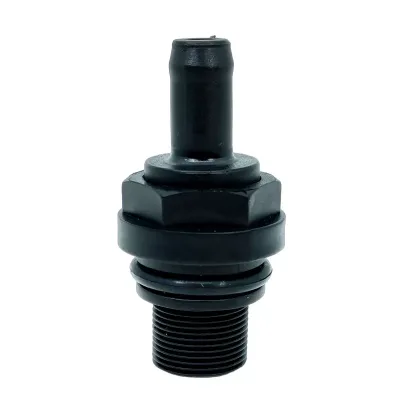
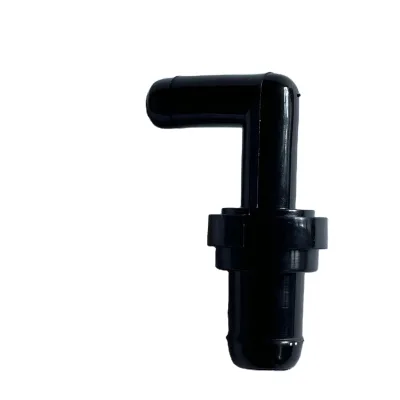
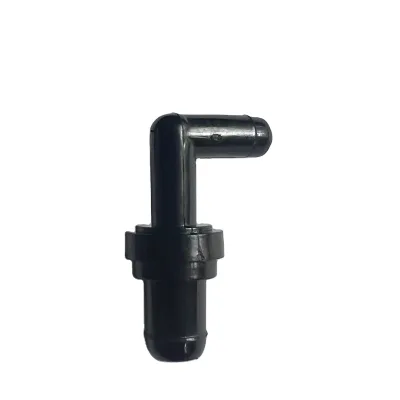
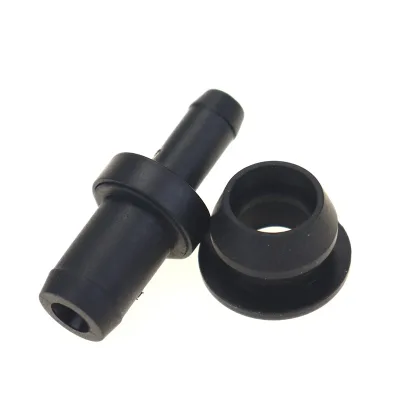
PCV Valves for Toyota Camry Takoma Lexus 12204-62010 12204-46030 12204-522020
$1.53 - $3.06
MOQ: 50 pieces
Wenzhou Ideer Auto Parts Co., Ltd
- Verified by BV
- Manufacturer/Factory
- China Zhejiang
- Lead time38 days
- Avg. response≤ 2h
Main productsDifferential, Steering Gear, Drive Shaft, Propeller Shaft, Brake Caliper, Steering Knuckle, Gearbox, Free Wheel Hub, Carburetor, Distributor
Main marketsSouth America,Eastern Europe,Mid East,North America,Southeast Asia,Eastern Asia,Oceania,Western Europe,Africa
Wenzhou Dert Industry And Trade Co., Ltd.
- Trading Company
- Zhejiang, China
- Lead time25 days
- Avg. response≤ 3h
Main productsENGINE MOUNT,BALL JOINT,CONTROL ARM,SENSOR,SWITCH
Main marketsSouth America(15.00%), Mid East(15.00%), Eastern Asia(10.00%), Northern Europe(10.00%), Africa(10.00%), Central America(10.00%), Western Europe(10.00%), South Asia(5.00%), Southeast Asia(5.00%), Eastern Europe(5.00%), North America(3.00%), Southern Europe(2.00%)
Guangzhou Ada Commerce Development Co., Ltd.
- Distributor/Wholesaler
- Guangdong, China
- Lead time0 days
- Avg. response≤ 8h
Main productsElectric System Auto Parts,EFI System Auto Parts,Sensors,Fuel Injectors,Solenoid Valves
Main marketsDomestic Market(90.00%), Eastern Europe(5.00%), North America(3.00%), South America(2.00%)
- Trading Company
- Lead time旺季: "1 - 300":25,"> 300":"To be negotiated", 淡季: "1 - 300":25,"> 300":"To be negotiated"
- Avg. response≤ 1h
Main productsIgnition Coils, Ignition Coil Rubber Boot, Fuel Injector, Fuel Pump, Fuel Injector Repair Kits
Guangzhou Jinshengxi Auto Parts Co., Ltd.
- Trading Company, Distributor/Wholesaler
- Guangdong, China
- Lead time3 days
- Avg. response≤ 2h
Main productsIgnition Coil,Car window lift switch,Fuel Pump,Crankshaft Sensor,Oxygen Sensor
Main marketsSouth America(35.00%), Eastern Europe(20.00%), North America(12.00%), Mid East(10.00%), Oceania(5.00%), Southeast Asia(4.00%), South Asia(2.00%), Southern Europe(2.00%), Northern Europe(2.00%), Central America(2.00%), Western Europe(2.00%), Eastern Asia(2.00%), Africa(2.00%)
Guangzhou Yaopei Auto Parts Co., Ltd .
- Trading Company, Distributor/Wholesaler
- Lead time旺季: "1 - 100":7,"101 - 500":15,"501 - 1000":30,"> 1000":"To be negotiated", 淡季: "1 - 100":7,"101 - 500":15,"501 - 1000":30,"> 1000":"To be negotiated"
- Avg. response≤ 4h
Main productsParking Sensor,Tpms Sensor,Fuel Rail Pressure Sensor,Power Window Switch,MAP Sensor
Guangzhou Jinshengxi Auto Parts Co., Ltd.
- Verified by SGS Group
- Trading Company
- Lead time3 days
- Avg. response≤ 2h
Main productsIgnition Coils, Car Sensors, Window Switches, Fuel Pumps, Fuel Injectors
Main marketsSouth America(50%), Southeast Asia(20%), Africa(20%)
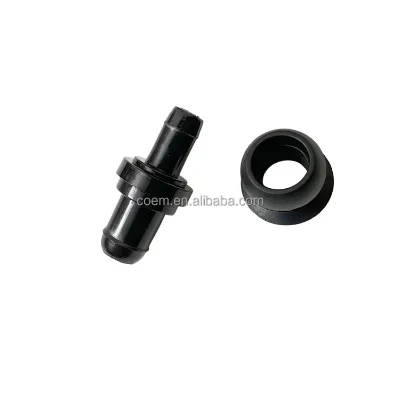
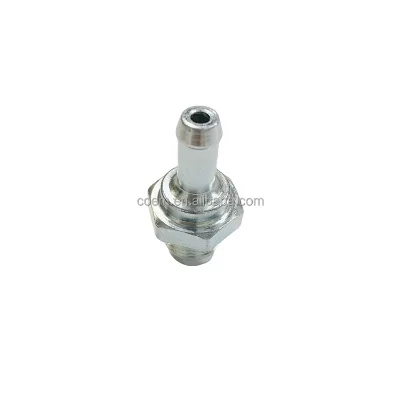
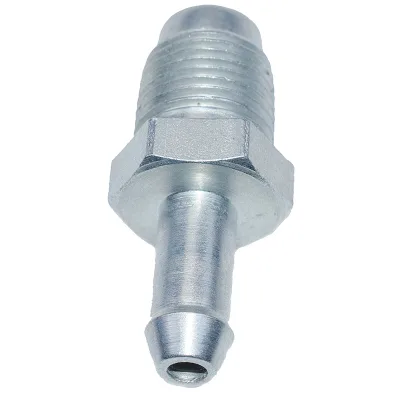
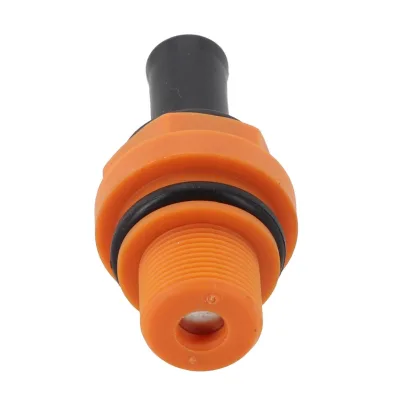
PVC Waste Valve PCV Valve 12204-37010 for Toyota Corolla C-HR Prius Valve Control PCV
$0.81 - $1.42
MOQ: 30 pieces
Chongqing Jns Import And Export Co., Ltd.
- Trading Company
- Chongqing, China
- Lead time2 days
- Avg. response≤ 4h
Main productsautomobile steering system,automobile suspension system,cooling system of automobile,Automobile fuel system,Auto Parts
Main marketsSouthern Europe(10.00%), Northern Europe(10.00%), Western Europe(10.00%), Eastern Asia(10.00%), Mid East(10.00%), Africa(10.00%), Southeast Asia(10.00%), Eastern Europe(10.00%), South America(10.00%), North America(10.00%)

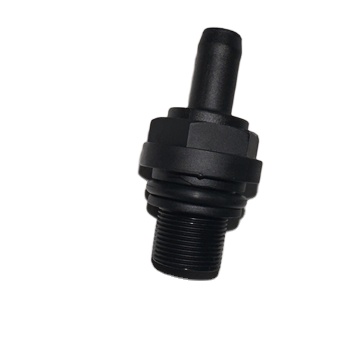
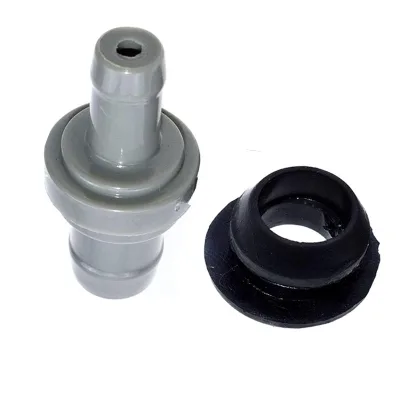
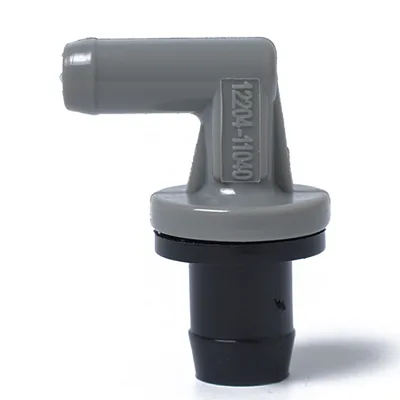
Auto Parts 12204-28030 PCV Valve for Toyota Camry Lexus Valvula PCV 12204-28030
$0.40 - $1.47
MOQ: 1 sets
Guangzhou Tang Pei Trading Co., Ltd.
- Verified by Intertek
- Trading Company
- Lead time3 days
- Avg. response≤ 4h
Main productsSensor, Injector, Control Valve, Ignition Coil, Air Flow Meter
Main marketsSouth America(23%), North America(22%), Southeast Asia(21%)
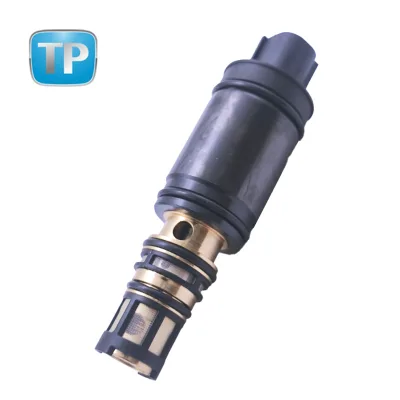
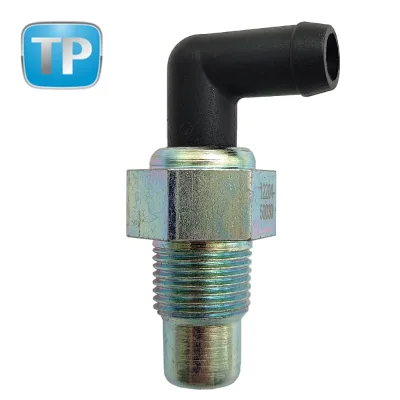
Compressor Control Valve for TOYota CAmry AValon LExus RX350 OEM 7SBH17C-6SBU16C 7SBH17C 6SBU16C
$20.00 - $23.00
MOQ: 5 pieces

Guangzhou Goson Autopart Co., Ltd
- Verified by BV
- Trading Company
- China Guangdong
- Lead time15 days
- Avg. response≤ 13h
Main productsIgnition Coil, Fuel Pump, Oil Nozzle, Fuel Oil Pump Assembly, Computer Board, Oxygen Sensor, Water Temperature Sensor, Idle Speed Motor
Main marketsDomestic

Hangzhou Halomount Automotive Components Co.,Ltd.
- Verified by BV
- Trading Company
- China Zhejiang
- Lead time30 days
- Avg. response≤ 3h
Main productsAuto Clutch, AC Compressor, Auto Accessory, Air Conditioning Parts, Auto Air Conditioning Spare Parts, Magnetic Cluch
Main marketsSouth America,Africa,Southeast Asia/ Mideast,Europe,North America

Guangzhou Ruchu Imp. & Exp. Co., Ltd
- Trading Company
- China Guangdong
- Lead time15 days
- Avg. response≤ 7h
Main productsAC Compressor, AC Condenser, AC Evporator, Clutch, Blower Motor, Fan, Fan Motor, Fitting, Rubber Hose, AC Tools
Main marketsAfrica,Southeast Asia/ Mideast,Europe
Ningbo Fenghua Gogo Automatic Trading Company Limited
- Trading Company
- Lead time旺季: "1 - 1000":30,"> 1000":"To be negotiated", 淡季: "1 - 1000":30,"> 1000":"To be negotiated"
- Avg. response≤ 8h
Main productsWater Pump,auto sensor,auto switch,Idle Air Control Valve For RENAULT OEM 7700859134 6NW009141-111 4.02003.59.0 AESP20912 70859134 556071 Idle Air Control Valve,Thermostat Housing
Ruian Changsheng Electric Appliance Co., Ltd.
- Verified by Intertek
- Manufacturer, Trading Company
- Lead time30 days
- Avg. response≤ 9h
Main productsStator, Starter Motor, Rectifier
Main marketsNorth America(60%), Western Europe(20%), Southeast Asia(20%)
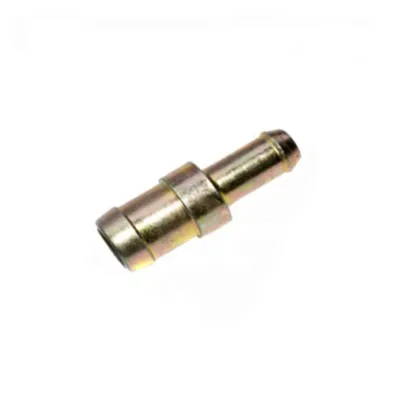
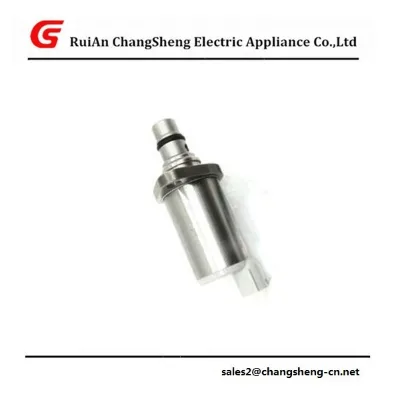
New Fuel Rail Pressure Suction Control Valve SCV for toyota 294200-0093 04226-0L010 CS
$1.00 - $12.00
MOQ: 20 Minimum
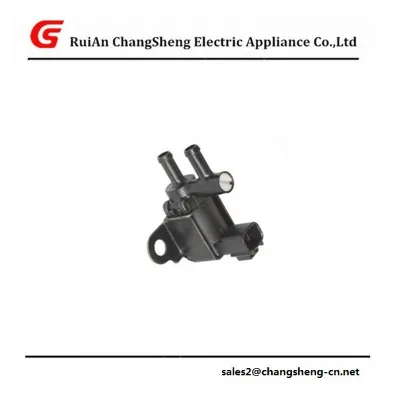
New Genuine Vacuum Solenoid Valve for Toyota 192000-3130
Contact supplier

Sichuan Mighty Machinery Co., Ltd.
- Verified by BV
- Manufacturer/Factory
- China Sichuan
- Lead time23 days
- Avg. response≤ 5h
Main productsAuto Bearing, Auto Parts, Motorcycle Parts, Power Transmission Parts, Wheel Bearing, Idler Pulley, Clutch Bearing, CV Joint, Belt Tensioner, Wheel Hub Assembly
Main marketsSouth America,Eastern Europe,Mid East,North America,Southeast Asia,Eastern Asia,Oceania,Western Europe,Africa

Guarantee Quality Engine Valve for Toyota 13711-60021 13711-61010 13711-61020
$0.99 - $2.99
MOQ: 1000 Pieces

High Quality Engine Valve for Toyota 1371137010 13711-38010 13711-38050
$0.99 - $2.99
MOQ: 1000 Pieces
Guangzhou Tianyu Auto Parts Co., Ltd.
- Manufacturer, Trading Company, Distributor/Wholesaler
- Guangdong, China
- Lead time7 days
- Avg. response≤ 5h
Main productsFuel injector,Ignition Coil,clock spring,Auto sensor,window switch
Main marketsDomestic Market(70.00%), Southeast Asia(8.68%), Mid East(6.86%), Eastern Europe(6.85%), South Asia(6.40%), South America(0.46%), Africa(0.34%), Oceania(0.23%), Western Europe(0.18%)
Guangzhou Xingcheng Auto Parts Co., Ltd.
- Trading Company, Distributor/Wholesaler, Other
- Guangdong, China
- Lead time0 days
- Avg. response≤ 2h
Main productsfull gasket,head gasket,valve seal,exhaust gasket,intake gasket
Main marketsSouth America(15.00%), North America(15.00%), Central America(10.00%), Africa(10.00%), Mid East(10.00%), Domestic Market(5.00%), South Asia(5.00%), Southern Europe(5.00%), Northern Europe(5.00%), Oceania(5.00%), Western Europe(5.00%), Eastern Asia(5.00%), Eastern Europe(5.00%)
Wenzhou Anbo Electronic Technology Co., Ltd.
- Verified by SGS
- Combined
- China Zhejiang
- Lead time15 days
- Avg. response≤ 2h
Main productsSuction Control Valve, Inlet Metering Valve, Pressure Limiting Valve, Pressure Control Valve, Fuel Inlet Metering Valve, Pressure Sensor, Solenoid Valve
Main marketsDomestic


Auto Parts Scv Valve 096360-0550 096360-0560 096360-0620 Suction Control Valve for Toyota
$47.00 - $55.00
MOQ: 5 Pieces

Auto Parts Scv Valve 096360-0580 0963600580 Fuel Pressure Regulator Valve for Toyota
$38.00 - $50.00
MOQ: 10 Pieces

Fuel Pressure Regulator 096360-0540 0963600540 Scv Suction Control Valve for Toyota
$40.00 - $50.00
MOQ: 10 Pieces

Auto Parts Fuel Pressure Suction Control Valve/ Scv 094200-0202 Dcrs301370 for Toyota
$17.50 - $24.50
MOQ: 10 Pieces

Auto/Diesel Injection Parts 096360-0550 096360-0560 096360-0620 Suction Control Valve for Toyota
$40.00 - $50.00
MOQ: 10 Pieces
Hangzhou Manlong Forklift Parts Co., Ltd.
- Verified by SGS
- Combined
- China Zhejiang
- Lead time15 days
- Avg. response≤ 4h
Main productsForlift Parts, Sensor, Joystick, Lamp, Brake, Gear, Pedal, Contactor, Switch, Cover
Main marketsSoutheast Asia/ Mideast,Europe
- Trading Company
- China Fujian
- Lead time30 days
- Avg. response≤ 12h
Main productsToilet Bidet, Toilet Bidet Attachment, Toilet Fill Valve, Toilet Flush Valve, Toilet Tank Fittings, Dual Flush Valve, Toilet Parts, Flush Valve, Toilet Fittings, Toilet Flush Sensor
Main marketsSouth America,Southeast Asia/ Mideast,Europe,Australia,North America
Fuzhou Xingji International Trade Co., Ltd.
- Trading Company
- Fujian, China
- Lead time15 days
- Avg. response≤ 7h
Main productsSwitch,Sensor,Door Handle,Door Lock,Radiator Hose
Main marketsNorth America(50.00%), Southern Europe(5.00%), Western Europe(5.00%), Mid East(5.00%), Northern Europe(5.00%), Africa(5.00%), Southeast Asia(5.00%), Eastern Europe(5.00%), South America(5.00%), Central America(3.00%), Oceania(3.00%)
Henan Guangzhikuo Auto Parts Co., Ltd.
- Trading Company
- Henan Province, China
- Lead time15 days
- Avg. response≤ 1h
Main productsOxygen Sensor,Fuel pump core,Fuel Pump Assembly,Throttle valve assembly,Water Temperature Sensor
Main marketsAfrica(20.00%), Southeast Asia(20.00%), Oceania(20.00%), South America(20.00%), North America(20.00%), Mid East(10.00%), Eastern Europe(10.00%)
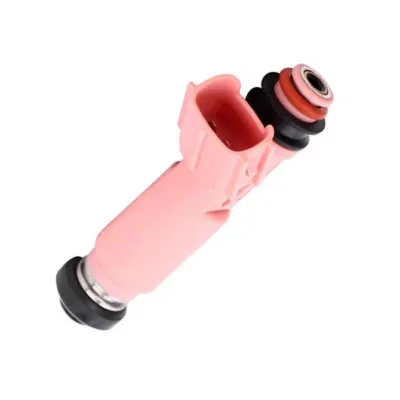
$20.00 - $25.00
MOQ: 20 pieces
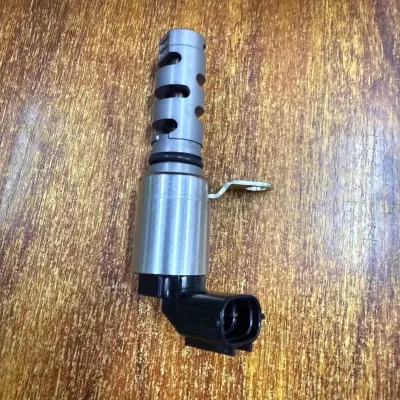
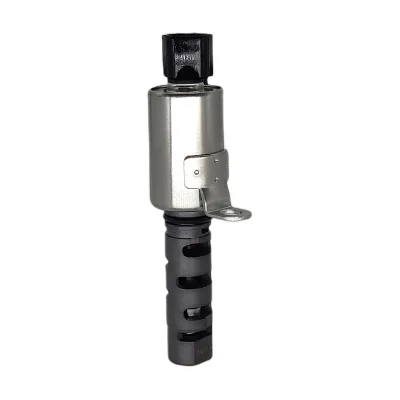
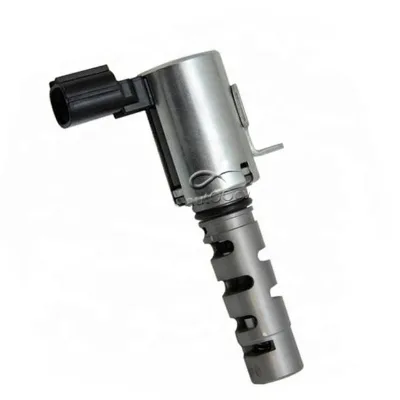
Applicable to Oil Control Valve 15330-0T020
$7.00 - $9.10
Guangzhou Haoxiang Auto Parts Co., Ltd.
- Trading Company
- Lead time旺季: "1 - 100":5,"> 100":"To be negotiated", 淡季: "1 - 100":5,"> 100":"To be negotiated"
- Avg. response≤ 1h
Main productsEGR Valve, Water Pump, Injector, Clutch Actuator, Ignition Coil
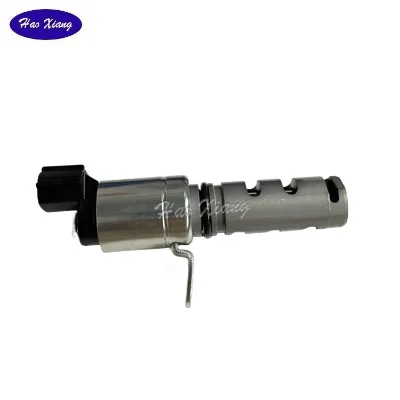
$9.26 - $15.44
MOQ: 10 pieces
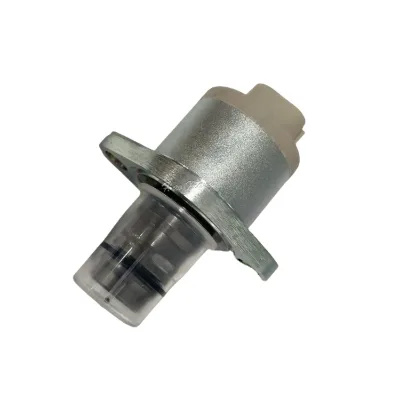
Auto Suction Control Valve 294200-0300 for Toyota
$12.80 - $14.00
Wenzhou Zhongking Parts Co., Ltd.
- Manufacturer, Trading Company
- Zhejiang, China
- Lead time7 days
- Avg. response≤ 4h
Main productsVVT solenoid,Oil Control Valve,Camshaft Phaser,Variable Valve Timing,Timing gear
Main marketsWestern Europe(48.00%), South America(15.00%), Eastern Europe(12.00%), North America(10.00%), Southern Europe(5.00%), Northern Europe(5.00%), Southeast Asia(5.00%)
Taian Dongtai Machinery Manufacturing Co., Ltd.
- Manufacturer, Trading Company
- Shandong, China
- Lead time0 days
- Avg. response≤ 2h
Main productsdiesel injection pump test bench,spare parts,common rail tester,injector,pumps
Main marketsSouthern Europe(20.00%), Eastern Asia(20.00%), Mid East(20.00%), Africa(20.00%), South America(20.00%)
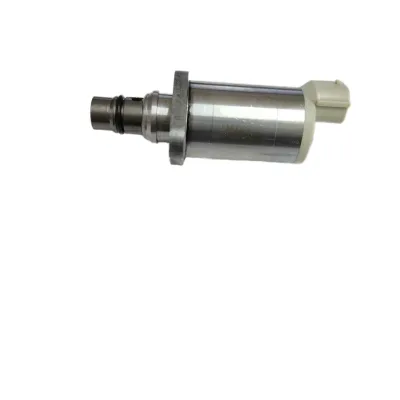
New SCV Valve 294200-0093 294200-0040 04226-0L010 04226-30010 for Toyota Hilux/Hiace 2DKFTV
$28.00 - $30.00
MOQ: 1 pieces
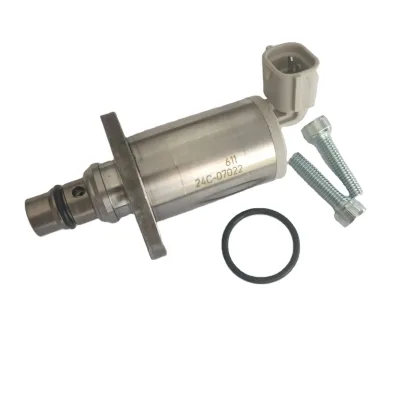

Jiangsu Jiasheng Petroleum Tech Co., Ltd.
- Verified by TUVRHEINLAND
- Combined
- China Jiangsu
- Lead time15 days
- Avg. response≤ 6h
Main productsFuel Nozzles, Ball Valve, Gas Station Parts, Water Truck Parts, Tank Truck Parts
Main marketsSouth America,Domestic
- Verified by SGS
- Trading Company,Manufacturer/Factory
- China Zhejiang
- Lead time0 days
- Avg. response≤ 8h
Main productsTools, Car Equipments, Rubber Material, Auto Parts, Slipper, Construction Hand Tool, Garden Tools, Hardware Tools, Food Packing Material
Main marketsSouth America,Eastern Europe,Mid East,North America,Southeast Asia,Eastern Asia,Oceania,Western Europe,Africa
Taian Dongtai Machine Manufacturing Co., Ltd.
- Verified by BV
- Combined
- China Shandong
- Lead time15 days
- Avg. response≤ 9h
Main productsSimulator, Test Bench, Engine Parts, Tools
Main marketsSouth America,Africa,Southeast Asia/ Mideast,North America


No. 510 (1) Control Valve 7135-486
Contact supplier
Guangzhou Harris Auto Parts Co., Ltd.
- Manufacturer, Trading Company, Buying Office, Agent, Distributor/Wholesaler, Government ministry/Bureau/Commission, Association, Business Service (Transportation, finance, travel, Ads, etc)
- Guangdong, China
- Lead time10 days
- Avg. response≤ 2h
Main productsElectrical Parts,Engine Parts,Chassis Parts,Transmission System,Cooling System
Main marketsMid East(20.00%), South America(20.00%), North America(20.00%), Eastern Asia(10.00%), Africa(10.00%), Southeast Asia(10.00%), Central America(5.00%), Eastern Europe(5.00%)


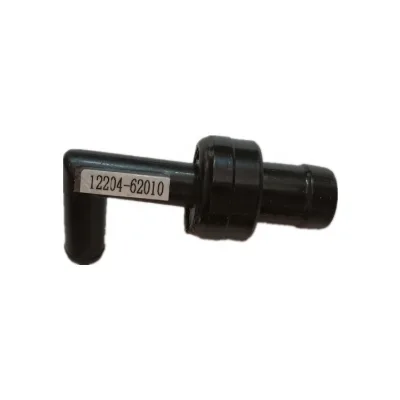


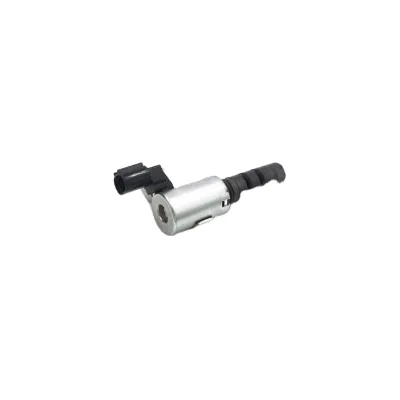
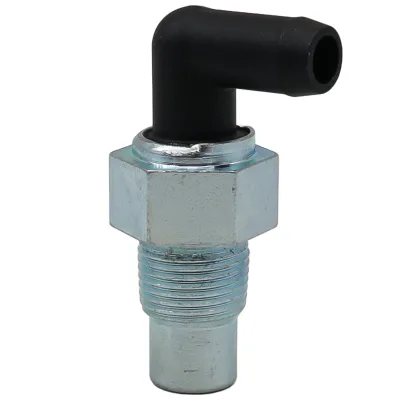
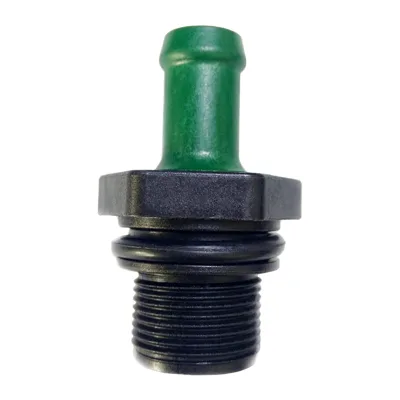
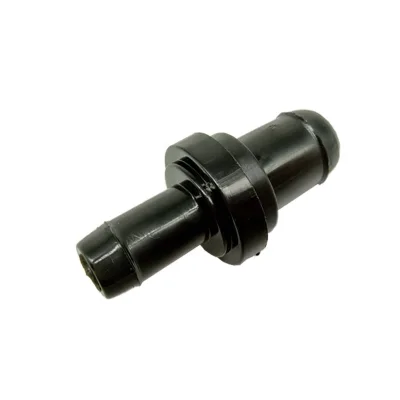
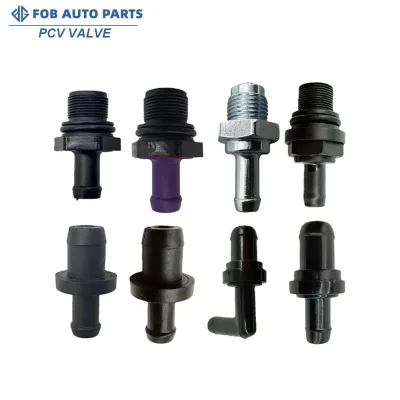
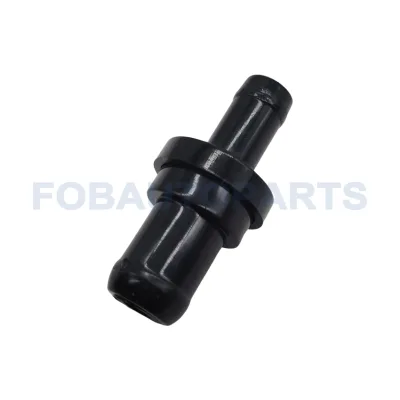
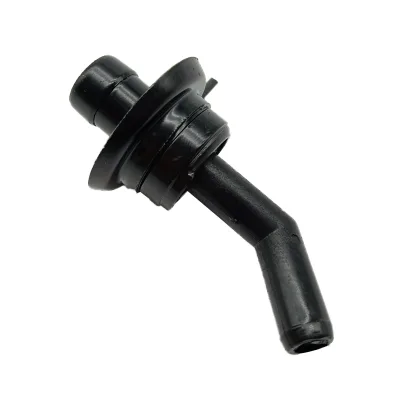
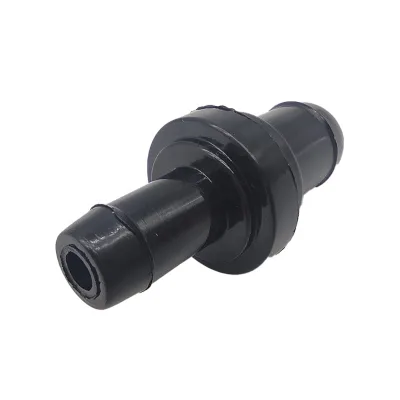
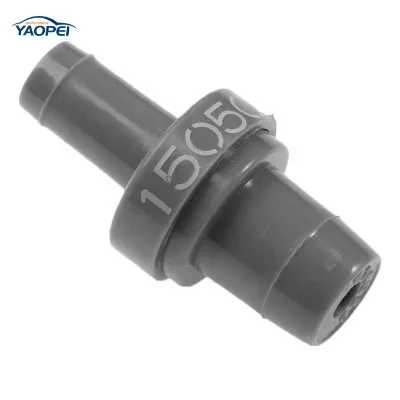
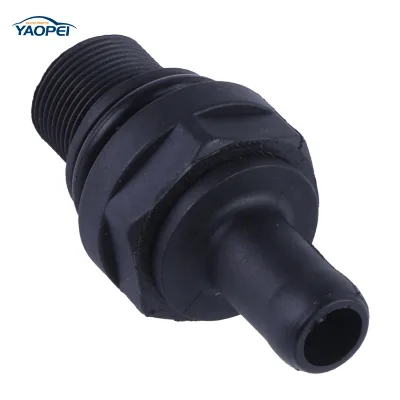
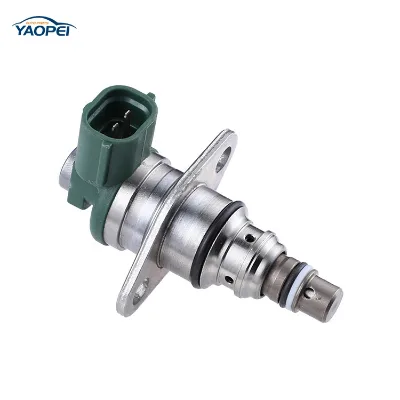


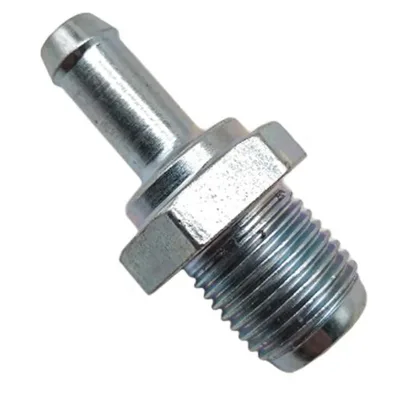
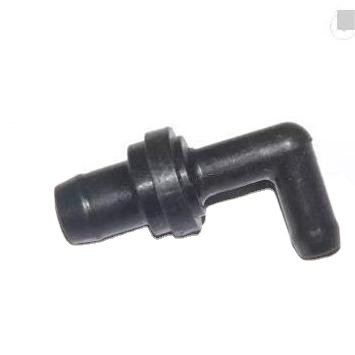
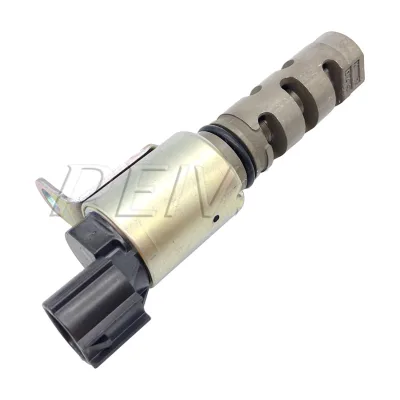
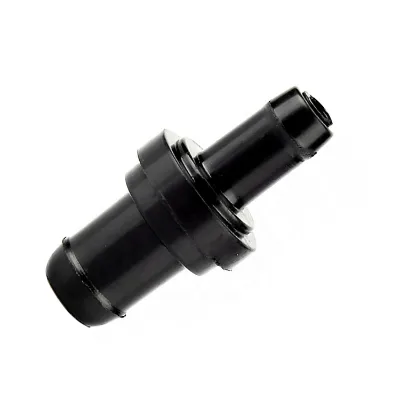
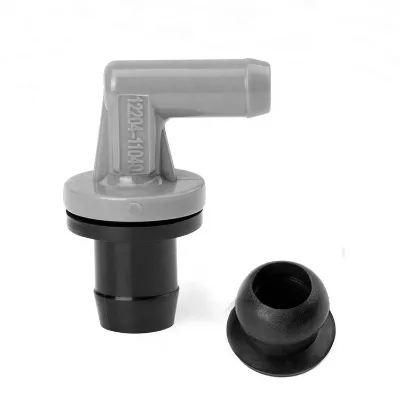




Comprehensive Sourcing Guide
For Toyota PCV Valve Supplier Concentration and Factory Types
The current search results indicate a concentration of suppliers located in Zhejiang, China, and Guangdong, China, for the specific category of For Toyota PCV Valve. These regions host a mix of trading companies and manufacturers specializing in auto engine systems and other auto parts. Some suppliers list main products including oil drain plugs, car clips, and cylinder head bolts, while others focus on fuel injectors, auto steering parts, and valves. This diversity suggests that buyers may encounter both specialized component factories and broader trading firms offering a wider range of automotive fasteners and engine systems.
When evaluating the factory type, it is essential to distinguish between trading companies and direct manufacturers based on the provided company type data. The available facts show several entities identified explicitly as trading companies, which often aggregate products from various sources rather than producing them in-house. Buyers should verify if a supplier claims manufacturing capabilities or if they function primarily as intermediaries. Understanding this distinction helps in assessing the depth of technical support available and the potential for customization, as trading companies may have different capacity constraints compared to factories with dedicated production lines for engine parts.
How to Verify For Toyota PCV Valve Suppliers
Verification of supplier credentials is critical when sourcing For Toyota PCV Valve components to ensure product authenticity and quality standards. The observed data includes specific verification badges such as TüVRheinland and SGS, which serve as third-party validations of a supplier's operational integrity. Buyers should prioritize suppliers displaying these specific certifications, as they indicate that the company has undergone rigorous external audits. However, the absence of a visible badge in a search result does not automatically disqualify a supplier; it simply means the buyer must request proof of these certifications directly before proceeding with any transaction.
Beyond external certifications, buyers must scrutinize the product attributes listed for each supplier to confirm alignment with Toyota specifications. Facts show specific model numbers like PCV1295DL and 12204-20010, along with OE numbers that must match the vehicle requirements. It is necessary to verify that the listed place of origin, such as Zhejiang or Guangdong, corresponds with the actual manufacturing location claimed by the supplier. Additionally, checking the warranty terms, which range from 12 months to 1 year in the data, provides insight into the supplier's confidence in their product durability. Buyers should request detailed test reports or quality control documents to validate these claims before finalizing any agreement.
What to Compare Across For Toyota PCV Valve Suppliers
Comparing suppliers requires a systematic analysis of key operational metrics such as lead time, minimum order quantity, and response speed. The data reveals significant variation in lead times, with some suppliers offering a 7-day turnaround while others indicate a 50-day production cycle. Similarly, minimum order quantities fluctuate widely, ranging from 50 pieces to 10,000 pieces depending on the specific product and supplier. Buyers must align these figures with their inventory needs and cash flow constraints to avoid overstocking or facing production delays. Response times also vary, with some suppliers responding within 3 hours and others taking up to 7 hours, which can impact the speed of negotiation and issue resolution.
Price and payment terms are another critical dimension for comparison across different For Toyota PCV Valve suppliers. The observed price ranges span from approximately $0.16 to $1.94 per unit, reflecting differences in material quality, brand, and order volume. Payment terms, such as the 30% T/T requirement noted in some listings, must be evaluated against the supplier's financial stability and the buyer's risk tolerance. Additionally, the main products offered by each supplier should be reviewed to ensure they can provide a comprehensive solution if the buyer requires related components like fuel injectors or auto sensors. A supplier with a broader product range might offer better logistical efficiency, but a specialized factory might provide superior technical expertise for specific valve models.
Common For Toyota PCV Valve Sourcing Risks
One significant risk in sourcing For Toyota PCV Valve components is the inconsistency in product specifications and origin claims. The data shows instances where the place of origin is listed as "original" or "Zhejiang, China," while other entries specify "Guangdong, China." This ambiguity can lead to confusion regarding the actual manufacturing source and the quality control standards applied. Buyers must verify that the OE numbers and model numbers provided match the exact requirements of their vehicle models, as discrepancies can result in parts that do not fit or function correctly. Relying solely on keyword matches without verifying the specific OE number against the vehicle manual can lead to costly returns and production stoppages.
Another risk involves the variability in warranty coverage and after-sales support. While some suppliers explicitly state a warranty of 12 months or 1 year, others simply list "Have" without defining the duration or terms of coverage. This lack of clarity can leave buyers unprotected in the event of premature failure or manufacturing defects. Furthermore, the single package size and gross weight data vary significantly, which can affect shipping costs and logistics planning. Buyers should ensure that the supplier provides clear documentation on warranty claims procedures and return policies. Without these details, the risk of financial loss increases, especially when dealing with high-volume orders where a single defective batch can disrupt the entire supply chain.
For Toyota PCV Valve Regional Sourcing and Logistics
Regional sourcing strategies for For Toyota PCV Valve should focus on the identified manufacturing hubs in Zhejiang and Guangdong, China. These regions are known for their robust automotive parts industries, offering a dense network of suppliers capable of meeting high-volume demands. However, buyers must be aware that logistics costs and lead times can vary depending on the specific port of origin and the shipping method selected. The data indicates that some products have a single gross weight of 1.000 kg, while others weigh up to 15.000 kg, which directly impacts freight charges and container utilization. Understanding these weight differences is essential for accurate cost estimation and efficient supply chain planning.
Logistics planning also requires attention to the packaging specifications provided by each supplier. The observed single package sizes range from compact 5x5x5 cm units to larger 40x30x40 cm boxes, which affects how many units can be shipped per container. Buyers should calculate the optimal order quantity based on these dimensions to maximize shipping efficiency and minimize per-unit freight costs. Additionally, the response time of the supplier can influence the speed of order processing and dispatch. A supplier with a faster response time, such as 3 hours, may be better equipped to handle urgent logistics requests or last-minute changes in shipping instructions. Buyers should factor these logistical variables into their overall sourcing strategy to ensure timely delivery.
For Toyota PCV Valve Commercial Terms and Order Planning
Commercial terms for For Toyota PCV Valve orders must be carefully negotiated to align with the buyer's financial and operational requirements. The data shows that payment terms can include specific percentages like 30% T/T, which is a common practice but requires clear agreement on the balance payment schedule. Buyers should also consider the impact of the minimum order quantity on their cash flow, as some suppliers require orders as low as 50 pieces while others demand 10,000 pieces. Understanding these thresholds is crucial for planning inventory levels and avoiding the financial strain of holding excessive stock or facing stockouts due to high MOQs.
Order planning should also account for the lead times and production capacity of the selected supplier. With lead times ranging from 7 to 50 days, buyers must schedule their orders well in advance to ensure timely delivery for their production schedules. The capacity for sample processing and customized on-demand services, as noted in some supplier profiles, offers flexibility for buyers needing specific modifications or prototypes. However, these custom services may extend the lead time or increase the unit cost. Buyers should establish a clear communication channel with the supplier to confirm production timelines and ensure that any custom requirements are met without compromising the overall delivery schedule.
FAQs
What is the minimum order quantity for PCV valves?
Minimum order quantities vary by supplier and specific model. Some listings require 50 pieces, while others set the threshold at 500 or even 10,000 units. Buyers should verify the exact MOQ for their chosen part number before placing an order to ensure compliance with supplier requirements.
Where are these PCV valves manufactured?
Most listed PCV valves originate from Zhejiang or Guangdong provinces in China. Specific product attributes confirm the place of origin as Zhejiang or Guangdong for various models. Buyers should check individual product details to confirm the exact manufacturing location for their specific order.
How long does it take to receive the order?
Lead times for these parts range from 7 to 50 days depending on the supplier. Some vendors offer a quick turnaround of one week, while others may require up to fifty days. Buyers must confirm the specific delivery timeline with the supplier before finalizing the purchase agreement.
What certifications do the suppliers hold?
Some suppliers hold ISO 9001 certification for their manufacturing processes. Additionally, certain companies have undergone verification by TüVRheinland or SGS. Buyers should request current certification documents to ensure the supplier meets the required quality standards for their specific automotive parts needs.
What is the price range for Toyota PCV valves?
Prices for these valves typically range from 0.16 to 1.94 US dollars per unit. The final cost depends on the specific model, quantity ordered, and supplier pricing policies. Buyers should compare multiple listings to find the best price that fits their budget and volume requirements.
How quickly do suppliers respond to inquiries?
Response times for supplier inquiries vary between 3 and 7 days. Some suppliers are known for faster communication, while others may take longer to reply. Buyers should expect a response within this window and follow up if no contact is made within the stated timeframe.
What warranty is provided for these parts?
Many suppliers offer a warranty period of one year or twelve months for their PCV valves. Some listings explicitly state that a warranty is available, while others may have different terms. Buyers should confirm the specific warranty duration and coverage details before completing their transaction.