Automotive Crankshaft Bearing Suppliers and Manufacturers
Explore 17 verified options for Automotive Crankshaft Bearing from factories in China Zhejiang and Guizhou. Compare response times, lead times, certifications like ISO 9001, and pricing ranges to find the right partner. Contact suppliers directly to request quotes; review the available evidence before requesting comparable quotations from suitable candidates.
Suppliers List
Zhejiang Judong Bearing Co., Ltd.
- Verified by TUVRHEINLAND
- Manufacturer/Factory
- China Zhejiang
- Lead time38 days
- Avg. response≤ 13h
Main productsBearing, Ball Bearing, Roller Bearing, Precision Bearing, Needle Bearing, Linear Guide and Block, Grease
Main marketsSouth America,Eastern Europe,Mid East,North America,Southeast Asia,Eastern Asia,Oceania,Western Europe,Africa

- Verified by SGS
- Trading Company
- China Guizhou
- Lead time23 days
- Avg. response≤ 16h
Main productsMachine Tool, Auto Spare Parts, Crankshaft, Camshaft, Packing Machine, Labeling Machine, Filling Machine, Crown Wheel and Pinion, Connecting Rod, Piston Ring
Main marketsAfrica

Taiho Bearings Factory Truck Car Engine Parts Diesel Engine Crankshaft
$80.00 - $150.00
MOQ: 10 Pieces


Automobile Parts Engine Spare Parts Car Accessories Motorcycle Crankshaft
$80.00 - $150.00
MOQ: 10 Pieces

FarmDiscover Agriculture Parts
- Verified by BV
- Trading Company,Manufacturer/Factory
- China Zhejiang
- Lead time30 days
- Avg. response≤ 10h
Main productsTractor Part, Rotary Tiller Parts, Harvester Parts, Tiller Blade, Agriculture Parts, Iron Mud Wheel, Gearbox, Piston, Diesel Engine Parts
Main marketsEastern Europe,North America,Southeast Asia,Eastern Asia,Western Europe,Africa
Hangzhou Huajida Auto Parts Co., Ltd.
- Trading Company
- China Zhejiang
- Lead time15 days
- Avg. response≤ 21h
Main productsJAC Truck Spare Part
Main marketsSouth America,Africa,Southeast Asia/ Mideast,Europe

Qingdao Yi Xin Yan Bearings Co.,Ltd.
- Verified by SGS
- Trading Company
- China Shandong
- Lead time23 days
- Avg. response≤ 9h
Main productsPillow Block Bearing, Insert Bearing, Bearing Housing, Pillow Blocks, Spherical Bearing, Deep Groove Ball Bearing, Bearing Pedestal, Plummer Blocks, Bearings, Auto Bearings
Main marketsOthers(foreignTradeCapacity.exportBusinessCapacityMarketOther),Southeast Asia/ Mideast,Europe
Hubei Xuanqing Automobile Industry And Trade Co., Ltd.
- Trading Company
- Hubei, China
- Lead time0 days
- Avg. response≤ 1h
Main productspiston,starter,crankshaft,sensor,seak kits
Main marketsWestern Europe(50.00%), South America(50.00%)
Guangzhou Disong Machinery Equipment Co., Ltd.
- Trading Company,Manufacturer/Factory
- China Guangdong
- Lead time15 days
- Avg. response≤ 14h
Main productsExcavator Part, Machinery Engine Part, Wheel Loader Part, Bulldozer Parts, Dump Truck Parts, Generator Set Parts, Heavy Truck Parts, Hydraulic Parts, Electronic Parts, Seal and Gasket
Main marketsSouth America,Eastern Europe,Mid East,North America,Southeast Asia,Eastern Asia,Oceania,Western Europe,Africa
Jinhua Sanye Auto Parts Co., LTD.
- Verified by BV
- Trading Company
- China Zhejiang
- Lead time30 days
- Avg. response≤ 6h
Main productsTractor Hydraulic Pump, Tractor Gear, Oil Pump, Repair Kit, Car Spare Parts, Auto Engine Parts
Main marketsSoutheast Asia/ Mideast,East Asia(Japan/ South Korea),Europe,North America


Rear Propeller Driveshaft Driving Center Bearing High Quality Automotive Components
$0.09 - $0.21
MOQ: 1000 Pieces


Automotive Parts Transmission Shaft Transmission Shaft Center Bearing Bracket
$0.09 - $0.21
MOQ: 1000 Pieces


Luoyang Bearing Research Institute Co., Ltd.
- Manufacturer
- China Henan
- Lead time30 days
- Avg. response≤ 7h
Main productsBearings, Spindles, Precision Bearing Instruments, Bearing Testing Machines, Bearing Manufacturing Machines, Bearing Relevant Materials, Slewing Bearing, Bearing for Wind Turbine Generator, Large Size Bearing, Bearing Ball
Main marketsEurope
Beijing Xlhj International Trading Co., Ltd.
- Trading Company
- China Beijing
- Lead time30 days
- Avg. response≤ 24h
Main productsWheel Loader, Excavator, Bulldozer, Spare Parts, Drilling Machinery, Stone Processing Machinery, Oil Production Equipment, Engine Parts, Dozer Parts, Motor Grader
Main marketsSouth America,Africa,Southeast Asia/ Mideast,East Asia(Japan/ South Korea),Europe,Australia,North America
Hejian Dali Automotive Parts Co., Ltd
- Verified by SGS
- Combined
- China Hebei
- Lead time15 days
- Avg. response≤ 7h
Main productsClutch Disc, Clutch Cover, Clutch Kit, Clutch Bearing, Clutch Facing, Brake Linings, Adjustment Arm, Brake Chamber
Main marketsDomestic


Support Customization Clutch Release Bearing with Truck Clutch Disc Auto Parts
$5.00 - $25.00
MOQ: 1 Pieces

Hangzhou Huayutai Auto Parts Co., Ltd.
- Verified by SGS
- Manufacturer/Factory
- China Zhejiang
- Lead time60 days
- Avg. response≤ 22h
Main productsDrive Shafts, Cardan Shaft, Universal Joints, U-Joints, Needle Roller, Pto Shafts, Driveline, Propeller Shafts
Main marketsSouth America,Eastern Europe,Mid East,North America,Southeast Asia,Eastern Asia,Oceania,Western Europe,Africa

MOQ: 500 Pieces

MOQ: 100 Pieces

MOQ: 200 Pieces


MOQ: 500 Pieces

Baoding Xinlongtongda Trade Co., Ltd.
- Trading Company
- China Hebei
- Lead time30 days
- Avg. response≤ 16h
Main productsInvestment Casting, Sand Casting, Die Casting, Lost Wax Casting, CNC Machining, Ratchet Tie Down, Precision Casting, Forging, Stamping Parts, Steel Casting
Main marketsDomestic,Europe,North America
Dynamic Energy (Dongying) Co., Ltd.
- Verified by SGS
- Combined
- China Shandong
- Lead time30 days
- Avg. response≤ 20h
Main productsGas Engine, Gas Generator Set, Generator Set, Natural Gas Generator, Biogas Generator, Syngas Generator, Coal Gas Generator, Wood Gas Generator, Flue Gas Generator
Main marketsNorth America
LUOYANG RELIABLE MACHINERY PARTS CO., LTD
- Verified by BV
- Trading Company
- China Henan
- Lead time30 days
- Avg. response≤ 8h
Main productsVolvo Parts Jcb Parts Grader Parts, Engine Part Excavator Part, Construction Machinery Parts, Heavy Machinery Parts, Earthmoving Equipment Part, Pins Bushing, Wear Strip, Heavy Equipment Parts
Main marketsSouth America,Africa,Southeast Asia/ Mideast,East Asia(Japan/ South Korea),Europe,Australia,North America


MOQ: 10 Pieces

MOQ: 10 Pieces

MOQ: 10 Pieces

MOQ: 10 Pieces
Linqing Liaofan Bearing Co., Ltd.
- Combined
- China Shandong
- Lead time15 days
- Avg. response≤ 25h
Main productsBearing Roller Bearing
Main marketsDomestic
Shanghai Pengyu Machinery Equipment Co., Ltd
- Trading Company,Manufacturer/Factory,Group Corporation
- China Shanghai
- Lead time90 days
- Avg. response≤ 4h
Main productsRotary Kiln, Dry Process Rotary Kiln, Wet Process Rotary Kiln, Rotary Kiln for Nonferrous Metallurgical Lndustr, Cement Grinding, Cement Mill, Rolling Machine, Production Line, Cement Mill Accessories, Rotary Kiln Accessories
Main marketsSouth America,Eastern Europe,Mid East,North America,Southeast Asia,Eastern Asia,Oceania,Western Europe,Africa




Comprehensive Sourcing Guide
Automotive Crankshaft Bearing Supplier Concentration and Factory Types
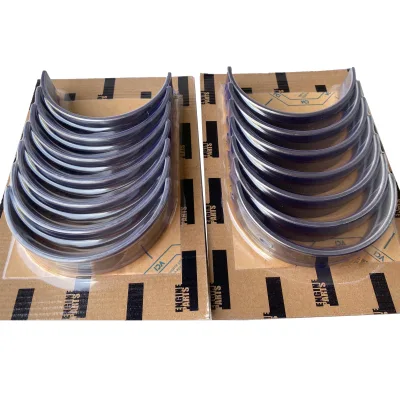
Current search results indicate a concentration of manufacturing activity in China, specifically within the Zhejiang and Guizhou provinces. These regions host a mix of Manufacturer/Factory entities and Trading Companies that specialize in automotive components. The Zhejiang-based suppliers often list Bearing, Ball Bearing, Roller Bearing, and Precision Bearing as their primary products, suggesting a deep industrial cluster focused on precision machining. In contrast, suppliers in Guizhou frequently highlight broader machinery and engine parts, including Crankshaft, Camshaft, and Connecting Rods, indicating a diverse manufacturing base that supports heavy-duty and agricultural applications alongside standard automotive needs.
When evaluating the factory type, buyers must distinguish between direct manufacturers and trading intermediaries. The data shows that some entities operate as pure Manufacturers with OEM and ODM capabilities, while others function as Trading Companies or hybrid entities combining both roles. This distinction is critical because a Manufacturer typically controls the production process and quality assurance directly, whereas a Trading Company may source from multiple factories. Buyers should verify the company type listed in the supplier profile to understand the supply chain structure. A direct factory relationship often implies better control over lead times and customization, while a trading company might offer a wider range of compatible parts from different sources.
How to Verify Automotive Crankshaft Bearing Suppliers
Verification is a critical step when sourcing automotive crankshaft bearings, as the market includes entities with varying levels of third-party validation. Some suppliers in the current results display verification badges from recognized bodies such as TÜV Rheinland, SGS, and BV. These certifications serve as an initial indicator of operational legitimacy and adherence to specific safety or quality protocols. However, the presence of a verification badge alone does not guarantee product performance. Buyers must cross-reference these claims with the specific system certifications listed, such as TS 16949, ISO 14001, or ISO 9001, which are explicitly mentioned for certain manufacturers. These standards indicate that the supplier has a documented quality management system relevant to the automotive industry.
Beyond external verification, buyers should scrutinize the specific product evidence provided in the supplier listings. Detailed product attributes, such as material composition (e.g., Chrome Steel), tolerance levels (e.g., P), and specific bearing types (e.g., Tapered Roller Bearings), provide tangible proof of technical capability. For instance, listings that specify clearance types and suitable car brands like Volkswagen demonstrate a focus on precision engineering. Buyers should also check for after-sales service details, such as warranty terms and installation support, which reflect the supplier's confidence in their products. If a supplier lacks specific product attributes or verification badges, the buyer must request direct documentation or samples before proceeding, as the absence of these facts suggests a need for further due diligence.
What to Compare Across Automotive Crankshaft Bearing Suppliers
When comparing potential partners, buyers should prioritize operational metrics such as response time, lead time, and minimum order quantity (MOQ). The data reveals significant variation in these areas; for example, response times range from approximately 9.93 to 20.45 hours, while lead times vary from 15 to 38 days. A supplier with a shorter lead time, such as 15 days, may be preferable for urgent orders, whereas a longer lead time of 38 days might indicate a more complex production process or higher capacity utilization. Similarly, MOQs differ widely, with some suppliers requiring as few as one unit, while others demand 1,000 units. This disparity allows buyers to align their order volume with supplier capabilities, ensuring they do not over-commit to high MOQs or struggle with suppliers who cannot handle small batch customizations.
Price and customization options are also essential comparison points that vary significantly across the supplier pool. Price ranges observed in the results span from as low as $0.34 for specific bearing shells to $150 for complete crankshaft assemblies. Buyers must evaluate whether the price correlates with the specified certifications and material quality, such as Chrome Steel or specific ISO standards. Additionally, the availability of customization is a key differentiator; some suppliers explicitly state that customization is available for models and packing, while others adhere strictly to standard specifications. Comparing these factors helps buyers identify suppliers that offer the best balance of cost, speed, and flexibility for their specific automotive requirements, ensuring the selected partner can meet both technical and commercial expectations.
Common Automotive Crankshaft Bearing Sourcing Risks
One significant risk in sourcing automotive crankshaft bearings is the potential mismatch between claimed certifications and actual product quality. While some suppliers list TS 16949 or ISO 9001, the absence of specific test results or detailed material certifications in the product evidence can create uncertainty. Buyers must be cautious of listings that mention certifications broadly without linking them to the specific bearing model or batch. Furthermore, the variation in product attributes, such as the type of bearing (e.g., Tapered Roller vs. Spherical Roller) and tolerance levels, introduces a risk of selecting the wrong component for a specific engine application. If a buyer assumes a standard specification without verifying the exact tolerance or material grade, the resulting part may fail under operational stress.
Another risk involves the reliability of delivery timelines and the consistency of supply chain logistics. Lead times in the current data range from 15 to 60 days, with some suppliers offering delivery windows as wide as 7 to 60 days. This variability can disrupt production schedules, especially for automotive manufacturers with just-in-time requirements. Additionally, the distinction between Manufacturer and Trading Company can impact supply chain transparency. A trading company might aggregate orders from multiple factories, potentially leading to inconsistencies in quality or delays if one of the upstream suppliers faces issues. Buyers should verify the origin of the goods and the specific production capacity of the supplier to mitigate these risks, ensuring that the supply chain is robust enough to handle fluctuations in demand or production bottlenecks.
Automotive Crankshaft Bearing Regional Sourcing and Logistics
Sourcing from China, particularly from the Zhejiang and Guizhou provinces, offers access to a dense network of automotive component manufacturers. The Zhejiang region is noted for its concentration of precision bearing factories, which often provide a wide array of products including linear guides and grease alongside crankshaft bearings. This clustering effect can facilitate faster logistics and better communication due to the proximity of related industries. However, buyers must account for the geographical distance when planning shipping schedules. The lead times observed, ranging from 15 to 38 days, likely include both production time and domestic logistics within China before international shipping begins. Understanding this regional dynamic helps buyers set realistic expectations for order fulfillment.
Logistics planning must also consider the specific packaging and shipping standards provided by the supplier. Some listings indicate standard packaging, while others offer customized packing solutions, such as wooden pallets or specific crates for heavy-duty parts. The choice of packaging can significantly impact shipping costs and the safety of the bearings during transit. For instance, heavy crankshafts or large bearing assemblies may require reinforced packaging to prevent damage. Buyers should verify the packing details in the product attributes to ensure they align with their shipping requirements. Additionally, the origin of the product, confirmed as China in the data, means that import duties and customs regulations in the destination country will apply. Buyers should factor these logistical and regulatory costs into their total landed cost calculations to avoid unexpected expenses.
Automotive Crankshaft Bearing Commercial Terms and Order Planning
Commercial terms regarding pricing and minimum order quantities are pivotal in the finalization of any procurement agreement. The data shows a wide spectrum of pricing, from $0.34 for individual bearing shells to $150 for complete crankshaft units, with MOQs varying from single units to 1,000 pieces. This flexibility allows buyers to tailor their orders based on budget and inventory needs. However, buyers must carefully review the price ranges to understand if they represent a fixed unit price or a tiered structure based on volume. Some suppliers may offer discounts for larger orders, which is a common practice in the manufacturing sector. Clarifying these terms early in the negotiation process ensures that the final cost aligns with the buyer's financial planning and procurement strategy.
Order planning should also incorporate the supplier's response time and after-sales support capabilities. Response times in the current results range from roughly 10 to 20 hours, which can impact the speed of communication during the negotiation and order placement phases. A faster response time often indicates a more responsive sales team, which is crucial for resolving technical queries or addressing urgent order changes. Furthermore, after-sales services, such as warranty periods and installation support, are critical for long-term reliability. Some suppliers offer full after-sales support with warranties, while others may have limited coverage. Buyers should prioritize suppliers who provide comprehensive support and clear warranty terms to mitigate the risk of product failure. By integrating these commercial and support factors into their order planning, buyers can establish a sustainable and reliable supply chain for automotive crankshaft bearings.
FAQs
What certifications do Automotive Crankshaft Bearing suppliers hold?
Suppliers in the results hold ISO 9001, TS 16949, ISO 14001, and CE certifications. Some listings also mention warranty periods of 12 months. Verify specific system certifications with the supplier before ordering to ensure compliance with your regional standards.
What is the typical lead time for crankshaft bearing orders?
Lead times vary between 15 and 38 days depending on the supplier and product type. Some manufacturers offer delivery within 7 to 60 days for custom orders. Check the specific lead time listed for your selected item to plan your production schedule accurately.
What are the minimum order quantities for these bearings?
Minimum order quantities range from 1 unit for some automotive parts to 1000 units for bearing shells. Specific products like crankshaft bearings may require a minimum of 5 or 10 units. Always confirm the MOQ for the exact model number you intend to purchase.
Where are the manufacturers of these bearings located?
Manufacturers and trading companies are located in China, specifically in Zhejiang and Guizhou provinces. Products originate from these regions and are shipped globally. Verify the exact factory location with the supplier to assess logistics costs and shipping times for your destination.
Do suppliers offer customization for crankshaft bearings?
Yes, customization is available for many products including OEM and ODM services. Suppliers can provide standard specifications or customized designs based on your requirements. Confirm the customization options and any additional costs with the supplier before finalizing your order details.
What is the price range for automotive crankshaft bearings?
Prices vary significantly, ranging from 0.34 to 150.00 per unit depending on the type and specifications. Some specific models are priced between 60.00 and 70.00. Request a detailed quote for your specific quantity and model to get an accurate price estimate.
How quickly do suppliers respond to inquiries?
Response times observed in the results range from 9.93 to 20.45 hours. Faster response times are available from certain manufacturers and trading companies. Contact the supplier directly to confirm their current response time and ensure timely communication regarding your sourcing needs.