Replacement Injection Valves for Toyota Suppliers And Manufacturers
Source Replacement Injection Valves for Toyota from 22 verified suppliers. Compare response times, lead times, and MOQs to find the right partner. Review product specifications and request quotes today; review the available evidence before requesting comparable quotations from suitable candidates.
Suppliers List

Dongguan Yi Hui Forklift Co., Ltd.
- Verified by SGS
- Trading Company
- China Guangdong
- Lead time15 days
- Avg. response≤ 6h
Main productsForklift Parts Forklift Accessories Valve, Injection Pump Forklift Engine Parts Valve, Pump Engine Valve Forklift Parts, Cat Excavator Parts, Cat -/ C6.6/C7/C9/C13/C15 Engine, Toyota Way Multi-Way Valve for 7f/8f Forklift, Toyota Original Accessories for Forklif, Cat Walking Hydraulic Pump/Pump/Fuel Injection P, Toyota Fuel Injector or Forklift, Toyota Direction of The Machine for Forklift
Main marketsOthers(foreignTradeCapacity.exportBusinessCapacityMarketOther),Domestic
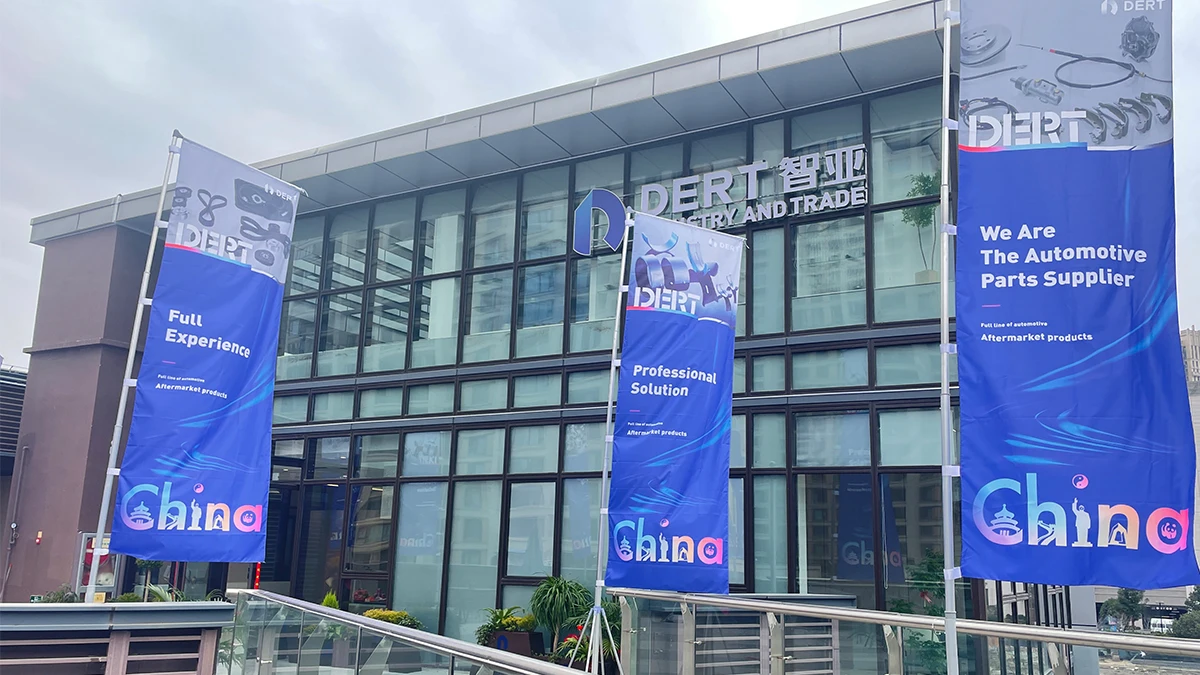
Wenzhou Dert Industry And Trade Co., Ltd.
- Trading Company
- Zhejiang, China
- Lead time25 days
- Avg. response≤ 3h
Main productsENGINE MOUNT,BALL JOINT,CONTROL ARM,SENSOR,SWITCH
Main marketsSouth America(15.00%), Mid East(15.00%), Eastern Asia(10.00%), Northern Europe(10.00%), Africa(10.00%), Central America(10.00%), Western Europe(10.00%), South Asia(5.00%), Southeast Asia(5.00%), Eastern Europe(5.00%), North America(3.00%), Southern Europe(2.00%)

Zhejiang Kangsong Power Technology Co., Ltd.
- Verified by SGS
- Combined
- China Zhejiang
- Lead time60 days
- Avg. response≤ 5h
Main productsFuel Pump, High-Pressure Fuel Pump, Motorcycle Assembly, Fuel Pump Assembly, Vvt Valve, Fuel Injector, Fuel Filter, Oxygen Sensor, Oil Level, Pessure Valve
Main marketsEurope

Variable Valve Timing Oil Control Valve 15330-21030 15330-21040 Replacement Quality Toyota
$4.50 - $5.00
MOQ: 50 Pieces

15330-20010 15330-20011 Variable Valve Timing Oil Control Valve for Toyota
$5.00 - $5.50
MOQ: 50 Pieces
- Manufacturer/Factory
- China Fujian
- Lead time0 days
- Avg. response≤ 13h
Main productsToilet Bidet, Toilet Bidet Attachment, Toilet Fill Valve, Toilet Flush Valve, Toilet Tank Fittings, Dual Flush Valve, Toilet Parts, Flush Valve, Toilet Fittings, Toilet Flush Sensor

MOQ: 1000 Pieces

MOQ: 1000 Pieces

MOQ: 100
Henan Guangzhikuo Auto Parts Co., Ltd.
- Trading Company
- Henan Province, China
- Lead time15 days
- Avg. response≤ 1h
Main productsOxygen Sensor,Fuel pump core,Fuel Pump Assembly,Throttle valve assembly,Water Temperature Sensor
Main marketsAfrica(20.00%), Southeast Asia(20.00%), Oceania(20.00%), South America(20.00%), North America(20.00%), Mid East(10.00%), Eastern Europe(10.00%)

Xiamen Sinoin Industry Co., Ltd.
- Verified by SGS
- Trading Company
- China Fujian
- Lead time30 days
- Avg. response≤ 3h
Main productsFuel Injector, Engine Control Unit, Engine Control Module, Urea Pump, DPF, Injection Pump
Main marketsEurope

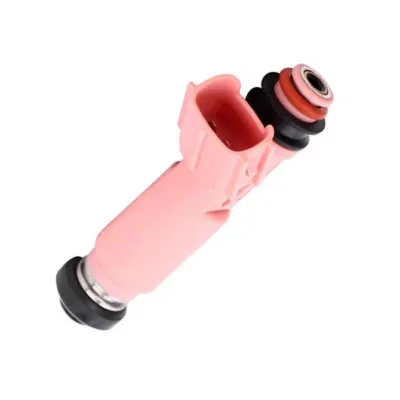
23670-30440 High Quality Diesel Fuel Injector Fits/Compatible with Toyota
$186.00 - $195.00
MOQ: 1 Pieces

23670-0L110 High Quality Diesel Fuel Injector Fits/Compatible with Toyota
$73.90 - $77.50
MOQ: 1 Pieces

23670-30190 High Quality Diesel Fuel Injector Fits/Compatible with Toyota
$73.90 - $77.50
MOQ: 1 Pieces

295050-3090 High Quality Diesel Fuel Injector Fits/Compatible with Toyota
$77.50 - $80.90
MOQ: 1 Pieces

23670-09360 High Quality Diesel Fuel Injector Fits/Compatible with Toyota
$76.00 - $81.00
MOQ: 1 Pieces

295050-0210 High Quality Diesel Fuel Injector Fits/Compatible with Toyota
$69.80 - $72.90
MOQ: 1 Pieces
Guangzhou Yakexi Auto Parts Co., Ltd.
- Verified by SGS
- Trading Company
- China Guangdong
- Lead time15 days
- Avg. response≤ 6h
Main marketsAfrica

Hangzhou Halomount Automotive Components Co.,Ltd.
- Verified by BV
- Trading Company
- China Zhejiang
- Lead time30 days
- Avg. response≤ 2h
Main productsAuto Clutch, AC Compressor, Auto Accessory, Air Conditioning Parts, Auto Air Conditioning Spare Parts, Magnetic Cluch
Main marketsSouth America,Africa,Southeast Asia/ Mideast,Europe,North America
Guangzhou Kaimin Trading Co., Ltd.
- Verified by TüVRheinland
- Trading Company
- Lead time5 days
- Avg. response≤ 3h
Main productsCar Sensors, Ignition Coil, Fuel Injector, Car Door Lock, Control Valve
Main marketsNorth America(28%), South America(28%), Eastern Europe(8%)

Wenzhou Bee Automobile Parts Co., Ltd.
- Verified by SGS
- Manufacturer/Factory
- China Zhejiang
- Lead time23 days
- Avg. response≤ 4h
Main productsThrottle Body, Mass Air Flow Sensor, Oxygen Sensor, Nox Sensor, Fuel Injector, Carburetor, Ignition Distributor, Ignition Coil, EGR Valve, Thermostat Housing
Main marketsSouth America,Eastern Europe,North America,Southeast Asia,Eastern Asia,Oceania,Africa
Wenzhou Anbo Electronic Technology Co., Ltd.
- Verified by SGS
- Combined
- China Zhejiang
- Lead time15 days
- Avg. response≤ 4h
Main productsSuction Control Valve, Inlet Metering Valve, Pressure Limiting Valve, Pressure Control Valve, Fuel Inlet Metering Valve, Pressure Sensor, Solenoid Valve
Main marketsDomestic

294200-0040 Injection Pressure Regulator 04226-0L010 Scv Suction Control Valve for Toyota
$25.00 - $30.00
MOQ: 50 Pieces

Auto/Diesel Injection Parts 096360-0550 096360-0560 096360-0620 Suction Control Valve for Toyota
$40.00 - $50.00
MOQ: 10 Pieces

Auto Parts Scv Valve 096360-0550 096360-0560 096360-0620 Suction Control Valve for Toyota
$47.00 - $55.00
MOQ: 5 Pieces

Auto Parts Scv Valve 096360-0580 0963600580 Fuel Pressure Regulator Valve for Toyota
$38.00 - $50.00
MOQ: 10 Pieces

Chongqing Longshine Import And Export Co., Ltd.
- Verified by SGS
- Trading Company
- China Chongqing
- Lead time23 days
- Avg. response≤ 9h
Main productsEngine Part
Main marketsSouth America,Africa,Southeast Asia/ Mideast,East Asia(Japan/ South Korea),Domestic,Europe,North America

WUXI OTTO AUTO PARTS CO., LTD.
- Verified by CTI
- Trading Company,Manufacturer/Factory
- China Jiangsu
- Lead time15 days
- Avg. response≤ 12h
Main productsDiesel Nozzle, Common Rail Nozzle, Common Rail Injector Valve, Injector Nozzle, Fuel Injector Nozzle, Diesel Control Valve, Control Valve, Fuel Injector
Main marketsSouth America,Eastern Europe,Mid East,North America,Southeast Asia,Eastern Asia,Oceania,Western Europe,Africa

Diesel Control Valve 7#, for Injector# 095000-057X/0750/544#/592#/676#/673#/753#, Toyota
$13.00 - $14.50
MOQ: 4 Pieces

$13.00 - $14.50
MOQ: 4 Pieces

Diesel Control Valve #F 00rj01683, for Injector#0445120080/268, for Doosan
$10.00 - $12.00
MOQ: 4 Pieces


Sichuan Mighty Machinery Co., Ltd.
- Verified by BV
- Manufacturer/Factory
- China Sichuan
- Lead time23 days
- Avg. response≤ 6h
Main productsAuto Bearing, Auto Parts, Motorcycle Parts, Power Transmission Parts, Wheel Bearing, Idler Pulley, Clutch Bearing, CV Joint, Belt Tensioner, Wheel Hub Assembly
Main marketsSouth America,Eastern Europe,Mid East,North America,Southeast Asia,Eastern Asia,Oceania,Western Europe,Africa

Guarantee Quality Engine Valve for Toyota 13711-60021 13711-61010 13711-61020
$0.99 - $2.99
MOQ: 1000 Pieces

High Quality Engine Valve for Toyota 1371137010 13711-38010 13711-38050
$0.99 - $2.99
MOQ: 1000 Pieces

NANJING MIHOT AUTOPARTS CO., LTD.
- Verified by BV
- Manufacturer/Factory
- China Jiangsu
- Lead time45 days
- Avg. response≤ 15h
Main productsCommon Rail Diesel Injection Parts, Cr Diesel Nozzles, Cr Diesel Valves, Cr Diesel Injectors
Main marketsSouth America,Eastern Europe,Mid East,North America,Southeast Asia,Western Europe,Africa

Ningbo Henshine Precision Machinery Co., Ltd.
- Combined
- China Zhejiang
- Lead time15 days
- Avg. response≤ 5h
Main productsSuction Control Valve, Diesel Valve, Sensor, Inlet Metering Valve, Pressure Limiter Valve, Pressure Control Valve, Injection Pressure Regulator
Main marketsSouth America,Southeast Asia/ Mideast,Europe

Scv 294200-0650 Toyota Fuel Injection Pump Suction Control Valve 8-98043687-0
$30.00 - $35.00
MOQ: 1 Pieces

auto parts 294200-0611 Replacement Parts Used on injection pump 294000-2220 Suboru OE 16625AA060
$28.00 - $30.00
MOQ: 1 Pieces


- Verified by SGS
- Trading Company,Manufacturer/Factory
- China Zhejiang
- Lead time0 days
- Avg. response≤ 10h
Main productsTools, Car Equipments, Rubber Material, Auto Parts, Slipper, Construction Hand Tool, Garden Tools, Hardware Tools, Food Packing Material
Main marketsSouth America,Eastern Europe,Mid East,North America,Southeast Asia,Eastern Asia,Oceania,Western Europe,Africa

Wuxi Chengshunda Automobile Technology Co., Ltd.
- Verified by CTI
- Combined
- China Jiangsu
- Lead time30 days
- Avg. response≤ 9h
Main productsTest Bench, Injectors, Pumps, Valve Rod, Valve Plate, Auto Repair Tools, Auto Diagnostic Tools, Test Equipment, Injector Spare Parts, Test Bed
Main marketsSouth America,Africa,Southeast Asia/ Mideast,East Asia(Japan/ South Korea),Domestic,Europe

Taian Dongtai Machine Manufacturing Co., Ltd.
- Verified by BV
- Combined
- China Shandong
- Lead time15 days
- Avg. response≤ 10h
Main productsSimulator, Test Bench, Engine Parts, Tools
Main marketsSouth America,Africa,Southeast Asia/ Mideast,North America

Point Power Tech (Wuxi) Co., Ltd.
- Verified by SGS
- Trading Company
- China Jiangsu
- Lead time15 days
- Avg. response≤ 7h
Main productsCommon Rail Nozzle, Diesel Nozzle, Common Rail Injector Valve, Injector Nozzle, Fuel Injector Nozzle, Fuel Injector, Control Valve, Diesel Control Valve
Main marketsEast Asia(Japan/ South Korea)

Shandong LZY Nozzle & Fuel Pumps Co., Ltd.
- Manufacturer/Factory
- China Shandong
- Lead time15 days
- Avg. response≤ 7h
Main productsNozzle, Fuel Injector, Plunger, Common Rail Valve, Common Rail Nozzle, Repair Kit, Cat Cummins, Bosch, Denso, Delphi Perkins
Main marketsSouth America,Eastern Europe,Mid East,North America,Southeast Asia,Eastern Asia,Oceania,Africa

Guangzhou Disong Machinery Equipment Co., Ltd.
- Trading Company,Manufacturer/Factory
- China Guangdong
- Lead time15 days
- Avg. response≤ 14h
Main productsExcavator Part, Machinery Engine Part, Wheel Loader Part, Bulldozer Parts, Dump Truck Parts, Generator Set Parts, Heavy Truck Parts, Hydraulic Parts, Electronic Parts, Seal and Gasket
Main marketsSouth America,Eastern Europe,Mid East,North America,Southeast Asia,Eastern Asia,Oceania,Western Europe,Africa




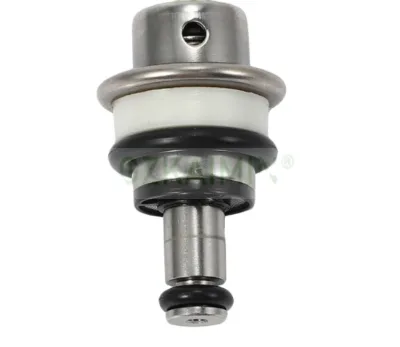
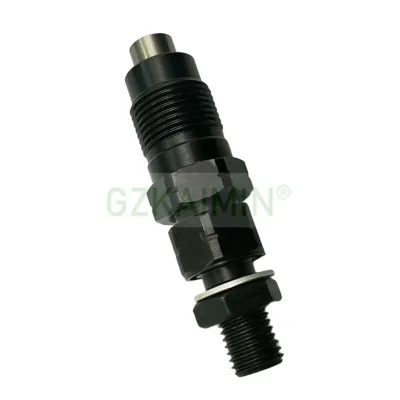
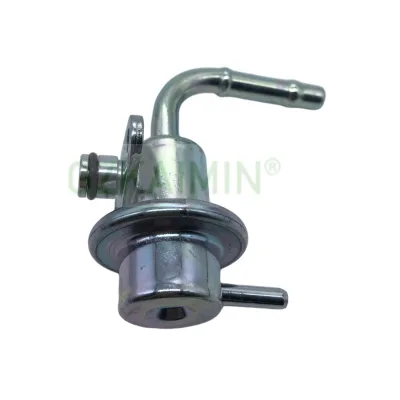


Comprehensive Sourcing Guide
Replacement Injection Valves for Toyota Supplier Concentration and Factory Types
When you search for Replacement Injection Valves for Toyota, the supplier results you see will typically cluster around a small number of Chinese provinces. In the current results, suppliers are concentrated in Guangdong and Zhejiang, and this geographic signal matters because it tells you where the aftermarket ecosystem for Japanese vehicle components has consolidated. Zhejiang-based listings in these results emphasize fuel pumps, high-pressure fuel pumps, VVT valves, fuel injectors, fuel filters and oxygen sensors, which places injection-adjacent components squarely within their product lines. Guangdong listings lean toward forklift parts and valve assemblies, including control valves and multi-way valves for Toyota forklift models, showing a complementary industrial-vehicle specialization.
Supplier types also split along company-type lines rather than factory-versus-trader alone. Some results identify trading companies, which may be useful if you need consolidated sourcing across many part numbers, while others are labeled as combined operations or unspecified manufacturers. Main-product lists are the best proxy for actual depth: a supplier whose core catalog includes injection pumps, fuel pumps and valves will handle engineering questions differently from a general auto-parts trader. Company type alone should not disqualify anyone, but it should shape what you ask for. Trading companies should be asked which factory manufactures each part number, while manufacturers should be asked about OEM, ODM capability and tooling. Note that some listings carry ODM or OEM capacity labels, which is worth confirming in writing before sampling.
How to Verify Replacement Injection Valves for Toyota Suppliers
Verification should begin with the attributes the platform actually displays, then move to evidence you request yourself. In the current results, at least one supplier shows SGS verification, which is a meaningful third-party signal but only covers company-level checks, not part quality. Another displays a system certification recorded simply as "Others," which tells you nothing specific and must be clarified directly. Response time is also visible: one supplier responds in roughly three hours, another near five, and another above five hours. Treat these as baseline indicators of account activity, not as promises about after-sales service, since fast quoting does not guarantee fast defect resolution.
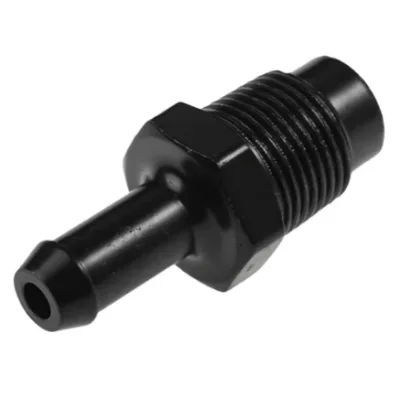
Beyond displayed labels, verify part-number accuracy against your requirement. The listings here show precise OE references such as 12204-22051 for a PCV valve, 15330-31010 for a VVT valve, and interchange numbers 15330-21030, 15330-21040, 15330-20010 and 15330-20011 for oil control valves. Suppliers who quote these numbers correctly and consistently demonstrate catalog discipline. Ask each candidate for the OE or interchange number they will actually ship, because titles sometimes reference one number while attributes reference another. Request the place of origin in writing too: several listings state Japan as origin while others state Zhejiang, China, and a few say China generally. If origin affects your duty position or customer disclosure, confirm it against shipping documents, not just the listing. Finally, confirm the production relationship, the mold ownership for customized parts, and whether a sample from the actual production line can be provided before committing.
What to Compare Across Replacement Injection Valves for Toyota Suppliers
Build a comparison sheet using dimensions the results actually expose, without assuming every supplier shows every field. Lead times in the current data range widely: one Guangdong valve supplier lists about 15 days, a Zhejiang sensor and engine-mount supplier lists about 25 days, and a combined Zhejiang fuel-system supplier lists roughly 60 days. That spread changes inventory planning materially, so normalize lead time by order size when comparing. MOQs also differ sharply: some valve listings show a minimum of one piece, while a PCV valve listing shows 100 pieces and a VVT oil control valve listing shows 50. Low-MOQ listings suit sample validation and emergency replenishment; higher-MOQ listings usually indicate configured production.
Also compare response speed, verification status, company type, location, and main products side by side, because these fields appear inconsistently across profiles. Product attributes give deeper differentiation: material specifications such as steel or stainless steel bodies, four-stroke and multi-cylinder compatibility, diesel versus gasoline fuel types, surface treatments such as baking paint, internal-thread connections, and packing in cartons or neutral and color boxes. Warranty terms appear on some listings, such as a twelve-month warranty on a VVT valve, so capture that where shown. Price ranges in the results span from around one dollar to above one hundred twenty dollars depending on the component and configuration, so compare strictly like-for-like part numbers. Finally, weigh customization availability, which several listings mark as available, against suppliers marked non-customized.
Common Replacement Injection Valves for Toyota Sourcing Risks
The most frequent risk in this category is part-number ambiguity. Listings routinely carry long keyword strings referencing many markets and model families, and one result attributes origin to Japan while the supplier itself is in Zhejiang, China. If you place an order based on a title alone, you may receive a compatible aftermarket part rather than an original unit, or a part for a different submodel. Mitigate this by locking the OE or interchange number in the purchase contract and by approving a retained sample. A second risk is scope drift: suppliers whose main products are engine mounts, ball joints or control arms may list a single valve SKU without deep capability behind it.
Lead-time risk is equally visible in the data. A 60-day lead time, as shown by one fuel-system supplier, can break a service-parts commitment if you discover it after ordering, while a 15-day quote from a valve trader may only apply to stocked SKUs, not made-to-order runs. Ask whether the quoted lead time covers production, quality inspection and export booking separately. Certification risk appears where a system certification is recorded as "Others" with no named standard; require the actual certificate number and scope. There is also warranty enforceability risk: a twelve-month warranty on a listing is only as good as the supplier's claim process. Finally, beware minimum-order assumptions, since one-piece MOQ listings can carry higher unit prices and limited after-sales support once the sale closes.
Replacement Injection Valves for Toyota Regional Sourcing and Logistics
The supplied results point to two sourcing regions: Guangdong and Zhejiang, and each carries different logistics implications. Guangdong offers the densest export infrastructure in southern China, which matters if you are consolidating valve orders with other suppliers into one container. Zhejiang suppliers in these results specialize in fuel pumps, injectors, sensors and valves, meaning you may be able to source multiple injection-system components from one province, reducing fragmentation. A combined manufacturer-trader in Zhejiang with a broad fuel-system catalog could simplify consolidation, though its roughly 60-day lead time must be planned around rather than assumed away.
Logistically, start from packing and dimension data where shown. Listings here indicate carton packing with standards such as 30x30x10 and 30x30x25 centimeters, which lets you estimate pieces per carton and cartons per pallet before the supplier confirms. Small, dense components like valves usually cube out before they weigh out, so ask for gross and net weights per carton. Multi-cylinder, diesel-versus-gasoline compatibility and four-stroke attributes affect labeling requirements in some destination markets, so confirm markings on both product and carton. When comparing regions, add the location dimension to landed cost rather than comparing ex-works prices alone: a slightly higher unit price from a port-adjacent region can be cheaper after inland haulage. Finally, forklift and industrial valve suppliers in Guangdong may ship under different tariff classifications than passenger-car injection components, so verify the HS code each supplier will declare.
Replacement Injection Valves for Toyota Commercial Terms and Order Planning
Commercial terms should be structured around the attribute data these results expose. Begin with the MOQ-versus-price tradeoff: listings showing one-piece minimums on Toyota control valves, roughly 50-piece minimums on VVT oil control valves, and 100-piece minimums on PCV valves imply very different pricing structures and commitment levels. For first orders, match the MOQ to your validation plan rather than chasing the lowest unit price, then negotiate scale pricing for repeat orders. Where prices display as a single fixed value rather than a range, treat the figure as a starting reference and confirm validity period, currency and Incoterm in writing.
Order planning should sequence around lead time and warranty terms. With lead times spanning roughly 15, 25 and 60 days among the current suppliers, build a reorder calendar per supplier rather than assuming a uniform cycle, and ask each one whether lead time resets on repeat orders or shortens with standing forecasts. Request that warranty duration and coverage appear on the invoice or contract, especially for listings advertising twelve months. For payment protection, ask whether the platform transaction supports escrow-style fund holding, since some suppliers on such platforms offer it while others may only accept direct terms; never assume coverage exists. Plan a pilot order with documented inspection checkpoints, then formalize tolerance, packing and marking requirements before the second order. Finally, confirm customization terms in writing where a listing states customization is available, including who owns tooling and how design changes are priced.
FAQs
What is the price range for Toyota replacement injection valves?
Prices for Toyota replacement injection valves typically range from $1.00 to $120.00 per unit depending on the specific component type. Basic solenoid valves and PCV units are available at lower price points, while complex multi-way hydraulic control valves command higher costs. Buyers should verify the exact part number to ensure accurate pricing quotes from suppliers.
What is the minimum order quantity for these parts?
The minimum order quantity varies significantly by supplier and product type. Some suppliers offer a minimum order of just one unit for specific control valves, while others require a minimum of 50 or 100 pieces for standard engine components like VVT valves. Buyers should check the specific listing details to confirm the applicable MOQ for their required volume.
How long does it take to receive these valves?
Lead times for these parts generally range from 15 to 60 days depending on the supplier and stock availability. Some trading companies offer faster turnaround times around 15 days, while others with longer production cycles may require up to 60 days. Buyers should confirm the estimated delivery schedule with the supplier before placing an order to manage inventory effectively.
Are these valves compatible with specific Toyota models?
Yes, these replacement valves are designed for specific Toyota models and engine types. Products are listed for applications such as the 7F/8F forklift series and various Toyota engine configurations. Buyers must verify the interchange part numbers, such as 15330-21030 or 12204-22051, to ensure compatibility with their specific vehicle or machinery before purchasing.
What certifications do these suppliers hold?
Suppliers offering these parts may hold various certifications, including SGS verification for trading companies. Some product listings mention specific quality standards or testing protocols, such as professional testing for variable valve timing components. Buyers should request current certification documents from the supplier to verify compliance with required industry standards and quality assurance protocols for their specific sourcing needs.
Where are these replacement valves manufactured?
These replacement valves are primarily manufactured in China, with suppliers located in regions such as Guangdong and Zhejiang. Some product listings indicate an origin of Japan for specific high-end components, while others specify Chinese manufacturing for aftermarket parts. Buyers should verify the place of origin on the product listing to understand the manufacturing source and potential shipping logistics.