Forged 6061-T6 Aluminum Alloy Wheels Suppliers and Manufacturers
Source Forged 6061-T6 Aluminum Alloy Wheels from 20 verified suppliers in China. Compare response times, lead times, certifications, and pricing to identify suitable partners. Contact suppliers directly to request samples and confirm customization options; review the available evidence before requesting comparable quotations from suitable candidates.
Suppliers List

Shanghai Rimax Industry Co., Ltd.
- Verified by SGS
- Trading Company
- China Shanghai
- Lead time15 days
- Avg. response≤ 4h
Main productsCar Wheel, Alloy Wheel, Offroad Wheel, Car Rim, Alloy Rim, Wheel Rim, Replica Wheel, Replica Rim
Main marketsSouth America,Africa,Southeast Asia/ Mideast,Domestic,Europe,Australia

Maanshan Kingrail Technology Co., Ltd.
- Verified by SGS
- Manufacturer/Factory
- China Anhui
- Lead time60 days
- Avg. response≤ 3h
Main productsRailway Wheels, CO2 Heat Pump, Rail Track Materials, Digital Track Gauge and Meters, Road Rail Wheels, Railway and Crane Wheels, Railway Wheels Axles, Rail Car Spares, Casting Products, Trailer Axles
Main marketsSouth America,Eastern Europe,Mid East,North America,Southeast Asia,Eastern Asia,Oceania,Western Europe,Africa

Shaoxing Shangyu Ouya Trade Co., Ltd.
- Verified by CTI
- Trading Company,Manufacturer/Factory
- China Zhejiang
- Lead time45 days
- Avg. response≤ 8h
Main productsCar Wheel, Alloy Wheel, Car Alloy Wheel, Rim, Car Rim, Forged Wheel, Cast Wheel, Auto Parts, 4*4 SUV Offroad, Wheel Hub
Main marketsSouth America,Eastern Europe,Mid East,North America,Southeast Asia,Eastern Asia,Western Europe,Africa

Hurong(Ningbo) Imp. & Exp. Co., Ltd.
- Verified by SGS
- Trading Company
- China Zhejiang
- Lead time30 days
- Avg. response≤ 5h
Main productsWheels, Car Wheels, Motorcycle Wheels, Car Accessories, Motorcycle Accessories, Scooter Wheels, Scooter Accessories, Truck Wheels, Truck Accessories
Main marketsEurope,North America

Wuxi Susha Auto Parts Co., Ltd.
- Manufacturer/Factory
- China Jiangsu
- Lead time0 days
- Avg. response≤ 9h
Main productsForged Wheel, Car Wheel, Alloy Wheel, Aluminum Alloy Wheel, Wheel Rim, Aluminum Rim, Aluminum Wheel, Auto Wheel Rim, Wheel


3 Piece Forged Alloy Aluminum Rims 20X12 5*112, 5*114.3, 5*120 A6061 T6 Car Wheels
$809.00 - $1582.00
Moq: 4


Shaoxing Shangyu Ouya Trade Co., Ltd.
- Verified by SGS
- Trading Company
- China Zhejiang
- Lead time23 days
- Avg. response≤ 7h
Main productsCar Wheel, Steel Wheel, Alloy Wheel, Wheel, Car Rim, Rims, Wheel Rims, Forged Wheel, Flow Formed Wheel
Main marketsSouth America,Africa,Europe,Australia,North America

High Quality Forged Car Rims 5 Holes Custom Standard 6061-T6 Aluminum Alloy Wheels
$40.00 - $80.00
Moq: 4


Nanjing Routeway Auto Parts Co., Ltd.
- Verified by SGS
- Trading Company
- China Jiangsu
- Lead time15 days
- Avg. response≤ 2h
Main productsCar Rim, Forged Wheel, Car Wheel, Alloy Wheel, Aluminum Alloy Wheel, Wheel Rim, Aluminum Rim, Aluminum Wheel, Auto Wheel Rim, Wheel
Main marketsAustralia

Xiangyang Hengde Auto Parts Co., Ltd
- Verified by TUVRHEINLAND
- Combined
- China Hubei
- Lead time30 days
- Avg. response≤ 1h
Main productsAluminium Alloy Wheel, Alloy Wheel
Main marketsSouth America,Africa,Southeast Asia/ Mideast,East Asia(Japan/ South Korea),Domestic,Europe,Australia,North America

Ningbo Baotong Wheel Industry Co., Ltd
- Verified by CTI
- Combined
- China Zhejiang
- Lead time45 days
- Avg. response≤ 5h
Main productsForged Alumminium Alloy Wheels, Aluminum Alloy Wheel, Anotehr Aluminum Auto Parts, Aluminum Center Caps of Wheel, Bolts & Nuts, Steering Wheel, Casted Wheel, off-Road Wheel
Main marketsEast Asia(Japan/ South Korea),Domestic,Europe,North America


16"-24" Forged T6-6061 Aluminum Alloy Wheel Hub OEM, ODM, Aftermarket, Modification
$206.00 - $380.00
Moq: 1

T6-6061 Forged Aluminum Alloy Wheel 16"-24" Monoblock ODM, OEM, Aftermarket, Modification
$206.00 - $380.00
Moq: 1

Sichuan Chengshihuanyu Trading Co., Ltd.
- Verified by TüVRheinland
- Trading Company
- Lead time22 days
- Avg. response≤ 3h
Main productsAluminum Alloy Wheel Hub
Main marketsNorth America(60%), Western Europe(20%), Mid East(15%)
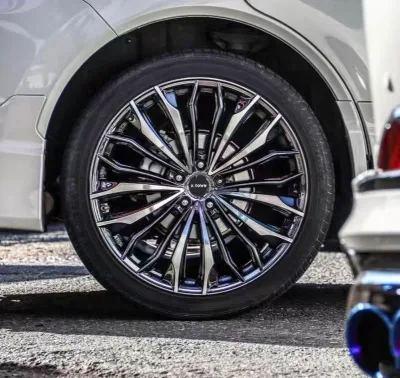
6061-T6 Aluminum Alloy Wheels Custom 18-22inch 5*120 60.1 Et40 Forged Car Wheel Rims for LS
$100.00 - $230.00
Moq: 4
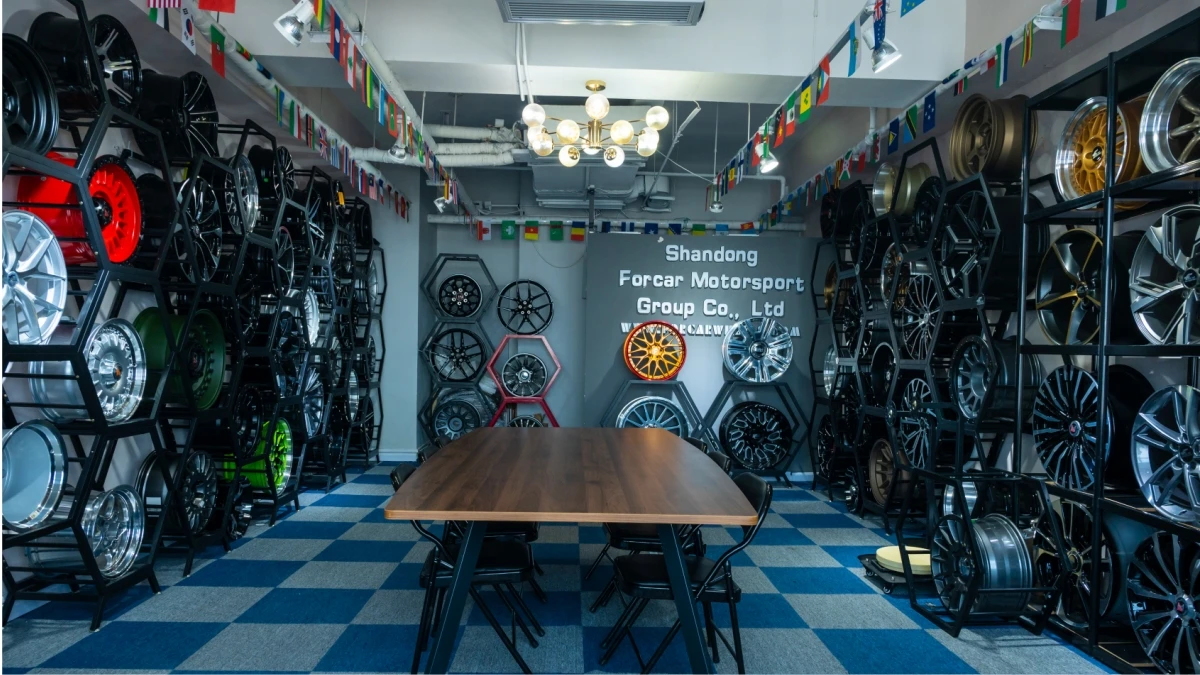
Qingdao Forcar Motorsport Co., Ltd.
- Manufacturer, Trading Company
- Shandong, China
- Lead time30 days
- Avg. response≤ 4h
Main productsAlloy Wheels,Wheel Rims,Flow Forming Wheels,Aluminum Wheels,Car Wheels
Main marketsSouth America(23.0%), North America(20.0%), Central America(7.000000000000001%), Southeast Asia(7.000000000000001%), Domestic Market(7.000000000000001%), Africa(6.0%), Oceania(6.0%), Northern Europe(5.0%), Southern Europe(5.0%), Western Europe(5.0%), Eastern Europe(5.0%), Mid East(2.0%), Eastern Asia(1.0%), South Asia(1.0%)
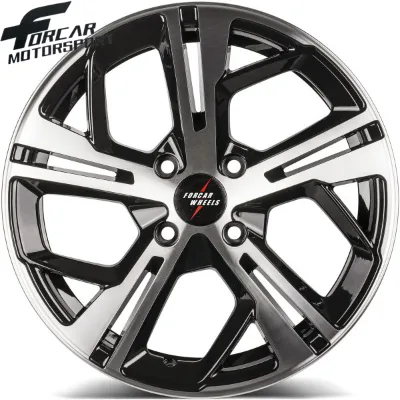
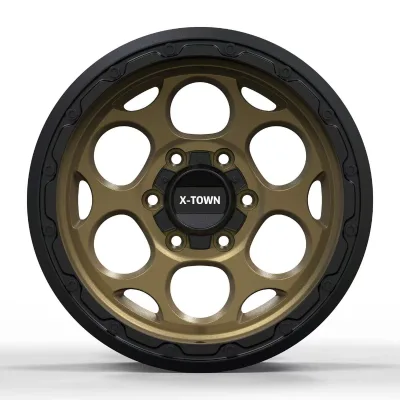
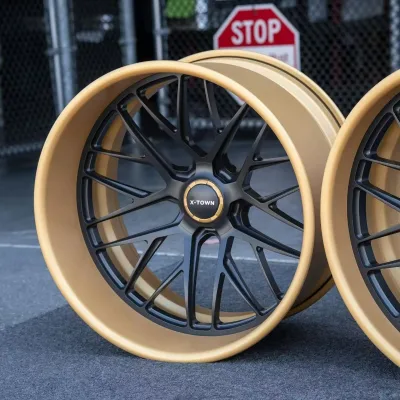
Aluminum Alloy T6061-T6 Best Material Forged Car Auto Passenger 16-26inch 5/6/8 Holes Wheels
$260.00 - $460.00
Moq: 4
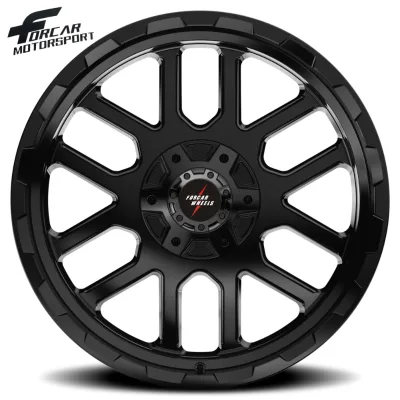
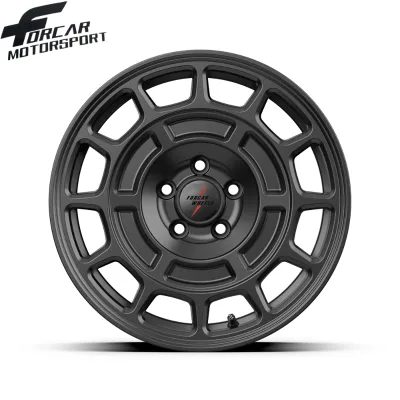
17/18/19/20/21/22inch Aluminum A356.2/T6061 Casting and Forging Alloy Car Rim Wheel
$260.00 - $460.00
Moq: 4

Shandong Luyang Auto Parts Co.,Ltd
- Verified by TUVRHEINLAND
- Trading Company,Manufacturer/Factory
- China Shandong
- Lead time15 days
- Avg. response≤ 12h
Main productsTruck Wheel, Wheel, Truck Rim, Disc, Car Wheel, Engineering Wheel, Farm Wheel, Trailer, Car Auto Parts, Truck Car
Main marketsSouth America,Mid East,North America,Eastern Asia

JIANGXI FANDIAN WHEEL FORGING CO., LTD.
- Verified by SGS
- Combined
- China Jiangxi
- Lead time15 days
- Avg. response≤ 3h
Main productsReplica Wheel, Aftermarket Wheel, off Road Wheel, Flow Forming Wheel, Forged Wheel
Main marketsOthers(foreignTradeCapacity.exportBusinessCapacityMarketOther)

Ningbo East&Ningheng Industry and Trade Co., Ltd
- Verified by BV
- Trading Company
- China Zhejiang
- Lead time30 days
- Avg. response≤ 2h
Main productsForged Wheel, Car Rim, Alloy Wheel, Aluminum Alloy Wheel, Custom Forged Wheel, Car Wheel, Offroad Wheel, Beadlock Wheel, Magnesium Alloy Wheels, Carbon Fiber Wheel
Main marketsNorth America


Lightweight 6061-T6 Forged Wheels High Performance Aluminum Alloy Rims for Sports Cars
$199.00 - $350.00
Moq: 4

6061-T6 Aluminum Forged Wheels Lightweight High Strength Rims for Performance Sports Cars
$199.00 - $350.00
Moq: 4


Linyi HUAYANG AUTO Accessories Co., Ltd.
- Verified by SGS
- Combined
- China Shandong
- Lead time15 days
- Avg. response≤ 2h
Main productsCar Mat, Car Wheels, Car Seat Covers
Main marketsSouth America,Africa,Southeast Asia/ Mideast,East Asia(Japan/ South Korea),Domestic,Europe,North America

Ningbo Kangyang Technology Co., Ltd.
- Verified by SGS
- Combined
- China Zhejiang
- Lead time60 days
- Avg. response≤ 5h
Main productsSteel Wheel
Main marketsEurope,North America
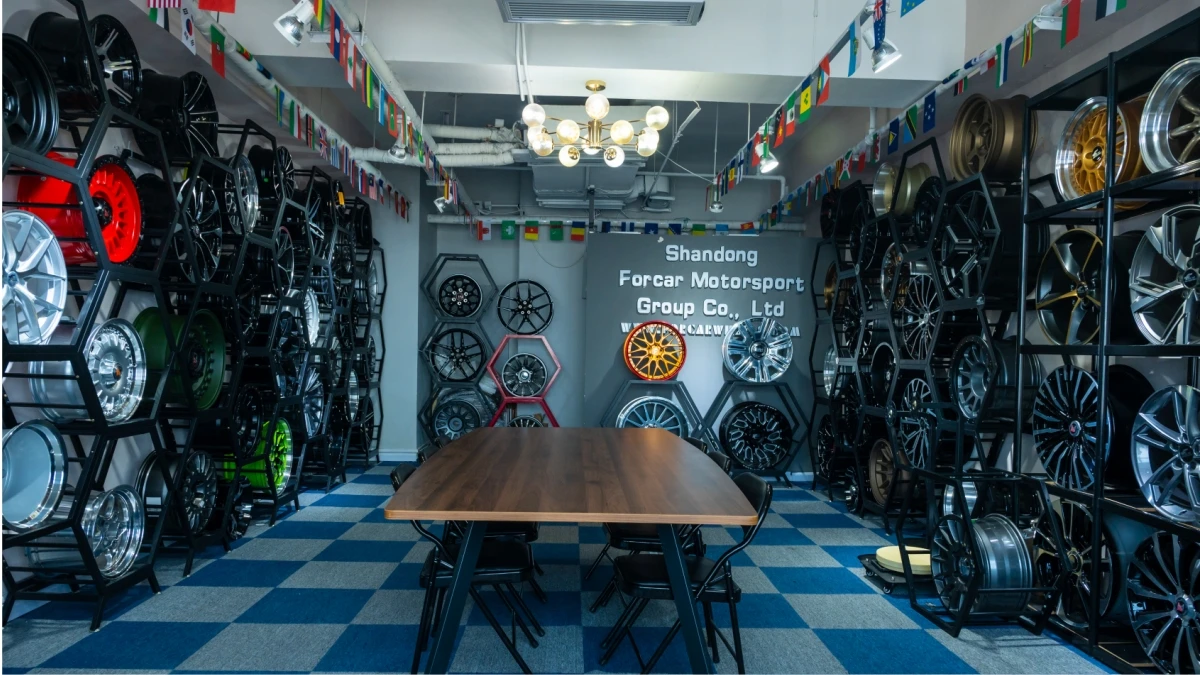
Qingdao Forcar Wheels Co., Ltd.
- Manufacturer, Trading Company
- Shandong, China
- Lead time20 days
- Avg. response≤ 3h
Main productsALLOY WHEELS,WHEEL RIMS,FLOW FORMING WHEELS,FORGED WHEELS,ALUMINUM WHEELS
Main marketsSouth America(30.0%), North America(20.0%), Mid East(15.0%), Northern Europe(10.0%), Southern Europe(5.0%), Oceania(5.0%), Central America(5.0%), Western Europe(5.0%), Eastern Europe(5.0%)
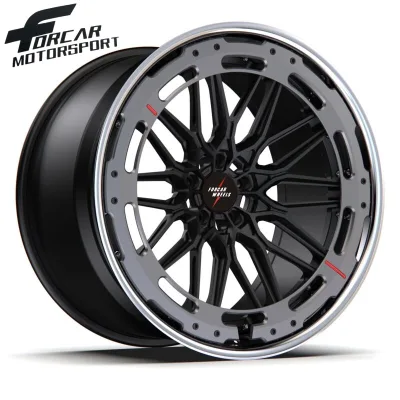
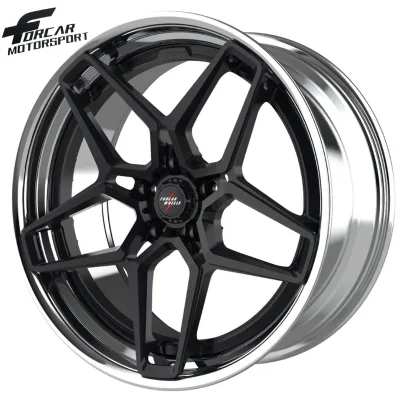
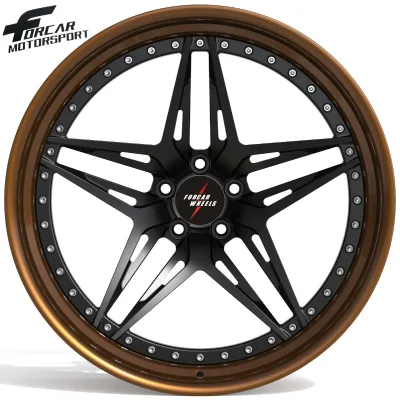
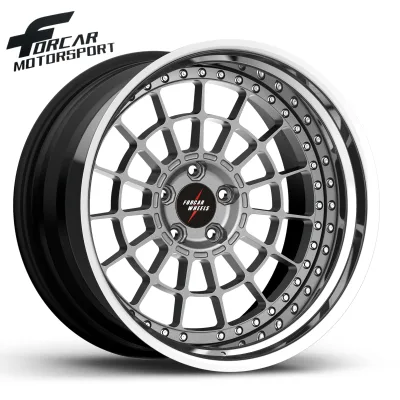
Aluminum T6061 Forged and Casted Passenger Car Auto Parts Alloy Rims Rines Wheels Rim
$360.00 - $590.00
Moq: 4

QingDao TP Range Int'L Co., Ltd.
- Verified by SGS
- Trading Company,Manufacturer/Factory,Other
- China Shandong
- Lead time15 days
- Avg. response≤ 12h
Main productsPCR Tire, OTR Tyre, TBR Radial Truck Tires, Agr Agricultural Tire, Spacer Bands Producing, Forestry Tire, Mobile Home Tailer Rim Producing, 4X4 Tires, Trucks Machinery, Forged Aluminum Wheels
Main marketsSouth America,Eastern Europe,Mid East,North America,Southeast Asia,Eastern Asia,Oceania,Western Europe,Africa

Wuxi Tianzhiyong Trading Co., Ltd.
- Verified by SGS
- Trading Company
- China Jiangsu
- Lead time30 days
- Avg. response≤ 4h
Main productsForged Wheel, Wheel Rim
Main marketsNorth America

SHANDONG MEIKA WHEEL CO., LTD.
- Verified by TUVRHEINLAND
- Combined
- China Shandong
- Lead time15 days
- Avg. response≤ 8h
Main productsTruck Wheel, Forged Aluminum Wheel
Main marketsSouth America,Africa,Australia


Comprehensive Sourcing Guide
Forged 6061-T6 Aluminum Alloy Wheels Supplier Concentration and Factory Types
Current search results indicate a concentration of suppliers located in China, specifically within the Shanghai and Anhui regions. These locations host a mix of trading companies and manufacturers that specialize in vehicle parts and accessories. The Shanghai-based entities often focus on trading activities, offering a broad range of products including car wheels, alloy rims, and replica wheels. In contrast, the Anhui-based suppliers are identified as manufacturers or factories, suggesting a direct production capability for railway wheels, casting products, and specialized forging machinery parts. This distinction is critical for buyers seeking either a direct factory source or a trading partner with a wider inventory.
The product evidence reveals that some suppliers offer specific forged wheel models made from 6061-T6 aluminum alloy, while others provide iron-based forged steel wheels or railway components. The manufacturing processes vary, with some listings explicitly stating "Fully Forged" and "Monoblock, 2 Piece, 3 Piece" structures, while others focus on metal casting machinery or general forging parts. Buyers must verify if the supplier is a direct factory capable of customizing the 6061-T6 alloy composition or a trading company sourcing from various workshops. The presence of "Factory: Yes" attributes in some product details confirms direct manufacturing, whereas "Trading Company" types may offer faster logistics but less control over the initial forging process.
How to Verify Forged 6061-T6 Aluminum Alloy Wheels Suppliers
Verification of supplier credentials is essential when sourcing forged wheels, as the market includes both verified and unverified entities. Some suppliers in the current results display SGS verification status, which serves as a third-party validation of their business operations. Additionally, product listings often include specific certification marks such as ISO, TUV, VIA, DOT, and CE. These certifications indicate compliance with international safety and quality standards, which is particularly important for automotive components like wheels that undergo rigorous stress testing. Buyers should cross-reference these claims with the supplier's profile to ensure the certifications apply to the specific 6061-T6 aluminum alloy products being offered.
Beyond certifications, buyers should examine the response time and verification status of the supplier profile. The data shows response times ranging from 2.65 to 3.10, which can indicate the efficiency of the communication channel. A faster response time often correlates with a more active and reliable supplier, though it does not guarantee product quality. Furthermore, the presence of detailed product attributes, such as "Customization: Available" and specific material grades like "6061-T6 Aluminum," suggests a higher level of transparency. Buyers must confirm that the supplier can provide actual test reports or factory audit results for the specific wheel models, rather than relying solely on generic certification lists found in the product description.
What to Compare Across Forged 6061-T6 Aluminum Alloy Wheels Suppliers
When evaluating multiple suppliers, the lead time is a primary differentiator that impacts project planning and inventory management. The observed data shows a significant variance in lead times, with some suppliers offering a 15-day turnaround while others require up to 60 days. This difference often reflects the supplier's production capacity, whether they are a trading company with existing stock or a factory managing a custom order queue. Buyers must align their order timeline with these lead times to avoid delays, especially for custom-forged wheels that require specific tooling or heat treatment processes. A shorter lead time does not always imply better quality, so it must be weighed against the supplier's production capabilities.
Minimum Order Quantity (MOQ) and pricing structures also vary significantly across the supplier pool. Some listings indicate an MOQ of just 4 pieces, making them suitable for small-scale testing or niche applications, while others may have different thresholds for custom orders. The price range for the observed products spans from $250 to $650, with some specialized railway or heavy-duty components reaching higher price points. Buyers should compare the price per unit against the included services, such as "Door to Door Service" or "3D Renders," which add value to the transaction. It is crucial to verify if the quoted price includes all necessary certifications and packaging, as some suppliers list prices that may exclude additional costs for custom logos or specific wheel hub diameters.
Common Forged 6061-T6 Aluminum Alloy Wheels Sourcing Risks
One significant risk in sourcing forged wheels is the potential mismatch between the advertised material and the actual product composition. While many listings specify "6061-T6 Aluminum Alloy," some product attributes list "Iron" or "Steel" as the material, indicating a broader range of offerings that may confuse buyers. There is also a risk regarding the "Customization" claims, where suppliers may promise custom PCD, color, or logo options but lack the specific tooling to execute these changes efficiently. Buyers must ensure that the customization capabilities are verified through samples or detailed technical drawings before placing a large order, as generic customization claims can lead to production errors.
Another risk involves the discrepancy between the stated certifications and the actual quality control processes. Although some suppliers list ISO, TUV, and DOT certifications, the product attributes for certain items show generic or incomplete certification strings like "ISOISOCustomized:Customized." This inconsistency suggests that the certifications might not apply to every product variant or that the documentation is not up to date. Additionally, the "Quality Control" section mentions "100% Inspection" for some railway wheels, but this standard may not be uniformly applied to passenger car wheels. Buyers should request specific inspection reports for the batch they intend to purchase to mitigate the risk of receiving substandard or non-compliant forged wheels.
Forged 6061-T6 Aluminum Alloy Wheels Regional Sourcing and Logistics
The regional concentration of suppliers in China, specifically Shanghai and Anhui, influences the logistics and shipping dynamics for international buyers. Shanghai, being a major port city, often facilitates faster export logistics for trading companies, which can reduce overall shipping times for finished goods. In contrast, suppliers in Anhui may have different logistical advantages depending on their proximity to rail networks or inland ports, which could be beneficial for heavy items like railway wheels or large forging machinery. Buyers should assess the specific location of the factory to estimate transit times and potential customs complexities, as the distance from the port of loading can impact the final delivery schedule.
Logistics planning must also account for the packaging standards provided by the suppliers. The data indicates that some products are packed in "Box" or "Carton Box" formats, while others use "Wooden Export Package" or "Wooden Box/Pallet" for heavier or larger items. This variation in packaging is critical for protecting the wheels during transit, especially for forged aluminum components that are susceptible to damage. Buyers should verify that the packaging meets international shipping standards to prevent damage during long-haul transport. Additionally, the availability of "Door to Door Service" from certain suppliers can simplify the logistics process, but buyers must confirm if this service covers all destination countries and if any additional fees apply for remote locations.
Forged 6061-T6 Aluminum Alloy Wheels Commercial Terms and Order Planning
Commercial terms regarding payment and order planning are vital for managing cash flow and ensuring project success. The observed MOQs of 4 pieces suggest that suppliers are open to smaller initial orders, which can be advantageous for testing market viability before committing to larger volumes. However, buyers must clarify the payment terms associated with these small orders, as some suppliers may require full payment upfront for custom items. The price ranges observed, from $250 to $650, indicate that the cost structure varies based on the wheel size, finish, and customization level. Buyers should negotiate terms that allow for flexibility in order quantities while maintaining a competitive price point.
Order planning should also consider the sample availability and the timeline for production. Many suppliers list "Sample: Available," which allows buyers to verify the quality and specifications before mass production. The response times of 2.65 to 3.10 suggest that communication is generally prompt, but buyers should establish a clear timeline for sample approval and subsequent production. It is essential to confirm the production standard, such as "customized" or specific industry standards like "BS, ANSI, JIS," to ensure the final product meets the required specifications. By aligning the sample approval process with the lead time, buyers can minimize delays and ensure that the forged wheels are delivered according to their project schedule.
FAQs
What certifications do the forged wheels have?
The forged wheels carry ISO, TUV, VIA, DOT, and CE certifications. Some listings also include RoHS and specific railway standards like Irs or Uic. Buyers should verify the exact certificate list for their specific order requirements before finalizing purchases.
What is the minimum order quantity for these wheels?
The minimum order quantity is typically 4 pieces for passenger car wheels. Some industrial or railway wheel listings may accept orders starting from just 1 piece. Always confirm the specific MOQ with the supplier to ensure your order meets their production thresholds.
How long does it take to receive the forged wheels?
Lead times vary significantly between suppliers, ranging from 15 days to 60 days. The shorter timeframe often applies to standard passenger car rims, while longer durations may cover custom railway wheels or complex forging processes. Check the specific supplier for accurate delivery estimates.
Are customizations available for these aluminum alloy wheels?
Yes, customization is available for most forged wheel listings. Buyers can request custom colors, logos, PCD sizes, and specific rim models like R2 or R10. The material remains 6061-T6 aluminum alloy, but dimensions and finishes can be tailored to meet unique vehicle specifications.
What is the price range for these forged wheels?
Prices for these wheels generally range from 250 to 488 dollars per unit for passenger cars. Industrial or railway wheel listings may start as low as 1 dollar or go up to 650 dollars depending on size and application. Final pricing depends on the specific model and order volume.
Where are these forged wheel manufacturers located?
Manufacturers are located in China, specifically in Shanghai and Anhui provinces. Shanghai suppliers often focus on trading and passenger car wheels, while Anhui facilities may handle railway wheels and heavy industrial forging. Location impacts shipping costs and lead times for international buyers.
What materials are used to make these wheels?
The primary material is 6061-T6 aluminum alloy for passenger car wheels. Some industrial listings specify iron or steel for railway and mining applications. The aluminum wheels are fully forged to ensure high strength and light weight, suitable for luxury racing cars and standard passenger vehicles.