German Technology Off Road Tires Suppliers and Manufacturers
Explore 12 verified suppliers offering German Technology Off Road Tires with specifications like radial design and dual purpose tread patterns. Compare response times, lead times, and certifications to select the right partner for your sourcing needs today; review the available evidence before requesting comparable quotations from suitable candidates.
Suppliers List

- Trading Company
- China Shandong
- Lead time15 days
- Avg. response≤ 5h
Main productsTruck Tyre, Bus Tyre, Light Truck Tyre, TBR, PCR, Tires, Tire, Radial Car Tyre, Radial Truck Tyre, Radial Tyre
Main marketsSouth America,Southeast Asia/ Mideast,Europe

- Trading Company
- SHANDONG, China
- Lead time10 days
- Avg. response≤ 5h
Main productsTyre
Main marketsAfrica(25.00%), South America(19.00%), Western Europe(15.00%), North America(11.00%), Southeast Asia(10.00%), Mid East(5.00%), Eastern Europe(3.00%), South Asia(2.00%), Southern Europe(2.00%), Northern Europe(2.00%), Central America(2.00%), Eastern Asia(2.00%), Oceania(2.00%)

- Manufacturer/Factory
- China Shandong
- Lead time23 days
- Avg. response≤ 5h
Main productsTruck Tyre, Car Tyre, Tyre, Tire, PCR, TBR, Truck Tire, Car Tire, OTR, Bias Tyre
Main marketsSouth America,Eastern Europe,Mid East,North America,Southeast Asia,Eastern Asia,Oceania,Western Europe,Africa

$20.00 - $66.00
MOQ: 1000 Pieces


Wholesale PCR Passenger and Car Tire Origin Thailand German Technology New Tire 20pr on Sale
$20.00 - $66.00
MOQ: 1000 Pieces

- Verified by CTI
- Trading Company
- China Shandong
- Lead time23 days
- Avg. response≤ 2h
Main productsTires, Tyres, Tyre, Truck Tires, Truck Tyres, Truck Tire, Truck Tyre, Pneus, Neumaticos, Llantas
Main marketsDomestic
- Verified by SGS Group
- Trading Company
- Lead time7 days
- Avg. response≤ 4h
Main productsTruck Tire, Car Tire, OTR Tire, MCT Tire
Main marketsMid East(30%), Africa(20%), Southeast Asia(15%)
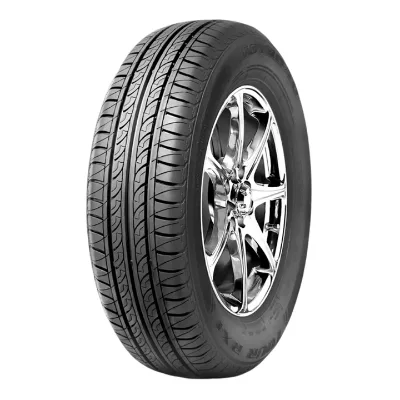
Truck Tires Chinese Very Good Quality Truck Tyre Manufacturer Anti-Overload Radial Truck Tires
$10.34 - $19.65
MOQ: 400 pieces
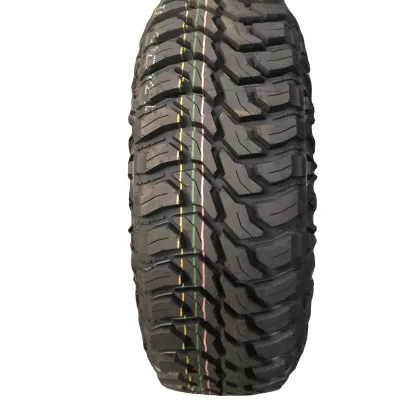
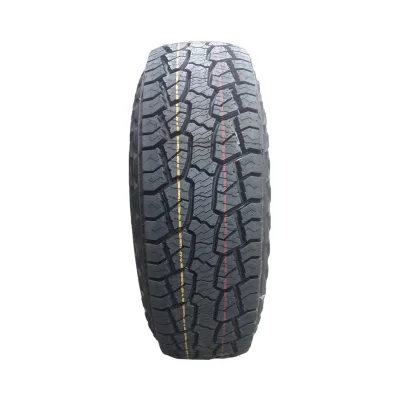
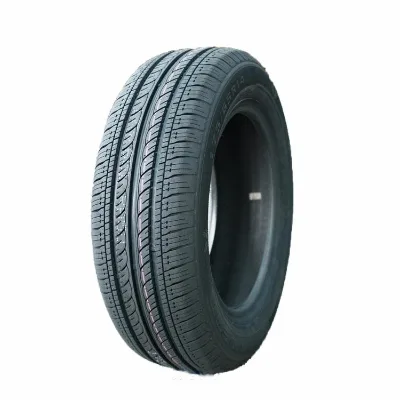
New Tube for Sale Manufacturer China R16 Winter Europe Germany Car Tire Wholesale
$22.31 - $23.13
MOQ: 1
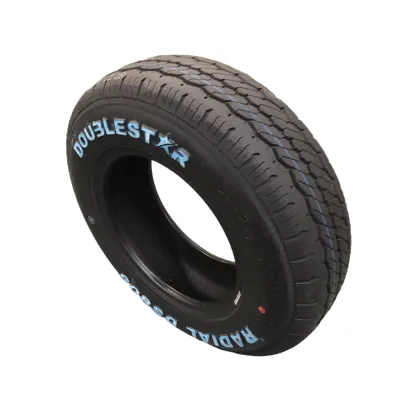
All Weather Tire Tires 175/65 13 Car 275/45r20 275 70 17 Wholesale Tire Direct Passenger Car
$10.00 - $19.00
MOQ: 400
Qingdao Amberroad Trade Co., Ltd.
- Trading Company
- Shandong, China
- Lead time0 days
- Avg. response≤ 4h
Main productstruck&bus tyre,off the road tyre,industrial tyre,agricultural tyre,car tire
Main marketsAfrica(20.00%), Southeast Asia(15.00%), Southern Europe(10.00%), Western Europe(10.00%), South Asia(10.00%), Mid East(10.00%), North America(10.00%), South America(10.00%), Eastern Asia(5.00%)
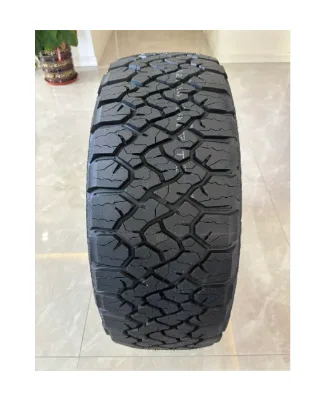
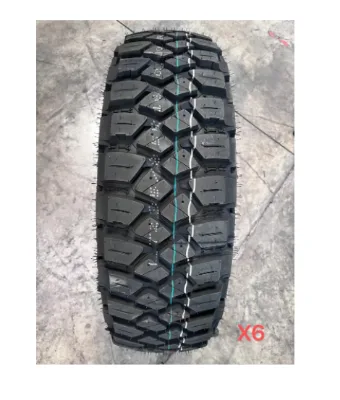
$49.16 - $57.66
MOQ: 1 pieces
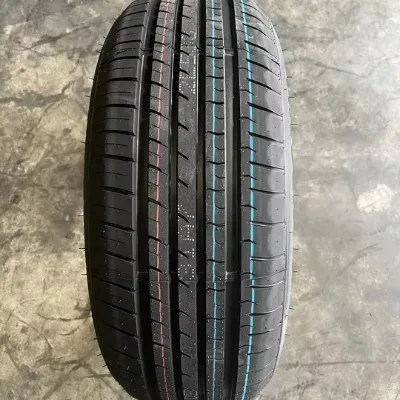
Car Tires 205/55R16 91V Four Seasons China High Quality Car Tyre Hot Selling
$16.56 - $21.53
MOQ: 1 pieces
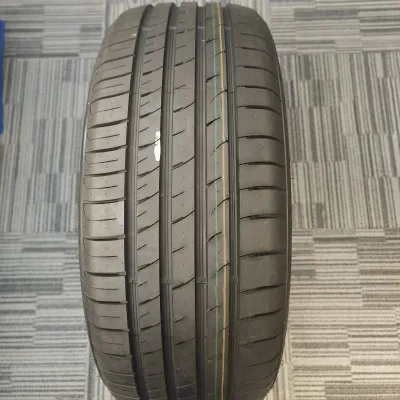
tyre for car size 265/50R20 lettering rubber for car tyres from China best passenger car tyre
$38.16 - $43.39
MOQ: 1 pieces

Joyway Industrial Company Limited
- Verified by TUVRHEINLAND
- Manufacturer/Factory
- China Shandong
- Lead time15 days
- Avg. response≤ 4h
Main productsTyre, Truck Tyre, Passenger Car Tyre, Bus Tyre, Loader Tyre, Radial Tyre, Nylon Tyre Bias Tyre Port Tyre, TBR Tyre, PCR Tyre
Main marketsSouth America,Eastern Europe,Mid East,North America,Southeast Asia,Eastern Asia,Oceania,Western Europe,Africa

Joyway Industrial Company Limited
- Verified by BV
- Manufacturer/Factory
- China Shandong
- Lead time15 days
- Avg. response≤ 4h
Main productsTyre, Tire, Truck Tyre Truck Tire, Bus Tyre, Car Tyre, Loader Tyre, Radial Tyre, TBR Tyre, PCR Tyre, Nylon Tyre Bias Tyre Port Tyre
Main marketsSouth America,Eastern Europe,Mid East,North America,Southeast Asia,Eastern Asia,Oceania,Western Europe,Africa

Qingdao Gowin Industrial Group Co., Limited
- Verified by BV
- Trading Company
- China Shandong
- Lead time15 days
- Avg. response≤ 5h
Main productsTruck Tyre, Car Tire, OTR Tyre, Forklift Tyre, Steel Rim, Wheel, Tube, Motorcycle Tube, Light Truck Tyres, Agriculture Tyre
Main marketsSouth America,Africa,Southeast Asia/ Mideast,Europe,North America

$10.99 - $45.99
MOQ: 100 Pieces


Radial Car Tires, PCR Tires, Passenger Car Tire (175/70R13, 185/65R14, 195/65R15, 225/65R17)
$11.50 - $45.99
MOQ: 100 Pieces

- Verified by TüVRheinland
- Trading Company
- Lead time15 days
- Avg. response≤ 2h
Main productsTruck Tire, Car Tire, Off Road Tire, Agriculture Tire, Solid Tire
Main marketsNorth America(21%), South America(20%), Africa(15%)
Shenzhen Shuxiao Machinery Equipment Co., Ltd.
- Manufacturer
- Guangdong, China
- Lead time0 days
- Avg. response≤ 2h
Main productsIndustrial machinery,commercial equipment and machinery,Food & Beverage Machinery
Main marketsEastern Europe(30.00%), North America(20.00%), South America(10.00%), Domestic Market(5.00%), Northern Europe(5.00%), Western Europe(5.00%), Eastern Asia(5.00%), Mid East(5.00%), Oceania(5.00%), Africa(5.00%), Southeast Asia(5.00%)

- Verified by BV
- Trading Company
- China Shandong
- Lead time23 days
- Avg. response≤ 12h
Main productsTruck Tyres, Passenger Car Tires, off-The-Road Tyre, Motorcycle Tyres, Lead-Acid Battery, Rim, Truck Tire, Tube, Trailer, Automotive Parts
Main marketsAfrica






Comprehensive Sourcing Guide
German Technology Off Road Tires Supplier Concentration and Factory Types
The available data indicates a concentration of suppliers in the Shandong province of China, specifically noting locations such as Qingdao and general Shandong origins for various tire models. This regional clustering suggests a specialized industrial hub for heavy-duty and off-road tire manufacturing, where logistics infrastructure supports the export of large, heavy products like radial truck tires and OTR tires. Buyers should verify if specific factories are located within these clusters to assess proximity to ports, which can significantly impact shipping costs and delivery speed for bulk orders. The presence of multiple suppliers in this region often implies a competitive market with established supply chains for raw materials like steel wire and rubber sourced from Thailand, Malaysia, or Indonesia.
Regarding company types, the observed results include Trading Companies alongside potential manufacturing entities, though the specific distinction for every listing requires direct confirmation. Some suppliers list themselves as trading companies, which may imply they source from various factories rather than operating a single production line. Buyers must determine if the "German Technology" claim refers to the machinery used, the formulation of the rubber compound, or the design engineering, as this distinction affects quality control. Verifying whether a supplier is a direct manufacturer or a middleman is critical, as it influences the ability to customize tread patterns, cord materials, and tire hierarchies like 20PR or 16PR specifications for specific off-road applications.
How to Verify German Technology Off Road Tires Suppliers
Verification of the "German Technology" claim requires examining specific product attributes and certifications listed in the supplier data. Evidence shows certifications such as ECE, CCC, ISO, CE, FCC, DOT, RoHS, and GS, which are standard indicators of compliance with international safety and quality standards. Buyers should request detailed documentation proving the origin of the technology, such as patents, engineering drawings, or partnership agreements with German entities, rather than relying solely on marketing keywords. The presence of equipment imported from Germany and Japan, as noted in some product attributes, serves as a tangible indicator of manufacturing capability, but this must be cross-referenced with factory audit reports to ensure the machinery is actively used for the specific tire models being purchased.
Response times and communication efficiency are also vital verification metrics, with observed response times ranging from approximately 4.28 to 5 units, likely representing hours or days depending on the platform's metric. A supplier with a slow response time may struggle with complex customization requests or urgent order changes, which are common in off-road tire sourcing. Buyers should test communication channels by asking specific technical questions about the tire's cord material, rubber composition, or tread pattern design to gauge the depth of the supplier's technical knowledge. Additionally, checking for "Golden Supplier" status or similar platform badges can provide a baseline of reliability, but these should not replace direct verification of the supplier's physical address, business license, and production capacity through third-party inspection services.
What to Compare Across German Technology Off Road Tires Suppliers
When comparing suppliers, lead time is a primary differentiator, with observed delivery windows ranging from 10 to 30 days depending on the specific product and order volume. Some listings specify delivery within 20 days, while others indicate up to 30 days, which can significantly impact project timelines for fleet operators or construction companies. Buyers must clarify whether these lead times include production, quality inspection, and inland logistics to the port, or if they represent only the manufacturing duration. Comparing these timelines against the supplier's current order backlog and production capacity is essential to ensure that the quoted delivery date is realistic and achievable without compromising quality.
Minimum Order Quantity (MOQ) and pricing structures also vary widely, with some suppliers offering an MOQ of just one unit while others require a full 20GP container load. Price ranges observed span from approximately $51 to over $15,000, reflecting differences in tire size, hierarchy, and intended application, such as light truck versus heavy off-road use. Buyers should compare the price per unit against the specified tire hierarchy, such as 20PR or 16PR, and the type of rubber used, as higher-grade materials from Thailand or Malaysia may justify a higher price point. Additionally, comparing customization options is crucial; some suppliers offer full customization for tread patterns and branding, while others may only provide standard packaging or non-customized options, affecting the final cost and suitability for specific market needs.
Common German Technology Off Road Tires Sourcing Risks
One significant risk involves the ambiguity of the "German Technology" label, which may be used loosely to describe marketing claims rather than actual engineering collaboration or proprietary technology transfer. Without concrete evidence of the technology's origin, buyers risk purchasing tires that do not meet the performance expectations associated with German engineering standards, particularly in harsh off-road conditions. It is essential to verify the specific technology claims by requesting test reports, wear data, or case studies that demonstrate the tire's performance under stress. Relying solely on product keywords or marketing slogans without technical validation can lead to product failures, increased maintenance costs, and potential safety hazards for end-users operating heavy machinery.
Another risk relates to the variability in raw material sourcing and quality consistency, as some suppliers list rubber from Indonesia, Thailand, or Malaysia, while others do not specify the source. Inconsistent raw material quality can lead to variations in tire durability, traction, and heat resistance, which are critical for off-road applications. Buyers should ensure that the supplier has strict quality control measures in place, such as X-ray inspections and adherence to standards like ECE or DOT, to mitigate these risks. Furthermore, the lack of standardized packaging or the use of non-customized packing for export can lead to damage during transit, especially for large radial tires. Verifying the packing specifications and ensuring they meet export standards is necessary to prevent costly losses and delays upon arrival at the destination port.
German Technology Off Road Tires Regional Sourcing and Logistics
Sourcing from the Shandong region in China offers logistical advantages due to the proximity of major ports like Qingdao, which facilitates efficient export of heavy goods. The concentration of suppliers in this area allows for consolidated shipping and potentially lower freight costs, as multiple orders can be grouped into a single container. However, buyers must verify the specific port of loading for each supplier, as some may ship from different locations within the province, affecting transit times and customs clearance procedures. Understanding the local logistics infrastructure and the supplier's experience with international shipping is crucial to avoid delays and ensure that the tires arrive in optimal condition.
Logistics planning must also account for the specific dimensions and weight of the tires, which can vary significantly based on the model, such as the 850/65R25 or 23.5R25 sizes. The single package size and gross weight data provided in some listings help in calculating container utilization and freight charges accurately. Buyers should work with suppliers who have experience in handling oversized or heavy cargo to ensure proper loading and securing of the tires within the container. Additionally, considering the impact of seasonal weather and port congestion on shipping schedules is important for maintaining a reliable supply chain. Establishing clear communication regarding shipping terms, such as FOB or CIF, and understanding the responsibilities for insurance and customs duties will help manage these logistical complexities effectively.
German Technology Off Road Tires Commercial Terms and Order Planning
Commercial terms regarding payment, escrow, and warranty are critical components of the order planning process for German Technology Off Road Tires. While specific payment terms were not explicitly detailed in the provided data, buyers should negotiate clear conditions that protect their interests, such as using escrow services for large orders or requiring a deposit with the balance payable upon shipment. The presence of warranty information, such as a one-year warranty mentioned in some listings, should be verified for its scope and conditions, including coverage for defects in materials or workmanship. Understanding the warranty process and the supplier's commitment to honoring it is essential for managing long-term operational risks and ensuring product reliability.
Order planning must also consider the customization capabilities and the associated lead times for non-standard products. Some suppliers offer customization for tread patterns, branding, and packaging, which can add time to the production schedule. Buyers should confirm the timeline for custom orders and ensure that the production capacity can accommodate the requested specifications without causing delays. Additionally, comparing the market support provided, such as promotional materials or tooling, can add value to the partnership. Planning for inventory levels based on the lead times and MOQ requirements is necessary to maintain a steady supply of tires for fleet operations or resale, avoiding stockouts that could disrupt business activities.
FAQs
What certifications do these off-road tires hold?
The tires hold ECE, CCC, ISO, CE, FCC, DOT, RoHS, and GS certifications. These credentials ensure compliance with international safety and quality standards for global markets. Buyers can verify specific test reports to confirm regulatory adherence for their target regions before placing orders.
What is the typical lead time for delivery?
Lead times typically range from 10 to 30 days depending on the supplier and order volume. Some suppliers offer delivery within 15 days, while others may require up to 30 days for production and shipping. Buyers should confirm exact timelines with the supplier before finalizing contracts.
What is the minimum order quantity for these tires?
The minimum order quantity can be as low as one unit for some suppliers. Others may require a full 20GP container as their MOQ. Buyers should check specific supplier listings to determine the exact MOQ requirements for their desired tire models and sizes.
Where are these tires manufactured?
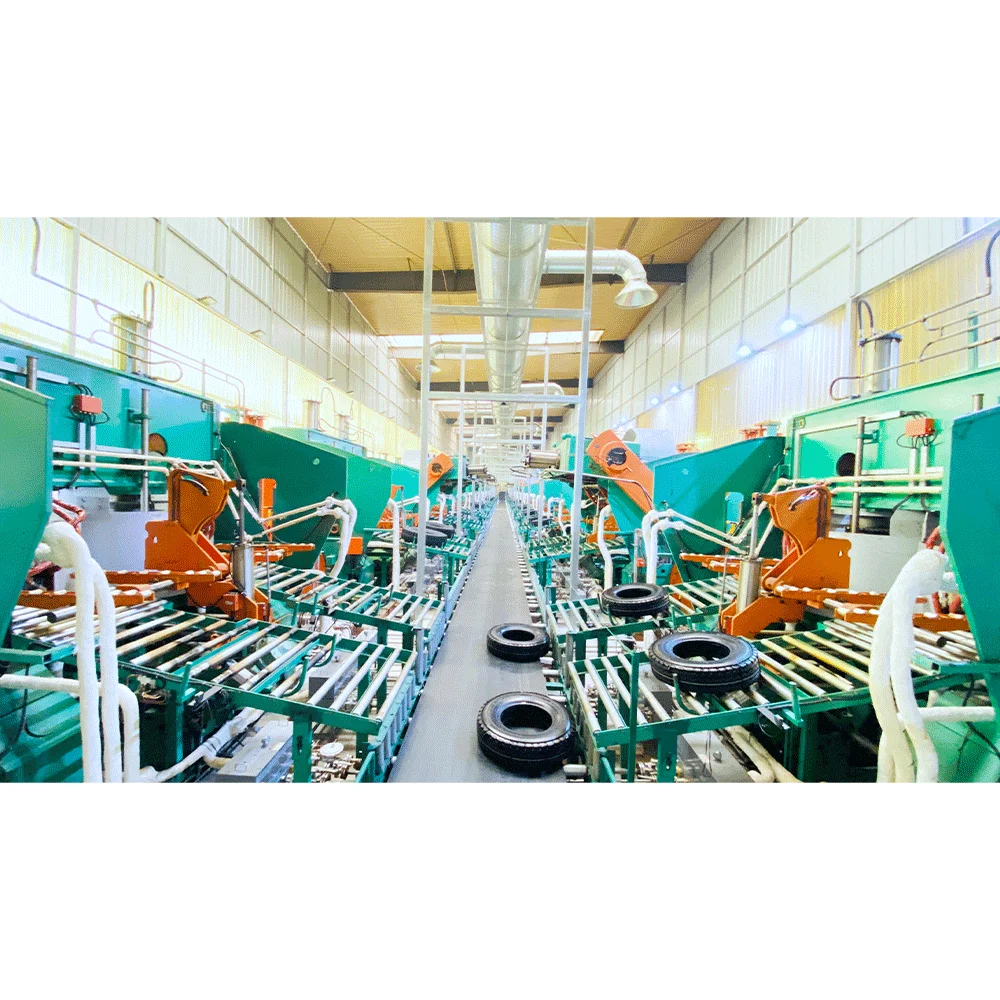
These tires are manufactured in Shandong, China. The production facilities utilize equipment imported from Germany, Japan, and other countries. Buyers can verify the specific origin details on product listings to ensure the manufacturing location meets their sourcing requirements.
What is the price range for these tires?
Prices range from approximately $51 to $15,600 per unit depending on the tire size and specifications. Smaller off-road tires may cost around $51, while larger heavy-duty models can exceed $1,000. Buyers should request quotes for specific models to get accurate pricing.
What technology is used in these tires?
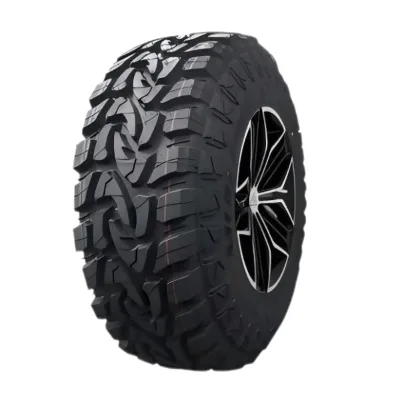
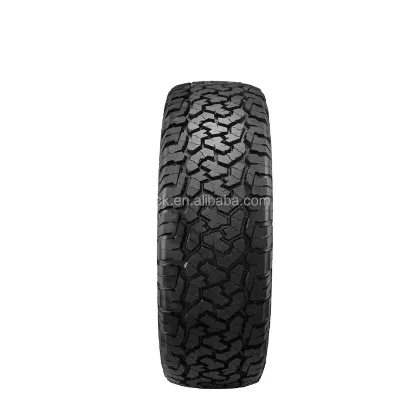
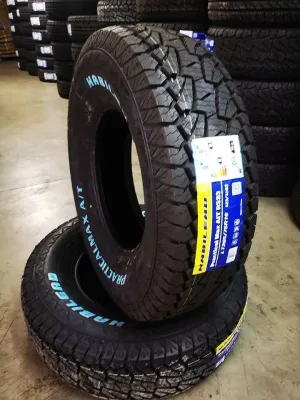
Many of these tires utilize German technology for their design and manufacturing. This includes advanced radial tire designs and dual-purpose tread patterns. The technology aims to enhance performance, durability, and wear resistance for various off-road conditions.