Anti-Theft Security Bolt and Nut Suppliers and Manufacturers
Explore 19 verified suppliers offering Anti-Theft Security Bolt and Nut options with ISO certifications and OEM capabilities. Compare lead times, response rates, and material standards to select the right factory for your project needs today; review the available evidence before requesting comparable quotations from suitable candidates.
Suppliers List
Handan Haosheng Fastener Co., Ltd.
- Verified by SGS
- Combined
- China Hebei
- Lead time30 days
- Avg. response≤ 1h
Main productsBolt, Nut, Screw, Anchor, Washer, Stud, Fitting
Main marketsSoutheast Asia/ Mideast,East Asia(Japan/ South Korea),Domestic,Europe

Stainless Steel Anti Theft Screw and Theft Nuts 4 Hole Security Tamper Proof Nuts Anti-Theft Bolt
$0.06 - $0.10
MOQ: 1000 pieces


$0.06 - $0.10
MOQ: 1000 pieces


25mm Threaded Steel Ball with Aluminum Sleeves Anti Theft Anti-Theft Wheel Bolts Theft Nuts
$0.06 - $0.10
MOQ: 1000 pieces


XCYC Power Equipment Sales Co., Ltd.
- Verified by BV
- Trading Company,Manufacturer/Factory
- China Henan
- Lead time23 days
- Avg. response≤ 9h
Main productsBird Repeller, Breakaway Nut, Anti-Theft Nut, Stainless Steel Shear Nut, Cooper Rod, Warning Balls, Aerial Marker Balls, Graphite Moudle, Carriage Bolts and Nuts, Birds Spikes
Main marketsSouth America,Eastern Europe,Mid East,North America,Eastern Asia,Oceania,Western Europe,Africa


China Supplier M16 Anti-Theft Lock Nut with Spring and Ball for Transmission Tower
$0.07
MOQ: 10000 Pieces

Haiyan Lewei Hardware & Tool Co., Ltd.
- Verified by SGS
- Trading Company
- China Zhejiang
- Lead time30 days
- Avg. response≤ 3h
Main productsScrew, Nut, Bolt, Stamping Parts, CNC Machining Parts, No-Standard Parts
Main marketsSoutheast Asia/ Mideast,Domestic

- Combined
- China Zhejiang
- Lead time23 days
- Avg. response≤ 4h
Main productsNut, Hex Bolt, Washer, CNC Parts, Thread Rod, Wedge Anchor, Pin, Solar Accessories, Screw, Rivets
Main marketsDomestic


Stainless Steel Tamper Proof Anti Theft Security Shear Nut Breakaway Nut
$0.05 - $0.40
MOQ: 10000 Pieces


Qingdao Marink Enterprise Co., Ltd.
- Combined
- China Shandong
- Lead time15 days
- Avg. response≤ 9h
Main productsFarrowing Crates, Crush, Panels for Sheep, Troughs, Cattle Yard Gates, Panels for Cattle, Cattle Forcing Yard, Hay Feder, Chainlink Fence, Welded Mesh Fence
Main marketsSouth America,Africa,Southeast Asia/ Mideast,East Asia(Japan/ South Korea),Europe,Australia,North America

- Verified by TUVRHEINLAND
- Manufacturer/Factory
- China Jiangsu
- Lead time23 days
- Avg. response≤ 5h
Main productsSecurity Screws, Stainless Steel Bolts, Stainless Steel Tapping Screws, Stainless Steel Screws Fastener, Stainless Steel Nuts, Captive Screws, Micro Screws Fasteners, Precision Turned, Brass Parts, Solar Panel Stud Bolt
Main marketsSouth America,Eastern Europe,Mid East,North America,Southeast Asia,Eastern Asia,Oceania,Western Europe,Africa

Security Lock Nuts Tamper Resistant Hex T Slotted Nut and Bolt Stainless Steel 304 Anti-Theft Nuts
$0.03 - $0.23
MOQ: 5000 Pieces


Ningbo E-Friend Import & Export Co., Ltd.
- Trading Company
- ZHEJIANG, China
- Lead time0 days
- Avg. response≤ 3h
Main productsDRILL BITS & SAW BLADES,HARDWARE TOOLS,POWER TOOLS,AUTO SPARE PARTS
Main marketsSouth Asia(10.00%), Northern Europe(10.00%), Western Europe(10.00%), Mid East(10.00%), Oceania(10.00%), Africa(10.00%), Southeast Asia(10.00%), Eastern Europe(10.00%), South America(10.00%), North America(10.00%)

Chengdu Jingbang Technology Co., Ltd.
- Verified by CTI
- Trading Company
- China Sichuan
- Lead time23 days
- Avg. response≤ 16h
Main productsShaft Collars, CNC Machining Parts, Security Fasteners, Aluminum Faasteners, Titanium Fasteners, Custom Metal Parts
Main marketsSouth America,Africa,Southeast Asia/ Mideast,East Asia(Japan/ South Korea),Europe,Australia,North America

Taizhou Yixing Metal Products Factory
- Verified by SGS
- Combined
- China Jiangsu
- Lead time15 days
- Avg. response≤ 5h
Main productscustom cnc part
Main marketsDomestic
EnPro Industries (Wuxi) Co., Ltd.
- Verified by SGS
- Manufacturer/Factory
- China Jiangsu
- Lead time15 days
- Avg. response≤ 7h
Main productsBolt, Screw, Nut, Washer, Anchor, Rivet, Pin, Shackle, Carabiner
Main marketsSouth America,Eastern Europe,Mid East,North America,Southeast Asia,Eastern Asia,Oceania,Western Europe,Africa

Jiaxing Goshen Hardware Co., Ltd.
- Trading Company,Manufacturer/Factory
- China Zhejiang
- Lead time23 days
- Avg. response≤ 4h
Main productsFasteners, Bolts, Nuts, Screws, Stainless Steel Screw, Threaded Rod, Stainless Steel Bolt, Customized Bolt, Washer, Carriage Bolt
Main marketsSouth America,Eastern Europe,Mid East,North America,Southeast Asia,Eastern Asia,Oceania,Western Europe,Africa
Ningbo Joy International Trade Co., Ltd.
- Verified by BV
- Trading Company
- China Zhejiang
- Lead time30 days
- Avg. response≤ 7h
Main marketsEurope

Hebei Yunchang Fastener Manufacturing Co., Ltd.
- Verified by SGS
- Manufacturer
- China Hebei
- Lead time15 days
- Avg. response≤ 7h
Main productsFastener, Hex Bolt, Foundation Bolt, Embedded Bolts, Hex Nut, Flange Nut, Allen Socket Bolt, High-Strength Bolt, Washer, Threaded Rods
Main marketsDomestic


M6 M8 M10 M12 Stainless Steel 304 Anti-Theft Shear Nut Security Breakaway Nuts
$0.21 - $0.28
MOQ: 10000 Pieces


Jiaxing Yunxi Technology Co., Ltd.
- Verified by SGS
- Trading Company,Manufacturer/Factory
- China Zhejiang
- Lead time0 days
- Avg. response≤ 4h
Main productsStandard Bolts and Nuts, No-Standard Bolts and Nuts, Grease Nipple, Custom Fastener

Ningbo Luyou International Trade Co., Ltd.
- Verified by SGS
- Trading Company
- China Zhejiang
- Lead time30 days
- Avg. response≤ 7h
Main productsAuto Parts, Wheels Accessories, Car Wheels, Wheels Spacers, Wheels Adapters, Wheel Bolts and Nuts, Wheel Cover, X Wheel Chock, Forged Wheel Rims, Cast Alloy Wheels
Main marketsSouth America

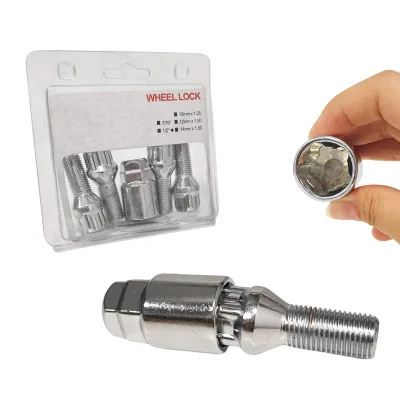
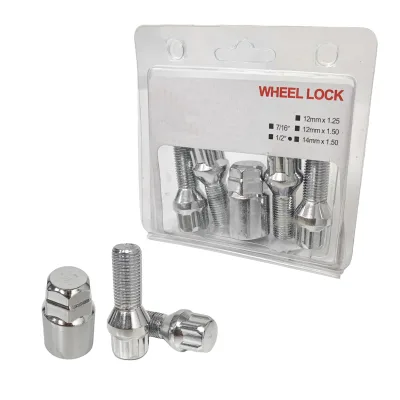
Steel Anti Theft Security Lock Nuts M12 for Wheels, Lug Locking Bolts M12 M14
$1.00 - $1.50
MOQ: 10 Pieces


M12X1.5, M12X1.25, M14X1.5 Lug Bolt Kit and Car Wheel Lock Nut for Anti Theft Wheel Lug Locks
$1.00 - $1.50
MOQ: 10 Pieces

Wuxi Ingks Metal Parts Co., Ltd.
- Verified by SGS
- Trading Company,Manufacturer/Factory
- China Jiangsu
- Lead time23 days
- Avg. response≤ 3h
Main productsFasteners, Springs, Indexing Plunger, Quick Release Pin, Screw Stainless Steel, Wood Insert Nut, Clevis Pin, Wood Screw, Torx Screw, Self Drilling Screw
Main marketsSouth America,Eastern Europe,North America,Oceania,Western Europe

Anti Theft Twist Stainless Steel 304 316 M12 Hex Breakaway Security Nut
$0.06 - $0.35
MOQ: 1000 Pieces

New Arrival Customized Support Assembled Torx Security Lock Anti Theft Nut
$0.33 - $0.55
MOQ: 1000 Pieces

- Verified by TUVRHEINLAND
- Combined
- China Guangdong
- Lead time30 days
- Avg. response≤ 7h
Main productsCabinet Handle, Door Handle, Door Lock, Furniture Knob, Cabinet Hinge, Drawer Slide, Door Hinge, Mortise Lock, Cylinder Lock, Door Stopper
Main marketsSouth America,Southeast Asia/ Mideast,Europe


Anti-Theft, Chain, Silver Metal, Bronze, Gold, Black, Security Door Lock
$1.85 - $3.00
MOQ: 1000 Pieces
Ningbo Haishu Kairong Fastener Co., Ltd.
- Verified by SGS
- Combined
- China Zhejiang
- Lead time30 days
- Avg. response≤ 3h
Main marketsDomestic

- Trading Company
- China Guangdong
- Lead time15 days
- Avg. response≤ 23h
Main productsFastener, Hardware, Metal Products, Stud, Metal Screw, Nut, Standoff, Clinch, Lathe Machining, Washer
Main marketsSoutheast Asia/ Mideast,Europe,North America




Comprehensive Sourcing Guide
Anti-Theft Security Bolt and Nut Supplier Concentration and Factory Types
The available data indicates that manufacturers of Anti-Theft Security Bolt and Nut products are concentrated in specific industrial regions within China, with Hebei and Henan provinces emerging as key sourcing hubs. Suppliers in Hebei often operate as combined entities, offering both manufacturing and trading capabilities, while those in Henan frequently present as a mix of trading companies and factories. This dual nature allows buyers to access a broader range of product lines, including specialized items like breakaway nuts, shear nuts, and stainless steel security fasteners, alongside standard hardware. The presence of these combined company types suggests a supply chain that can handle both direct production and complex distribution requirements, which is critical for sourcing specialized security hardware that may require custom tooling or specific finishing processes.
When evaluating the factory types, buyers should note that some suppliers list capabilities such as ODM, OEM, and own brand production, indicating a capacity for customization beyond standard catalog items. This is particularly relevant for anti theft products where unique head styles, specific thread profiles, or custom locking mechanisms are often required to meet security standards. The main product lists observed include a wide array of fasteners, from standard bolts and nuts to specialized theft-proof wheel nuts and vibration-proof fasteners for transmission lines. Understanding whether a supplier is primarily a manufacturer or a trading company helps in assessing their ability to control quality and lead times, as factories typically have more direct oversight over the production of complex security features compared to intermediaries who may source from multiple sources.
How to Verify Anti-Theft Security Bolt and Nut Suppliers
Verification of Anti-Theft Security Bolt and Nut suppliers relies heavily on third-party audit results and system certifications that confirm the integrity of the manufacturing process. The observed data shows that suppliers may hold ISO9001:2015 and ISO14001:2015 certificates, which are essential for ensuring consistent quality management and environmental compliance in the production of security fasteners. Additionally, verification badges from agencies like SGS and BV serve as critical indicators of a supplier's legitimacy and their adherence to international standards. Buyers should prioritize suppliers who display these specific verification marks, as they provide an independent assessment of the supplier's operational capabilities and product quality, reducing the risk of engaging with unverified entities that might compromise on the security features of the bolts and nuts.
Beyond certifications, the response time and verification status of a supplier offer immediate insights into their operational efficiency and reliability. Data indicates that response times can vary significantly, with some suppliers responding within less than an hour while others may take several days. A faster response time often correlates with a more active and organized sales team, which is crucial when discussing technical specifications for custom anti theft solutions. Buyers should also look for suppliers who explicitly state their verification status, as this confirms that their business credentials have been checked by a reputable third party. This step is vital for establishing trust before proceeding to detailed negotiations, ensuring that the supplier is capable of delivering the specific security requirements needed for the project.
What to Compare Across Anti-Theft Security Bolt and Nut Suppliers
When comparing suppliers, the lead time and minimum order quantity (MOQ) are primary factors that influence procurement planning and inventory management. The observed data reveals that lead times can range from approximately 23 to 30 days, depending on the complexity of the order and the supplier's current production capacity. Similarly, MOQs vary, with some suppliers requiring orders as low as 1 unit for specific items, while others set thresholds at 1000 units for standard security fasteners. Buyers must align these constraints with their project timelines and budget, as a lower MOQ might be necessary for prototyping or small-scale security upgrades, whereas higher volumes may be required for large infrastructure projects to achieve cost efficiency.
In addition to logistical metrics, the product attributes and customization options available from different suppliers must be carefully evaluated. The data shows that suppliers offer various material options, including stainless steel and carbon steel, along with different surface treatments like zinc plating and specific grades such as Grade 4 or Grade 8. Standards compliance is another critical comparison point, with suppliers adhering to DIN, GB, ANSI, BSW, JIS, and GOST specifications. Buyers should compare these technical details to ensure the selected fasteners meet the specific security and environmental requirements of their application. Furthermore, the availability of samples and the ability to customize model numbers or head styles can significantly impact the final selection, making it essential to verify these capabilities before committing to a large order.
Common Anti-Theft Security Bolt and Nut Sourcing Risks
One significant risk in sourcing Anti-Theft Security Bolt and Nut products is the potential mismatch between claimed specifications and actual product performance, particularly regarding material grades and security features. The data indicates that while some suppliers list stainless steel as the material, others may offer carbon steel with zinc coating, which could affect durability and corrosion resistance in harsh environments. Buyers must verify the exact material composition and grade, as using the wrong material can lead to premature failure or compromised security, especially in applications like wheel nuts or transmission line fasteners where vibration and theft are major concerns. This discrepancy can arise if a supplier does not clearly distinguish between different product lines or if the product descriptions are overly generic.
Another risk involves the variability in delivery times and the reliability of the supply chain, which can be exacerbated by the diverse nature of the suppliers involved. The observed lead times range from 23 to 30 days, but this does not account for potential delays caused by production bottlenecks or logistical issues. Additionally, the presence of trading companies alongside manufacturers can introduce layers of communication that may delay the resolution of technical issues or quality concerns. Buyers should be cautious of suppliers who do not provide clear delivery timelines or who lack a track record of consistent performance. Ensuring that the supplier has a robust quality control process and a clear communication channel is essential to mitigate these risks and ensure the timely delivery of high-security fasteners.
Anti-Theft Security Bolt and Nut Regional Sourcing and Logistics
Sourcing Anti-Theft Security Bolt and Nut products from China involves navigating specific regional logistics and understanding the implications of shipping from different provinces. The data highlights that suppliers are located in Hebei and Henan, which are known industrial hubs for fastener manufacturing. These regions offer established supply chains and infrastructure that facilitate the efficient production and export of security fasteners. However, buyers should be aware that shipping times and costs can vary depending on the specific origin of the goods and the destination port. Understanding the logistics network of these regions can help in planning the supply chain more effectively, ensuring that the products arrive on time and within budget.
Logistics planning also requires attention to packaging and handling, as security fasteners often require specific protection to prevent damage during transit. The observed data indicates that suppliers use various packaging methods, including plastic bags, cartons, and wooden boxes with jute bags, depending on the product type and order size. Buyers should verify the packaging standards to ensure that the fasteners are protected against moisture, corrosion, and physical damage. Additionally, the origin of the products, such as Handan in China, can influence the availability of certain specialized items and the efficiency of the shipping process. By understanding the regional logistics capabilities, buyers can make informed decisions about which suppliers to engage with and how to manage the transportation of their orders.
Anti-Theft Security Bolt and Nut Commercial Terms and Order Planning
Commercial terms for Anti-Theft Security Bolt and Nut orders often include specific payment conditions and warranty provisions that buyers must carefully review. The data shows that payment terms like TT (Telegraphic Transfer) are common, and some suppliers offer warranties, such as a one-year guarantee on certain products. These terms are critical for managing financial risk and ensuring that the buyer has recourse in case of product defects or non-conformance. Buyers should negotiate these terms to align with their financial policies and risk tolerance, ensuring that the supplier is committed to the quality and longevity of the security fasteners provided. Additionally, the availability of samples and the ability to customize orders can influence the final commercial agreement, making it essential to clarify these details before placing an order.
Order planning for Anti-Theft Security Bolt and Nut products requires a strategic approach to managing inventory and production schedules. The observed MOQs and lead times suggest that buyers need to plan their orders well in advance to avoid stockouts or production delays. For projects requiring custom specifications, such as specific thread sizes or unique locking mechanisms, early engagement with the supplier is necessary to ensure that the production timeline is feasible. Buyers should also consider the scalability of the supplier's capacity, as some may offer ODM and OEM services that allow for flexible order sizes. By carefully planning the order process and understanding the commercial terms, buyers can ensure a smooth procurement experience and secure the necessary security fasteners for their projects.
FAQs
What is the minimum order quantity for anti theft bolts?
The minimum order quantity is 1000 pieces for standard stainless steel anti theft bolts. Some suppliers offer a lower MOQ of just 1 piece for specific carbon steel security nuts. Buyers should verify the exact threshold with the supplier before placing an order to ensure it meets their project requirements.
How long does it take to produce these fasteners?
Production lead times typically range from 23 to 30 days depending on the supplier and order volume. Some manufacturers indicate a delivery time of 7 to 10 days for specific items like tri-groove security nuts. Buyers should confirm the exact timeline with the supplier to plan their supply chain effectively.
Are samples available for anti theft security nuts?
Yes, samples are available for most anti theft bolt and nut products. Suppliers explicitly list sample availability for stainless steel and carbon steel variants. Buyers can request samples to verify quality and fit before committing to a larger bulk order, ensuring the product meets their specific security and durability standards.
What certifications do these suppliers hold?
Suppliers hold ISO9001:2015 and ISO14001:2015 certificates for quality and environmental management. Some also provide ISO9001/ISO14001/Ts16949 certifications for automotive-grade fasteners. Buyers should request these documents to verify compliance with international standards and ensure the supplier meets rigorous manufacturing and quality control requirements for their specific application.
What materials are used for anti theft bolts?
Anti theft bolts are primarily made from stainless steel and carbon steel. Stainless steel variants often feature zinc plating for enhanced corrosion resistance. Carbon steel options may also include zinc coating. Buyers should select the material based on their environmental exposure needs and the specific grade required for their security application.
Where are these security fasteners manufactured?
These fasteners are manufactured in China, specifically in Hebei and Henan provinces. Hebei suppliers focus on stainless steel anti theft bolts, while Henan suppliers offer a broader range including breakaway nuts. Buyers can source directly from these regions to benefit from established manufacturing hubs and competitive pricing structures.
What is the price range for these bolts?
Prices range from $0.06 to $3.50 per piece depending on the material and specifications. Stainless steel anti theft bolts typically cost between $0.06 and $0.10. Carbon steel security nuts may start at $0.065. Buyers should request detailed quotes to understand the final cost based on quantity and customization needs.