FS-Style Wellhead Seals Suppliers and Manufacturers
Source FS-Style Wellhead Seals from 10 verified suppliers in China Hebei. Compare ISO 9001 certified factories with OEM capabilities, 23-day lead times, and prices from $5.90 to $46.90. Verify response times and MOQs directly to find the right partner.
Suppliers List

Hebei SPT Seals Technology Co., Ltd.
- Trading Company,Manufacturer/Factory
- China Hebei
- Lead time23 days
- Avg. response≤ 6h
Main productsU Packing for Gate Valves, Hammer Union Seals, Vee Packing Seal Sets, Well Service Packing, Rotary/Radial Shaft Seal Ring, Hydraulic and Pneumatic Seals, High Pressure Washer Pump Seals, Oil&Gas Sealing Soultion, O Rings, Oil Seals
Main marketsSouth America,Eastern Europe,Mid East,North America,Southeast Asia,Eastern Asia,Oceania,Western Europe,Africa

Jiangsu Meivalve Machinery Co., Ltd.
- Verified by SGS
- Manufacturer/Factory
- China Jiangsu
- Lead time45 days
- Avg. response≤ 9h
Main productsPlug Valve, Gate Valve, Choke and Kill Manifold, Wellhead Equipment, Christmas Tree, Casing Head, Fracturing Head, Swiver Joint, Tubing Head, Hose Loop
Main marketsSouth America,Eastern Europe,Mid East,North America,Southeast Asia
Hebei Saixuan Import&export Trading Co., Ltd.
- Verified by Intertek
- Manufacturer, Trading Company
- Lead time10 days
Main productsHammer Union Seals, Swivel Joint Packing Seals, Valve Stem Packing, Well Service Packing, Hydraulic Seals
Main marketsNorth America(56%), South America(20%), Southeast Asia(5%)
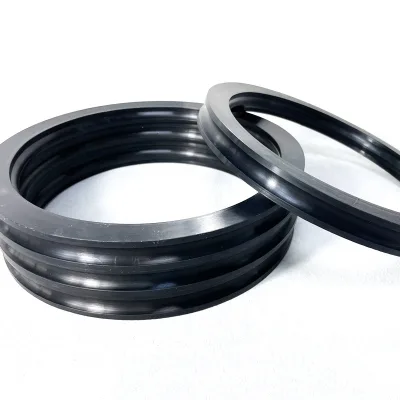
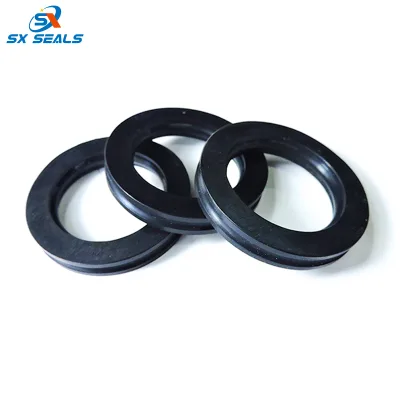
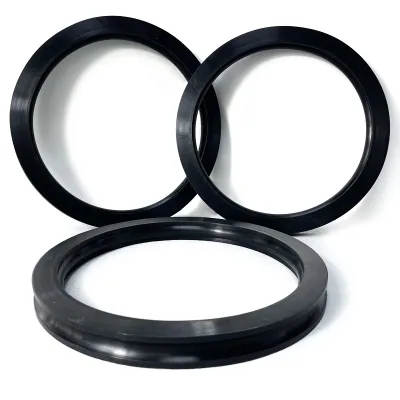
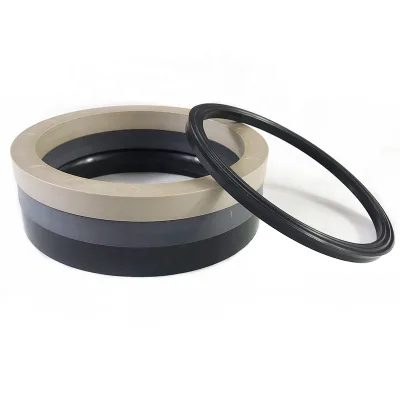
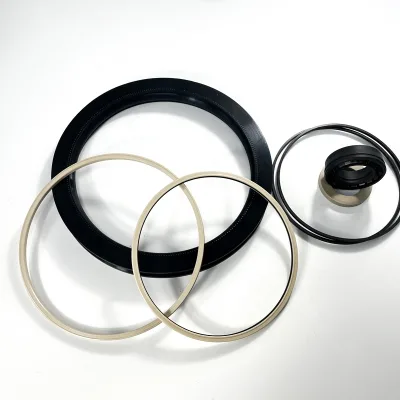

Wellhead Seals S Seals FS SEALS
$10.00 - $15.00

Xingtai Hantai rubber and plastic products Co., Ltd.
- Verified by SGS
- Combined
- China Hebei
- Lead time23 days
- Avg. response≤ 7h
Main productsImpact Bar, Buffer Bed, Retainer Angle Aluminum, Spill Apron, Rubber Seal, Polyurethane Products, Oil Seal, Dust Curtain
Main marketsDomestic


Oil Seal Seals, Double-Lip Design, High Sealing Performance, Long Service Life
$0.01 - $0.05
MOQ: 200 Pieces

$0.01 - $0.05
MOQ: 200 Pieces


SHANGHAI QINUO INDUSTRY CO., LTD.
- Verified by SGS
- Combined
- China Shanghai
- Lead time15 days
- Avg. response≤ 10h
Main productsRubber O Ring, Rubber Seal, Rubber Product, Rubber Part, Oilfield Product, Wireline Tool, Completion Tool Repair Kit
Main marketsEurope,North America


High-Quality Wireline Operations Rubber Seals Oil Saver Rubber for Wellhead Equipments
$0.01 - $0.99
MOQ: 1000 Pieces


Ffkm Drilling O Ring Seal Rubber Seals with Different Finish Appearance
$0.01 - $0.05
MOQ: 1000 Pieces

Shanghai Trisun Parts Manufacture Co., Ltd.
- Manufacturer
- China Shanghai
- Lead time45 days
- Avg. response≤ 18h
Main productsPump Seals, Mechanical Seals, Auto Air- Con Compressor Seals, Auto Cooling Pump Seals, Cartridge Seals, Welded Metal Bellow Seals, Dry Gas Seals, Auto Air Conditioning Seals, Expansion Valves, Auto Air Conditioning Valves
Main marketsSouth America,Africa,Southeast Asia/ Mideast,East Asia(Japan/ South Korea),Domestic,Europe,Australia,North America

Ningbo Yinzhou Hisea Machinery Co., Ltd.
- Manufacturer/Factory
- China Zhejiang
- Lead time23 days
- Avg. response≤ 3h
Main productsCNC Machining Parts, Investment Casting Parts, Stamping, Forging, Welding Service, Metal Fabricating Service, Laser Cutting Service, Die Casting, Metal Deep Drawn, Stainless Steel Accessories
Main marketsSouth America,Eastern Europe,Mid East,North America,Southeast Asia,Eastern Asia,Oceania,Western Europe,Africa
- Verified by SGS
- Trading Company,Manufacturer/Factory
- China Shandong
- Lead time90 days
- Avg. response≤ 2h
Main productsMud Pump, Drill Pipe, Blowout Preventer, Shale Shaker, Sucker Rod, Pumping Unit, Tubing, Fracturing Pump, Drilling Fluid, Oilfield Equipment
Main marketsSouth America,Eastern Europe,Mid East,North America,Southeast Asia,Eastern Asia,Oceania,Western Europe,Africa
Hengshui Xinghai Petroleum Equipment Parts Co., Ltd.
- Verified by SGS
- Combined
- China Hebei
- Lead time15 days
- Avg. response≤ 1h
Main productsMud Pump, Mud Pump Part, Mud Pump Accessories
Main marketsDomestic

Ruian Taiyue Electromechanical Co., Ltd.
- Verified by TUVRHEINLAND
- Trading Company
- China Zhejiang
- Lead time15 days
- Avg. response≤ 3h
Main productsSeal, Oil Seal
Main marketsDomestic


Comprehensive Sourcing Guide
FS-Style Wellhead Seals Supplier Concentration and Factory Types
The current supplier landscape for FS-Style Wellhead Seals reveals a distinct concentration of manufacturing and trading entities operating primarily within China, specifically in the Hebei region. This geographic clustering suggests a mature industrial ecosystem where specialized seal production has become a regional specialty, likely driven by established supply chains for raw materials like NBR, HNBR, and FKM rubber. Buyers evaluating this market should recognize that the presence of both trading companies and manufacturers in this area offers a dual advantage: direct factory access for customized OEM and ODM projects, and the logistical flexibility provided by trading firms that may aggregate inventory from multiple local workshops. The concentration in Hebei, with specific mentions of Xingtai as an origin point, indicates that sourcing from this cluster can provide access to a high density of suppliers who are already familiar with the rigorous demands of wellhead equipment and plunger pump applications. Understanding this geographic reality helps buyers anticipate the types of communication styles, logistical capabilities, and production scales they will encounter when engaging with potential partners in this specific industrial hub.
Within this concentrated market, the company types vary significantly, ranging from pure manufacturing factories to hybrid entities that offer both production and trading services. Factories in this sector typically emphasize their capability to handle complex customizations, such as producing seals with specific lip configurations, composite materials, or non-standard dimensions tailored to unique wellhead requirements. Many suppliers highlight their ability to produce seals from various rubber compounds, including NBR, HNBR, FKM, and PTFE, allowing for precise material selection based on temperature and chemical resistance needs. Trading companies, on the other hand, may offer a broader catalog of standard items and faster availability for immediate stock, leveraging their network of smaller workshops to fulfill diverse orders. This mix of supplier types means that buyers must carefully distinguish between a direct manufacturer and a reseller to ensure they are getting accurate technical support and competitive pricing. The presence of OEM and ODM capabilities across many listings indicates that the region is well-equipped to handle bespoke engineering challenges, making it a viable source for specialized FS-Style Wellhead Seals that require precise adherence to industry-specific performance standards.
How to Verify FS-Style Wellhead Seals Suppliers
Verifying the legitimacy and capability of FS-Style Wellhead Seals suppliers requires a rigorous examination of their documented certifications and operational history. Buyers should prioritize suppliers who display valid ISO 9001 and ISO 14001 system certifications, as these standards indicate a structured approach to quality management and environmental responsibility, which are critical for producing consistent sealing components. The presence of ISO 9001:2015 certification on product attributes serves as a baseline indicator that the supplier maintains documented processes for manufacturing and testing. However, buyers must not rely solely on displayed badges; they should request copies of these certificates and verify their validity through the issuing bodies. Additionally, checking the company type is essential, as some listings may claim to be manufacturers while operating primarily as trading entities. Confirming whether a supplier is a true factory involves asking for detailed production facility information, including machinery lists and quality control procedures specific to rubber molding and machining processes. This verification step ensures that the supplier has the physical infrastructure to produce high-pressure seals with the required precision and durability.
Beyond certifications, assessing the supplier's responsiveness and technical depth is crucial for establishing a reliable partnership. The response time metric, such as the observed average of 5.94 hours, provides a quantitative measure of how quickly a supplier engages with inquiries, which is vital for resolving technical questions about material compatibility or custom specifications. Buyers should test this responsiveness by submitting detailed technical queries regarding FS-Style Wellhead Seals, such as asking for specific pressure ratings or temperature limits for different rubber compounds like FKM or HNBR. A supplier's ability to provide accurate, prompt, and technically sound answers is a strong indicator of their engineering competence. Furthermore, buyers should inquire about the supplier's experience with specific wellhead equipment brands or standards, as this practical knowledge often correlates with higher product reliability. Requesting sample products, which some suppliers offer for free, allows buyers to physically inspect the quality of the seals, check for defects, and verify material properties before committing to larger orders. This hands-on verification process complements documentary checks and provides tangible evidence of the supplier's capability to deliver FS-Style Wellhead Seals that meet exact operational requirements.
What to Compare Across FS-Style Wellhead Seals Suppliers
When evaluating multiple suppliers for FS-Style Wellhead Seals, buyers must systematically compare key commercial and operational metrics to identify the most suitable partner. Lead time is a critical factor, with observed values around 23 days indicating the typical production cycle for these specialized components. Buyers should clarify whether this lead time includes material procurement, molding, curing, and final inspection, as variations in this timeline can impact project scheduling. Alongside lead time, the Minimum Order Quantity (MOQ) varies significantly, ranging from as low as 1 unit for certain standard or sample orders to 100 units for bulk production runs. This disparity allows buyers to test suppliers with small initial orders before scaling up, but it also requires careful calculation of unit costs to ensure economic viability. Comparing price ranges is equally important, as costs for FS-Style Wellhead Seals can differ based on material complexity and customization levels. For instance, basic rubber seals may start around $5.90, while more complex assemblies or high-pressure variants can exceed $40 per unit. Buyers should request detailed quotations that break down costs by material, labor, and tooling to understand the true value proposition of each supplier.
In addition to price and quantity, buyers should compare the specific product attributes and customization options offered by each supplier. The availability of OEM and ODM services is a key differentiator, allowing buyers to obtain seals tailored to their exact wellhead specifications. Suppliers may offer various rubber materials, including NBR, HNBR, FKM, and PTFE, each with distinct performance characteristics regarding oil resistance, temperature tolerance, and wear resistance. Buyers should compare the specific grades and formulations offered, as well as the ability to produce non-standard sizes or shapes. The type of seal, whether it is an O-ring, shaft seal, or composite lip seal, also varies, and buyers must ensure the supplier can produce the exact configuration required for their application. Furthermore, comparing the supplier's ability to handle high-pressure applications, such as those rated up to 120MPa, is essential for wellhead environments. Buyers should also consider the packaging and shipping options, as proper protection is crucial to prevent damage to delicate seals during transit. By systematically comparing these dimensions, buyers can make informed decisions that balance cost, quality, and delivery reliability.
Common FS-Style Wellhead Seals Sourcing Risks
One of the primary risks in sourcing FS-Style Wellhead Seals is the potential mismatch between advertised specifications and actual product performance, particularly regarding material composition and pressure ratings. Suppliers may list seals as compatible with high-temperature or high-pressure environments, but without rigorous testing documentation, buyers cannot be certain of the seals' durability under real-world conditions. For example, while some products claim to be made from FKM or HNBR, which offer superior resistance to heat and chemicals, there is a risk that lower-grade materials might be used to reduce costs. Buyers must be vigilant in verifying the actual material properties, as using an incorrect seal material can lead to premature failure, leaks, and costly downtime in wellhead operations. Additionally, the risk of receiving non-standard or poorly machined components is heightened when dealing with suppliers who lack robust quality control processes. Even with ISO certifications, the consistency of production can vary, and buyers should request quality assurance reports or test results for each batch to ensure that the seals meet the required tolerances and performance standards.
Another significant risk is the variability in supplier reliability and communication, which can disrupt supply chains and project timelines. While some suppliers demonstrate quick response times, others may be slow to address issues or provide accurate updates on order status. This inconsistency can be particularly problematic for buyers who rely on just-in-time delivery for wellhead maintenance and operations. Furthermore, the risk of intellectual property infringement or unauthorized replication of custom seal designs is present when working with suppliers who offer extensive OEM services. Buyers must ensure that their proprietary designs are protected through clear contractual agreements and non-disclosure clauses. There is also the risk of logistical delays, especially if suppliers are located in regions prone to transportation bottlenecks or if they lack experience in international shipping. Buyers should verify the supplier's track record in exporting similar products and their ability to handle customs documentation and freight forwarding efficiently. By anticipating these risks and implementing strict verification and contractual safeguards, buyers can mitigate potential disruptions and ensure a stable supply of high-quality FS-Style Wellhead Seals.
FS-Style Wellhead Seals Regional Sourcing and Logistics
Sourcing FS-Style Wellhead Seals from the Hebei region in China offers distinct logistical advantages, primarily due to the area's established industrial infrastructure and proximity to major shipping ports. The concentration of manufacturers and trading companies in this region facilitates efficient consolidation of orders, allowing buyers to source multiple seal types and sizes from a single location. This geographic clustering reduces transportation costs for raw materials and finished goods, which can translate into more competitive pricing for buyers. However, buyers must also consider the logistical challenges associated with importing from this region, including customs clearance procedures and potential delays in freight forwarding. Understanding the local logistics landscape is crucial for planning inventory and managing lead times effectively. Buyers should work with suppliers who have experience in international shipping and can provide accurate estimates for transit times and associated costs. Additionally, the availability of local packaging solutions, such as carton or plastic film bags, ensures that seals are protected during transit, minimizing the risk of damage.
Logistics planning for FS-Style Wellhead Seals also involves coordinating with freight forwarders to optimize shipping routes and modes of transport. For urgent orders, air freight may be necessary, although it comes at a higher cost, while sea freight is more economical for bulk shipments. Buyers should discuss shipping options with their suppliers to determine the most cost-effective and timely solution for their specific needs. The region's industrial ecosystem also supports the availability of local testing and certification services, which can streamline the verification process for buyers. By leveraging the logistical advantages of the Hebei region, buyers can establish a reliable supply chain for FS-Style Wellhead Seals. However, it is essential to maintain open communication with suppliers regarding shipping updates and potential disruptions. Buyers should also consider the environmental impact of their logistics choices, as many suppliers in the region are increasingly adopting sustainable practices in response to global regulatory pressures. By integrating logistical considerations into their sourcing strategy, buyers can ensure a smooth and efficient procurement process for their wellhead seal requirements.
FS-Style Wellhead Seals Commercial Terms and Order Planning
Effective order planning for FS-Style Wellhead Seals requires careful attention to commercial terms, including payment structures, warranty policies, and after-sales support. Buyers should negotiate clear payment terms that align with their cash flow needs, such as using secure payment methods like escrow to protect their interests until the goods are received and verified. Understanding the supplier's return and replacement policies is also crucial, as defects in seals can have significant operational consequences. Buyers should inquire about the supplier's willingness to provide technical support and troubleshooting assistance in case of installation issues or performance problems. Additionally, planning for future orders involves establishing a long-term relationship with a reliable supplier who can offer consistent quality and competitive pricing. Buyers should consider volume discounts and long-term contracts to secure better terms and ensure supply continuity. By focusing on these commercial aspects, buyers can build a robust procurement strategy that minimizes risk and maximizes value.
Order planning also involves forecasting demand and managing inventory levels to avoid stockouts or excess inventory. Buyers should work closely with their suppliers to develop a joint forecasting model that accounts for seasonal variations
FAQs
What materials are used for FS-Style Wellhead Seals?
FS-Style Wellhead Seals are commonly manufactured using NBR, HNBR, FKM, and PTFE. These materials provide essential resistance to oil, acid, and alkali environments. Selecting the right material depends on the specific pressure and temperature conditions of your wellhead application.
What is the typical lead time for these seals?
The observed lead time for these sealing components is approximately 23 days. This duration covers manufacturing and preparation for shipment. Buyers should confirm this timeline with the supplier to ensure it aligns with their project schedule and inventory requirements.
What is the minimum order quantity for these seals?
The minimum order quantity varies by product type, with some items starting at 1 unit and others at 100 units. This flexibility allows buyers to test samples or place bulk orders. Verify the specific MOQ for the exact seal model and material combination you require.
Do these suppliers offer OEM or ODM services?
Yes, the suppliers provide both OEM and ODM capabilities. This allows for customization of seal dimensions, materials, and performance characteristics to meet specific wellhead equipment requirements. Customization options are available for standard and nonstandard specifications.
What certifications do these seal suppliers hold?
The suppliers hold ISO 9001 and ISO 14001 system certifications. These certifications indicate adherence to international standards for quality management and environmental responsibility. Buyers should request current certificates to verify the supplier's compliance and operational standards.
What is the average response time for inquiries?
The average response time for supplier inquiries is approximately 5.94 hours. This quick turnaround helps buyers receive quotes and technical clarifications promptly. Maintaining clear communication channels ensures efficient progress during the sourcing and negotiation process.
What pressure ratings are available for these seals?
Some high-pressure well service packing seals are rated for up to 120MPa. This rating is suitable for demanding oilfield and wellhead applications. Buyers must verify the specific pressure rating of the seal model against their operational requirements to ensure safety and performance.