Fuel Line Disconnect Tool Set Suppliers and Manufacturers
Explore 25 verified suppliers offering fuel line disconnect tool sets with varying lead times, response speeds, and locations in China. Buyers can compare pricing, MOQs, and certifications to select the right partner. Contact suppliers directly to request quotes and verify product specifications.
Suppliers List

SHANGHAI JUST BETTER TOOLS CO., LTD.
- Trading Company,Manufacturer/Factory
- China Shanghai
- Lead time0 days
- Avg. response≤ 15h
Main productsPdr Tools, Auto Tools, Paintless Dent Repair Tools, Car Dent Repair Tools, Dent Tool Kit, Dent Puller Kit, Pdr Car Body Repair Tool, Pdr Kit


4PCS A/C Fuel Line Disconnect Tool Set
MOQ: 300 Sets

8PCS Fuel and Transmission Line Disconnect Tool Set
MOQ: 300 Sets

7PCS A/C & Fuel Line Disconnect Tool Set
MOQ: 300 Sets

4PCS Fuel and Transmissionline Disconnect Tool Set
MOQ: 300 Sets


Jinhua Cowin Import & Export Co., Ltd.
- Verified by TUVRHEINLAND
- Trading Company
- China Zhejiang
- Lead time30 days
- Avg. response≤ 4h
Main productsHand Tool, LED Lighting, Car Tool, Hardware, Trailer Light, Trailer Hitch Mount, Power Tool, Garden Tools, Air Tools, Tie Down
Main marketsEurope


21PC Fuel Air Conditioning A/C Transmission Line Disconnect Oil Cooler Tool Set
$1.00 - $30.00
MOQ: 1000 Pieces
- Trading Company
- Shanghai, China
- Lead time0 days
- Avg. response≤ 4h
Main productsDiagnostic Tools,Auto Repair Tools,Oil Pump,Oil Funnel,Test Tools
Main marketsNorth America(50.00%), Western Europe(20.00%), South America(15.00%), Eastern Asia(15.00%)
Hangzhou Hongtu Machinery Equipment Co., Ltd.
- Manufacturer, Trading Company
- Lead time旺季: "1 - 100":25,"> 100":"To be negotiated", 淡季: "1 - 100":25,"> 100":"To be negotiated"
Main productsTiming Tool, Testing Tool, Hand Tool, Socket Bit Tool, Removing And Installation Tool


$25.66 - $36.11
MOQ: 20 sets


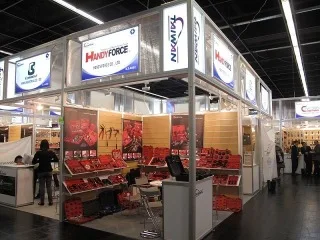
- Trading Company
- Taiwan, China
- Lead time0 days
- Avg. response≤ 18h
Main productsAuto Repair Tool,Hand Tool,Engine Repair Tool,Under Car Repair Tool,Body Service Tool
Main marketsNorthern Europe(20.00%), Eastern Europe(20.00%), Southern Europe(10.00%), Western Europe(10.00%), North America(10.00%), South Asia(5.00%), South America(5.00%), Africa(5.00%), Central America(5.00%), Southeast Asia(5.00%), Oceania(5.00%)
Ningbo Dicong Machinery Co., Ltd.
- Verified by SGS Group
- Manufacturer, Trading Company
- Lead time45 days
Main productsAutomotive Tools , Automotive Hand Tools, Engine Timing Tools, Brake Bleeding Kit, Mechanic Tools
Main marketsNorth America(22%), Western Europe(16%), Eastern Europe(13%)


21PC Fuel and A/C Disconnection Tool Set Automotive Repair Kit for Fuel Line & A/C Systems
$12.89 - $14.88
MOQ: 100


- Verified by SGS
- Trading Company,Manufacturer/Factory
- China Zhejiang
- Lead time0 days
- Avg. response≤ 8h
Main productsTools, Car Equipments, Rubber Material, Auto Parts, Slipper, Construction Hand Tool, Garden Tools, Hardware Tools, Food Packing Material
Main marketsSouth America,Eastern Europe,Mid East,North America,Southeast Asia,Eastern Asia,Oceania,Western Europe,Africa


$25.00 - $35.00
MOQ: 50 Pieces

$31.00 - $33.00
MOQ: 10 Pieces


64PCS Oil Pan Drain of Plug Thread Repair Tool Kit of Oil Pan Drain Plug Repair Kit
$31.00 - $33.00
MOQ: 10 Pieces


Ningbo Dicong Machinery Co., Ltd.
- Verified by SGS
- Combined
- China Zhejiang
- Lead time30 days
- Avg. response≤ 2h
Main productsAuto Tool, Airbrush, Auto Repair Tools, Socket Sets, Car Tool Set, Ratchet Handle, Under Car Tool, Brake Tools, Radiator Tool, Airbrush Compressor
Main marketsSouth America,Africa,East Asia(Japan/ South Korea),Europe,Australia,North America


Auto Repair Tool /Auto Brake Tool for Hydraulic Brake Line Flaring Tool Set Pipe
$49.00 - $52.00
MOQ: 50 Sets


Ningbo Magma Tooling Co., Ltd.
- Trading Company,Manufacturer/Factory,Other
- China Zhejiang
- Lead time45 days
- Avg. response≤ 9h
Main productsAutomotive Tools, Socket Sets, Auto Repair Tools, Ratchet Handle, Garage Equipment, Car Repair Tools, Car Tools Set, Car Maintenance, Injection Moulding, Plastic Injection Mould
Main marketsSouth America,Eastern Europe,North America,Western Europe
Shenzhen Casdony Technology Co., Ltd.
- Manufacturer, Trading Company
- Guangdong, China
- Lead time0 days
- Avg. response≤ 11h
Main productsVideo & Audio,iPhone Accessories,Computer Peripherals,Cameras & Photo Accessories,Smart Device & Safety
Main marketsNorth America(40.00%), Domestic Market(15.00%), Eastern Europe(10.00%), Northern Europe(5.00%), Western Europe(5.00%), Southeast Asia(5.00%), Oceania(3.00%), Central America(3.00%), South Asia(3.00%), Eastern Asia(3.00%), Mid East(3.00%), South America(2.00%), Southern Europe(2.00%), Africa(1.00%)


26pcs Quick Disconnect Tool Set Universal AC Fuel Line Disconnect Kit for Vehicles
$13.35 - $15.89
MOQ: 5


Hebei Fitop Technology Co., Ltd.
- Verified by TüVRheinland
- Trading Company
- Lead time45 days
Main productsDiagnostic Tools, Tire Repair Tools, Vehicle Tools, Car Jacks, Auto Tools
Main marketsNorth America(50%), Eastern Europe(15%), Mid East(10%)


Car Air Conditioning Tools Equipment 9 Pcs Repairing Tool Car Fuel Air Line Disconnect Tool Set
$2.05 - $2.15
MOQ: 500 pieces

Hangzhou Hongtu Machinery Equipment Co. Ltd.
- Verified by SGS
- Combined
- China Zhejiang
- Lead time23 days
- Avg. response≤ 3h
Main productsEngine Timing Tool, Car Removal and Installation Tool, Chassis Tools, Oli Change Tool, Car Testing Tool, Hand Tool
Main marketsNorth America

$9.50 - $12.50
MOQ: 30 Piece/Pieces


Universal Automotive Fuel Hose Clamp Pinching off Pliers Set for Auto Fuel Line Repair Hand Tool
$2.00 - $2.40
MOQ: 50 Piece/Pieces

Professional Automotive Air Conditioning and Fuel Line Disconnect Removal Tool for Auto Repair Tool
$0.50 - $0.80
MOQ: 500 Piece/Pieces

$20.00 - $26.50
MOQ: 10 Piece/Pieces

$0.85 - $1.50
MOQ: 200 Piece/Pieces
Linhai Alway Technology Co., Ltd.
- Verified by TüVRheinland
- Manufacturer, Trading Company
- Lead time7 days
Main productsAuto Parts
Main marketsNorth America(77%), South America(6%), Domestic Market(6%)
Anhui Yongshi Auto Parts Co., Ltd.
- Verified by Intertek
- Manufacturer, Trading Company
- Lead time0 days
- Avg. response≤ 12h
Main productsBrake Oil Fluld Refillsert, Transmission Fluld Refillsert, Refrigerant Tool, Water Tank Leak Detector, Engine Oil Fluld Refillsert

- Verified by TUVRHEINLAND
- Trading Company,Manufacturer/Factory
- China Zhejiang
- Lead time45 days
- Avg. response≤ 7h
Main productsElectric Tools, Power Tools, Cordless Tools, Cench Tools, Garden Tools, Gand Tools, Auto Tools, Car Tools, Hydraulic Tools
Main marketsSouth America,Eastern Europe,Oceania,Western Europe


1/4′ ′ 5/16′ ′ 3/8′ ′ Oil Cooler Line Disconnect Tool (48140002)
$2.00 - $18.00
MOQ: 100 Pieces

Wuxi Chengshunda Automobile Technology Co., Ltd.
- Verified by CTI
- Combined
- China Jiangsu
- Lead time30 days
- Avg. response≤ 7h
Main productsTest Bench, Injectors, Pumps, Valve Rod, Valve Plate, Auto Repair Tools, Auto Diagnostic Tools, Test Equipment, Injector Spare Parts, Test Bed
Main marketsSouth America,Africa,Southeast Asia/ Mideast,East Asia(Japan/ South Korea),Domestic,Europe

Shandong LZY Nozzle & Fuel Pumps Co., Ltd.
- Manufacturer/Factory
- China Shandong
- Lead time15 days
- Avg. response≤ 5h
Main productsNozzle, Fuel Injector, Plunger, Common Rail Valve, Common Rail Nozzle, Repair Kit, Cat Cummins, Bosch, Denso, Delphi Perkins
Main marketsSouth America,Eastern Europe,Mid East,North America,Southeast Asia,Eastern Asia,Oceania,Africa
- Trading Company
- Taiwan, China
- Lead time45 days
- Avg. response≤ 5h
Main productsHardware,Hand Tools,Tiling Tools,Plumbing Tools,Garden Tools
Main marketsWestern Europe(50.00%), North America(20.00%), Domestic Market(10.00%), Eastern Europe(10.00%), Mid East(5.00%), Africa(5.00%)

Hangzhou Ocean Industry Co., Ltd.
- Verified by BV
- Combined
- China Zhejiang
- Lead time15 days
- Avg. response≤ 5h
Main productsGear, Gear Rack, Pulley, Chain, Sprocket, Coupling, Gearbox, Pinion, Speed Reducer, Speed Reducer Gear Box
Main marketsSouth America,Southeast Asia/ Mideast,Europe,Australia

Qingdao Shing Auto Parts Co., Ltd.
- Trading Company,Manufacturer/Factory
- China Shandong
- Lead time45 days
- Avg. response≤ 3h
Main productsParking Air Conditioner, Car Air Conditioning Condenser, Car Refrigerator, Car Air Conditioning Evaporator, Car Air Conditioning Compressor, Axial Fan, Motorcycle Helmet, Refrigeration Filter Dryer, Freezer Compressor, A/C Control System
Main marketsSouth America,Eastern Europe,Mid East,North America,Southeast Asia,Eastern Asia,Oceania,Western Europe,Africa
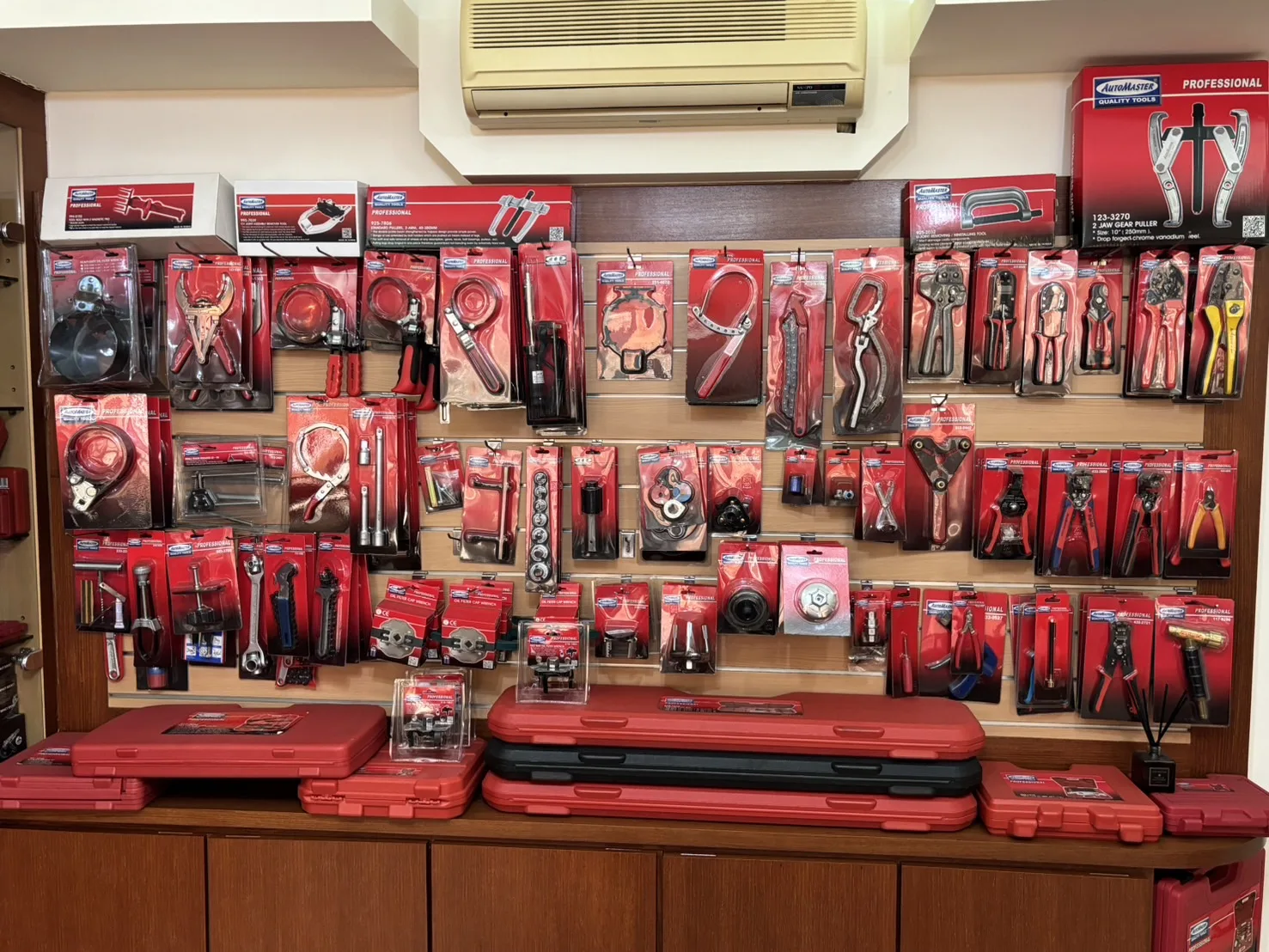
- Trading Company
- Taiwan, China
- Lead time60 days
- Avg. response≤ 1h
Main productsAutomotive tools,Hand tools,Workshop assortment,Air tools,Safety equipment
Main marketsMid East(80.00%), Western Europe(10.00%), Oceania(10.00%)


7PCS A/C Tool Fuel Line Disconnect Tool Set 7pcs Air Conditioning Ducts Removal Tool
$3.35
MOQ: 216 Minimum


Hebei Sinotools Industrial Co., Ltd.
- Verified by CTI
- Trading Company
- China Hebei
- Lead time30 days
- Avg. response≤ 5h
Main productsScrewdriver, Plier, Wrench, Hammer, Tape Measure, Pruning Shear, Knife, Tool Set
Main marketsEurope

$10.26 - $10.80
MOQ: 500 Sets


9PCS Air Conditioning Line Disconnect Tool A/C Fuel Line Remover Spring Lock Coupler Set
$1.97 - $2.00
MOQ: 1000 Sets


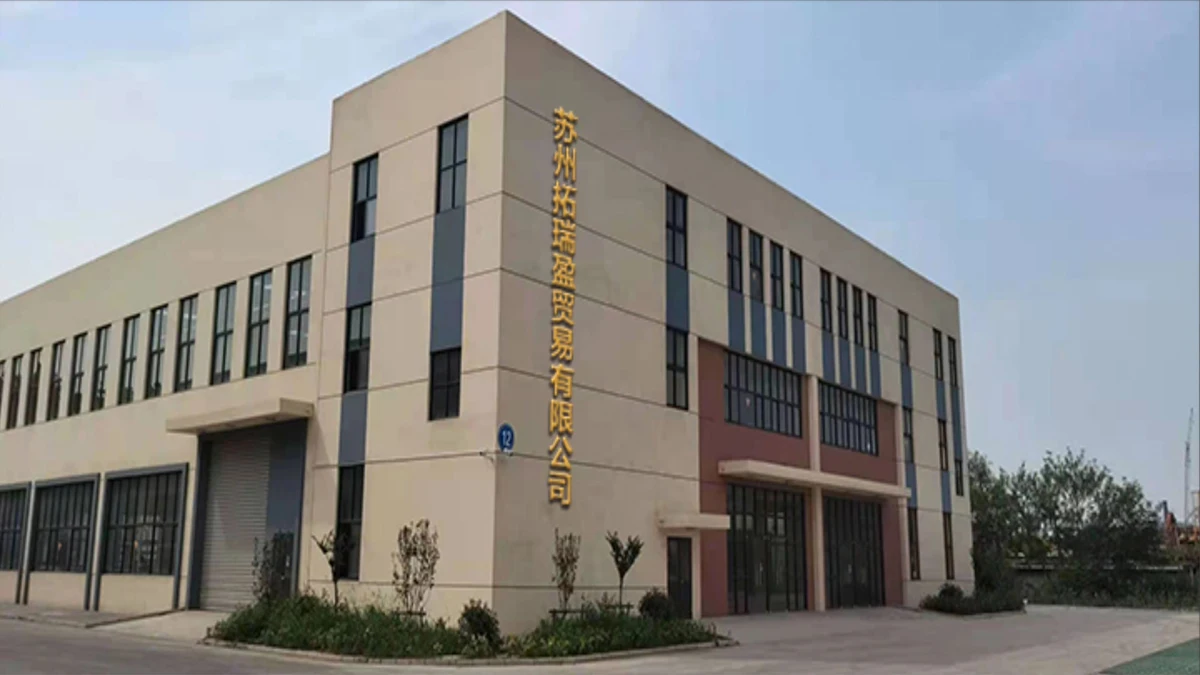
Suzhou Toryin Trading Co., Ltd.
- Trading Company
- Jiangsu, China
- Lead time30 days
- Avg. response≤ 4h
Main productsHand Tools,Car Tools,Outdoor Tools,Garden Tools,Kitchen Tools
Main marketsSouth America(21.00%), North America(18.00%), Western Europe(8.00%), Eastern Europe(8.00%), Southern Europe(7.00%), Domestic Market(7.00%), Central America(5.00%), Southeast Asia(5.00%), Northern Europe(5.00%), Africa(5.00%), South Asia(3.00%), Eastern Asia(3.00%), Mid East(3.00%), Oceania(2.00%)


7 Pcs Air Conditioning Refrigerant Fluorine Pipe Remover Tool Fuel Line Disconnect Tools Set
$0.70 - $0.78
MOQ: 50 pieces
Sichuan Guanghong International Trade Corp.
- Verified by Intertek
- Trading Company
- Lead time35 days
Main productsBrush, Towel, Sanding Block, Polish Pad, Automobile Radiator
Main marketsEastern Europe(42%), South America(20%), North America(15%)
- Manufacturer, Trading Company
- Zhejiang, China
- Lead time45 days
- Avg. response≤ 2h
Main productsSocket Set, Tool Set, Hand Tools, Tool Cabinet, Auto Repair Tools
Main marketsEastern Europe(30.00%), Western Europe(20.00%), South America(10.00%), Southern Europe(10.00%), South Asia(5.00%), Eastern Asia(5.00%), Central America(5.00%), Northern Europe(5.00%), Mid East(5.00%), Southeast Asia(5.00%)

$3.49 - $3.99
MOQ: 50 pieces


Comprehensive Sourcing Guide
Fuel Line Disconnect Tool Set Supplier Concentration and Factory Types
The available data indicates a concentration of suppliers operating from Shanghai and Zhejiang, China, which are key manufacturing hubs for automotive hand tools. These regions host a mix of trading companies and manufacturers that produce specialized equipment like fuel line disconnect sets. Some entities list their primary output as comprehensive tool kits, while others focus on specific components such as A/C and transmission line disconnectors. This geographic clustering suggests a mature supply chain where raw materials and finished goods move efficiently between factories and export channels. Buyers should recognize that a single listing might represent a trading firm sourcing from multiple factories within these provinces rather than a single production site.
Factory types vary significantly among the results, with some suppliers identifying as both manufacturers and trading companies, while others operate strictly as trading entities. This distinction impacts the depth of technical support and customization options available for specific tool models. Manufacturers often have direct control over the production process, allowing for adjustments in material selection, such as aluminum or steel alloys, and packaging formats like carton boxes or blow-molded cases. Trading companies may offer a broader range of SKUs by aggregating products from different sources, but they might have less direct influence over the manufacturing timeline. Understanding this structural difference is essential when evaluating the reliability of the supply chain for specialized automotive repair tools.
How to Verify Fuel Line Disconnect Tool Set Suppliers
Verification processes should begin by examining the specific credentials and verification statuses provided in the supplier profiles. Some suppliers display third-party verification marks, such as TÜV Rheinland, which indicates a level of external audit regarding their business operations or product quality. However, not all suppliers in the current results show active system certifications, with some listing their certification status as NIL. Buyers must treat the absence of a visible certification as a signal to request documentation directly rather than assuming a lack of standards. It is critical to confirm whether the supplier can provide valid test reports or quality assurance documents that match the specific product model numbers, such as BT-MEPRCOSET or 10514, before committing to an order.
Beyond certifications, buyers should assess the responsiveness and operational history of the potential partner. Response times in the data range from approximately 3.36 hours to over 14 hours, which can indicate the efficiency of the sales team and the availability of technical support. A faster response time often correlates with a more active sales operation, though it does not guarantee product quality. Additionally, the presence of customization options, such as OEM availability or specific packaging requirements, serves as a proxy for the supplier's flexibility and manufacturing capability. Buyers should verify these claims by requesting samples or detailed specifications to ensure the supplier can meet the exact technical requirements of the fuel line disconnect tools needed for their inventory.
What to Compare Across Fuel Line Disconnect Tool Set Suppliers
When comparing suppliers, the primary focus should be on the specific product attributes and commercial terms that define the value proposition. Key differentiators include the material composition of the tools, which ranges from plastic to aluminum and steel, and the specific application scope, such as A/C, fuel, or transmission line disconnects. Some sets are designed for single-line applications, while others offer comprehensive kits with multiple sizes, including standards like 1/4 inch, 5/16 inch, and up to 7/8 inch. The packaging method, whether it is double blisters, carton boxes, or blow-molded cases, also affects the perceived value and protection of the tools during transit. Buyers must align these physical attributes with their specific market demands to ensure the product fits their customer base.
Commercial terms such as Minimum Order Quantity (MOQ) and pricing structures are equally critical in the comparison process. The data shows MOQs varying from 300 units to 1000 units, which significantly impacts the initial capital required for inventory. Pricing also fluctuates based on the complexity of the set, with some basic kits listed at lower price points while more comprehensive sets command higher values. Lead times are another variable, with some suppliers indicating a zero-day lead time while others specify a 30-day production window. Buyers should calculate the total cost of ownership, including shipping and potential delays, to determine which supplier offers the most competitive and reliable terms for their specific order volume and timeline requirements.
Common Fuel Line Disconnect Tool Set Sourcing Risks
One significant risk in sourcing these tools is the potential mismatch between the advertised product specifications and the actual delivered goods. The data indicates a wide variety of model numbers and material compositions, from plastic to aluminum, which can lead to confusion if the supplier does not provide clear, standardized descriptions. There is a risk that a supplier might list a product as aluminum when the actual material is a different alloy, or that the included sizes do not match the stated standard. This discrepancy can result in customer returns and damage to the buyer's reputation. To mitigate this, buyers must insist on detailed product datasheets and physical samples that explicitly confirm the material, dimensions, and included components before finalizing any purchase agreement.
Another risk involves the variability in lead times and the potential for supply chain disruptions. While some suppliers report a lead time of zero, others indicate a 30-day production period, creating uncertainty in inventory planning. If a buyer relies on a supplier with a longer lead time without a buffer, they risk stockouts during peak demand periods. Furthermore, the lack of consistent certification data across the supplier pool means that quality control standards may vary widely between vendors. Buyers should not assume that all suppliers adhere to the same rigorous testing protocols. It is essential to establish clear communication channels and define penalty clauses for delays or quality failures in the contract to protect against these operational risks.
Fuel Line Disconnect Tool Set Regional Sourcing and Logistics
The primary sourcing regions identified in the data are Shanghai and Zhejiang, China, which serve as the central hubs for the production and export of these automotive tools. These locations benefit from established logistics infrastructure that facilitates the efficient movement of goods from factories to international ports. Suppliers in these regions often utilize standard packaging methods like carton boxes, which are optimized for container shipping and minimize damage during transit. The concentration of manufacturers in these areas allows for competitive pricing and a wide selection of product variations, making it easier for buyers to source diverse tool sets from a single geographic region. However, buyers should be aware that shipping times and costs will vary depending on the specific port of origin and the destination country.
Logistics planning must account for the specific packaging requirements and weight of the products to ensure cost-effective shipping. The data shows that some sets are packaged in blow-molded cases or double blisters, which may have different dimensional and weight profiles compared to standard carton boxes. For instance, a 25-piece master disconnect set has a single package size of 45x35x65 cm and a gross weight of 6.000 kg, which impacts freight calculations. Buyers should request detailed packing lists and dimensions from suppliers to accurately estimate shipping costs and container utilization. Additionally, understanding the origin of the goods is crucial for compliance with import regulations and potential tariffs, as the products are explicitly marked as originating from China.
Fuel Line Disconnect Tool Set Commercial Terms and Order Planning
Order planning for fuel line disconnect tool sets requires a careful analysis of the Minimum Order Quantity (MOQ) and pricing tiers to optimize cash flow. The data reveals MOQs ranging from 300 to 1000 units, which means buyers must have sufficient capital to meet these thresholds before production begins. Pricing is also a critical factor, with some sets listed at specific price points while others may have variable pricing based on volume. Buyers should negotiate based on their projected sales volume to secure better rates and ensure that the unit cost remains competitive in their target market. It is also important to consider the lead time, as some suppliers offer immediate availability while others require a 30-day production window, which affects the overall order cycle.
Commercial terms should also include clear agreements on customization and branding to ensure the final product meets the buyer's specific needs. Many suppliers in the data indicate that customization is available, allowing for OEM branding and specific packaging requirements. This flexibility is valuable for buyers looking to build a unique brand identity or meet specific customer preferences. However, buyers must verify the feasibility and cost implications of these customizations before placing an order. Additionally, establishing a clear payment structure and escrow options can help mitigate financial risks. Buyers should ensure that all terms regarding delivery, quality assurance, and after-sales support are explicitly defined in the contract to avoid disputes and ensure a smooth transaction.
FAQs
What is the minimum order quantity for fuel line disconnect tools?
Minimum order quantities vary by supplier and specific product model. Some listings require 300 units, while others set the threshold at 1000 pieces. Buyers should verify the exact MOQ for their selected tool set before placing an order to ensure compliance with supplier requirements.
How long does it take to receive these tools after ordering?
Lead times differ significantly among suppliers. One manufacturer lists a zero-day lead time, whereas another trading company specifies a thirty-day production window. Buyers must confirm the current delivery schedule with the specific vendor to plan their inventory and project timelines accurately.
Where are the fuel line disconnect tool sets manufactured?
All observed products originate from China, specifically from manufacturing hubs in Shanghai and Zhejiang provinces. The product attributes consistently list China as the place of origin for these automotive repair tools, ensuring buyers know the geographic source of their equipment.
What materials are used to construct these disconnect tool sets?
Manufacturers utilize various materials depending on the specific tool set design. Options include plastic, aluminum, and a combination of steel and plastic. Some sets feature colorful finishes, while others are constructed from durable aluminum alloy to withstand heavy automotive repair tasks.
Are customization and OEM services available for these tools?
Customization is available for many of the listed fuel line disconnect tool sets. Suppliers offer OEM services and allow for specific packaging or branding requests. Buyers should check individual product attributes to confirm if custom features like double blisters or specific case types are supported.
What is the typical response time for supplier inquiries?
Supplier response times vary across the available listings. Some vendors respond within approximately three hours, while others may take around fourteen hours to reply. Buyers should expect different communication speeds depending on the specific trading company or manufacturer they contact for their tool needs.
What certifications do the suppliers hold for these tools?
Certification status varies among the suppliers. One verified supplier holds TÜV Rheinland certification, while others currently show no listed system certifications. Buyers should request specific quality assurance documents or verify certification status directly with the supplier before finalizing any bulk purchase agreements.