Fruit Pattern Cosmetic Clutch Suppliers and Manufacturers
Source 21 verified Fruit Pattern Cosmetic Clutch suppliers from Zhejiang, China. Compare key dimensions including MOQ, lead times, and response rates to identify suitable partners. Review product specifications and request quotes to proceed with your sourcing needs; review the available evidence before requesting comparable quotations from suitable candidates.
Suppliers List
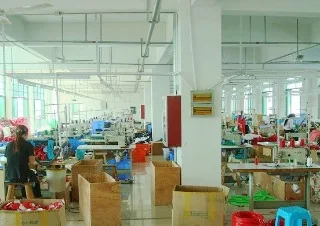
Yiwu Deqi Bag & Case Co., Ltd.
- Manufacturer, Trading Company
- Zhejiang, China
- Lead time30 days
- Avg. response≤ 3h
Main productsCosmetic Bags; Travel Organizer Bags; Canvas Tote Bags; School Bags; Diaper Bags,tote bag,travel bag,school bag,baby bag
Main marketsSouth Asia(100.00%), Africa(100.00%), Central America(100.00%), North America(30.00%), Western Europe(26.00%), Domestic Market(12.00%), Oceania(10.00%), South America(5.00%), Southern Europe(5.00%), Eastern Asia(4.00%), Southeast Asia(3.00%), Mid East(2.00%), Northern Europe(2.00%), Eastern Europe(1.00%)
- Verified by SGS
- Combined
- China Zhejiang
- Lead time15 days
- Avg. response≤ 4h
Main productsCosmetic Bag, Travel Bag, Tote Bag
Main marketsEurope,Australia

Portable Cosmetics Brush Storage Clutch with Zipper Closure Canvas Cosmetic Bags
$0.25 - $1.55
MOQ: 100 Pieces

Quilting Cotton Cosmetic Bags Travel Cosmetics Brush Storage Clutch Makeup Bag
$0.25 - $1.55
MOQ: 100 Pieces

Custom Logo Eco-Friendly Blue Canvas Cotton Makeup Accessory Clutch Cosmetic Bag
$1.59 - $2.98
MOQ: 100 Pieces

Women Travel Pouch Beauty Storage Cases Make up Organizer Corduroy Clutch Cosmetic Bag
$0.99 - $2.99
MOQ: 100 Pieces

Makeup Clutch Trendy Mini Cosmetic Beauty Pouch Silicone Wallets Purse Travel Bag
$1.28 - $1.85
MOQ: 100 Pieces

Fashion Pink Velvet Makeup Organizer Travel Toiletry Beauty Cosmetic Bag
$0.99 - $2.99
MOQ: 100 Pieces

Xiamen Top Green Bags Co., Ltd.
- Verified by SGS
- Trading Company,Manufacturer/Factory
- China Fujian
- Lead time45 days
- Avg. response≤ 4h
Main productsCooler Bags, Sports Bags, Apron, Promotional Bag, Waist Bag, Shoulder Bag, Travel Bags, Cosmetic Bag, Laptop Bag, Pencil Bag
Main marketsSouth America,Eastern Europe,North America,Southeast Asia,Eastern Asia,Oceania,Western Europe,Africa

Travel Storage Organizer Makeup Beauty Zipper Cotton Canvas Two-Tone Cosmetic Bag Make up Clutch
$0.49 - $1.20
MOQ: 500 Pieces


Anhui Magic Industry Co., Ltd.
- Verified by SGS
- Manufacturer/Factory
- China Anhui
- Lead time98 days
- Avg. response≤ 7h
Main productsCanvas Bag, Tote Bag, Backpack, Shoulder Bag, Drawstring Bag, Cosmetic Bag, Customize Bag, Sports Bag, Shopping Bag, Cooler Bag
Main marketsSouth America,Eastern Europe,Mid East,North America,Southeast Asia,Eastern Asia,Oceania,Western Europe,Africa

Distributor Ladies Clutch Canvas Leisure Makeup Wash Cosmetic Beauty Pouch Bag
$0.30 - $0.50
MOQ: 300 Pieces


Portable Silicone Cosmetic Clutch Coin Purse Waterproof Wearable Wash Storage Bag
$3.43 - $3.59
MOQ: 100 Pieces


Luxury Travel Corduroy Cosmetic Bag Cute Gifts Makeup Storage Case Large Capacity Cosmetic Holder
$2.50 - $2.90
MOQ: 100 Pieces

Hot Selling Makeup Brush Powder Puff Storage Holder Set Cosmetics Storage Bag
$2.00 - $2.89
MOQ: 500 Pieces
- Verified by Intertek
- Manufacturer, Trading Company
- Lead time35 days
- Avg. response≤ 6h
Main productsBackpack, Travel Bag, Cosmetic Bag, Handbag, Waist Bag
Main marketsNorth America(70%), Western Europe(20%), Southeast Asia(10%)
Guangzhou Master Young Co., Ltd.
- Verified by TUVRHEINLAND
- Trading Company,Manufacturer/Factory
- China Guangdong
- Lead time23 days
- Avg. response≤ 7h
Main productsWomen Handbag, PU Leather Handbag, Backpack, Men Wallet, Genuine Leather Bags, Laptop Bags, Denim Bags, Party Bags, Leisure Backpack, Fashion Bags
Main marketsSouth America,Eastern Europe,Mid East,North America,Southeast Asia,Eastern Asia,Oceania,Western Europe

$11.98 - $16.88
MOQ: 20 Pieces

Classical Square Party Clutch Women Evening Clutch Fashion Lady Cosmetic Bag Luxury Designer Purse
$7.25 - $10.95
MOQ: 20 Pieces

Round Clutch Purse Handbags Chain Wedding Evening Party Ladies Bag Cosmetic Bag
$5.12 - $7.90
MOQ: 20 Pieces

High Quality Hardware Wedding Evening Bag Party Dinner Women's Cosmetic Bag Hollow Clutches
$7.25 - $9.50
MOQ: 10 Pieces

Sparkly Fashion Rhinestone Black Evening Party Clutch Handbags Women Wedding Cosmetic Bag
$10.98 - $15.25
MOQ: 20 Pieces

Hefei Exciway Import & Export Co., Ltd.
- Trading Company
- Anhui, China
- Lead time35 days
- Avg. response≤ 7h
Main productsBackpacks,Cosmetic bags,Business bag&cases,Handbags,Luggage&Travel bags
Main marketsWestern Europe(30.00%), North America(25.00%), Northern Europe(10.00%), Eastern Europe(10.00%), Southern Europe(5.00%), Southeast Asia(5.00%), Mid East(5.00%), Oceania(5.00%), South America(3.00%), Central America(2.00%)

DongGuan Saivlon Sport Goods Co., Ltd.
- Verified by BV
- Combined
- China Guangdong
- Lead time23 days
- Avg. response≤ 3h
Main productsSwimsuit, Rash Guard, Horse Equipment, Sport Swear, Horse Products, Horse Rug, Horse Bell Boots, Horse Bits, Neoprene Bag, Horse Tack
Main marketsSouth America,East Asia(Japan/ South Korea),Europe,Australia,North America
Shenzhen Jingyida Bags Products Co., Ltd.
- Verified by Intertek
- Manufacturer, Trading Company
- Lead time30 days
- Avg. response≤ 2h
Main productsCosmetic Bag, Handbags, Backpack, Storage Bag, Waist Bag
Main marketsWestern Europe(50%), North America(30%), Eastern Europe(5%)
Hangzhou Initi Imp&Exp Co., Ltd.
- Verified by SGS
- Combined
- China Zhejiang
- Lead time30 days
- Avg. response≤ 7h
Main productsTote Bag, Cotton Bag, Canvas Bag, Drawstring Bag, Garment Bag, Cooler Bag, Cosmetic Bag, Shaker Bottle, Felt Bag, Corduroy Bag
Main marketsSoutheast Asia/ Mideast,East Asia(Japan/ South Korea),Europe,Australia,North America

Guangzhou Fu Li Ya Industry Co., Ltd.
- Verified by TUVRHEINLAND
- Combined
- China Guangdong
- Lead time30 days
- Avg. response≤ 13h
Main productsShopping Bag, Promotional Bag, Canvas Bag, Polyester Bag, Cotton Bag, Tote Bag, Non Woven Bag, Garment Bag, Cooler Bag, Hand Bag
Main marketsEurope,North America
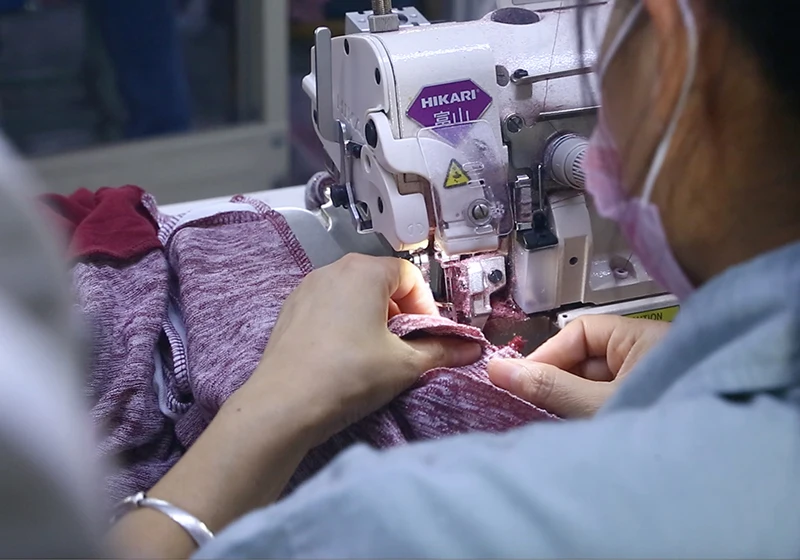
Ningbo Exfatter Apparel Co., Ltd.
- Manufacturer
- Zhejiang, China
- Lead time45 days
- Avg. response≤ 6h
Main productsBaby & Kids Clothes,Baby Sleepsuits,Baby Pyjamas,Baby Bobysuits,Baby Dress
Main marketsNorth America(30.00%), Oceania(20.00%), Northern Europe(10.00%), Eastern Europe(10.00%), South Asia(5.00%), Southern Europe(5.00%), Africa(5.00%), Western Europe(5.00%), Eastern Asia(5.00%), South America(5.00%)
Guangzhou Wangjia Leatherware Co., Ltd.
- Manufacturer/Factory
- China Guangdong
- Lead time30 days
- Avg. response≤ 4h
Main productsWestern Cowboy & Cowgirl Belts, Western Buckles, Buckle Sets, Conchos, Dog Collars & Hat Belts, PU Belts, Leather Belts, PU Handbags, Straw Beach Bags, Wallets
Main marketsSouth America,Eastern Europe,Mid East,North America,Southeast Asia,Eastern Asia,Oceania,Western Europe,Africa

Rhombus Pattern Mini Cosmetic Pouch Holder Lipstick Clutch Bag with Mirror
$4.60 - $5.00
MOQ: 100 Pieces

$3.50 - $4.00
MOQ: 100 Pieces
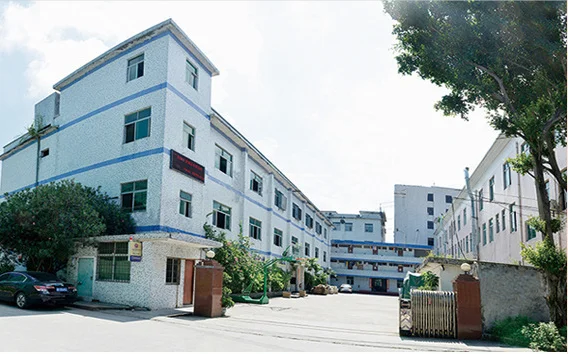
Guangzhou Yazhuo Bags Co.,ltd.
- Manufacturer, Trading Company, Distributor/Wholesaler
- Guangdong, China
- Lead time15 days
- Avg. response≤ 2h
Main productscosmetic bag,men bag,women bag,backpack,wallet
Main marketsNorth America(60.00%), Southern Europe(10.00%), Western Europe(10.00%), Eastern Europe(10.00%), South America(10.00%)
Yiwu Kmlu Makeup Tool Co., Ltd.
- Trading Company
- Zhejiang, China
- Lead time15 days
- Avg. response≤ 4h
Main productsMakeup brush,Powder puff,Manicure eyelash tools
Main marketsNorth America(30.00%), South America(20.00%), Northern Europe(10.00%), Western Europe(10.00%), Mid East(10.00%), Africa(10.00%), Eastern Europe(10.00%)

JU MEI (GUANGZHOU) BAGS COMPANY LIMITED
- Verified by BV
- Trading Company,Manufacturer/Factory
- China Guangdong
- Lead time45 days
- Avg. response≤ 5h
Main productsLaptop Bag, Backpack, Sleeve, Computer Bag, Laptop Backpack, Canvas Bag, Travel Bag, Sport Bag, Climbing Bag
Main marketsSouth America,Eastern Europe,Mid East,North America,Southeast Asia,Eastern Asia,Oceania,Western Europe,Africa
- Trading Company
- Taiwan, China
- Lead time0 days
- Avg. response≤ 1h
Main productsJewelry,Patch,Clothes,Hat,Bag
Main marketsNorth America(10.00%), South America(10.00%), Mid East(10.00%), Eastern Asia(10.00%), Western Europe(10.00%), Central America(10.00%), Northern Europe(10.00%), Southern Europe(10.00%), South Asia(10.00%), Eastern Europe(5.00%), Southeast Asia(5.00%)
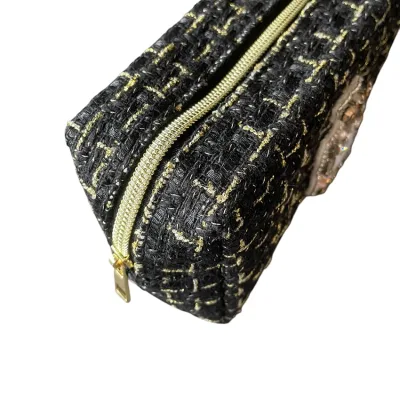
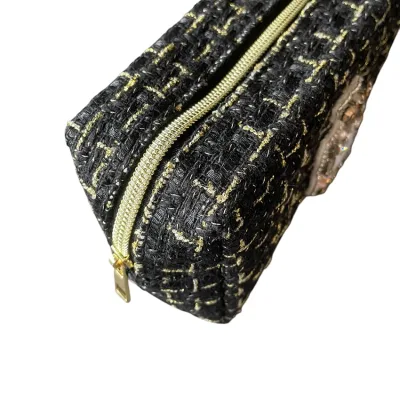
Evening Clutch with Perfume Patch Accent
$8.99 - $9.99
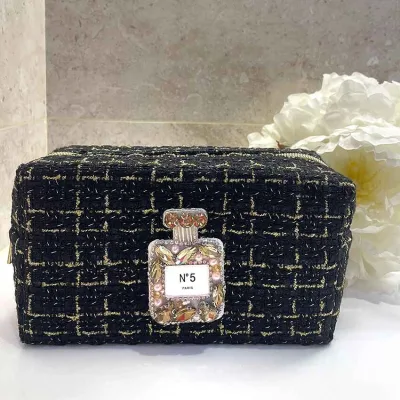
Clutch with Perfume Patch Presentation
$8.99 - $9.99
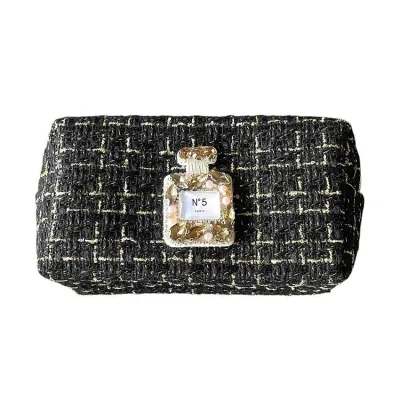
Everyday Clutch with Patchwork Perfume Detail
$8.99 - $9.99

Handheld Clutch with Classic Perfume Logo
$8.99 - $9.99
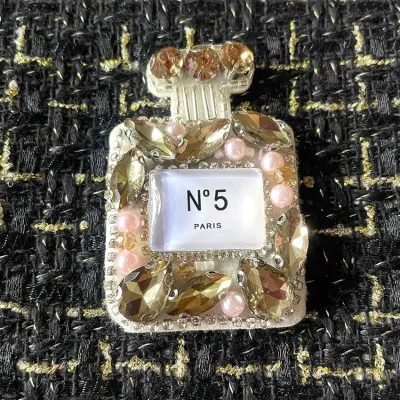
Perfume Patch Clutch Bag with Zip Closure
$8.99 - $9.99
Dongguan City DIADIA Industrial Co., Ltd.
- Manufacturer, Trading Company
- Guangdong, China
- Lead time15 days
- Avg. response≤ 5h
Main productsCosmetic Bag, Hand Bag, Messenger Bag, Backpack, Pencil Bag
Main marketsEastern Asia(45.00%), North America(10.00%), Southeast Asia(10.00%), South America(5.00%), Oceania(5.00%), Western Europe(5.00%), Southern Europe(5.00%), Northern Europe(5.00%), Eastern Europe(5.00%), Mid East(5.00%)
Putian Geyang Trading Co., Ltd
- Verified by CTI
- Trading Company
- China Fujian
- Lead time0 days
- Avg. response≤ 2h
Main productsTote Bags, Cosmetic Bags, Travel Bags, Duffel Bags, Backpacks, Luggage Sets, Hand Bags, Crossbody Bags, Custom Bags
Shanghai Yini Printing Co., Ltd.
- Verified by SGS
- Trading Company
- China Shanghai
- Lead time15 days
- Avg. response≤ 1h
Main productsPaper Gift Box, Custom Paper Box, Cosmetic Box, Corrugated Box, Paper Bag, Folding Box, Magnetic Box, Drawer Box, Mailer Box, Shipping Box
Main marketsDomestic

Custom Pattern Cosmetic Box Unique Style to Highlight Brand Differentiation
$0.05 - $0.15
MOQ: 1000 Pieces


Guangzhou Modicci Fashion Co., Limited
- Verified by SGS
- Trading Company,Manufacturer/Factory
- China Guangdong
- Lead time45 days
- Avg. response≤ 17h
Main productsHandbag, Backpack, Crossbody, Wallet, Clutch, Purse, Keyring, Jewellery Box, Card Holder, Laptop Backpack
Main marketsSouth America,Eastern Europe,Mid East,North America,Southeast Asia,Eastern Asia,Oceania,Western Europe,Africa


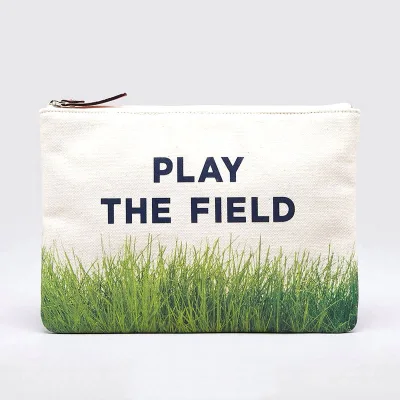
$3.00 - $5.00
MOQ: 200 Pieces
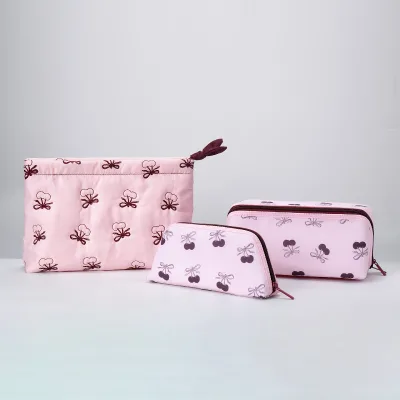
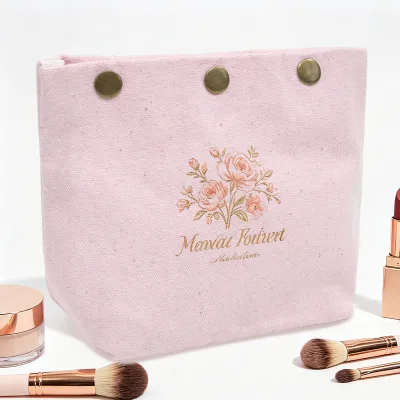
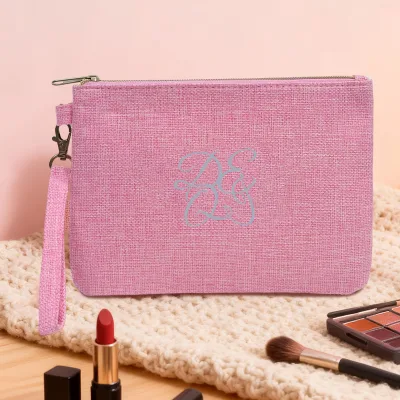
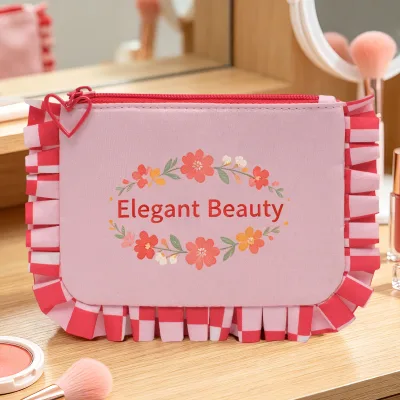
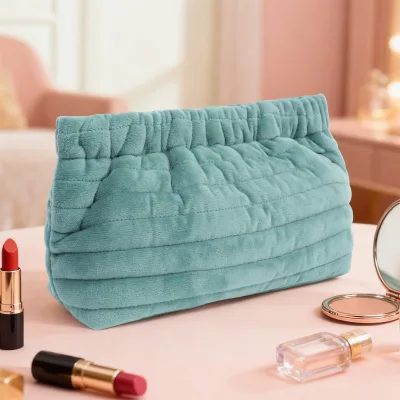
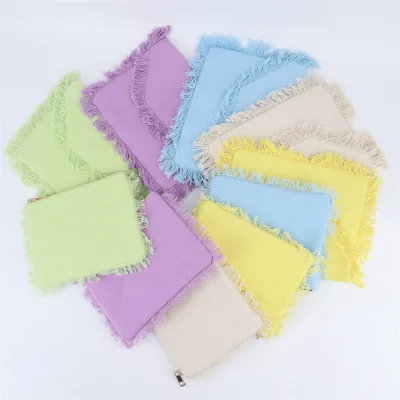
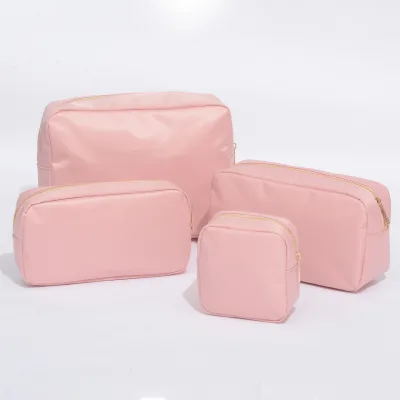
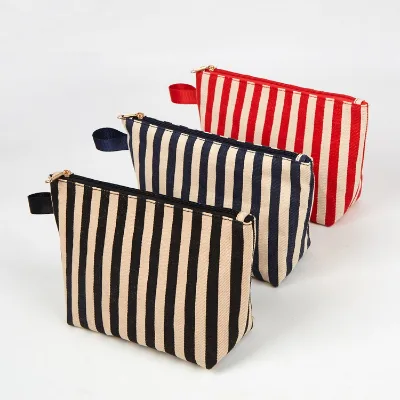
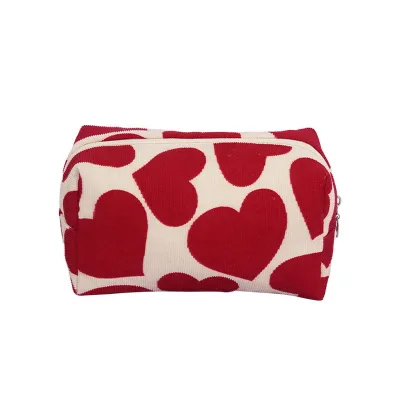


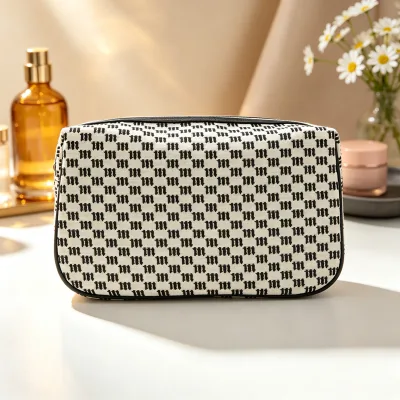
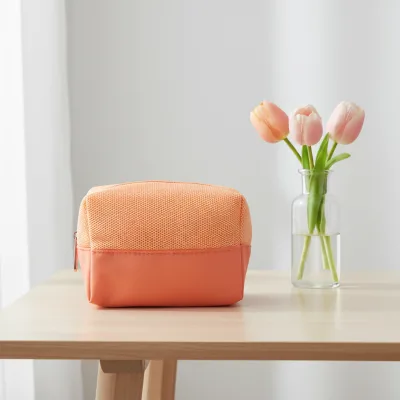


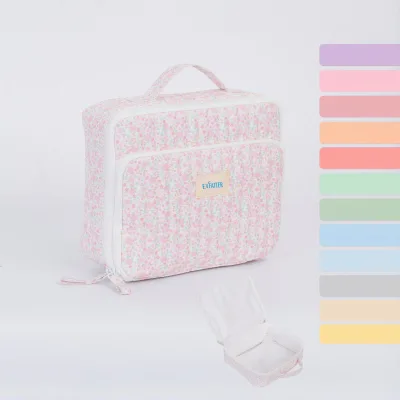
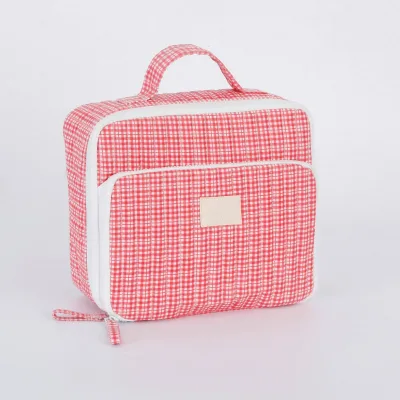
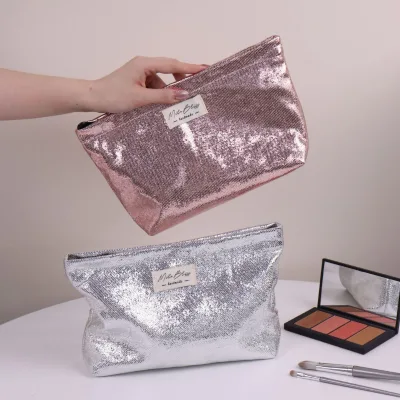
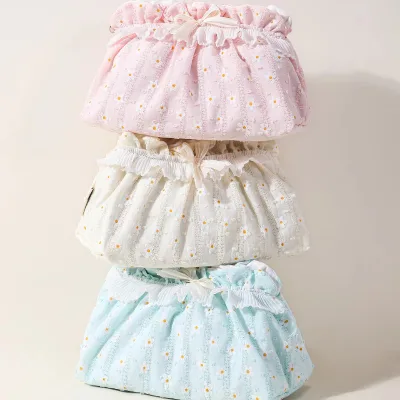
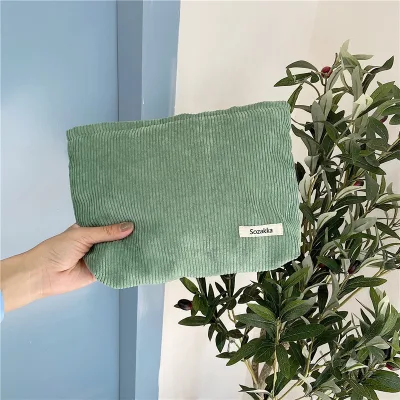




Comprehensive Sourcing Guide
Fruit Pattern Cosmetic Clutch Supplier Concentration and Factory Types
Suppliers producing cosmetic clutches in fruit and similar novelty prints are heavily represented in Zhejiang, China, which appears in the supplier results as the place of origin for printed canvas, linen, cotton and polyester cosmetic bags and clutches. A buyer searching this category should therefore treat Zhejiang as a primary manufacturing base, but should still confirm each supplier's declared location on the listing rather than assuming that any result marked "China" belongs to the same cluster. The results also show that many companies in this space operate as combined Manufacturer and Trading Company entities, meaning the same profile may both produce in-house and resell from neighboring workshops. That dual role affects how you audit the operation and who controls quality.
Factory type matters for fruit-pattern work specifically because printed patterns are usually applied by subcontracted or in-house printing lines, and a pure trading company may have limited visibility into print registration and color matching. When shortlisting, read the main-products line: the results show suppliers listing Cosmetic Bags, Travel Organizer Bags, Canvas Tote Bags, School Bags and Diaper Bags, which signals soft-goods stitching capability rather than rigid-case molding. Buyers wanting a distinct fruit motif should prioritize suppliers whose product evidence already includes printed canvas clutches, since those listings demonstrate existing print-and-sew workflow, packaging (polybag plus master carton) and OEM/ODM acceptance that a newcomer to printed patterns cannot yet prove.
How to Verify Fruit Pattern Cosmetic Clutch Suppliers
Verification starts with the attributes a listing actually displays, not with assumptions. The results show that location, company type, response time, product model numbers, materials, package details and single gross weights are all declared per product, so a buyer can cross-check a supplier's identity claim against its product data. For a fruit-pattern clutch, confirm that the place of origin on the product record matches the company's stated location, and that the pattern type field (tropical print, floral, or custom in the observed results) genuinely reflects the fruit artwork you need. Ask the supplier to confirm whether the fruit print is stock artwork or requires new printing plates or digital printing setup before quoting.
Beyond listing data, request evidence that only the supplier can provide: a signed product specification sheet referencing the model number shown on the listing, a photo of the sewing floor, and a pre-production sample in the actual fruit pattern. The results show sample lead times declared on some listings, so record the stated sample days and compare them against what the supplier confirms in writing. Ask whether OEM and ODM are welcomed, a field that appears on some product records and distinguishes printers of custom artwork from sellers of fixed stock prints. Finally, verify the packaging declaration, such as one piece per polybag with a stated quantity per carton, so warehouse receiving can reconcile cartons against the documented pack configuration.
What to Compare Across Fruit Pattern Cosmetic Clutch Suppliers
Build a comparison sheet from dimensions the supplier results actually expose. Lead time is one: observed figures include a 30-day general lead time on supplier records and 10-15 day delivery times on individual printed clutch listings, so compare both the company-level and product-level values rather than assuming one applies everywhere. MOQ is another strong differentiator: the results show 2000 pieces on a printed canvas clutch and 1000 pieces on a larger recycled polyester makeup kit, so a fruit-pattern buyer must check the MOQ attached to the specific print, since base-bag MOQ and custom-print MOQ often differ. Response time, declared in hours on some profiles, indicates how quickly sampling questions will be answered.
Compare product breadth next. A supplier whose main products span cosmetic bags, travel organizers, totes, school bags and diaper bags can usually handle zippered clutches and boxed kits, while a single-product listing suggests narrower capability. Compare materials too: the results include canvas, 210D polyester lining, linen, cotton and velvet versions with different closures (zipper, snap, open-top) and sizes from small clutch to large kit. Price ranges shown on listings, such as sub-dollar canvas clutches versus multi-dollar recycled sets, give a rough tiering signal, but treat them as starting quotes to re-confirm at your quantity. Note which suppliers display escrow or establishment-year information and which do not, and ask directly where a field is missing rather than assuming every supplier carries the same displayed attributes.
Common Fruit Pattern Cosmetic Clutch Sourcing Risks
The most common risk in this category is pattern substitution. Fruit artwork is seasonal and trend-driven, and suppliers sometimes ship a stock tropical or floral print instead of the exact fruit motif approved at sampling. Prevent this by locking the pattern into the specification sheet with the model number shown on the product record, a printed color reference, and an approval sample retained by both sides. The results show pattern-type fields such as "tropical print" and "Custom," so confirm in writing which one governs your order. A second risk is material drift: the observed listings use canvas, polyester, linen, cotton and velvet, and fabric substitutions change print absorption, hand feel and weight.
Other risks sit in logistics and packaging. Single gross weights in the results range from about 0.035 kg for a cotton clutch to 0.155 kg for a larger kit, and a supplier who misstates carton weight or packing (one piece per polybag, a stated count per carton) creates freight-cost surprises at destination. Closure-type errors, such as a zipper supplied where an open-top was approved, are frequent in soft cosmetic bags. Timing risk is real because printed runs depend on fabric arrival plus print scheduling; the gap between a 10-15 day product delivery figure and a 30-day company lead time shows why written milestones are necessary. Finally, verify waterproofing claims separately for kits marketed as water-resistant, since coating quality is hard to judge from photos.
Fruit Pattern Cosmetic Clutch Regional Sourcing and Logistics
The supplier evidence points to Zhejiang, China as the relevant sourcing region for printed cosmetic clutches, with product records explicitly listing Zhejiang as the place of origin. For a buyer, this concentration simplifies travel and consolidation: sampling visits, print-shop audits and fabric-market sourcing can often be combined in one trip, and multiple suppliers shipping from the same region can be consolidated into fewer export consignments. Because the category sits within Luggage, Bags & Cases under Lifestyle Bags, freight forwarding agents familiar with soft bags and carton-based consolidation are readily available near these production areas.
Plan logistics around declared timeframes rather than assumptions. Observed data includes a 30-day lead time at the supplier level and 10-15 day delivery windows on specific printed clutch listings, with sample days declared on some products; use the longer figure in your purchase order until the supplier confirms otherwise for your print. Confirm packaging at the carton level, using the documented pattern of one piece per polybag with a stated pieces-per-carton count so your forwarder can quote volumetric weight accurately. Single gross weights declared per item, from lightweight cotton clutches to heavier quilted velvet pieces, let you estimate air versus sea cost early. Ask each supplier which port it habitually ships from, since the answer is not shown in listing data and affects inland haulage, and confirm who books freight, insures the shipment and provides the packing list matching the carton configuration.
Fruit Pattern Cosmetic Clutch Commercial Terms and Order Planning
Commercial terms should be built directly on the numbers suppliers declare. Set your minimum order quantity by print, not by product: the results show 2000-piece MOQs on printed canvas clutches and 1000-piece MOQs on larger recycled kits, so a multi-SKU fruit-pattern program must budget separately for each motif unless the supplier agrees to combine prints. Negotiate price bands using listed ranges as anchors, then re-confirm at your real quantity, material and closure specification, because a quilted velvet piece and a flat cotton clutch sit at very different cost points even under the same supplier. Record the agreed unit price, currency, incoterm and payment schedule in the contract.
Order planning should sequence sampling, printing and sewing around the declared lead times. Work backward from your launch date: sample days first, then a print-plate or digital-print approval, then bulk production within the confirmed lead time, holding the supplier to the longer of any quoted windows until milestone dates are fixed in writing. Confirm OEM/ODM acceptance for custom fruit artwork and whether existing stock patterns can reduce setup cost. Use secure payment structures where offered and verify which transaction-protection options each platform account displays rather than assuming all suppliers support the same escrow mechanism. Finally, plan a replenishment tier: since printed fabric lots vary between dye batches, book a repeat order window before the first shipment leaves to protect color consistency across seasons.
FAQs
What is the typical MOQ for a Fruit Pattern Cosmetic Clutch?
Many Zhejiang manufacturers list MOQs from 1,000 to 2,000 pieces for printed cosmetic clutches. Entry-level canvas designs often sit at the 2,000-piece mark, while recycled polyester gift sets can start at 1,000 pieces. If you need fewer units, ask suppliers about combining colors or patterns within one order, or confirm whether sample quantities can be extended into a small trial run.
How long does production take after the order is confirmed?
Lead times commonly run about 30 days for bulk production, while some catalog clutches are quoted at 10 to 15 days delivery. The final timeline depends on order size, printing complexity, and whether your logo requires custom screens. Always confirm the production schedule in writing and factor in shipping time separately before committing to a retail or promotional launch date.
Can I customize the fruit pattern and add my own logo?
Yes, most listed clutches support custom patterns and printed logos, with OEM and ODM services welcomed. You can usually submit artwork for a tropical, cherry, or floral fruit design, then receive a printed sample before mass production. Provide your logo format and preferred placement early, since printed branding is typically confirmed at the sample stage around five days after request.
What materials are available for fruit-printed cosmetic clutches?
Common options include canvas often backed with 210D polyester, cotton, linen, recycled polyester, and quilted velvet for evening styles. Canvas and cotton suit vibrant fruit prints and eco-friendly positioning, while linen offers a soft natural feel and velvet adds a premium touch. Ask each supplier for fabric weight, colorfastness results, and lining details before selecting the material for your target price point.
What do these cosmetic clutches typically cost per unit?
Listed unit prices range roughly from under one dollar for simple canvas clutches to around three dollars and sixty cents for recycled polyester multi-piece sets. Price depends on material, size, printing method, and order quantity, with larger orders usually earning lower rates. Request quotes against your exact artwork and quantity so the figure reflects your specification rather than a catalog baseline.
What packaging and specifications should I verify before ordering?
Typical packing is one piece per polybag with around 200 pieces per carton, and single clutches often weigh between 35 and 155 grams depending on material. Confirm carton dimensions, gross weight per carton, zipper or snap closure type, and final package size. Also ask whether retail-ready packaging, barcodes, or insert cards can be supplied, as these affect landed cost and shelf presentation.
How quickly do suppliers respond and ship samples?
Suppliers in this category generally respond within about three hours on business days, and sample production is often quoted around five days. Treat these as indicative figures and confirm current response and sample times with each factory directly. When evaluating suppliers, note how detailed their first reply is, since accurate answers about fabric, printing, and pricing usually signal smoother order handling.