German Type Automotive Hose Clamp Suppliers and Manufacturers
Explore 11 verified suppliers offering German Type Automotive Hose Clamp options from China Tianjin and Zhejiang. Compare response times, lead times, certifications, and pricing to find the right partner. Contact suppliers directly to request samples or custom sizes; review the available evidence before requesting comparable quotations from suitable candidates.
Suppliers List

Tianjin Vieworld International Trade Co., Ltd.
- Verified by SGS
- Combined
- China Tianjin
- Lead time15 days
- Avg. response≤ 2h
Main marketsOthers(foreignTradeCapacity.exportBusinessCapacityMarketOther)


Stainless Steel 304 German Type Hose Clamp for Automotive Water & Fuel Hoses
$0.02 - $0.12
MOQ: 1000 Pieces

Automotive Silicone Stainless Steel Cable Quick Lock Germany Type Hose Clamp
$0.05 - $0.10
MOQ: 1 Pieces

Custom Size Adjustable 201 & 304 Stainless Steel German Type Hose Clamp Automotive Clamps
$0.03 - $0.05
MOQ: 1000 Pieces

- Verified by BV
- Combined
- China Zhejiang
- Lead time30 days
- Avg. response≤ 3h
Main productsStainless Steel Cable Ties, PVC Coated Stainless Steel Ties, Nylon Cable Ties, Wiring Ducts, Cable Glands, Cable Tie Tool, Cable Clamp, Cable Corrugated Conduit, Stainless Steel Band Strap & Buckle, Terminals
Main marketsDomestic

Tianjin Xinhongshun Fastener Co., Ltd.
- Verified by SGS
- Combined
- China Tianjin
- Lead time15 days
- Avg. response≤ 1h
Main productsR/U Type Rubber Clamp, Single Bolt Clamp, German Type Hose Clamp, American Type Hose Clamp, British Type Hose Clamp
Main marketsDomestic

Zhe Jiang Yue Ding Corrugated Tube Co., Ltd.
- Verified by SGS
- Combined
- China Zhejiang
- Lead time15 days
- Avg. response≤ 5h
Main productsExhaust Flexible Pipe, Exhaust Clamp, Hose Clamp, Exhaust X/Y Pipe, Truck Exhaust Pipe, Pipe & Cable Clamps, Exhaust Elbow, Exhaust Accessories, Exhaust Tip, Metal Bellow
Main marketsSoutheast Asia/ Mideast,Europe,Australia


German Type Hose Clamp Stainless Steel Clip Hose Clamp Pipe Clamps Clip
$0.16 - $0.26
MOQ: 1000 Pieces

High Torque Galvanized/Stainless Steel Germany Style Hose Clamp for Water Pipe
$0.16 - $0.26
MOQ: 1000 Pieces
Tianjin Kainuo Industrial Co., Ltd.
- Verified by TüVRheinland
- Manufacturer, Trading Company
- Lead time60 days
- Avg. response≤ 19h
Main productsHose Clamps, Stainless Steel No Hub Couplings
Main marketsDomestic Market(35%), North America(30%), Southeast Asia(6%)

Ningbo Wodafeng Hardware Technology Co., Ltd.
- Verified by SGS
- Combined
- China Zhejiang
- Lead time30 days
- Avg. response≤ 2h
Main productsClamp, Hose Clamp, Pipe Clamp, Stamping
Main marketsOthers(foreignTradeCapacity.exportBusinessCapacityMarketOther)


High Performance Screw Band Clamp Stainless Steel Germany Type Hose Clamp for Automotive
$0.00
MOQ: 10000 Pieces

Hejian Huansheng Fasteners Co., Ltd.
- Verified by SGS
- Combined
- China Hebei
- Lead time15 days
- Avg. response≤ 4h
Main productsamerican hose clamp
Main marketsDomestic

Wanda Industrial Supply Limited
- Trading Company,Manufacturer/Factory,Group Corporation
- China Zhejiang
- Lead time38 days
- Avg. response≤ 13h
Main productsHose Clamp, Worm Drive Hose Clamp, Quick Release Hose Clamp, Constant Torque Hose Clamp, Stainless Steel Hose Clamp, Heavy Duty Clamp, T Bolt Clamp, V Band Clamp, Germany Type Hose Clamp, American Type Hose Clamp
Main marketsSouth America,North America,Southeast Asia,Oceania,Western Europe

Xingtai Shangda Commerce and Trade Co., Ltd
- Verified by SGS
- Trading Company
- China Hebei
- Lead time23 days
- Avg. response≤ 7h
Main productsCoil Nail, Steel Nails, Bared Wire, Common Iron Nail, Hose Clamp, Galvanized Wire, Staple, Nail Making Machine, Welding Electrode, Welding Wire
Main marketsSouth America


Multi Specification Semi/Full Steel German Type Style Adjustable Hose Pipe Clamp
$0.02 - $2.00
MOQ: 1000 Pieces

Tianjin Yingxintai Import and Export Co., Ltd.
- Verified by SGS
- Trading Company
- China Tianjin
- Lead time30 days
- Avg. response≤ 1h
Main marketsDomestic,Europe


Wholesale High Quality American Type & German Type Hose Clamps for Industrial Use
$0.07 - $0.12
MOQ: 1000 Pieces

Qingdao sindko metal products Co., Ltd.
- Verified by TUVRHEINLAND
- Trading Company,Manufacturer/Factory
- China Shandong
- Lead time23 days
- Avg. response≤ 3h
Main productsHose Clamp, Strut Channel Accessories, Stamping Product, Fasteners, Strut Channel, Steel Products, Pipe Clamp, Threaded Rod, Stainless Steel Hose Clamps, Iron Galvanized Hose Clamps
Main marketsSouth America,Eastern Europe,Mid East,North America,Southeast Asia,Eastern Asia,Oceania,Western Europe,Africa

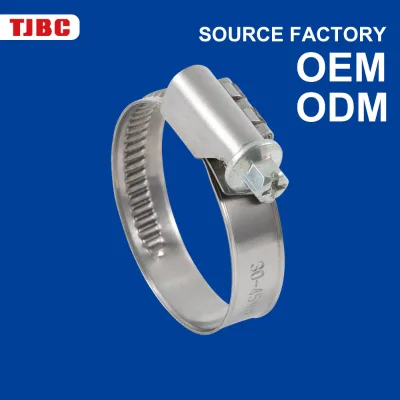
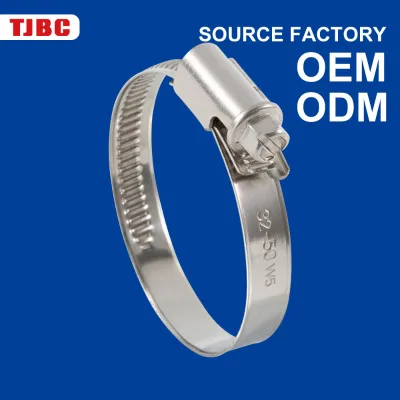
German Type Hose Clamp with Butterfly Handle - Automotive Hose Clamp in Metric/Inch Sizes
$0.02 - $2.00
MOQ: 1000 Pieces

Automotive German Type Hose Clamp with Butterfly Handle - Available in Metric and Inch Sizes
$0.02 - $2.00
MOQ: 1000 Pieces




Comprehensive Sourcing Guide
German Type Automotive Hose Clamp Supplier Concentration and Factory Types
Current data indicates a concentration of manufacturing activity in Tianjin, China, where specific suppliers list their origin as this coastal industrial hub. These Tianjin-based entities often operate as combined companies, offering both OEM and ODM capabilities to meet diverse automotive requirements. The presence of these facilities suggests a specialized cluster for fastening hardware, particularly for hose clamps designed for automotive water and fuel systems. Buyers should verify if a supplier's stated location matches their actual factory address, as some trading companies may list a major city without owning production lines.
In contrast, other results point to Zhejiang province as another active region for this product category. Suppliers in Zhejiang frequently highlight main products that include stainless steel cable ties and wiring ducts alongside hose clamps, indicating a broader fastening and cable management focus. These facilities often hold ISO9001:2015 and ISO14001:2015 certifications, which serve as indicators of established quality management systems. When evaluating factory types, buyers must distinguish between pure manufacturers and combined entities that may outsource specific production steps. Confirming the actual production site is essential to ensure the claimed capacity and quality controls are directly managed by the supplier.
How to Verify German Type Automotive Hose Clamp Suppliers
Verification processes for German Type Automotive Hose Clamp suppliers often involve checking third-party audit reports from agencies like SGS or BV. Some suppliers in the current results display verification status from these recognized bodies, which adds a layer of credibility to their operational claims. Buyers should request the latest audit report to confirm that the supplier's factory conditions, labor practices, and quality systems align with international standards. It is critical to ensure the verification covers the specific facility producing the clamps, rather than a generic corporate entity that may not oversee daily manufacturing operations.
Beyond third-party audits, buyers should examine the supplier's response time and communication efficiency as a proxy for operational reliability. Data shows response times ranging from approximately 1.74 to 2.52 hours, which can indicate the responsiveness of the sales and technical teams. A faster response often correlates with better project management and quicker resolution of technical queries regarding clamp specifications. Additionally, checking for established certifications such as CE, ISO, RoHS, and CCC is vital for automotive applications. These certifications demonstrate compliance with safety and environmental regulations required in various global markets, ensuring the product meets the necessary legal and technical thresholds for automotive use.
What to Compare Across German Type Automotive Hose Clamp Suppliers
When comparing suppliers, lead time is a primary differentiator that impacts inventory planning and project schedules. Available data reveals lead times varying significantly, with some suppliers offering 15-day delivery windows while others require up to 30 days. This variance often depends on the complexity of the order, the specific material grade requested, and current production capacity. Buyers must align their order timelines with these lead times to avoid production delays, especially for urgent automotive component replacements. It is advisable to confirm if the quoted lead time includes packaging and shipping preparation or if it refers strictly to manufacturing duration.
Minimum Order Quantity (MOQ) and pricing structures also require careful comparison to optimize procurement costs. Some suppliers list an MOQ as low as one piece, while others enforce a minimum of 1000 units, which significantly affects the feasibility for small-batch testing or large-scale production runs. Price ranges observed span from $0.02 to $0.12 per unit, influenced by material choices like stainless steel grades and surface treatments. Buyers should evaluate whether the lower price points correspond to standard specifications or if customization fees apply. Comparing these commercial terms alongside the supplier's capacity for customization ensures the selected partner can meet both volume and technical requirements without compromising budget constraints.
Common German Type Automotive Hose Clamp Sourcing Risks
One significant risk involves the discrepancy between claimed product conditions and actual delivery. Some product listings indicate "Used" conditions alongside "New" conditions for similar items, which creates confusion regarding the quality and lifecycle of the clamps. Buyers must explicitly confirm that the received goods are brand new and suitable for automotive applications, as used components may fail under pressure or vibration. This ambiguity highlights the need for rigorous pre-shipment inspections to verify the physical state of the clamps before they leave the factory. Relying solely on product descriptions without physical verification can lead to receiving substandard or unsuitable inventory.
Another risk pertains to the accuracy of material specifications and certification claims. While some suppliers list stainless steel materials with specific grades like 304 or 316, others may provide vague descriptions that do not guarantee corrosion resistance. In automotive environments, the failure of a hose clamp due to material degradation can lead to fluid leaks and safety hazards. Buyers should demand material test reports that verify the chemical composition and mechanical properties of the stainless steel used. Additionally, ensuring that certifications like CE or RoHS are valid and applicable to the specific product batch is crucial to avoid regulatory non-compliance in the destination market.
German Type Automotive Hose Clamp Regional Sourcing and Logistics
Sourcing from Tianjin offers logistical advantages due to its proximity to major ports, facilitating efficient export shipping for global markets. Suppliers in this region often specify packing methods such as plastic bags combined with export cardboard boxes, which are designed to protect the clamps during transit. Buyers should verify if the packaging meets the specific requirements of their logistics partners to prevent damage during long-haul shipping. The origin location also influences the transit time to various destinations, with some suppliers noting specific delivery windows for regions like the Middle East or Australia.
Logistics planning must also account for the variability in shipping times and regional restrictions. Some suppliers provide estimated transit times, such as 3-7 days for certain regions, while others list broader ranges like 5-7 days or 10-12 days depending on the destination. These estimates are critical for supply chain planning, as delays can disrupt automotive assembly lines. Buyers should confirm the Incoterms and shipping responsibilities to understand who bears the risk during transit. Additionally, verifying the supplier's experience with international shipping documentation ensures that customs clearance proceeds smoothly, preventing unexpected delays or additional costs at the destination port.
German Type Automotive Hose Clamp Commercial Terms and Order Planning
Commercial terms regarding payment and deposits are a critical component of order planning for German Type Automotive Hose Clamp procurement. Standard payment structures observed include a 30% deposit followed by a 70% balance before delivery, which is common in the industry to secure production slots. Buyers should negotiate these terms to align with their cash flow management and risk tolerance, ensuring that the deposit percentage does not expose them to excessive financial risk if the supplier fails to deliver. Clear agreement on payment milestones helps maintain a transparent relationship and ensures both parties are committed to the order fulfillment process.
Order planning also requires attention to sample availability and customization options. Many suppliers offer samples, sometimes free of charge, allowing buyers to validate the product quality before committing to a large order. Customization is frequently available, with options for specific sizes, bandwidths, and surface treatments like electroplating or polishing. Buyers must provide detailed specifications early in the process to ensure the manufacturer can accommodate these requests within the agreed lead time. Confirming the availability of full-size options and the ability to produce custom models ensures that the final product meets the exact engineering requirements of the automotive application.
FAQs
What is the price range for German type hose clamps?
Prices typically range from $0.02 to $0.12 per unit depending on material and size. Stainless steel options often start at $0.03, while basic steel versions may cost as low as $0.02. Buyers should verify specific quotes based on order volume and customization requirements.
What is the minimum order quantity for these clamps?
MOQs vary significantly by supplier, ranging from 1 piece to 1000 pieces. Some manufacturers offer samples with no minimum, while others require bulk orders. Buyers should confirm the specific MOQ with the supplier before placing an order to ensure it fits their procurement needs.
How long does production take for these clamps?
Lead times generally range from 15 to 30 days depending on the supplier and order size. Some manufacturers in Tianjin offer faster turnaround times of 5 to 7 days for standard items. Buyers should confirm the exact production schedule with the supplier before finalizing the purchase.
Are these clamps customizable for specific applications?
Yes, many suppliers offer customization options for size, material, and surface treatment. Buyers can request specific bandwidths like 9mm or 12mm, or custom stainless steel grades. Customization availability should be confirmed directly with the supplier to ensure it meets specific automotive or industrial requirements.
What certifications do these hose clamps have?
Common certifications include CE, ISO, RoHS, and CCC. Some suppliers also hold ISO9001 and ISO14001 system certifications. Buyers should request valid certification documents from the supplier to ensure compliance with international standards and specific industry requirements for automotive or industrial applications.
Where are these hose clamps manufactured?
Most suppliers are located in China, specifically in Tianjin and Zhejiang provinces. These regions are known for manufacturing fasteners and hardware components. Buyers should verify the exact place of origin with the supplier to ensure it aligns with their sourcing preferences and logistics requirements.