Glass Bead Necklace Suppliers and Manufacturers
Source 28 verified suppliers for Glass Bead Necklace products. Compare key dimensions including location, lead time, MOQ, response time, and certifications. Review product specifications and pricing to identify suitable partners for your procurement needs; review the available evidence before requesting comparable quotations from suitable candidates.
Suppliers List

Xiamen Yuxiang Magnetic Materials Technology Co., Ltd.
- Trading Company
- China Fujian
- Lead time23 days
- Avg. response≤ 7h
Main productsNdFeB Magnet, SmCo Magnet, AlNiCo Magnet, Ferrite Magnet, Rubber Magnet, Fridge Magnet, Magnetic Powder, Magnetic Compound, Magnetic Core, Magnetic Materials
Main marketsSouth America,Africa,Southeast Asia/ Mideast,East Asia(Japan/ South Korea),Europe,Australia,North America

Shenzhen Hengda Xin Jewelry Co., Ltd.
- Verified by BV
- Combined
- China Guangdong
- Lead time15 days
- Avg. response≤ 3h
Main productsJewelry, Stainless Steel Fittings, Stainless Steel Jewelry, Necklace, Bracelet, Stud Earrings, Ring, Pendant, Fashion Jewelry, Fashion Accessories
Main marketsSoutheast Asia/ Mideast,East Asia(Japan/ South Korea),Domestic,Europe,Australia,North America


Stainless Steel Round Bead Cross Necklace Virgin Mary Pendant Jesus Necklace
$2.50 - $3.50
MOQ: 100 Pieces


Textured Circular Pendant Bead Necklace Embossed Stainless Steel Bead Agate Bead Necklace
$2.50 - $2.80
MOQ: 100 Pieces
Qingdao Fuzeyuan Import and Export Trade Co., Ltd.
- Verified by CTI
- Combined
- China Shandong
- Lead time15 days
- Avg. response≤ 25h
Main productsFashion Jewelry Stamping Metal Parts
Main marketsDomestic,Australia
Tongshan Dashun Crystal Crafts Co., Ltd.
- Verified by TüVRheinland
- Manufacturer, Trading Company
- Lead time0 days
Main productsPlastic Rhinestone Trimming, Fashion Bracelets, Fashion Necklaces
Main marketsCentral America(23%), North America(22%), South America(15%)
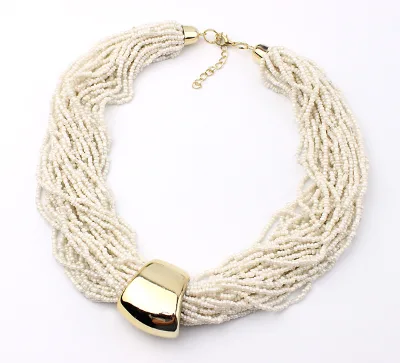

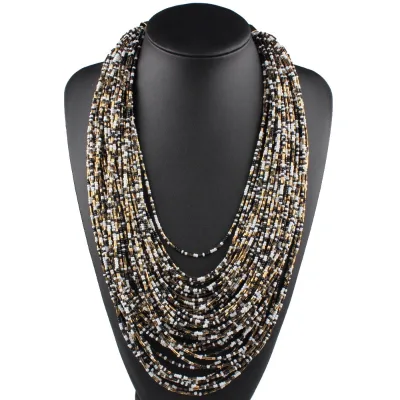
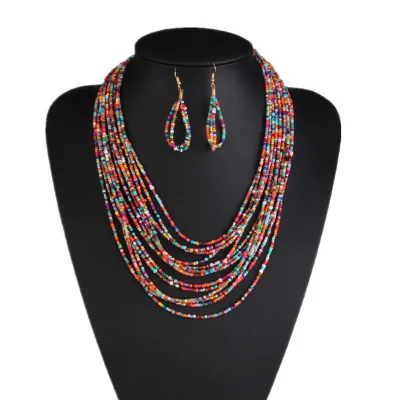
Bohemian Short Necklace Handmade Fashion Creative Colourful Glass Beads Necklace
$0.62 - $0.72
MOQ: 144 pieces


Ningbo Inunion Import and Export Co., Ltd.
- Verified by SGS
- Trading Company
- China Zhejiang
- Lead time30 days
- Avg. response≤ 3h
Main productsBag Chain, Buckle, Hooks, Ring, Key Chain, Tags, Carabiner, Bag Lock, Puller
Main marketsSoutheast Asia/ Mideast,East Asia(Japan/ South Korea),Europe,Australia,North America

East Sunrise Jewelry Co., Limited
- Verified by SGS
- Manufacturer/Factory
- China Guangdong
- Lead time23 days
- Avg. response≤ 15h
Main productsPendant, Necklace, Bracelet, Ring, Earring, Carving, Ornament, Loose Bead, Jewelry, Semi-Precious Stones
Main marketsSouth America,Eastern Europe,Mid East,North America,Southeast Asia,Eastern Asia,Oceania,Western Europe,Africa


Semi Precious Stone Beaded Jewelry Necklace (ESB01303)
MOQ: 100 Pieces


Gemstone Fashion Crystal Jewelry Necklace Sets<Esb01363>
MOQ: 100 Pieces

Shenzhen Amengwei Jewelry Co., Ltd.
- Trading Company,Manufacturer/Factory
- China Guangdong
- Lead time23 days
- Avg. response≤ 22h
Main productsBody Piercing Jewelry, Hinged Segment Ring, Nose Ring Belly Ring, Stainless Steel Jewelry, Labret Lip Ring, Earring, Necklace, Bracelet, Ring
Main marketsSouth America,Eastern Europe,Mid East,North America,Southeast Asia,Eastern Asia,Oceania,Western Europe,Africa
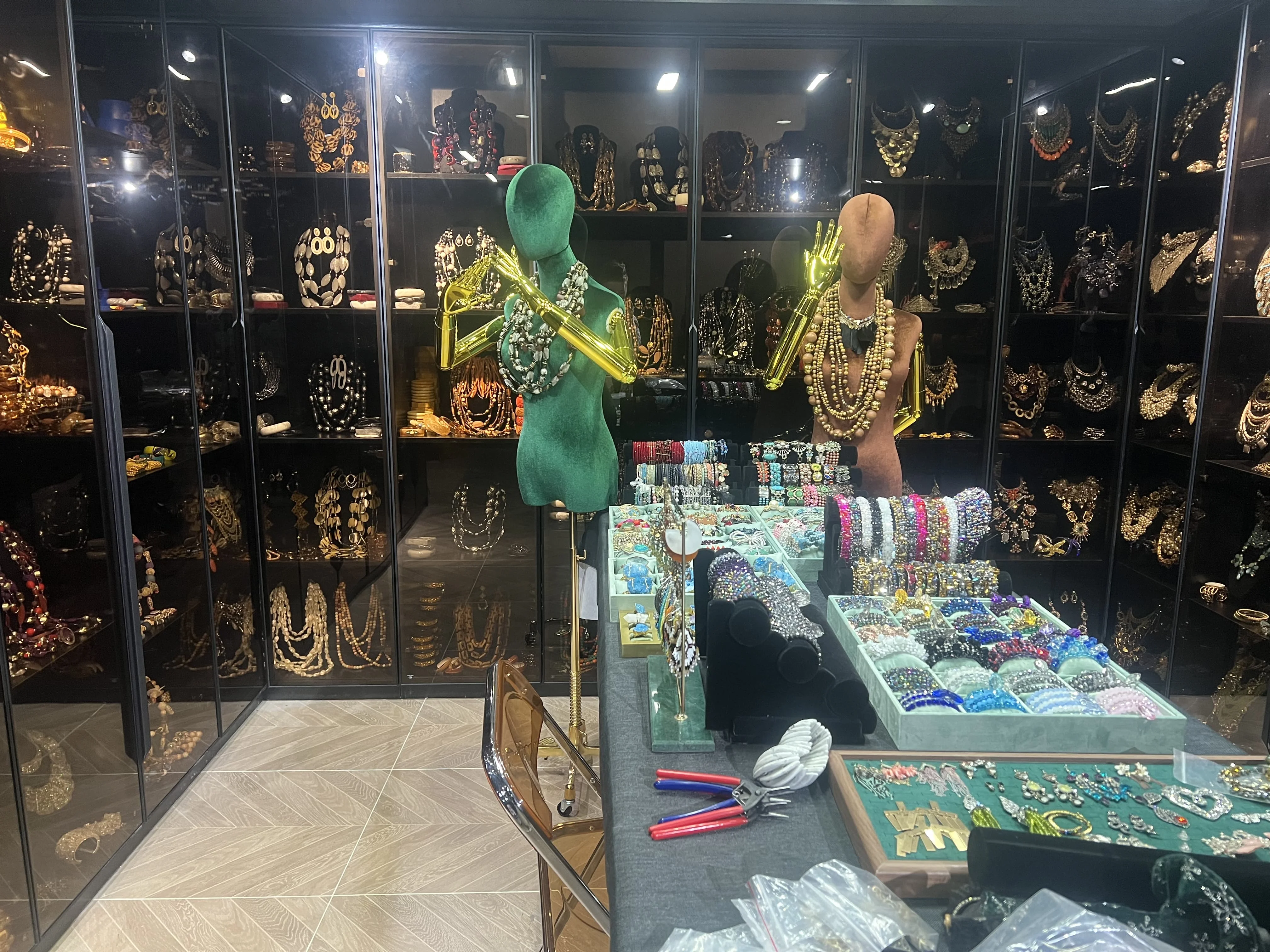
Yiwu Duye E-Commerce Co., Ltd.
- Trading Company
- Zhejiang, China
- Lead time25 days
- Avg. response≤ 14h
Main productsJewelry Set,Necklace,Ring,Bangle,Earring
Main marketsSouthern Europe(10.00%), Northern Europe(10.00%), Western Europe(10.00%), Mid East(10.00%), Oceania(10.00%), Africa(10.00%), Southeast Asia(10.00%), Eastern Europe(10.00%), South America(10.00%), North America(10.00%)

Dongguan weiyizao import and Export Co., Ltd.
- Verified by BV
- Trading Company,Manufacturer/Factory
- China Guangdong
- Lead time45 days
- Avg. response≤ 4h
Main productsUnderwear, Sportwear, Seamless Underwear, Mould Bra, Nursing Bra, Panty, Garment Accessories, Garment Decoration-Jewelry, Bra Strap, Belt
Main marketsSouth America,Eastern Europe,Mid East,North America,Southeast Asia,Eastern Asia,Oceania,Western Europe,Africa

Women Customized Design Pendant Necklace with Beads Stones Fashionable Jewelry
$4.68 - $4.98
MOQ: 200 Sets

Customized Ladies Fashion Design Pendant Necklace with Beads Stones Jewelry for Women
$4.68 - $4.98
MOQ: 200 Sets

- Trading Company
- Zhejiang, China
- Lead time20 days
- Avg. response≤ 5h
Main productscrystal suncatcher,Crystal crafts,Garden wind chimes
Main marketsCentral America(30.00%), North America(20.00%), Northern Europe(10.00%), Southeast Asia(10.00%), Western Europe(10.00%), South Asia(6.00%), Africa(4.00%), Domestic Market(3.00%), Mid East(2.00%), South America(2.00%), Eastern Europe(1.00%), Oceania(1.00%), Southern Europe(1.00%)

Guangzhou Mimier Jewelry, Co, Ltd.
- Manufacturer/Factory
- China Guangdong
- Lead time120 days
- Avg. response≤ 8h
Main productsFashion Jewelry, Fashion Earrings, Fashion Bracelets, Fashion Rings, Fashion Necklace, Stainless Steel Jewelry, Jewellery Accessories, Jewellery Set
Main marketsEastern Europe,North America,Western Europe,Africa
Yiwu Dingying Jewelry Co., Ltd.
- Verified by Intertek
- Trading Company
- Lead time20 days
Main productsJewelry
Main marketsNorth America(45%), Western Europe(25%), South America(20%)
- Manufacturer, Trading Company
- Lead time旺季: "1 - 1000":10,"> 1000":"To be negotiated", 淡季: "1 - 1000":10,"> 1000":"To be negotiated"
Main productsFashion Jewelry
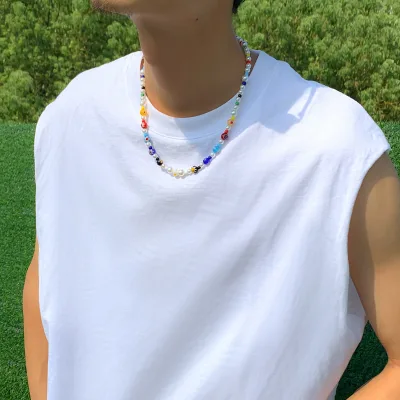
Colorful Crystal Floral Bead Necklace Bohemian Vintage Colorful Glass Beads Clavicle Chain Necklace
$1.12 - $1.53
MOQ: 6 pieces


- Verified by CTI
- Trading Company
- China Zhejiang
- Lead time15 days
- Avg. response≤ 7h
Main productsJewelry, Brooch, Belt, Necklace, Agent, Bracelet, China Trim, China Ring, China Hair Accessory, China Earring
Main marketsSouth America

Fujian Junqing Trade Co., Ltd.
- Verified by CTI
- Trading Company
- China Fujian
- Lead time15 days
- Avg. response≤ 4h
Main productsDesign Necklace, Design Earring, Design Bracelet Bangle, Design Hair Accessories, Shoes, Bags, Watches, Sunglasses, Home Decoration
Main marketsSoutheast Asia/ Mideast,Europe,North America


Leather Rope Crystal Agate Jade Necklace Black Leather Rope Carved Guardian Angel Necklace
$1.35 - $3.50
MOQ: 100 Pieces

Jinjiang Jiaxing Supply Management Co., Ltd.
- Verified by TUVRHEINLAND
- Trading Company
- China Fujian
- Lead time30 days
- Avg. response≤ 1h
Main productsEVA Clogs, Flip Flop, Shoe Charms, Shopping Bags, Wristbands, Gifts, Promotional Gifts, Slipper, Sport Cap, Ball
Main marketsNorth America
Anhui Prime Technology Co., Ltd.
- Trading Company
- Anhui, China
- Lead time7 days
- Avg. response≤ 3h
Main productsbracelet
Main marketsNorth America(30.00%), South America(10.00%), Domestic Market(5.00%), South Asia(5.00%), Southern Europe(5.00%), Northern Europe(5.00%), Central America(5.00%), Western Europe(5.00%), Eastern Asia(5.00%), Mid East(5.00%), Oceania(5.00%), Africa(5.00%), Southeast Asia(5.00%), Eastern Europe(5.00%)

Shenzhen Hanwei Gangtai Jewelry Machine Co., Ltd.
- Combined
- China Guangdong
- Lead time30 days
- Avg. response≤ 16h
Main products925 Silver Necklace, Jewelry Machine, Chain Making Machine, Stainless Steel Necklace, Jewelry Equipment, Silver Chain, Steel Chain, Silver Jewelry, Stainless Steel Jewelry, Chain Machine
Main marketsSoutheast Asia/ Mideast,Europe


MOQ: 200 Pieces
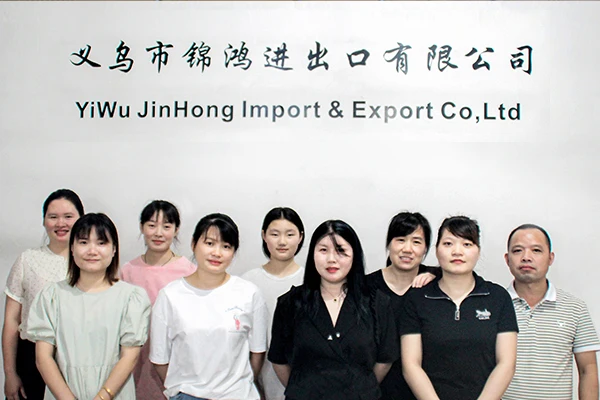
Yiwu Jinhong Import & Export Co., Ltd.
- Trading Company
- Zhejiang, China
- Lead time12 days
- Avg. response≤ 4h
Main productsGemstone Necklaces,Fashion Jewelry,Bracelets&Bangle,Earrings,wrap bracelet
Main marketsCentral America(100.00%), Southern Europe(100.00%), Eastern Asia(100.00%), Mid East(100.00%), South Asia(100.00%), Africa(100.00%), Southeast Asia(100.00%), Eastern Europe(100.00%), Domestic Market(100.00%), Northern Europe(100.00%), North America(60.00%), Western Europe(22.00%), Oceania(10.00%), South America(8.00%)
Hubei Jingcan Glass Products Co., Ltd.
- Verified by TüVRheinland
- Manufacturer, Trading Company
- Lead time0 days
Main productsGlass Product, Garment Accessories, Jewelry, Jewelry Accessories
Main marketsCentral America(25%), North America(20%), South America(15%)
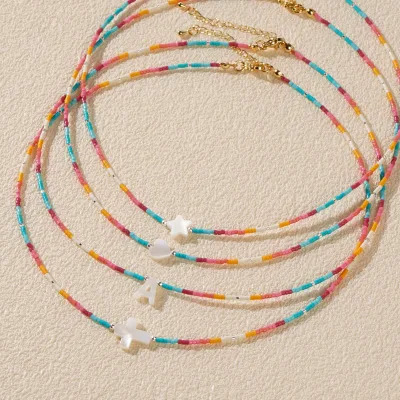
New Crystal Women Necklace Hot Sale Glass Seed Beads Heart Fashion Jewelry Necklaces Wholesale
$2.74 - $3.16
MOQ: 10 pieces

Wholesale Glass Bead Imitation Pearl Necklace High Quality Colorful Pearl Necklace
$0.74 - $0.98
MOQ: 30 Minimum
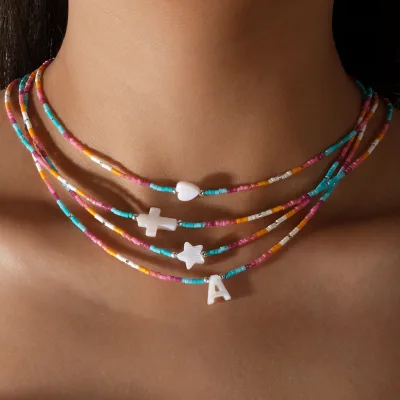
New Crystal Glass Seed Beads Cross Necklace New Design Colorful Bohemian Necklaces for Women
$2.73 - $3.16
MOQ: 10 pieces

Hubei Jinyue Jewelry Co., Ltd.
- Trading Company
- Hubei, China
- Lead time0 days
- Avg. response≤ 5h
Main productsNecklace,Bracelet,Earring,Ring,Phone Chain
Main marketsSouthern Europe(10.00%), Northern Europe(10.00%), Central America(10.00%), Western Europe(10.00%), Oceania(10.00%), Africa(10.00%), Southeast Asia(10.00%), Eastern Europe(10.00%), South America(10.00%), North America(10.00%)

GOODLINESS JEWELLERY CO., LIMITED
- Verified by SGS
- Manufacturer
- China Guangdong
- Lead time23 days
- Avg. response≤ 7h
Main products925 Silver Ring, Brass Jewelry, 925 Silver Earring, 925 Silver Necklace, 925 Silver Set, 925 Silver Bangle, Customer's Design, 925 Silver Bracelet, Silver Accessory, Brass Accessory
Main marketsSoutheast Asia/ Mideast,Europe,North America


Geometric Sterling Silver Beaded Chain Cross Pendant Women Charm Necklace
$12.93 - $15.21
MOQ: 20 Pieces


Guangzhou Govolon Trade Co., Ltd.
- Trading Company,Manufacturer/Factory
- China Guangdong
- Lead time15 days
- Avg. response≤ 25h
Main productsGarment Accessories, Lace, Button, Zipper, Fringe and Tassels, Belt Ribbon, Garment Trimming, Patch Badge, Buckle, Hotfix
Main marketsSouth America,Mid East,North America,Southeast Asia,Western Europe,Africa
- Verified by TüVRheinland
- Manufacturer, Trading Company
- Zhejiang, China
- Lead time5 days
Main productsFashion Jewelry
Main marketsNorth America(50%), Domestic Market(30%), South America(10%)
Yiwu Shichen Trading Co., Ltd.
- Verified by TüVRheinland
- Manufacturer, Trading Company
- Lead time180 days
Main productsAnklets, Necklaces, Bracelets & Bangles, Earrings, Rings
Main marketsNorth America(60%), South America(10%), Oceania(10%)

Qingdao Gemopia Jewelry Co., Ltd.
- Combined
- China Shandong
- Lead time30 days
- Avg. response≤ 3h
Main productsGold Jewelry, Silver Ring
Main marketsSouth America,Africa,Southeast Asia/ Mideast,East Asia(Japan/ South Korea),Domestic,Europe,Australia,North America
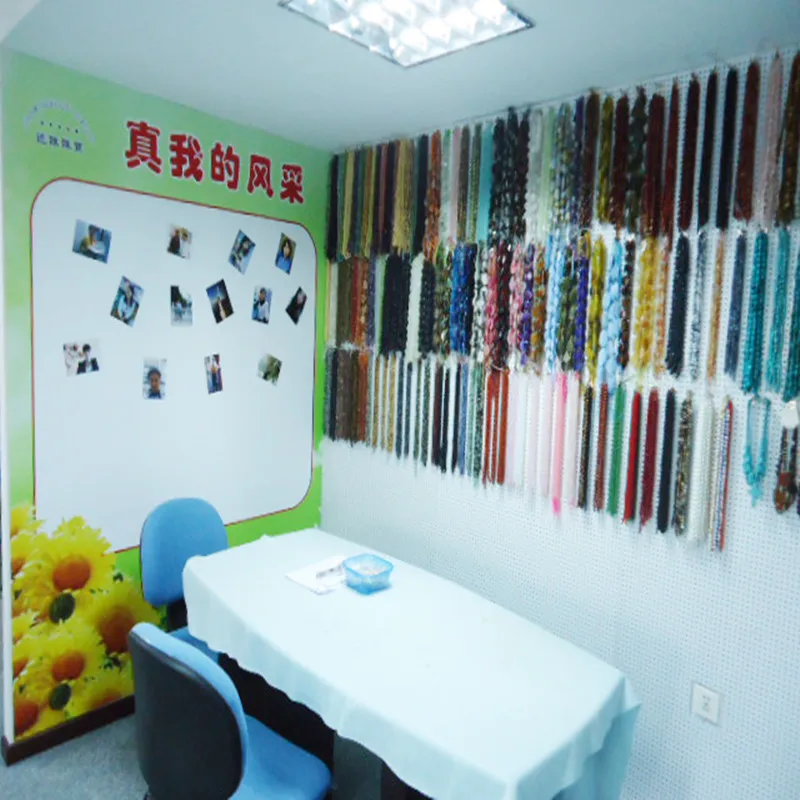
Guangzhou Charmingbeads Jewelry Co., Ltd.
- Manufacturer, Trading Company
- Guangdong, China
- Lead time8 days
- Avg. response≤ 7h
Main productsJewelry Accessory
Main marketsNorth America(45.00%), South America(8.00%), Western Europe(8.00%), Central America(7.00%), Northern Europe(7.00%), South Asia(5.00%), Oceania(5.00%), Eastern Europe(5.00%), Mid East(3.00%), Southeast Asia(3.00%), Eastern Asia(2.00%), Africa(2.00%)
- Verified by Intertek
- Trading Company
- Zhejiang, China
- Lead time10 days
- Avg. response≤ 5h
Main productsFashion Bracelet, Fashion Necklace, Fashion Ring, Fashion Earrings, Loose Bead
Main marketsNorth America(40%), Western Europe(30%), South America(20%)


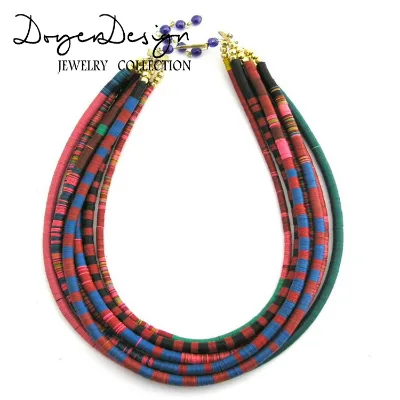








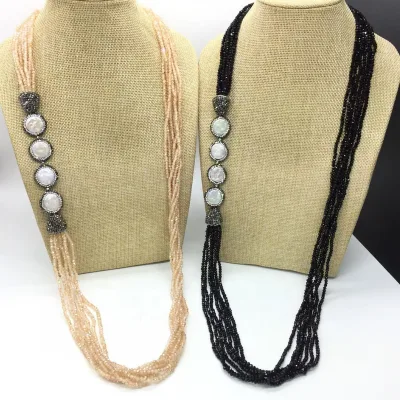


Comprehensive Sourcing Guide
Glass Bead Necklace Supplier Concentration and Factory Types
The current supplier landscape for glass bead necklaces reveals a distinct geographic concentration in China, specifically within the Fujian and Guangdong provinces. These regions serve as primary manufacturing hubs, indicating that buyers should prioritize sourcing from these established industrial clusters to ensure access to a robust supply chain. The presence of suppliers in Fujian suggests a strong local infrastructure for magnetic and decorative jewelry components, while Guangdong suppliers often leverage their proximity to major ports and advanced manufacturing capabilities. When evaluating potential partners, it is crucial to distinguish between different company types, as this significantly impacts your sourcing strategy. The data indicates a mix of Trading Companies and Combined entities, each offering distinct advantages depending on your specific operational needs. Trading companies often provide a broader catalog of diverse products, allowing for easier consolidation of orders, whereas combined entities may offer more integrated services including both manufacturing and trading functions. Understanding this distinction helps in determining whether you need a pure manufacturer for cost efficiency or a trading partner for product variety and flexibility.
Factory types also influence the level of customization and technical support available for Glass Bead Necklace projects. Suppliers identified as combined entities often possess in-house research and development capacities, supporting both OEM and ODM requests. This capability is particularly valuable for buyers seeking unique designs or specific material compositions, such as stainless steel fittings or crystal accents, which are frequently paired with glass beads. In contrast, trading companies might rely on external factories for production, which can sometimes limit direct control over the manufacturing process. However, they may offer more competitive pricing on standard items due to their volume purchasing power. Buyers should carefully review the main products listed by each supplier to ensure alignment with their specific requirements. For instance, some suppliers specialize in fashion jewelry and accessories, while others focus on specific materials like stainless steel or magnetic components. This specialization can affect the quality and consistency of the glass bead necklaces produced, so verifying the supplier’s core competencies is essential before committing to a partnership.
How to Verify Glass Bead Necklace Suppliers
Verification is a critical step in mitigating risk when sourcing glass bead necklaces from international suppliers. One of the most reliable indicators of a supplier’s legitimacy is their verification status, such as BV (Bureau Veritas) certification. This third-party verification provides assurance that the supplier has undergone rigorous checks regarding their business operations, legal standing, and manufacturing capabilities. Buyers should prioritize suppliers who display such verification badges, as it reduces the likelihood of encountering fraudulent entities. Additionally, system certifications like ISO9001:2015 are strong indicators of a supplier’s commitment to quality management systems. These certifications suggest that the supplier has established standardized processes for production, quality control, and continuous improvement. When evaluating a supplier, look for explicit mentions of these certifications in their profile or product listings. It is also advisable to request copies of these certificates to verify their validity and scope. This due diligence helps ensure that the supplier meets international standards for quality and operational efficiency, which is particularly important for products like glass bead necklaces that require precise craftsmanship and material safety.
Beyond certifications, response time and communication efficiency are vital metrics for assessing supplier reliability. A supplier’s response time, measured in hours, can indicate their operational readiness and customer service quality. For example, a response time of 2.16 hours suggests a highly responsive team capable of addressing inquiries and resolving issues promptly. In contrast, a longer response time, such as 6.63 hours, may indicate potential delays in communication, which can hinder the sourcing process. Buyers should consider this metric when selecting suppliers, especially for projects with tight deadlines or complex customization requirements. Furthermore, checking the supplier’s product standards and compliance with regulations like ROHS, SGS, and CE is essential. These standards ensure that the materials used in the glass bead necklaces, such as metals and coatings, are safe and free from harmful substances. Buyers should also verify if the supplier offers specific warranties, such as fade-proof warranties, which can provide additional protection against quality issues. By combining verification checks with communication and compliance assessments, buyers can build a more secure and reliable supply chain for their Glass Bead Necklace needs.
What to Compare Across Glass Bead Necklace Suppliers
When comparing suppliers for glass bead necklaces, several key dimensions must be evaluated to determine the best fit for your business. Lead time is a critical factor, as it directly impacts your inventory management and ability to meet customer demand. Suppliers may offer varying lead times, ranging from 15 days to 23 days, depending on their production capacity and current order volume. Understanding these differences allows you to plan your orders more effectively and avoid stockouts or excess inventory. Another important metric is the Minimum Order Quantity (MOQ), which varies significantly across suppliers. Some suppliers may have an MOQ of 100 pieces, making them suitable for small businesses or trial orders, while others may require 1000 or 2000 pieces, catering to larger volume buyers. Comparing MOQs helps you align your purchasing strategy with your sales forecast and financial resources. Additionally, response speed is a crucial indicator of supplier reliability. A faster response time, such as 2.16 hours, suggests a more agile and customer-focused operation, which can be beneficial for resolving issues quickly and maintaining smooth communication throughout the sourcing process.
Price and customization options are also essential comparison points. The price range for glass bead necklaces can vary based on materials, design complexity, and order volume. For instance, prices may range from $1.00 to $10.00 per piece, depending on the specific product features. Buyers should compare these prices across multiple suppliers to ensure they are getting a competitive rate. Customization availability is another key differentiator. Some suppliers offer extensive customization options, including logo printing, customer design acceptance, and OEM/ODM services. This flexibility is valuable for brands looking to create unique products that stand out in the market. Additionally, comparing the main products offered by each supplier can help identify those with specialized expertise in glass bead necklaces. Suppliers focusing on fashion jewelry, stainless steel fittings, or magnetic components may offer higher quality or more innovative designs. By systematically comparing lead times, MOQs, response speeds, prices, and customization capabilities, buyers can make informed decisions that balance cost, quality, and operational efficiency.
Common Glass Bead Necklace Sourcing Risks
Sourcing glass bead necklaces involves several inherent risks that buyers must proactively manage to ensure a successful procurement process. One significant risk is quality inconsistency, particularly when dealing with suppliers who have varying levels of quality control. Glass beads can be fragile, and issues such as chipping, cracking, or inconsistent coloring can arise if production standards are not strictly enforced. Buyers should mitigate this risk by requesting samples before placing bulk orders and conducting thorough quality inspections upon receipt. Additionally, the risk of material non-compliance is a concern, especially if the supplier does not adhere to international standards like ROHS or SGS. Non-compliant materials, such as those containing lead or nickel, can pose health risks and lead to regulatory issues in the destination market. To address this, buyers should verify the supplier’s certifications and request material test reports to ensure compliance with relevant safety standards. Another risk is communication breakdown, which can lead to misunderstandings regarding product specifications, delivery schedules, or payment terms. This is particularly relevant when working with suppliers in different time zones or with limited English proficiency. Establishing clear communication channels and confirming all details in writing can help minimize these risks.
Supply chain disruptions are another common risk in the Glass Bead Necklace sourcing process. Factors such as raw material shortages, production delays, or logistical issues can impact the timely delivery of orders. Buyers should assess the supplier’s production capacity and backup plans to ensure they can handle unexpected challenges. Additionally, the risk of intellectual property infringement is a concern for buyers seeking custom designs. If a supplier shares your designs with other clients or produces unauthorized copies, it can undermine your brand’s uniqueness and market position. To protect your intellectual property, buyers should consider signing non-disclosure agreements (NDAs) and using secure communication channels. Furthermore, financial risks, such as payment fraud or currency fluctuations, can affect the overall cost of sourcing. Using secure payment methods, such as escrow services, can help protect your funds until the goods are received and verified. By identifying and addressing these common risks through proactive measures, buyers can enhance the reliability and security of their Glass Bead Necklace sourcing operations.
Glass Bead Necklace Regional Sourcing and Logistics
Regional sourcing plays a pivotal role in determining the efficiency and cost-effectiveness of Glass Bead Necklace procurement. The concentration of suppliers in China, particularly in Fujian and Guangdong provinces, offers significant logistical advantages due to the region’s well-developed infrastructure and proximity to major shipping ports. Fujian’s location facilitates efficient export operations, while Guangdong’s advanced manufacturing ecosystem supports high-volume production and rapid turnaround times. Buyers should leverage these regional strengths by selecting suppliers based on their geographic proximity to their target markets or preferred shipping routes. For instance, suppliers in Guangdong may offer faster shipping times to North America and Europe due to their access to major international ports. Additionally, understanding the local logistics landscape can help buyers negotiate better freight rates and optimize their supply chain. Buyers should also consider the impact of regional trade policies and tariffs on their sourcing decisions. Some regions may offer favorable trade agreements or incentives that can reduce costs and improve competitiveness. By aligning their sourcing strategy with regional logistics capabilities, buyers can enhance their operational efficiency and reduce overall procurement costs.
Logistics planning is equally important for ensuring the timely and safe delivery of glass bead necklaces. Buyers should evaluate the supplier’s shipping options, such as DHL, UPS, FedEx, or EMS, to determine the most suitable method for their needs. Each shipping method offers different trade-offs in terms of speed, cost, and reliability. For example, express couriers like DHL and FedEx provide faster delivery times but come at a higher cost, while standard postal services may be more economical but slower. Buyers should also consider the packaging requirements for glass bead necklaces, as these products are fragile and require protective packaging to prevent damage during transit. Suppliers may offer various packaging options, such as independent packaging, neutral packing with wooden cases, or standard export packages. Selecting the appropriate packaging can help minimize the risk of damage and ensure that the products arrive in pristine condition. Additionally, buyers should verify the supplier’s experience with international shipping and their ability to handle customs clearance and documentation. By carefully planning their logistics strategy and selecting reliable shipping partners, buyers can ensure a smooth and efficient supply chain for their Glass Bead Necklace orders.
Glass Bead Necklace Commercial Terms and Order Planning
Commercial terms and order planning are essential components of a successful Glass Bead Necklace sourcing strategy. Buyers must carefully negotiate payment terms, such as deposit percentages and balance payment schedules, to align with their cash flow requirements. Common terms include a 30% deposit upon order confirmation and a 70% balance before shipment, but these can be adjusted based on the supplier’s policies and the buyer’s relationship. Additionally, buyers should clarify the Incoterms, such as FOB, CIF, or EXW, to determine who is responsible for shipping costs and risks. Understanding these terms helps in accurately calculating the total landed cost of the products. Order planning involves forecasting demand and determining the appropriate order quantities to balance inventory levels with sales projections. Buyers should consider the supplier’s MOQ and lead times when planning their orders. For instance, if a supplier has a high MOQ and a long lead time, buyers may need to place larger orders less frequently to avoid stockouts. Conversely, suppliers with lower MOQs and shorter lead times offer more flexibility for smaller, more frequent orders.
Customization and branding are also key considerations in order planning. Buyers seeking unique glass bead necklaces should work closely with suppliers to finalize design specifications, including
FAQs
What is the price range for glass bead necklaces?
Glass bead necklaces are available from $1.00 to $10.00 per unit. Prices vary based on material quality, design complexity, and customization options. Buyers should check specific product listings for exact pricing tiers and volume discounts.
What is the minimum order quantity for these items?
Minimum order quantities typically range from 100 to 2000 pieces. Lower MOQs are available for standard designs, while higher volumes may be required for custom manufacturing. Buyers should verify the specific MOQ for each product listing.
How long does production take for orders?
Production lead times generally range from 15 to 23 days. This duration depends on order volume, customization requirements, and supplier capacity. Buyers should confirm exact timelines with suppliers before placing orders to ensure timely delivery.
Are these necklaces suitable for health or decoration?
Products are categorized for either health therapy or decoration. Some magnetic bead necklaces target health benefits, while others focus on fashion accessories. Buyers should review product usage descriptions to select the appropriate type for their needs.
What certifications do the suppliers hold?
Suppliers may hold ISO9001:2015, ROHS, SGS, and CE certifications. These standards ensure quality and safety compliance. Buyers should verify specific certificates for each product to meet regional regulatory requirements and ensure product reliability.
Where are these suppliers located?
Suppliers are primarily located in China, specifically in Fujian and Guangdong provinces. These regions are known for jewelry manufacturing. Buyers can filter results by location to assess shipping costs and logistics efficiency for their specific region.