Glass Beads Evil Eye Bracelet Suppliers and Manufacturers
Browse 27 verified suppliers of Glass Beads Evil Eye Bracelet products and compare sourcing dimensions such as product range, MOQ, pricing, response times, customization options, and certifications. Shortlist candidates and request quotes with samples to confirm quality before committing to volume orders.
Suppliers List
Yiwu Jing Can Crystal Co., Ltd.
- Verified by SGS Group
- Manufacturer, Trading Company
- Lead time0 days
- Avg. response≤ 3h
Main productsCrystal Rhinestone, Glass Seed Beads, Clay Beads, Fashion Jewelry, DIY Accessories
Main marketsCentral America(25%), North America(20%), South America(20%)
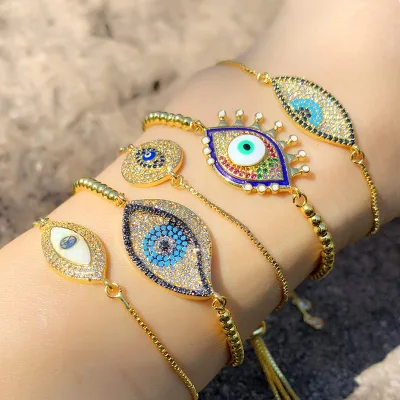
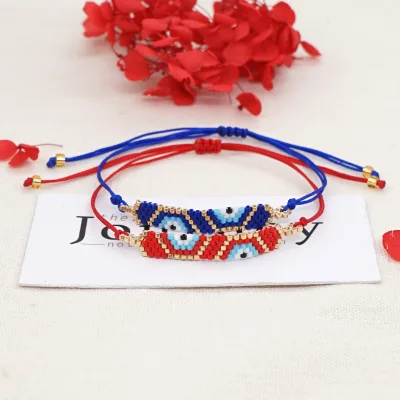
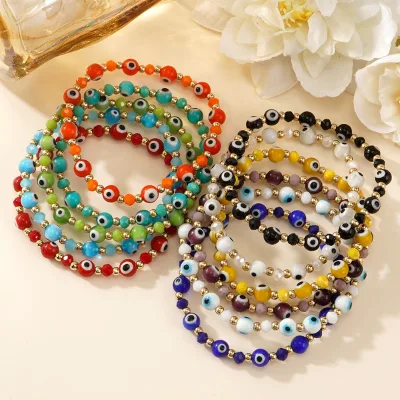
Evil Eyes Charm Bracelet , Rainbow Flat Beads Evil Eyes Glass Beads Bracelet for Women
$2.30 - $4.53
MOQ: 30 Minimum
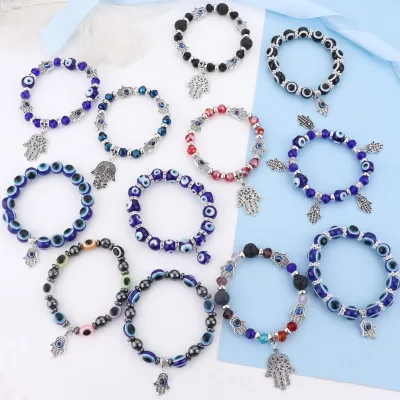
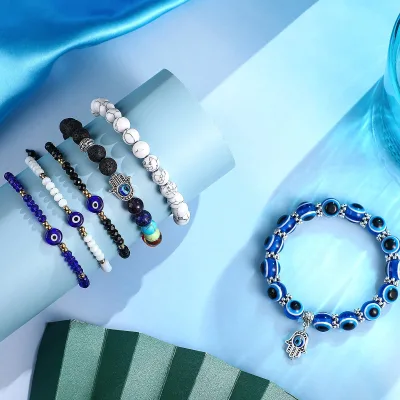
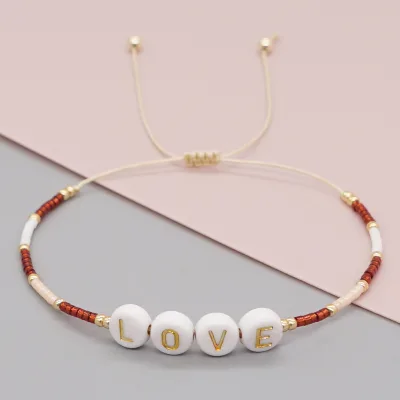
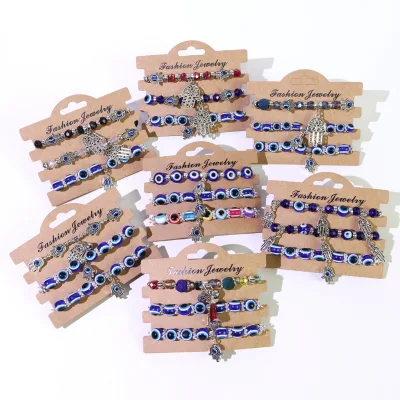
Fashion Evil Eye Beaded Pendant Bracelet Blue Eyeball Hamza Stretch Hamsa Lucky Charm Bracelet
$0.38 - $0.90
MOQ: 20 Minimum
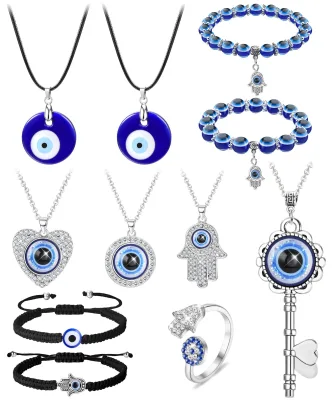
Fashion Turkish Blue Evil Eye Pendant Glass Alloy Oil Drop Eye Necklace Evil Eye Bracelet
$0.30 - $0.95
MOQ: 20 Minimum
- Verified by TüVRheinland
- Manufacturer, Trading Company
- Lead time30 days
- Avg. response≤ 6h
Main productsStainless Steel Jewelry, Brass Jewelry, Alloy Jewelry, DIY Jewelry, Gifts And Giveaways
Main marketsNorth America(40%), Western Europe(30%), Domestic Market(10%)

Guangzhou Bangmingwei Jewelry Co., Ltd.
- Trading Company
- Guangdong, China
- Lead time5 days
- Avg. response≤ 3h
Main productsBracelet/ Necklace/ Ring/ Earring/ Jewelry accessories
Main marketsNorth America(50.00%), South America(20.00%), Mid East(15.00%), Eastern Europe(10.00%), Africa(5.00%)
Hubei Jingcan Glass Products Co., Ltd.
- Verified by TüVRheinland
- Manufacturer, Trading Company
- Lead time0 days
- Avg. response≤ 5h
Main productsGlass Product, Garment Accessories, Jewelry, Jewelry Accessories
Main marketsCentral America(25%), North America(20%), South America(15%)
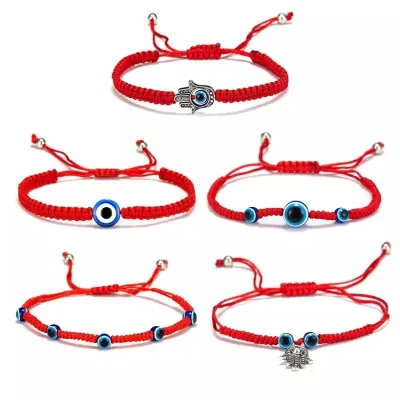
Jewelry Palm Double Round Glass Beads Evil Eyes Bead Bracelet Lucky Red String Adjustable Bracelet
$0.40 - $0.75
MOQ: 50 pieces
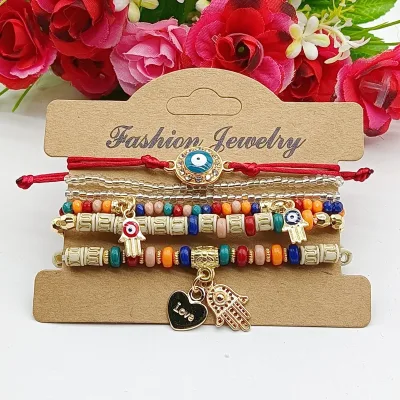
$1.08 - $1.24
MOQ: 20 pieces
- Trading Company
- Zhejiang, China
- Lead time15 days
- Avg. response≤ 8h
Main productsnecklace,bracelet,Alloy accessories,earring,pendant
Main marketsNorth America(50.00%), Oceania(30.00%), Domestic Market(10.00%), South America(5.00%), Western Europe(5.00%)
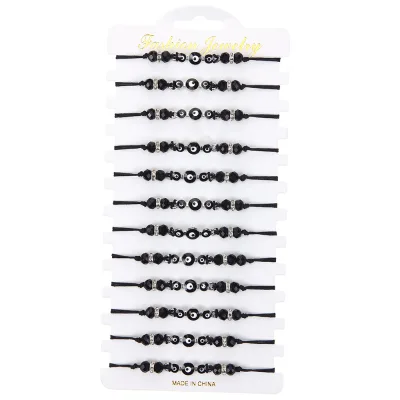
New Colorful Crystal Beaded Braided Rope Demon Eye Bracelet Glass Eye Beads Women Bracelet
$0.30 - $0.55
MOQ: 24 pieces
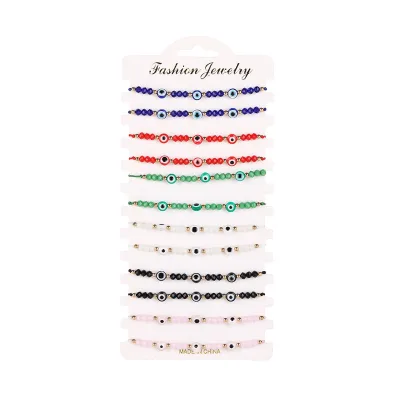
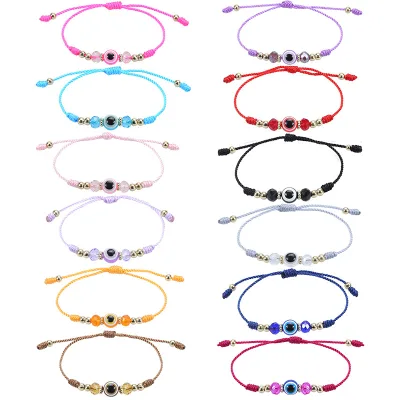
$0.73 - $0.94
MOQ: 120 pieces

- Verified by CTI
- Trading Company
- China Zhejiang
- Lead time15 days
- Avg. response≤ 7h
Main productsJewelry, Brooch, Belt, Necklace, Agent, Bracelet, China Trim, China Ring, China Hair Accessory, China Earring
Main marketsSouth America
Dongguan Xingzhao Crystal Jewelry Factory
- Verified by SGS Group
- Trading Company
- Lead time7 days
- Avg. response≤ 4h
Main productsGlass Beads, Glass Seed Beads, Clay Beads, Fashion Jewelry, DIY Accessories
Main marketsCentral America(25%), North America(20%), South America(20%)
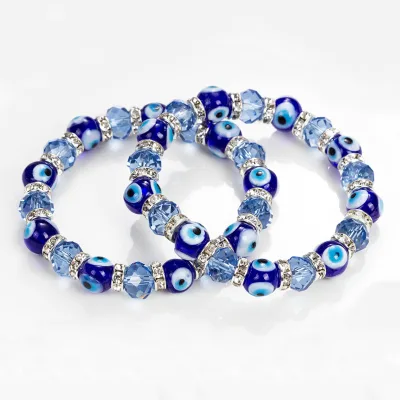
Hot Sale Evil Eyes Glass Bead Bracelet Simplicity Blue Hot Sale Glass Bead Bracelet Wholesale
$1.06 - $2.25
MOQ: 50 Minimum
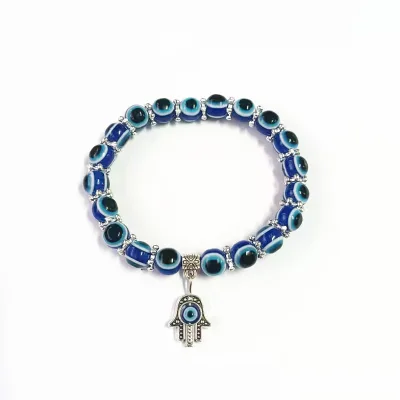
Wholesale Blue Eye Bead Evil Eye Beaded Charm Bracelets for Women Men for Protection and Blessing
Contact supplier
MOQ: 20 Minimum
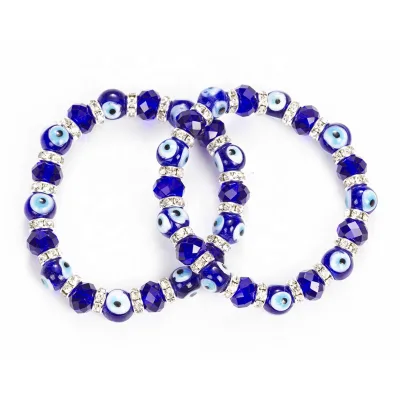

East Sunrise Jewelry Co., Limited
- Verified by SGS
- Manufacturer/Factory
- China Guangdong
- Lead time23 days
- Avg. response≤ 15h
Main productsPendant, Necklace, Bracelet, Ring, Earring, Carving, Ornament, Loose Bead, Jewelry, Semi-Precious Stones
Main marketsSouth America,Eastern Europe,Mid East,North America,Southeast Asia,Eastern Asia,Oceania,Western Europe,Africa

Natural Crystal Beaded Agate Tiger Eye Bracelet Jewelry Sets 6mm Beads Smiling Face Bracelet
$1.30 - $2.10
MOQ: 10 Pieces

Fashion Crystal Stone Amethyst Tiger Eye Opalite Charming Power Bracelet
$1.00 - $1.30
MOQ: 100 Pieces


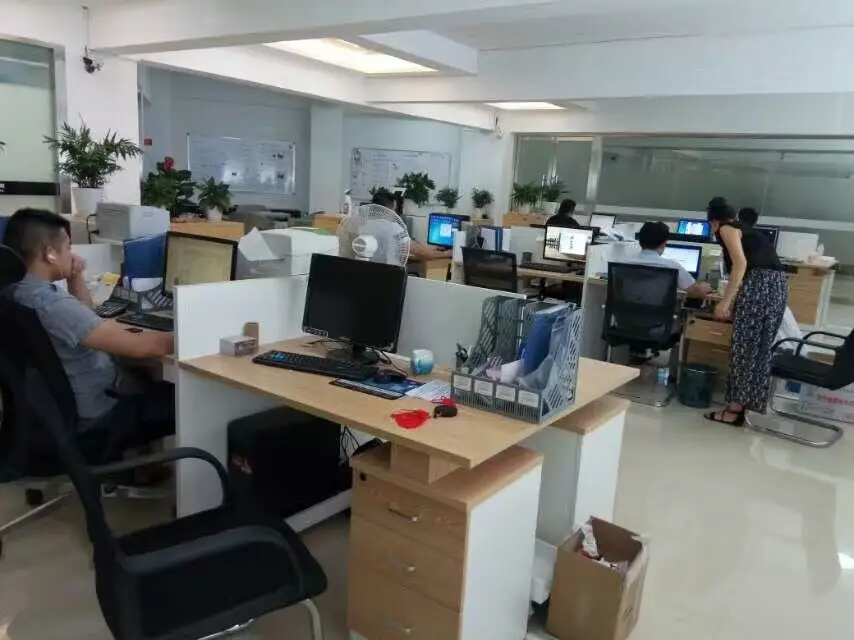
Yiwu Feiling Jewelry Co., Ltd.
- Trading Company
- Zhejiang, China
- Lead time15 days
- Avg. response≤ 3h
Main productsbracelet,necklace,earring,rings,sunglasses
Main marketsNorth America(30.00%), South America(15.00%), Central America(10.00%), Western Europe(8.00%), Eastern Europe(7.00%), Southern Europe(6.00%), Northern Europe(5.00%), Africa(5.00%), Southeast Asia(5.00%), Mid East(5.00%), South Asia(2.00%), Eastern Asia(2.00%)
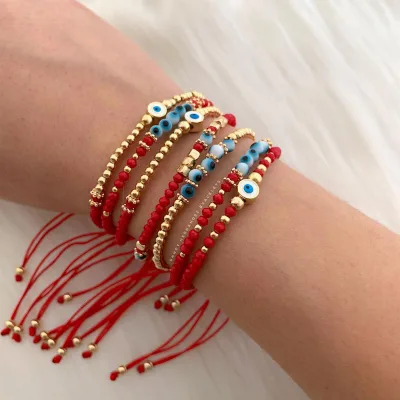
Red String Evil Eyes Bracelet 18K Gold Plated Beads Crystal Beads Bracelet bule Eye charm Bracelet
$1.15 - $2.12
MOQ: 2 Minimum
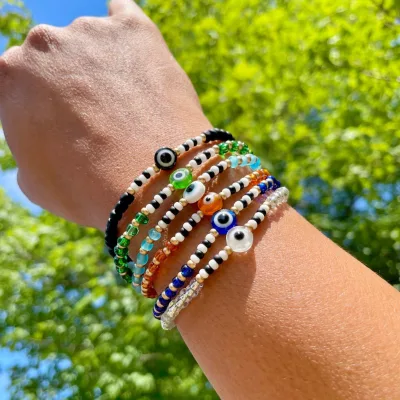
Bohemian Style Evil Eye Glass Bead Bracelet Elastic Handmade Beaded Colorful Glass Beaded Bracelets
$0.43 - $0.49
MOQ: 20 pieces
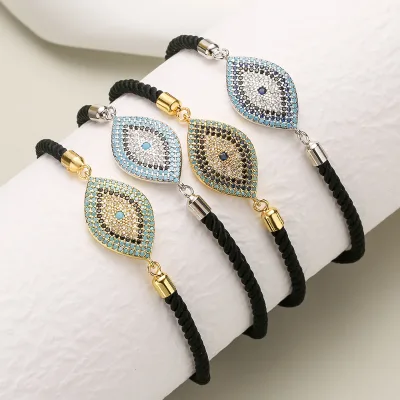
Hot Sale18K Gold Plated Blue Evil Eyes Braided Rope Micro Paved Cubic Zircon Devil Eyes Charm
$2.80 - $3.10
MOQ: 2 pieces
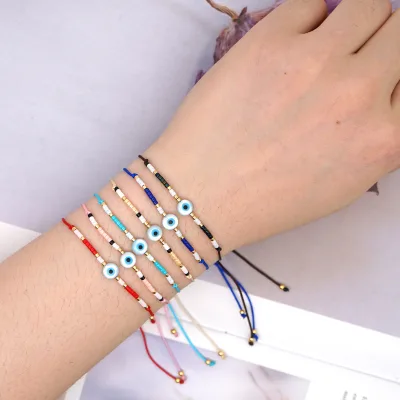
Shell Evil Eyes Adjustable Hand Made Miyuki Woven Rope Beaded Friendship s
$1.00 - $1.20
MOQ: 3 pieces
Yiwu Shanmei Arts And Gifts Co., Ltd.
- Manufacturer, Trading Company
- Lead time旺季: "1 - 200":15,"> 200":"To be negotiated", 淡季: "1 - 200":15,"> 200":"To be negotiated"
- Avg. response≤ 7h
Main productsGemstone Jewelry, Metal Jewelry, Jewelry Accessories, Sterling Sliver Jewelry, Gemstone Decorations

- Verified by TUVRHEINLAND
- Manufacturer/Factory
- China Zhejiang
- Lead time23 days
- Avg. response≤ 5h
Main productsOutdoor Furniture, Trampoline, Building, Camping, Houseware, Promotion, Clothes, Rope Light, Garden, Sourcing
Main marketsSouth America,Eastern Europe,Mid East,North America,Southeast Asia,Eastern Asia,Oceania,Western Europe,Africa

- Verified by SGS
- Combined
- China Guangdong
- Lead time23 days
- Avg. response≤ 8h
Main marketsOthers(foreignTradeCapacity.exportBusinessCapacityMarketOther),Southeast Asia/ Mideast,East Asia(Japan/ South Korea),Domestic,Europe,Australia,North America


Wholesale Beaded Eyes Cowhide Bracelet Pull Adjustable Couple Leather Bracelet
$1.16 - $1.39
MOQ: 100 pieces

Blue Opal Butterfly Moonlight Bracelets Fashionable Elastic Charm Beaded Jewelry
$0.56 - $1.56
MOQ: 30 Pieces

GOODLINESS JEWELLERY CO., LIMITED
- Verified by SGS
- Manufacturer
- China Guangdong
- Lead time23 days
- Avg. response≤ 6h
Main products925 Silver Ring, Brass Jewelry, 925 Silver Earring, 925 Silver Necklace, 925 Silver Set, 925 Silver Bangle, Customer's Design, 925 Silver Bracelet, Silver Accessory, Brass Accessory
Main marketsSoutheast Asia/ Mideast,Europe,North America

- Verified by SGS
- Manufacturer/Factory
- China Zhejiang
- Lead time30 days
- Avg. response≤ 1h
Main productsNecklace, Bracelets, Earring, Ring, Brooch, Phone Lanyard, Key Chain, Body Jewelry, Hair Clip, Hair Band
Main marketsSouth America,Eastern Europe,Mid East,North America,Southeast Asia,Eastern Asia,Oceania,Western Europe,Africa


Bohemian Starfish Evil Eye Beaded Bracelet Set Macrame Seed Bead Coastal Jewelry for Women
$0.97 - $1.04
MOQ: 300 Pieces


Putian Chengqiu Hui Trading Co., Ltd.
- Verified by TUVRHEINLAND
- Trading Company
- China Fujian
- Lead time15 days
- Avg. response≤ 4h
Main productsSports Shoes, Watch, Slippers, Bags, Training Clothes, Clothing Design, Hat, Jewel, Sunglasses, Belt
Main marketsDomestic

European America Fashion Blue Evil Eye Bracelet Crystal Devil Blue Eyes Bangle Jewelry
$6.38 - $7.38
MOQ: 2 Pieces

Non Fade Devil Eye Bracelet Natural Stone Popular Blue Eyes Charms Bracelet Jewelry
$2.57 - $3.23
MOQ: 2 Pieces

Qingdao Gemopia Jewelry Co., Ltd.
- Combined
- China Shandong
- Lead time30 days
- Avg. response≤ 4h
Main productsGold Jewelry, Silver Ring
Main marketsSouth America,Africa,Southeast Asia/ Mideast,East Asia(Japan/ South Korea),Domestic,Europe,Australia,North America
Zhongshan Zimo Culture Planning Co., Ltd.
- Trading Company
- Guangdong Province, China
- Lead time0 days
- Avg. response≤ 3h
Main productscristal craft,festival gift,bag,memorial gift,sport set
Main marketsNorth America(100.00%)
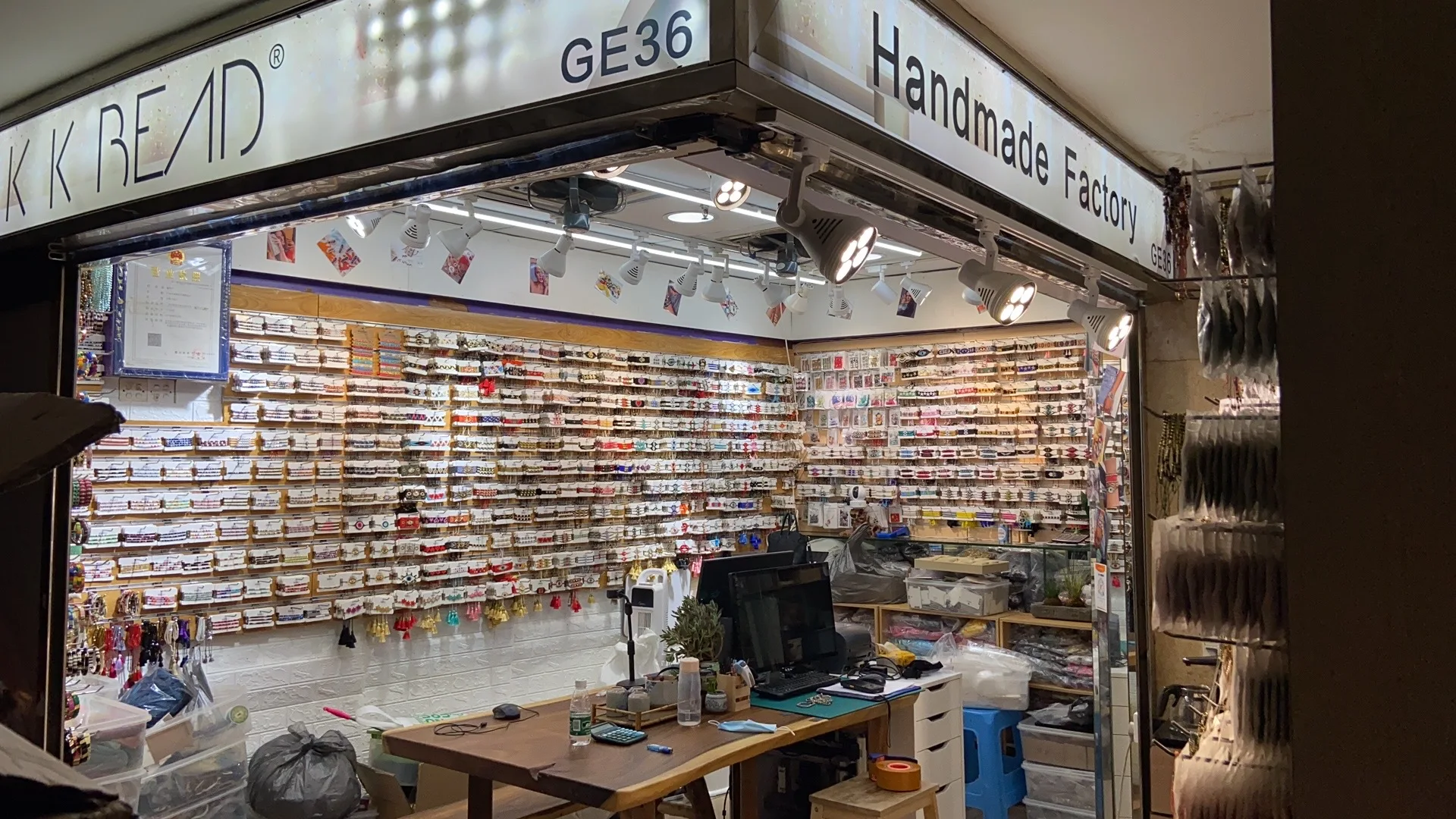
Guangzhou Heyi Jewelry Co., Ltd.
- Manufacturer, Trading Company
- Guangdong, China
- Lead time7 days
- Avg. response≤ 7h
Main productsHandmade Jewelry,handmade bracelet,handmade necklace,handmade earrings,bead phone chain
Main marketsSouth America(40.00%), Central America(20.00%), North America(20.00%), Northern Europe(10.00%), Oceania(5.00%), Eastern Europe(5.00%)
Shenzhen Europa Industrial Co., Ltd.
- Trading Company
- Guangdong, China
- Lead time15 days
- Avg. response≤ 5h
Main productsEarring, Ring, Necklace Chain, Bracelets Bangles, Brooch
Main marketsNorth America(40.00%), Eastern Asia(25.00%), Western Europe(10.00%), South America(5.00%), Oceania(5.00%), Domestic Market(5.00%), Mid East(5.00%), Southeast Asia(5.00%)

Guangzhou IO Jewelry Co., Ltd.
- Combined
- China Guangdong
- Lead time30 days
- Avg. response≤ 10h
Main productsJewelry, Fashion Jewelry, Stainless Steel Jewelry, Custom Jewelry, Stainless Steel Beads, Stainless Steel Charms, Stainless Steel Rings, Stainless Steel Pendants, Beads, Charms
Main marketsSouth America,Domestic,Europe,Australia,North America

YIWU JINYE IMPORT AND EXPORT CO., LTD
- Verified by SGS
- Trading Company
- China Zhejiang
- Lead time15 days
- Avg. response≤ 25h
Main productsBangle, Wrist Band, Bracelet, Fashion Jewelry
Main marketsNorth America


Factory Direct Sale Elegant Bangle Colorful Nature Stone Devil's Eye Crystal Bracelet
$0.80 - $5.00
MOQ: 200 Pieces


Shanghai Haxin Trade Co., Ltd.
- Trading Company
- Shanghai, China
- Lead time15 days
- Avg. response≤ 3h
Main productsTimepieces& Jewelry & Eyewear,Gifts & Crafts,Fashion Accessories,Packaging & Printing
Main marketsNorth America(25.00%), Western Europe(10.00%), Eastern Europe(10.00%), Oceania(10.00%), South Asia(5.00%), Southern Europe(5.00%), Northern Europe(5.00%), Central America(5.00%), Southeast Asia(5.00%), Eastern Asia(5.00%), Mid East(5.00%), South America(5.00%), Africa(5.00%)

- Manufacturer, Trading Company
- Zhejiang, China
- Lead time20 days
- Avg. response≤ 6h
Main productsBracelet,Necklace,Anklet,Key Ring
Main marketsNorth America(59.60%), Western Europe(37.80%), Africa(1.60%), Northern Europe(0.50%), Oceania(0.50%)

Dongguan AQ PINS&GIFTS CO.,LTD
- Verified by BV
- Trading Company,Manufacturer/Factory
- China Guangdong
- Lead time23 days
- Avg. response≤ 8h
Main productsBadges/Lapel Pins/Coins/Medals, Keychain/Belt Buckle/Tie Bar/Cuff Link, Button/Button Badges/Embroidery & Woven Patches, Lanyard/Ribbon/Dog Leash, Silicone Bracelet/Smart Bracelet/Smart Watch, Bottle Opener/Dog Tag/Divot Tool/Hat Clip, Bag Tag/Bookmark/Paper Clip/Bag Hanger/Charm, Pendent/Trophy/Award/Metal Photo Frame, Soft PVC Wristbands/Keychain/Badge/Luggage Tag, Pen/Coaster/Fridge Magnet/Mini Fan
Main marketsSouth America,Eastern Europe,Mid East,North America,Southeast Asia,Eastern Asia,Oceania,Western Europe,Africa

Mexico 18K Gold Jewelry Gold Bracelet Red Heart Charm Evil Eyes Bracelet Eyika (Charm-03)
$0.15 - $0.30
MOQ: 5 Pieces

Evil Eye Pendant Charms for Jewelry Making with Rhinestone Silver Charm for Bracelet Pin (Charm-04)
$0.15 - $0.30
MOQ: 5 Pieces
- Verified by Intertek
- Manufacturer, Trading Company
- Lead time7 days
- Avg. response≤ 2h
Main productsBeaded Jewelry, Natural Stone Bracelet, Fashion Necklace, Crystal Bracelets, Pearl Necklace
Main marketsNorth America(40%), Western Europe(35%), Oceania(10%)

Yiwu Phonbon Import & Export Co., Ltd.
- Trading Company
- Zhejiang, China
- Lead time15 days
- Avg. response≤ 6h
Main productsmedal,lapel pin,metal coins,cross,rosary
Main marketsWestern Europe(16.67%), Southeast Asia(16.67%), Southern Europe(15.00%), Eastern Europe(15.00%), South America(10.00%), Africa(5.00%), Northern Europe(5.00%), Central America(5.00%), North America(5.00%), Mid East(3.00%), Eastern Asia(2.00%), South Asia(1.00%), Oceania(0.66%)
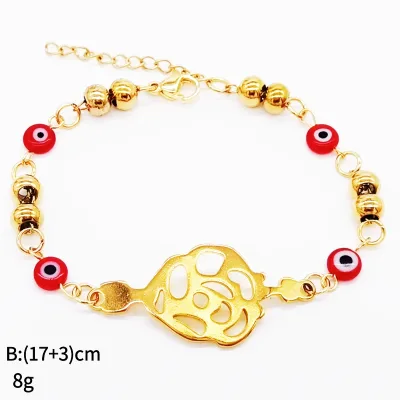
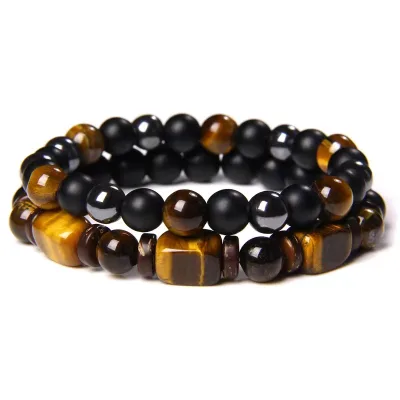
custom natural tiger eye stone bracelet many kinds of combination tiger eye bracelet
$1.20 - $2.10
MOQ: 50 Minimum
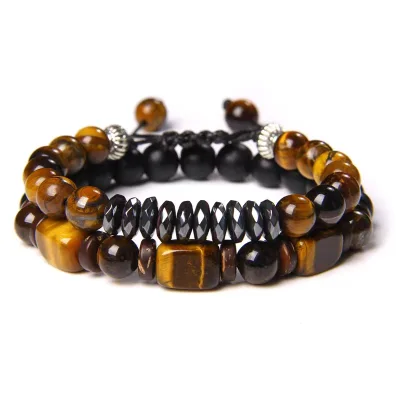
custom Hot selling natural tiger eye stone bracelet men's frosted black agate bracelet
$1.20 - $2.10
MOQ: 50 Minimum
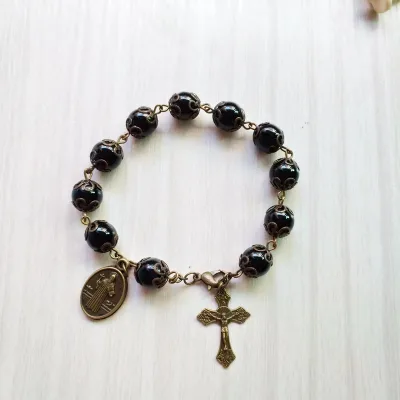

Guangzhou Peishang Jewelry Co., Ltd.
- Verified by BV
- Combined
- China Guangdong
- Lead time30 days
- Avg. response≤ 5h
Main productsEarring, Ring, Necklace, Bracelet, Anklet, Jewelry Set, Silver Jewelry, Brass Jewelry, CZ Jewelry, Natural Stone Jewelry
Main marketsSoutheast Asia/ Mideast,Europe,Australia,North America

Evil Eye Multi Charms Link Bracelet 925 Sterling Silver Jewelry Gift for Women Girls
$6.68 - $7.98
MOQ: 30 Pieces

$4.78 - $5.58
MOQ: 30 Pieces
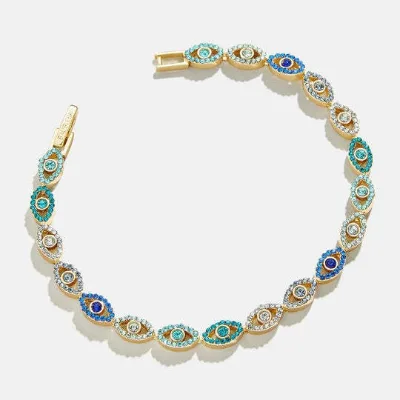
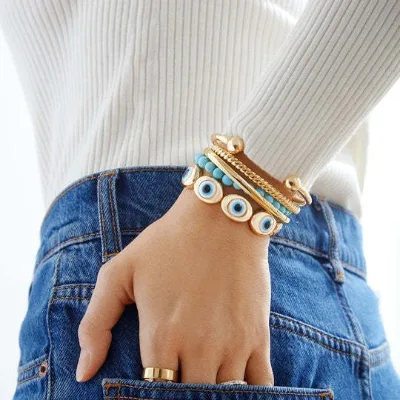
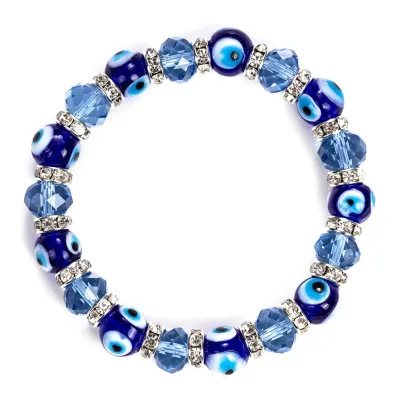
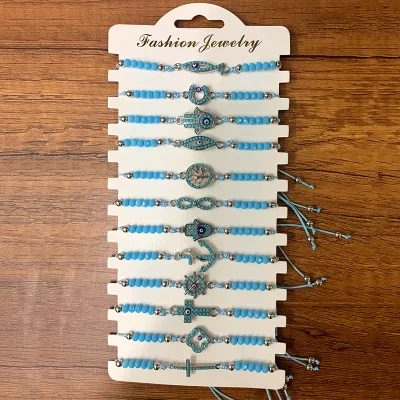
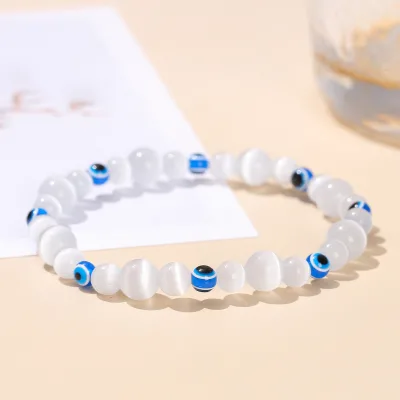
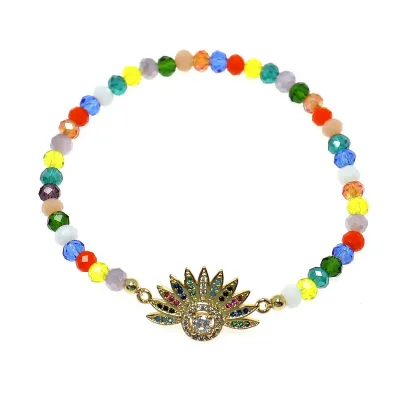
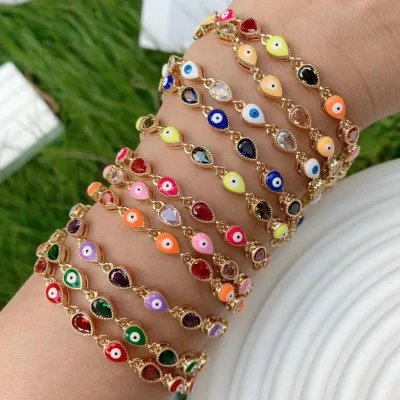


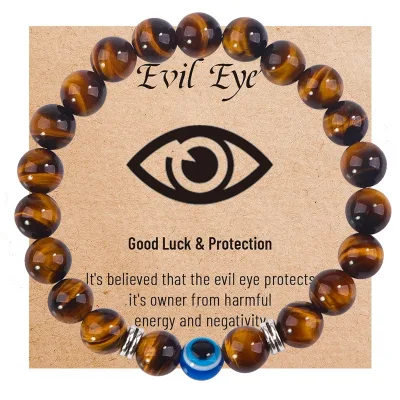


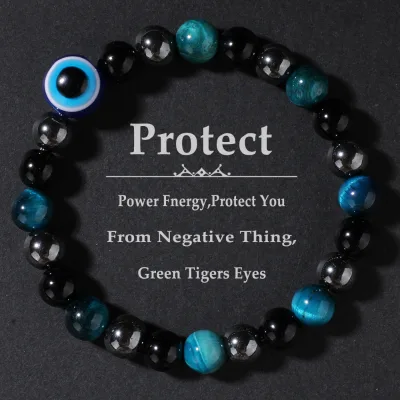
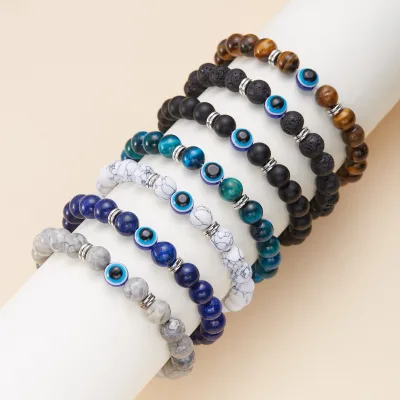


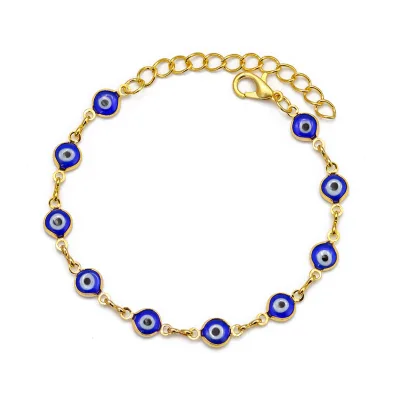
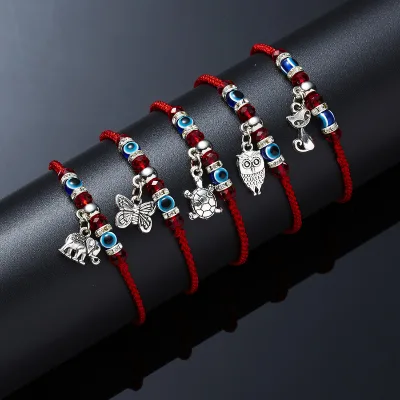
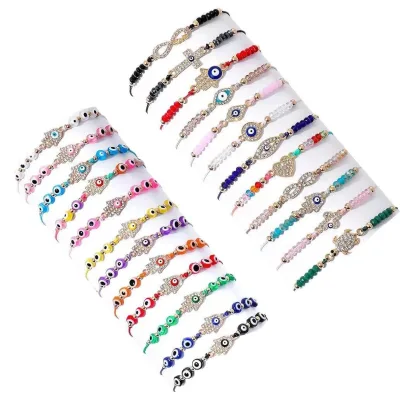
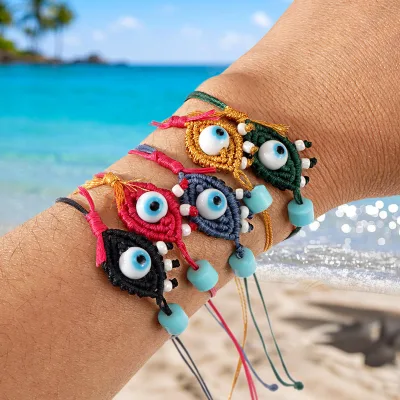
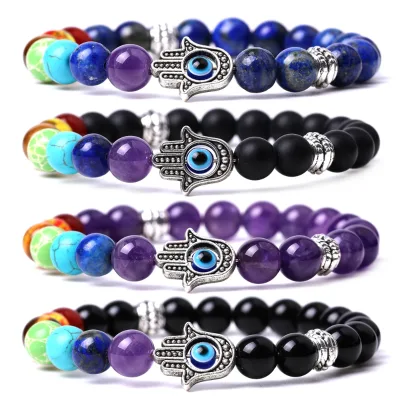
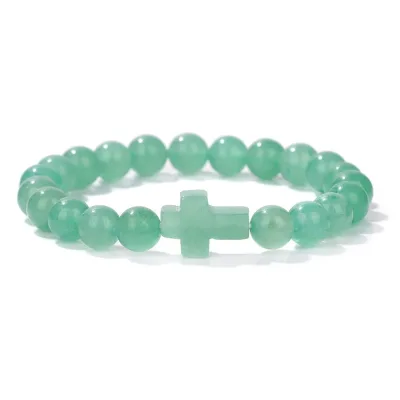
Comprehensive Sourcing Guide
Glass Beads Evil Eye Bracelet Supplier Concentration and Factory Types
When you begin sourcing Glass Beads Evil Eye Bracelet products, you will notice that many listings identify a place of origin at the product level. Where a listing discloses an origin region, treat that as a signal for follow-up rather than proof of where the item is made. In the current results, at least one evil eye bracelet listing states Zhejiang, China as its place of origin, which is a concrete, evidence-backed data point you can use to frame inquiries about the surrounding cluster. For suppliers that do not display an origin, ask directly for the production city, the factory address, and whether the beads are lampworked in-house or purchased from a bead workshop and assembled by the supplier.
Supplier types in this category typically split into manufacturers, trading companies, and hybrid operations. The current results show one supplier labeled as both a Manufacturer and a Trading Company, which is common in fashion jewelry: the same operation may assemble bracelets while also reselling complementary lines. Judge each hybrid on what you actually need. If you want custom bead colors, charms, or branded cards, confirm that customization is a real capability rather than a listing label. If you only need catalogue designs, a trading-focused operation may offer a wider range of evil eye bracelets, necklaces, and DIY accessories under one relationship. Ask each candidate to state plainly which products are made in their own facility and which are outsourced.
How to Verify Glass Beads Evil Eye Bracelet Suppliers
Verification for Glass Beads Evil Eye Bracelet sourcing starts with third-party inspection status. In the current results, one supplier carries a verification flag from SGS Group, an external audit credential that is meaningful because it was issued by a named inspection body rather than by the platform itself. If verification is not displayed for a supplier you like, ask for any recent factory audit report and check which firm conducted it, when it was performed, and whether the audited scope covers the production line relevant to your bracelets. Verification documents should reference the legal entity name that appears on your quotation, not a related trading name.
System certifications are a second layer. One supplier in the current results lists (EC) 1907/2006 (REACH) as its system certification, and another lists CE. These are chemical-safety and conformity frameworks, but a listing claim alone is not evidence of compliance for a specific shipment. Request the certificate number, the issuing body, and confirmation that the certification covers the actual glass beads and metal components used in your order. For glass-based bracelets, you should also ask what substances could matter at your destination market, such as lead and cadmium limits in coatings and platings, and whether the supplier can supply test reports from a recognized laboratory for the batch you will receive. Record every certificate you receive with its expiry date so you can re-verify before reorder, and keep copies attached to your purchase file.
What to Compare Across Glass Beads Evil Eye Bracelet Suppliers
Build a comparison sheet before you contact anyone, so that every Glass Beads Evil Eye Bracelet supplier is measured on the same fields. Useful dimensions include: main products (one listed supplier covers crystal rhinestones, glass seed beads, clay beads, fashion jewelry and DIY accessories, suggesting a broad bead-and-jewelry focus); company type (manufacturer versus trading company); verification status; system certification; response time; quoted lead time; location; and whether escrow-style payment protection is offered. Note that these attributes are displayed inconsistently. In the current results, a response time of 3 (hours under most platform conventions, but confirm the unit) appears for one supplier, and a lead time field of 0 appears for another, which most likely means no lead time is stated rather than same-day dispatch. Never assume an absent field means a weakness or a hidden strength.
Then compare the product-level evidence. One bracelet listing quotes a price range of roughly 0.32 to 1.48 per piece with an MOQ of 20; another ranges from about 0.38 to 0.90; a beaded bracelet lists at 1.63 flat with a 20-piece MOQ; a clay-bead combination bracelet runs 0.62 to 0.76 with an MOQ of 10 pieces per color. Where a price range exists, ask which design and which bead count sits at the bottom and the top of the range, because bead type, plating, and stretch-cord versus fixed construction usually drive the spread. Weigh response speed and willingness to send samples as heavily as price.
Common Glass Beads Evil Eye Bracelet Sourcing Risks
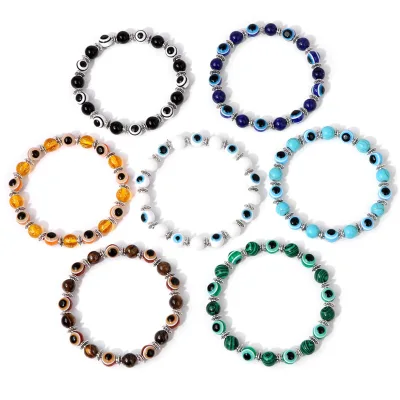
The first risk cluster in Glass Beads Evil Eye Bracelet sourcing is product consistency. Glass evil eye beads are often listed with many color codes; one current pendant-and-bracelet listing shows fifteen color variants and stretch-cord elastic bracelets show twelve variants. With that many options, the risk is that your approved sample color does not match mass-production dye lots, or that the "eye" motif is printed rather than fused glass. Mitigate this by requiring a pre-production sample from the exact production batch, agreeing on a color-code reference in writing, and specifying whether the bead must be genuine glass, resin, or acrylic, since listings can blur those materials.
The second cluster is compliance and workmanship. Verify that any certification claimed for the listing actually applies to your article: a REACH or CE claim at company level does not automatically cover nickel release in alloy charms, lead content in glass enamel, or plating thickness on spacers. Physically inspect knotting of the elastic cord, crimp strength on fixed-length designs such as the 23cm bracelet shown in the results, and whether a 16cm or 28cm length claim survives repeated stretching. Packaging is a quiet risk too; several listings state 1pc per opp bag, which is fine for shipping but insufficient for retail presentation, so confirm upgrade costs early. Finally, treat very low per-piece prices with care: ask what bead size, charm alloy, and quantity discount assumptions sit behind the quoted low end, and get the assumptions in the contract.
Glass Beads Evil Eye Bracelet Regional Sourcing and Logistics
For Glass Beads Evil Eye Bracelet logistics, the shipping unit is small and dense, which favors both express courier and consolidated sea freight, but the right choice depends on order value and urgency. One current listing reports a delivery time of 2 to 15 days, a single gross weight of 0.005 kg per item, and a package size of 10 x 10 x 5 cm, which illustrates how compact this category is: even a large bead order weighs little, so courier freight is often proportionally significant relative to product cost. Ask suppliers to quote DDP and FOB options separately, and confirm who bears courier surcharges, because small-parcel jewelry shipments attract handling minimums.
Regionally, do not assume every supplier sits in the same cluster. The only origin stated in the current results is Zhejiang, China on one bracelet listing, so use that as an anchor for questions, and ask each other candidate to disclose its own production or consolidation city. If a supplier is a trading company, the beads and the assembly may happen in different provinces, which affects both lead time and your ability to inspect goods before shipment. Plan inspections around the consolidation point, not just the registered address. For repeat programs, ask whether stock lines can ship from warehouse within days while custom colors wait for a production run, and how mixed-SKU orders are packed so that color variants like the ZL and ZLB series remain segregated and correctly labeled at receipt.
Glass Beads Evil Eye Bracelet Commercial Terms and Order Planning
Commercial planning for Glass Beads Evil Eye Bracelet orders should start from the MOQs actually shown in the market. Current listings show 30 pieces on one evil eye charm bracelet, 20 pieces on two others, 10 pieces per color on a clay-bead style, and 20 pieces stated inside the attributes of a Miyuki-style listing. These are trial-order-friendly numbers, so a sensible plan is to split a first order across two or three suppliers, sampling different bead types, price tiers, and company types, then concentrate volume with whichever supplier passes your sample and communication tests. Negotiate MOQ breaks at the color-variant level, since one supplier already quotes per color.
On payment and price structure, ask whether the platform offers escrow or trade assurance on the specific transaction, and confirm the exact per-piece price applies to your chosen color code and length. The observed ranges, from roughly 0.30 up to 4.53, show how much design choice moves cost, so lock the specification sheet into the contract: bead material, length (23cm elastic versus 16cm and 28cm fixed examples exist), charm alloy, plating, and packing. Confirm whether customization, which one supplier advertises for samples and made-to-order work, incurs tooling or card-printing fees. Finally, record each supplier's quoted response time and stated lead time in your tracker, re-verify certificates before each reorder, and phase increases in order size only after a full shipment passes inspection, keeping the first repeat order modest.
FAQs
What is the price range for glass beads evil eye bracelets?
Prices typically range from $0.30 to $4.53 per unit depending on materials and design complexity. Basic elastic styles start around $0.30, while crystal or alloy options with specific plating can reach higher price points. Buyers should check specific product listings for exact pricing tiers based on quantity.
What is the minimum order quantity for these bracelets?
Minimum order quantities vary by supplier and product style, generally ranging from 10 to 30 pieces. Some suppliers require a minimum of 10 pieces per color for customized designs, while standard fashion bracelets may have a minimum of 20 or 30 units. Always verify the specific MOQ on the product page.
Are these suppliers verified for quality and compliance?
Many suppliers hold SGS Group verification and comply with EC 1907/2006 regulations. Some also display CE certification for their jewelry products. Buyers should look for these verification badges to ensure the supplier meets international standards for material safety and manufacturing quality before placing large orders.
What customization options are available for these bracelets?
Suppliers offer light customization, graphic processing, and customized on-demand services. Options include selecting specific colors, lengths, and designs such as evil eye charms or clay beads. Some manufacturers welcome OEM and ODM requests, allowing buyers to tailor materials like crystal or alloy to their specific brand requirements.
How long does it take to receive an order?
Delivery times typically range from 2 to 15 days for sample processing and light customization. Standard production lead times may vary, so buyers should confirm specific timelines with the supplier. Quick response times of around 3 hours are common, ensuring efficient communication during the ordering process.
What materials are commonly used in these bracelets?
Common materials include glass seed beads, crystal rhinestones, clay beads, and alloy components. Some styles feature stainless steel or brass elements for durability. Buyers can choose from various main stones and plating options to match their aesthetic preferences, with many products offering multi-color selections for diverse design needs.