High Accuracy Cosmetic Filling Machine Suppliers and Manufacturers
Source 10 verified suppliers for High Accuracy Cosmetic Filling Machine equipment across China. Compare key dimensions including location, lead time, response time, and pricing to identify the right partner. Review detailed specifications and request quotes directly from the platform; review the available evidence before requesting comparable quotations from suitable candidates.
Suppliers List

Qingzhou Tongda Packaging Machinery Co., Ltd.
- Verified by BV
- Combined
- China Shandong
- Lead time30 days
- Avg. response≤ 3h
Main productsFilling Machine, Capping Machine, Labeling Machine, Bottle Washing Machine, Bottle Drying Machine, Wine Filling Machine, Oil Filling Machine, Glass Bottle Washing Machine, Glass Bottle Filling Machine, Palletizer
Main marketsSoutheast Asia/ Mideast,Europe

Shanghai Paixie Packing Machinery Co., Ltd.
- Verified by BV
- Combined
- China Shanghai
- Lead time23 days
- Avg. response≤ 2h
Main productsPacking Machine, Liquid Filling Machine, Vape Equipment, Packaging Machine, Olive Oil Machine, Box Packing Machine, Wrapping Machine, Labeling Machine, Capping Machine, Filling Machine
Main marketsNorth America


High Speed High Precision Cosmetic Filling Machine Shanghai Paixie High Speed
$13000.00 - $19000.00
MOQ: 1 Pieces


Manufacturer Automatic Cosmetic Machine Filling Cream Filling Machine
$13000.00 - $19000.00
MOQ: 1 Pieces

Guangzhou Silian Machinery Co., Ltd.
- Verified by CTI
- Combined
- China Guangdong
- Lead time30 days
- Avg. response≤ 2h
Main marketsAfrica,Southeast Asia/ Mideast,East Asia(Japan/ South Korea),Domestic,Europe,Australia,North America


High Precision Fully Automatic Cosmetic Liquid Filling and Capping Machine
$10688.00 - $10988.00
MOQ: 1 sets

Production Equipment Automatic Multi Color Cosmetic Powder Filling Machine
$8500.00 - $9000.00
MOQ: 1 sets

High Speed Fully Automatic Cosmetic Liquid Filling and Capping Machine
$10688.00 - $10988.00
MOQ: 1 sets


Guangzhou Jutao Machinery Equipment Co., Ltd.
- Manufacturer
- Guangdong, China
- Lead time30 days
- Avg. response≤ 4h
Main productsVacuum Emulsifying Mixer,Stainless Steel Mixing Tank,Filling Machine,Water Treatment Equipment,Packaging Machine
Main marketsWestern Europe(15.00%), Eastern Europe(12.00%), Southeast Asia(12.00%), North America(10.00%), Northern Europe(10.00%), Africa(8.00%), Mid East(8.00%), Domestic Market(7.00%), South America(6.00%), Southern Europe(5.00%), Oceania(3.00%), Eastern Asia(2.00%), Central America(2.00%)
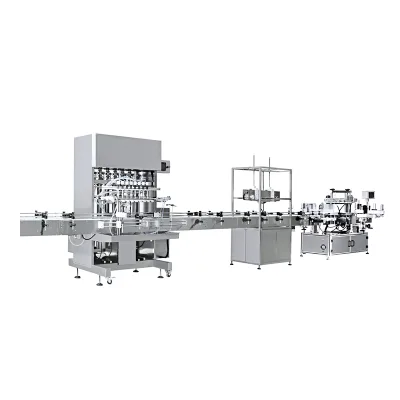
Fast Reaction Cosmetic Filling Machine for Cosmetic Production Line
$10200.00 - $10800.00
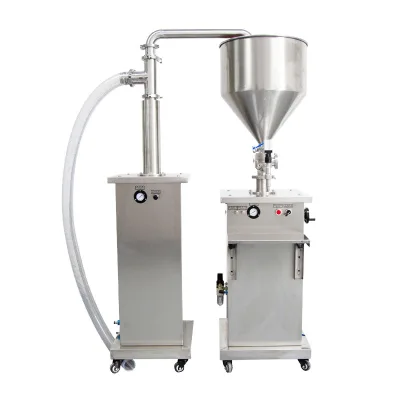
CE approved cosmetic filler machine with semi automatic type
$700.00 - $750.00

Guangzhou Sanxin Machinery Co., Ltd.
- Verified by SGS
- Manufacturer
- China Guangdong
- Lead time15 days
- Avg. response≤ 2h
Main productsCosmetic Machine, Three Dimensional Packing Machine, Shrink Wrapper
Main marketsSoutheast Asia/ Mideast,Domestic

Sanxin Fully Automatic High-Precision Cosmetic Liquid Filling Machine
$4000.00 - $12000.00
MOQ: 1 Sets

Fully Automatic and Latest High Quality Cosmetic Liquid Filling Machine
$4000.00 - $12000.00
MOQ: 1 Sets

Fully Automatic High-Precision Cosmetic Liquid Filling Machine Can Be Customized
$4000.00 - $12000.00
MOQ: 1 Sets


Automatic Multi-Head Perfume Cosmetic Filling Machine Can Be Customized
$4000.00 - $12000.00
MOQ: 1 Sets

- Verified by BV
- Trading Company
- China Hebei
- Lead time30 days
- Avg. response≤ 3h
Main productsElbow Machine, Induction Pipe Bending Machine, Tee Machine, Seamless Elbow, Pipe Expanding Machine, Hydraulic Press, GOST Elbow, Tee
Main marketsSouth America,Africa,Southeast Asia/ Mideast,East Asia(Japan/ South Korea),Europe,North America

Zhuhai Ruichuang Technology Development Co., Ltd
- Verified by SGS
- Combined
- China Guangdong
- Lead time30 days
- Avg. response≤ 1h
Main productsAutomatic Packing for Granule, Automatic Packing Machine for Powder, Automatic Packing Machine for Liquid, Automatic Packing Machine for, Power Filling Machine, Printer/Laser Marking Machine, Check Weigher, Automatic Production Line
Main marketsSoutheast Asia/ Mideast,Domestic

Guangzhou Guanhe Light Industry Machinery Co., Ltd.
- Verified by SGS
- Trading Company,Manufacturer/Factory
- China Guangdong
- Lead time38 days
- Avg. response≤ 7h
Main productsFilling Machines, Packing Machine, Capping Machine, Sealing Machine, Labeling Machine, Bottle Washing Drying Machine, Bottle Unscrambling Machine, Conveying Machine, Filling Capping Machines, Mixing/Storage Tanks
Main marketsSouth America,Eastern Europe,Mid East,North America,Southeast Asia,Eastern Asia,Oceania,Western Europe,Africa

Guangzhou Fuluke Cosmetics Equipment Co., Ltd.
- Verified by CTI
- Combined
- China Guangdong
- Lead time15 days
- Avg. response≤ 9h
Main productsVacuum Cosmetics Emulsifier Mixer, Mixing Machine, Water Treatment System, Cosmetics Cream Making Machine, Shampoo Detergent Mixing Machine, Label Machine, Filling and Sealing Machine, Capping Machine, Cream Loction Making Machine, Inkjet Print
Main marketsAfrica,Southeast Asia/ Mideast,Domestic,Europe,Australia,North America


$8658.00 - $28968.00
MOQ: 1 Pieces


Zhangjiagang King Machine Tech Co., Ltd.
- Verified by BV
- Combined
- China Jiangsu
- Lead time45 days
- Avg. response≤ 6h
Main productsWater Filling Machine, Beverage Filling Machine, Carbonated Drink Filling Machine, 5gallon Bottle Filling Machine, Bottle Blowing Machine, Glass Bottle Filling Machine, Can Filling Machine, Wrapping Machine, Juice Filling Machine, Labeling Machine
Main marketsSoutheast Asia/ Mideast


Comprehensive Sourcing Guide
High Accuracy Cosmetic Filling Machine Supplier Concentration and Factory Types
The current supplier landscape for high accuracy cosmetic filling machines reveals a concentration of manufacturing capabilities in specific Chinese provinces, with Shandong and Shanghai emerging as distinct industrial hubs. Fact-based observations indicate that suppliers in Shandong focus heavily on liquid filling solutions, including oil and wine applications, while maintaining a combined company type that blends manufacturing with trading functions. These facilities often list main products such as filling, capping, and labeling machines, suggesting a cluster dedicated to comprehensive packaging line integration. In contrast, suppliers located in Shanghai demonstrate a specialized focus on cosmetic-specific equipment, offering machines designed for cream, lotion, and nail polish applications with rotary or linear structures. This geographic split implies that buyers seeking high-precision cosmetic machinery should prioritize regions where the specific product category is a primary output rather than a secondary offering.
Factory types in this sector vary between combined entities and specialized manufacturers, each presenting different operational models for the buyer. The data shows that some suppliers operate as combined entities capable of both Original Design Manufacturing and Original Equipment Manufacturing, alongside maintaining their own brands. This structure allows for greater flexibility in customization, which is critical for high accuracy cosmetic machines that often require specific dosing devices like plunger or capacity cup systems. Other suppliers may focus strictly on OEM or ODM services without an own brand, potentially offering more tailored engineering support for unique production requirements. Buyers must verify the specific company type to ensure the supplier has the necessary engineering capacity to handle the complex automation and precision requirements inherent in high-accuracy cosmetic filling operations.
How to Verify High Accuracy Cosmetic Filling Machine Suppliers
Verification of suppliers for high accuracy cosmetic filling machines requires a rigorous examination of third-party credentials and digital response metrics to ensure reliability. Current data indicates that some suppliers hold BV verification status, while others may carry CTI verification, providing a baseline level of trust regarding their business legitimacy. Additionally, system certifications such as ISO9001:2015 and ISO14001:2015 are present in the profiles of certain manufacturers, signaling adherence to international quality and environmental management standards. However, not all suppliers display these certifications, and some may list them as NIL, necessitating a direct request for documentation before proceeding with any commercial engagement. Buyers should treat the absence of visible certification as a signal to verify these claims independently rather than assuming compliance.
Beyond static certifications, dynamic performance indicators like response time and supply capability offer critical insights into a supplier's operational readiness. The observed response times for these suppliers range from approximately 1.55 to 2.65, which serves as a proxy for communication efficiency and potential support availability during the procurement process. A faster response time often correlates with a more active sales team and quicker resolution of technical queries regarding machine specifications. Furthermore, buyers should assess the supplier's ability to provide video outgoing inspections and machinery test reports, as these are tangible proofs of production quality. If a supplier cannot provide a video inspection or test report, the buyer must verify the existence of these quality control measures directly, as the lack of such evidence increases the risk of receiving equipment that does not meet the required high-accuracy standards.
What to Compare Across High Accuracy Cosmetic Filling Machine Suppliers
When evaluating multiple sources for high accuracy cosmetic filling machines, buyers must systematically compare lead times, minimum order quantities, and pricing structures to align with their production schedules and budget constraints. The available data shows lead times varying between 23 and 30 days, which directly impacts the speed of project deployment and inventory planning. Minimum order quantities appear to be flexible, with some suppliers offering an MOQ of one unit, while others may have different thresholds based on the complexity of the machine. Pricing ranges also differ significantly, with observed minimums starting around 5,000 and maximums reaching up to 21,000, reflecting variations in automation levels, material quality, and included features like servo driving or multi-head configurations. Buyers should create a comparison matrix to visualize these differences and identify which suppliers offer the best value for their specific volume and timeline needs.
Technical specifications and customization capabilities form another critical dimension for comparison across different supplier offerings. The product attributes reveal diverse configurations, including linear versus rotary structures, plunger versus capacity cup dosing devices, and varying automatic grades from automatic to fully automatic. Some suppliers offer customization options for touch screens and packaging materials, while others provide fixed standard models. The material type, such as SUS304 or 316 stainless steel, and the voltage requirements, like 220V 50Hz, must be matched precisely to the buyer's facility infrastructure. Additionally, the supply ability, noted as 10 sets per month for some suppliers, indicates production capacity limits that could affect large-scale orders. Buyers should prioritize suppliers whose technical specifications and customization flexibility align perfectly with their specific cosmetic product requirements to avoid costly retrofits or performance issues.
Common High Accuracy Cosmetic Filling Machine Sourcing Risks
One significant risk in sourcing high accuracy cosmetic filling machines is the potential discrepancy between advertised specifications and actual machine performance, particularly regarding filling accuracy and consistency. While some product listings claim high precision, the actual filling accuracy may vary, with some data points indicating a 98% accuracy rate for specific models. Buyers must verify this metric through independent testing or video inspections to ensure the machine meets the strict tolerances required for cosmetic packaging. The absence of a machinery test report for certain suppliers further exacerbates this risk, as it leaves the buyer without objective evidence of the machine's calibration and operational stability. Without verified test results, there is a heightened probability of receiving equipment that fails to deliver the promised high-accuracy performance, leading to product waste and production delays.
Another prevalent risk involves the reliability of after-sales support and the availability of spare parts, which are crucial for maintaining continuous production. The data shows that some suppliers offer engineers available to service machinery overseas, while others provide only online or video technical support. This variation in service levels can lead to significant downtime if a machine breaks down and local support is unavailable. Additionally, the packaging details, such as wooden boxes or non-fumigation wooden boxes, must be verified to ensure safe transport, as improper packaging can result in damage during shipping. Buyers should explicitly confirm the scope of after-sales service, including the availability of spare parts and the response time for technical assistance, before finalizing any order. Relying on vague service promises without written confirmation can result in costly operational disruptions once the machine is installed.
High Accuracy Cosmetic Filling Machine Regional Sourcing and Logistics
Regional sourcing decisions for high accuracy cosmetic filling machines are heavily influenced by the geographic location of the manufacturer, which dictates shipping costs, transit times, and logistical complexity. The current supplier pool includes facilities in Shandong and Shanghai, each presenting distinct logistical profiles. Suppliers in Shandong may offer competitive pricing for liquid filling machines but could involve longer transit times depending on the specific port of loading. Conversely, Shanghai-based suppliers might benefit from proximity to major shipping hubs, potentially reducing lead times for international delivery. Buyers must evaluate the specific origin of the machine, as indicated in product attributes, to accurately estimate freight costs and customs clearance requirements. The standard dimensions of the machines, such as 260017502200mm or 12009002200mm, also play a critical role in determining container utilization and shipping expenses.
Logistics planning must also account for the specific packaging requirements and handling instructions associated with these heavy industrial machines. The product evidence indicates that machines are typically packed in wooden boxes, with some suppliers offering non-fumigation wooden boxes to comply with international phytosanitary regulations. This distinction is vital for avoiding delays at customs, as fumigation certificates may be required for standard wooden packaging. Buyers should verify the packing details with the supplier to ensure the packaging meets the destination country's import standards. Furthermore, the supply ability of 10 sets per month for some suppliers suggests that large orders may require staggered shipments, which complicates logistics planning. Coordinating multiple shipments or consolidating orders into a single container requires careful negotiation with the supplier to optimize freight costs and ensure timely delivery to the production facility.
High Accuracy Cosmetic Filling Machine Commercial Terms and Order Planning
Commercial terms for high accuracy cosmetic filling machines encompass a range of factors including payment structures, delivery schedules, and warranty conditions that must be clearly defined to mitigate financial risk. The observed price ranges, from 5,000 to 21,000, suggest that buyers should negotiate based on the specific configuration and volume of the order. It is essential to clarify whether the quoted price includes installation, training, and initial spare parts, as these costs can vary significantly between suppliers. Additionally, the lead time of 23 to 30 days must be factored into the overall project timeline, with buffer periods added for potential delays in production or shipping. Buyers should insist on a detailed proforma invoice that breaks down all costs to avoid hidden fees that could inflate the total expenditure.
Order planning for high accuracy cosmetic filling machines requires a strategic approach to align production schedules with supplier capabilities and delivery timelines. The minimum order quantity of one unit offers flexibility for small-scale operations, but larger orders may benefit from volume discounts or prioritized production slots. Buyers should plan for the supply ability constraints, such as the 10 sets per month limit, to ensure that their demand can be met without excessive waiting periods. Furthermore, the customization options available, such as specific dosing devices or touch screen interfaces, should be finalized early in the process to prevent delays in the manufacturing phase. Establishing a clear communication channel with the supplier for regular updates on production progress is crucial for managing expectations and ensuring that the machine is ready for installation and commissioning on schedule.
FAQs
What is the price range for high accuracy cosmetic filling machines?
Prices for high accuracy cosmetic filling machines typically range from 5,000 to 21,000 dollars. Specific costs depend on the model, capacity, and customization options selected. Buyers should verify exact pricing for their required specifications before placing an order.
How long does it take to receive these machines after ordering?
Lead times for these machines generally range from 23 to 30 days. The exact duration depends on the specific supplier and production schedule. Buyers should confirm the delivery timeline with the supplier before finalizing the purchase agreement.
What certifications do suppliers of these machines usually hold?
Some suppliers hold ISO9001:2015 and ISO14001:2015 certifications for their systems. Others may not list specific certifications in their profiles. Buyers should request valid certification documents directly from the supplier to ensure compliance with their quality standards.
Where are the manufacturers of these machines located?
Manufacturers are located in China, specifically in Shandong, Shanghai, and Guangdong provinces. The location affects shipping costs and lead times. Buyers should verify the specific factory location to plan logistics and potential site visits effectively.
What is the minimum order quantity for these machines?
The minimum order quantity is often one unit for many models. Some suppliers may have different requirements based on customization. Buyers should check the specific MOQ for the exact machine model they intend to purchase.
Do suppliers offer customization for these filling machines?
Customization is available for many high accuracy cosmetic filling machines. Options may include specific dosing devices, valve heads, and automatic grades. Buyers should discuss their unique requirements with the supplier to confirm available customization features.
What is the typical response time for supplier inquiries?
Supplier response times vary, with some responding within 1.55 to 2.65 hours. Faster response times indicate better communication channels. Buyers should expect varying reply speeds and follow up if a response is not received within the expected timeframe.