HID Projector Suppliers and Manufacturers in China
Compare 24 verified suppliers of HID Projector units based on location, response time, lead time, and certifications. Buyers can review product specifications like brightness and resolution before contacting factories for quotes; review the available evidence before requesting comparable quotations from suitable candidates.
Suppliers List

Hangzhou Lulai Technology Co., Ltd.
- Verified by SGS
- Trading Company
- China Zhejiang
- Lead time15 days
- Avg. response≤ 2h
Main productsNotebook Computer, Home Theater Projector, Drone, Keyboard
Main marketsAfrica,Southeast Asia/ Mideast,East Asia(Japan/ South Korea),Europe,Australia,North America

CRE Electronic Technology Co., Limited
- Verified by CTI
- Combined
- China Hunan
- Lead time23 days
- Avg. response≤ 12h
Main productsLCD Projector, LED Projector, Projector, Portable Projector, Home Theater Projector, Mini Projector, HD Projector, Digital Projector, Multimedia Projector, Video Projector
Main marketsSouth America,East Asia(Japan/ South Korea),Europe,Australia,North America

Changzhou Jiecheng Photoelectric Technology Co., Ltd
- Verified by CTI
- Trading Company,Manufacturer/Factory
- China Jiangsu
- Lead time0 days
- Avg. response≤ 2h
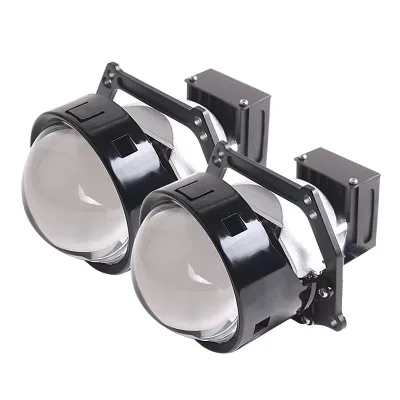
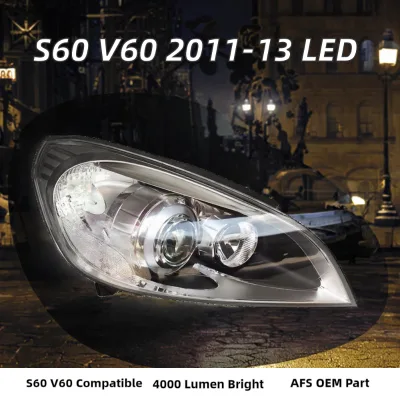
Main productsHeadlight Projector Lens, Foglamp Projector Lens, Bi LED Projector Lens, Car Headlight Lens, LED Headlight Bulb, Bi LED Lens, LED Projector Lens, Fog Lamp, Car Fog Lamp, Universal Fog Lamp


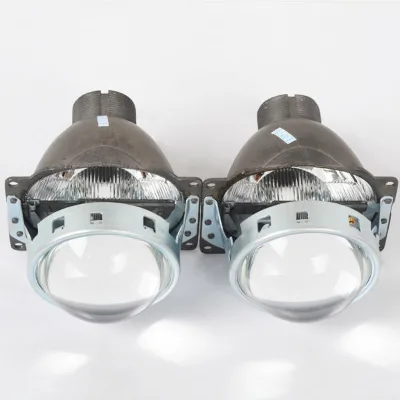
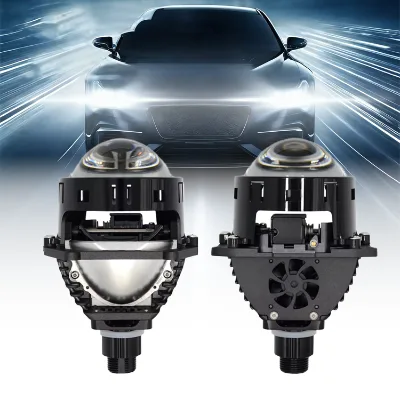
High Output LED Projector Lens with 5800K White Light for Clear Nighttime Driving
$17.26 - $22.83
Moq: 4


Shenzhen Sunson International Science & Technology Co., Ltd.
- Manufacturer
- China Guangdong
- Lead time15 days
- Avg. response≤ 25h
Main productsDocument Camera, Visualizer, Portable Visualizer, Portable Scanner, Projectors, Business Card Scanner, Mini Scanner, DLP Projectors, Interactive Whiteboard, LED Projector
Main marketsSoutheast Asia/ Mideast,Domestic,Europe,North America

Guangdong GBR Prolight Group Co.,Ltd
- Verified by BV
- Combined
- China Guangdong
- Lead time15 days
- Avg. response≤ 6h
Main productsMoving Head Light, Outdoor Moving Head Light, Beam Moving Head Light, Sharpy Beam Moving Head Light, Sky Searchlight, Wall Washer Light, LED PAR Light, LED Stage Light, LED Stage Moving Head Light, Outdoor LED Flood Light
Main marketsSouth America,Africa,Southeast Asia/ Mideast,East Asia(Japan/ South Korea),Domestic,Europe,Australia,North America

Nanjing Windon Projection Screen Co., Ltd.
- Verified by TUVRHEINLAND
- Manufacturer/Factory
- China Guangdong
- Lead time23 days
- Avg. response≤ 2h
Main productsProjector, 4K Laser Projector, 3D Mapping, Immersive Projection, Projection Screen, Curved Frame Projection Screen, Fast Fold Projection Screen, 3D Hologram Projector, Rear Projection Film, 3D Holographic Displays
Main marketsSouth America,Eastern Europe,Mid East,North America,Southeast Asia,Eastern Asia,Oceania,Western Europe,Africa
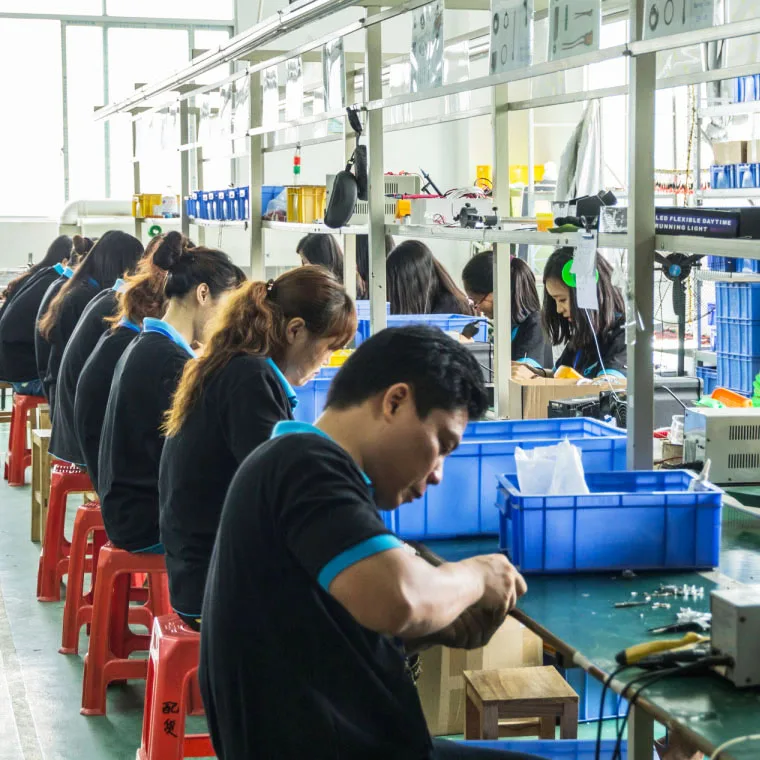
Guangzhou B-Deals Electronic Technology Co., Ltd.
- Manufacturer, Trading Company
- Guangdong, China
- Lead time30 days
- Avg. response≤ 6h
Main productsLed Angel Eye,LED Gear Shift Knob,LED DRL,LED Mirror Lights,Projector Lens
Main marketsWestern Europe(28.000000000000004%), South America(20.0%), Eastern Europe(15.0%), Eastern Asia(10.0%), North America(5.0%), Southeast Asia(5.0%), Mid East(5.0%), Oceania(5.0%), Africa(5.0%), South Asia(2.0%)
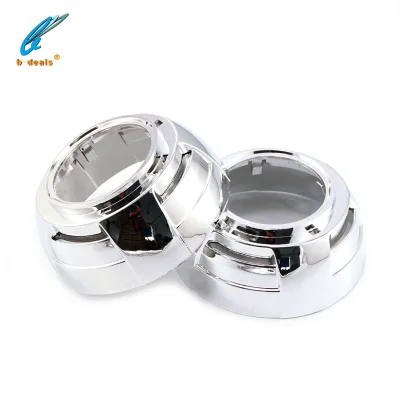
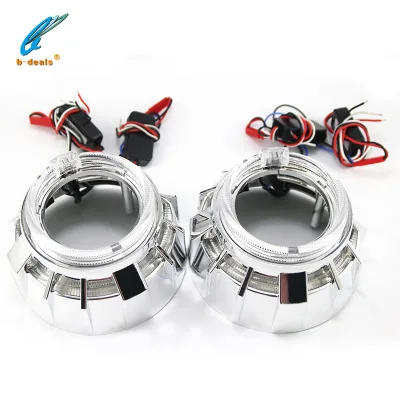
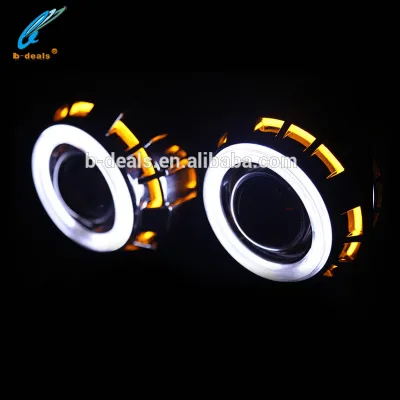
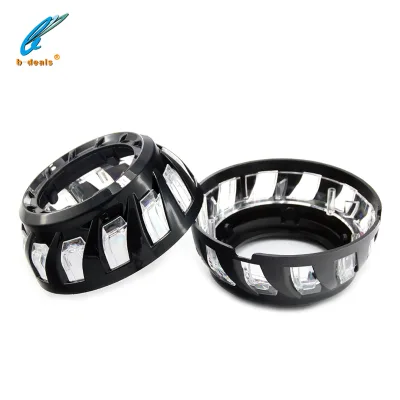
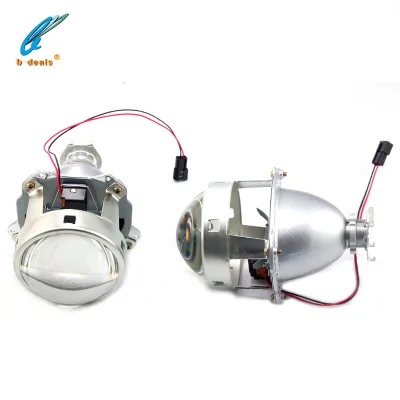
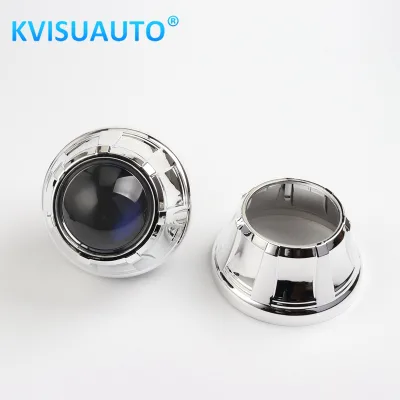
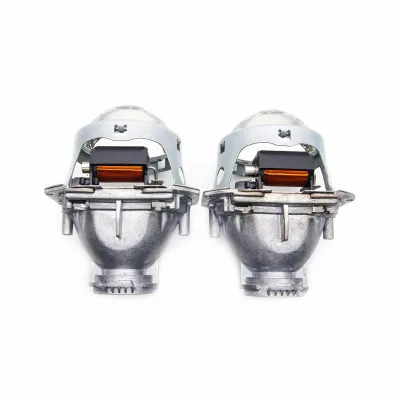
35w 2.5inch H4 Dual Color Angel Eyes H1 Aes H7 hid Bi Xenon hid Projector Lens Light
$25.74 - $46.34
Moq: 4

Guangzhou Carqilight Auto Parts Co., Ltd.
- Trading Company
- Guangdong, China
- Lead time1 days
- Avg. response≤ 4h
Main productsBI LED Projector/BI LED Fog Lamp/HID Projector/HID Kit/LED Headlight,fog projector,Headlight Retrofit Tool,Led light products,headlight frame
Main marketsSoutheast Asia(30.0%), Mid East(15.0%), North America(10.0%), Eastern Europe(8.0%), South America(8.0%), Domestic Market(6.0%), South Asia(6.0%), Southern Europe(6.0%), Northern Europe(4.0%), Western Europe(3.0%), Eastern Asia(1.0%), Africa(1.0%), Central America(1.0%), Oceania(1.0%)
Guangzhou Ilovecar Auto Parts Co., Ltd.
- Verified by TüVRheinland
- Trading Company
- Lead time7 days
Main productsCar LED Projector, Car HID Projector, Car LED Fog Lights, Car Headlight, Car Headlight Ballast
Main marketsSoutheast Asia(20%), Eastern Europe(13%), Oceania(12%)
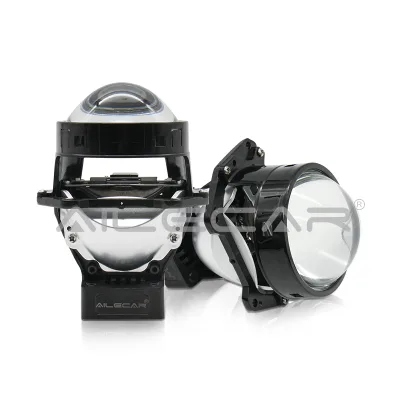
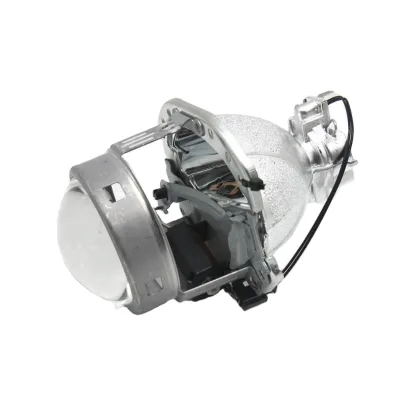
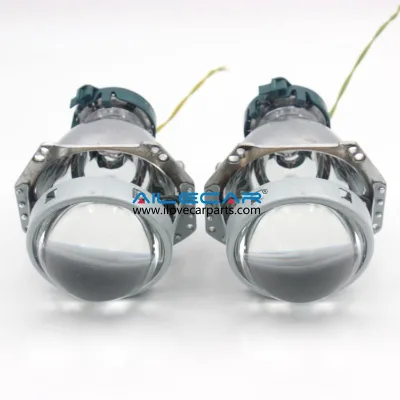
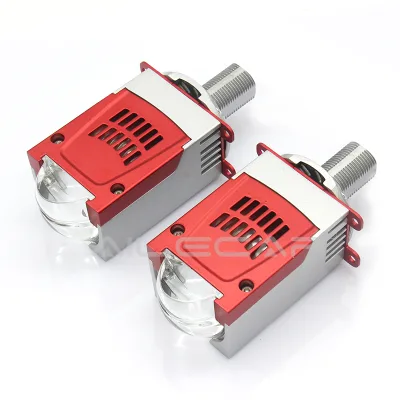
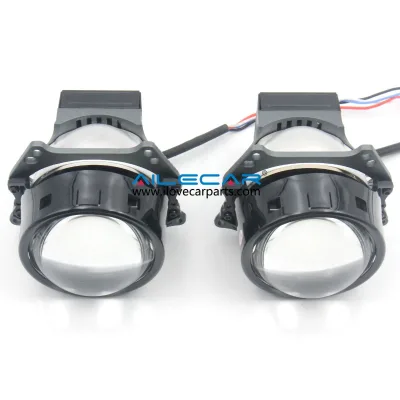
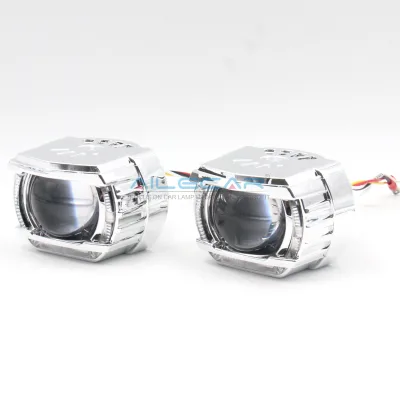
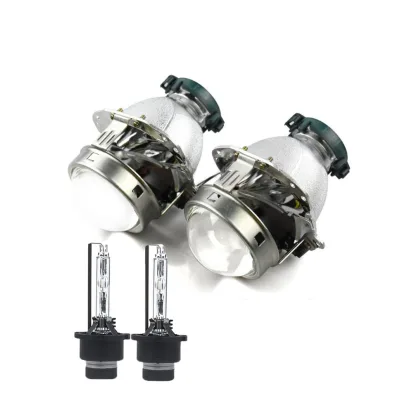
Car Headlight Projector 3.0'' EVOX-R G4 Hid Projector Lens with D2S Hid Xenon Bulb.
$44.00 - $47.00
Moq: 5

Foshan Guangdi Auto Lighting Co., Ltd
- Verified by SGS
- Combined
- China Guangdong
- Lead time30 days
- Avg. response≤ 1h
Main productsCar Light, Truck Light, Motorcycle Light, LED Headlight, Halogen Bulb, Brake Light, Turn Signal Light, Fog Light, Car Headlight, Truck Headlight
Main marketsSoutheast Asia/ Mideast,Domestic

Guangzhou Longgui Intelligent Technology Co., Ltd.
- Verified by BV
- Combined
- China Guangdong
- Lead time30 days
- Avg. response≤ 5h
Main productsCable Cubby, Projector Lift, TV Lift, TV Bracket, Monitor Lift, Pup-up Sockets, Wall Panel, Hotel Socekt, Customrized Goods, Customerized Alumnium or Steel Parts
Main marketsOthers(foreignTradeCapacity.exportBusinessCapacityMarketOther)
Guangzhou Aes Car Parts Co., Ltd.
- Manufacturer
- Guangdong, China
- Lead time20 days
- Avg. response≤ 4h
Main productsbi led headlight projector lens,bi led fog lens,bi led auxiliary lens,bi led matrix lens,led bulbs
Main marketsSoutheast Asia(35.0%), Domestic Market(16.0%), Mid East(8.0%), Western Europe(5.0%), Africa(5.0%), Eastern Europe(5.0%), South America(5.0%), Eastern Asia(5.0%), South Asia(5.0%), Central America(3.0%), Southern Europe(3.0%), Northern Europe(2.0%), North America(2.0%), Oceania(1.0%)
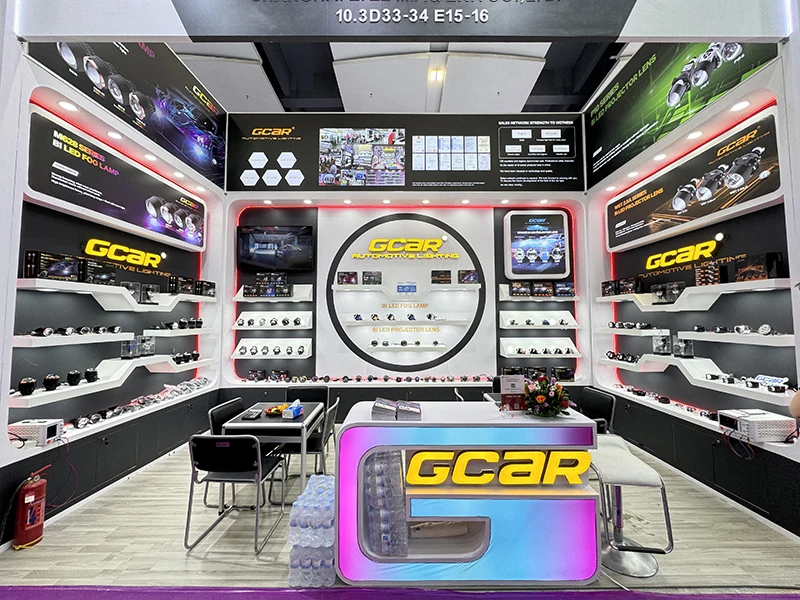
Guangzhou Weixin Auto Accessories Co., Ltd.
- Trading Company
- Guangdong, China
- Lead time7 days
- Avg. response≤ 6h
Main productsLED Fog Lamp,High Beam LED Lens,Mini LED Projector Lens,led angel eye,HID Projector Lens Kit
Main marketsSouthern Europe(8.33%), Northern Europe(8.33%), Central America(8.33%), Western Europe(8.33%), Eastern Asia(8.33%), Mid East(8.33%), Oceania(8.33%), Africa(8.33%), Southeast Asia(8.33%), Eastern Europe(8.33%), South America(8.33%), North America(8.33%)
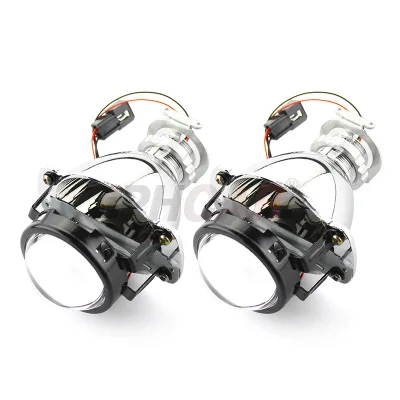
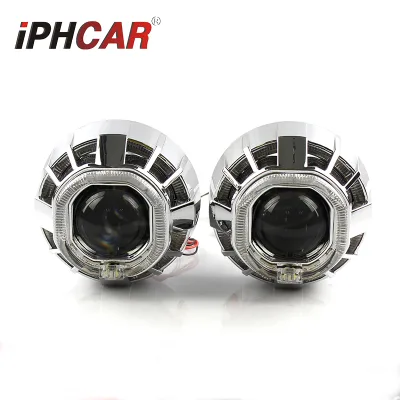
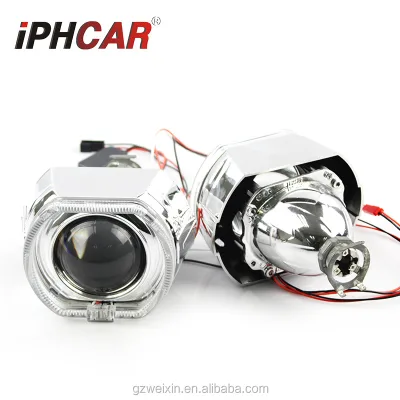
IPHCAR Hid Mini Xenon Projector 2 Inch Projector H1 Auto Hid Bi Xenon Lighting
$15.12 - $19.92
Moq: 20
Guangzhou Hongy Trading Co., Ltd.
- Trading Company
- guangdong, China
- Lead time10 days
- Avg. response≤ 2h
Main productsLED Headlight,car led light,3.0 bi led,Hid kit,hid ballast
Main marketsCentral America(30.0%), North America(30.0%), Mid East(20.0%), Western Europe(20.0%)

Dongguan Jaten Instrument Co., Ltd.
- Verified by BV
- Combined
- China Guangdong
- Lead time15 days
- Avg. response≤ 3h
Main productsProfile Projector, Vision Measuring Machine, Video Measuring Machine, Coordinate Measuring Machine, Glue Dispensing Machine, Optical Comparator, Liquid Dispensing Machine, Hardness Tester, Microscope, Test Chambers
Main marketsSoutheast Asia/ Mideast,Domestic

NINGBO SELLWELL LIGHTING APPLIANCE CO., LTD.
- Trading Company,Manufacturer/Factory
- China Zhejiang
- Lead time30 days
- Avg. response≤ 7h
Main productsSmart LED Light, LED Bulb, LED Filament Lamp Bulb, LED Flood Light, LED Panel Light, LED T5 T8 Tube, LED Wall Light, LED Decorative Bulb, LED Street Light, LED ceiling Light
Main marketsEastern Europe,Western Europe
Shenzhen Funphenix Technology Co., Ltd.
- Verified by SGS Group
- Trading Company
- Lead time30 days
Main productsProjectors, Projector Screen
Main marketsSoutheast Asia(25%), South America(20%), North America(10%)
Guangzhou Aoyi Auto Part Co.,limited
- Manufacturer, Trading Company
- Guangdong, China
- Lead time15 days
- Avg. response≤ 6h
Main productsLED Projector Lens,Projector Shrouds,Headlight Covers,LED DRL,for BMW Angel Eyes
Main marketsNorthern Europe(20.0%), Southeast Asia(20.0%), North America(20.0%), Africa(10.0%), Central America(10.0%), Mid East(10.0%), Oceania(10.0%)

Shenzhen Goongo Technology Co., Ltd.
- Verified by BV
- Trading Company,Manufacturer/Factory
- China Guangdong
- Lead time30 days
- Avg. response≤ 7h
Main productsLED Headlight Bulb, Car LED Light, LED Light Bar, Jeep Headlight Light, Offroad Light Bar, LED Bulb, Signal Bulb, LED Headlight, Jeep Headlight, Work Light
Main marketsSouth America,Eastern Europe,Mid East,North America,Southeast Asia,Eastern Asia,Oceania,Western Europe,Africa
Guangzhou Minjie Auto Lighting Co., Ltd.
- Manufacturer, Trading Company
- Guangdong, China
- Lead time20 days
- Avg. response≤ 4h
Main productsLED headlight,LED conversion kit,LED work lights,LED farm light,LED driving light
Main marketsNorth America(30.0%), Domestic Market(25.0%), South America(15.0%), Northern Europe(10.0%), Southern Europe(4.0%), Eastern Europe(3.0%), Southeast Asia(3.0%), Western Europe(3.0%), Mid East(3.0%), Africa(2.0%), South Asia(2.0%)
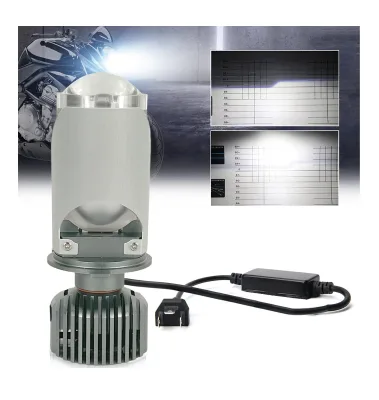
Wholesale H4 Double Optical Lens Led Headlight Motorcycle LED Headlight Projector
$11.01 - $13.25
Moq: 2
Dongguan G-View Lighting Technology Co., Limited
- Manufacturer, Trading Company
- Lead time旺季: "1 - 2":2,"3 - 100":7,"101 - 100000":15,"> 100000":"To be negotiated", 淡季: "1 - 2":2,"3 - 100":7,"101 - 100000":15,"> 100000":"To be negotiated"
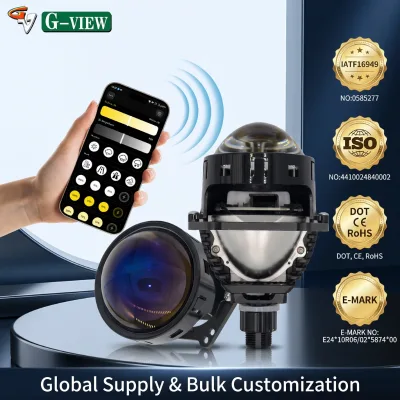
Main productsLED Headlights, BI LED Projector, Turn Signals, Auto Interior Lighting, LED Fog/Driving Lights
Chuangyihui (shenzhen) Technology Co., Ltd.
- Verified by SGS Group
- Manufacturer, Trading Company
- Lead time15 days
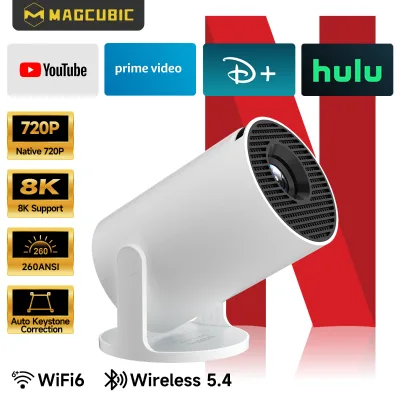
Main productsTV Box, Projector
Main marketsNorth America(20%), Southeast Asia(15%), South America(10%)

Sinowon Innovation Metrology Manufacture Limited
- Verified by TUVRHEINLAND
- Trading Company,Manufacturer/Factory
- China Guangdong
- Lead time23 days
- Avg. response≤ 17h
Main productsHardness Tester, Profile Projector, Video Measuring Machine, Microscopes, Test Machine, Metallurgical Equipment, Ultrasonic Hardness Tester, Leeb Hardness Tester, Vickers Hardness Tester, Rockwell Hardness Tester
Main marketsSouth America,Eastern Europe,Mid East,North America,Southeast Asia,Eastern Asia,Oceania,Western Europe,Africa
Darkoo Optics (zhongshan) Co., Ltd.
- Verified by SGS Group
- Manufacturer, Trading Company
- Lead time7 days
- Avg. response≤ 6h
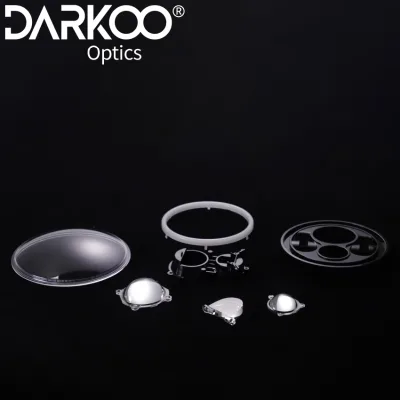
Main productsLED Lens, LED Optical Lens, LED Light Lens, COB Reflector, LED Linear Lens
Main marketsDomestic Market(40%), Southern Europe(8%), South America(6%)






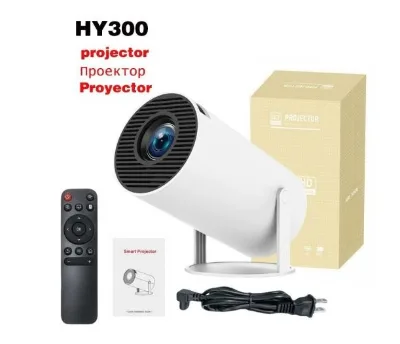
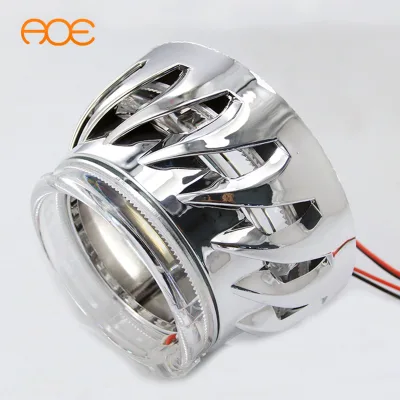
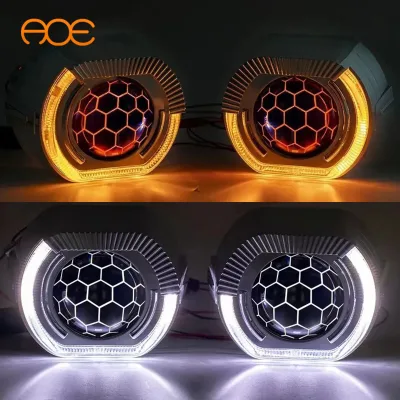


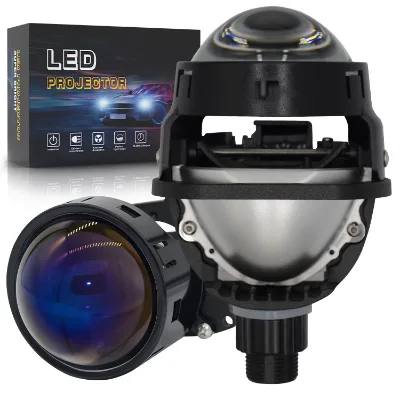


Comprehensive Sourcing Guide
HID Projector Supplier Concentration and Factory Types
Current data indicates a concentration of HID Projector manufacturers and trading entities within China, specifically noting active operations in Zhejiang and Hunan provinces. These regions host a mix of company types, including trading companies and combined entities that manage both production and sales functions. The presence of these diverse business structures suggests a supply chain where some suppliers may source from external factories while others maintain direct manufacturing capabilities. Buyers should recognize that a trading company might offer broader product ranges, such as notebook computers and drones alongside projectors, whereas a combined entity often focuses more deeply on specific projector technologies like LCD or LED variants.
When evaluating the factory type, it is essential to distinguish between pure trading firms and those with ODM or OEM capacities. Some suppliers in the current results explicitly list ODM and OEM capabilities, indicating they can customize designs or specifications for buyers. Others may simply aggregate products from various sources. The location data points to specific provinces, but without a verified list of all factories, buyers must verify the actual manufacturing base for each supplier. This verification ensures that the claimed production capacity aligns with the specific HID Projector models required, preventing potential mismatches between the supplier's stated type and their actual ability to fulfill custom orders or manage complex supply chains.
How to Verify HID Projector Suppliers
Verification of HID Projector suppliers relies heavily on third-party audit reports and specific certification documents provided in the supplier profile. Current evidence shows that some suppliers hold SGS verification status, while others are verified by CTI. These agencies conduct on-site inspections to validate business licenses, production capabilities, and quality control systems. Buyers should request the specific audit reports associated with these verification badges to confirm the scope of the inspection. It is crucial to understand that a verification badge indicates a snapshot in time, and the buyer must ensure the report covers the specific product lines, such as portable or desktop projectors, that are relevant to their sourcing needs.
Beyond third-party verification, buyers should scrutinize system certifications like ISO9001:2015 and ISO14001:2015, which are present in some supplier profiles. These standards indicate a commitment to quality management and environmental responsibility, respectively. However, the presence of these certificates does not guarantee product performance for every HID Projector model. Buyers must cross-reference these certifications with the specific product attributes listed, such as brightness levels, resolution, and light source types. If a supplier claims high brightness but lacks detailed test data in their product evidence, the buyer should request independent test results. This dual approach of checking corporate certifications and product-specific evidence ensures a comprehensive assessment of the supplier's reliability and technical competence.
What to Compare Across HID Projector Suppliers
Comparing HID Projector suppliers requires a detailed analysis of operational metrics such as lead time, minimum order quantity, and response speed. Current data reveals significant variation in these areas; for instance, response times range from approximately 1.36 hours to over 11 hours, and lead times vary from 15 days to 23 days. Buyers should prioritize suppliers with faster response times if their project timeline is tight, while those with longer lead times might offer more competitive pricing or higher customization options. The minimum order quantity is another critical factor, with some suppliers offering an MOQ of just one unit, which is ideal for testing or small-scale distribution, while others may have higher thresholds that require larger capital investment.
Product specifications and pricing structures also differ markedly across the supplier pool. Prices for similar projector categories can range from roughly $27.60 to over $168.00, depending on features like native resolution, brightness, and operating system versions. Some models offer Android 11 systems with Wi-Fi 6 support, while others may have basic functionality. Buyers must compare these technical attributes against their specific market requirements rather than focusing solely on the lowest price. Additionally, the availability of customization services, such as logo printing or specific packing standards, should be evaluated. A supplier with a lower price but no customization options may be less suitable than a slightly more expensive supplier who can tailor the product to the buyer's brand identity.
Common HID Projector Sourcing Risks
One significant risk in sourcing Hid Projectors involves discrepancies between advertised specifications and actual product performance. Product evidence shows conflicting data points, such as brightness claims ranging from less than 1500 lumens to over 2500 lumens, with some listings citing high lumen counts alongside lower ANSI equivalents. This inconsistency can lead to customer dissatisfaction if the delivered product does not meet the expected visual performance. Buyers must treat all brightness and resolution claims with caution and insist on verified test reports from independent laboratories before finalizing large orders. Relying solely on the supplier's provided product attributes without external validation increases the risk of receiving substandard goods.
Another risk pertains to the reliability of the supply chain and the consistency of the manufacturing process. While some suppliers list ODM and OEM capabilities, the actual production capacity may fluctuate based on raw material availability or factory workload. The variation in lead times observed, from 15 to 23 days, suggests that production schedules are not uniform across all suppliers. If a buyer places an order with a supplier who has a longer lead time without a buffer, they risk delays that could disrupt their market launch. Furthermore, the use of different packing standards, such as box sizes varying from 25x15x13 to 25x31x24, indicates potential logistical complexities. Buyers should verify the packing details to ensure compatibility with their shipping and storage requirements to avoid unexpected costs or damage during transit.
HID Projector Regional Sourcing and Logistics
Sourcing Hid Projectors from China involves navigating logistics from specific manufacturing hubs like Zhejiang and Hunan. These regions are known for their electronics manufacturing clusters, which can offer efficient supply chains for components and finished goods. However, the distance from these inland or coastal provinces to major ports can impact shipping times and costs. Buyers should calculate the total logistics cost, including inland transportation to the port, ocean freight, and customs clearance, rather than focusing only on the factory gate price. The location of the supplier also influences the lead time; suppliers in more remote areas might have longer internal processing times before the goods reach the shipping point.
Logistics planning must also account for the specific packaging requirements of the Hid Projectors. Product evidence indicates various packing standards, such as anti-shock packing with foam or standard box dimensions. These differences affect how many units can be loaded into a container, directly impacting the cost per unit for shipping. Buyers should request detailed packing lists and dimensions from the supplier to optimize container utilization. Additionally, the origin of the product, listed as China or specific cities like Shengzheng, may affect import duties and compliance requirements in the destination country. Understanding these regional logistics nuances helps buyers avoid hidden costs and ensures that the supply chain remains robust and cost-effective throughout the delivery process.
HID Projector Commercial Terms and Order Planning
Commercial terms for HID Projector orders often include specific conditions regarding payment, customization, and warranty. Current data shows that customization is available across many suppliers, allowing for branding and specific feature adjustments. However, the terms for these customizations, such as additional costs or minimum order quantities for custom runs, vary by supplier. Buyers must clarify these terms before placing an order to ensure that the customization does not inadvertently increase the unit price or extend the lead time beyond acceptable limits. The availability of escrow services or secure payment methods should also be confirmed to protect the buyer's financial interests during the transaction.
Order planning for Hid Projectors requires careful consideration of the supplier's capacity and the buyer's inventory needs. With lead times ranging from 15 to 23 days, buyers should factor in this duration when planning their stock levels to avoid stockouts. The minimum order quantity, which can be as low as one unit for some suppliers, offers flexibility for initial testing but may not be cost-effective for bulk orders. Buyers should negotiate volume discounts based on projected demand and ensure that the supplier can scale production if orders increase. Additionally, verifying the supplier's ability to handle repeat orders and maintain consistent quality over time is essential for long-term business stability. Proper planning ensures that the commercial terms align with the buyer's operational goals and financial constraints.
FAQs
What is an HID Projector and how does it differ from LED models?
An HID Projector uses high-intensity discharge lamps as its light source, typically producing very high brightness for large screens. LED projectors use light-emitting diodes, which run cooler and often last longer. Most models listed on this page are LED-based, so buyers wanting HID lamp technology should confirm the light source type directly with suppliers before ordering.
What brightness should I look for in a home projector?
For home use, listed models range from under 1500 lumens up to 900 ANSI lumens maximum brightness on some LCD units. A dim bedroom can work with lower brightness, while a living room with ambient light needs more. Check whether a listing quotes ANSI lumens or marketing lumens, since these measures differ significantly, and request a sample before bulk orders.
What is the typical MOQ for projectors from these suppliers?
Minimum order quantities on this page start as low as one unit for certain models, making sample testing easy. Other listings may have different MOQs, so review each product page carefully. Small trial orders are common for projectors, and negotiating samples before committing to volume is a sensible approach for first-time buyers testing a new supplier relationship.
How long does production and delivery usually take?
Lead times among suppliers on this page range from about 15 to 23 days after order confirmation. Shipping time to your destination adds extra days depending on the method chosen. Confirm the exact production schedule in writing before placing an order, especially during peak seasons, and clarify whether customization requirements will extend the standard lead time.
Can I order custom-branded projectors with my own logo?
Yes, customization is marked as available on multiple projector listings here, and suppliers advertise ODM and OEM capabilities. Options may include logo printing, packaging, software interfaces, and housing colors. Ask suppliers to specify which customization stages require additional tooling fees and what minimum quantities apply, since customization terms often differ from standard product MOQs.
Are these suppliers verified and certified?
Suppliers on this page hold third-party verification from organizations such as SGS and CTI, and some hold ISO9001:2015 and ISO14001:2015 quality management certificates. Verification status confirms identity checks rather than product quality. Request current certificate copies, check the scope of certification, and consider arranging an independent factory audit before placing large orders.
What resolutions and screen sizes do these projectors support?
Listed models include native 1920x1080P resolution units and projection screen sizes from roughly 50 to 300 inches depending on the model. Some listings also advertise 4K video support, which may mean input decoding rather than native panel resolution. Always confirm the native resolution specification in writing, since this determines actual image sharpness more than supported input formats.
Which projector features matter most for business presentations?
For business and teaching use, prioritize adequate brightness, keystone correction, and connectivity options like HDMI and USB ports. Several listings include automatic keystone correction, wireless screen mirroring, and Android systems with built-in Wi-Fi. Check the multimedia interface list on each product page, and test wireless mirroring with your actual devices before confirming a volume purchase.