Hydrating Long-Lasting Cushion Foundation Suppliers and Manufacturers
Browse 25 verified suppliers of Hydrating Long-Lasting Cushion Foundation and compare them across certifications, response times, lead times, MOQs, customization options and price ranges. Shortlist matching manufacturers and request quotes with your specifications today; review the available evidence before requesting comparable quotations from suitable candidates.
Suppliers List
Guangdong Dingte Biotechnology Co., Ltd.
- Verified by SGS Group
- Manufacturer, Trading Company
- Lead time30 days
- Avg. response≤ 2h
Main productsLip Gloss, Foundation, Loose Powder, Air Cushion, Eye Shadow
Main marketsDomestic Market(50%), Southeast Asia(13%), Mid East(7%)
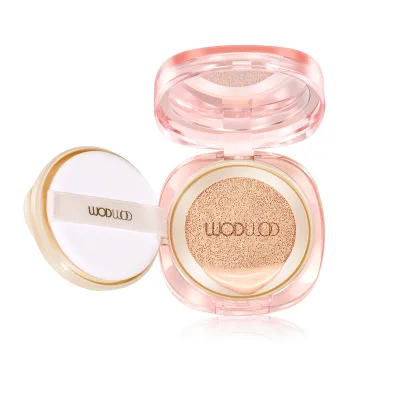
$1.75 - $2.16
MOQ: 3000 pieces
Guangzhou Aliq Bio-Technology Company Limited
- Verified by Intertek
- Manufacturer
- Lead time20 days
- Avg. response≤ 4h
Main productsFoundation, Lip gloss, Lip Balm, Blush, Eye Shadow

Guangzhou Rangecolor Cosmetics Co., Ltd.
- Trading Company,Manufacturer/Factory
- China Guangdong
- Lead time38 days
- Avg. response≤ 17h
Main productsEyeshadow, Blush, Lipgloss, Face Powder, Lipstick, Lip Balm, Facial Mask, Lotion, Makeup Remover, Liquid Foundation
Main marketsSouth America,Eastern Europe,Mid East,North America,Eastern Asia,Western Europe,Africa

Long Lasting and Waterproof Air Cushion Foundation Bb Cream Full Coverage with Light Weight
$1.98 - $2.96
MOQ: 12000 Pieces


Contact supplier
MOQ: 5000 Pieces


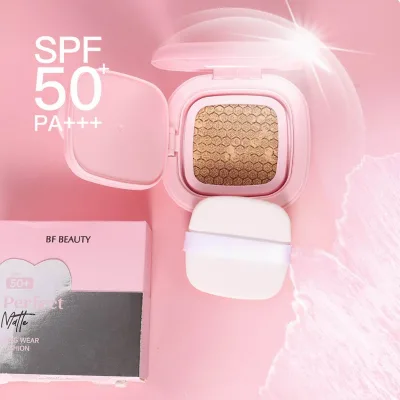
Zhejiang B&F Cosmetics Co., Ltd.
- Verified by SGS Group
- Manufacturer, Trading Company
- Lead time50 days
- Avg. response≤ 8h
Main productsEyeshadow/ Lip Gloss/ Lip Stick/ Nail Polish/ Cosmetic Sets
Main marketsNorth America(35%), South America(15%), Southeast Asia(10%)
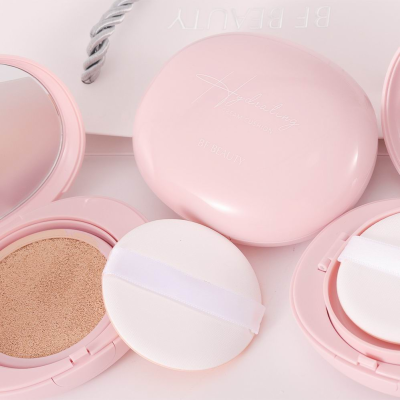
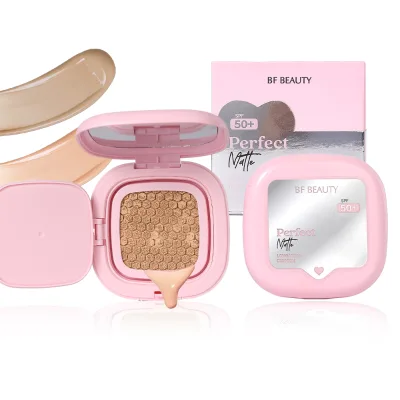
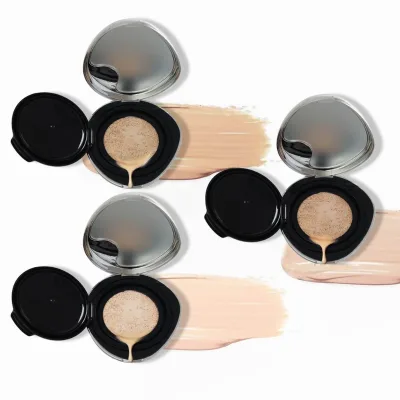
$1.18 - $1.25
MOQ: 12000 pieces
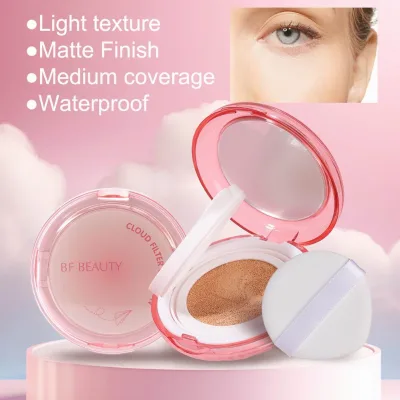

Guangzhou Chingo Cosmetic Co., Ltd.
- Verified by TUVRHEINLAND
- Combined
- China Guangdong
- Lead time15 days
- Avg. response≤ 8h
Main productsHair Regrowth Oil, Hair Regrowth Shampoo, Hair Regrowth Spray, Hair Regrowth Powder, Face Mask, Face Cream, Face Serum, Hand Lotion, Body Lotion, Face Cleanser
Main marketsDomestic,North America


Luxurious Flawless Longwear Liquid Foundation for Radiant Perfect Skin
$1.55 - $1.85
MOQ: 10000 Pieces

Hydrating Lightweight Foundation for Radiant Dewy Skin and All Day Coverage
$1.55 - $1.85
MOQ: 10000 Pieces

Long Lasting Full Coverage Foundation for Smooth Flawless Skin with Matte Finish
$1.55 - $1.85
MOQ: 10000 Pieces

Guangzhou Mebamy Cosmetics Co., Ltd.
- Verified by TUVRHEINLAND
- Manufacturer/Factory
- China Guangdong
- Lead time15 days
- Avg. response≤ 5h
Main productsFace Serum, Soap, Face Cream, Sunscreen, Eyelash Growth Serum, Teeth Whitening, Face Mask, Facial Cleanser, Essential Oil, Hair Care Series
Main marketsNorth America,Western Europe

Zhejiang Runcaqian Biotechnology Co., Ltd.
- Verified by CTI
- Manufacturer/Factory
- China Zhejiang
- Lead time0 days
- Avg. response≤ 12h
Main productsBeauty Makeup
Tianjin Haoyang Commercial Co., Ltd.
- Manufacturer, Trading Company
- Lead time旺季: "1 - 500":13,"> 500":"To be negotiated", 淡季: "1 - 500":13,"> 500":"To be negotiated"
- Avg. response≤ 3h
Main productsGold eye mask,Foot mask,Face care serum,Essential oil,jade roller
- Manufacturer, Trading Company
- Lead time旺季: "1 - 5000":40,"> 5000":"To be negotiated", 淡季: "1 - 5000":40,"> 5000":"To be negotiated"
- Avg. response≤ 3h
Main productsEye Makeup, Foundation, Lip Makeup, Face Makeup, Setting Spray
Guangdong Leyu Biotechnology Co., Ltd.
- Verified by SGS Group
- Manufacturer, Trading Company
- Lead time0 days
- Avg. response≤ 2h
Main productsLipstick, Lip Gloss, Liquid Foundation, Body Lotion, Eye Cream
Main marketsDomestic Market(80%), Southeast Asia(20%)
Guangzhou Weimeixiu Cosmetics Co., Ltd.
- Verified by TüVRheinland
- Manufacturer, Trading Company
- Lead time28 days
- Avg. response≤ 4h
Main productsFace Makeup, Foundation, Lip Makeup, Eye Makeup, Skin Care
Main marketsNorth America(30%), Western Europe(20%), Oceania(10%)

Guangzhou Kanglixin Medical Biotechnology Co, Ltd.
- Verified by TUVRHEINLAND
- Manufacturer/Factory
- China Guangdong
- Lead time23 days
- Avg. response≤ 9h
Main productsSkin Care Products, Body Care, Hair Care Products, Makeup, Men's Care Products, Ferminine Care Products, Serum, Facial Mask, Face Cream, Scrub
Main marketsSouth America,Eastern Europe,Mid East,North America,Southeast Asia,Eastern Asia,Oceania,Western Europe,Africa

$1.50 - $2.00
MOQ: 5000 pieces

$1.50 - $2.00
MOQ: 5000 pieces

Private Label Full Coverage Vegan Waterproof Long Lasting Concealer and Liquid Foundation
$1.25 - $1.35
MOQ: 5000 pieces

$1.50 - $2.00
MOQ: 100 pieces

Liquid Foundation Full Coverage Waterproof Customized Vegan Matte Concealer Moisturizing Foundation
$1.50 - $2.00
MOQ: 5000 pieces

Makeup Private Label Liquid Foundation Full Coverage Cosmetics Foundation Liquid
$1.50 - $2.00
MOQ: 100 pieces

Shenzhen Huazhong Sun May Technology Co., Ltd
- Verified by SGS
- Trading Company,Manufacturer/Factory
- China Guangdong
- Lead time15 days
- Avg. response≤ 6h
Main productsLipstick, Lip Gloss, Cosmetics, Eyeshadow, Blusher, Makeup, Skin Care, Makeup Brush, Perfume, Parfum
Main marketsSouth America,Eastern Europe,Mid East,North America,Southeast Asia,Eastern Asia,Oceania,Western Europe,Africa

$2.20 - $2.70
MOQ: 50 Pieces

Natural Full Coverage Moisturizing Anti-Oil Brightening Face Air Cushion Cream Foundation
$1.80 - $2.70
MOQ: 50 Pieces

Hangzhou Ditong Biotechnology Co.,Ltd.
- Verified by BV
- Trading Company
- China Zhejiang
- Lead time15 days
- Avg. response≤ 9h
Main productsCosmetics, Skin Care Product, Makeup, Perfume, Cosmetics OEM, Makeup OEM, Cosmetic Packaging Design, Beauty Supplies Wholesale, Beauty Instrument, Cosmetic Design Packaging
Main marketsDomestic

Ditong Long-Lasting Bb Cream Matte Sunscreen Concealer Air Cushion Foundation
$1.15 - $1.95
MOQ: 1000 Pieces

Best Quality Bb Cc Moist Air Cushion Waterproof Makeup Foundation Cream with SPF Foundation
$2.30 - $2.50
MOQ: 20 Pieces

Ditong Lightweight Sunscreen Makeup Cushion Foundation Natural Matte Air Cushion
$1.15 - $1.95
MOQ: 1000 Pieces
Shenzhen Branpac Technology Co., Ltd.
- Verified by SGS Group
- Trading Company
- Lead time25 days
- Avg. response≤ 3h
Main productsEyeshadow, Lipgloss, Foundation, Lipstick, Loose Powder
Main marketsNorth America(34%), Southern Europe(20%), Eastern Europe(15%)

Shantou Una Cosmetics Co., Ltd
- Verified by CTI
- Trading Company
- China Guangdong
- Lead time45 days
- Avg. response≤ 14h
Main productsLipsticks, Lip Gloss, Cosmetics, Nail Polish, Makeup, Foundation, Mascara, Eye Shadow, Lip Balm
Main marketsSoutheast Asia/ Mideast,Europe,North America


Original Cosmetics, Makeup Foundation, Makeup -Beauty Bb Cushion Cc Air Cushion
$0.70
MOQ: 6000 Pieces


Guangzhou Yeseyedo Cosmetics Co., Ltd.
- Verified by Intertek
- Manufacturer, Trading Company
- Guangdong, China
- Lead time30 days
- Avg. response≤ 11h
Main productsMascara, Eyeliner, Lipstick, Eyebrow Pencils
Main marketsNorth America(45%), Southeast Asia(23%), Western Europe(15%)
Guangdong Tongzi Biological Technology Co., Ltd.
- Manufacturer, Trading Company
- Guangdong, China
- Lead time10 days
- Avg. response≤ 3h
Main productsFacial Care, Eye Makeup, Facial Makeup, Lip Makeup, Facial Clean
Main marketsNorth America(26.00%), Domestic Market(20.00%), Mid East(20.00%), South America(12.00%), Oceania(5.00%), Southern Europe(4.00%), Northern Europe(3.00%), Eastern Asia(2.00%), Western Europe(2.00%), Eastern Europe(2.00%), South Asia(1.00%), Central America(1.00%), Africa(1.00%), Southeast Asia(1.00%)

Guangzhou Olehana Biotechnology Co., Ltd
- Verified by BV
- Manufacturer/Factory
- China Guangdong
- Lead time45 days
- Avg. response≤ 20h
Main productsFace Serum, Face Cream, Skin Care Set, Hair Growth, Beauty Device, Lip Gloss, Lip Stick, Lip Balm, Beard Care, Body Care
Main marketsEastern Europe,North America,Western Europe


Korean Beauty Full Coverage Long Lasting Matte Waterproof Makeup Liquid Foundation
$1.85 - $3.00
MOQ: 1 Pieces


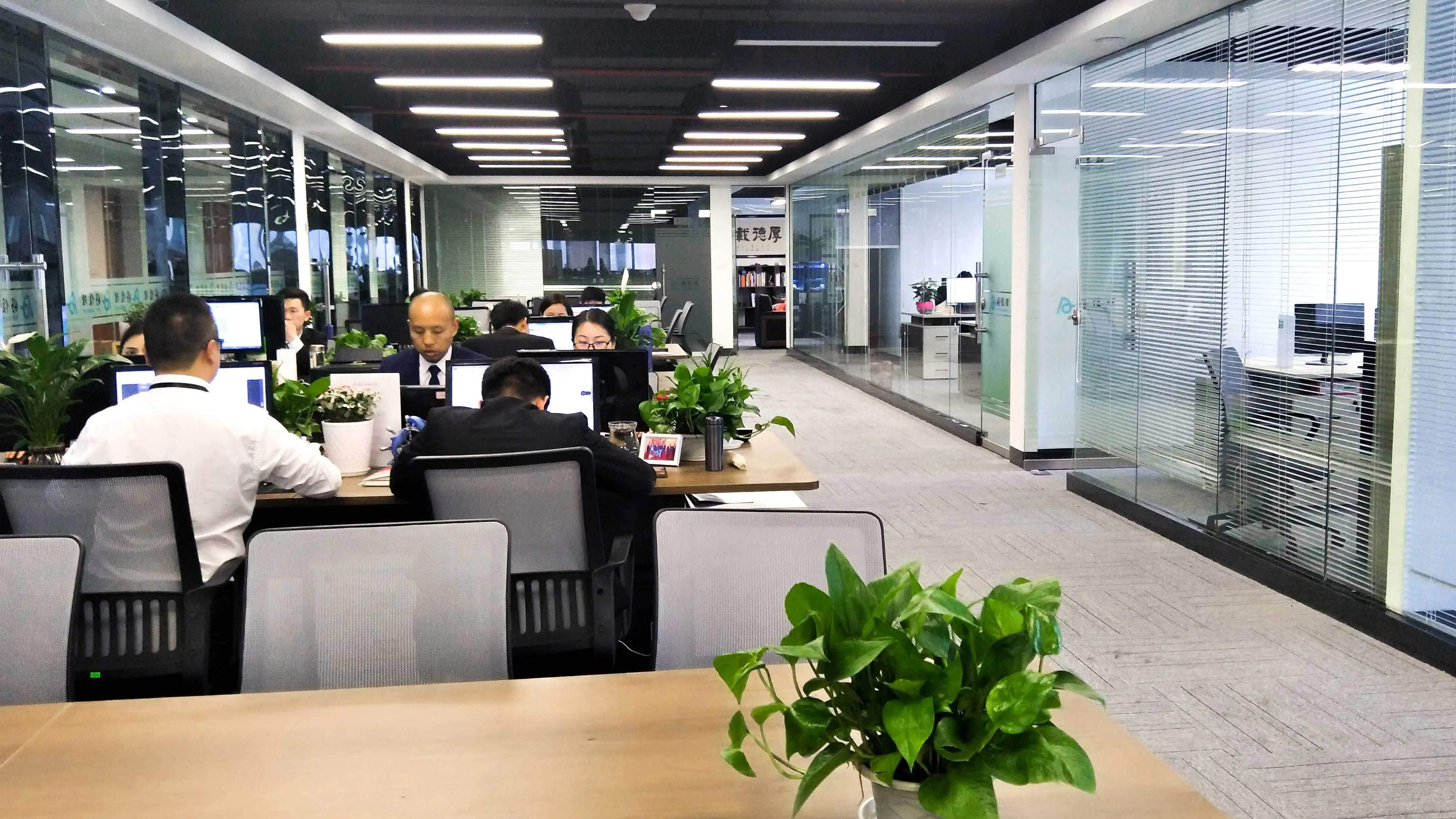
FangCheng Qi Xiao Guai International Trade Co., Ltd.
- Trading Company
- Henan, China
- Lead time0 days
- Avg. response≤ 1h
Main productscolor cosmetics,skincare,beauty tools,Oral Care,Personal care
Main marketsSoutheast Asia(50.00%), North America(20.00%), South America(10.00%), Mid East(10.00%), Eastern Europe(5.00%), Oceania(5.00%)
Shaanxi Imika Biotech Co., Ltd.
- Trading Company
- Shaanxi, China
- Lead time15 days
- Avg. response≤ 2h
Main productsBeauty equipment,Skin care products,Cosmetics,Oral care,Nail supplies
Main marketsWestern Europe(10.00%), Southern Europe(10.00%), Central America(10.00%), Oceania(10.00%), Northern Europe(10.00%), Southeast Asia(10.00%), Eastern Europe(10.00%), South America(10.00%), North America(10.00%), Mid East(5.00%), Africa(2.00%), Domestic Market(1.00%), South Asia(1.00%), Eastern Asia(1.00%)

Guangzhou King Style Trading Co., Ltd.
- Verified by TUVRHEINLAND
- Trading Company
- China Guangdong
- Lead time23 days
- Avg. response≤ 18h
Main productsPerfume, Cosmetics, Fragrance, Perfume Oil, Brand Perfume, Make up, Face Care
Main marketsSouth America,Eastern Europe,Mid East,North America,Southeast Asia,Eastern Asia,Western Europe,Africa


Wholesale Best Full Coverage Liquid Foundation with Private Label Foundation
$0.94 - $1.52
MOQ: 3000 Pieces

Skin Concealer Foundation 3 Color Control Oil Foundation Pre-Isolation Foundation
$2.20 - $2.60
MOQ: 1000 Pieces

Foundation Liquid with Custom Label Without Logo Concealer Foundation Liquid Moisturizing
$2.75 - $2.82
MOQ: 1000 Pieces


$0.76 - $1.35
MOQ: 24 Pieces
Guangzhou Kaxiou Biotechnology Co., Ltd.
- Verified by SGS
- Combined
- China Guangdong
- Lead time30 days
- Avg. response≤ 11h
Main productsMakeup
Main marketsSoutheast Asia/ Mideast,Domestic

Rhine International Biotechnology (Guangdong) Co., Ltd.
- Verified by CTI
- Manufacturer/Factory
- China Guangdong
- Lead time23 days
- Avg. response≤ 5h
Main productsSkin Care, Face Serum, Face Cream, Eye Cream, Body Lotion, Cosmetics, Makeup, Lipstick, Lip Gloss, Lip Balm
Main marketsSouth America,Eastern Europe,Mid East,North America,Southeast Asia,Eastern Asia,Oceania,Western Europe,Africa
Shenzhen Beautydom Cosmetics Co., Ltd.
- Verified by TüVRheinland
- Manufacturer, Trading Company
- Lead time20 days
- Avg. response≤ 2h
Main productsEyeshadow, Highlighter, Blush, Lipstick, Makeup Brush
Main marketsNorth America(50%), South America(10%), Eastern Europe(10%)




Comprehensive Sourcing Guide
Hydrating Long-Lasting Cushion Foundation Supplier Concentration and Factory Types
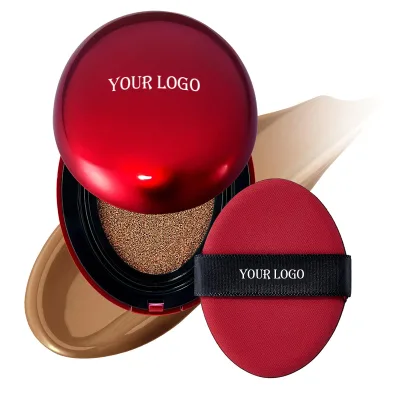
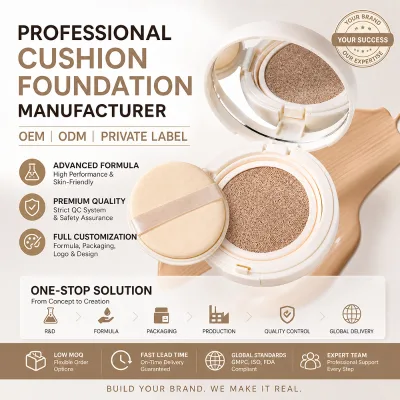
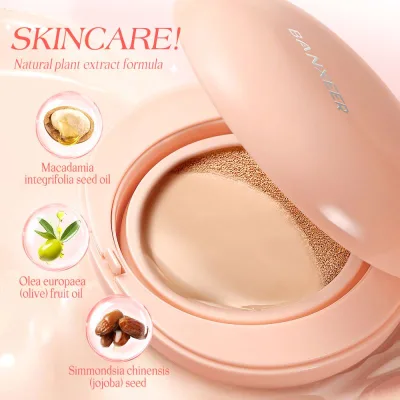
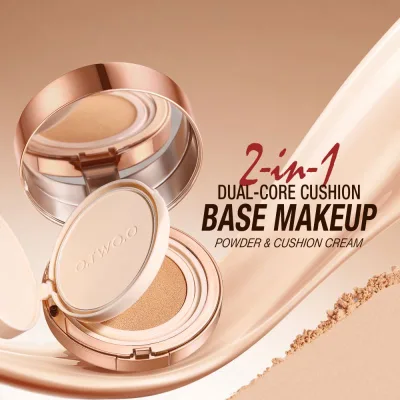
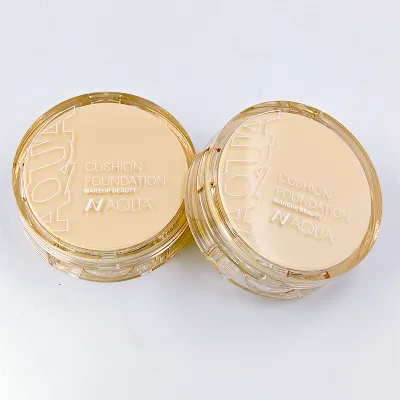
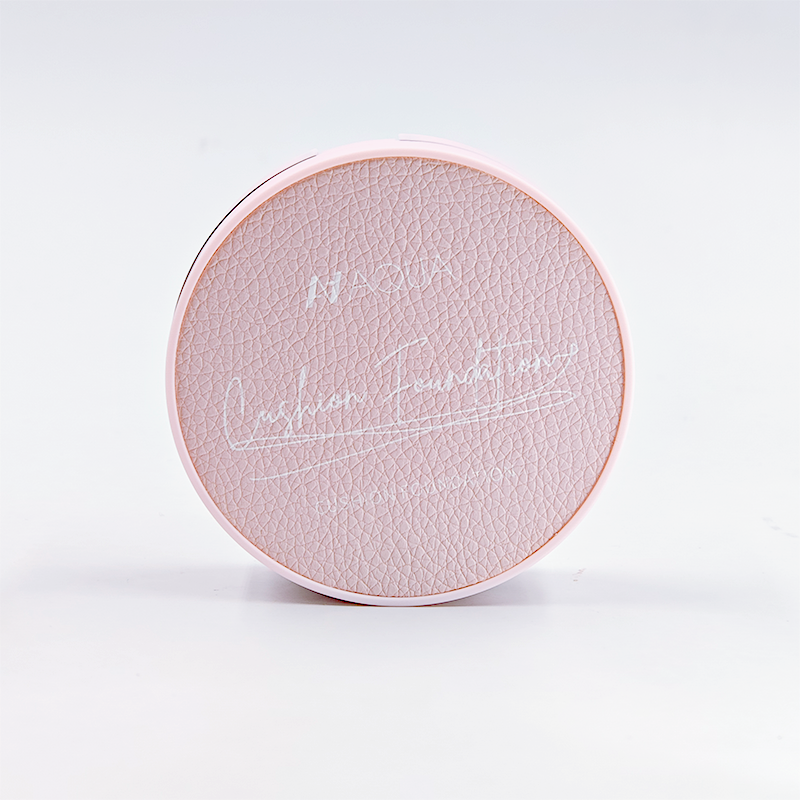
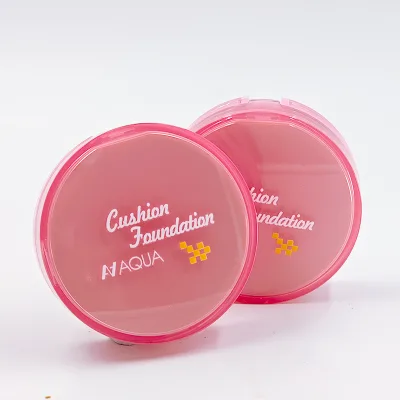
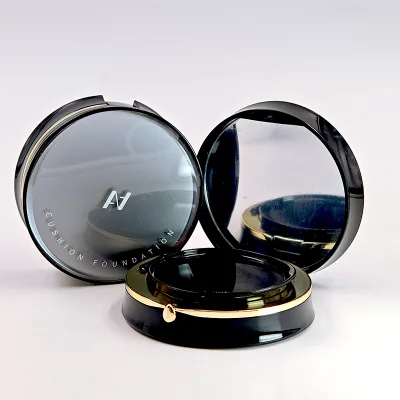
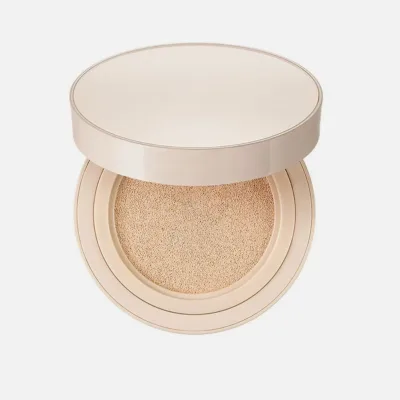
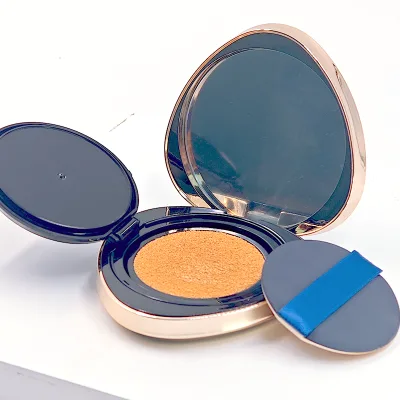
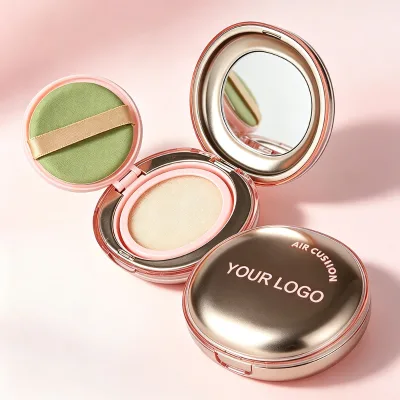
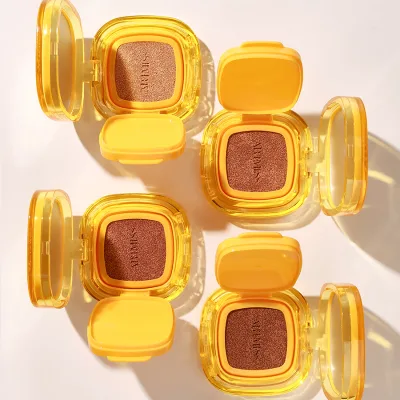
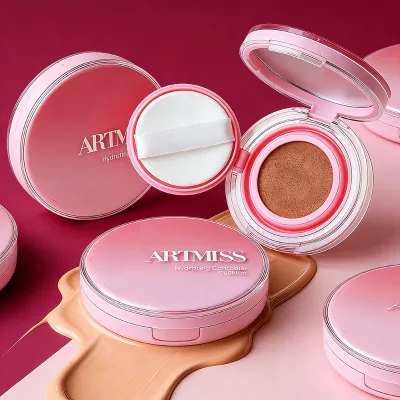
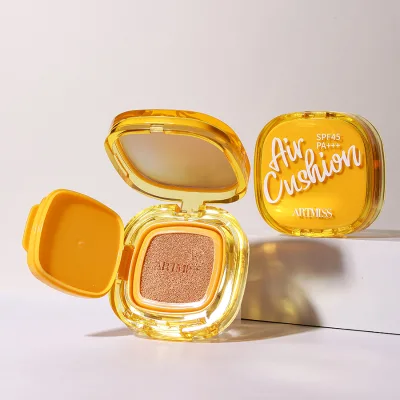
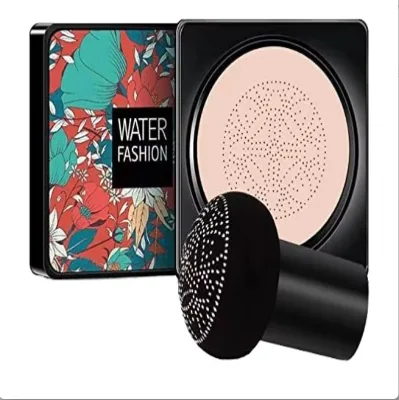
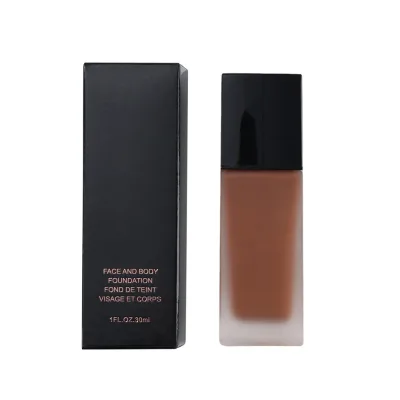
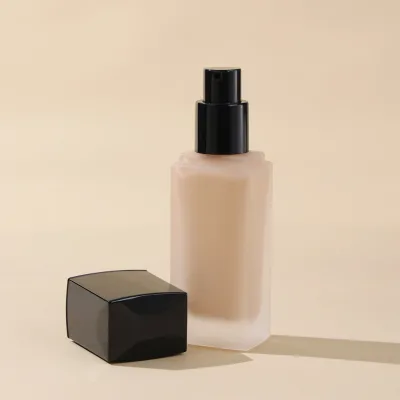
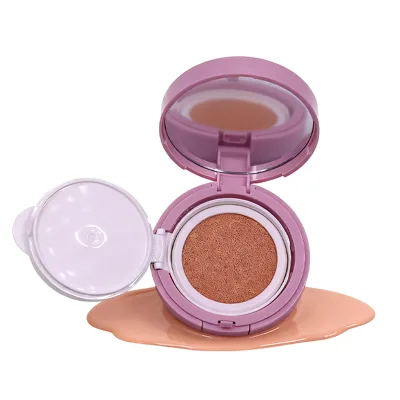
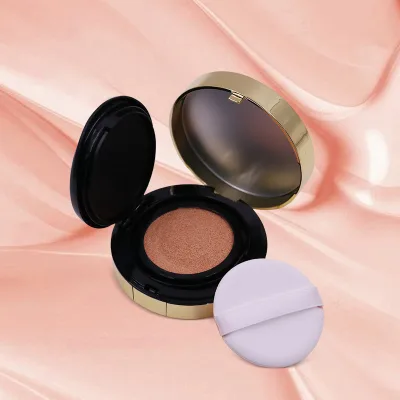
Suppliers offering Hydrating Long-Lasting Cushion Foundation on B2B platforms typically fall into two categories: manufacturers and trading companies. The current supplier results reflect both types, so a buyer should not assume that every listing comes directly from a factory that fills cushions on its own production line. Manufacturers in this category usually advertise broader cosmetic portfolios — cushion and CC creams, liquid foundation, loose powder, air cushion compacts, lip gloss, blush and eye shadow — which signals an existing color-cosmetics production setup rather than a single-product workshop. Trading companies may aggregate offers from several factories and can be useful for smaller mixed orders, but they add a layer between you and the filling line.
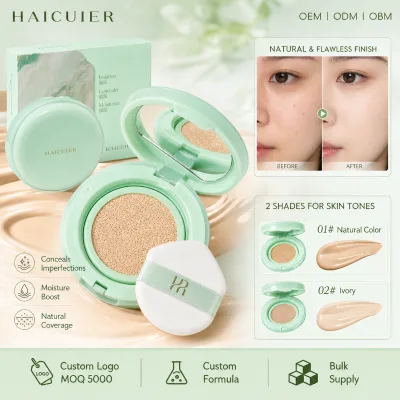
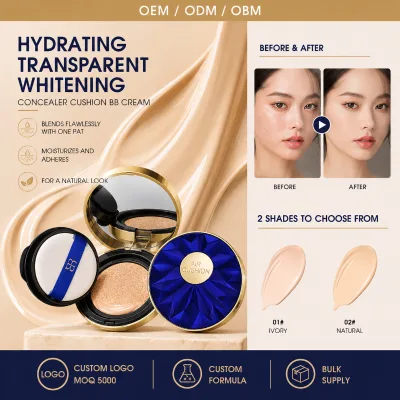
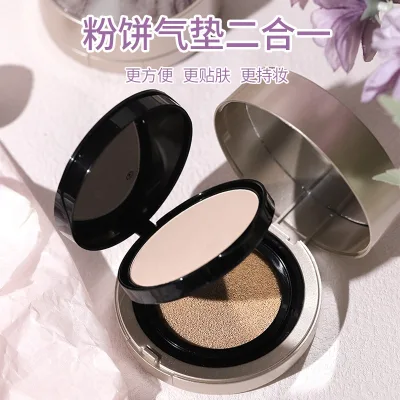
To identify genuine clusters without relying on assumptions, check the place of origin stated in individual product attributes — several listings in this category do declare a province of origin — and then map which suppliers concentrate in the same region. Cross-reference declared product portfolios, company type labels, and verification badges (SGS and Intertek appear as verification bodies in the current results) to separate factories from intermediaries. A factory focused on cushion formats will typically show cushion-specific listings with pressed powder forms, puff-included configurations and multiple shades such as ivory white and natural color, alongside custom color codes and formulas. Confirm the factory relationship directly before committing tooling or private-label artwork.
How to Verify Hydrating Long-Lasting Cushion Foundation Suppliers
Verification for this category starts with third-party audit status. In the current supplier pool, two verification bodies are visible — SGS Group and Intertek — and system certifications claimed include ISO 22716, GMP, HALAL, GMPC and CPNP, plus product-level claims such as MSDS and CE on individual listings. Treat these as claims to verify, not facts to trust: ask for the certificate number, issuing body and validity period, and confirm the certificate covers cosmetic manufacturing at the exact site that would produce your cushions. ISO 22716 and GMPC are the cosmetically relevant quality-system standards, so prioritize evidence against those when comparing.
Beyond paperwork, verify functional capability. Ask whether the supplier performs in-house formulation (several listings advertise OEM/ODM service, custom color codes and formula development) or only fills pre-made bulk. Request samples of the Hydrating Long-Lasting Cushion Foundation in your target shades, and check fill weight against the declared volume — one listing declares 18g per cushion. Confirm customization depth: the results show suppliers offering light customization, sample processing, graphic processing and customized-on-demand options, so ask which tier applies to your private-label project. Test response behavior early; response times of two and four hours are displayed in the current pool, but verify actual communication consistency across a full week. Finally, ask for the factory address and match it against the declared place of origin on product attributes to rule out reseller misrepresentation.
What to Compare Across Hydrating Long-Lasting Cushion Foundation Suppliers
Build a comparison sheet using only attributes actually displayed per supplier, since not every listing shows every field. Useful dimensions from this category include: company type (manufacturer versus trading company), lead time, MOQ, response time, verification body, system certifications, main products and R&D/customization capacity. Lead times in the current results range from 20 to 30 days, which is a meaningful spread when planning launches. MOQs vary sharply between products: one cushion listing shows 1000 pieces while another shows 3000 pieces, so compare MOQ at the product level, not the supplier level.
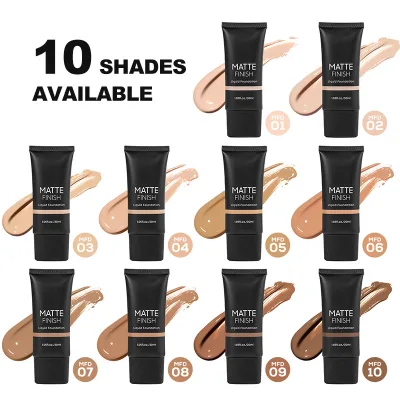
Price and product-specification comparisons matter just as much. Listed cushion and foundation prices in this pool span roughly from under two dollars to nearly four dollars per unit, with ranges such as 1.75–2.16, 1.80–2.80, 2.01–3.40 and 2.67–3.02. Those bands likely reflect shade, coverage, packaging and order quantity differences, so normalize by comparing the same configuration — same fill weight, same compact, same puff — across suppliers. Also compare formulation features as declared: whitening, oil-control, waterproof, moisturizing, brightening and anti-aging claims appear across listings, and shade systems vary from fixed ivory/natural options to fully custom color codes and formulas. Finally, weigh service scope: OEM/ODM availability, private-label acceptance, custom logo printing and small-order acceptance are each displayed on some but not all listings, so record which supplier offers what.
Common Hydrating Long-Lasting Cushion Foundation Sourcing Risks
The most common risk in this category is formulation drift: a Hydrating Long-Lasting Cushion Foundation sampled at approval may differ in hydration, coverage or shade from mass production. Because listings here advertise multi-function formulas (moisturizing, whitening, waterproof, oil-control on the same product), the chance of one claimed function underperforming is real. Mitigate by approving a sealed golden sample, locking the formula specification in writing, and requiring retention samples from each production batch. A second risk is certificate mismatch: system certifications such as ISO 22716 or GMPC may belong to a different site or an expired cycle, so verify the certificate entity matches the manufacturing entity.
Packaging and compatibility risks are category-specific. Cushion compacts involve a sponge, a puff, a hermetic inner seal and printed outer housing; leakage, sponge sagging and puff quality complaints are frequent in this format, and one listing shows single gross weights up to 1.0 kg with package sizes as large as 20×20×15 cm, so confirm what that weight actually covers. Another risk is minimum-order lock-in: MOQs of 1000–3000 pieces per shade multiply quickly across a shade range, freezing cash in slow-moving colors. Finally, beware of trading companies presenting themselves as manufacturers — verify the actual filling site, and confirm who owns the mold and artwork if you invest in custom compact tooling, since that determines whether you can move production later.
Hydrating Long-Lasting Cushion Foundation Regional Sourcing and Logistics
Regional insight here should be evidence-led. The only location supplied as a concrete fact in the current results is a declared place of origin of Guangdong, China on one product listing; no other cluster locations are confirmed, so avoid assuming that every supplier sits in one region. Instead, use the declared origins on individual product attributes to map where suppliers actually ship from, and cross-check the shipment origin against the registered factory address during due diligence. If a supplier's declared origin and its stated manufacturing location diverge, treat that as a reseller signal worth clarifying before sampling.
Logistics planning should account for the category's physical profile. Cushion foundations are cream-based liquids in pressurized-feel compacts, sensitive to freezing and extreme heat in transit, so specify temperature-tolerant carton packing and avoid mixed-container placement next to heat-generating goods. One listing declares a single package size of 20×20×15 cm and a gross weight of 0.5 kg, while another shows 10×10×5 cm at 1.0 kg — these packaging footprints differ enough to change your pallet math, so collect exact carton dimensions, units per carton and gross weights per supplier before requesting freight quotes. With lead times of 20–30 days displayed in this pool, plan sea freight for replenishment and air freight only for launch quantities, and confirm whether the supplier handles export documentation or expects your forwarder to manage customs clearance at origin.
Hydrating Long-Lasting Cushion Foundation Commercial Terms and Order Planning
Commercial terms for this category should be negotiated around the displayed benchmarks without assuming they apply universally. Current listings show MOQs of 1000 and 3000 pieces and unit price bands between roughly 1.75 and 3.80, so anchor negotiations to the specific configuration you request — custom color codes, private-label printing and puff inclusion all move the price within that band. Confirm whether quoted prices are FOB or include inland charges, and clarify what deposit-to-balance split the supplier requires. Where a marketplace offers escrow or trade-assurance-style protection, prefer it for first orders; verify the protection scope rather than assuming it covers quality disputes automatically.
Order planning should layer several constraints. First, lead times of 20–30 days apply best-case; add sampling and formula-approval cycles of several weeks for OEM/ODM projects, especially where custom shades or custom formulas are involved. Second, tier your order: place a smaller first run at the minimum 1000-piece tier in your two best-selling shades, validate returns and shade-match feedback, then scale to 3000-plus tiers with better pricing leverage. Third, plan component lead times separately from filling — custom compact housings and printed puffs often run on longer tooling schedules than the formula itself. Finally, build a reordering trigger based on the confirmed production lead time plus shipping time, so replenishment is placed before stock reaches seasonal lows rather than after sell-out.
FAQs
What certifications do these cushion foundation suppliers hold?
Suppliers on this page hold ISO 22716, GMP, GMPC, CPNP, and HALAL certifications. Some also provide CE and MSDS documentation for specific products. These standards ensure manufacturing safety and quality control for international markets.
What is the typical lead time for custom cushion foundation orders?
Lead times range from 20 to 30 days depending on the supplier and order volume. Manufacturers offering light customization and sample processing generally fall within this window. Buyers should confirm exact timelines before placing bulk orders.
What are the minimum order quantities for private label cushion foundations?
Minimum order quantities vary between 1000 and 3000 pieces per product. Some suppliers accept small orders starting at 1000 units for custom branding. Others require a higher volume of 3000 units for standard private label services.
How quickly do suppliers typically respond to sourcing inquiries?
Response times for these suppliers are recorded as 2 to 4 hours. This indicates a high level of availability for new business inquiries. Buyers can expect prompt communication when contacting these verified manufacturers or trading companies.
What customization services are available for air cushion foundations?
Suppliers offer light customization, sample processing, and graphic processing services. Buyers can request custom color codes, formulas, and private labels. OEM and ODM services are available for creating unique cosmetic products tailored to specific brand needs.
What is the price range for hydrating air cushion foundations?
Prices for these products range from approximately 1.75 to 3.80 USD per unit. The cost depends on the specific formulation, coverage level, and packaging requirements. Bulk orders often influence the final unit price within this observed range.
Are these cushion foundations suitable for all skin types?
Many listed products are designed for all skin types including dark, medium, fair, and light tones. Features often include moisturizing, whitening, and oil-control properties. Buyers should check specific product attributes for suitability regarding sensitive or acne-prone skin.