IGI Certified Lab Grown Diamond Suppliers and Manufacturers
Compare 24 verified suppliers offering IGI Certified Lab Grown Diamond with varying lead times, response speeds, and certifications. Review product attributes like clarity, color, and carat weight to select the right factory for your jewelry needs; review the available evidence before requesting comparable quotations from suitable candidates.
Updated
Suppliers List

Fuzhou Yida Xinyang Industry and Trade Co., Ltd.
- Manufacturer/Factory
- China Fujian
- Lead time15 days
- Avg. response≤ 3h
Main productsLanyards, Wristbands, Tube Bandana, Flags, Bags, Luggage Belts, Sport Bags
Main marketsSouth America,Eastern Europe,Mid East,North America,Southeast Asia,Eastern Asia,Oceania,Western Europe,Africa

Wuzhou Provence Jewelry Co., Ltd.
- Verified by CTI
- Combined
- China Guangxi
- Lead time23 days
- Avg. response≤ 8h
Main productsMoissanite, Moissanite Jewelry, Cubic Zirconia, Lab Grown Diamond, Gold Jewelry
Main marketsSoutheast Asia/ Mideast,Europe,North America

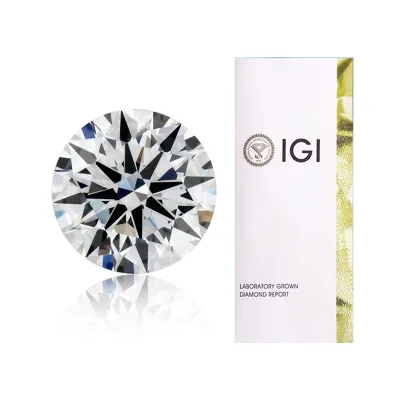
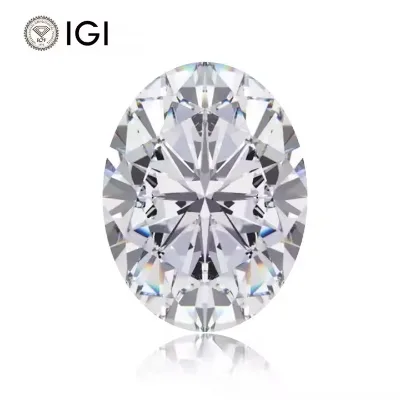
Diamond Igi Certificate Hpht CVD Loose Diamonds Lab Created Lab Grown Diamond
$30.00 - $758.00
MOQ: 1 piece

$300.00 - $967.00
MOQ: 1 piece

$1100.00 - $2000.00
MOQ: 1 Pieces

$1460.00 - $1474.00
MOQ: 1 carat

Igi Gia Certificate 0.5CT 1CT 1.5CT 2CT 3CT Wholesale Lab Created Diamond Hpht CVD Lab Grown Diamond
$172.00 - $450.00
MOQ: 1 carat


Guangxi Wuzhou Starsgem Co., Limited
- Manufacturer/Factory
- China Guangxi
- Lead time15 days
- Avg. response≤ 19h
Main productsCubic Zirconia, Star Cut, Synthetic Gemstone, Synthetic Ruby, Synthetic Sapphire, Glass Bead, CZ, Zircon, Semi-Precious Stone, Gemstone
Main marketsSouth America,Eastern Europe,Mid East,North America,Southeast Asia,Eastern Asia,Oceania,Western Europe,Africa
Wuzhou Fancy Jewelry Co., Ltd.
- Verified by TüVRheinland
- Manufacturer, Trading Company
- Lead time5 days
- Avg. response≤ 2h
Main productsMoissanite Diamond, Cubic Zirconia, Hip Hop Jewelry, Solid Gold Jewelry, Lab Grown Diamond
Main marketsNorth America(30%), Southeast Asia(15%), Mid East(15%)


$435.00 - $3950.00
MOQ: 1 Minimum
Guangzhou Provence Jewelry Co., Ltd.
- Verified by SGS Group
- Manufacturer, Trading Company
- Lead time7 days
- Avg. response≤ 2h
Main productsK gold jewelry custom , Lab grown diamond jewelry, moissanite diamond jewelry, Lab grown diamond , Lab gemstone
Main marketsNorth America(40%), Western Europe(12%), Southeast Asia(10%)


$164.6206 - $1203.7826
MOQ: 1 Minimum
$273.6815 - $1199.6674
MOQ: 1 Minimum
- Trading Company
- Guangxi, China
- Lead time15 days
- Avg. response≤ 4h
Main productslab emerald,Silver Jewelry,Gold Jewelry,lab sapphire,moissanite
Main marketsSouth America(15.00%), North America(15.00%), Domestic Market(10.00%), Mid East(8.00%), Oceania(8.00%), Africa(8.00%), Southeast Asia(8.00%), Northern Europe(6.00%), South Asia(5.00%), Eastern Europe(5.00%), Western Europe(4.00%), Central America(3.00%), Southern Europe(3.00%), Eastern Asia(2.00%)
Wuzhou Luster Jewelry Co., Ltd.
- Verified by Intertek
- Manufacturer, Trading Company
- Lead time1 days
- Avg. response≤ 3h
Main productsSilver Product, Lab Grown Gemstones, Lab Grown Diamonds, Gold Product, Synthetic Gemstones
Main marketsDomestic Market(40%), North America(20%), South America(10%)
Shenzhen Anster Jewelry Co., Ltd.
- Verified by Intertek
- Manufacturer, Trading Company
- Lead time15 days
- Avg. response≤ 3h
Main productsLab Loose Diamonds, Lab Loose Gemstones, Lab Diamond Rings, Lab Diamond Necklace, K Gold Jewelry
Main marketsNorth America(20%), Mid East(20%), Western Europe(20%)

Henan Huanghe Whirlwind International Co., Ltd.
- Verified by TUVRHEINLAND
- Combined
- China Henan
- Lead time15 days
- Avg. response≤ 3h
Main productsLab Grown Diamond
Main marketsOthers(foreignTradeCapacity.exportBusinessCapacityMarketOther)


D-F Color Loose Diamond Igi Certified Round Lab Grown Diamond with CVD/Hpht
$300.00 - $820.00
MOQ: 1 Carat

Factory Diamond Price 1.5CT 2CT Vs2 Lab Grown Diamond with Igi Certificate
$700.00 - $1450.00
MOQ: 1 ct.

Henan Huanghe Whirlwind International Co., Ltd.
- Manufacturer, Trading Company
- Henan, China
- Lead time0 days
- Avg. response≤ 3h
Main productslab grown diamond,rough diamond,monocrystal diamond,monocrystal diamond powder
Main marketsAfrica(20.00%), North America(10.00%), South America(5.00%), Southeast Asia(1.00%)

Chenguang Machinery & Electric Equipment Co., Ltd.
- Trading Company
- Hunan, China
- Lead time3 days
- Avg. response≤ 2h
Main productsSynthetic Diamond,CVD diamond,Diamond powder,diamond grits,lab grown diamond
Main marketsSouth Asia(20.00%), Eastern Asia(10.00%), Northern Europe(10.00%), Western Europe(10.00%), Mid East(10.00%), South America(8.00%), Southern Europe(6.00%), Oceania(5.00%), Africa(5.00%), Central America(5.00%), Southeast Asia(5.00%), Domestic Market(3.00%), Eastern Europe(3.00%)


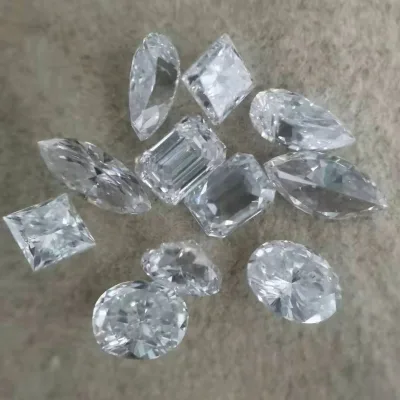
CVD Polished Diamonds Loose IGI Certificate 1CT VVS Lab Diamond for Jewelry Making
$500.00 - $800.00
MOQ: 1 Minimum
- Trading Company
- Guangxi, China
- Lead time7 days
- Avg. response≤ 9h
Main productscubic zirconia,Moissanite Jewelry,Lab-grown Diamonds,Natural stones,Silver Jewelry
Main marketsSouth America(15.00%), North America(15.00%), Western Europe(12.00%), Mid East(12.00%), Northern Europe(8.00%), Domestic Market(5.00%), Eastern Asia(5.00%), South Asia(5.00%), Southeast Asia(5.00%), Eastern Europe(5.00%), Southern Europe(5.00%), Oceania(4.00%), Central America(2.00%), Africa(2.00%)
Guangzhou Xhao Jewellery Co., Ltd.
- Verified by SGS Group
- Manufacturer, Trading Company
- Lead time15 days
- Avg. response≤ 4h
Main productsSolid Gold Jewelry, Silver Jewelry, Lab Diamond Jewelry, Moissanite Jewelry, Diamond Jewelry
Henan Stars Lab Grown Diamond Co., Ltd.
- Verified by SGS Group
- Manufacturer, Trading Company
- Lead time0 days
- Avg. response≤ 1h
Main productsLab grown diamond, Diamond Bracelet, Loose diamond, Diamond jewelry, Diamond ring
Wuzhou Holycome Jewelry Co., Ltd.
- Manufacturer, Trading Company
- Guangxi, China
- Lead time15 days
- Avg. response≤ 3h
Main productsFine Jewelry,Moissanite,CVD HPHT Diamond,Cubic Zirconia,Lab Grown Gemstones
Main marketsDomestic Market(47.00%), North America(18.00%), South America(13.00%), Oceania(9.00%), Southeast Asia(4.00%), Western Europe(3.00%), Eastern Europe(2.00%), Eastern Asia(2.00%), Northern Europe(2.00%)

Quanzhou Litai Supply Chain Management Co., Ltd.
- Verified by SGS
- Manufacturer/Factory
- China Fujian
- Lead time15 days
- Avg. response≤ 3h
Main productsWomen Handbags, Women Shoes, Women Clothes, Men Watch, Men Shoe, Men Clothes, Men Belt, Men Bag
Main marketsSouth America,Eastern Europe,Mid East,North America,Southeast Asia,Eastern Asia,Oceania,Western Europe,Africa
Junyao (guangzhou) Accessories Limited
- Verified by SGS Group
- Trading Company
- Guangdong, China
- Lead time45 days
- Avg. response≤ 10h
Main productsRing/ Pendant/ Earring/ Necklace/ Bracelet
Main marketsWestern Europe(35%), North America(30%), Eastern Europe(10%)
- Trading Company
- Hong Kong S.A.R.
- Lead time14 days
- Avg. response≤ 9h
Main productsDress,Suit,Pants,Gemstone Jewelry,Diamond Jewelry
Main marketsNorth America(30.00%), Western Europe(20.00%), Domestic Market(10.00%), Southern Europe(10.00%), Northern Europe(10.00%), Mid East(5.00%), Southeast Asia(5.00%), Eastern Europe(5.00%), South America(5.00%)
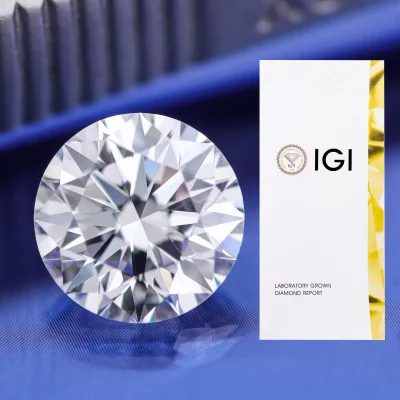
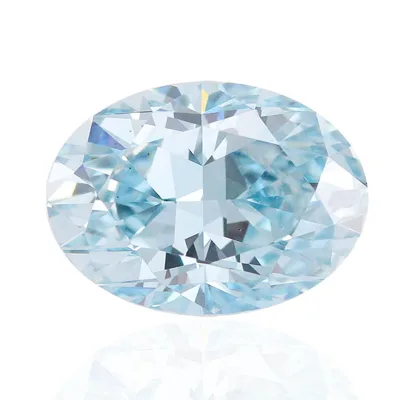
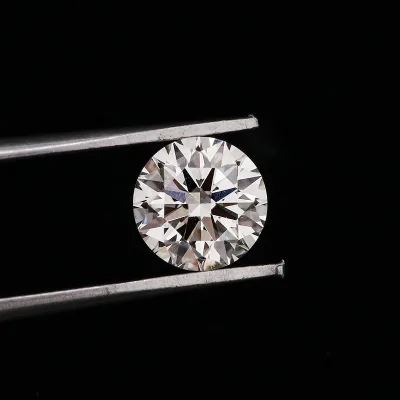
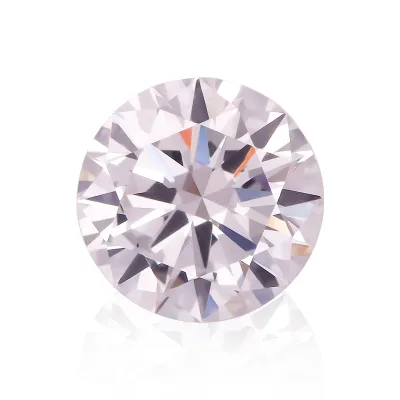
Rare Valuable 6 Carat Weight CVD Diamond with IGI Certificate for Jewelry
$2509.00 - $3010.00
MOQ: 1 Minimum

Shenzhen Bereal Jewelry Co., Ltd.
- Manufacturer, Trading Company
- Lead time旺季: "1 - 50":7,"51 - 100":10,"101 - 500":20,"> 500":"To be negotiated", 淡季: "1 - 50":7,"51 - 100":10,"101 - 500":20,"> 500":"To be negotiated"
- Avg. response≤ 3h
Main productsJewelry, Necklace, Ring, Bracelet, Pendant

Guangxi Wuzhou Goldstones Jewelry Co.,Ltd.
- Manufacturer, Trading Company
- Guangxi, China
- Lead time10 days
- Avg. response≤ 3h
Main productsLab Grown Diamonds/Moissanite/Lab Grown Gemstones/ Semi Precious Stones/K Gold Silver Brass Jewelry
Main marketsNorth America(40.00%), South America(10.00%), Northern Europe(10.00%), Eastern Europe(10.00%), Mid East(10.00%), Southeast Asia(10.00%), Africa(2.00%), Domestic Market(2.00%), South Asia(1.00%), Eastern Asia(1.00%), Oceania(1.00%), Western Europe(1.00%), Southern Europe(1.00%), Central America(1.00%)
Astwo Environmental Protection Material Technology (Yancheng) Co., Ltd.
- Verified by SGS Group
- Manufacturer, Trading Company
- Lead time0 days
- Avg. response≤ 2h
Main productsLab Grown Diamond Jewelry, Loose Lab Grown Diamond, Moissanite Jewelry, Gemstone Jewelry, Loose Gemstone
Main marketsNorth America(25%), Domestic Market(25%), Western Europe(10%)
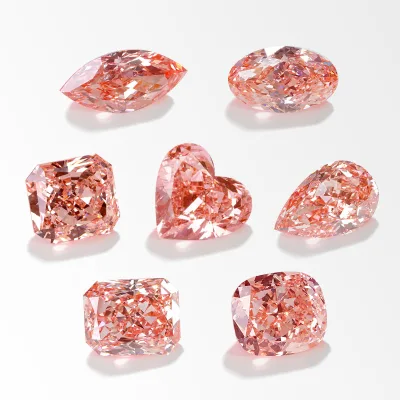
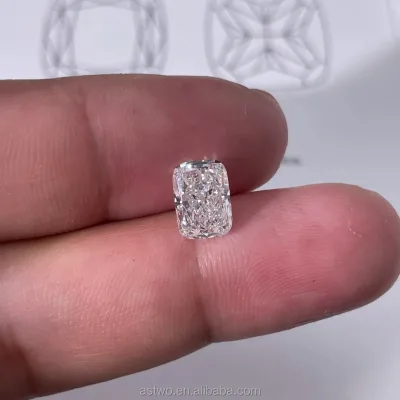
Lab Grown Diamonds in India Cut Lab Created Diamond Fine Jewelry Making Lab Grown Diamonds in India
$130.00 - $230.00
MOQ: 3 Minimum
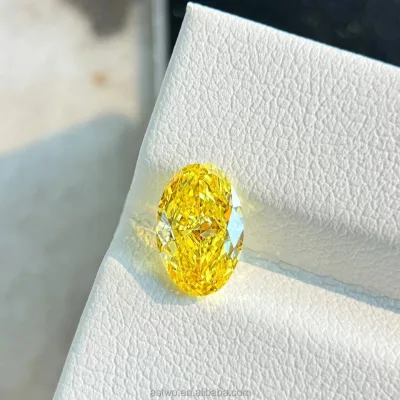

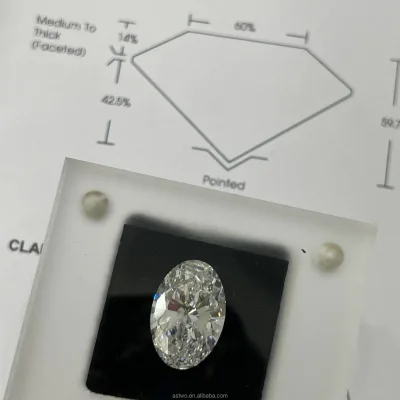
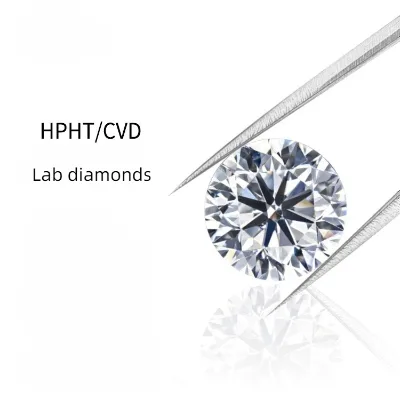
Jiangxi Solen Tenth High-Tech Materials Technology Co., Ltd.
- Verified by SGS Group
- Manufacturer, Trading Company
- Lead time0 days
- Avg. response≤ 3h
Main productsRough Diamond, Loose Diamond, Diamond Abrasive, HPHT press machine, MPCVD machine
Main marketsNorth America(20%), South Asia(20%), Oceania(10%)
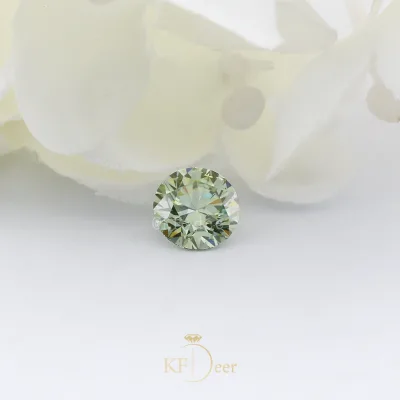
Big Size Green Diamonds Green Lab Grown Diamond in Different Shapes Can Be Customized
$883.004 - $924.0727
MOQ: 1 pieces
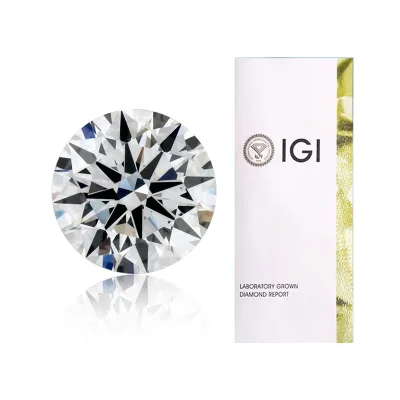
Hot Sale 4.18Ct Lab Grown Loose Diamond Round Brilliant Cut Loose Diamonds
$1099.00 - $1200.00
MOQ: 2 pieces
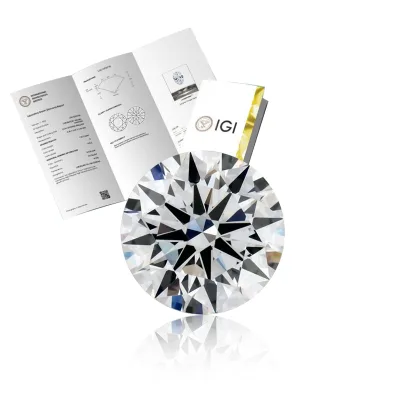
New Arrivals Personalized Customization 4.15Ct Cvd Lab Grown Diamond
$1100.00 - $1150.38
MOQ: 2 pieces
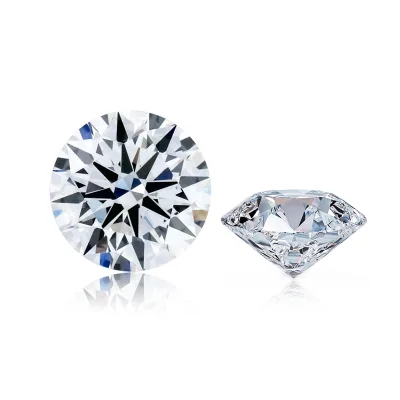
Solen Wholesale 5ct D VS1 IGI CVD Lab Round Diamond Man-made White Diamond
$1436.00 - $1518.00
Wuzhou Changzhou Fengzuan Jewelry Shop
- Verified by SGS Group
- Manufacturer, Trading Company
- Lead time2 days
- Avg. response≤ 3h
Main productsNatural Freshwater Pearl, Lab Grown Diamond, Cubic Zirconia, Synthetic Moissanite, Fine Jewelry
Main marketsNorth America(25%), Southeast Asia(12%), South America(10%)

- Manufacturer, Trading Company
- Guangdong, China
- Lead time3 days
- Avg. response≤ 3h
Main productsLab Created Gemstone,Jewelry
Main marketsNorth America(50.00%), Western Europe(10.00%), Domestic Market(5.00%), Southern Europe(5.00%), Northern Europe(5.00%), South America(5.00%), Eastern Europe(5.00%), South Asia(3.00%), Mid East(2.00%), Eastern Asia(2.00%), Oceania(2.00%), Africa(2.00%), Central America(2.00%), Southeast Asia(2.00%)


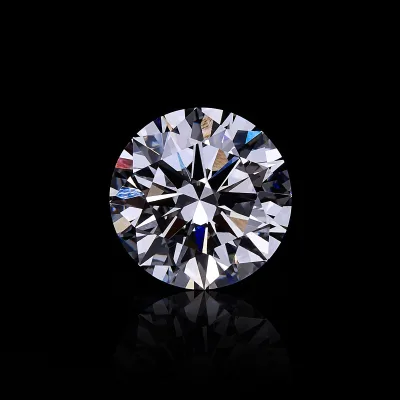
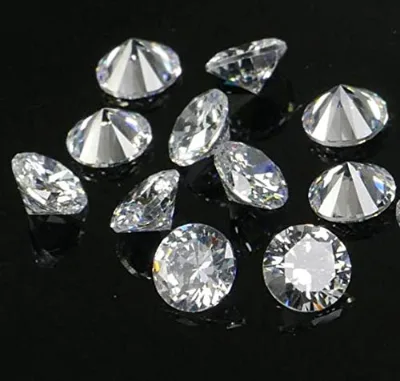
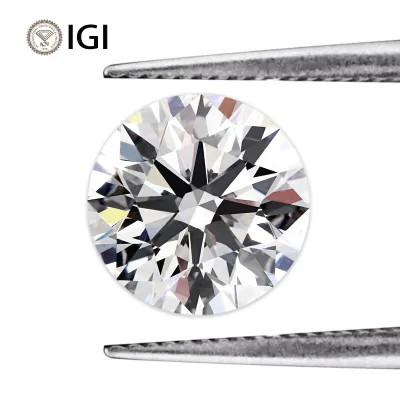
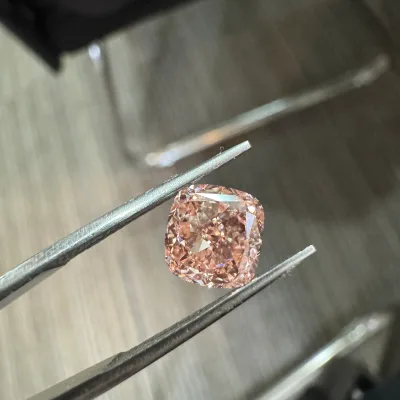




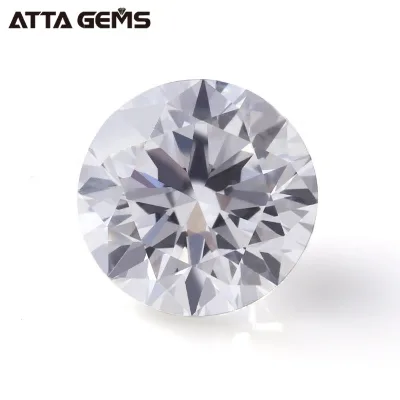
Comprehensive Sourcing Guide
IGI Certified Lab Grown Diamond Supplier Concentration and Factory Types
Suppliers of IGI Certified Lab Grown Diamond material on B2B platforms typically fall into three structural types: manufacturers that grow and cut stones in-house, combined companies that both produce and trade, and pure trading intermediaries. In the current supplier pool, both a Fujian-based manufacturer and a Guangxi-based combined operation appear, showing that supply is not confined to a single province. The manufacturer concentrates on a broad accessories portfolio including lanyards, wristbands, flags and bags alongside its diamond listings, which is a signal worth reading carefully: a wide catalog may indicate diversified production lines, or it may indicate that loose stones are a secondary listing rather than a core competence. The combined supplier lists moissanite, moissanite jewelry, cubic zirconia, lab grown diamond and gold jewelry, a portfolio tightly aligned with the category.
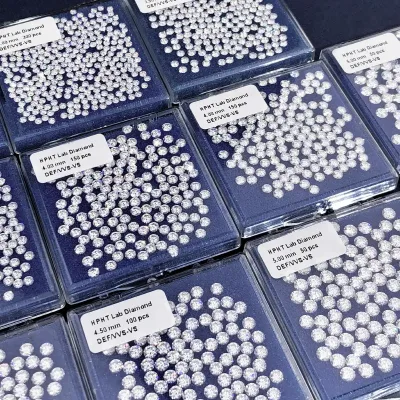
When identifying clusters without verified data, work backward from product evidence. Listings that consistently pair HPHT and CVD process terms with IGI or GIA certification claims and per-carat pricing usually point to active growth-and-cutting operations. Listings dominated by melee sizes, generic model names and wide price ranges more often reflect aggregation. Map the provinces that recur across serious listings, then confirm each location through business registration documents rather than trusting the profile field. Prioritize suppliers whose entire product range sits inside loose diamonds and gemstones, because focus typically correlates with stable grading consistency, calibrated cut quality and the ability to re-supply matched stones across repeat orders.
How to Verify IGI Certified Lab Grown Diamond Suppliers
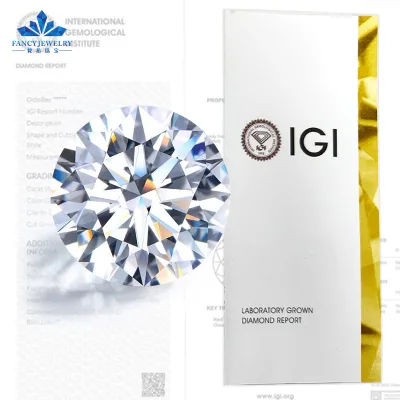
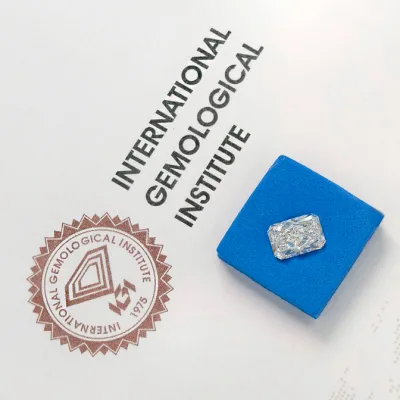
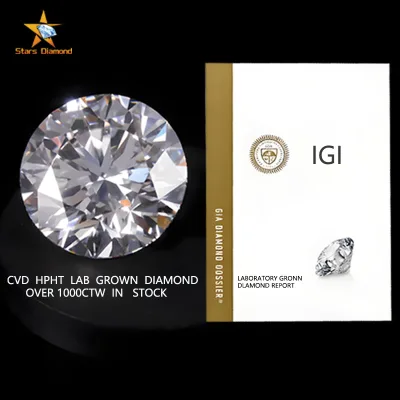
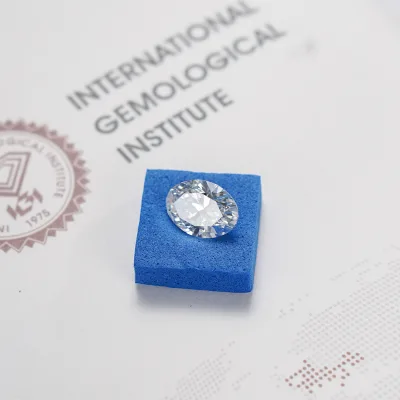
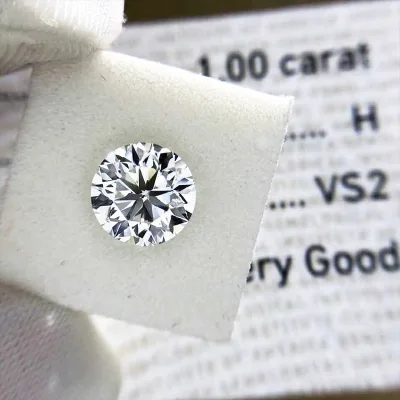
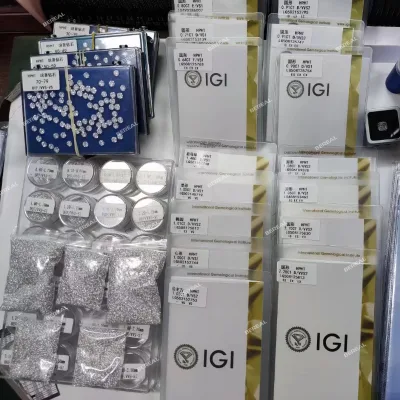
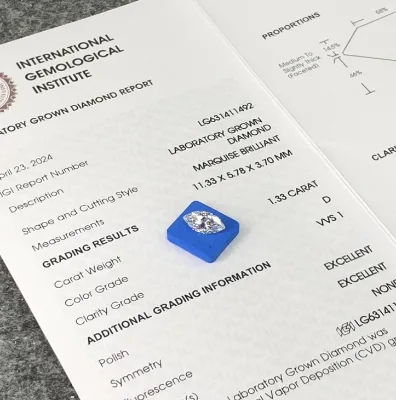
Verification begins with the certificate itself, because the certification claim is the core of this category. Every IGI-numbered stone should be independently confirmed on the institute's public verification service using the report number, matching carat weight, color, clarity, cut grade and measurements against the physical stone you receive. Do not accept scanned PDFs as proof; request the original report with the sealed stone or a laser-inscribed girdle whose inscription matches the report. One supplier in the current results advertises a 1.00CT round stone at E color, VS1 clarity with an IGI certificate, which illustrates the level of specification detail you should require from any quotation.
Beyond documentation, verify the company entity. Check the displayed verification status and system certifications: one supplier in the pool shows CTI verification with no system certification listed, while another shows ISO 9001. Neither display guarantees current validity, so confirm certificate numbers and expiry dates directly with the issuing body. Cross-check business licenses, export history and whether the stated location matches registration records. For capability claims, request a video call inside the cutting facility, ask which growth technology the factory uses for the specific stones you want, and require sample stones before committing. Test the samples at a local gemological lab upon arrival, even if they arrived with reports, because mismatches between paperwork and stones are the defining fraud in this category. Finally, verify that the supplier's model numbering system lets you reorder an identical specification, not merely a similar stone.
What to Compare Across IGI Certified Lab Grown Diamond Suppliers
Build a comparison sheet from the attributes suppliers actually display, without assuming every field is populated. Useful dimensions from the current pool include lead time, minimum order quantity, response speed, supplier type, location, main products and customization capability. Lead times vary materially: one supplier shows 15 days while another shows 23, a gap that matters when stones feed a fixed jewelry production schedule. Minimums are unusually friendly in this category, with listings showing MOQs of a single piece or a single carat, so compare not just the number but what the minimum buys you in grading selectivity. Response time also separates candidates: one profile shows roughly three hours while another shows nearly eight, which predicts how smoothly specification disputes will be handled.
Compare product-line alignment next. A supplier whose main products are lanyards, wristbands, flags and sport bags should be evaluated differently from one listing moissanite, cubic zirconia, lab grown diamonds and gold jewelry; the latter's depth in related gemstones suggests genuine stone-handling capability. Examine price ranges per listing, since quotes spanning roughly 30 to 758 or 300 to 967 in the pool indicate broad specification menus rather than fixed commodity pricing. Then compare customization: both suppliers in the pool display customization as available, and one shows ODM and OEM capacity while the other shows OEM only. Record which attributes are missing from each profile and treat gaps as verification questions, not as negative evidence.
Common IGI Certified Lab Grown Diamond Sourcing Risks
The dominant risk is certificate substitution or misrepresentation. A stone may arrive with a genuine IGI report that belongs to a different stone, or with a report whose grades were inflated relative to what an independent lab would assign. Counter it by verifying every report number online, checking girdle inscriptions under magnification, and re-grading random samples from each lot at a third-party laboratory before payment release. A second risk is technology ambiguity: HPHT and CVD stones differ in growth signatures, and some buyers care which process was used. Listings in the current pool reference both HPHT and CVD, sometimes in the same title, so require the growth method to be stated on the report or confirmed in writing per lot.
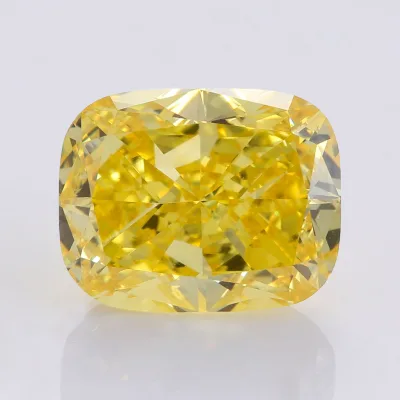
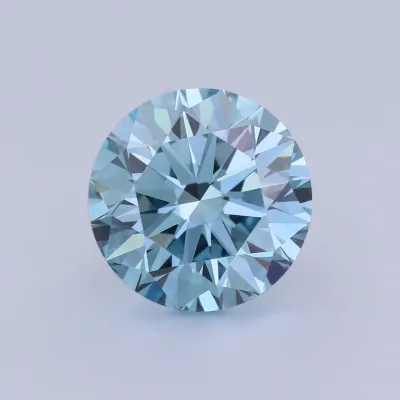
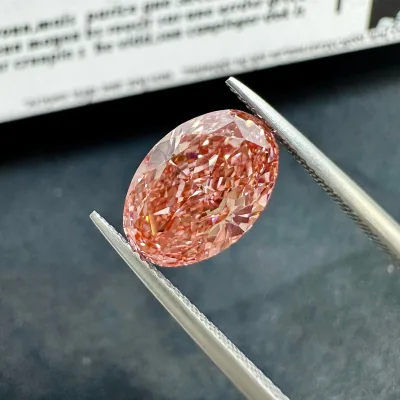
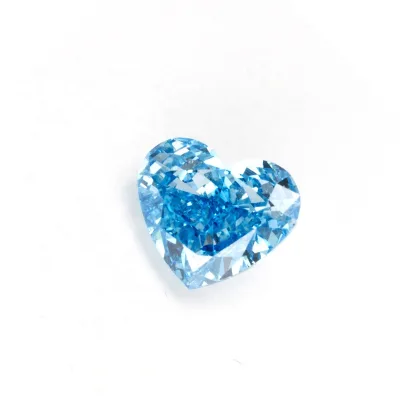
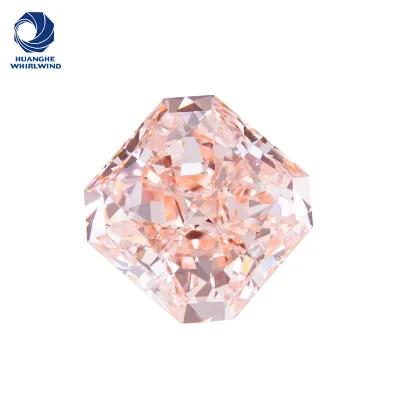
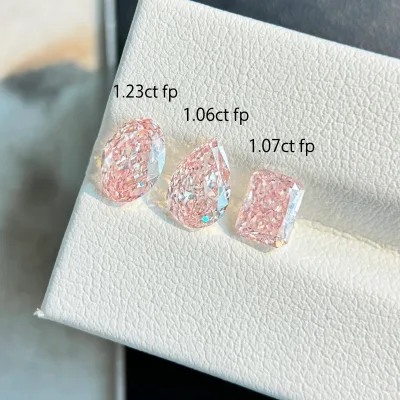
Quality consistency across repeat orders is a further risk. A 1.00CT E VS1 sample can be excellent while bulk lots drift toward lower color or clarity at the same nominal grade, because grading sits within tolerance bands. Mitigate with purchase specifications tighter than the certificate grades, defining acceptable measurement ranges, fluorescence behavior and cut tolerances. Color-treated stones present another hazard; one pool listing advertises pink, blue, red and other fancy colors, and treated colors should be disclosed as such with corresponding documentation. Payment risk follows from category norms: one supplier lists Western Union, credit card and bank transfer, so prefer instruments with dispute protection. Finally, beware suppliers whose core products sit far outside gemstones, since loose stones may be sourced from unnamed third parties rather than grown in-house.
IGI Certified Lab Grown Diamond Regional Sourcing and Logistics
Within the current supplier results, two provinces anchor the supply picture: Fujian, home to the manufacturer profile, and Guangxi, home to the combined producer-trader profile. Treat this as an observation about the pool rather than a claim of national concentration, and build your own cluster map from verified listings. When locating clusters independently, search for recurring province names across listings that pair growth-process terminology with certification claims, then confirm each candidate supplier's registered address through official business records. Proximity to a genuine cutting cluster reduces cross-province freight handling, shortens the path from growth to grading, and makes in-person inspection of the cutting floor feasible before you commit to volume.
Logistics execution matters as much as origin. Listing evidence in the pool shows express courier shipment modes including DHL, FedEx, UPS, TNT and EMS, with one supplier stating five-to-seven-day delivery on listed stones. Confirm in writing who bears risk in transit, since loose stones are high-value, low-weight cargo requiring insured, signature-required carriage and discreet packaging; one listing mentions carton box packing, which you should upgrade to sealed, tamper-evident inner packaging for stones. Check export documentation requirements for lab grown diamonds in your import market, including any customs code distinctions from natural diamonds, because misdeclared goods face seizure. Finally, compare each supplier's stated lead time against courier transit and customs clearance to build a realistic delivery calendar, and build buffer time before certified stones must reach your setting factory.
IGI Certified Lab Grown Diamond Commercial Terms and Order Planning
Commercial terms in this category are unusually accessible for small buyers, but structure them deliberately. Pool evidence shows MOQs as low as one piece or one carat and per-stone pricing that varies widely with specification, so plan orders around grade brackets rather than single quoted prices. Lock each order to a written specification: carat, color, clarity, cut grade, growth method, certificate requirement and model number, since one supplier's listings carry model identifiers such as LGD-RD-100-EVS1 that make exact reordering possible. Insist that the certificate number is assigned and communicated before shipment, and that payment terms provide protection; where a supplier offers only direct transfer options, consider an escrow-style arrangement if displayed on the platform, or a letter of credit for larger lots.
Sequence your order plan in stages. Start with a sample order at the single-piece minimum, re-grade samples independently, then scale through a small pilot lot before repeating volume. Match payment milestones to verification points: a deposit before production, a balance after your inspector confirms certificates and inscriptions pre-shipment. Compare the displayed lead times, 15 and 23 days in this pool, against your jewelry calendar and add clearance time; one supplier states five-to-seven-day delivery on certain listed stones, so reconcile any such claims against the supplier's general lead time in writing. Finally, negotiate re-grade and return windows, since certified stones that fail independent verification on arrival must be replaceable without a fresh MOQ penalty.
FAQs
What is the price range for IGI certified lab grown diamonds?
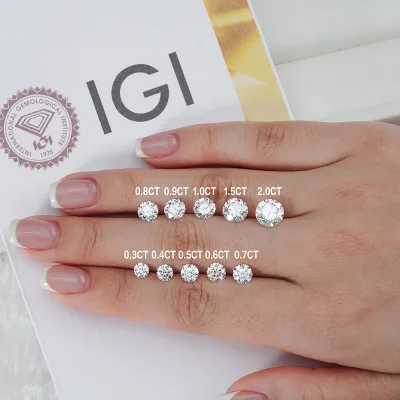
Prices vary significantly based on carat weight and specifications. Listings show costs ranging from $30 to over $2,000 per unit. Smaller stones start around $30, while larger 1.5 to 2.0 carat options can reach $2,000. Buyers should check specific product details for exact pricing based on clarity and color grades.
What is the minimum order quantity for these diamonds?
The minimum order quantity is typically very low, often just one piece or one carat. Several suppliers list an MOQ of 1 PCS or 1 Carat, allowing for small trial orders. This flexibility supports buyers who need single stones for custom jewelry or small batches without committing to large wholesale volumes.
How long does production and delivery take?
Lead times generally range from 15 to 23 days for manufacturing. Some suppliers offer faster delivery times of 5 to 7 days for specific items. Shipping methods include DHL, FedEx, and UPS. Buyers should confirm exact timelines with suppliers, as production schedules and shipping modes affect the total delivery duration.
Are customization options available for lab grown diamonds?
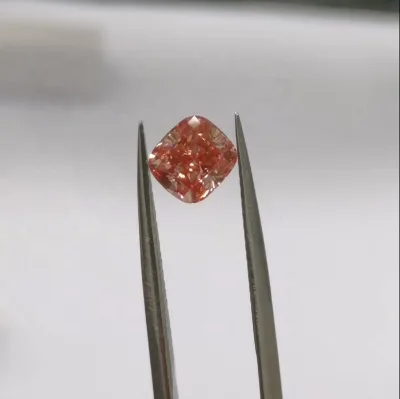
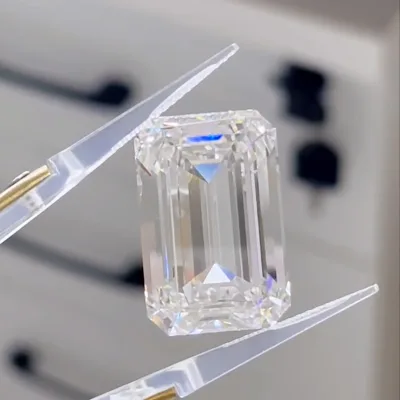
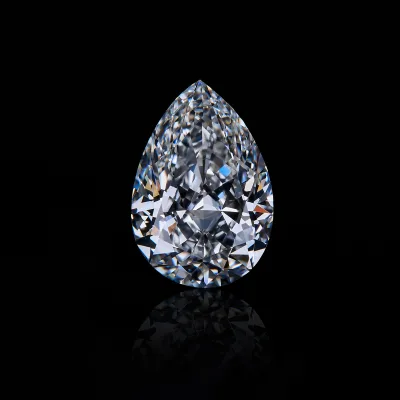
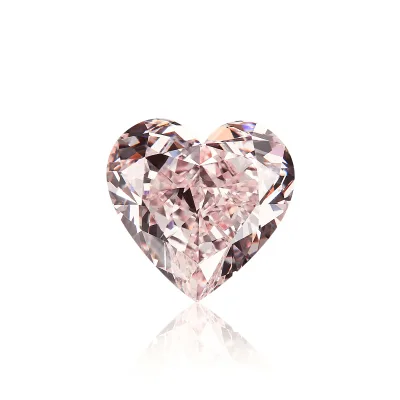
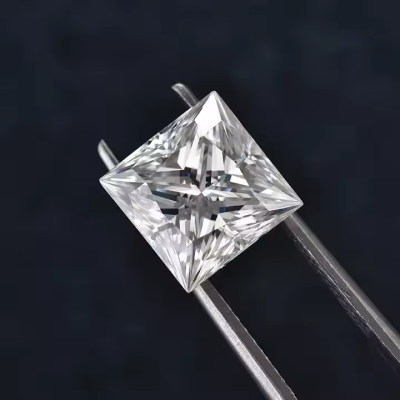
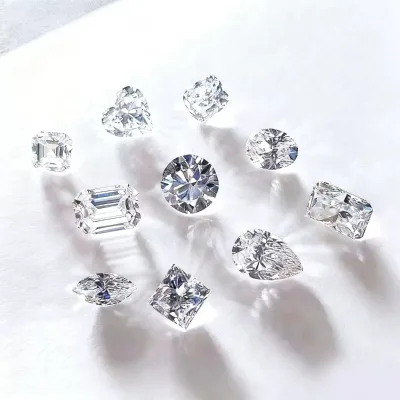
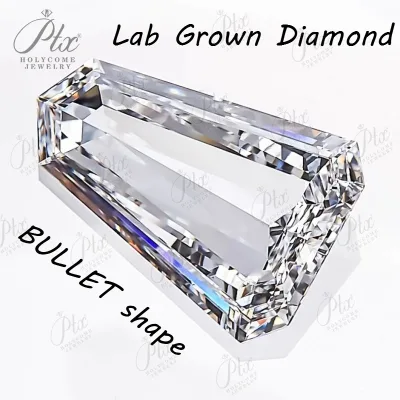
Yes, customization is widely available across many suppliers. Buyers can request specific shapes, colors, and sizes. Options include round, oval, and pear cuts in various colors like pink, blue, and white. Clarity grades such as VVS and colors like D are also customizable to meet specific jewelry design requirements.
Where are these suppliers located?
Suppliers are primarily located in China, specifically in Fujian and Guangxi regions. These areas are known for manufacturing and processing jewelry components. Buyers sourcing from these locations should consider shipping logistics and potential import duties. The geographic concentration helps streamline supply chains for jewelry makers and retailers.
What certifications are provided with the diamonds?
IGI certification is commonly provided for lab grown diamonds. Some listings also mention GIA certification. These certificates verify the quality, clarity, color, and carat weight of the stones. Buyers should ensure the certificate matches the specific diamond purchased to guarantee authenticity and quality standards for their jewelry projects.