Industrial Style Ottoman Suppliers and Manufacturers
Source Industrial Style Ottoman designs from 21 suppliers in Guangdong, China. Compare manufacturer versus trading company type, product range, lead times, response times, MOQ, pricing, and SGS verification status. Shortlist candidates and message suppliers directly to request quotations and samples.
Suppliers List
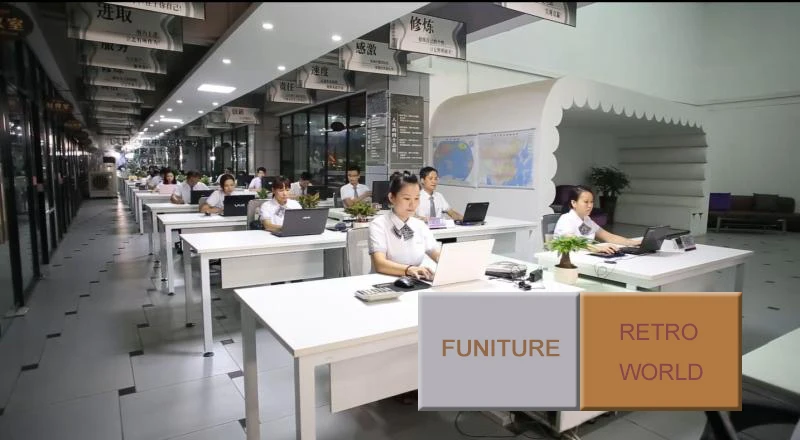
FOSHAN CITY GOOD HOME FURNITURE LIMITED
- Manufacturer
- Guang Dong, China
- Lead time25 days
- Avg. response≤ 5h
Main productsSofa & Chair,Aviator Chair,aviator desk,coffee table,wine cabinet
Main marketsNorth America(60.00%), Western Europe(20.00%), Eastern Europe(10.00%), Africa(5.00%), Oceania(5.00%)
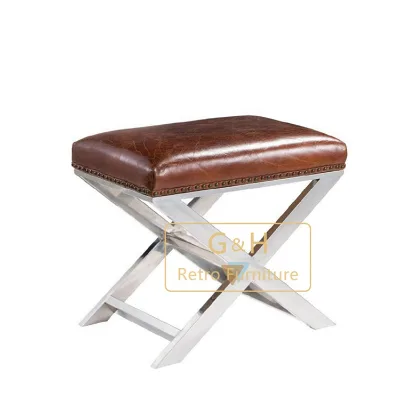
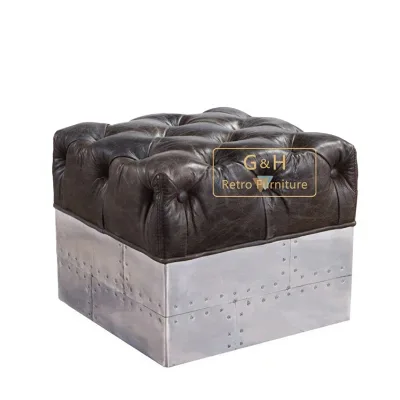
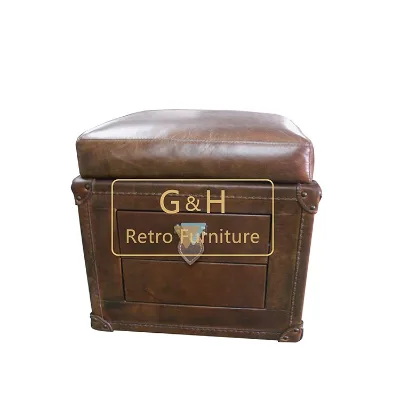
square Ottoman Footstool Ottoman Luxury and Decorative Ottoman
Contact supplier
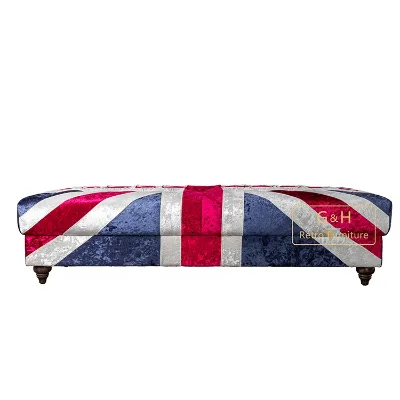

Foshan Angkelei Furniture Com., Ltd
- Verified by SGS
- Trading Company
- China Guangdong
- Lead time30 days
- Avg. response≤ 3h
Main productsSofa, Chair, Coffee Table, Trunk Case, Desk, Bed, Dining Chair, Dining Table, Ottoman, Bar Chair
Main marketsOthers(foreignTradeCapacity.exportBusinessCapacityMarketOther),Europe,North America

Industrial Cube Genuine Leather Aluminum Top Living Room Apartment Foot Stools Ottoman
$288.00 - $348.00
MOQ: 1 Pieces

Small Size Luxury Genuine Leather Stool Accent Villa Hotel Bedroom Ottoman
$245.00 - $255.00
MOQ: 1 Pieces


Luxury Genuine Leather Ottoman for Bed Living Room Stool Footstool Furniture
$245.00 - $259.00
MOQ: 1 Pieces

Genuine Leather Square Ottoman for Chair Apartment Hotel Living Room Bedroom
$165.00 - $185.00
MOQ: 1 Pieces

Retro Real Leather Foot Stool Living Room Small Ottoman with Wooden Frame
$235.00 - $255.00
MOQ: 1 Pieces
Foshan Yefei Furniture Co., Ltd.
- Verified by SGS
- Combined
- China Guangdong
- Lead time30 days
- Avg. response≤ 7h
Main productsSofa, Modular Sofa
Main marketsDomestic,Europe,North America

Guangdong Zhida Furnishings Industrial Co., Ltd.
- Verified by TUVRHEINLAND
- Combined
- China Guangdong
- Lead time30 days
- Avg. response≤ 4h
Main productsHome Furniture, Wood Furniture, Curtains, Cabinet, Sofa, Furniture, Table, Sofa Fabric, Bed, Coffee Table
Main marketsEurope


Living Room Footrest Bench Stool with Button Cotton Linen Fabric Collapsible Ottoman
$100.00 - $300.00
MOQ: 5 Sets

Guangzhou yafon furniture manufacturing co.LTD
- Verified by BV
- Manufacturer/Factory
- China Guangdong
- Lead time23 days
- Avg. response≤ 2h
Main productsOffice Sofa, Leisure Chair, Office Chair, Office Furniture, Coffee Table, Modern Sofa, Sofa, Ergonomic Mesh Chair, Office Desk
Main marketsSouth America,Eastern Europe,Mid East,North America,Southeast Asia,Eastern Asia,Oceania,Western Europe,Africa

Fuzhou ADF International CO., LTD.
- Verified by BV
- Trading Company,Manufacturer/Factory
- China Fujian
- Lead time45 days
- Avg. response≤ 4h
Main productsBags, Suitcase, Backpack, Travel Bags, School Bags, Storage Ottoman, Luggage, Cooler Bag, Household Products
Main marketsSouth America,Eastern Europe,Mid East,North America,Southeast Asia,Eastern Asia,Oceania,Western Europe,Africa


Multifunctional Storage Box Ottoman for Living Room Spaces Folding Storage Ottoman
$5.90 - $6.60
MOQ: 300 Pieces


Versatile PU Upholstered Storage Ottoman for Chic Living Rooms and Contemporary Living Spaces
$4.00 - $7.00
MOQ: 1000 Pieces

- Verified by SGS
- Trading Company
- China Guangdong
- Lead time60 days
- Avg. response≤ 14h
Main productsSofa Dining Table Bed Chair Coffee Table, Living Room Furniture, Dining Room Furniture, Bedroom Furniture, Hotel Furniture, Office Furniture, Outdoor Furniture, Mattress
Main marketsSouth America,Eastern Europe,Mid East,North America,Southeast Asia,Eastern Asia,Oceania,Western Europe,Africa

Ekar Luxury Stool - Modern Ottoman for Living Room, Elegant Home Furniture Design
$300.00 - $1000.00
MOQ: 1 Pieces

Jiangmen Jasmine Trading Co., Ltd.
- Verified by SGS Group
- Trading Company
- Lead time30 days
- Avg. response≤ 3h
Main productsAccent Chair, Dining Chair, Sofa, Table, Bed
Main marketsNorth America(70%), Western Europe(10%), Northern Europe(10%)
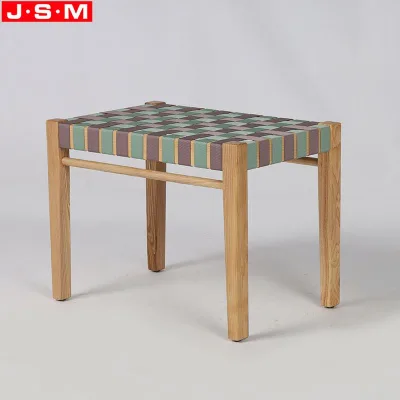
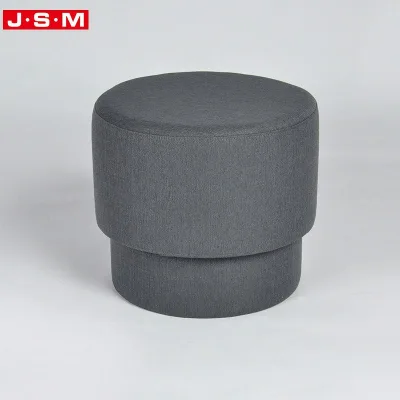
Good Quality Elegant Modern Children Bedroom Round Ottoman for Living Room
$27.00 - $30.00
MOQ: 50 pieces
Shenzhen Guang Disen Furniture Co., Ltd.
- Verified by TüVRheinland
- Manufacturer, Trading Company
- Lead time35 days
- Avg. response≤ 2h
Main productsLounge Chair, Dining Chair, Living Room Sofa, Dining Table, Bed
Main marketsNorth America(25%), South America(13%), Oceania(10%)

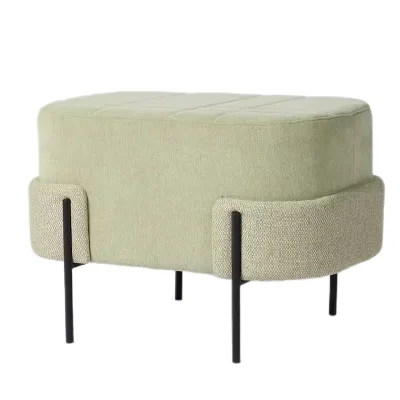
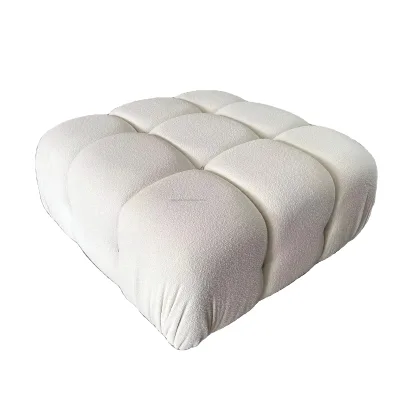
Home Stool & Ottoman Modern Simple Portable Resistant Foot Stool Fabric Ottoman
$35.00 - $48.00
MOQ: 1

Foshan Comfort Furniture Co.,Ltd
- Verified by BV
- Trading Company
- China Guangdong
- Lead time15 days
- Avg. response≤ 7h
Main productsOffice Furniture, School Furniture, Ergonomic Chair, Height Adjustable Table, Office Chair, Student Chair, Student Table, School Desk, Office Desk, Office Table
Main marketsSouth America,Africa,Southeast Asia/ Mideast,North America

Langfang Airun Imp. & Exp. Co., Ltd.
- Verified by BV
- Trading Company
- China Hebei
- Lead time15 days
- Avg. response≤ 10h
Main productsDining Table, Coffee Table, Dining Chair, Hotel Chair, Leisure Chair, Plastic Chair, Metal Chair, Fabric Covered Chair, TV Stand, Sideboard
Main marketsSouth America,Africa,Southeast Asia/ Mideast,Europe,North America


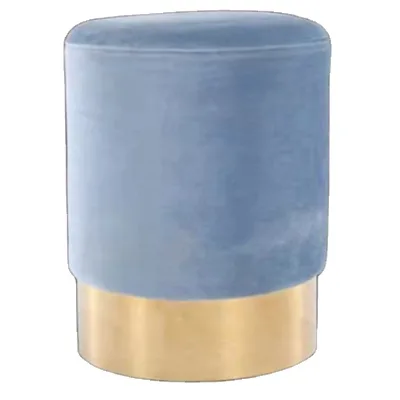
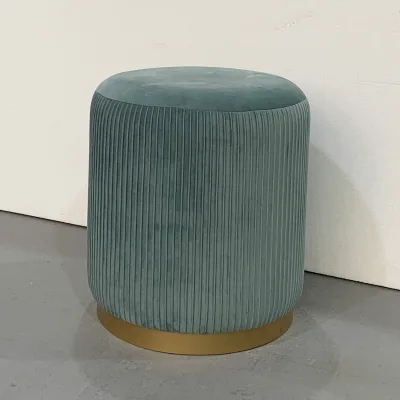
Velvet Round Seated House Ottoman with Gold Stainless Steel Base Stool
$10.50 - $15.00
MOQ: 100 Pieces
Hebei Mingshuai Furniture Sales Co., Ltd.
- Verified by Intertek
- Trading Company
- Lead time20 days
- Avg. response≤ 2h
Main productsDining Chair, Dining Table, Office Chair, Wedding Chair, Bar Chair
Main marketsEastern Europe(27%), North America(21%), Western Europe(20%)
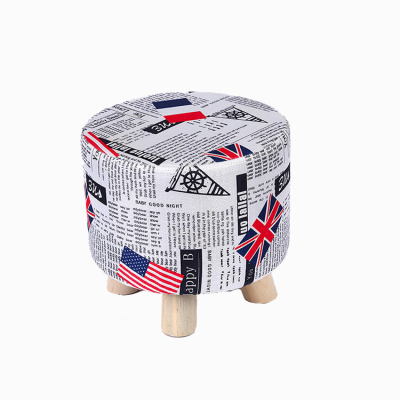
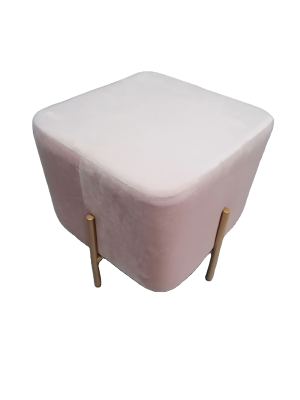
Home Furniture Accent Upholstered Ottoman Stool Round Simple Modern Ottoman for Living Room
$3.12 - $3.90
MOQ: 200 pieces
Tianjin Bchair Import and Export Trade Co., Ltd.
- Verified by SGS
- Trading Company
- China Tianjin
- Lead time23 days
- Avg. response≤ 1h
Main productsDining Chairs, Dining Table, Benches, Ottomans, Tolix Chairs, Bar Table, Restaurant Chair, Lounge Chair
Main marketsSouth America,Eastern Europe,Mid East,North America,Western Europe
KINGDEFUL (XIAMEN) HOME DECOR CO., LTD.
- Verified by CTI
- Manufacturer/Factory
- China Fujian
- Lead time0 days
- Avg. response≤ 8h
Main productsWooden Box, Wooden Clock, Jewelry Box, Storage Box, Ottoman, Wooden Gift Packing Trunk, Wine Box for Gift

Pouf Ottoman Foot Stools Ottoman with Metal Leg for Living Room Ottomans
$15.00 - $19.00
MOQ: 50 Pieces

Ottoman Modern Round Footrest Fabric Ottoman for Hallway, Living Room, Bed Room Ydf25057
$15.00 - $17.00
MOQ: 50 Pieces

Storage Ottoman Modern Round Footrest Fabric Ottoman for Hallway, Living Room, Bed Room Ydf25053
$22.00 - $26.00
MOQ: 50 Pieces

Storage Ottoman Modern Round Footrest Fabric Ottoman for Hallway, Living Room, Bed Room Ydf25054
$14.00 - $17.00
MOQ: 50 Pieces


- Verified by BV
- Manufacturer/Factory
- China Zhejiang
- Lead time30 days
- Avg. response≤ 2h
Main productsBrush Cutter, Tiller, Garden Equipment, Chain Saw, Bike Rack, Motorcycle Lift, Furniture, Hooks, Garage Rack, Storage Bin
Main marketsSouth America,Eastern Europe,Mid East,North America,Southeast Asia,Eastern Asia,Oceania,Western Europe,Africa


Storage Ottoman Foot Rest Stool with Thicker Foam Padded Seat, Small Ottoman with Storage
$21.99 - $25.99
MOQ: 100 Pieces


Foshan Geyun Furniture Co., Ltd.
- Manufacturer
- China Guangdong
- Lead time30 days
- Avg. response≤ 4h
Main productsCasino Chair, Classic Designer Chair, Lounge Chair, Pedicure SPA Massage Chair, Salon Chair, Office Chair
Main marketsEurope,North America


Living Dressing Room Shoe Store Furniture Foot Rest Velvet Ottoman Stool
$1.00 - $100.00
MOQ: 1 Pieces

Minhou Weisheng Arts&crafts Co., Ltd.
- Manufacturer, Trading Company
- Fujian, China
- Lead time60 days
- Avg. response≤ 2h
Main productsmirror furniture,metal furniture,wooden furniture,metal decor.,mirror frame
Main marketsSouth America(30.00%), Southern Europe(20.00%), North America(20.00%), Eastern Europe(10.00%), Western Europe(10.00%), Mid East(10.00%)

Foshan Aston Furniture Co., Ltd.
- Verified by SGS
- Combined
- China Guangdong
- Lead time15 days
- Avg. response≤ 5h
Main productsoffice Furniture
Main marketsDomestic

Dongguan Julisheng New Material Technology Co., Ltd.
- Verified by BV
- Combined
- China Guangdong
- Lead time30 days
- Avg. response≤ 3h
Main productsPU Foam, PU Corner Guard, Accessories PU Armrest, PU Self-Skinning, PU High Rebound, PU Slow Rebound, PU Imitation Wood Hard Foam, PU Foam Rugby, PU Traction Pillow, PU Foam Wheel
Main marketsDomestic


Factory Customization PU Memory Foam Backrest Ergonomics Lumbar Support
$35.60 - $48.80
MOQ: 200 Pieces
Foshan Lvye Furniture Co., Ltd.
- Manufacturer, Trading Company
- Guangdong, China
- Lead time18 days
- Avg. response≤ 9h
Main productsOffice Chair,furniture hardware,office furniture,interior design,Office Desk
Main marketsNorth America(18.00%), Eastern Europe(15.00%), Mid East(13.00%), Northern Europe(13.00%), Southeast Asia(12.00%), Western Europe(8.00%), Southern Europe(7.00%), Africa(3.00%), South America(3.00%), South Asia(2.00%), Oceania(2.00%), Eastern Asia(2.00%), Central America(2.00%)
$29.00 - $30.00
$97.00 - $97.20
$52.00 - $52.10

Ningbo Yilong Outdoor Products Co., Ltd.
- Verified by TUVRHEINLAND
- Manufacturer/Factory
- China Zhejiang
- Lead time0 days
- Avg. response≤ 10h
Main productsAluminium Foldable Gazebo, Aluminium Umbrella, Wooden Umbrella, Beach Umbrella, Swing Chair, Steel Gazebo, Outdoor Furniture, Campling, Chair, Table
Main marketsSouth America,Eastern Europe,Mid East,North America,Southeast Asia,Eastern Asia,Oceania,Western Europe,Africa




Comprehensive Sourcing Guide
Industrial Style Ottoman Supplier Concentration and Factory Types
Supplier listings for the Industrial Style Ottoman category show a clear concentration in Guangdong, China, and buyers should treat that province as the primary sourcing base for this product type. The listings also reveal a mix of company types that matters for your evaluation. Some suppliers identify themselves as manufacturers, typically listing main products such as sofas, aviator chairs, coffee tables, wine cabinets, and ottomans alongside related industrial-style furniture. Others operate as trading companies with a broader furniture portfolio that spans sofas, beds, dining tables, trunks, and bar chairs. Understanding which type you are dealing with shapes everything from pricing negotiation to quality control access, because a manufacturer controls its own production line while a trading company aggregates output from multiple workshops.
When you review supplier profiles, look at how the main products list aligns with the Industrial Style Ottoman. A supplier whose catalog centers on leather seating, aviator furniture, and accent chairs is more likely to have in-house upholstery capability relevant to your product than one listing ottomans as a minor line item. Product attributes in this category often state the business type directly, with some listings explicitly declaring manufacturer status and offering OEM and ODM services. Check whether customization, handmade production claims, and brand-name flexibility are disclosed, since these signals help you distinguish a production-capable partner from an intermediary reselling catalog items.
How to Verify Industrial Style Ottoman Suppliers
Verification should start with the credentials that suppliers themselves display. In the current results, one trading company carries SGS verification, which is an independently checked supplier status rather than a self-declared claim. Certification fields on individual product listings may also reference ISO, but you should not assume a certificate applies to every product or process until you request the actual certificate documents and confirm the scope, issuing body, and validity dates. Ask each supplier to provide their business license, and cross-check the registered company name and location against the profile before moving to sampling.
Beyond documents, verify capability through the product evidence on the listing itself. Several Industrial Style Ottoman listings disclose detailed attributes: model numbers, materials such as genuine leather, fabric, or leather with aluminum, declared sizes, packing methods, and stated applications spanning living rooms, hotels, and apartments. A supplier who publishes consistent, specific attributes across multiple ottoman models is easier to audit than one with thin listings. Request a pre-production sample against the exact model number, confirm the declared size and material in writing, and ask whether the handmade claims in some listings reflect actual workshop processes. Finally, confirm the place of origin stated in the product attributes matches the supplier's registered location, so you know whether production in Guangdong is direct or routed through an intermediary.
What to Compare Across Industrial Style Ottoman Suppliers
Build a comparison table using the dimensions the supplier results actually display. Lead time is one such dimension: the observed listings show values around 25 days for a manufacturer and 30 days for a trading company, so ask every shortlisted supplier for their stated production lead time and record it alongside order quantity assumptions. Response time is another comparable field, with observed figures ranging from roughly five hours to under three hours; a faster average response often predicts smoother communication during production, though it is not a quality guarantee.
Compare MOQ as well, because this category shows low entry points, with some product listings stating a minimum of one piece and others two pieces. Low MOQs make sampling and pilot orders practical, but confirm whether unit pricing changes at higher volumes. Unit pricing is disclosed on some listings within this category, ranging from just over one hundred dollars to nearly three hundred dollars depending on materials and design, so normalize quotes by comparing the same model specification. Also compare capability labels such as ODM, OEM, and own-brand capacity, which one trading company discloses, and customization availability, which several product listings state. Finally, compare location and company type together, since a Guangdong manufacturer and a Guangdong trading company may quote similar prices but differ in factory access, defect responsibility, and reorder consistency.
Common Industrial Style Ottoman Sourcing Risks
The most common risk in this category is specification drift between listing and delivery. Product pages may show a tufted genuine leather ottoman with an antique appearance and a stated size, but the actual production batch can differ in leather grade, foam density, or frame material if the contract does not lock those attributes. Some listings declare materials as genuine leather while others state fabric or leather combined with aluminum; treat the material field as a starting point and require a signed specification sheet with the model number, dimensions, and material composition before any deposit.
A second risk cluster involves inconsistent or unverifiable data. Some listings show placeholder values, such as a single item volume of zero cubic centimeters or a gross weight of zero, which indicates incomplete listing management rather than actual product physics. That matters for freight costing, because a wrong volume estimate distorts your container plan. Certification claims also need scrutiny: an ISO reference inside a product attribute string is not the same as a verifiable certificate covering your order. Additional risks include styling mismatch, since industrial, antique, and traditional design styles appear across listings and can be confused in production; color ambiguity, where one listing states the color as "other" or "optional"; and MOQ assumptions that break down when a supplier raises minimums for customized finishes. Mitigate all of these with golden samples, photo approval at each production stage, and written confirmation of every attribute.
Industrial Style Ottoman Regional Sourcing and Logistics
All location evidence in the current supplier results points to Guangdong, China, which functions as the practical sourcing region for this category. Guangdong's furniture ecosystem gives you realistic advantages for industrial style ottomans: dense access to upholstery workshops, metal fabrication for aluminum and stainless steel bases, and wood frame suppliers, all within one province. The product attributes confirm origin statements of Guangdong on individual listings, and main product ranges including aviator chairs, aviator desks, and coffee tables indicate established industrial-style furniture production rather than opportunistic listing. When evaluating any supplier outside this documented cluster, apply the same logic: look for a location with verifiable furniture manufacturing activity before assuming capability.
On logistics, the packing details in the listings are your first data points. Several ottoman products state carton packing, mail packing availability, and one-piece-per-carton configuration, which suits mixed-container consolidation and e-commerce fulfillment. One oversized listing at 183 by 66 by 45 centimeters shows the category also includes bench-scale pieces that consume container space differently than cube ottomans around 45 by 45 by 34 centimeters. Obtain the actual packed dimensions and gross weight per carton for each model, because placeholder values in some listings make self-calculation unreliable. With observed lead times of roughly 25 to 30 days, build your order calendar backward from your sales window and confirm whether lead time excludes shipping, inspection, and inland transit to the port.
Industrial Style Ottoman Commercial Terms and Order Planning
Order planning in this category benefits from the unusually low minimums the results display. Listings state MOQs of one piece for several tufted leather models and two pieces for an antique leather and aluminum ottoman, which allows you to run paid samples or a small trial order through the same commercial channel as a bulk order. Use that to your advantage: place a low-quantity first order, inspect it thoroughly, and only then scale. When negotiating volume pricing, anchor on the disclosed unit prices in the results, which range from roughly 106 to 288 dollars depending on the model, and request a tiered quotation showing how price moves at higher quantities for the identical specification.
On commercial terms, verify payment protection options directly with the supplier, and do not assume escrow or trade assurance coverage applies unless it is confirmed on the specific transaction. Compare response time commitments before signing, since observed averages span from under three hours to five hours, and agree on a communication cadence during production. Confirm OEM and ODM terms in writing where customization is offered, including who owns the design and whether tooling costs apply. Plan for the full lead time disclosed by each supplier type, roughly 25 to 30 days in the observed results, and add buffer for quality inspection before shipment. Finally, specify packing requirements per carton, since carton packing and mail packing are stated features that should be contractually fixed for repeat orders.
FAQs
What is the typical MOQ for industrial style ottomans from these suppliers?
MOQs on this page start at one piece, and one antique leather and aluminum ottoman lists a two-piece minimum. Low minimums make it practical to test designs or fill mixed container orders. Always confirm the current MOQ for your chosen model and finish before ordering, as requirements can vary by material, customization level, and production schedule.
How long does production and delivery usually take?
Lead times shown for these Guangdong-based suppliers range from 25 to 30 days after order confirmation. That window typically covers manufacturing but not transit to your destination port. Confirm the exact production schedule for your quantity, since handmade or customized ottomans may need extra time, and factor in shipping and customs clearance separately.
Where are these Industrial Style Ottoman suppliers located?
The suppliers on this page are based in Guangdong, China, a major furniture manufacturing hub. Guangdong offers established supply chains for leather, fabric, aluminum, and wooden frames used in industrial style ottomans. Proximity to ports also supports export logistics. Verify each company's registered address and manufacturing facilities directly before placing a large order.
What materials are common in these industrial style ottomans?
Listings include genuine leather with aluminum tops, antique fabric upholstery, and wooden frames, often with an antique industrial appearance. Sizes range from compact cube stools around 45x45x34 cm to larger bench-style pieces. Check the specific cover material, frame construction, and finish for the model you want, and request material specifications or samples before bulk production.
Do these suppliers support customization and OEM or ODM orders?
Yes, the product listings indicate OEM and ODM services are available, with customization offered on several ottoman models. One supplier also lists ODM, OEM, and own-brand capability, and another identifies as a manufacturer. Clarify which customization options apply to your design, minimum order requirements for custom work, sample costs, and approval steps before confirming production.
What price range should buyers expect for industrial style ottomans?
Listed unit prices on this page range roughly from 106 to 288 US dollars, depending on size, material, and design. Genuine leather and aluminum models sit at the higher end, while smaller fabric or leather stools cost less. Treat listed prices as starting points and request quotations for your specific quantity, finish, and packaging requirements.
Are any of these suppliers verified or certified?
One supplier on this page is SGS verified, and several product listings reference ISO certification. Verification and certification status matters for quality assurance, but documents should be checked directly. Ask each supplier for current certificates, confirm their validity with the issuing body, and consider third-party inspection before shipment for larger orders.
How quickly do these suppliers respond to inquiries?
Average response times shown range from about 2.4 hours to 5 hours, which supports faster negotiation and sampling. Response speed can vary by time zone, workload, and inquiry complexity. Send detailed questions covering specifications, quantities, and lead time, then judge responsiveness across several messages before committing to a supplier.