Industrial Walking Foot Sewing Machine Suppliers and Manufacturers
Explore 27 verified options for Industrial Walking Foot Sewing Machine suppliers and manufacturers. Compare locations in Henan and Jiangsu, response times, lead times, and product specifications like speed and warranty. Contact suppliers directly to request machinery test reports; review the available evidence before requesting comparable quotations from suitable candidates.
Suppliers List
Zhengzhou Dream Machinery Co., Ltd.
- Trading Company
- Henan, China
- Lead time7 days
- Avg. response≤ 3h
Main productsQuilting Machine,Hydraulic baling Machine,Brick Making Machine,Soap Making Machine,bag printing Machine
Main marketsSouth America(20.0%), North America(20.0%), Africa(10.0%), Southeast Asia(10.0%), Eastern Europe(10.0%), Oceania(7.000000000000001%), South Asia(5.0%), Southern Europe(5.0%), Central America(5.0%), Western Europe(2.0%), Eastern Asia(2.0%), Mid East(2.0%), Northern Europe(2.0%)
Yancheng Gsb Industrial Co., Ltd.
- Manufacturer, Trading Company
- Jiangsu, China
- Lead time0 days
- Avg. response≤ 7h
Main productshydraulic cutting machine,shoe machinery,sewing machine,electronic machine
Main marketsSouth Asia(10.0%), Eastern Asia(10.0%), Mid East(10.0%), Africa(10.0%), Southeast Asia(10.0%), Northern Europe(10.0%), South America(10.0%), North America(10.0%), Western Europe(5.0%), Southern Europe(5.0%), Eastern Europe(5.0%), Central America(5.0%)
Longnan City Brotherholding Protective Equipment Co., Ltd.
- Trading Company
- Jiangxi, China
- Lead time0 days
- Avg. response≤ 5h
Main productsInjection molding machine,Sewing machine,Embroidery machine,Lathe machine,CNC machine
Main marketsMid East(16.0%), Southeast Asia(15.0%), South Asia(14.000000000000002%), Africa(12.0%), North America(11.0%), South America(9.0%), Western Europe(6.1%), Eastern Asia(6.0%), Northern Europe(3.4000000000000004%), Eastern Europe(2.6%)
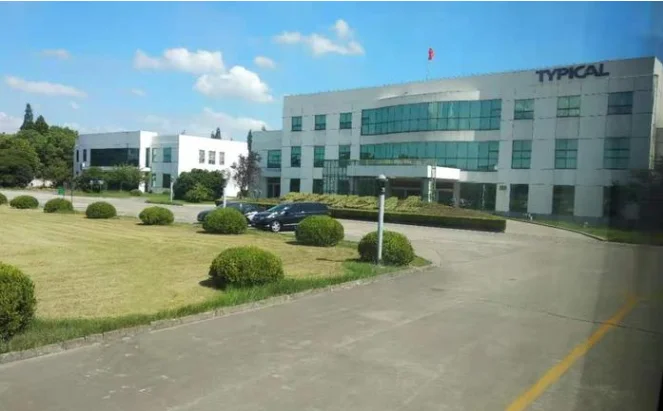
Huaian Baibao International Trade Co., Ltd.
- Manufacturer, Trading Company
- Jiangsu, China
- Lead time5 days
- Avg. response≤ 5h
Main productssewing machine,industrial sewing machine,machine parts,machine tools,folders
Main marketsDomestic Market(30.0%), Northern Europe(20.0%), Eastern Asia(15.0%), Mid East(10.0%), Central America(10.0%), Western Europe(10.0%), Eastern Europe(5.0%)
Foshan Wenmei Machinery Technology Co., Ltd.
- Trading Company, Agent, Distributor/Wholesaler
- Guangdong, China
- Lead time3 days
- Avg. response≤ 7h
Main productsShoe machine,sewing machine,Gluing Machine,Leather making machine,Belts making machine
Main marketsDomestic Market(60.0%), Southeast Asia(15.0%), Eastern Asia(8.0%), Southern Europe(6.0%), Northern Europe(6.0%), Africa(5.0%)
- Manufacturer, Trading Company
- Zhejiang, China
- Lead time30 days
- Avg. response≤ 2h
Main productsembroidery machine spare parts,sewing machine spare parts,yarn scissors,scissors,leather cutting machine
Main marketsDomestic Market(30.0%), Africa(10.0%), Southeast Asia(10.0%), Eastern Asia(10.0%), South Asia(10.0%), Western Europe(5.0%), Eastern Europe(5.0%), Mid East(5.0%), Northern Europe(5.0%), North America(2.0%), South America(2.0%), Southern Europe(2.0%), Oceania(2.0%), Central America(2.0%)
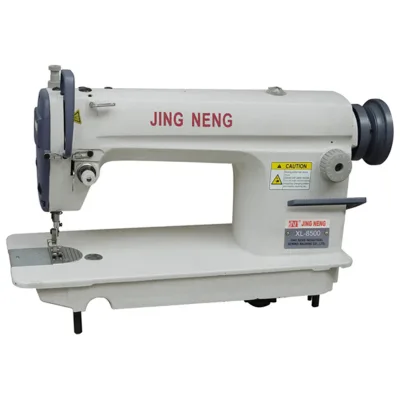
Dongguan Jingneng Machinery Technology Co., Ltd.
- Manufacturer, Trading Company
- Guangdong, China
- Lead time5 days
- Avg. response≤ 3h
Main productsSewing Machine/ Shoes Making Machine/ Handbag Making Machine/ Special Machines/ Customized Machine,post bed machine,360 degree computer sewing machine,shoe sole sewing machine
Main marketsSoutheast Asia(30.0%), Eastern Asia(20.0%), Mid East(12.0%), Domestic Market(10.0%), North America(10.0%), Southern Europe(5.0%), Oceania(5.0%), Western Europe(2.0%), Africa(1.0%), South Asia(1.0%), Eastern Europe(1.0%), South America(1.0%), Northern Europe(1.0%), Central America(1.0%)
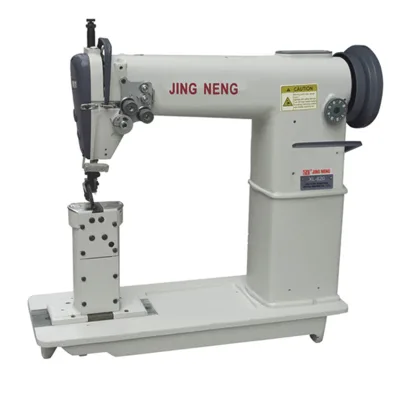
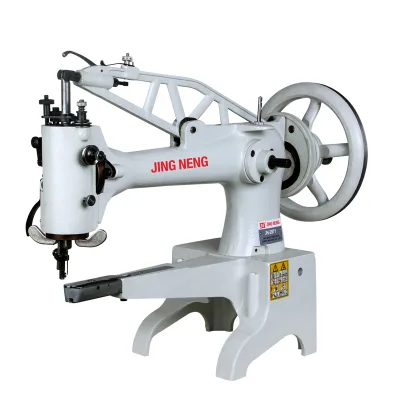
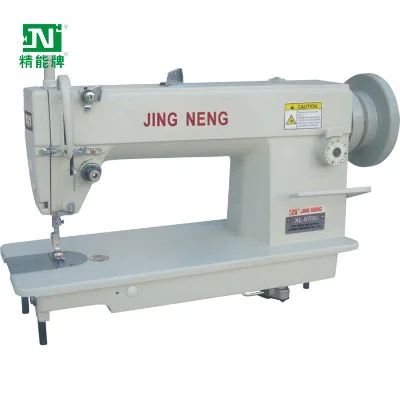
Single Needle Industrial Lockstitch Sewing Machine
Contact supplier
Contact supplier

TAIZHOU FOXSEW SEWING MACHINE CO., LTD.
- Trading Company,Manufacturer/Factory
- China Zhejiang
- Lead time23 days
- Avg. response≤ 11h
Main productsSpecial Sewing Machine, Heavy Duty Sewing Machine, Programmable Pattern Sewing Machine, Mattress Sewing Machine, Shoes Sewing Machine, Zigzag Sewing Machine, Carpet Sewing Machine, Industrial Sewing Machine, Cutting Machine, Tape Cutting Machine
Main marketsSouth America,Eastern Europe,Mid East,North America,Southeast Asia,Eastern Asia,Oceania,Western Europe,Africa

Zhejiang Lingrui Sewing Machine Co., Ltd.
- Verified by SGS
- Combined
- China Zhejiang
- Lead time30 days
- Avg. response≤ 3h
Main productsIndustrial Sewing Machine, Multi Needle Sewing Machine, Interlock Sewing Machine, Overlock Sewing Machine, Automatic Sewing Machine, Lockstitch Sewing Machine, Sewing Machine Spare Parts, Lingrui Sewing Machine
Main marketsSouth America,Others(foreignTradeCapacity.exportBusinessCapacityMarketOther),Southeast Asia/ Mideast,East Asia(Japan/ South Korea),Europe


Automatic 3/4/5/6 Thread Overlock Sewing Machine Auto Trimmer Auto Foot Lift
$150.00 - $1495.00
Moq: 1


Hangzhou New Lifa Import & Export Co., Ltd.
- Trading Company,Manufacturer/Factory
- China Zhejiang
- Lead time0 days
- Avg. response≤ 19h
Main productsIndustrial Sewing Machine, Household Sewing Machine, Cutting Machine, Stand and Table, Motor


Hand Type Single Thread Zigzag Industrial Overlock Walking-Foot Sewing Machine
$100.00 - $200.00
Moq: 30


Zigzag Industrial Overlock Flat-Bed Style Lik Take-up Walking-Foot Sewing Machine
$100.00 - $200.00
Moq: 30


- Trading Company,Manufacturer/Factory
- China Zhejiang
- Lead time30 days
- Avg. response≤ 14h
Main productsFabric, Trimming, Lace, Tape, Zipper, Sewing Thread, Button, Scissors, Garments Accessories, Sewing Machine Parts
Main marketsSouth America,Eastern Europe,Mid East,North America,Southeast Asia,Eastern Asia,Oceania,Western Europe,Africa
Henan Share M&E Equipment Co.,Ltd
- Verified by SGS Group
- Trading Company
- Lead time7 days
- Avg. response≤ 3h
Main productsTextile Machinery, Printing Machinery, Construction Machinery, Wood Machinery
Main marketsNorth America(20%), South America(20%), Eastern Europe(10%)
- Trading Company
- Zhejiang, China
- Lead time0 days
- Avg. response≤ 4h
Main productsSewing machine,Hook/Shuttle hook,Embroidery machine,Presser foot/ Folder,Needle plate
Main marketsEastern Asia(40.0%), South America(20.0%), Southeast Asia(20.0%), South Asia(20.0%)

QUANZHOU KINGKUNG IMP. AND EXP. TRADE CO., LTD.
- Trading Company
- China Fujian
- Lead time30 days
- Avg. response≤ 10h
Main productsShoe Machine, Shoe Machinery, Shoe Mould, Shoe Mold, Shoe Upper, Shoe Sole, Shoe Materials, Shoe Accessories, Shoe Components, Injection Shoe Machine


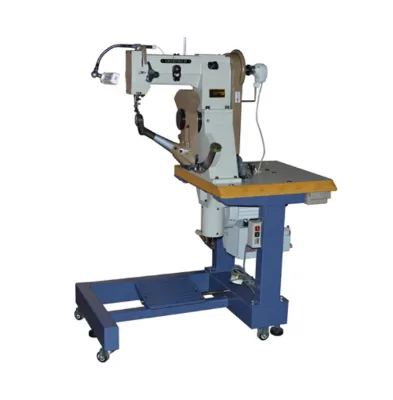
Electronic Adjustable Shoe Sole Edge Pattern Sewing Machine Industrial Machine
$7770.00 - $7870.00
Moq: 1
Shanxi Jingwei Chemical Fiber Machinery Co.,Ltd
- Verified by BV
- Combined
- China Shanxi
- Lead time15 days
- Avg. response≤ 17h
Main productsgear pump
Main marketsOthers(foreignTradeCapacity.exportBusinessCapacityMarketOther),Domestic

Taizhou City Sunsure Import & Export Co., Ltd.
- Trading Company
- China Zhejiang
- Lead time23 days
- Avg. response≤ 8h
Main productsSewing Machine, Embroidery Machine, Laser Cutting Machine, Tape Edge Machine, Quilting Machine, House Use Machine, Cutting Machine, Fushing Machine, Ironing Table, Spare Parts
Main marketsSouth America,Africa,Southeast Asia/ Mideast

Industrial Sewing Machine for Factory
Contact supplier

China Industrial Sewing Machine
Contact supplier

Rambo Sewing Equipment Manufacturing Co., Ltd
- Manufacturer/Factory
- China Jiangsu
- Lead time0 days
- Avg. response≤ 8h
Main productsIndustrial Sewing Machines, Polo Shirt Sewing Machines, T Shirt Sewing Machines, Jeans Sewing Machines, Automatic Sewing Machines
Main marketsSouth America,Eastern Europe,Mid East,North America,Southeast Asia,Eastern Asia,Oceania,Western Europe,Africa

Dongguan Sunfull Numerical Control Technology Co., Ltd
- Verified by TUVRHEINLAND
- Manufacturer/Factory
- China Guangdong
- Lead time38 days
- Avg. response≤ 4h
Main productsCoat Hanger Machine, Hanger Clip Assembly Machine, Customized Machine, Clothes Hanger Machine, Hanger Making Machine
Main marketsSouth America,Eastern Europe,Mid East,North America,Southeast Asia,Eastern Asia,Oceania,Western Europe,Africa


Automatic Sewing Machine Pocket Sewing Machine Auto Industrial Sewing Machine
$9800.00 - $18000.00
Moq: 1

Henan Share M&E Equipment Co., Ltd
- Verified by TUVRHEINLAND
- Trading Company
- China Henan
- Lead time15 days
- Avg. response≤ 4h
Main productsBag Printing Machine, Brick Making Machine, Quilting Machine, Water Well Drilling Rig, Roll Forming Machine
Main marketsSouth America,Africa,Others(foreignTradeCapacity.exportBusinessCapacityMarketOther),Southeast Asia/ Mideast,East Asia(Japan/ South Korea),Domestic,Europe,Australia,North America

Zhengzhou Share Machinery Co., Ltd.
- Verified by BV
- Trading Company,Manufacturer/Factory
- China Henan
- Lead time15 days
- Avg. response≤ 4h
Main productsRoll Forming Machine, Purlin Making Machine, Storage Rack Making Machine, Hydraulic Baler, Brick Making Machine, Quilting Machine, Bag Printing Machine, Soap Stamping Machine, Water Well Drilling Rig, Wax Granules Making Machine
Main marketsSouth America,Eastern Europe,Mid East,North America,Southeast Asia,Eastern Asia,Oceania,Western Europe,Africa
Zhengzhou Dream Machinery Co., Ltd.
- Verified by SGS
- Trading Company
- China Henan
- Lead time15 days
- Avg. response≤ 3h
Main productsquilting machine
Main marketsSouth America,Others(foreignTradeCapacity.exportBusinessCapacityMarketOther),Southeast Asia/ Mideast,North America

Zhengzhou Yize Machinery Co., Ltd.
- Verified by BV
- Trading Company
- China Henan
- Lead time15 days
- Avg. response≤ 3h
Main productsCutting Machine, Quilting Machine, Printing Machine, Brick Making Machine, Fiber Machine, Chaff Cutter, Animail Feed Pellet Machine, Wood Crusher
Main marketsSouth America,Africa

HEBEI BEIBU MACHINERY TECHNOLOGY CO., LTD.
- Verified by SGS
- Trading Company
- China Hebei
- Lead time15 days
- Avg. response≤ 2h
Main productsGrain Cleaning Machine, Agro Cleaning Machine, Sesame Cleaning Machine, Soybean Cleaning Machine, Oil Making Machine, Soybean Oil Machine, Sesame Oil Machine, Peanut Shelling Machine, Peanut Butter Making Machine, Sesame Peeling Machine
Main marketsSouth America,Africa,Southeast Asia/ Mideast,Europe,North America

Ningbo Nathan Machinery Co., Ltd.
- Trading Company,Manufacturer/Factory
- China Zhejiang
- Lead time45 days
- Avg. response≤ 14h
Main productsAluminum Casting, Investment Casting, Die Casting, Sand Casting, Iron Casting, Stainless Steel Casting
Main marketsEastern Europe,North America,Oceania,Western Europe

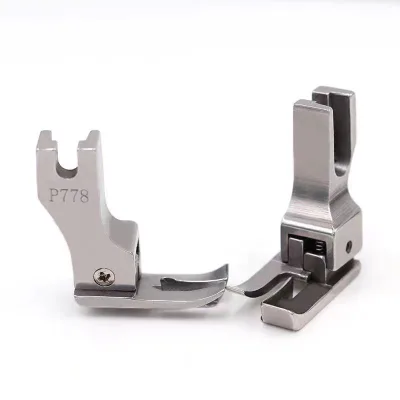
Custom Service OEM ODM Industrial Sewing Machine Accessories Sewing Presser Foot
$0.20 - $0.50
Moq: 500


Changzhou Shanqiu Machinery Equipment Co., Ltd.
- Combined
- China Jiangsu
- Lead time30 days
- Avg. response≤ 6h
Main productsFilter Bag Sewing Machine, Liquid Filter Bag Welding Machine, Filter Cartridge Welding Machine, Pleated Filter Cartridge Welding Machine, High Flow Filter Welding Machine
Main marketsSouth America,Africa,Southeast Asia/ Mideast,East Asia(Japan/ South Korea),Europe,Australia,North America

- Verified by BV
- Combined
- China Zhejiang
- Lead time23 days
- Avg. response≤ 2h
Main productsMachine Part, Fastener, Bolt, Screw, Nut, Rivet, Pin
Main marketsDomestic

Hubei Hongyue Machinery Equipment Co., Ltd
- Verified by TUVRHEINLAND
- Manufacturer/Factory
- China Hubei
- Lead time68 days
- Avg. response≤ 7h
Main productsSewing Machines, Industrial Sewing Machines, Garment Machinery and Equipment, Embroidery Machine, Computerized Sewing Machine, Shoe Sewing Machine, Automatic Sewing Machine, Stitching Machine, Pattern Sewing Machine, Overlock Sewing Machine
Main marketsSouth America,Eastern Europe,Mid East,North America,Southeast Asia,Eastern Asia,Oceania,Western Europe,Africa


Professional High-Speed Sewing Machine with Automatic Oil Supply and Foot Lifter
$899.00 - $1399.00
Moq: 3
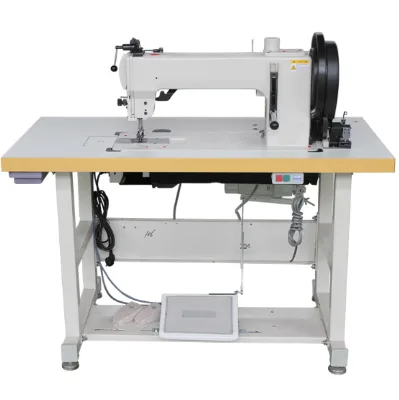
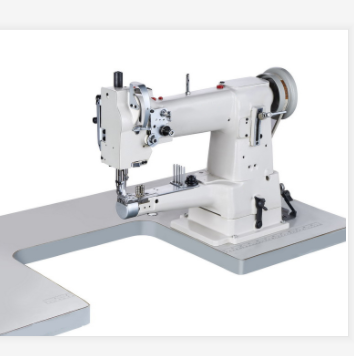
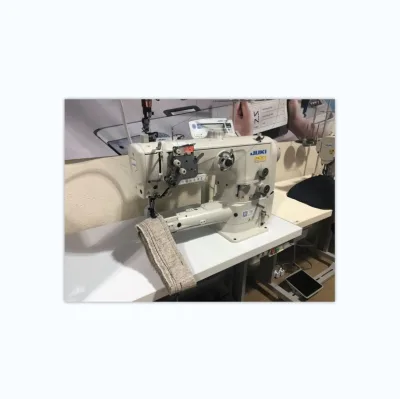
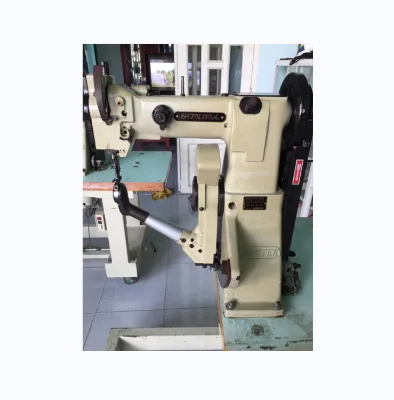




Comprehensive Sourcing Guide
Industrial Walking Foot Sewing Machine Supplier Concentration and Factory Types
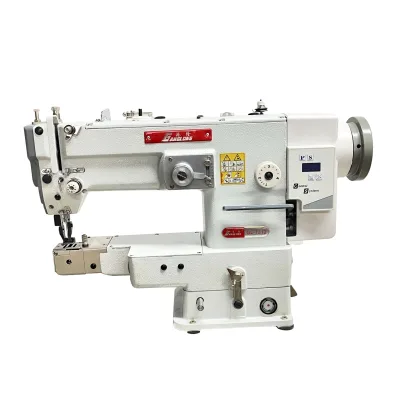
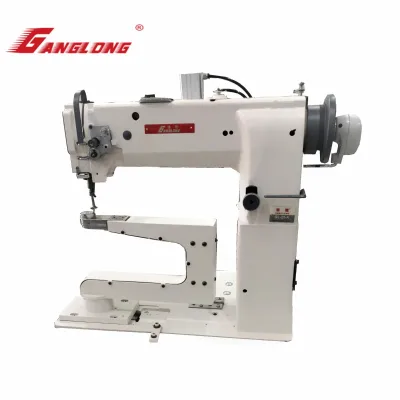
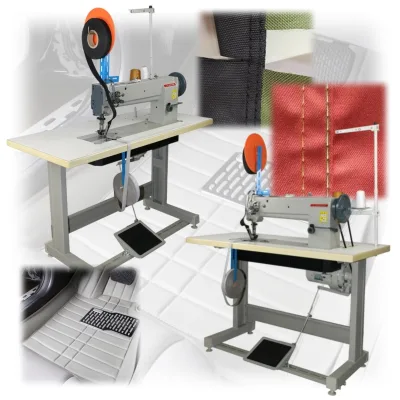
Current data indicates a concentration of Industrial Walking Foot Sewing Machine suppliers within Henan and Jiangsu provinces in China, where specific manufacturers and trading companies operate. These regions host facilities producing diverse machinery, including quilting machines, hydraulic balers, and specialized sewing equipment for leather and shoe industries. Some suppliers in these areas are identified as trading companies, while others function as manufacturers or hybrid entities combining both roles. This mix influences the supply chain structure, as trading companies may aggregate products from various factories, whereas manufacturers control the production process directly. Buyers should note that the presence of a trading company does not preclude direct factory access, but it may affect communication layers and pricing structures.
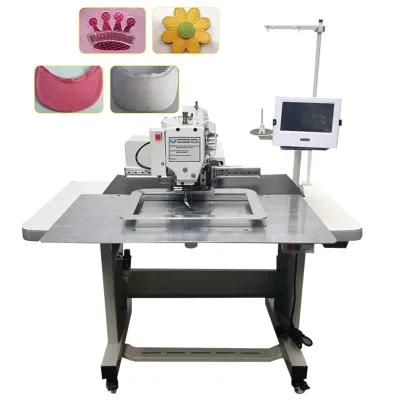
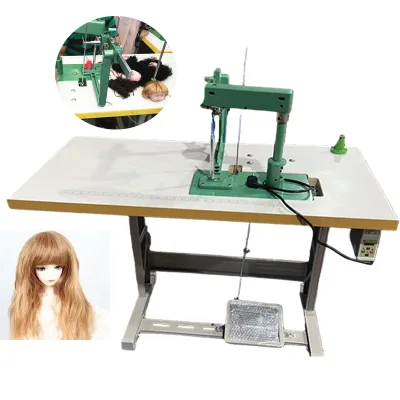
When evaluating supplier types, it is essential to distinguish between pure manufacturers and trading entities based on their declared company type and main product lines. A supplier listing hydraulic cutting machines alongside sewing machinery might be a trading company sourcing from multiple factories, while a supplier focusing solely on shoe machinery or electronic machines could be a specialized manufacturer. The distinction matters for quality control and customization capabilities. Buyers must verify if the supplier's main products align with the specific Industrial Walking Foot Sewing Machine requirements, such as leather bag pattern sewing or doll hair weft sewing. Without explicit confirmation of factory ownership, assumptions about production capacity should be avoided, and direct inquiries regarding manufacturing capabilities are necessary to ensure the supplier can meet specific technical demands.
How to Verify Industrial Walking Foot Sewing Machine Suppliers
Verification of Industrial Walking Foot Sewing Machine suppliers requires a rigorous check of provided product evidence and company credentials. Buyers should prioritize suppliers that offer video outgoing-inspection services and machinery test reports, as these documents provide tangible proof of machine functionality and build quality before shipment. The availability of such reports indicates a commitment to transparency and quality assurance. Additionally, checking the core components listed, such as motors or bearings, helps assess the machine's durability and performance potential. Suppliers claiming high productivity or automatic features should be able to substantiate these claims with detailed specifications and visual evidence of the machinery in operation.
Response time and lead time are critical metrics for verifying supplier reliability and operational efficiency. A supplier with a response time of three days or less suggests a responsive sales team capable of addressing technical queries promptly. Conversely, a lead time of zero or seven days indicates varying production capacities and scheduling flexibility. Buyers must cross-reference these timelines with the supplier's declared location and company type to understand potential logistical delays. It is also vital to confirm the warranty terms, such as a one-year warranty on core components, which reflects the supplier's confidence in their product longevity. Without these verifiable data points, buyers risk engaging with suppliers who may not meet delivery schedules or quality expectations.
What to Compare Across Industrial Walking Foot Sewing Machine Suppliers
Comparing suppliers involves analyzing key dimensions such as price, minimum order quantity, and technical specifications to find the best fit for specific production needs. Price ranges for industrial walking foot sewing machines can vary significantly, with some models listed around 1,599 to 1,696 units of currency, while others may reach 3,600 to 4,000 units depending on features like double-thread capabilities or high-speed operations. The minimum order quantity is another crucial factor, as some suppliers offer single-item purchases, allowing for low-risk trials, while others may require bulk orders. Buyers should evaluate whether the price aligns with the included features, such as ultrasonic capabilities, specific stitch formations, or maximum sewing thickness, to ensure value for money.
Technical specifications and operational parameters provide a deeper layer of comparison beyond basic pricing. Differences in needle types, such as single versus triple needles, and feed mechanisms like walking foot or needle feed, directly impact the machine's suitability for various materials like leather, gloves, or wigs. Maximum sewing speeds, ranging from 200 to 2,500 rpm, and thickness capacities, from 1 mm to 10 mm, determine the machine's versatility and efficiency in different industrial applications. Buyers must also consider the machine's weight, dimensions, and voltage requirements to ensure compatibility with their existing workshop infrastructure. By systematically comparing these attributes, buyers can identify suppliers whose offerings precisely match their production requirements without unnecessary compromises.
Common Industrial Walking Foot Sewing Machine Sourcing Risks
One significant risk in sourcing industrial walking foot sewing machines is the potential mismatch between advertised specifications and actual machine performance. Suppliers may list high-speed capabilities or automatic features that are not fully realized in the delivered product, leading to production bottlenecks. The absence of a machinery test report or video outgoing-inspection increases this risk, as buyers cannot independently verify the machine's condition before purchase. Additionally, discrepancies in core components, such as the type of motor or bearing used, can affect long-term reliability and maintenance costs. Buyers must demand detailed evidence to mitigate the risk of receiving substandard equipment that fails to meet operational expectations.
Another risk involves logistical delays and unclear lead times, which can disrupt production schedules. While some suppliers indicate a lead time of zero or seven days, others may have unlisted delays due to supply chain constraints or production backlogs. The distinction between manufacturer and trading company can also introduce communication gaps, where the trading company may not have direct control over the manufacturing timeline. Furthermore, warranty terms may vary, and a one-year warranty on core components might not cover all potential failures or labor costs. Buyers should clarify these terms explicitly and ensure that the supplier has a robust after-sales support system to address any issues that arise post-delivery, minimizing the impact of potential disruptions.
Industrial Walking Foot Sewing Machine Regional Sourcing and Logistics
Regional sourcing from provinces like Henan and Jiangsu offers access to established manufacturing clusters, but logistics planning must account for specific location-based variables. Suppliers in these regions may have different shipping capabilities and customs procedures, affecting the overall delivery timeline and cost. Buyers should verify the exact place of origin for each machine, as some products may originate from Zhejiang, China, while others come from Jiangsu or Henan. This variation can influence freight costs and transit times, requiring careful coordination with logistics partners to ensure timely delivery. Understanding the regional distribution of suppliers helps buyers anticipate potential delays and plan their inventory management accordingly.
Logistics considerations also extend to the physical dimensions and weight of the machinery, which impact shipping costs and handling requirements. Industrial walking foot sewing machines can weigh between 50 kg and 192 kg, with dimensions ranging from compact handheld units to large flat-bed models measuring over a meter in length. These factors necessitate appropriate packaging and freight arrangements to prevent damage during transit. Buyers should confirm the single package size and gross weight provided by the supplier to calculate accurate shipping quotes. Additionally, the voltage requirements, such as 220V or 220V50Hz, must match the local power infrastructure to avoid the need for costly transformers or electrical modifications upon arrival.
Industrial Walking Foot Sewing Machine Commercial Terms and Order Planning
Commercial terms for industrial walking foot sewing machines include pricing structures, payment methods, and warranty conditions that must be clearly defined before order placement. Prices can range from approximately 1,599 to 4,000 units of currency, depending on the machine's complexity and features. Buyers should negotiate terms that reflect the value of included services, such as video outgoing-inspection or machinery test reports, which add assurance to the purchase. Warranty coverage, typically one year for core components, should be explicitly stated in the contract to protect against premature failures. Understanding these commercial terms helps buyers budget effectively and avoid unexpected costs that could arise from ambiguous agreements.
Order planning requires aligning the supplier's lead time and minimum order quantity with the buyer's production schedule and inventory needs. While some suppliers offer a lead time of zero or seven days, others may have longer production cycles that require advance planning. The minimum order quantity, often set at one unit, allows for flexible ordering but may not be suitable for large-scale procurement. Buyers should assess their demand forecasts and negotiate bulk pricing or expedited shipping options if necessary. Additionally, considering the supplier's response time ensures that any last-minute changes or technical queries can be addressed promptly, maintaining the efficiency of the procurement process and preventing delays in the supply chain.
FAQs
What is the typical lead time for industrial walking foot sewing machines?
The typical lead time observed for these machines is seven days. Some suppliers may offer faster delivery options depending on stock availability. Buyers should confirm specific timelines with the seller before placing an order to ensure production schedules are met without delay.
What is the minimum order quantity for these sewing machines?
The minimum order quantity for industrial walking foot sewing machines is one unit. This allows buyers to purchase single items for testing or small-scale production needs. Bulk discounts may be available for larger orders, but the baseline requirement remains flexible for individual buyers.
Where are these industrial sewing machines typically manufactured?
These machines are typically manufactured in Henan and Jiangsu provinces in China. Some specific models originate from Zhejiang province as well. Buyers should verify the exact place of origin listed on the product page to understand shipping logistics and regional manufacturing standards.
What is the maximum sewing thickness these machines can handle?
The maximum sewing thickness varies by model, ranging from one millimeter to ten millimeters. Specific machines can handle up to seven millimeters or six millimeters depending on the configuration. Buyers must check the product specifications to ensure the machine meets their material thickness requirements.
Do these machines come with a warranty for core components?
Yes, most industrial walking foot sewing machines include a one-year warranty for core components. This coverage typically applies to critical parts like motors and bearings. Buyers should review the specific warranty terms provided by the supplier to understand what is covered and what is excluded.
What is the response time for inquiries from these suppliers?
The response time for inquiries from these suppliers is typically three to seven days. Faster responses are often associated with trading companies, while manufacturers may take slightly longer. Buyers should expect a reply within this window and follow up if no response is received.
Are video outgoing inspections available for these machines?
Video outgoing inspections are provided for many of these industrial sewing machines. This service allows buyers to verify the machine condition before shipment. Buyers should request this inspection to ensure the equipment meets quality standards and is ready for immediate use upon arrival.