IP67 Hidden Car Camera Suppliers and Manufacturers
Explore 10 verified suppliers offering IP67 Hidden Car Camera solutions with varying response times and lead times. Compare dimensions like location, capacity, and product specifications to find the right partner. Contact suppliers directly to request quotes; review the available evidence before requesting comparable quotations from suitable candidates.
Suppliers List

Dongguan kailexin trading co., LTD
- Trading Company
- China Guangdong
- Lead time15 days
- Avg. response≤ 5h
Main productsPower Bank, Bluetooth Speaker, Bluetooth Earphone, Phone Screen Protector, Phone Case, Car Dash Cam, Smart Watch, Smart Glasses, 4G Camera, Phone Holder
Main marketsSoutheast Asia/ Mideast

Shenzhen Ease-Way Tech. Co., Ltd.
- Verified by SGS
- Trading Company
- China Guangdong
- Lead time30 days
- Avg. response≤ 11h
Main productsCar Camera
Main marketsSoutheast Asia/ Mideast,East Asia(Japan/ South Korea),North America

Sunrise Security Technology Co., Ltd.
- Trading Company
- China Guangdong
- Lead time15 days
- Avg. response≤ 5h
Main productsCCTV Security Camera, DVR, WiFi IP Camera, 4G SIM Card Solar Panel Camera, WiFi Doorbell, Vehicle Mobile DVR, Car Camera, Car Camcorder, IP Camera, Video Security Camera
Main marketsSouth America,Africa,Australia

Mingshang Technology Co., Ltd.
- Manufacturer/Factory,Group Corporation
- China Guangdong
- Lead time23 days
- Avg. response≤ 4h
Main productsRear View Camera, Mobile DVR, Rear View System, Wireless Camera System, Vehicle Safety System, Ai Camera, 360 Camera System, Adas, DMS, Bsd
Main marketsEastern Europe,North America,Western Europe

Shanghai Anma Industry Co., Ltd.
- Trading Company
- China Shanghai
- Lead time30 days
- Avg. response≤ 4h
Main productsCar Accessories, Car Spare Parts, Car Tools, Car Interior Accessories, Car Exterior Accessories, Car Electrical Accessories, Car Lights, Car Mirror, Car Emergency Kits, Car Care Products
Main marketsSouth America,Others(foreignTradeCapacity.exportBusinessCapacityMarketOther),Southeast Asia/ Mideast,Europe,North America

Further Technology (Dongguan) Co., Limited
- Verified by TUVRHEINLAND
- Combined
- China Guangdong
- Lead time15 days
- Avg. response≤ 5h
Main productsMobile DVR, Car Camera
Main marketsSouth America,Southeast Asia/ Mideast,East Asia(Japan/ South Korea),Domestic,Europe,Australia,North America


Thermal Camera Black Box Vehicle Vehicle Rear View/Reverse Camera System
$16.00 - $17.00
MOQ: 2 Pieces


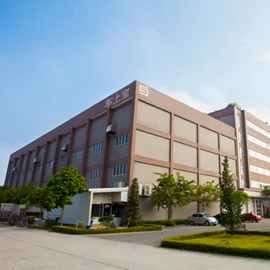
Guangzhou Carsanbo Technology Limited
- Manufacturer, Trading Company
- Guangdong, China
- Lead time15 days
- Avg. response≤ 4h
Main productsCar Camera,Car 2din MP5,360 Surround view DVR system,Rearview monitor,stand alone monitor
Main marketsSouth America(20.00%), Southern Europe(20.00%), Western Europe(10.00%), Mid East(10.00%), Northern Europe(10.00%), Africa(10.00%), Domestic Market(5.00%), South Asia(5.00%), North America(5.00%), Oceania(5.00%)
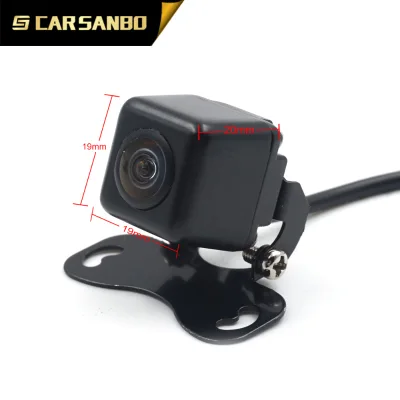
CAM223 Mini Hidden Car Camera with PC7070 Chip
$15.84 - $19.80
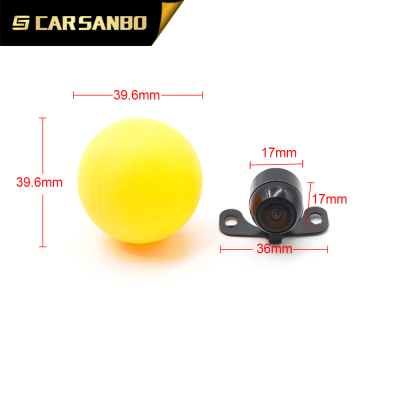

- Combined
- China Guangdong
- Lead time15 days
- Avg. response≤ 12h
Main productsRear View Camera, Reversing Camera System, Car LCD Monitor, Blind Spot Detect System, Mobile DVR, Rearview Camera System, Backup Camera, 360 Degree Surround System, IP Camera
Main marketsSoutheast Asia/ Mideast,Europe,North America

- Trading Company,Manufacturer/Factory
- China Guangdong
- Lead time0 days
- Avg. response≤ 4h
Main productsCar Camera, Rear View Camera, Vehicle Camera, Reversing Camera, Mdvr, Brake Light Camera, Bus Camera, Truck Camera, TFT LCD Monitor Screen, Ahd Camera
Main marketsEastern Europe,Mid East,Oceania,Western Europe
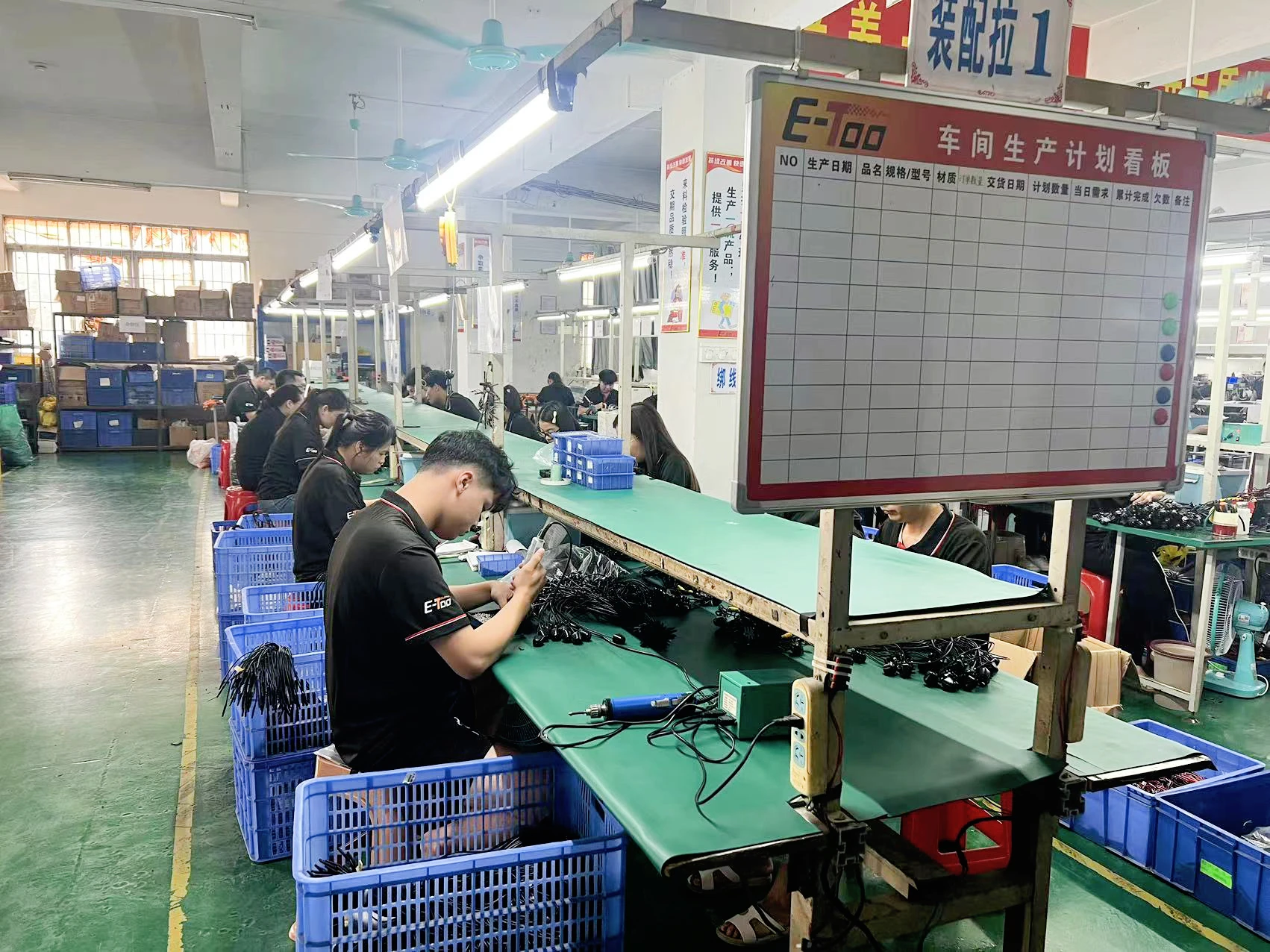
Guangzhou YSD Technology & Electronics Co., Ltd.
- Manufacturer, Trading Company
- Guangzhou, China
- Lead time35 days
- Avg. response≤ 7h
Main productsCar camera/ 360 Brid view system car camera/ Car android player/ USB Wifi DVR/ Parking sensor
Main marketsSouth Asia(18.00%), South America(18.00%), North America(12.00%), Northern Europe(10.00%), Southern Europe(8.00%), Africa(5.00%), Mid East(5.00%), Oceania(2.00%), Western Europe(2.00%), Central America(2.00%), Eastern Europe(2.00%), Southeast Asia(1.00%)


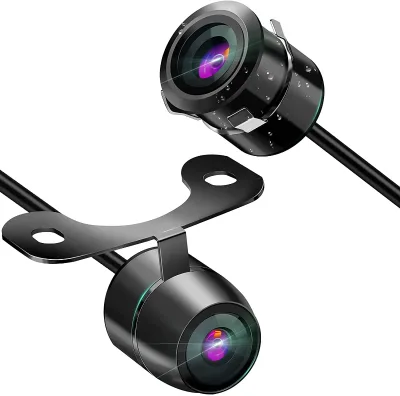
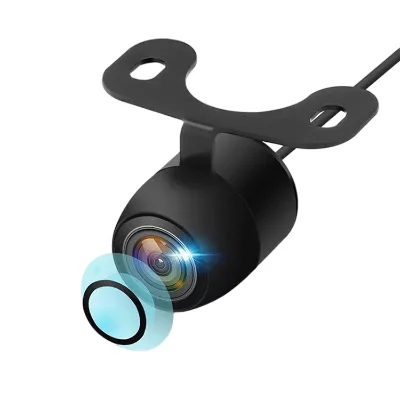
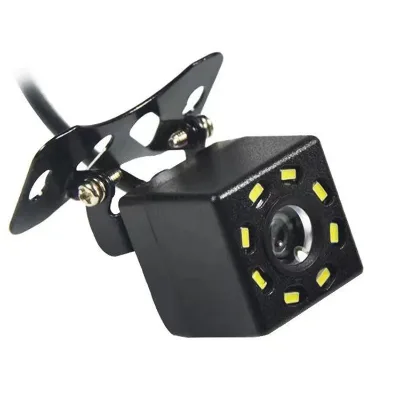
Comprehensive Sourcing Guide
IP67 Hidden Car Camera Supplier Concentration and Factory Types
When searching for an IP67 Hidden Car Camera, buyers should first understand how this category is organized on B2B platforms. Supplier results for this keyword are concentrated in China, with Guangdong appearing as the listed province for companies in the results. Guangdong is a well-known electronics manufacturing region, and the supplier pool here includes both trading companies and manufacturers with ODM and OEM capabilities. Buyers should not assume that every listing labeled a hidden camera comes from the same type of operation; trading companies often list multiple vehicle electronics lines such as dash cams, car DVR units, and rear-view cameras, while specialist suppliers focus on CCTV, mobile DVR, and vehicle camera hardware.
To identify clusters beyond the supplied location data, buyers should examine where repeated product categories and company registrations overlap. If a platform result does not display a location, check the company profile, product origin attributes, and shipping origin fields before assuming a manufacturing base. The current results show a wide main-product mix among Guangdong-based listings—power banks, Bluetooth speakers, smart watches, and phone accessories alongside car cameras—which suggests diversified trading firms rather than dedicated camera factories. Hidden camera buyers wanting factory-direct sourcing should prioritize suppliers whose main products are vehicle cameras, CCTV security cameras, or car camcorders, and confirm factory status through a business license check or a third-party audit before committing to samples or a pilot order.
How to Verify IP67 Hidden Car Camera Suppliers
Verification starts with platform-level signals and ends with direct documentation. In the current supplier results, at least one company displays third-party verification, specifically an SGS verification badge, which indicates that a recognized inspection body has reviewed the company's registration and site information. Buyers should treat verification badges as a starting filter rather than proof of product quality, and should still request the supplier's business license, export history, and factory address. Response time is another verifiable metric visible on results pages; suppliers in this category show average response speeds ranging from under five hours to more than ten hours, which helps buyers set realistic expectations for communication during development.
After reviewing displayed credentials, buyers should verify product claims directly against samples. The results show customization marked as available on several car camera listings, so request written confirmation of IP67 ingress protection testing for the exact hidden camera model, including the housing, cable gland, and lens seal. Ask for the IP test report or witness testing at an independent lab, because hidden cameras are often embedded behind trim where water exposure is plausible. Additional verification steps include confirming the listed camera chip type—CCD or CMOS appears in current results—checking the waterproof grade claimed per model, and confirming whether the supplier is a trading company or manufacturer. Request references from other vehicle-electronics buyers, and verify consistency between the supplier's product category listings and the specific IP67 hidden camera model quoted.
What to Compare Across IP67 Hidden Car Camera Suppliers
Build a comparison matrix using the attributes displayed on supplier and product pages. Useful supplier-level dimensions in this category include location, company type, main products, verification status, average response time, and stated lead time. Current results show lead times of roughly 15 days for one Guangdong trading company and 30 days for an SGS-verified supplier offering ODM and OEM services, and response times ranging from about 4.4 to 10.6 hours. Faster response does not automatically mean better quality, but long response delays compound over a development cycle that includes samples, IP testing, and pre-production confirmation, so weight this metric heavily.
At the product level, compare shooting angle, pixel count, video resolution, waterproof grade, chip type, power supply, and memory card support. Current listings show dash cameras with 170-degree and 120-degree shooting angles, 12 million and 2 million pixel ratings, high-definition and normal-definition resolution tiers, and waterproof grades of IP66 and IP68 on vehicle rear and surveillance cameras, alongside models marketed specifically as hidden or mini units. Note that a display of IP68 on one model does not guarantee IP67 on the hidden model quoted. Also compare customization availability, packaging standards, and whether the supplier offers related products such as dash cams, car DVRs, and CCTV cameras, which indicates category depth. Record MOQ and price ranges per model so quotes can be normalized across suppliers.
Common IP67 Hidden Car Camera Sourcing Risks
The most common risk in this category is ingress-protection overstatement. A listing may describe a camera as waterproof, night-vision capable, or suitable for trucks and RVs without specifying an IP rating at all; current results include models with IP66 and IP68 grades but also models where no grade is shown. For a hidden camera installed behind bumpers, mirrors, or grille panels, ask specifically whether IP67 has been tested and documented for the quoted model, not just for a sibling product. Closely related is the risk of confusing product families: results show car reversing aids, dash cameras, wireless cameras, and rear-view cameras in adjacent listings, and buyers can accidentally order a reversing aid when they intended a concealed front-view recorder.
Second, watch for supplier-type mismatches. Several listed companies are trading companies with broad consumer-electronics catalogs, which can mean longer resolution times for technical defects and limited control over factory production changes. Hidden cameras also carry installation risks: cable length, connector type (air plug interfaces appear in results), and power supply compatibility such as 12V car power must match the target vehicle platform. Additional risks include low pixel counts being marketed as high-definition, SD card capacity limits such as 32GB ceilings that constrain recording duration, and minimum order quantities that do not match a trial program—results show MOQs ranging from 1 unit to 100 units. Finally, long lead times on customized hidden models can delay vehicle program launches, so confirm the timeline in writing before tooling.
IP67 Hidden Car Camera Regional Sourcing and Logistics
The supplied results point to Guangdong, China, as the listed sourcing region for this category, and this concentration matters for logistics planning. Sourcing from a single region simplifies sample consolidation, factory visits, and combined shipments when a buyer orders related products such as dash cams, rear-view cameras, and car DVRs from the same area. Buyers should confirm the exact city and factory address within the province, since supplier density there ranges from large manufacturing plants to trading offices that subcontract production. If a supplier profile does not show a location, treat that as a gap to close during due diligence rather than assuming a regional base.
On the logistics side, plan around the stated production lead times in the results, which range from about 15 to 30 days before shipment. Hidden cameras are compact, but packaging matters: listings show standard packing and colored-box packing options, and buyers shipping internationally should specify protective inner packaging, desiccant considerations for humid transit routes, and carton drop testing. Sea freight suits full carton volumes, while air or express shipping is practical for samples and small pilot batches given the low unit weight of miniature cameras. Ask each supplier which incoterms they support and whether they can export directly from Guangdong ports. Verify whether product origin labeling—for example, "Made in China" as shown in product attributes—matches destination-market requirements, and confirm battery-related restrictions are irrelevant for wired camera models.
IP67 Hidden Car Camera Commercial Terms and Order Planning
Commercial terms in this category are accessible and varied based on the current results. Quoted price ranges for car camera products span roughly 5 to 29 dollars per unit at the low end of the category, with a specific waterproof CCTV rear-view camera listed between 16 and 21 dollars and a mini WiFi night-vision model around 12.2 to 12.8 dollars. Use these ranges as orientation only—hidden-camera pricing depends on resolution, chip set, and waterproofing level—and request itemized quotes separating camera hardware, cable and connector, packaging, and customization fees. Minimum order quantities in the results range from 1 unit to 100 units, so buyers can plan a sampling-to-pilot progression without excessive initial commitment.
Order planning should sequence payment protection, production, and inspection. Ask whether the platform supports escrow or secure payment, and if not, structure payment with a small deposit and balance after pre-shipment inspection. Confirm the lead time in the purchase contract—15 and 30 day figures appear in results, but customized hidden models often take longer—plus consequences for delays. Specify the exact IP67 requirement, shooting angle, pixel count, and video resolution in the specification sheet attached to the purchase order, since customization is listed as available and verbal agreements rarely survive production. Plan a first article inspection, then a pre-shipment inspection on the pilot batch, and retain golden samples. Finally, agree on warranty terms, spare-part availability, and reordering lead times so repeat orders do not stall a vehicle program.
Word count check: sections approximately 228, 231, 232, 230, 229, 232 = ~1382 words total.
FAQs
What is the price range for hidden car cameras?
Hidden car cameras are available with prices ranging from 5.00 to 29.00 dollars per unit. Some specific models like the F168 Hidden WiFi Night Vision Car Camera have a narrower range between 12.20 and 12.80 dollars. Buyers should check specific product listings for exact pricing details.
What are the minimum order quantities for these cameras?
The minimum order quantity for most hidden car cameras is 100 units. However, certain models like the IP66 Water Resistant CCTV Car Rear View Camera allow for a minimum order of just 1 unit. Buyers need to verify the specific MOQ for each product variant before placing an order.
How long does it take to receive the products?
Lead times for hidden car cameras vary between 15 and 30 days depending on the supplier and order volume. Some suppliers offer a lead time of 15 days, while others may require up to 30 days for production and shipping. Buyers should confirm the exact delivery schedule with the supplier.
Are these cameras waterproof and suitable for outdoor use?
Yes, many hidden car cameras feature waterproof ratings such as IP66 or IP68, making them suitable for outdoor and vehicle use. Specific models include functions like night vision, dustproof, and shockproof capabilities. Buyers should verify the waterproof grade and function list for their specific application needs.
What is the response time for supplier inquiries?
Supplier response times for hidden car camera inquiries range from 4.37 to 10.60 hours. Some suppliers respond quickly within 4.37 hours, while others may take up to 10.60 hours. Buyers should expect a response within this timeframe when contacting suppliers for product details or quotes.
Can these cameras be customized for specific needs?
Customization is available for many hidden car camera models, allowing buyers to tailor features like memory size or shooting angle. Specific attributes such as SD Card Memory Size and Shooting Angle can often be adjusted. Buyers should confirm customization options and any associated costs with the supplier directly.
Where are these car cameras manufactured?
These hidden car cameras are manufactured in China, specifically in the Guangdong region. The product origin is listed as China for various models including the Car Camera and Waterproof Car Camera. Buyers should verify the specific manufacturing location and any relevant certifications for their sourcing requirements.