IP67 Sport Smart Watch Suppliers and Manufacturers
Source 13 verified suppliers for IP67 Sport Smart Watch units. Compare dimensions like lead times, MOQs, certifications, and response rates to find the right partner. Contact suppliers directly to request quotes and samples; review the available evidence before requesting comparable quotations from suitable candidates.
Suppliers List

Huizhou Simba Technology Co., Ltd.
- Verified by CTI
- Manufacturer/Factory
- China Guangdong
- Lead time15 days
- Avg. response≤ 8h
Main productsSmart Sweeping Robot, Ai Glasses, 4G Smart Watch, Smart Watch, Bluetooth Earphone, Charger, Cable, Bluetooth Speaker, Microphone
Main marketsSouth America,Eastern Europe,Mid East,North America,Southeast Asia,Eastern Asia,Oceania,Western Europe,Africa


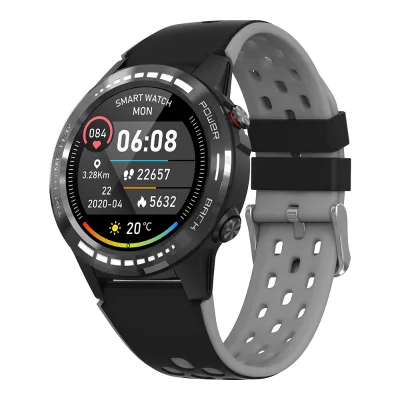
Smart Watch with Blood Pressure and Heart Rate Sport Fitness Control Bracelet
$11.53 - $11.93
Moq: 100


Shenzhen Yangsheng Technology Co., Ltd.
- Verified by TUVRHEINLAND
- Manufacturer/Factory
- China Guangdong
- Lead time15 days
- Avg. response≤ 12h
Main productsSmart Watch, Smart Ring, Smartwatches, Watch, Ring, LED, LED Lighting, LED High Bay Light, LED Light, Solar LED Light
Main marketsSouth America,Eastern Europe,Mid East,North America,Southeast Asia,Eastern Asia,Oceania,Western Europe,Africa


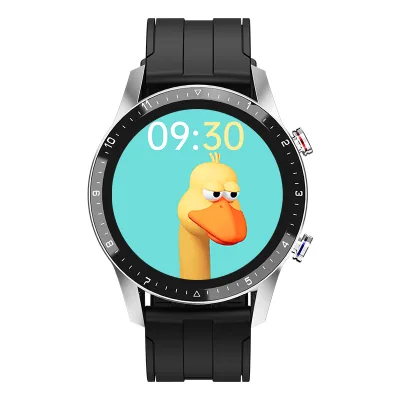
Factory Price Touch Screen Sport Smart Watch Waterproof Health Monitoring Smart Watch
$1.00 - $12.80
Moq: 100


Guangzhou Wonderfone International Co., Ltd.
- Verified by CTI
- Trading Company
- China Guangdong
- Lead time15 days
- Avg. response≤ 18h
Main productsMobile Phone LCD, Mobile Phone Accessories, Wireless Power Bank, Power Bank, Mobile Phone Case, Mobile Phone Silicone Case, Unlock Boxes, Tempered Glass, Mobile Phone Charger, Mobile Phone Holder
Main marketsSouth America,Europe,North America

Ningbo General Union Co., Ltd.
- Trading Company
- China Zhejiang
- Lead time23 days
- Avg. response≤ 15h
Main productsTable Lamp, Heat Press Machine, Home Appliance, Alarm Clock, Fans, Night Light, Solar Light, Kitchen Appliance, Pet Product, Sport Equipment
Main marketsSouth America,Eastern Europe,Mid East,North America,Southeast Asia,Eastern Asia,Oceania,Western Europe,Africa
Shenzhen Kingstar Electronic Commerce Co., Ltd.
- Manufacturer, Trading Company
- Guangdong, China
- Lead time15 days
- Avg. response≤ 4h
Main productsEarphone,Personal Care,Massage Gun,Speaker,Smart Watch
Main marketsNorth America(50.0%), Northern Europe(20.0%), Eastern Europe(10.0%), Eastern Asia(10.0%), Oceania(10.0%)

Shenzhen Ainville Electronics Co.,Ltd.
- Verified by SGS
- Trading Company
- China Guangdong
- Lead time15 days
- Avg. response≤ 11h
Main productsEarphone, Phone, Headphone, Wireless Earbud, Bluetooth Earphone, Mobile Phone Accessory, Bluetooth Headphone, Accessory, Mobile Phone Case, Rechargeable Battery
Main marketsSoutheast Asia/ Mideast,Europe,North America


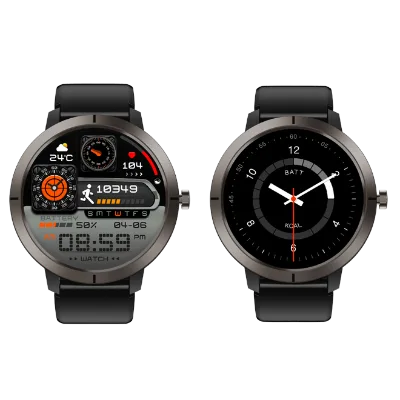
2023 New Hot Sell Sport Smart Watch Y68s IP67 Waterproof with Heart Rate Monitor
$1.70 - $3.20
Moq: 10

GuangZhou Ronc Electronic Technology co.,LTD
- Verified by TUVRHEINLAND
- Manufacturer/Factory,Group Corporation
- China Guangdong
- Lead time15 days
- Avg. response≤ 5h
Main productsBlank CD DVD, Power Bank, USB Flash Drive, Portable Power Station, Memory Card, Smart Ring, Earphone, Hard Drive, CD DVD Duplicator, Mini PC
Main marketsSouth America,Eastern Europe,Mid East,North America,Southeast Asia,Eastern Asia,Oceania,Western Europe,Africa

- Verified by SGS
- Trading Company
- China Zhejiang
- Lead time15 days
- Avg. response≤ 12h
Main marketsOthers(foreignTradeCapacity.exportBusinessCapacityMarketOther),North America

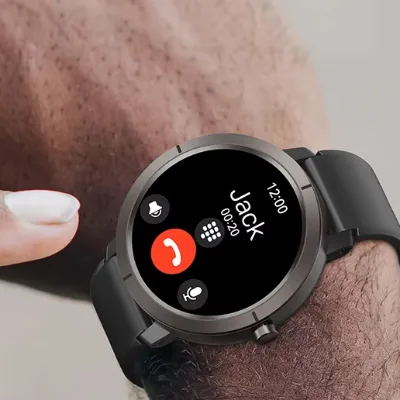
Sport Electronic Watches Hot New Smart Electronic Watch Health Monitoring Call
$18.90 - $21.13
Moq: 50


- Verified by TUVRHEINLAND
- Trading Company
- China Zhejiang
- Lead time15 days
- Avg. response≤ 10h
Main productsSport Wear, Yoga Pants, Sports Bra, Sports Cap, Waist Bag, Sports Sock, Sports Towel, Quick Dry Clothes, Yiwu Buying Agent, Sourcing Agent
Main marketsSouth America,Europe,North America

Quanzhou E-Best International Trade Co., Ltd.
- Verified by BV
- Trading Company
- China Fujian
- Lead time30 days
- Avg. response≤ 7h
Main productsBluetooth Speaker, Phone Case, Power Bank, Beauty Device, Portable Projector, IP Poe Camera, Mouse, Air Fryer, Razors, Wireless Headphones
Main marketsNorth America


Smart Watch Outdoor Smart Watch New Sports Watch Heart Rate Monitoring Sports
$21.00 - $24.20
Moq: 1000
Shenzhen Domino Times Technology Co., Ltd.
- Manufacturer
- Guangdong, China
- Lead time5 days
- Avg. response≤ 4h
Main productsSmart Watches,Smart Bracelets
Main marketsSouthern Europe(18.0%), Western Europe(17.0%), North America(15.0%), South Asia(5.0%), Eastern Europe(5.0%), Northern Europe(5.0%), Central America(5.0%), South America(5.0%), Eastern Asia(5.0%), Mid East(5.0%), Oceania(5.0%), Africa(5.0%), Southeast Asia(5.0%)

Shandong Kaer Electric Co., Ltd.
- Verified by SGS
- Combined
- China Shandong
- Lead time45 days
- Avg. response≤ 3h
Main productsFixed Wireless Phone, 5g CPE, Android Video Phone, 4G CPE, Payphone
Main marketsSouth America,Southeast Asia/ Mideast,Europe,North America

Yuanzhou Wisdom (Shenzhen) Technology Co., Ltd.
- Manufacturer/Factory
- China Guangdong
- Lead time0 days
- Avg. response≤ 2h
Main productsHeadphones, Ai Glasses, Action Camera, Watch






Comprehensive Sourcing Guide
IP67 Sport Smart Watch Supplier Concentration and Factory Types
The available data indicates a concentration of manufacturing capabilities within China Guangdong, a region known for its dense electronics supply chain. This location hosts factories capable of producing a wide array of smart wearable devices, including smart watches, smart rings, and various LED lighting solutions. The presence of manufacturers and factories in this specific area suggests a mature ecosystem for sourcing electronic components and assembling finished goods like the IP67 Sport Smart Watch. Buyers should prioritize verifying the physical address of potential partners to confirm they operate within this established industrial cluster, as proximity to component suppliers often influences production speed and cost efficiency.
Factory types in this sector vary, with many entities operating as manufacturers, factories, or companies offering OEM, ODM, and own-brand services. Some suppliers list capabilities for customizing products with specific branding, while others focus on standard models like the K21 or SK10 series. The main product lists often include diverse categories such as smart sweeping robots, AI glasses, and Bluetooth earphones alongside the core smart watch offerings. This diversification indicates that many facilities are multi-product manufacturers rather than single-line specialists. Buyers must distinguish between pure manufacturers and trading companies by examining the company type field, ensuring they engage with entities that possess direct production control over the IP67 Sport Smart Watch assembly lines.
How to Verify IP67 Sport Smart Watch Suppliers
Verification of supplier credibility relies heavily on third-party audit reports and specific certification badges provided in the supplier profile. The current data shows that some suppliers hold CTI verification status, while others display TUVRHEINLAND certification. These distinct verification bodies indicate different levels of scrutiny regarding factory audits and product quality standards. Buyers should explicitly request to see the full audit reports associated with these badges to understand the scope of the inspection, particularly regarding the factory's ability to meet the IP67 waterproof rating and other safety standards. Relying solely on the presence of a badge without reviewing the underlying documentation can lead to misjudging the actual quality control processes in place.
Beyond external verification, buyers must assess the supplier's response time and communication reliability as indicators of operational stability. The observed response times in the dataset range from approximately 7.48 to 11.37, which serves as a metric for how quickly a supplier engages with inquiries. A faster response time often correlates with a more active sales team and better project management capabilities. Additionally, checking for ISO 9001 system certification provides evidence of a structured quality management system. Buyers should verify that the specific factory unit they are dealing with holds these certifications, as corporate-level certifications do not always guarantee that every production line adheres to the same rigorous standards required for durable sport electronics.
What to Compare Across IP67 Sport Smart Watch Suppliers
When evaluating multiple sources, the primary comparison points should include lead times, minimum order quantities, and pricing structures. The data reveals lead times of around 15 days for certain product lines, which is a critical factor for inventory planning. Minimum order quantities vary significantly, with some listings showing an MOQ of 100 units while others, such as specific smart bracelet models, list an MOQ of 50. Buyers must align these thresholds with their own budget and storage capacity, noting that lower MOQs might come with higher per-unit costs. Comparing the price ranges, which span from approximately $2.40 to $42.00 depending on the model and features, helps in identifying suppliers that fit specific margin requirements without compromising on essential specifications like the IP67 rating.
Product specifications and customization options form another critical layer of comparison. The available product attributes show variations in display technology, ranging from IPS to AMOLED screens, and battery capacities from 90mAh to 680mAh. Some models support Bluetooth calling and advanced health monitoring, while others focus on basic fitness tracking. Buyers should compare the specific attributes of the IP67 Sport Smart Watch, such as the screen resolution, material composition, and operating system compatibility. Furthermore, the availability of customization services, including branding and packaging, varies by supplier. Ensuring that the supplier can accommodate specific design changes or branding requirements is essential for creating a unique market offering.
Common IP67 Sport Smart Watch Sourcing Risks
One significant risk involves the discrepancy between advertised waterproof ratings and actual performance under stress. While many products list an IP67 or IP68 rating, the durability of this seal depends heavily on the manufacturing process and quality control. Buyers must verify that the supplier has a history of passing rigorous waterproof testing, as a failure in this area can lead to high return rates and reputational damage. The presence of certifications like CE and RoHS is a positive indicator, but these do not automatically guarantee long-term water resistance in real-world sports scenarios. It is crucial to request specific test reports for the waterproofing feature before finalizing any order.
Another risk relates to the consistency of component quality and the reliability of the supply chain. The data shows a mix of battery capacities and memory configurations, such as 2+16GB or 3+32GB options. Inconsistent sourcing of internal components can lead to batch-to-batch variations in performance. Additionally, the response time of the supplier can impact the ability to resolve issues quickly. If a supplier has a slower response time, delays in addressing production defects or shipping issues can escalate into significant operational problems. Buyers should assess the supplier's track record for handling post-sales support and their ability to maintain consistent quality across large production runs to mitigate these risks effectively.
IP67 Sport Smart Watch Regional Sourcing and Logistics
Sourcing from the identified region of China Guangdong offers logistical advantages due to the established infrastructure for exporting consumer electronics. The proximity of suppliers to major ports facilitates efficient shipping, which is vital for maintaining the 15-day lead times observed in the data. However, buyers must account for the specific logistics requirements of electronic goods, including proper packaging to prevent damage during transit. The product attributes indicate that items are often packed in gift boxes, which must be robust enough to withstand international shipping conditions. Understanding the shipping routes and transit times from this specific region helps in planning inventory replenishment cycles accurately.
Logistics planning also involves considering the impact of regional regulations and customs procedures. Suppliers in China Guangdong are accustomed to exporting to global markets, but buyers should verify that the supplier handles all necessary export documentation correctly. The presence of certifications like ISO 9001 suggests that the supplier is familiar with international standards, which can streamline the customs clearance process. Buyers should also evaluate the supplier's experience with different shipping methods, such as air freight for urgent orders or sea freight for cost efficiency. Ensuring that the supplier can provide accurate shipping estimates and handle any potential delays is essential for maintaining a smooth supply chain for Ip67 sport smart watches.
IP67 Sport Smart Watch Commercial Terms and Order Planning
Commercial terms for these products often include specific payment structures and delivery conditions that must be clearly defined. The data indicates a range of prices, suggesting that volume discounts or tiered pricing may be available. Buyers should negotiate terms that align with their cash flow, considering the MOQ requirements which can range from 50 to 100 units. It is also important to clarify the delivery timeline, as the observed lead time of 15 days is a baseline that can be affected by order volume or customization needs. Establishing clear expectations regarding production schedules and shipping dates prevents misunderstandings and ensures timely delivery of the IP67 Sport Smart Watch inventory.
Order planning requires a strategic approach to managing inventory levels and forecasting demand. Given the variability in product features and pricing, buyers should plan for a diverse product mix to cater to different market segments. The availability of customization options allows for tailored orders, but this requires advance planning to accommodate the additional production time. Buyers should also consider the standby time and battery life of the products, as these factors influence customer satisfaction and return rates. By carefully analyzing the product attributes and supplier capabilities, buyers can create a robust order plan that balances cost, quality, and delivery speed to maximize the success of their IP67 Sport Smart Watch business.
FAQs
What is the price range for IP67 sport smart watches?
Prices for IP67 sport smart watches typically range from $2.40 to $42.00 per unit. The cost varies significantly based on features, display type, and battery capacity. Buyers can find budget-friendly fitness trackers starting around $2.40 or premium models with AMOLED displays near $42.00. Always verify the specific unit price and minimum order quantity with the supplier before placing an order.
What is the minimum order quantity for these watches?
The minimum order quantity varies by model, generally ranging from 50 to 100 units. Some basic fitness bands require a minimum of 50 pieces, while more advanced smart watches often require 100 units. This flexibility allows buyers to test market demand with smaller initial orders. Confirm the exact MOQ for your selected model directly with the manufacturer to ensure compliance.
How long does production take for these orders?
Standard production lead times for these smart watches are approximately 15 days. This timeframe allows for manufacturing, quality control, and preparation for shipment. Buyers should account for this duration when planning inventory replenishment or product launches. Expedited shipping options may be available for urgent orders, but the base production time remains around 15 days for most suppliers.
Are customization options available for these smart watches?
Yes, customization is available for most IP67 sport smart watches. Suppliers offer OEM and ODM services, allowing for custom branding, packaging, and specific feature configurations. Buyers can often choose between different strap materials, display types, and memory capacities. This flexibility supports private labeling and tailored product specifications to meet specific market requirements or brand identity needs.
What certifications do these smart watches hold?
Many of these smart watches hold CE and RoHS certifications, ensuring compliance with international safety and environmental standards. Some suppliers also maintain ISO 9001 system certification for quality management. These certifications indicate adherence to rigorous manufacturing processes and product safety regulations. Buyers should request valid certification documents from the supplier to verify compliance for their target markets.
What is the typical response time from suppliers?
Supplier response times typically range from 7.48 to 11.37 hours. This indicates a moderate level of responsiveness for initial inquiries and quotations. Buyers can expect replies within half a day to less than half a day. Faster response times are often associated with verified manufacturers. Prompt communication helps streamline the sourcing process and clarifies product details efficiently.