Portable Compressor Car Fridge Suppliers and Manufacturers
Source 23 verified suppliers for Portable Compressor Car Fridge units. Compare lead times, MOQs, certifications, and response speeds to find the right partner. Filter results by location and capacity to streamline your procurement process; review the available evidence before requesting comparable quotations from suitable candidates.
Updated
Suppliers List
Qingdao D & E International Trade Co., Ltd.
- Verified by TüVRheinland
- Trading Company
- Lead time20 days
- Avg. response≤ 2h
Main productsTruck Air Conditioners, Parking Diesel Heaters, Heater Parts, Water Pumps, Wheel/Axle Cover
Main marketsEastern Europe(30%), North America(29%), Oceania(10%)
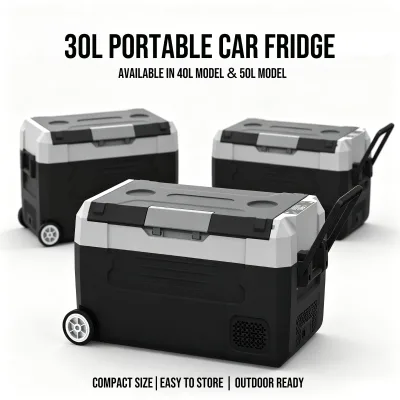
$112.00 - $139.00
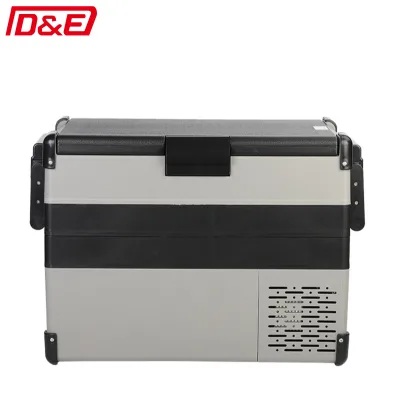
$114.8394 - $128.1686
MOQ: 1 pieces

- Verified by BV
- Trading Company
- China Shandong
- Lead time15 days
- Avg. response≤ 10h
Main productsCompressor, Condenser, Evaporator, Auto AC Parts, Refrigeration Part, Sensor, Insulation Tube, Motors, Unit Cooler, Thermostat
Main marketsSouth America,Southeast Asia/ Mideast,East Asia(Japan/ South Korea),Domestic,Europe
Foshan Sanshui Colku Electrical Appliance Limited
- Verified by SGS Group
- Manufacturer, Trading Company
- Lead time10 days
- Avg. response≤ 7h
Main productsTruck Parking Air Conditioner, Portable Air Conditioner, RV Air Conditioner, Car Refrigerator
Main marketsOceania(35%), Western Europe(25%), Domestic Market(15%)

- Trading Company
- China Shandong
- Lead time30 days
- Avg. response≤ 9h
Main productsTemperature Sensor
Main marketsSouth America,Europe,North America

DC Car Fridge Portable Compressor Car Freezer Mini Portable Refrigerator
$158.20 - $193.80
MOQ: 10 Pieces

12V Mini Battery Fridge Portable Car Fridge Freezer Compressor Refrigerator
$132.00 - $298.00
MOQ: 10 Pieces


Outdoor APP Control Car Fridge Portable Refrigerator 50L Car Fridge Portable Refrigerator
$123.60 - $124.80
MOQ: 100 Pieces

Shanghai Huaqi Industrial Co., Ltd.
- Verified by TUVRHEINLAND
- Trading Company
- China Shanghai
- Lead time15 days
- Avg. response≤ 6h
Main productsCar Mats, Seat Cover, Car Cover, Wiper Blade, Air Compressor, Steering Wheel Cover, Car Lock, Baby Mirror, Car Jack, Racing Seat
Main marketsSouth America,Africa,Southeast Asia/ Mideast,Europe,Australia,North America


DC 12V 50L Portable Freezer Car on Board Mini Refrigerator Car Fridge Double Cooling Fridge
$51.20 - $52.20
MOQ: 500 Pieces


Shandong North Autotech Co. Ltd
- Verified by SGS
- Trading Company
- China Shandong
- Lead time15 days
- Avg. response≤ 12h
Main products15K 12K 10K 8K 7K 5K 3500lbs Trailer Axle, Trailer Jacks Electric Manual Wheel Landingjack, Electric Brake Drum and Hub Euro & U. S. Market, Tailer Hardwares Hanger Kit Ubolt Tow Ball, Trailer Leaf Spring Eye Slipper Hook Type, Trailer Suspension Kit Trailer Axle Repair Kit, Straight Axle Drop Axle Torsion Axle Idler Axle, Ratchet Tie Down Chains Lashing Belt, Horse /Travel Trailer Axle Offroad, Axle for Utility RV ATV Enclosed Cargo Trailer
Main marketsSouth America,Africa,Others(foreignTradeCapacity.exportBusinessCapacityMarketOther),East Asia(Japan/ South Korea),Europe,Australia,North America


$110.00 - $120.00
MOQ: 100 Pieces

Durable 12V/24V Portable Car Fridge Freezer DC 12V Car Refrigerator Portable Fridge Freezer
$110.00 - $120.00
MOQ: 100 Pieces

Qingdao Smad Electric Appliances Co., Ltd.
- Verified by BV
- Manufacturer/Factory
- China Shandong
- Lead time60 days
- Avg. response≤ 11h
Main productsRefrigerator, Freezer, Washing Machine, Air Conditioner, Dish Washer, Display Cooler, Microwave Oven, Water Dispenser, Wine Cooler, Clothes Dryer
Main marketsSouth America,Eastern Europe,Mid East,North America,Southeast Asia,Eastern Asia,Oceania,Western Europe,Africa

Luohe Viltis Trading Co., Ltd.
- Trading Company
- China Henan
- Lead time30 days
- Avg. response≤ 3h
Main productsElectric Scooter, Electric Motorcycle, Electric Tricycle, Electric Bike, Mountain Bike, Spinning Bikes, ATV, Electric Mobility Scooter, Electric Harley Scooter, Electric Folding Scooter
Main marketsSouth America,Southeast Asia/ Mideast,Europe,North America

Mini Car Cooler Box Freezer Fridges 60L Compressor Portable Travel Fridge/Car Refrigerator
$120.00 - $200.00
MOQ: 50 Pieces

Compressor Fridge 12V/24V Car Fridge Freezer 19L Car Mini Portable Refrigerator
$80.00 - $150.00
MOQ: 50 Pieces

40L Car Refrigerator Portable Fridge Compressor Freezer 12V Car Fridge Mini Cooler
$100.00 - $200.00
MOQ: 50 Pieces

Nanjing Futrun Vehicles Technology Co., Ltd.
- Manufacturer, Trading Company
- Jiangsu, China
- Lead time30 days
- Avg. response≤ 10h
Main productsbus air conditioner,electric bus air conditioner,truck air conditioner,caravan air conditioner,van refrigerator
Main marketsDomestic Market(90.00%), Southeast Asia(4.00%), North America(1.00%), Southern Europe(1.00%), Eastern Asia(1.00%), Africa(1.00%), South America(1.00%), Eastern Europe(1.00%)
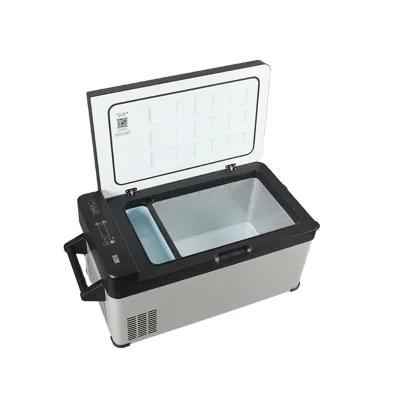
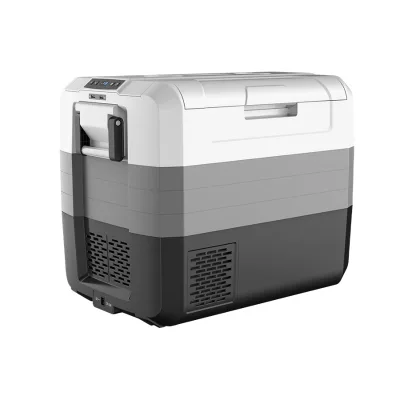
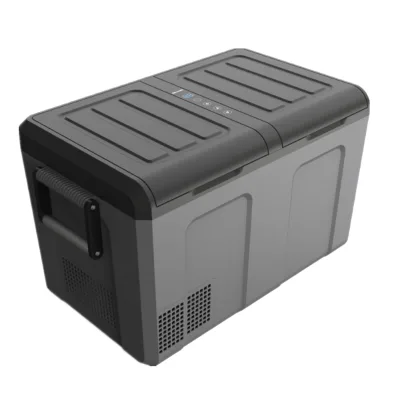
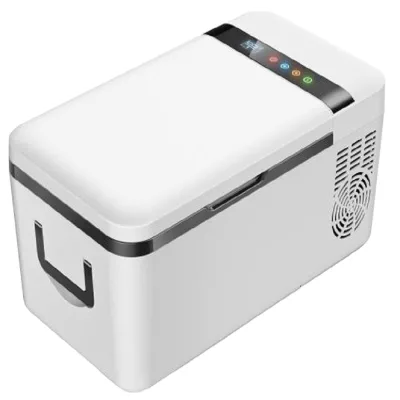
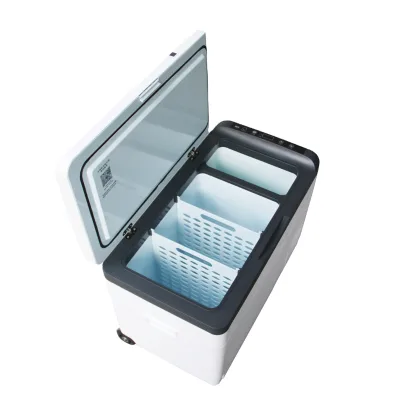
Hot Sell Outdoor Camping Car Fridge Vs Cooler 12 Volt Fridge
$160.00 - $180.00
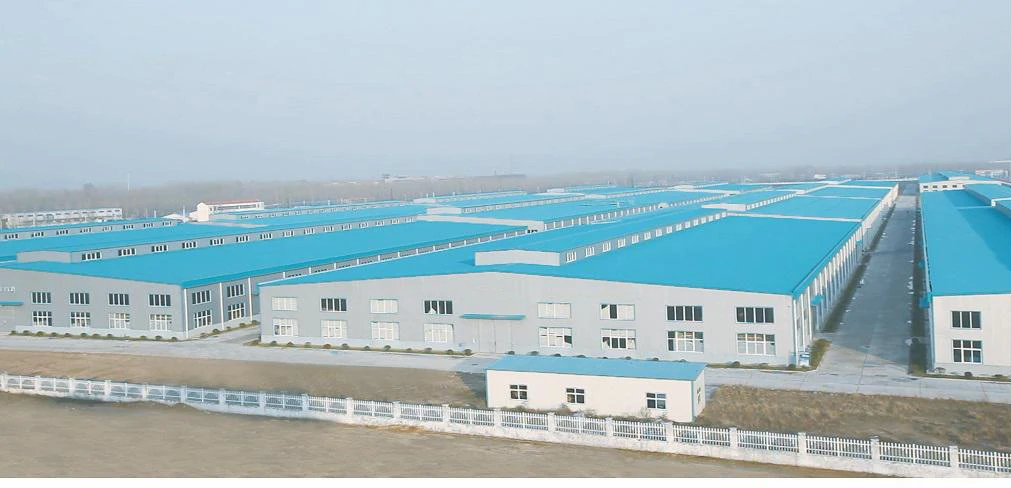
Zhengzhou Hongcai Electric Appliance Co., Ltd.
- Trading Company
- Henan, China
- Lead time35 days
- Avg. response≤ 5h
Main productsmini fridge,cigar humidor,cigar accessories,cigar box
Main marketsWestern Europe(26.83%), North America(16.68%), Northern Europe(8.94%), Oceania(8.35%), South America(7.30%), Central America(6.80%), Africa(6.22%), Southern Europe(6.20%), Southeast Asia(4.20%), Eastern Europe(3.90%), Eastern Asia(3.58%), Mid East(0.70%), South Asia(0.30%)
$30.7184 - $33.7903
MOQ: 200 units

ZHONGSHAN KWANGNA GLOBAL SUPPLY CHAIN CO., LTD
- Trading Company
- China Guangdong
- Lead time0 days
- Avg. response≤ 1h
Main productsMosquito Repellent Light, Small Kitchen Air Conditioner, Air Frier, Coffee Maker, Vacuum Cup, Coffee Steel Cup, Portable Mini Fan, Steel Milk Cup, Rice Cooker, Smart Rice Cooker

Car Home 10L Mini Bar Compact Portable Refrigerator Freezer Cooling Fridge
$46.00 - $49.00
MOQ: 500 Pieces


Portable Fridge Mini Freezer Car Outdoor Camping Refrigerator Freezer
$160.00 - $180.00
MOQ: 200 Pieces

Zhejiang Oulun Electric Co., Ltd.
- Manufacturer, Trading Company
- Zhejiang, China
- Lead time25 days
- Avg. response≤ 5h
Main productsCar Fridges,refrigerator,compact fridges
Main marketsDomestic Market(47.00%), Western Europe(10.00%), North America(10.00%), Eastern Europe(5.00%), Mid East(5.00%), Oceania(5.00%), Southeast Asia(5.00%), Northern Europe(3.00%), Southern Europe(3.00%), South America(2.00%), Africa(2.00%), South Asia(1.00%), Eastern Asia(1.00%), Central America(1.00%)

- Verified by TUVRHEINLAND
- Trading Company,Manufacturer/Factory
- China Shandong
- Lead time23 days
- Avg. response≤ 6h
Main productsRefrigeration Part, Evaporator, Compressor, Condenser, Refrigerator Condenser, Filter Drier, Access Valve, Accumulator, Refrigeration, Refrigerator Part
Main marketsSouth America,Eastern Europe,Mid East,North America,Southeast Asia,Eastern Asia,Oceania,Western Europe,Africa
Guangzhou Clhgo Auto Parts Ltd.
- Verified by SGS Group
- Trading Company
- Lead time0 days
- Avg. response≤ 4h
Main productsAC Compressor, AC Evaporator, AC Condenser, Parking Air Conditioner, Blower
Main marketsSouth America(40%), Western Europe(28%), North America(20%)
- Trading Company
- Hong Kong S.A.R.
- Lead time30 days
- Avg. response≤ 3h
Main productscar fridge,camping lamps,camping tent,lithium ion battery,camping fan
Main marketsMid East(15.00%), South Asia(10.00%), Southern Europe(10.00%), Western Europe(10.00%), Eastern Asia(10.00%), Domestic Market(10.00%), Oceania(10.00%), Africa(10.00%), Eastern Europe(10.00%), North America(5.00%)

Xi'an Haitu International Supply Chain Management Co., Ltd.
- Trading Company
- Shaanxi, China
- Lead time30 days
- Avg. response≤ 10h
Main productsCar Accessories,Booster Cable,Snow Chains,LED lamp,Wrench
Main marketsWestern Europe(50.00%), South America(30.00%), Central America(12.00%), North America(12.00%), Mid East(12.00%), Oceania(12.00%), Southeast Asia(12.00%), Eastern Europe(12.00%)
Foshan City Shunde District Jin Hui Ju Car Decoration Company Limited
- Verified by Intertek
- Manufacturer, Trading Company
- Lead time35 days
- Avg. response≤ 2h
Main productsExhaust Pipe, Car Roof Rack, Car Refrigerator
Main marketsNorth America(30%), South America(20%), Eastern Europe(10%)
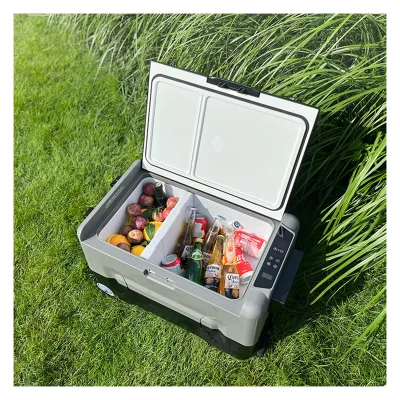
Car Fridg 12v/24v Car Freezer Fridge Portable 45L Car Cooler Freezer
$102.1149 - $127.6447
MOQ: 100 pieces
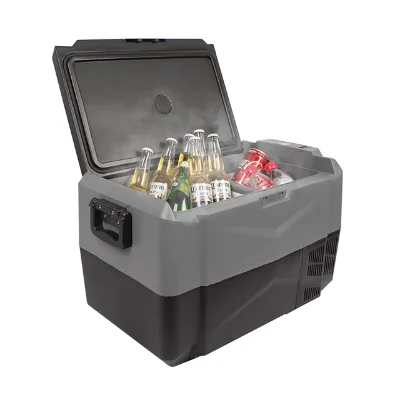
Car Mini Compact Refrigerator Portable Cup Holder Truck Refrigeration Dc24v Electric Car Cooler
$90.00 - $120.00
MOQ: 100 pieces
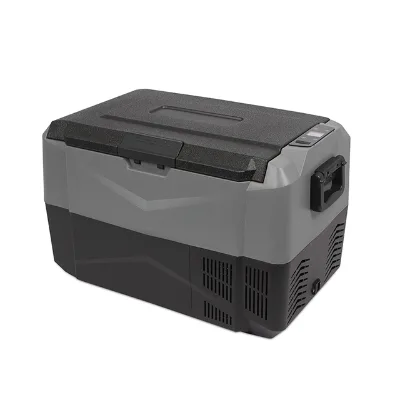
$90.00 - $120.00
MOQ: 100 pieces

Hoyuan (guangzhou) Supply Chain Co., Ltd.
- Manufacturer
- Guangdong, China
- Lead time90 days
- Avg. response≤ 2h
Main productsParking Air Conditioner,Parking Heater,Car Fridges,Portable Air Conditioners,Portable Power Stations
Main marketsSouth America(26.00%), North America(26.00%), Mid East(13.00%), Oceania(7.00%), Africa(7.00%), Eastern Europe(7.00%), Eastern Asia(4.00%), Southeast Asia(4.00%), Domestic Market(1.00%), South Asia(1.00%), Southern Europe(1.00%), Northern Europe(1.00%), Central America(1.00%), Western Europe(1.00%)
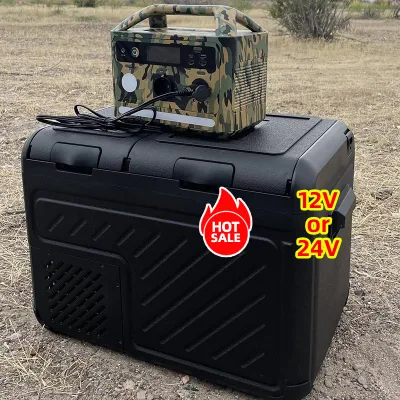
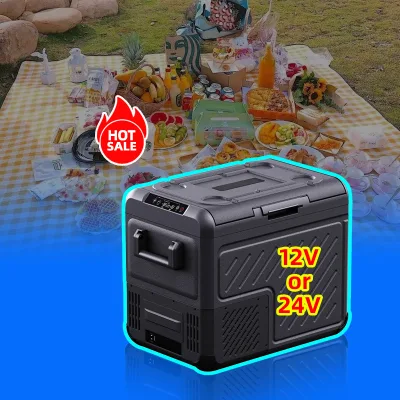
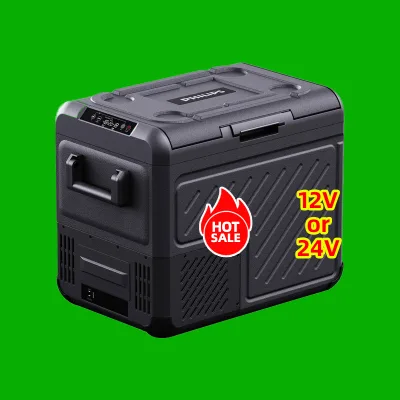
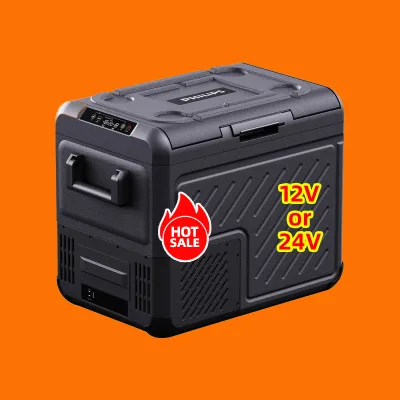
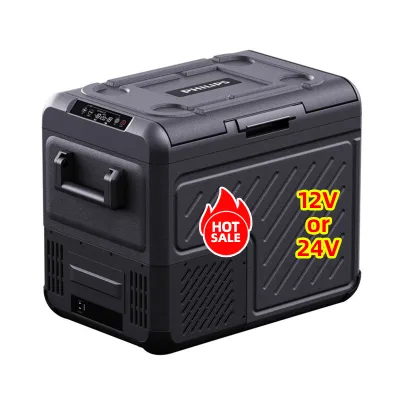
$96.2047 - $127.501
MOQ: 9 pieces
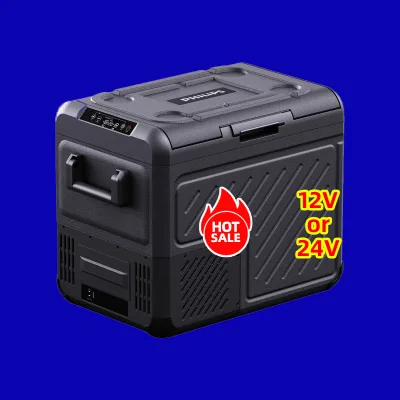
Guangdong Freecool Electrical Technology Co., Ltd.
- Manufacturer, Trading Company
- Guangdong, China
- Lead time30 days
- Avg. response≤ 5h
Main productsThermoelectric cooler and warmer,Compressor Refrigerator
Main marketsNorth America(50.00%), Mid East(17.00%), Domestic Market(10.00%), Eastern Asia(8.00%), South America(5.00%), Central America(5.00%), Southeast Asia(4.00%), Oceania(1.00%)
Qingdao D & E International Trade Co., Ltd.
- Trading Company
- Lead time旺季: "1 - 1":15,"2 - 99":30,"100 - 999":60,"> 999":"To be negotiated", 淡季: "1 - 1":15,"2 - 99":30,"100 - 999":60,"> 999":"To be negotiated"
- Avg. response≤ 2h
Main productsParking Air Conditioners, Parking Heaters and Air Heater Parts, Trucks Fridges, Portable Generator, Engine Parts
Henan Lengku New Energy Technology Co., Ltd.
- Verified by TüVRheinland
- Manufacturer, Trading Company
- Lead time7 days
- Avg. response≤ 1h
Main productsParking Air Conditioner, Diesel Air Heater, Car Anti-Skid Chains, Automobile Compressor

Qingdao D&E International Trade Co., Ltd.
- Verified by BV
- Trading Company,Manufacturer/Factory
- China Shandong
- Lead time23 days
- Avg. response≤ 5h
Main productsAuto Spare Parts, Truck Sparts Parts, Diesel Heaters, Truck Air Conditioner, Heater Spare Parts for Eberspacher/Webasto
Main marketsSouth America,Eastern Europe,Mid East,North America,Southeast Asia,Eastern Asia,Oceania,Western Europe,Africa

25L 12V 24V DC Portable Freezer Refrigerator Automobile Compressor Fridge
$125.00 - $140.00
MOQ: 10 Pieces

50L DC 12/24V Min Car Refrigerator Freezer Fridge Compressor Camping Portable Refrigerator
$150.00 - $170.00
MOQ: 10 Sets


12V/24V Car Fridges Auto Mobile Freezer Camping Freezer Mini Refrigerator
$110.00 - $130.00
MOQ: 1 Sets

Qingdao Smeta Electric Appliances Co., Ltd.
- Trading Company,Manufacturer/Factory
- China Shandong
- Lead time15 days
- Avg. response≤ 5h
Main productsRefrigeration Equipment, Commerical Refrigerator, Ice Cream Freezer, Refrigeration Showcase, Glass Door Refrigerator, Refrigerator, Freezer, Microwave Oven, Washing Machine, Dish Washer
Main marketsSouth America,Eastern Europe,Mid East,North America,Southeast Asia,Eastern Asia,Oceania,Western Europe,Africa

20L 35L 40L 50L 75L DC 12V Portable Mini Car Fridges Portable Refrigerator
$100.00 - $200.00
MOQ: 124 Pieces

20L 35L 40L 50L 75L 55L 12V 24V Car Fridge 50L Portable Refrigerator
$100.00 - $200.00
MOQ: 124 Pieces


Smeta 15L Mini DC Refrigerator 12/24V Portable Car Fridge with Compressor
$99.00 - $150.00
MOQ: 288 Pieces


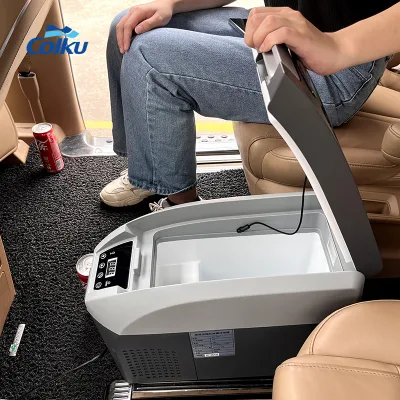
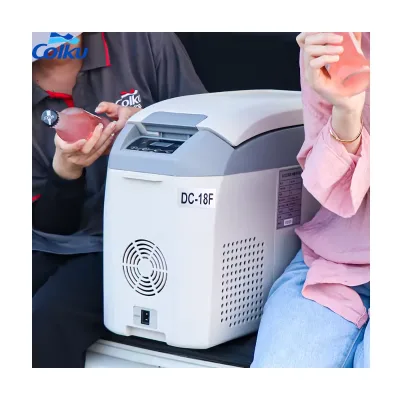


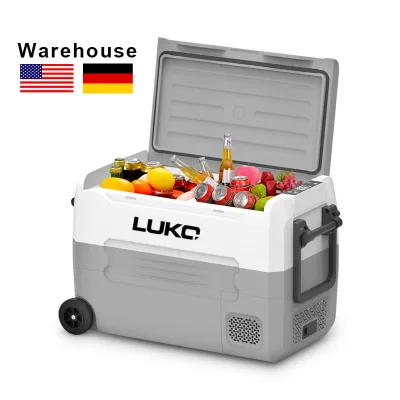
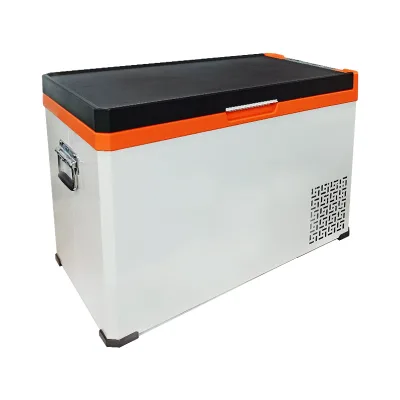
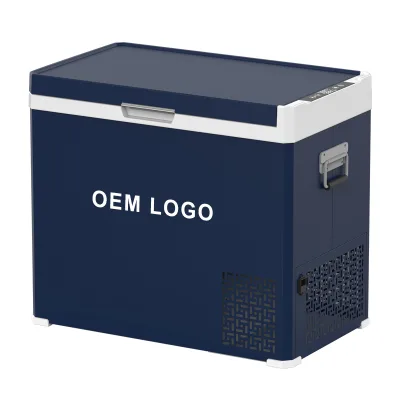


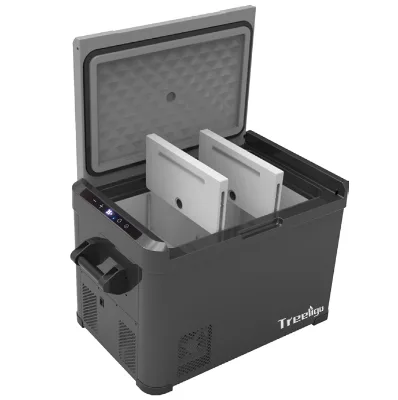
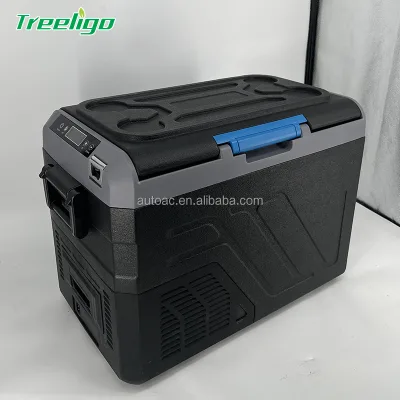
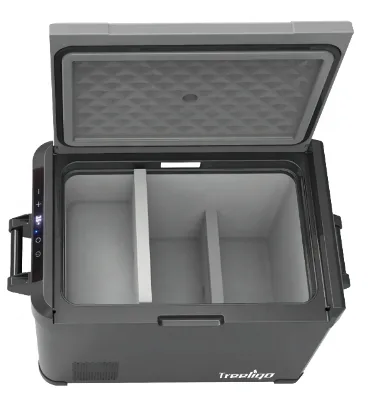
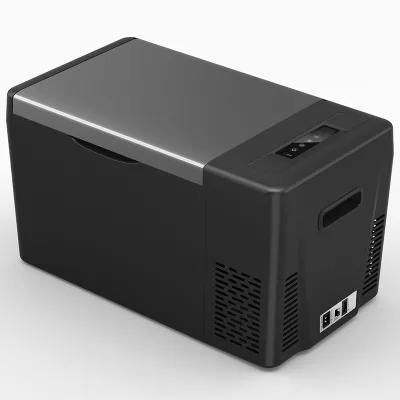
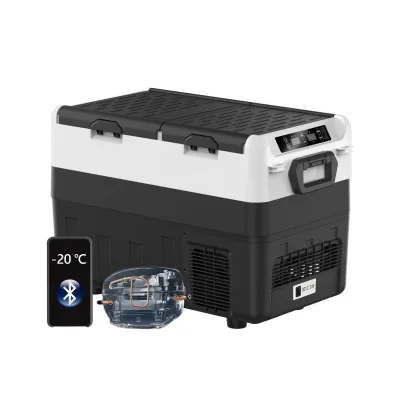
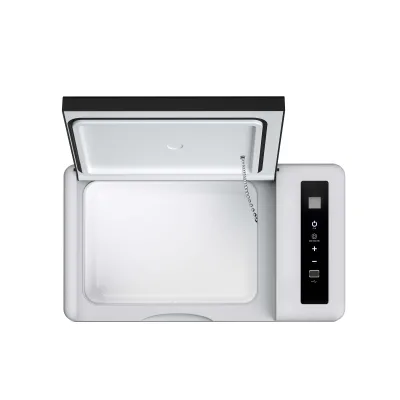
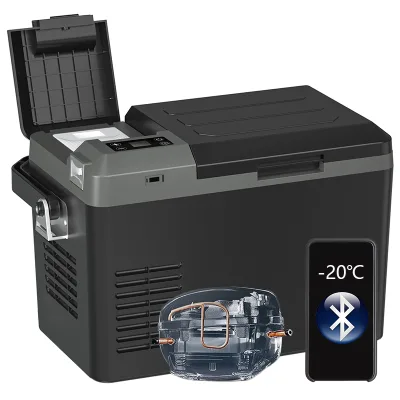
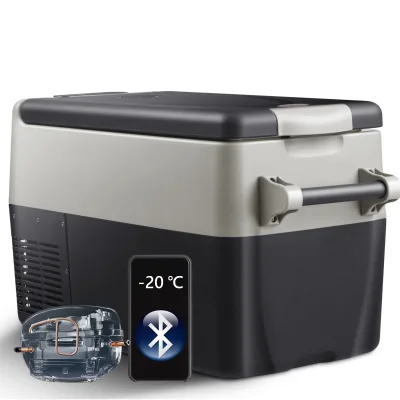
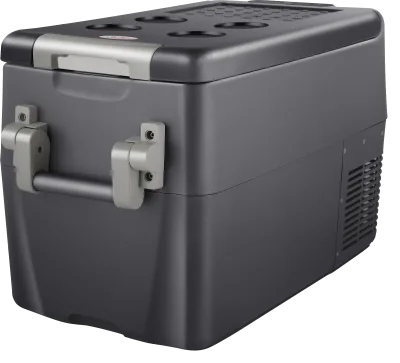
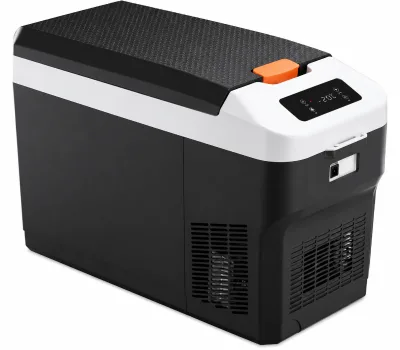
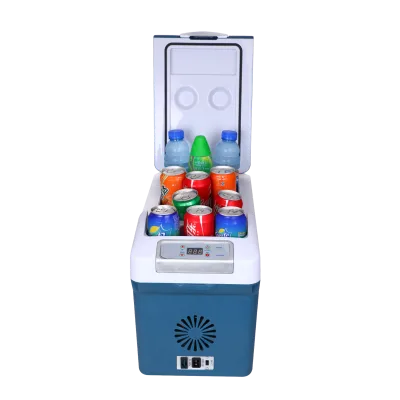
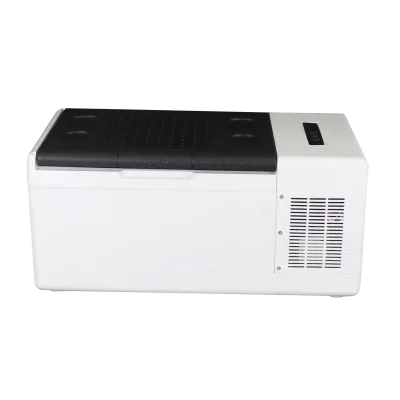
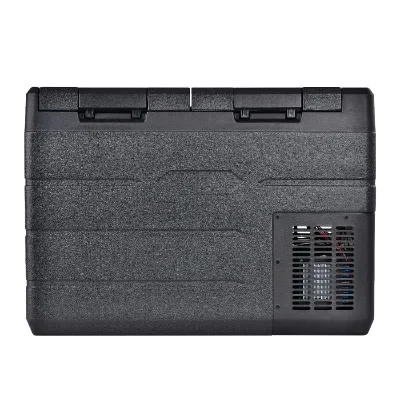
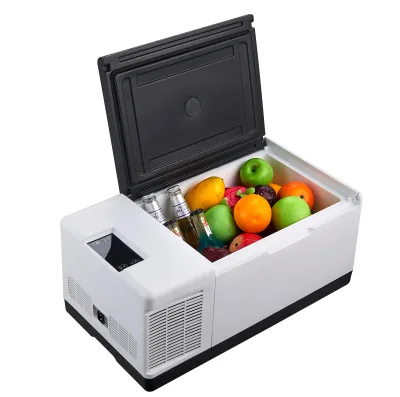
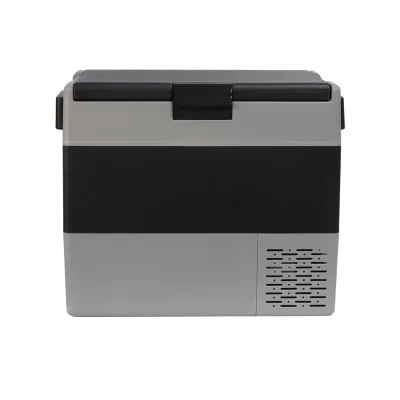
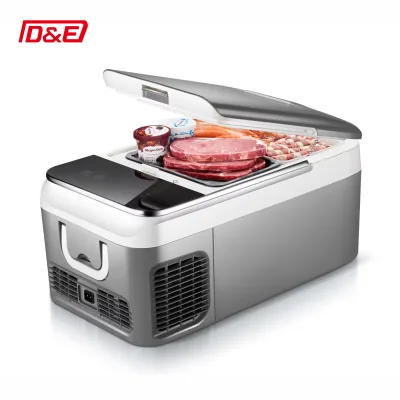
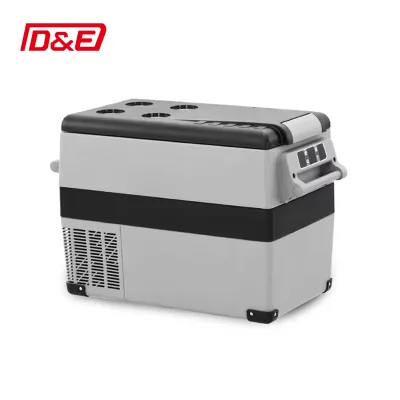
Comprehensive Sourcing Guide
Portable Compressor Car Fridge Supplier Concentration and Factory Types
The current supplier landscape for portable compressor car fridges reveals a mix of trading companies and manufacturers, with a notable concentration of facilities located in Shandong, China. This region appears frequently in product origin data, suggesting a specific manufacturing cluster for these automotive electronics and refrigeration units. Buyers should verify if a supplier's claimed factory location matches the product's stated place of origin, as some trading companies may source from multiple regions while listing a single primary hub. The presence of Shandong as a documented origin point indicates a potential hub for compressor technology and plastic molding required for these units.
Factory types vary significantly among the available options, ranging from pure trading entities to those offering OEM and customized on-demand processing capabilities. Some suppliers list main products that extend beyond car fridges to include truck air conditioners, parking diesel heaters, and various auto AC parts, indicating a broader specialization in vehicle climate control systems. When evaluating concentration, buyers must distinguish between suppliers who manufacture the core compressor units and those who simply assemble or rebrand components. The diversity in main product lines suggests that some facilities possess the engineering capacity for complex refrigeration systems, while others may focus on distribution and logistics.
How to Verify Portable Compressor Car Fridge Suppliers
Verification of supplier credentials is critical when sourcing portable compressor car fridges, as the market includes both verified manufacturers and trading intermediaries. Buyers should look for specific third-party verification badges such as TüVRheinland or BV, which indicate that an independent body has assessed the company's business scope and operational stability. The presence of system certifications like CE, RoHS, ISO, and CCC on product listings provides additional evidence of compliance with international safety and environmental standards. However, these certifications must be cross-referenced with the supplier's actual business license to ensure they are not merely displaying generic certificates unrelated to their specific production lines.
Beyond static certifications, active verification metrics such as response times and service levels offer insight into a supplier's operational readiness. Data indicates response times can vary, with some suppliers responding within two hours while others may take nearly ten hours, reflecting differences in staffing and customer service infrastructure. Buyers should prioritize suppliers who demonstrate a commitment to after-sales support, such as offering onsite installation services or 24-hour online assistance. The ability to provide detailed product attributes, including specific voltage requirements and cooling temperatures, further validates a supplier's technical competence. Always request proof of these claims directly from the supplier before proceeding with any order.
What to Compare Across Portable Compressor Car Fridge Suppliers
When comparing suppliers, buyers must analyze key operational dimensions including lead times, minimum order quantities, and response speeds to determine the best fit for their procurement strategy. Lead times in this category can range from 15 to 20 days, depending on the complexity of the order and the supplier's current production capacity. Minimum order quantities (MOQ) also vary, with some suppliers accepting single-piece orders while others may have higher thresholds for customized designs. Understanding these variables is essential for planning inventory levels and managing cash flow, especially for buyers testing new product lines or fulfilling urgent replacement needs.
Product specifications and pricing structures provide another critical layer for comparison across different suppliers. Prices for portable compressor units can fluctuate based on features such as voltage compatibility, cooling capacity, and material quality, with observed ranges indicating significant variation in value propositions. Buyers should scrutinize attributes like cooling temperature ranges, power consumption, and refrigerant types to ensure the unit meets specific application requirements, such as road trips or commercial transport. Additionally, comparing warranty terms, which often span one year, and after-sales service provisions helps assess the long-term reliability of the supplier. A lower price point may not always equate to better value if the warranty or support is insufficient.
Common Portable Compressor Car Fridge Sourcing Risks
One significant risk in sourcing portable compressor car fridges involves the discrepancy between claimed product capabilities and actual performance, particularly regarding cooling efficiency and power consumption. Some listings may advertise broad temperature ranges or high-capacity cooling systems that do not align with the physical constraints of the unit's compressor or insulation. Buyers must verify specific technical data, such as the cooling system type and voltage compatibility, to avoid receiving units that fail to maintain required temperatures in extreme conditions. The presence of features like auto-defrost or app control should be confirmed through detailed product specifications rather than marketing claims alone.
Another risk stems from the variability in supply chain transparency and the potential for misrepresentation regarding the origin of components. While some suppliers clearly state their location as Shandong, China, others may obscure the source of critical parts like compressors or condensers. This lack of clarity can lead to quality inconsistencies and difficulties in troubleshooting defects later. Furthermore, the reliance on trading companies rather than direct manufacturers can introduce communication barriers and delays in resolving technical issues. Buyers should demand clear documentation regarding the supply chain and request samples to validate the quality of materials and assembly before committing to larger orders.
Portable Compressor Car Fridge Regional Sourcing and Logistics
Sourcing from the identified region of Shandong, China, offers logistical advantages due to the established infrastructure for exporting automotive accessories and electronics. However, buyers must account for the specific shipping requirements associated with compressor units, which often contain refrigerants and require careful handling to prevent damage during transit. The weight and dimensions of these units, ranging from 12kg to over 16kg, influence freight costs and packaging strategies, necessitating robust single-package solutions to ensure safety. Understanding the logistics of this specific region helps in estimating total landed costs and delivery timelines accurately.
Logistics planning also involves considering the impact of regional production clusters on lead times and inventory availability. Suppliers located in established manufacturing hubs may benefit from faster access to raw materials and component suppliers, potentially reducing production delays. However, buyers should verify if the supplier's location aligns with their own distribution network to minimize shipping distances and costs. The variability in response times and lead times across different suppliers suggests that proximity to the buyer's market or a major port could be a decisive factor in selecting a partner. Careful coordination with the supplier regarding packaging and shipping methods is essential to mitigate risks associated with regional logistics.
Portable Compressor Car Fridge Commercial Terms and Order Planning
Commercial terms for portable compressor car fridges often include specific conditions regarding payment, warranty, and customization, which must be clearly defined before finalizing an order. Buyers should expect to negotiate terms related to sample processing and graphic customization, as many suppliers offer these services on demand. The availability of private molds and logo design options, such as heat-transfer printing, adds value but may require additional lead time and cost. Understanding the scope of these commercial terms is vital for managing expectations and ensuring that the final product aligns with the buyer's branding and functional requirements.
Order planning must also account for the variability in supplier capacity and the potential for production bottlenecks. With lead times ranging from 15 to 20 days, buyers should factor in buffer time for quality inspections and potential delays. The ability to handle customized orders, such as specific voltage configurations or unique cooling capacities, requires advance planning and clear communication with the supplier. Buyers should establish a timeline that accommodates these variables, ensuring that orders are placed well in advance of peak seasons or critical delivery dates. Clear documentation of all commercial terms and order specifications will help prevent misunderstandings and ensure a smooth procurement process.
FAQs
What is the price range for portable compressor car fridges?
Portable compressor car fridges typically cost between $112 and $139 per unit. Prices vary based on capacity, voltage compatibility, and specific features like app control or custom branding. Buyers should verify exact pricing with suppliers for bulk orders.
What certifications do these car refrigerators usually have?
Most portable compressor car fridges hold CE, RoHS, ISO, and CCC certifications. These ensure compliance with international safety and quality standards. Buyers should request valid certificates to confirm product reliability and regulatory adherence for their target markets.
What is the typical lead time for manufacturing these units?
Manufacturing lead times generally range from 15 to 20 days. This duration covers production, quality checks, and packaging preparation. Buyers should confirm specific timelines with suppliers to align with their inventory planning and delivery schedules effectively.
What is the minimum order quantity for these products?
The minimum order quantity is often just one piece, allowing for sample testing or small initial purchases. This low MOQ supports buyers in evaluating product quality before committing to larger volumes. Suppliers may offer better pricing for bulk orders.
Where are these car fridges typically manufactured?
These units are primarily manufactured in Shandong, China. This region is known for its robust manufacturing infrastructure for automotive accessories. Buyers should verify the specific factory location to assess logistics costs and supply chain reliability for their shipments.
What voltage options are available for these refrigerators?
Most models support 12V and 24V DC power sources, suitable for cars, trucks, and RVs. Some units also offer AC compatibility. Buyers should select the voltage option that matches their vehicle's electrical system to ensure proper operation and safety.