ITF Approval Padel Ball Suppliers and Manufacturers
Source 16 verified suppliers offering ITF Approval Padel Ball options with varying lead times, MOQs, and certifications. Compare response rates and factory locations in China to identify suitable partners. Request quotes directly to evaluate pricing and production capacity for your specific needs.
Suppliers List

SingSong Sports Equipment Co., Ltd.
- Verified by BV
- Trading Company
- China Hunan
- Lead time23 days
- Avg. response≤ 5h
Main productsPadel Racket, Padel Ball, Paddle Bags, Gym Fitness Equipment, Home Fitness Equipment, Smith Machine, Squat Rack, Spinning Bike, Fitness Bench, Dumbbell/Dumbbell Rack/ Weight Plats
Main marketsSouth America

Odea Itf Standard Durable Customized 45% Wool D Competition Pressurized Padel Ball
$2.34 - $3.45
MOQ: 20 pieces

Factory Supply Itf Approved High Quality Eco-Friendly Odea Padel Ball for Adult Padel Sports
$2.10 - $2.90
MOQ: 1000 tubes

New Odea Itf Standard Durable Customized 45% Wool Competition Pressurized Padel Ball
$1.96 - $2.48
MOQ: 1008 tubes

Itf Standard Customized Paddle Ball Training Sport Natural Rubber Padel Balls for Training
$2.10 - $2.90
MOQ: 1000 tubes

Top Head Quality OEM Itf Approval Padel Ball Paddle Ball From Professional Manufacturer
$1.65 - $2.49
MOQ: 1000 tubes

Factory Direct Supply Itf Standard Padel Ball High Quality Sports Training Pressure Tennis Ball
$1.96 - $2.48
MOQ: 1008 tubes

Nanjing Bewe Intl Trading Co., Ltd.
- Verified by BV
- Trading Company
- China Jiangsu
- Lead time38 days
- Avg. response≤ 19h
Main productsPadel, Beach Tennis, Pickleball Paddle, Volleyball, Squash, Badminton, Golf, Tennis, Soccer Ball, Basketball
Main marketsSouth America,Eastern Europe,Mid East,North America,Southeast Asia,Eastern Asia,Oceania,Western Europe,Africa
Zhejiang Ama Sport Goods Co., Ltd.
- Manufacturer, Trading Company
- Lead time旺季: "1 - 2016":15,"> 2016":"To be negotiated", 淡季: "1 - 2016":15,"> 2016":"To be negotiated"
- Avg. response≤ 6h
Main productsPickleball Paddle , Padel Racket, Beach Tennis Racket, Tennis Racket, Tennis Balls
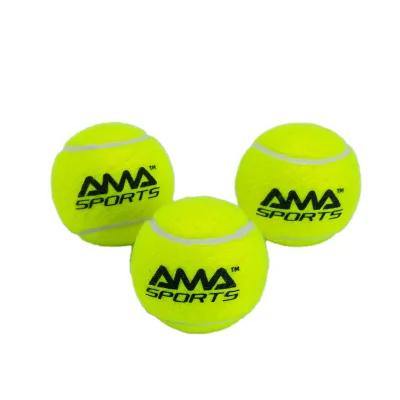
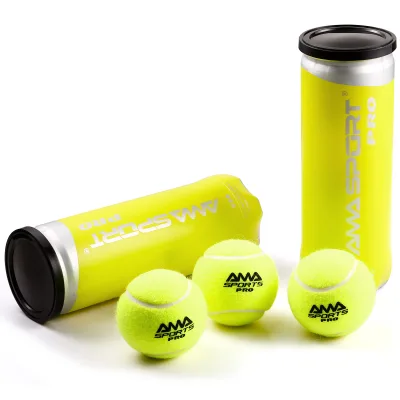
OEM Extra Head Quality ITF High Standard in Pressurized Tube Packed Custom Padel Ball
$1.84 - $1.88
MOQ: 2016
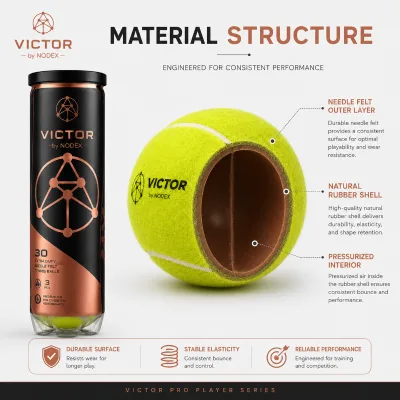

FUZHOU SHOO-IN IMP & EXP CO., LTD.
- Verified by SGS
- Trading Company
- China Fujian
- Lead time15 days
- Avg. response≤ 4h
Main productsPadel Ball, Tennis Ball, Hat, Pet Leash, Pickleball, Yoga Mat, Sports Towel
Main marketsEast Asia(Japan/ South Korea),North America


Professional Competition Padel Balls - 45% Wool, Bulk Supply & Customization Available
$0.70
MOQ: 10000 Pieces

Guangzhou Youbo Sport Facilities Co., Ltd.
- Verified by TUVRHEINLAND
- Trading Company
- China Guangdong
- Lead time30 days
- Avg. response≤ 4h
Main productsPadel Court, Padel Tennis Court, Pistas De Padel, Sports Court, Padel Field, Pickleball Court, Artificial Football Turf, Football Grass, Gym Rubber Mats, Basketball Court Interlocking Tiles
Main marketsSouth America,Others(foreignTradeCapacity.exportBusinessCapacityMarketOther),Domestic

$2.75 - $2.85
MOQ: 1000 Pieces

Unisport High Elasticity Professional Padel Ball for Tournament and Competitive Matches
$2.18 - $2.70
MOQ: 1000 can

Professional Competition Grade Padel Ball with Stable Bounce for All Courts
$2.18 - $2.70
MOQ: 1000 can


Unisport Premium Felt Surface Padel Ball for Long Lasting Outdoor Indoor Use
$2.50 - $2.70
MOQ: 1000 can

Unisport Official Standard Padel Ball Suitable for Amateur and Professional Players
$2.50 - $2.70
MOQ: 1000 can

Yiwu Huidong Industrial & Trade Co., Ltd.
- Verified by TUVRHEINLAND
- Trading Company
- China Zhejiang
- Lead time15 days
- Avg. response≤ 6h
Main productsSoccer Ball, Basketball, Volleyball, Badminton, Teble Tennis, Tennis, Whistle, Skipping Rope, Flag, Beach Bat
Main marketsSouth America,North America

High Quality Padel Bola Padel Manufacturer Paddle Ball Customized Logo Ball
$1.37 - $2.01
MOQ: 40 Barrel


2024 Yiwu Factory High Quality Padel Ball Wool Paddle Ball Padel Ball for Practice and Competition
$1.35 - $2.01
MOQ: 40 Barrel


QINGDAO CHANGZHOU PLASTIC INDUSTRY CO., LTD.
- Trading Company
- China Shandong
- Lead time30 days
- Avg. response≤ 6h
Main productsPadel Court, Tennis Court, Paddle Court, Padel Tennis Court, Padel Turf, Artificial Grass
Main marketsSouth America,Southeast Asia/ Mideast,Europe,Australia

Top Head Quality OEM Itf Approval Padel Ball Paddle Ball From Professional Manufacturer
$89.00 - $94.00
MOQ: 1 Boxes


High-End Custom Padel Court Manufacturing with Size and Design and Logo
$8400.00 - $8500.00
MOQ: 1 Sets
Sing Song Sports Equipment Co., Ltd.
- Verified by SGS Group
- Trading Company
- Lead time7 days
- Avg. response≤ 2h
Main productsPadel Rackets/Beach Tennis Rackets, Pickleball Paddle, Fitness Equipment
Main marketsNorth America(60%), Western Europe(17%), South America(5%)

Tianchang Wenyang Crafts Co., Ltd.
- Verified by TUVRHEINLAND
- Trading Company,Manufacturer/Factory
- China Anhui
- Lead time0 days
- Avg. response≤ 1h
Main productsTennis Ball, Pet Tennis Ball


$0.38 - $1.98
MOQ: 1 Pieces

Beijing Shengzhaofeng Technology Development Co., Ltd.
- Trading Company
- Beijing, China
- Lead time0 days
- Avg. response≤ 5h
Main productstennis ball,badminton,Outdoor Floor Tiles,Basketball,Ski helmet
Main marketsDomestic Market(1.00%)
Foshan Xinxuan Trading Co., Ltd.
- Manufacturer, Trading Company
- Guangdong, China
- Lead time20 days
- Avg. response≤ 3h
Main productspadel,pickleball,tennis,racket,sport court
Main marketsSouth America(30.00%), Southeast Asia(30.00%), North America(20.00%), Eastern Europe(10.00%), Africa(5.00%), Oceania(5.00%)
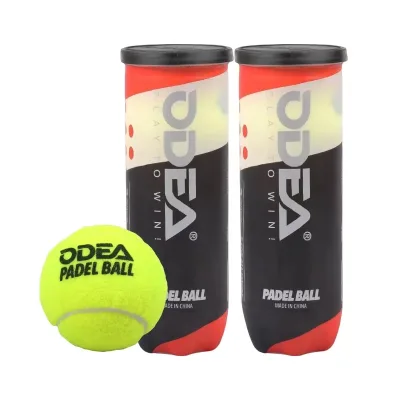
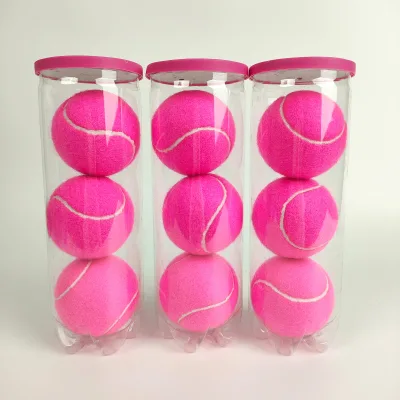
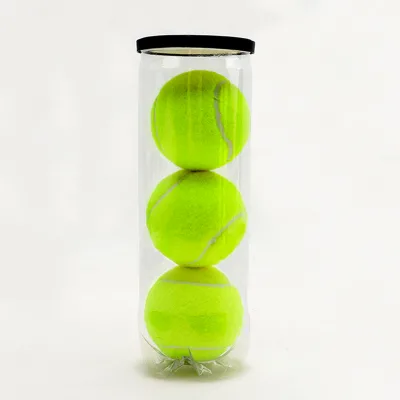
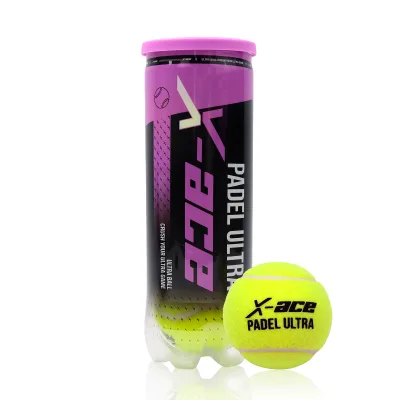
ODEA ITF Pro Pressurized Padel Balls - 45% Wool, Durable Competition Grade
$2.40 - $2.50
MOQ: 10 barrels

Shenzhen Hapi Sports Floor Materials Co., Ltd
- Verified by SGS
- Trading Company
- China Guangdong
- Lead time15 days
- Avg. response≤ 1h
Main productsPadel Court, Pickball Paddle, Running Track, EPDM Granules, Pickball Court, Padel Rackets, Pickball Rackets
Main marketsSouth America,Africa,Southeast Asia/ Mideast,Europe,North America


Professional Quality High Elasticity Padel Tennis Balls for Competitive Play
$6700.00 - $6900.00
MOQ: 1 Sets


Yiwu Jumei Sports Goods Co., Ltd.
- Manufacturer, Trading Company
- Zhejiang, China
- Lead time30 days
- Avg. response≤ 3h
Main productsFootball,Basketball,Volleyball,Badminton products,Table tennis products
Main marketsSoutheast Asia(15.00%), South America(15.00%), Western Europe(15.00%), North America(15.00%), Oceania(10.00%), Africa(10.00%), Eastern Europe(5.00%), Northern Europe(5.00%), Eastern Asia(5.00%), Mid East(5.00%)
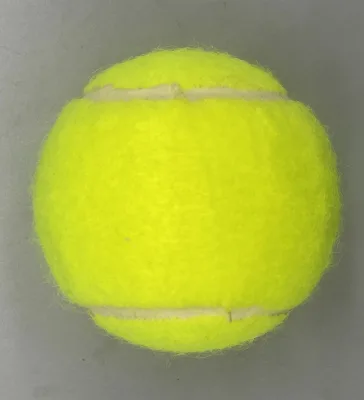
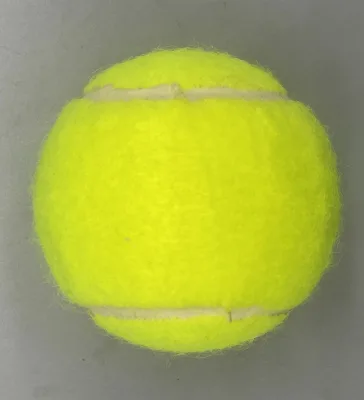
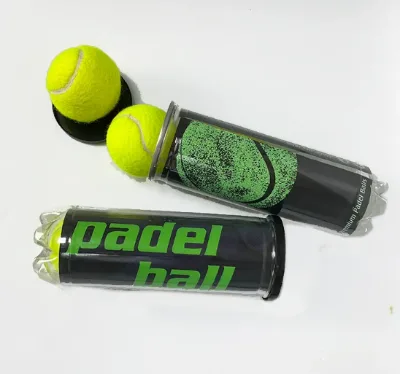
Wholesale Hot Selling Good Price Chemical Fiber 2.5 Inch Padel Ball for Professional Training
$0.91 - $1.04
MOQ: 60 pieces
Zhejiang Ama Sport Goods Co., Ltd.
- Verified by SGS Group
- Manufacturer, Trading Company
- Lead time30 days
- Avg. response≤ 5h
Main productsPickleball Paddle , Padel Racket, Beach Tennis Racket, Tennis Racket, Tennis Balls
Main marketsNorth America(25%), Northern Europe(25%), South America(24%)
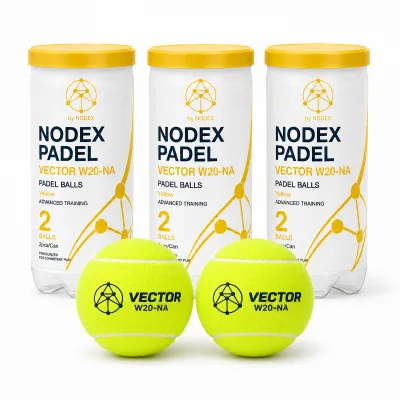
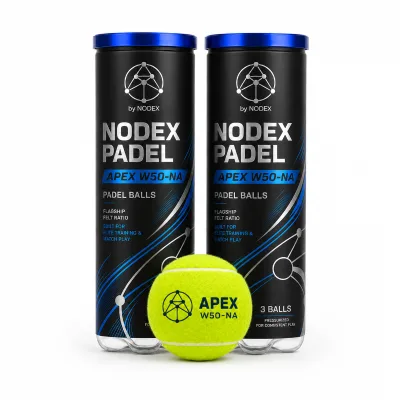
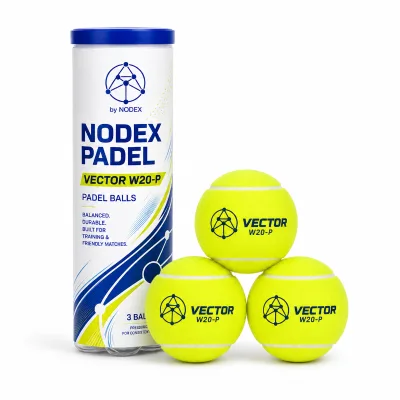
Nodex High Quality Paddle Ball Custom Logo Padel Ball for Competitions and Tournaments
$1.30 - $1.45
MOQ: 3000
Yiwu Fanhua Culture And Sport Co., Ltd.
- Verified by Intertek
- Trading Company
- Lead time15 days
- Avg. response≤ 2h
Main productsRackets, Balls, Fitness Equipment, Sportswear
Main marketsDomestic Market(27%), North America(18%), Western Europe(14%)

- Verified by SGS
- Manufacturer/Factory
- China Anhui
- Lead time23 days
- Avg. response≤ 5h
Main productsPickleball Paddle, Pickleball Ball, Beach Padel, Football Flags Belt, Padel Racket, Pickleball, Joola, Selkirk, Outdoor Pickleball, Indoor Pickleball
Main marketsSouth America,Eastern Europe,Mid East,North America,Southeast Asia,Eastern Asia,Oceania,Western Europe,Africa




Comprehensive Sourcing Guide
ITF Approval Padel Ball Supplier Concentration and Factory Types
The current supplier landscape for ITF Approval Padel Ball products reveals a concentration of manufacturing and trading entities primarily located in China, with specific clusters identified in Hunan and Jiangsu provinces. These regions host a mix of company types, including dedicated manufacturers and trading companies that facilitate the export of sports equipment. Some suppliers in these areas list main products that extend beyond balls to include Padel Rackets, Gym Fitness Equipment, and various ball sports items, indicating a broader industrial ecosystem capable of supporting comprehensive order fulfillment. The presence of these diverse product lines suggests that buyers may find integrated sourcing opportunities where racket and ball components are managed within the same facility or supply chain network.
When assessing the factory types available, buyers should note that the results include both pure manufacturers and trading companies, each offering distinct advantages for different procurement strategies. Manufacturers often provide direct control over production processes, which can be critical for customizing specifications like the 45% wool composition or specific ITF certification requirements. Trading companies, conversely, may offer a wider selection of SKUs and streamlined logistics, though they might act as intermediaries rather than the direct production source. It is essential to verify the specific company type for each supplier to understand the directness of the supply chain, as this impacts communication efficiency and the ability to implement quality control measures directly at the production floor.
How to Verify ITF Approval Padel Ball Suppliers
Verifying the legitimacy of an ITF Approval Padel Ball supplier requires a rigorous examination of their verification status and certification claims. The current data indicates that some suppliers hold BV verification, a third-party audit that adds a layer of credibility to their business operations. Buyers must cross-reference these verification badges with the specific product certifications listed, such as ITF approval, which is explicitly mentioned in product attributes for several ball models. It is crucial to distinguish between general company verification and product-specific certifications, as a verified company does not automatically guarantee that every item in their catalog meets the strict performance standards required for official competition play.
Beyond verification badges, buyers should scrutinize the detailed product attributes provided in the supplier listings to confirm compliance with international standards. Evidence shows specific attributes like "Certification: Itf" or "Ipf" alongside technical specifications such as diameter, rebounce height, and material composition. Buyers must ensure that the claimed certifications match the actual product being ordered, as discrepancies between the listing and the physical goods can lead to rejection by tournament organizers. Additionally, checking for system certifications like BSCI or SA 8000 can provide insight into the supplier's labor practices and overall operational stability, ensuring that the partnership is built on a foundation of ethical and compliant manufacturing processes.
What to Compare Across ITF Approval Padel Ball Suppliers
When comparing suppliers, buyers should prioritize key operational metrics such as lead time, minimum order quantity (MOQ), and response time to gauge efficiency and scalability. The observed data shows significant variation in these areas, with lead times ranging from 23 days to 38 days, and response times varying from under 5 hours to nearly 19 hours. These differences can drastically affect inventory planning and market responsiveness, particularly for buyers with tight deadlines or those launching new product lines. A supplier with a shorter lead time and faster response may be preferable for urgent orders, while a supplier with a longer lead time might offer better pricing or capacity for large-scale production runs.
In addition to operational speed, buyers must compare the commercial terms and product specifications, including price ranges and material quality. The price data indicates a wide spectrum, with unit costs ranging from approximately $0.36 to $3.45 depending on the specific product model and order volume. Some listings specify an MOQ of 20 tubes, while others require orders of 3000 pieces or more, which directly impacts the financial feasibility for small versus large buyers. Comparing these factors alongside the main products offered, such as whether the supplier also provides rackets or bags, helps buyers identify partners who can offer bundled solutions or specialized expertise in the specific niche of Itf-approved equipment.
Common ITF Approval Padel Ball Sourcing Risks
One of the primary risks in sourcing ITF Approval Padel Ball products is the potential mismatch between claimed certifications and actual product performance. While listings may display "Itf Standard" or "Ipf Approved" in the product attributes, buyers must verify that these claims are backed by valid documentation and that the physical balls meet the precise diameter, weight, and rebounce requirements specified by the governing bodies. Inconsistencies in material composition, such as the use of non-wool materials when wool is specified, can lead to products that fail official testing, resulting in financial loss and reputational damage for the buyer. This risk is heightened when dealing with suppliers who offer highly customized options without clear evidence of their testing capabilities.
Another significant risk involves the variability in lead times and production capacity, which can disrupt supply chain continuity. The data shows that lead times can fluctuate based on seasonality, with some suppliers noting different timelines for peak versus off-peak seasons. If a buyer does not account for these variations, they may face stockouts during critical sales periods. Furthermore, the reliance on trading companies rather than direct manufacturers can introduce communication gaps regarding production delays or quality issues. Buyers must establish clear contractual terms regarding penalties for late delivery and ensure that the supplier has the capacity to meet the required volume without compromising on the quality standards necessary for Itf approval.
ITF Approval Padel Ball Regional Sourcing and Logistics
Regional sourcing strategies for ITF Approval Padel Ball products should focus on the identified manufacturing hubs in China, specifically Hunan and Jiangsu provinces, where a concentration of relevant suppliers has been observed. These regions offer established infrastructure for the production and export of sports equipment, facilitating efficient logistics for international buyers. However, buyers should remain cautious about assuming all suppliers in these regions have identical capabilities; instead, they should verify the specific location of each factory to ensure it aligns with their logistical preferences and shipping requirements. Understanding the geographic distribution of suppliers allows buyers to optimize shipping routes and potentially reduce freight costs by consolidating orders from nearby facilities.
Logistics planning must also account for the specific packaging and shipping dimensions provided in the product attributes, such as the "3 Tubes/Carton" or "PVC Tube" configurations. These packaging details directly influence the volume of goods that can be shipped per container, affecting the overall cost per unit. Buyers should calculate the single package size and gross weight to determine the most cost-effective shipping method, whether by sea or air. Additionally, the origin of the products, often listed as Zhejiang or other parts of China, should be confirmed to ensure compliance with any import regulations or trade agreements that may apply to the buyer's destination country. Proper logistics planning ensures that the physical delivery of the balls aligns with the commercial timeline and budget constraints.
ITF Approval Padel Ball Commercial Terms and Order Planning
Commercial terms for ITF Approval Padel Ball orders vary significantly based on the supplier's MOQ and pricing structure, requiring careful financial planning to optimize costs. The observed data reveals MOQs ranging from as low as 20 tubes to as high as 3000 pieces, with corresponding price points that decrease as order volume increases. Buyers must align their order quantities with their sales forecasts to avoid overstocking or underutilizing production capacity. For smaller buyers, suppliers with lower MOQs may be essential, while larger buyers can leverage higher volume orders to negotiate better unit prices and secure priority production slots. Understanding these thresholds is critical for maintaining healthy profit margins and managing cash flow effectively.
Order planning should also incorporate the specific response times and lead times provided by each supplier to ensure timely delivery. With response times ranging from approximately 5 hours to nearly 19 hours, communication efficiency can vary, impacting the speed of order confirmation and issue resolution. Buyers should factor in the lead time, which can extend up to 38 days, into their production schedules to prevent delays in product availability. Establishing a clear timeline that accounts for these variables, along with any potential seasonal fluctuations in production capacity, is vital for maintaining a reliable supply chain. By carefully planning orders around these commercial terms, buyers can mitigate risks and ensure a steady flow of Itf-approved products to the market.
FAQs
What is the typical lead time for ITF approved padel balls?
Lead times vary by supplier location and order volume. Suppliers in Hunan report a lead time of 23 days, while those in Jiangsu indicate 38 days. Peak seasons may extend these periods, so buyers should confirm specific delivery windows before placing orders to ensure timely inventory replenishment.
What are the minimum order quantities for ITF standard padel balls?
MOQs range significantly across suppliers. Some manufacturers require as few as 20 tubes, while others set minimums at 1000 units or 3000 pieces. Buyers should verify the specific MOQ for their chosen product type, as custom logos or specific certifications may influence the required purchase volume.
What certifications are available for ITF approved padel balls?
Products often carry ITF or IPF certifications to meet professional standards. Some suppliers also hold BSCI and SA 8000 system certifications. Buyers should request valid certification documents to verify compliance with international sports regulations and ensure the balls meet the required performance criteria for competition use.
What is the price range for ITF standard padel balls?
Prices typically range from $0.36 to $3.45 per unit depending on quality and specifications. Basic polyester balls may cost around $0.36, while premium 45% wool balls can reach $3.45. Buyers should compare unit prices against MOQs and customization options to determine the best value for their budget.
How quickly do suppliers respond to padel ball inquiries?
Response times vary, with some suppliers responding within 6 hours and others taking up to 18.85 hours. Faster response times often indicate higher operational efficiency. Buyers should prioritize suppliers with quick response rates to ensure smooth communication regarding product details, pricing, and shipping arrangements during the sourcing process.
What materials are used in ITF approved padel balls?
Common materials include 45% wool felt with a rubber core for professional balls. Some options use polyester for beginners or sponge for training. The diameter typically ranges from 65 to 68mm, with a rebound height of 130-147cm for pressurized balls. Buyers should select materials based on intended usage and durability needs.