Professional Training Volleyball Suppliers and Manufacturers
Discover 15 verified suppliers offering Professional Training Volleyball options with varying lead times, response speeds, and customization capabilities. Buyers can compare locations in China and Vietnam, MOQs, and material specifications to select the right partner for their needs; review the available evidence before requesting comparable quotations from suitable candidates.
Suppliers List

Jinxian Ant Sporting Products Co., Ltd.
- Verified by TUVRHEINLAND
- Combined
- China Jiangxi
- Lead time45 days
- Avg. response≤ 7h
Main productsMachine Stitching Soccer Ball, Machine Stitching Volleyball, Machine Stitching American Football, Synthetic Leather Soccer, Synthetic Leather American Football, Synthetic Leather Volleyball, Ball Pump, Rugby Ball
Main marketsSouth America,Africa

Shenzhen Coinus Trading Co.,Ltd
- Verified by BV
- Trading Company
- China Guangdong
- Lead time30 days
- Avg. response≤ 2h
Main productsSoccer Ball, Basketball, Volleyball, Football, Baseball&Softball, Pickleball, Padel, Sports Game, Ball Accessories, Exercise & Fitness
Main marketsSouth America,Southeast Asia/ Mideast,Europe,North America


High Quality Volleyballs for Training, School & Promotion Factory Direct
$1.35 - $1.85
MOQ: 500 Pieces

Changtai Ruixiang Sports Goods Co. Ltd.
- Verified by SGS
- Combined
- China Fujian
- Lead time15 days
- Avg. response≤ 6h
Main productsBasketball, Volleyball, Football, Basketball Uniforms, Football Uniforms
Main marketsEurope,Australia,North America


OEM Custom High Performance Size 5 Microfiber Volleyball - Professional Training Ball
$9.00 - $12.00
MOQ: 10 Pieces

OEM Professional Size 5 Microfiber Volleyball - Custom Competition & Routine Practice
$9.00 - $12.00
MOQ: 10 Pieces

OEM Custom High Performance Size 5 Microfiber Volleyball - Professional Match Training
$9.00 - $12.00
MOQ: 10 Pieces

OEM Professional Durable Size 5 Microfiber Volleyball - Custom Competition & Practice
$9.00 - $12.00
MOQ: 10 Pieces

Yiwu Huidong Industrial & Trade Co., Ltd.
- Verified by TUVRHEINLAND
- Trading Company
- China Zhejiang
- Lead time15 days
- Avg. response≤ 5h
Main productsSoccer Ball, Basketball, Volleyball, Badminton, Teble Tennis, Tennis, Whistle, Skipping Rope, Flag, Beach Bat
Main marketsSouth America,North America


2024 New Design Volleyball High Quality Competition Professional Game Volleyball
$3.66 - $4.37
MOQ: 50 Pieces

Yiwu Factory Wholesale Price Microfiber Indoor Volleyball for Professional Competition and Training
$3.52 - $4.37
MOQ: 50 Pieces

Manufacturers Custom Color Volleyball Size5 Indoor Volleyball Adults Team Sports Training Ball
$3.52 - $4.37
MOQ: 50 Pieces

Absorb Sweat Volleyball with High Quality Size 5 Outdoor Training Competition Balls
$4.08 - $4.93
MOQ: 50 Pieces

Indoor Professional High Quality Match Factory Wholesale Price PU Volleyball Size 5
$3.52 - $4.37
MOQ: 50 Pieces
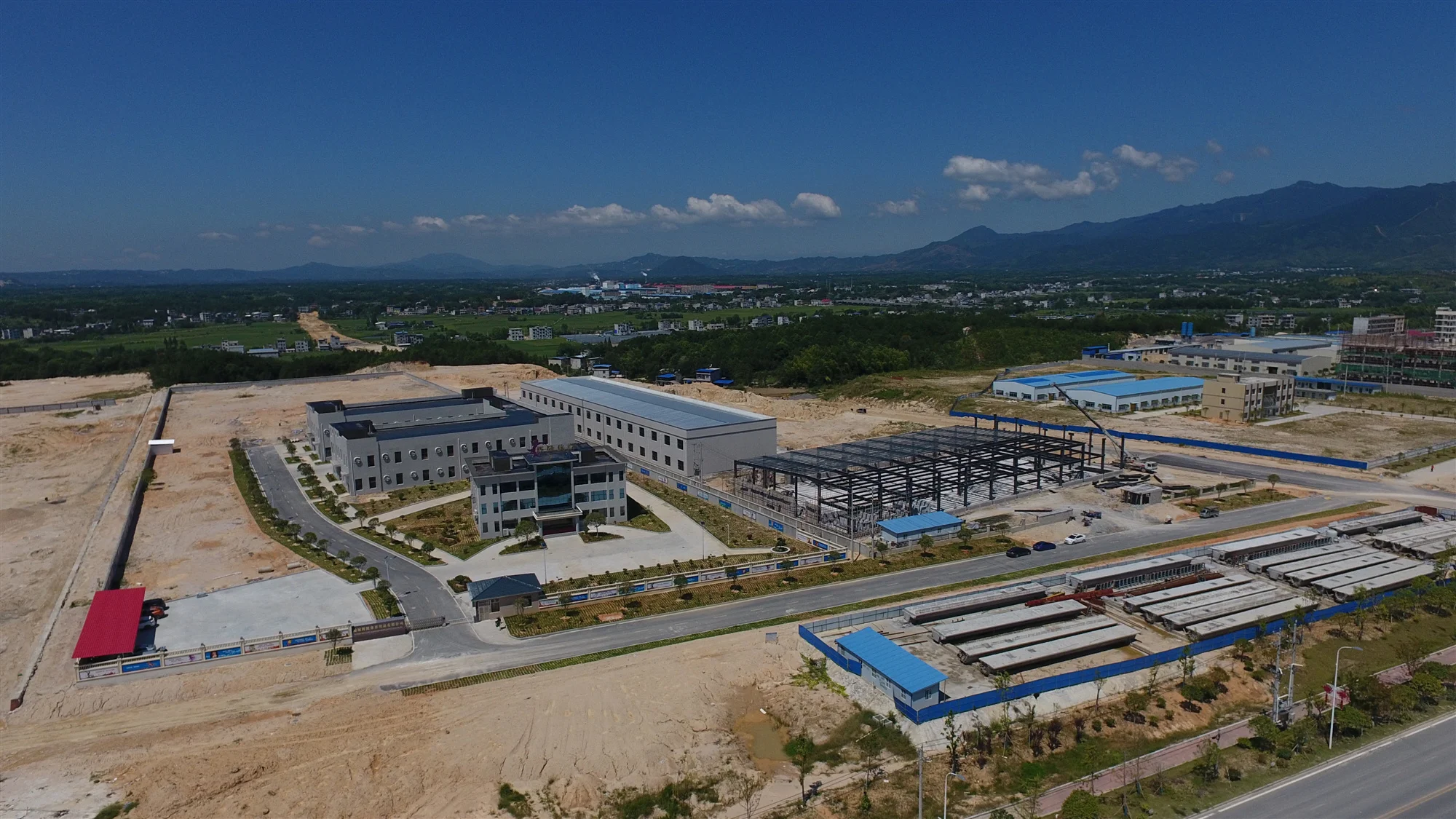
Tongcheng Huilong Sports Articles Co., Ltd.
- Manufacturer, Trading Company
- Hubei, China
- Lead time30 days
- Avg. response≤ 2h
Main productsBasketball,Football,Volleyball,rubber ball
Main marketsSoutheast Asia(100.00%)

Yiwu Sifan Import & Export Co., Ltd.
- Verified by BV
- Trading Company
- China Zhejiang
- Lead time30 days
- Avg. response≤ 8h
Main productsSoccer Ball Football PU Ball, Football PVC Football PU Football, Promotional Football Cheap Sosccer Ball, Soccer Jersey T-Shirts Football Jersey, Volleyball Rubber Ball Rubber Volleyball, Football Jersey Soccer Jersey Tshirts, Sports Goods Sporting Goods, T-Shirts Soccer T-Shirts Football T-Shirts, Soccer Uniform Football Uniform, Basketball Rubber Ball Rubber Basketball
Main marketsEurope,North America

Shandong GOLD Hongye NET Co., Ltd.
- Verified by BV
- Combined
- China Shandong
- Lead time30 days
- Avg. response≤ 8h
Main productsSafety Net, Sun Shade Net, Construction Safety Net, Scaffolding Net, Debris Net
Main marketsSouth America,Africa,Southeast Asia/ Mideast,Europe


Professional Customizable Volleyball Net for Adult Matches and Youth Training
$50.00 - $60.00
MOQ: 50 Pieces


High-Quality Volleyball Net for Professional Stadiums and Training Grounds
$50.00 - $60.00
MOQ: 50 Pieces


Shanghai Ritmark Sports Co., Ltd.
- Verified by BV
- Trading Company,Manufacturer/Factory
- China Shanghai
- Lead time23 days
- Avg. response≤ 4h
Main productsPVC Boat Fender, Fitness Ball, Fitness Sandbag, Waist Belt, Massage Tools, Acupressure Mat, Buoys, Dock Bumper, Yoga Items, Fitness Products
Main marketsSouth America,Eastern Europe,Mid East,North America,Southeast Asia,Eastern Asia,Oceania,Western Europe,Africa

TIANCHANG ZHENGMU TECHNOLOGY CO., LTD.
- Verified by CTI
- Combined
- China Anhui
- Lead time30 days
- Avg. response≤ 1h
Main productsBaseball&Softball Bats, Baseball&Softballs, Laminated&Rubber Basketball, Machine-Stitched&Rubber Football, Machine-Stitched&Laminated Soccer, Multiple Rackets, Volleyball and Badminton Combo Set, Horsehoes Set, Volleyball Set, Bocce Set
Main marketsSouth America,Domestic,Europe,North America

Nanjing Xiangye Sports Technology Co., Ltd
- Verified by SGS
- Trading Company,Manufacturer/Factory
- China Jiangsu
- Lead time45 days
- Avg. response≤ 3h
Main productsSoccer Ball, Football, Basketball, Volleyball, Futsall Ball, Playground Ball, Futsal Ball, Baseball, Beach Ball, Gym
Main marketsSouth America,Eastern Europe,Mid East,North America,Southeast Asia,Eastern Asia,Western Europe,Africa

Yiwu Huidong Industrial & Trade Co., Ltd.
- Trading Company
- Zhejiang, China
- Lead time20 days
- Avg. response≤ 4h
Main productsFootball,Basketball,Volleyball,Badminton,Table tennis
Main marketsSoutheast Asia(30.00%), South America(25.00%), Central America(10.00%), North America(10.00%), Western Europe(10.00%), Africa(5.00%), Eastern Europe(5.00%), Mid East(5.00%)

Nanjing Allshing Trade Company Limited
- Verified by BV
- Trading Company
- China Jiangsu
- Lead time23 days
- Avg. response≤ 12h
Main productsTraffic Cone, Football Cones, Agility Ladder, Soccer Cone, Agility Hurdle, Agility Training Set, Training Equipment Set, Tactics Board, Scoreboard, Table Tennis Set
Main marketsSouth America,Eastern Europe,Mid East,North America,Southeast Asia,Eastern Asia,Oceania,Western Europe,Africa

Soft Official Volleyball for Beach, Size 5 Training Volleyballs for Beginner Volley Ball
$1.65 - $1.85
MOQ: 100 Sets

Wholesale Standard Size Volleyball Custom Printed Size 5 PVC Volleyball for Promotion
$1.68 - $1.78
MOQ: 100 Pieces

Ningbo Victeam Sporting Goods Co., Ltd.
- Verified by BV
- Trading Company
- China Zhejiang
- Lead time30 days
- Avg. response≤ 10h
Main productsLeather Soccer Ball, Official Soccer Ball, Custom Soccer Ball, Laminated Soccer Ball, Machine Stitched Soccer Ball, Leather Basketball, Custom Basketball Ball, Volleyball, Basketball, Others
Main marketsSouth America,Africa,Southeast Asia/ Mideast,Europe,Australia,North America
Henan Gelee Sports Goods Co., Ltd.
- Verified by Intertek
- Manufacturer, Trading Company
- Lead time0 days
- Avg. response≤ 17h
Main productsVolleyball, Basketball, Football, Rugby, Pickleball

- Verified by BV
- Combined
- China Jiangsu
- Lead time30 days
- Avg. response≤ 20h
Main productsFootball, Basketball, Volleyball, American Football, Bags, Fitness, Training Equipment, Soccer Ball, Sportswear
Main marketsSouth America,Africa,Others(foreignTradeCapacity.exportBusinessCapacityMarketOther),Europe,North America


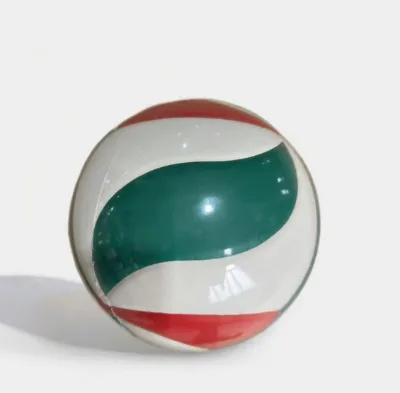
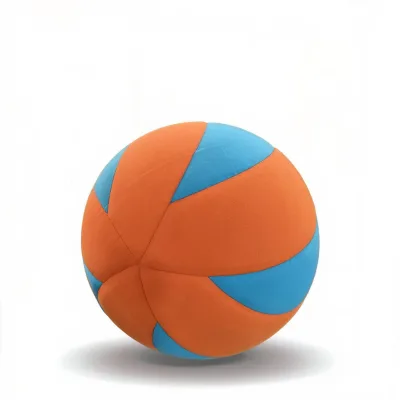
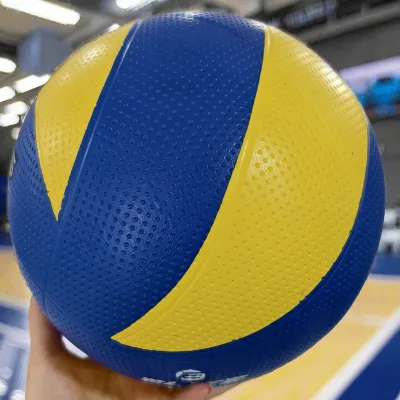




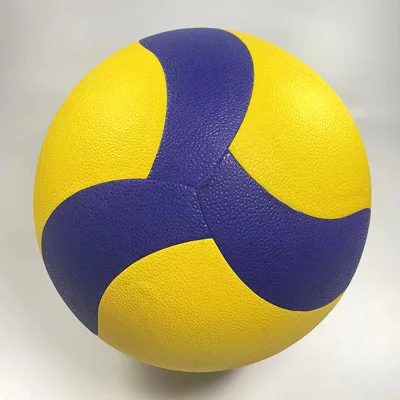


Comprehensive Sourcing Guide
Professional Training Volleyball Supplier Concentration and Factory Types
Current data indicates a concentration of manufacturing activity in China, specifically within the Jiangxi and Guangdong provinces, where suppliers list machine stitching and synthetic leather production as core capabilities. These regions host combined entities and trading companies that offer a mix of ODM and OEM services, allowing buyers to access both private label development and standard production runs. The presence of facilities in Fujian further suggests a broader manufacturing cluster in southern China, though specific factory counts in each province remain variable based on real-time search results. Buyers should prioritize regions where the primary product lines explicitly include machine stitching soccer balls, volleyballs, and American footballs, as this indicates established infrastructure for ball sports equipment.
When evaluating factory types, it is essential to distinguish between combined companies that handle both manufacturing and trading and pure trading companies that may source from multiple factories. The available data shows suppliers with ODM and OEM capacities, which implies they can customize molds and designs for professional training volleyballs. However, not all listed entities possess the same level of in-house production capability; some may rely on external partners for specific components like rubber bladders or PVC leather. Buyers must verify whether the supplier's stated capacity for "Own brand" development aligns with their actual manufacturing footprint, as this distinction affects lead times and quality control consistency.
How to Verify Professional Training Volleyball Suppliers
Verification of supplier credentials is a critical step that relies on third-party audit reports rather than self-declared claims. The current dataset includes verification badges from recognized bodies such as TÜV Rheinland, BV, and SGS, which serve as indicators of a supplier's operational stability and compliance with international standards. A supplier marked as verified by TÜV Rheinland or BV has undergone specific assessments regarding their business license and production capabilities, providing a higher degree of confidence than unverified listings. Buyers should treat these verification statuses as primary filters when narrowing down a list of potential partners for Professional Training Volleyball orders.
Beyond verification badges, buyers must scrutinize response times and communication efficiency as proxies for operational reliability. The observed response times vary significantly, with some suppliers showing a response time of 1.88 hours while others take over six hours. A faster response time often correlates with a more active sales team and better project management, which is crucial when coordinating custom specifications for professional training volleyballs. Additionally, the presence of specific product attributes like "Customization: Available" and "Bladder: Rubber" in the product evidence suggests a level of transparency that buyers should expect. If a supplier lacks these detailed attributes or fails to respond within a reasonable window, it warrants further investigation before proceeding with any commercial agreement.
What to Compare Across Professional Training Volleyball Suppliers
Comparing suppliers requires a systematic analysis of key operational metrics including lead times, minimum order quantities, and pricing structures. The data reveals lead times ranging from 30 days to 45 days, which directly impacts inventory planning and market launch schedules. Buyers must weigh the trade-off between shorter lead times and potentially higher costs, as suppliers offering 30-day delivery may have different capacity constraints compared to those requiring 45 days. Similarly, minimum order quantities (MOQ) vary from 500 pieces to 1000 pieces, influencing the initial capital outlay and risk exposure for new product launches.
Pricing and material specifications form another critical comparison dimension. Unit prices for professional training volleyballs in the current results range from approximately $1.35 to $3.75, driven by factors such as material type (PVC, PU, or Neoprene) and construction methods like machine stitching. Buyers should compare the internal pressure ratings, weight ranges, and circumference specifications to ensure the product meets official size 5 standards for training purposes. Furthermore, the availability of customization options, such as silk-screen printing or custom branding, adds value but may increase the unit cost. A thorough comparison must balance these technical specifications against the total landed cost to determine the most viable supplier for specific market needs.
Common Professional Training Volleyball Sourcing Risks
One significant risk in sourcing professional training volleyballs involves the discrepancy between advertised materials and actual product composition. While some listings specify PVC or PU leather, others may list generic terms without clear material grades, potentially leading to durability issues during rigorous training sessions. The internal pressure ratings also vary, with some products listed at less than 0.4 kg/cm and others above 0.45 kg/cm, which can affect the ball's performance and consistency. Buyers must request physical samples to verify that the material composition matches the product evidence provided, ensuring the bladder and outer cover meet the required performance standards for professional use.
Another prevalent risk is the inconsistency in production capacity and quality control across different supplier types. Trading companies may offer lower prices but lack direct oversight of the manufacturing process, whereas combined companies with ODM capabilities might offer better quality assurance. The absence of specific system certifications in some supplier profiles, marked as "NIL," raises concerns about adherence to international safety and quality standards. Additionally, the service life estimates, which range from 1 to 4 years, require validation through independent testing. Buyers should mitigate these risks by demanding detailed quality assurance protocols and ensuring that the supplier has a clear process for handling defects and returns before finalizing any large-scale order.
Professional Training Volleyball Regional Sourcing and Logistics
Regional sourcing decisions are heavily influenced by the geographic location of the manufacturing base, which impacts shipping costs and delivery timelines. The current data highlights suppliers located in Jiangxi, Guangdong, and Fujian, all within China, which generally offers competitive logistics advantages for international buyers due to established port infrastructure. However, one product listing indicates an origin of Vietnam, suggesting that buyers should remain open to sourcing from other Asian manufacturing hubs if specific material or cost requirements are not met in China. Understanding the specific port of loading for each supplier is essential for accurate freight cost calculations and customs clearance planning.
Logistics planning must also account for the packaging specifications provided in the product evidence, such as "Deflated, 1 PC / OPP Bag" or "Deflate Package 1PC/PP Bag." These packaging details affect the volume and weight of the shipment, which in turn influences freight charges and container utilization. Buyers should verify if the supplier offers consolidated shipping options or if they require individual packaging for each unit. Furthermore, the lead times of 30 to 45 days must be factored into the overall supply chain timeline, including the time required for ocean freight and inland transportation. A robust logistics strategy involves coordinating closely with the supplier to ensure that production completion aligns with the desired shipping schedule to avoid delays in receiving professional training volleyballs.
Professional Training Volleyball Commercial Terms and Order Planning
Commercial terms for professional training volleyballs often include specific requirements regarding payment methods, escrow services, and order planning protocols. While the current data does not explicitly detail escrow availability for every supplier, buyers should prioritize platforms or suppliers that offer secure payment protection to mitigate financial risks. The minimum order quantities, ranging from 500 to 1000 pieces, necessitate careful order planning to balance inventory costs with sales forecasts. Buyers must calculate the total cost of ownership, including unit price, shipping, and potential duties, to ensure the final landed cost remains competitive in their target market.
Order planning also involves aligning production schedules with market demand cycles, particularly for professional training equipment used in schools and sports clubs. The response times of suppliers, which vary from under two hours to over six hours, can significantly impact the speed of order confirmation and customization approval. Buyers should establish clear communication channels and set expectations for response times to avoid bottlenecks in the production process. Additionally, the availability of customization services, such as custom branding and design, requires early engagement to ensure that artwork and specifications are finalized before production begins. Effective order planning ensures that the supply chain remains agile and responsive to changing market conditions.
FAQs
What is the price range for professional training volleyballs?
Prices for professional training volleyballs typically range from $1.35 to $3.75 per unit. The final cost depends on the material, such as PVC or PU, and the specific customization requirements. Buyers should expect higher prices for specialized designs or bulk orders that meet the minimum quantity thresholds.
What is the minimum order quantity for custom volleyballs?
The minimum order quantity for custom volleyballs is generally 500 pieces. Some suppliers may require a higher minimum of 1000 pieces for specific models or designs. Buyers should verify the exact MOQ with the supplier before placing an order to ensure it aligns with their procurement needs.
How long does production take for these volleyballs?
Production lead times for professional training volleyballs range from 30 to 45 days. The exact duration depends on the supplier's location and current order volume. Buyers in China Guangdong may experience faster turnaround times compared to those in other regions, so confirming the schedule is essential.
Are these volleyballs suitable for adult players?
Yes, professional training volleyballs are designed for adult players. They typically weigh between 260 and 280 grams and have a circumference of 65 to 67 cm. These specifications meet standard size 5 requirements, ensuring they are appropriate for competitive training and recreational adult use.
Can I customize the design and branding of the ball?
Customization is available for professional training volleyballs. Buyers can request custom designs, logos, and branding on the ball surface. Options include silk-screen printing and other methods. Suppliers offer OEM and ODM services to meet specific branding requirements, allowing for unique product differentiation in the market.
What materials are used to make these volleyballs?
Professional training volleyballs are made from various materials, including PVC, PU, and rubber. PVC is common for durability, while PU offers a softer touch. Some models use neoprene or foam for beach volleyball applications. The material choice affects the ball's performance, feel, and suitability for different playing conditions.
Where are these volleyballs manufactured?
These volleyballs are manufactured in China, specifically in regions like Jiangxi, Guangdong, and Fujian. Some products may originate from Vietnam. Buyers should check the product origin details to understand the manufacturing location, which can impact shipping costs and lead times for international orders.