Three Tone Cheerleader Air Horn Suppliers and Manufacturers
Source 14 verified suppliers for Three Tone Cheerleader Air Horn components. Compare grounded dimensions including lead times, MOQs, certifications, and response rates. Review product specifications and request quotes directly from manufacturers in China; review the available evidence before requesting comparable quotations from suitable candidates.
Suppliers List

Ningbo Eastiger Products Co., Limited
- Verified by TUVRHEINLAND
- Combined
- China Zhejiang
- Lead time30 days
- Avg. response≤ 3h
Main productsTruck Partspropeller Shaft, Front Axle Shaft, Drive Shaft, Wheel Hub, Crankshaft, Steering Rack, Low Arm, Steering Pump, Brake Pad, Brake Disc
Main marketsSouth America,Africa,Southeast Asia/ Mideast,East Asia(Japan/ South Korea),Europe,Australia,North America

Changzhou Wushi Electrical Equipment Factory
- Combined
- China Jiangsu
- Lead time15 days
- Avg. response≤ 19h
Main productsHorn, Air Horn
Main marketsSouth America,Africa,Southeast Asia/ Mideast,East Asia(Japan/ South Korea),Domestic,Europe,Australia,North America
Xi'an Abiram Import & Export Trading Co., Ltd.
- Trading Company
- Shaanxi, China
- Lead time25 days
- Avg. response≤ 3h
Main productsCar tools, Car accessories, Car cleaning products, Traffic safety product, Car light
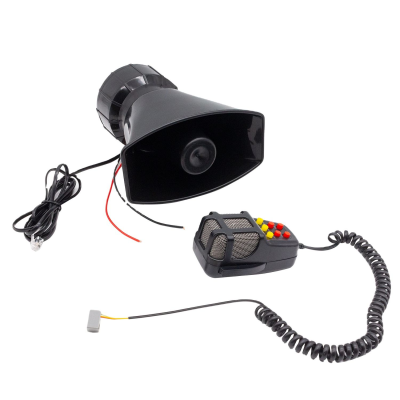
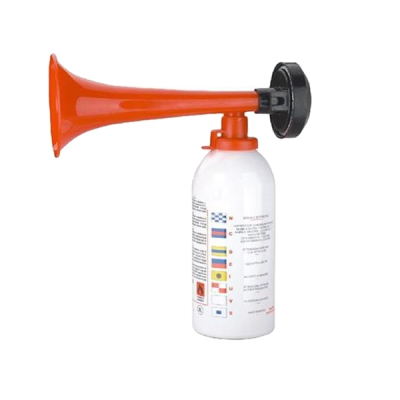
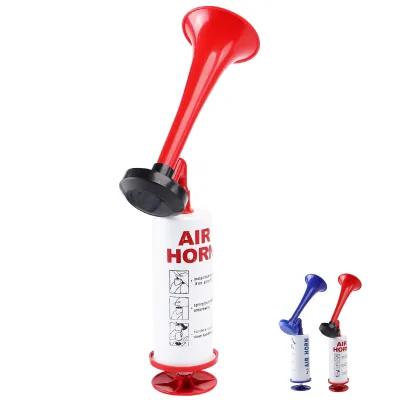
Plastic Air Horn,Party Sport Cheering Horn
$3.60 - $3.86
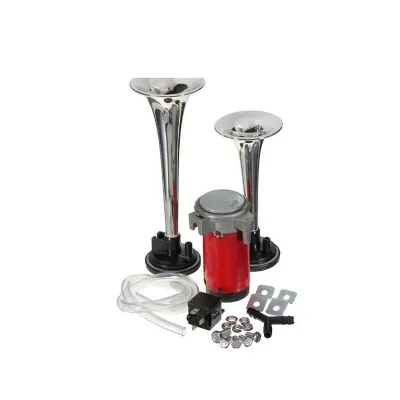
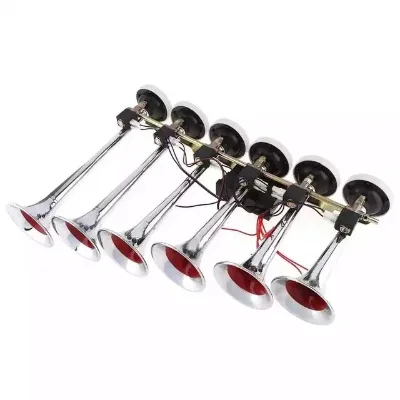
Automobile Air Horn, Dual Tone Air Trumpet
$14.50 - $16.00

Huizhou Best Festivel Articles Co., Ltd.
- Manufacturer
- China Guangdong
- Lead time30 days
- Avg. response≤ 17h
Main productsParty String, Snow Spray, Coloured Hair Spray, Air Horn, Deodorizing Body Spray, Areosol Insecticide, Paint Spray, Dashbroad Polish, Car Care Product
Main marketsSoutheast Asia/ Mideast,Europe,North America


$0.39 - $0.70
MOQ: 3000 Pieces

Qufu Temb Automotive Electric Co., Ltd.
- Verified by SGS
- Combined
- China Shandong
- Lead time30 days
- Avg. response≤ 3h
Main productsCar Horn, Spring, Backup Light Switch, Stop Light Switch, Back-up Alarm, Avas, Automatic Starting Device, Car Speaker
Main marketsSouth America,Southeast Asia/ Mideast,East Asia(Japan/ South Korea),Domestic,Europe,Australia,North America


Mechanical Electronic Horn Dual Double Tone Disc Air Snail Alarm Speaker Hor
$2.50 - $8.00
MOQ: 2000 Sets

RUIAN JINFENG INTERNATIONAL TRADE CO., LTD.
- Trading Company,Manufacturer/Factory
- China Zhejiang
- Lead time23 days
- Avg. response≤ 11h
Main productsExhaust Header, Air Intake, Exhaust Pipe, Air Horn, Air Filter, Roof Rack, Camber Kit
Main marketsSouth America,Eastern Europe,Mid East,North America,Southeast Asia,Eastern Asia,Western Europe,Africa

- Verified by SGS
- Combined
- China Zhejiang
- Lead time30 days
- Avg. response≤ 6h
Main productsAir Horns, Disc Horns, LED Lights
Main marketsSouth America,Africa,Southeast Asia/ Mideast,Domestic,Europe,North America

Ningbo Tower Machinery Co., Ltd
- Verified by TUVRHEINLAND
- Manufacturer/Factory
- China Zhejiang
- Lead time30 days
- Avg. response≤ 8h
Main productsSheet Metal Fabrication, CNC Machining Parts, Laser Cutting Parts, Tube Bending Parts, Welding Parts, Stamping Parts, Bus Seat, Trailer Jack, Electric Winch, Wheel Spacer
Main marketsSouth America,Eastern Europe,Mid East,North America,Southeast Asia,Eastern Asia,Oceania,Western Europe,Africa
Huizhou Baishijie Festive Products Co., Ltd.
- Manufacturer, Trading Company
- Lead time旺季: "1 - 100000":1,"> 100000":"To be negotiated", 淡季: "1 - 100000":1,"> 100000":"To be negotiated"
- Avg. response≤ 7h
Main productsCar care,festival items,cosmetic,personal products,Industrial products
Zhejiang Jiejia Automobile Parts Co., Ltd.
- Verified by TüVRheinland
- Manufacturer, Trading Company
- Lead time30 days
- Avg. response≤ 9h
Main productsSpeaker & Horn, Other Body Parts, Car Windows, Auto Switches
Main marketsNorth America(50%), South Asia(12%), Eastern Asia(10%)
Ruian Fabin Technology Co., Ltd.
- Manufacturer, Trading Company
- Zhejiang, China
- Lead time15 days
- Avg. response≤ 10h
Main productsHorn, LED Car Light
Main marketsNorth America(35.00%), Domestic Market(10.00%), South Asia(5.00%), Eastern Asia(5.00%), South America(5.00%), Oceania(5.00%), Western Europe(5.00%), Southern Europe(5.00%), Central America(5.00%), Northern Europe(5.00%), Eastern Europe(5.00%), Mid East(5.00%), Southeast Asia(5.00%)
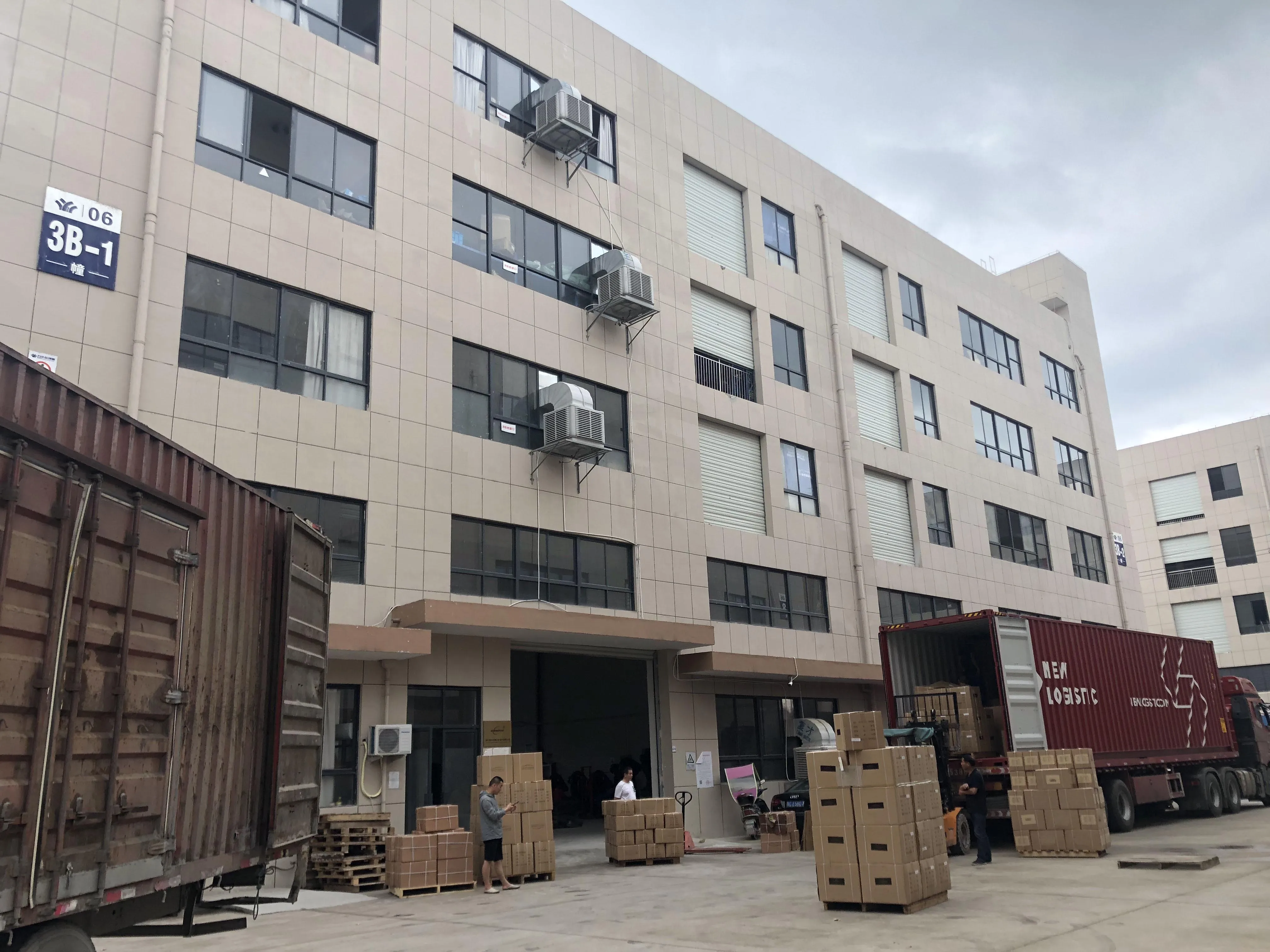
Zhejiang Lishui Expanding Automobile Parts Co., Ltd.
- Manufacturer, Trading Company
- Zhejiang, China
- Lead time30 days
- Avg. response≤ 3h
Main productsair horn,car horn,Signal,Bocina,parking sensor
Main marketsEastern Europe(30.00%), North America(20.00%), Southeast Asia(15.00%), Africa(10.00%), South America(10.00%), Northern Europe(5.00%), Western Europe(5.00%), Eastern Asia(5.00%)
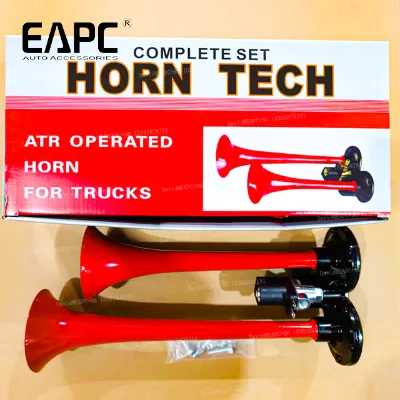
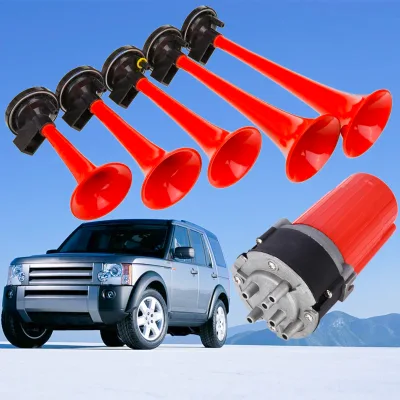
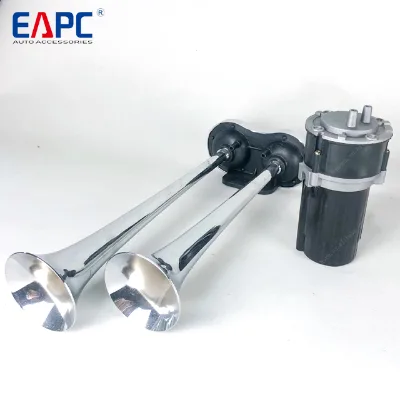
OE 303 Non-plastic metal Dual Trumpet 24V Loud Horn Tech Train Air Operated Horn Truck air Horn
$1.56 - $5.21
MOQ: 30 Minimum
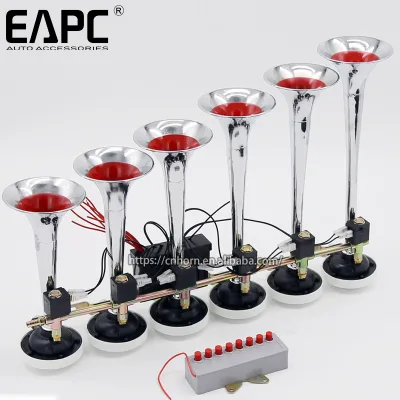
$24.70 - $25.80
MOQ: 5 sets

Superpack (Guangzhou) Intelligent Machine Co., Ltd.
- Verified by SGS
- Manufacturer/Factory
- China Guangdong
- Lead time23 days
- Avg. response≤ 13h
Main productsWiper Blade, Car Horn, Car Air Filters, Halogen Bulbs
Main marketsSouth America,Eastern Europe,Mid East,North America,Southeast Asia,Eastern Asia,Oceania,Western Europe,Africa

ABS Red Color Horn 3 Sound High Power Speaker Truck Boat Electric 3 Pipes Air Horn
$4.50 - $8.00
MOQ: 500 Sets

24V Loud 130dB 3 Pipe Triple Trumpet Train Truck Air Horn with 12V Electric Air Horn
$4.50 - $8.00
MOQ: 500 Sets


Changsha Borui Toys Design Company Limited
- Trading Company
- Hunan, China
- Lead time10 days
- Avg. response≤ 2h
Main productsparty items,sport items,baby items,sport games,stage items
Main marketsWestern Europe(20.00%), Domestic Market(20.00%), North America(20.00%), Eastern Europe(5.00%), Southern Europe(5.00%), Mid East(5.00%), Oceania(5.00%), Northern Europe(5.00%), South America(5.00%), Southeast Asia(4.00%), Eastern Asia(2.00%), Africa(2.00%), Central America(1.00%), South Asia(1.00%)
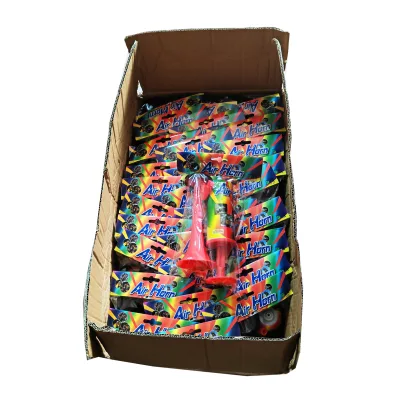
$0.43 - $0.50
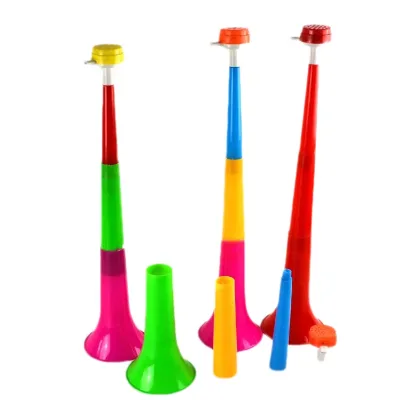
Hot Sale Football Fans Loud Horn
$0.20 - $0.25
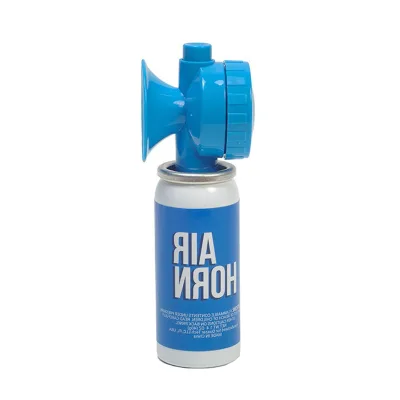
Best Quality 120db Boat air Pressure Bike Horn
$1.85 - $2.00


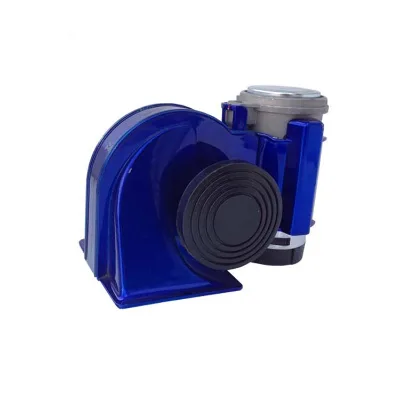
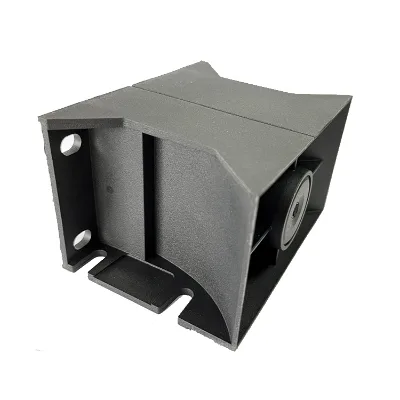
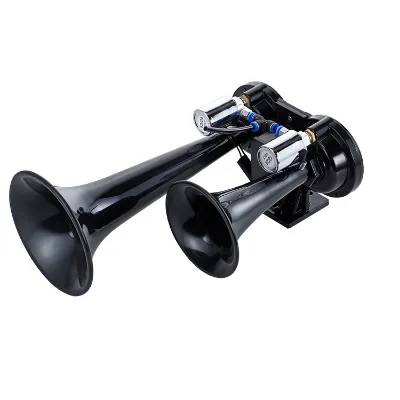
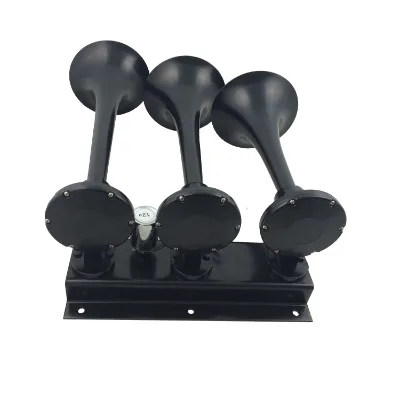
Comprehensive Sourcing Guide
Three Tone Cheerleader Air Horn Supplier Concentration and Factory Types
The available data indicates that manufacturers of air horn systems are concentrated in specific Chinese provinces, with Zhejiang and Jiangsu emerging as key industrial hubs for this category. Factories in these regions often operate as combined entities, offering both Original Equipment Manufacturing and Original Design Manufacturing capabilities alongside their own branded product lines. This structural flexibility allows suppliers to adapt quickly to varying buyer requirements, whether for custom specifications or standard catalog items. The presence of established production clusters in these areas suggests a mature supply chain ecosystem, though buyers must verify the specific factory location for each inquiry rather than assuming all suppliers are based in the same city.
When evaluating factory types, it is essential to distinguish between pure trading companies and manufacturers with direct production lines. The observed supplier profiles include those with verified status from recognized bodies like TÜV Rheinland, which often correlates with a more robust manufacturing infrastructure. These combined-type companies typically possess the capacity to handle both OEM and ODM orders, providing a broader range of customization options for complex air horn designs. Buyers should look for evidence of in-house research and development capabilities, as this indicates a deeper technical understanding of the product's acoustic and mechanical requirements. Understanding the specific factory type helps in predicting the level of control a buyer will have over the production process and the potential for innovation in the final product design.
How to Verify Three Tone Cheerleader Air Horn Suppliers
Verification of suppliers requires a multi-layered approach that goes beyond simple profile checks. The presence of a TÜV Rheinland verification badge is a significant indicator of a supplier's commitment to quality and operational standards, but it should be treated as one data point among many. Buyers must cross-reference this verification with other tangible evidence, such as system certifications like ISO9001:2015, which demonstrate adherence to international quality management protocols. It is crucial to request current certification documents directly from the supplier to ensure they are valid and not expired, as these documents provide concrete proof of the supplier's compliance with established industry standards.
Response time and communication efficiency are also critical metrics for verifying supplier reliability. Data shows response times varying significantly, with some suppliers responding within a few hours while others take nearly twenty hours. A faster response time often correlates with a more active sales team and better logistical coordination, which is vital for resolving urgent production issues. Buyers should test the supplier's responsiveness with specific technical questions regarding the air horn's specifications, such as voltage requirements or sound frequency ratings. A supplier that provides detailed, accurate answers quickly is more likely to be a reliable partner capable of managing complex orders and maintaining consistent communication throughout the procurement lifecycle.
What to Compare Across Three Tone Cheerleader Air Horn Suppliers
Comparing suppliers requires a systematic analysis of key operational metrics, including lead times, minimum order quantities, and pricing structures. Lead times in the observed data range from 15 to 30 days, reflecting differences in production capacity and current order backlogs. Buyers must align these timelines with their own inventory planning and market launch schedules to avoid stockouts or delays. Similarly, minimum order quantities vary widely, with some suppliers requiring as few as 200 units while others demand 1000 units or more. Understanding these thresholds is essential for determining the financial feasibility of an order, especially for smaller buyers or those testing new product lines.
Pricing and product specifications are equally important factors in the comparison process. The observed price ranges for air horns span from under one dollar to over thirty dollars, depending on the complexity, material quality, and sound output capabilities. Buyers should compare not just the unit price but also the total cost of ownership, which includes shipping, tariffs, and potential customization fees. Product attributes such as speaker design, waterproof ratings, and energy exchange mechanisms should be scrutinized to ensure they meet the specific application requirements. By creating a detailed comparison matrix that includes these variables, buyers can objectively identify the suppliers that offer the best balance of cost, quality, and service for their specific needs.
Common Three Tone Cheerleader Air Horn Sourcing Risks
One of the primary risks in sourcing air horns is the potential mismatch between product specifications and actual performance. While suppliers may list attributes like high pitch or specific decibel ratings, the actual output can vary based on manufacturing tolerances and material quality. Buyers must verify that the product's sound frequency and volume meet the intended use case, whether for emergency vehicles or industrial applications. Relying solely on marketing descriptions without requesting physical samples or third-party test reports can lead to receiving products that fail to meet performance expectations, resulting in wasted time and resources.
Another significant risk involves the reliability of the supply chain and the consistency of product quality over time. Variations in lead times and response speeds can indicate underlying operational instability, which may affect the ability to fulfill large orders or meet tight deadlines. Additionally, the lack of standardized certifications across all suppliers means that some products may not comply with local safety regulations in the buyer's target market. Buyers should mitigate these risks by establishing clear quality control protocols and requiring suppliers to provide evidence of consistent production standards. Regular audits and sample testing during the production process can help ensure that the final products align with the agreed-upon specifications and quality benchmarks.
Three Tone Cheerleader Air Horn Regional Sourcing and Logistics
Regional sourcing decisions are heavily influenced by the location of manufacturing facilities and the associated logistics infrastructure. The data indicates that suppliers are primarily located in Zhejiang and Jiangsu provinces, which are well-connected to major ports like Ningbo and Shanghai. These ports facilitate efficient export logistics, reducing transit times and shipping costs for international buyers. However, buyers must verify the specific port of loading for each supplier, as this can impact the overall shipping schedule and cost structure. Understanding the geographic distribution of suppliers helps in selecting partners that minimize logistical complexities and ensure timely delivery.
Logistics planning also involves considering the packaging and handling requirements of the air horns. Products are often packed in color boxes or bulk packages, with specific dimensions and weights that affect shipping efficiency. Buyers should confirm the packaging details to ensure that the products can be transported safely without damage. Additionally, the origin of the products, such as Changzhou City in Jiangsu Province, can influence the availability of local logistics partners and the ease of coordinating freight forwarding. By aligning sourcing decisions with the logistical capabilities of the region, buyers can optimize their supply chain and reduce the risk of delays or additional costs associated with transportation.
Three Tone Cheerleader Air Horn Commercial Terms and Order Planning
Commercial terms and order planning are critical for ensuring a smooth procurement process and avoiding unexpected costs. Buyers must carefully review the payment terms, delivery schedules, and warranty conditions offered by each supplier. The observed data includes warranty periods of up to 12 months, which provides a safety net for buyers against manufacturing defects. However, the specific terms can vary, and buyers should negotiate conditions that align with their risk tolerance and financial planning. Clear communication regarding these terms helps prevent misunderstandings and ensures that both parties have a shared understanding of their obligations.
Order planning requires a strategic approach to managing inventory and production schedules. Buyers should consider the minimum order quantities and lead times when placing orders to maintain optimal stock levels. For suppliers with longer lead times, such as 30 days, buyers may need to place orders well in advance to avoid stockouts. Additionally, the availability of customization options allows buyers to tailor products to their specific needs, but this may extend the production timeline. By integrating these factors into a comprehensive order plan, buyers can ensure a steady supply of high-quality air horns while maintaining flexibility to adapt to changing market demands.
FAQs
What is the price range for air horns?
Air horn prices vary significantly based on specifications and volume. Basic electric models start around $0.50 per unit, while more complex multi-tone or high-decibel air horns can cost up to $30.00. Buyers should check the minimum order quantity to determine the total cost for their specific sourcing needs.
What is the typical lead time for orders?
Manufacturers generally require 15 to 30 days to produce and ship orders. Suppliers in Jiangsu often offer a 15-day lead time, while those in Zhejiang may take up to 30 days. Buyers should confirm the exact timeline with the supplier before placing an order to ensure timely delivery.
What is the minimum order quantity for air horns?
Minimum order quantities typically range from 200 to 1000 units depending on the supplier and product type. Some manufacturers accept orders as low as 200 pieces, while others require a minimum of 1000 units. Buyers should verify the specific MOQ with the supplier to align with their inventory requirements.
Are air horns customizable for specific brands?
Yes, many suppliers offer customization services including OEM, ODM, and own brand options. Buyers can request custom designs, packaging, or specifications to match their brand identity. This flexibility allows businesses to create unique products that stand out in the market while meeting specific technical requirements.
What certifications do air horn suppliers hold?
Reputable suppliers often hold ISO9001:2015 certification and Emark 9 approval for their products. These certifications ensure quality management systems and compliance with international safety standards. Buyers should request copies of these certificates to verify the supplier's adherence to industry regulations and product quality.
How quickly do suppliers respond to inquiries?
Response times vary, with some suppliers replying within 2.63 hours and others taking up to 18.95 hours. Faster response times indicate a more responsive sales team. Buyers should prioritize suppliers with quicker response times to ensure efficient communication and timely resolution of any questions or concerns.