Indoor Outdoor Soft Tennis Racket Suppliers and Manufacturers
Explore 10 verified suppliers offering Indoor Outdoor Soft Tennis Racket options with varying lead times, MOQs, and response speeds. Compare dimensions, materials, and customization capabilities to select the right partner for your needs; review the available evidence before requesting comparable quotations from suitable candidates.
Suppliers List

Ivory Tiger Technology (Shenzhen) Co., Ltd.
- Verified by SGS
- Trading Company
- China Guangdong
- Lead time30 days
- Avg. response≤ 17h
Main productsDrone, Scooter, Motor, ATV, UTV, Sport Products, Pool Table, Drift Go Kart - Mini Porsche
Main marketsDomestic
Shandong Rarlon Carbon Fiber Products Co., Ltd
- Verified by CTI
- Combined
- China Shandong
- Lead time30 days
- Avg. response≤ 8h
Main productsPadel, Padel Racket, Beach Tennis, Beach Tennis Racket, Racket, Paddle, Pickleball, Raquet, Tennis Racket, Carbon Padel Racket
Main marketsEast Asia(Japan/ South Korea),Europe,North America


OEM Carbon Fiber 3K 22mm Beach Tennis Racket
MOQ: 1 Pieces

Jinjiang Jiayi Supply Chain Management Co., Ltd.
- Verified by BV
- Trading Company
- China Fujian
- Lead time30 days
- Avg. response≤ 1h
Main productsGift, Shoe, Garment, Machine
Main marketsDomestic

TIANCHANG ZHENGMU TECHNOLOGY CO., LTD.
- Verified by CTI
- Combined
- China Anhui
- Lead time30 days
- Avg. response≤ 2h
Main productsBaseball&Softball Bats, Baseball&Softballs, Laminated&Rubber Basketball, Machine-Stitched&Rubber Football, Machine-Stitched&Laminated Soccer, Multiple Rackets, Volleyball and Badminton Combo Set, Horsehoes Set, Volleyball Set, Bocce Set
Main marketsSouth America,Domestic,Europe,North America

High Quality Adult Custom Design Tennis Racket Indoor Outdoor Tennis Sport Custom Logo
$28.00 - $38.00
MOQ: 100 Pieces


Professional Players Tennis Training for Indoor Outdoor Carbon Fiber Custom Tennis Racket
$28.00 - $38.00
MOQ: 100 Pieces


Professional Speed Touch Carbon Tennis Racket for Outdoor Play Customized Colors and Logo
$28.00 - $38.00
MOQ: 100 Pieces

Hangzhou Hongda Sports & Entertainment Co., Ltd.
- Manufacturer, Trading Company
- Zhejiang, China
- Lead time35 days
- Avg. response≤ 4h
Main productsBadminton Racket,Tennis Racket,Squash racket,Pickleball Paddle,Bike accessories
Main marketsWestern Europe(30.00%), Southeast Asia(20.00%), Northern Europe(15.00%), Eastern Europe(5.00%), Southern Europe(5.00%), Eastern Asia(5.00%), Mid East(5.00%), Africa(5.00%), South Asia(5.00%), North America(4.00%), South America(1.00%)
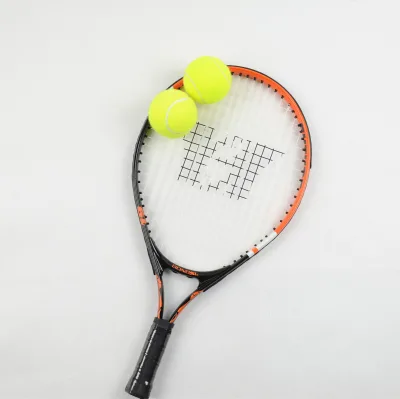
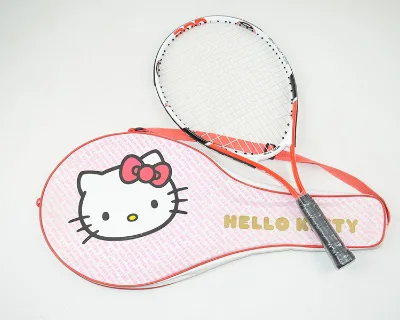
2023 New Model High Quality Kids Professional Lightweight Tennis Racket for Playing
$3.67 - $3.86
MOQ: 1 pieces

Guangdong Guosheng Carbon Fiber Composites Co., Ltd.
- Verified by TUVRHEINLAND
- Manufacturer/Factory
- China Guangdong
- Lead time0 days
- Avg. response≤ 3h
Main productsPickleball Paddle, Padel Racket, Beach Tennis Racket, Racquet, Bicycle Parts
Main marketsSouth America,Eastern Europe,Mid East,North America,Southeast Asia,Eastern Asia,Oceania,Western Europe,Africa

Fiberboard Type Beach Tennis Racket - High-Quality, Durable Outdoor Sports Racket for Tennis
$18.00 - $42.00
MOQ: 300 Pieces


Fine Workmanship Beach Tennis Racket for Amateur Beach Sports Training
$18.00 - $45.00
MOQ: 300 Pieces

Comfortable Hitting Feel Dual Density Beach Tennis Racket for Professional Beach Tennis Competition
$18.00 - $45.00
MOQ: 300 Pieces

Padel Rackets - Professional Adult Competition Lightweight and Durable Tennis Rackets
$18.00 - $42.00
MOQ: 300 Pieces


Dongguan Yixin Carbon Fiber Co., Ltd.
- Verified by BV
- Trading Company
- China Guangdong
- Lead time30 days
- Avg. response≤ 3h
Main productsIce Hockey Stick, Tennis Racket, CCM Ice Hockey Stick
Main marketsEurope,North America

Sporty 12K Padel Racket Carbon Fiber Beach Tennis Racket for Active Players
$20.00 - $55.00
MOQ: 150 Pieces

$20.00 - $55.00
MOQ: 150 Pieces


Ergonomic 12K Padel Racket Carbon Fiber Beach Tennis Racket for Comfort
$20.00 - $55.00
MOQ: 150 Pieces

Lightweight Performance 12K Padel Racket Carbon Fiber Beach Tennis Racket
$20.00 - $55.00
MOQ: 150 Pieces

TianChang Liangwen Sporting Equipment Co., Ltd.
- Verified by BV
- Combined
- China Anhui
- Lead time15 days
- Avg. response≤ 7h
Main productsPickleball Paddles, Beach Tennis Rackets, Padel Rackets, Badminton Rackets, Baseball/Softball Bats, Baseballs/Softballs
Main marketsNorth America


High-Performance Composite Carbon Fiber Soft Tennis Racket for Professional Occasion
$28.00 - $38.00
MOQ: 100 Pieces


Eastic Durable for Training Lightweight Custom Logo Tennis Racket Wholesale
$28.00 - $38.00
MOQ: 100 Pieces


Chengdu Qinliwei Import and Export Trade Co., Ltd.
- Trading Company,Manufacturer/Factory
- China Sichuan
- Lead time23 days
- Avg. response≤ 8h
Main productsGolf Products, CNC Products, Timer, Mat, Fashion Accessories, Digital Counter, Photographic Equipment
Main marketsNorth America,Western Europe

- Verified by BV
- Trading Company,Manufacturer/Factory
- China Zhejiang
- Lead time0 days
- Avg. response≤ 12h
Main productsWooden Game, Toy, Outdoor Game, Gareden Game, Racket, Tent, Soccer Ball, Sports


Comprehensive Sourcing Guide
Indoor Outdoor Soft Tennis Racket Supplier Concentration and Factory Types
Current data indicates a concentration of suppliers in China Guangdong, where manufacturers produce a diverse range of sports equipment including drones, scooters, and various racket types. These facilities often operate as trading companies or combined entities, offering ODM and OEM capabilities for custom designs. The presence of verified suppliers in this region suggests a mature ecosystem for producing graphite and carbon fiber rackets, though specific factory locations remain general within the province. Buyers should note that main product lists frequently include tennis rackets alongside other sports gear, indicating a broad manufacturing base rather than a specialized single-product factory.
In contrast, some suppliers are located in China Shandong, presenting a different cluster for sourcing. These entities may function as combined companies with their own brands, offering distinct capabilities compared to pure trading firms. The variation in company types, from trading companies to those with own brands, requires buyers to assess whether they need a manufacturer with direct production control or a trader with a broad catalog. When evaluating these clusters, focus on the specific product evidence provided, such as the availability of carbon fiber materials and customization options, to determine if the supplier's primary output aligns with your specific indoor or outdoor soft tennis racket requirements.
How to Verify Indoor Outdoor Soft Tennis Racket Suppliers
Verification is a critical step when sourcing tennis rackets, as the market includes both trading companies and manufacturers with varying levels of transparency. Some suppliers display verification status through third-party agencies like SGS or CTI, which adds a layer of confidence regarding their business legitimacy. However, not all suppliers list system certifications, so the absence of a specific certification label does not automatically disqualify a vendor. Buyers must rely on the visible verification badges and cross-reference them with the supplier's claimed capabilities, such as ODM or OEM services, to ensure the entity is capable of delivering the requested product specifications.
Response time is another tangible metric that helps assess supplier reliability and operational efficiency. Data shows response times varying significantly, with some suppliers responding in under eight hours while others take over sixteen hours. A faster response time often correlates with better communication channels and a more active sales team, which is essential for resolving technical queries about racket materials or customization details. When evaluating potential partners, prioritize those with documented response speeds that align with your project timeline, ensuring that you can quickly address questions regarding product attributes like grip material, net material, or face size before placing an order.
What to Compare Across Indoor Outdoor Soft Tennis Racket Suppliers
Comparing suppliers requires a detailed analysis of their product attributes, pricing structures, and minimum order quantities. The available data reveals a wide price range, with some rackets listed at approximately eighteen dollars while others reach nearly thirty dollars or more. These price differences often reflect variations in materials, such as the use of T700 carbon fiber versus standard graphite, or differences in manufacturing technology like hot pressing integrated molding. Buyers should carefully examine the product specifications, including weight, dimensions, and customization availability, to understand the value proposition behind each price point before making a selection.
Minimum order quantities (MOQ) and lead times are equally critical factors in the comparison process. Some suppliers require orders as low as fifteen units, while others mandate quantities of two hundred units or more. Lead times also vary, with some suppliers indicating a thirty-day production window. These constraints directly impact inventory planning and cash flow, so buyers must align their order volume with the supplier's MOQ and ensure the lead time fits their delivery schedule. Additionally, comparing the main products offered by each supplier helps identify those with a strong focus on tennis equipment versus those with a broader, less specialized catalog.
Common Indoor Outdoor Soft Tennis Racket Sourcing Risks
One significant risk involves the discrepancy between claimed capabilities and actual product evidence. While some suppliers advertise extensive customization options, the specific product details provided may show limitations in material choices or design flexibility. For instance, a supplier might claim full customization but list products with fixed net materials or specific grip types that do not meet unique buyer requirements. Buyers must scrutinize the product attributes listed, such as the net material being unstrung or the grip material being carbon fiber, to ensure the supplier can deliver the exact configuration needed for their specific market.
Another risk stems from the variability in supplier types and their associated service levels. Trading companies may offer a wider variety of products but might lack direct control over the manufacturing process, potentially leading to inconsistencies in quality or delays. Conversely, combined companies with their own brands may offer more stability but could have higher minimum order requirements. The lack of universal system certifications across all suppliers further complicates risk assessment, as buyers cannot rely on a single standard to validate quality. It is essential to verify the specific verification status of each supplier and understand the implications of their company type on the final product delivery.
Indoor Outdoor Soft Tennis Racket Regional Sourcing and Logistics
Sourcing from China Guangdong and China Shandong offers distinct logistical advantages and challenges depending on the supplier's location. Guangdong is a major manufacturing hub known for its extensive supply chain and export infrastructure, which often facilitates faster shipping and better access to raw materials like carbon fiber. Suppliers in this region frequently list their origin as Guangdong, China, indicating a centralized production base that can streamline the logistics process for international buyers. However, the specific shipping methods, such as sea, land, or air transportation, vary by supplier and must be confirmed to ensure timely delivery.
Shandong-based suppliers present an alternative sourcing option with potentially different logistical profiles. While the region also produces high-quality sports equipment, the distance from major ports or the specific packaging methods used by these suppliers might affect shipping costs and transit times. Buyers should verify the packaging details, such as whether items are shipped in canvas bags or bubble bags, as this impacts the protection of the rackets during transit. Understanding the regional strengths and logistical capabilities of each location helps buyers optimize their supply chain and minimize potential delays or damage during the shipping process.
Indoor Outdoor Soft Tennis Racket Commercial Terms and Order Planning
Commercial terms and order planning are pivotal for successful procurement, particularly when dealing with varying MOQs and lead times. The data indicates that some suppliers require a minimum of fifteen units, while others demand two hundred, which significantly influences the initial investment and inventory strategy. Buyers must calculate the total cost of ownership, including the unit price, shipping fees, and any potential customs duties, to ensure the order remains profitable. Additionally, understanding the lead time, which can be around thirty days, is crucial for planning production schedules and meeting customer demand without stockouts.
Customization and payment terms also play a vital role in the commercial agreement. Many suppliers offer customization services, allowing buyers to tailor the racket design, material, or branding to their specific needs. However, the extent of customization and the associated costs must be clearly defined before placing an order. Buyers should also verify the payment terms and any escrow services available to protect their financial interests. By carefully reviewing the product attributes, pricing, and commercial conditions, buyers can develop a robust order plan that mitigates risks and ensures a smooth transaction from initial inquiry to final delivery.
FAQs
What is the price range for indoor and outdoor soft tennis rackets?
Prices for these rackets range from 18.80 to 48.00 USD per unit depending on the specific model and material used. Some basic training sets start at 18.80 USD, while premium carbon fiber options reach 48.00 USD. Buyers should verify exact pricing based on their required customization and order volume.
What are the minimum order quantities for these tennis rackets?
Minimum order quantities vary significantly by supplier and product type. Some listings require as few as 15 units, while others mandate orders of 50 or 200 units. Buyers must check specific product pages to confirm the exact MOQ before placing an order to ensure it meets their business needs.
How long does it take to receive these rackets after ordering?
Standard lead times for these products are approximately 30 days from order confirmation. This duration allows for manufacturing and quality checks before shipment. Buyers should confirm specific delivery schedules with suppliers, as expedited options or delays may occur based on current production capacity and logistics.
Are these rackets available for customization and OEM services?
Yes, most suppliers offer customization and OEM services for these rackets. Features like design, material, and branding can often be tailored to specific requirements. Buyers should verify available customization options directly with the supplier to ensure their specific design needs can be met within the production timeline.
Where are these tennis racket manufacturers located?
Manufacturers for these rackets are primarily located in China, specifically in Guangdong and Shandong provinces. These regions are known for their strong manufacturing capabilities in sports equipment. Buyers should verify the exact factory location to assess shipping costs and logistics efficiency for their specific destination.
What materials are used to make these tennis rackets?
Common materials include graphite, T700 carbon fiber, and glass fiber for the racket frame. Grips are often made from carbon fiber, and some models feature EVA foam covers. Buyers should check specific product attributes to confirm the exact material composition suitable for their intended training or competition use.
Do these suppliers offer verification services for their products?
Some suppliers have undergone verification by third-party agencies like SGS or CTI. This verification helps confirm the supplier's operational status and product quality standards. Buyers should look for these verification badges on supplier profiles to ensure a higher level of trust and reliability before proceeding with large orders.