Luxury Gloss Varnishing Greeting Card Suppliers and Manufacturers
Compare 32 verified suppliers offering luxury gloss varnishing greeting cards with details on location, lead times, and certifications. Review product attributes like MOQ and customization options to source the right partner for your needs; review the available evidence before requesting comparable quotations from suitable candidates.
Updated
Suppliers List

Quanzhou Changyi Crafts Gifts Limited
- Verified by TUVRHEINLAND
- Manufacturer/Factory
- China Fujian
- Lead time23 days
- Avg. response≤ 6h
Main productsBallpoint Pen, Silicone Bracelet, Name Card Holder, Luggage Tag, Gift Set, Mobile Phone Accessory, Passport Cover, Ceramic Coaster, Gift Bag, Gift Box
Main marketsSouth America,Mid East,North America,Southeast Asia,Eastern Asia,Oceania,Western Europe,Africa

Guangzhou Weiye Color Printing Co., Ltd.
- Verified by BV
- Combined
- China Guangdong
- Lead time15 days
- Avg. response≤ 3h
Main productsPaper Box, Packing Box, Paper Bag, Gift Bag, Picture Album, PVC/Pet Box, Envelope, Sticker, Hag Tag, Red Packets/Greeting Card
Main marketsEurope
Guangzhou Inffy Packaging Co., Ltd
- Verified by TüVRheinland
- Trading Company
- Lead time7 days
- Avg. response≤ 2h
Main productsPackaging Box, Tissue Paper, Drawstring Pouch, Hangtag, Sticker
Main marketsNorth America(37%), Mid East(13%), Northern Europe(13%)
$0.041 - $0.0513
MOQ: 500 pieces

SHENZHEN CANDIDUS PRINTING GROUP CO., LIMITED
- Trading Company
- China Guangdong
- Lead time0 days
- Avg. response≤ 1h
Main productsBook Printing, Catalog Printing, Label, Paper Bag, Notebook, Magazine Printing, Packaging Box, Printing Service, Banner, Greeting Card

Shenzhen Flying Supply Chain Co., Ltd.
- Verified by SGS
- Trading Company
- China Guangdong
- Lead time15 days
- Avg. response≤ 6h
Main productsPacking Bag, Gift Bag, Folding Bag, Laptop Bag, Carton, Toy Puzzle, Stationery, Label, Hot Melt Paper, 3D Printing Consumables
Main marketsNorth America


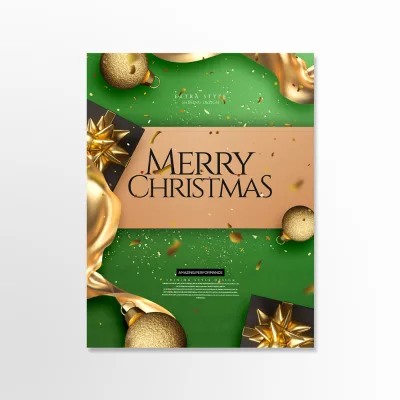
Christmas Greeting Card Design Customization Holiday Greeting Card Customization
$0.14 - $0.60
MOQ: 100 Pieces

Dongguan AST Industry Co., Ltd.
- Verified by TUVRHEINLAND
- Manufacturer/Factory
- China Guangdong
- Lead time23 days
- Avg. response≤ 15h
Main productsSound Module, Voice Recorder, Video Brochure, Sound Chip, LED Flashing Module for POS, Musical Greeting Cards, Video Module, Musical Bottle Opener, Musical Postcards, DC Motor for Pop Dispay
Main marketsSouth America,Eastern Europe,Mid East,North America,Southeast Asia,Eastern Asia,Oceania,Western Europe,Africa

Guangzhou Yong Li Printing Co., Ltd.
- Manufacturer, Trading Company
- Guangdong, China
- Lead time3 days
- Avg. response≤ 1h
Main productsLabel Sticker,Hangtag,Paper Card,Paper Box,Paper Bag
Main marketsNorth America(40.00%), Northern Europe(10.00%), Oceania(8.00%), Southeast Asia(7.00%), Eastern Asia(6.00%), Mid East(6.00%), South America(5.00%), Western Europe(5.00%), Eastern Europe(5.00%), Southern Europe(5.00%), Africa(3.00%)
Zhenyin (hangzhou) Digital Printing Co., Ltd.
- Verified by Intertek
- Trading Company
- Lead time0 days
- Avg. response≤ 2h
Main productsNotebooks, Paper Card, Paper Bricks, Paper Boxes, Sticky Notes Cube
Main marketsDomestic Market(50%), North America(20%), Southeast Asia(12%)
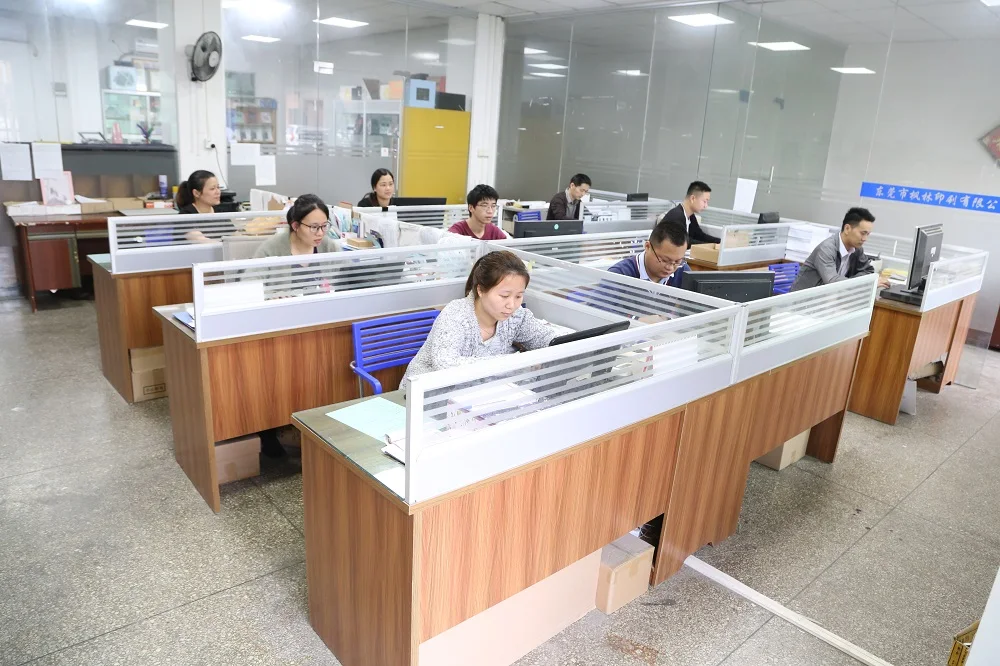
Dongguan Fenglin Printing Co., Ltd.
- Manufacturer, Trading Company
- Guangdong, China
- Lead time15 days
- Avg. response≤ 3h
Main productsColor box, Color Card Manual, Sticker, Paper Bag, Puzzle Paper Products
Main marketsWestern Europe(33.00%), Domestic Market(30.00%), North America(15.00%), Eastern Asia(12.00%), South America(5.00%), Eastern Europe(5.00%)

Shenzhen Evergrowing Lucky Electronic Co., Ltd.
- Trading Company
- China Guangdong
- Lead time23 days
- Avg. response≤ 9h
Main productsVideo Card, Video Greeting Card, Video Module, Video Brochure, LCD Brochure, LCD Card, LCD Booklet, Video Booklet, Video Book, Video Box
Main marketsSouth America,Europe,Australia,North America
Guangzhou Fashion Cards Paper Products Co., Ltd.
- Verified by SGS Group
- Trading Company
- Lead time旺季: "1 - 100":7,"101 - 5000":14,"> 5000":"To be negotiated", 淡季: "1 - 100":7,"101 - 5000":14,"> 5000":"To be negotiated"
- Avg. response≤ 4h
Main productsCandy Boxes, Velvet Cards, Laser Cards, Hardcover Cards, Acrylic Cards
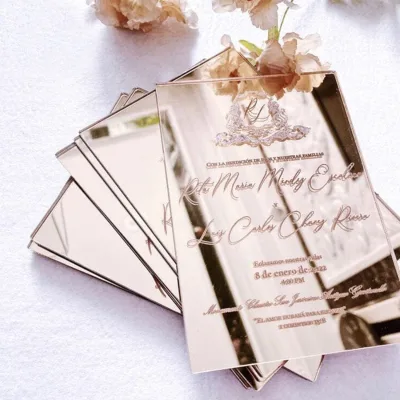
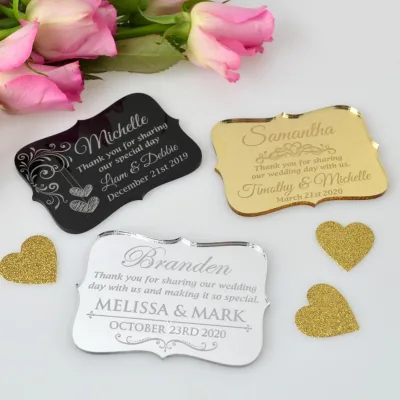
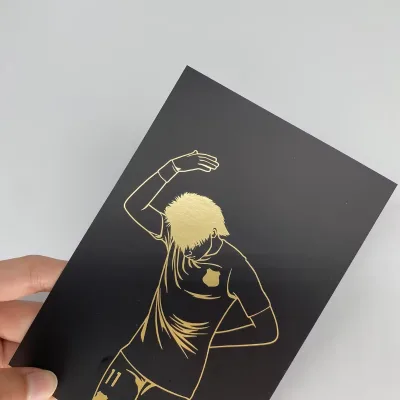
Customize Engraved Luxury Gold Mirror Acrylic Greeting Thank You Card for Business
$0.30 - $1.20
MOQ: 100 pieces

Xiamen Birtley Industry & Trading Co., Ltd.
- Verified by TUVRHEINLAND
- Combined
- China Fujian
- Lead time15 days
- Avg. response≤ 2h
Main productsFood and Beverage Box, Display Stand, Mailer Box, Cosmetic Box, Jewelry Box, Luxury Gift Box, Holiday Box, Accessories, Printing Service, Cardboard Sheet and Luxury Paper
Main marketsSouth America,Southeast Asia/ Mideast,Europe,Australia,North America


Wholesale Thank You Cards Business Visiting Name Advertising Postcards Marry Gift Greeting Cards
$0.01 - $0.10
MOQ: 500 Pieces

High Quality Custom Printing Luxury Thank You Cards for Business Product Gift Tags Card
$0.05 - $0.20
MOQ: 500 Pieces
Guangzhou Fashion Cards Paper Products Co., Ltd.
- Trading Company
- Lead time旺季: "1 - 100":7,"101 - 5000":14,"> 5000":"To be negotiated", 淡季: "1 - 100":7,"101 - 5000":14,"> 5000":"To be negotiated"
- Avg. response≤ 3h
Main productsCandy Boxes, Velvet Cards, Laser Cards, Hardcover Cards, Acrylic Cards
Guangzhou Morning Color Printing Factory
- Manufacturer
- Guangdong, China
- Lead time0 days
- Avg. response≤ 3h
Main productssticker,Packing box,Calling card,Paper printing,Printed product
Main marketsNorth America(50.00%), Eastern Europe(20.00%), South America(20.00%), Southeast Asia(10.00%)
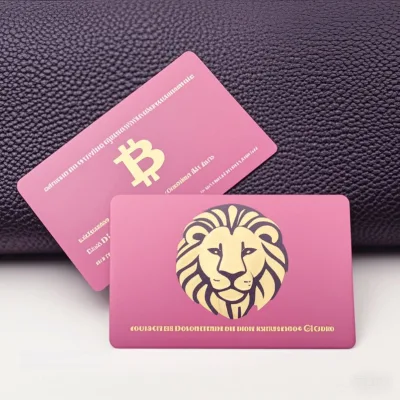
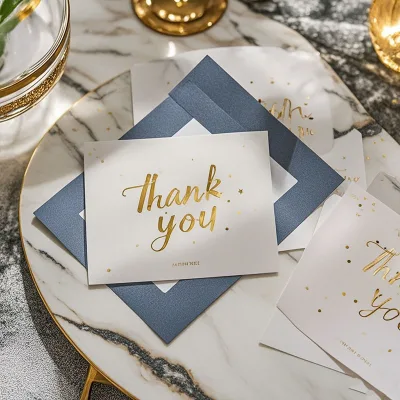
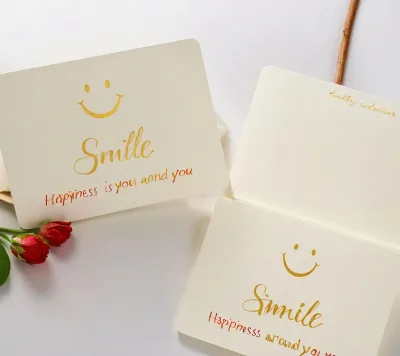
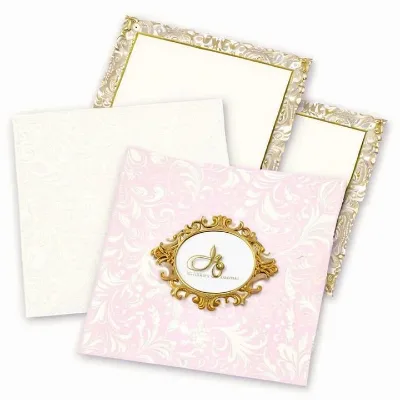
greeting card custom printgreeting card printing
$0.05 - $0.23

Chengdu Qinliwei Import and Export Trade Co., Ltd.
- Trading Company,Manufacturer/Factory
- China Sichuan
- Lead time23 days
- Avg. response≤ 8h
Main productsGolf Products, CNC Products, Timer, Mat, Fashion Accessories, Digital Counter, Photographic Equipment
Main marketsNorth America,Western Europe
Guangzhou Blue Sky Packaging And Printing Products Co., Ltd.
- Trading Company
- Lead time旺季: "1 - 10000":31,"> 10000":"To be negotiated", 淡季: "1 - 10000":31,"> 10000":"To be negotiated"
- Avg. response≤ 3h
Main productsCake Box, Pizza Box, Paper Bag, Envelope, Paper Box

Qingdao Chenghaoda Science and Technology Co., Ltd.
- Verified by BV
- Manufacturer/Factory
- China Shandong
- Lead time15 days
- Avg. response≤ 16h
Main productsCustom Packaging Paper Bag, Custom Packaging Paper Box, Corrugated Carton/Gift Box, Custom Notebook, Decorative Books, Book/Booklet/Brochure/Catalog/Magazine Printing, Disposable Dishware
Main marketsNorth America,Eastern Asia,Western Europe


$0.03 - $0.08
MOQ: 200 Pieces

$0.002 - $0.005
MOQ: 100 Pieces


Fujian Juhui Printing Co., Ltd.
- Verified by BV
- Combined
- China Fujian
- Lead time15 days
- Avg. response≤ 4h
Main productsBooks Printing, Notebooks / Journals / Planners / Diaries / Memo, Paper Packaging, Specialty & Premium Printing, Children's Books / Coloring Books, Food Packaging, Notebook & Stationery Printing, Card & Game Printing, Paper Bags, Posters / Business Cards / Postcards / Booklets
Main marketsSoutheast Asia/ Mideast,Europe,Australia,North America
Zhejiang Beibo Crafts & Arts Co., Ltd.
- Manufacturer, Trading Company
- Lead time旺季: , 淡季:
- Avg. response≤ 5h
Main productsAir Freshener, Sticker, Spoon, Thermometer Strip, Notebook

Happy Birthday Handmade Greeting Card Funny Greeting Card Cheap Greeting Card
$0.0524 - $0.1048
MOQ: 1000 pieces
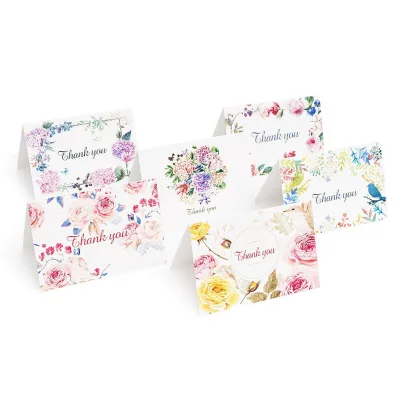
High End Eco Friendly Custom Size Cards Set Luxury Flower Thank Yous Card for Small Business
$0.15 - $0.20
MOQ: 1000 pieces

Dongguan Mingfu Packaging Co., Ltd.
- Trading Company
- China Guangdong
- Lead time23 days
- Avg. response≤ 3h
Main productsPaper Box, Gift Box, Rigid Paper Box, Jewelry Box, Food Packaging Box, Chocolate Box
Main marketsEurope,North America

Customized Luxury Red Edged Cotton Printed Greeting Card for Shop Insert
$0.03 - $0.89
MOQ: 1000 Pieces

Custom Minimalist Cream Blank Paper Greeting Card for Customer Appreciation
$0.03 - $0.89
MOQ: 1000 Pieces

Customized Colorful Printed Greeting Card for Business Thank You Card and Customer Appreciation
$0.03 - $0.89
MOQ: 1000 Pieces

Customized Creative Printed Paper Greeting Card for Business Appreciation and Customer Appreciation
$0.03 - $0.89
MOQ: 1000 Pieces

ODM Elegant Cream Matte Printed Greeting Card for Invitation and Business Insert
$0.03 - $0.89
MOQ: 1000 Pieces

$0.03 - $0.89
MOQ: 1000 Pieces
Guangzhou Pengbo Home Furnishing Factory
- Manufacturer, Agent, Distributor/Wholesaler
- Guangdong, China
- Lead time0 days
- Avg. response≤ 3h
Main productsStickers,paper bag,paper box,Book printing
Main marketsDomestic Market(60.00%), North America(20.00%), South America(10.00%), Eastern Europe(10.00%)

Ningbo Hardwork Art & Craft Co., Ltd.
- Verified by BV
- Combined
- China Zhejiang
- Lead time15 days
- Avg. response≤ 13h
Main productsDIY Kit, Stamp, Wooden Craft, Book
Main marketsEurope


Greeting Card Handmade Business Blessing Card Christmas Forest Christmas Eve
$0.94 - $0.97
MOQ: 1000 pieces
HonorHope (Zhengzhou) Technology Industrial Co., Ltd.
- Manufacturer, Trading Company
- Henan, China
- Lead time15 days
- Avg. response≤ 14h
Main productsPaper Bag,Gift Box,Calendar,Nowoven bag,Notebook
Main marketsMid East(30.00%), North America(20.00%), Western Europe(15.00%), South America(10.00%), Eastern Europe(5.00%), Eastern Asia(5.00%), Southeast Asia(5.00%), Oceania(5.00%), Africa(5.00%)
Wenzhou Myway Arts & Crafts Co., Ltd.
- Verified by TüVRheinland
- Manufacturer, Trading Company
- Lead time15 days
- Avg. response≤ 1h
Main productsNotebook, Stationery Set, Notepad, Card, Sticker
Main marketsNorth America(32%), Domestic Market(30%), South America(5%)
Guangzhou Johnson Printing And Packaging Co., Ltd.
- Trading Company
- Guangdong, China
- Lead time15 days
- Avg. response≤ 3h
Main productsPaper Box,Greeting Card,Paper Bag,Notebook,Brochure Magazine
Main marketsWestern Europe(24.00%), North America(20.00%), Southeast Asia(15.00%), Domestic Market(10.00%), Eastern Europe(8.00%), Southern Europe(7.00%), Northern Europe(6.00%), South America(4.00%), Oceania(3.00%), Mid East(3.00%)
Xiamen Finer Packaging Co., Ltd.
- Verified by SGS Group
- Manufacturer, Trading Company
- Lead time30 days
- Avg. response≤ 3h
Main productsPaper Box, Cosmetic Box, Gift Box, Poly Bag, Sticker Label
Main marketsNorth America(45%), Western Europe(20%), South America(10%)

HonorHope (Zhengzhou) Technology Industrial Co., Ltd.
- Verified by CTI
- Manufacturer/Factory,Group Corporation
- China Henan
- Lead time0 days
- Avg. response≤ 13h
Main productsPacking Box and Bag, Gift and Craft Production, Office Supplier, Greeting Cards and Envelopes, Business Envelopes and Paper, Notebook and Pad, Hangtag and Label, Calenders, Printing Books and Catalogs, Custom Shopping Bag

GUANGZHOU TIMI PRINTING CO.,LIMITED
- Verified by SGS
- Manufacturer/Factory
- China Guangdong
- Lead time38 days
- Avg. response≤ 2h
Main productsBook Printing, Children Books, Planner and Notebook, Toys, Puzzles, Game Cards, Cloth Books, Magazine, Stationery, Hardcover and Softcover Book
Main marketsSouth America,Eastern Europe,Mid East,North America,Southeast Asia,Eastern Asia,Oceania,Western Europe,Africa
Shanghai Yucai Industrial Co., Ltd.
- Verified by SGS Group
- Manufacturer, Trading Company
- Lead time7 days
- Avg. response≤ 8h
Main productsAdhesive Label Stickers, Paper Cards, Paper Bag, Paper Box, Promotion Catalogue
Main marketsNorth America(30%), South America(20%), Eastern Europe(20%)

Zhangzhou Taki Industry and Trade Co., Ltd
- Verified by BV
- Manufacturer/Factory
- China Fujian
- Lead time23 days
- Avg. response≤ 6h
Main productsPackaging Paper Bag, Packaging Paper Box, Products Box, Fold Boutique Gift Box, Shopping Paper Bag, Fruit Packaging Cartons Box, Kraft Paper Bags Food Bag, Plastic Box Pet PVC Boxes, Paper Sleeves with Brand Design, One-Stop Packaging Supplier
Main marketsSouth America,Eastern Europe,Mid East,North America,Southeast Asia,Eastern Asia,Oceania,Western Europe,Africa


New Arrival Full Color Printing Custom Design Greeting Card Thank You Card
$0.25 - $0.75
MOQ: 1000 Pieces
Foshan Keyi Color Printing Co., Ltd.
- Manufacturer, Trading Company
- Guangdong, China
- Lead time7 days
- Avg. response≤ 1h
Main productsLabel Printing, Digital Printing, Color Printing, Package Design Printing
Main marketsDomestic Market(50.00%), North America(25.00%), Africa(10.00%), Western Europe(8.00%), Eastern Europe(7.00%)
Shenzhen Hailang Innovation Technology Co., Ltd.
- Manufacturer
- Guangdong, China
- Lead time15 days
- Avg. response≤ 13h
Main productsGreeting card,Gift Boxes,Paper Crafts,PCB music modules,stickers
Main marketsNorth America(20.00%), Southern Europe(10.00%), Western Europe(10.00%), Eastern Europe(10.00%), South America(10.00%), Domestic Market(5.00%), South Asia(5.00%), Oceania(5.00%), Northern Europe(5.00%), Central America(5.00%), Southeast Asia(5.00%), Eastern Asia(5.00%), Mid East(5.00%)



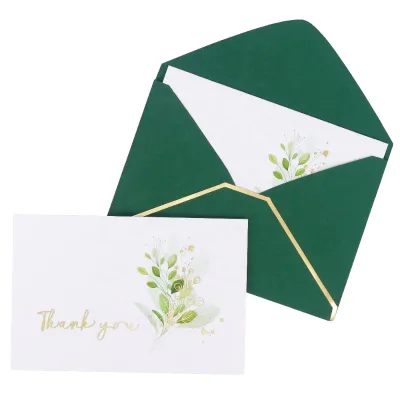
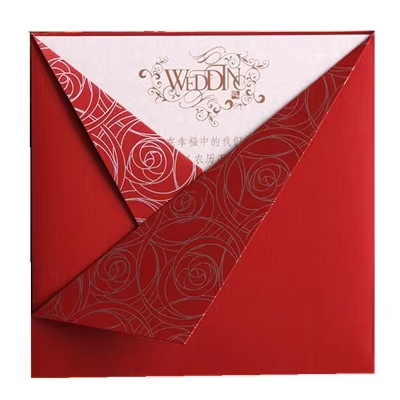
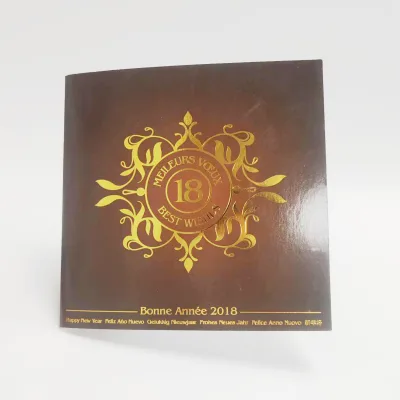


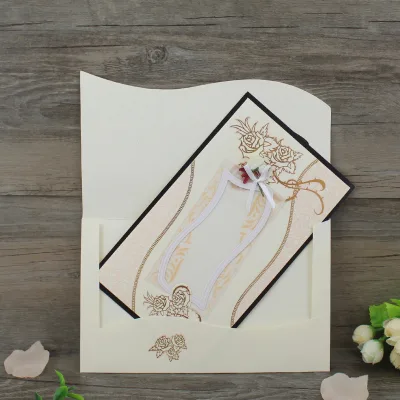









Comprehensive Sourcing Guide
Luxury Gloss Varnishing Greeting Card Supplier Concentration and Factory Types
Suppliers capable of luxury greeting cards with a gloss varnishing finish tend to cluster in a small number of regional manufacturing bases rather than spread evenly across a country. When a supplier result explicitly shows a location, treat that as a signal of an active printing and paper-goods cluster and note it in your comparison sheet. Where the location field is missing or ambiguous, do not guess: instead, infer cluster presence indirectly from the supplier's stated main products. A product list dominated by paper boxes, packing boxes, paper bags, envelopes, hangtags and red packets or greeting cards suggests the factory sits inside a printing ecosystem with access to coated stock, foil stamping partners and varnishing lines. Conversely, a supplier whose main products center on ballpoint pens, silicone bracelets, luggage tags or phone accessories may list a greeting card among its catalog items but is less likely to own in-house finishing equipment for luxury varnish work.
Supplier type is the second structural signal. Results in this category show a mix of manufacturer/factory entities, combined manufacturer-and-trade companies, and pure trading companies. Factories and combined entities usually control the printing, stamping and varnishing process directly, which matters for finish consistency across a run. Trading companies can still be useful for consolidating a card with envelopes, gift bags and boxes from one order, but expect them to subcontract the varnishing step, so ask who actually operates the coating line before assuming single-point quality control.
How to Verify Luxury Gloss Varnishing Greeting Card Suppliers
Verification should begin with the on-platform credentials each supplier result actually displays, and nothing beyond them. Some suppliers in these results carry third-party verification from recognized inspection bodies, such as TÜV Rheinland or Bureau Veritas, and some list system certifications, for example ISO 9001 or ISO 9001:2015 and ISO 14064. These are meaningful baselines for a quality-management and, in the ISO 14064 case, greenhouse-gas reporting capability, but a certificate tells you about systems, not about the visual quality of a gloss varnish edge or the sharpness of gold hot stamping on a coated sheet. Treat the displayed verification as a filter, then confirm anything not shown: business license validity, the legal name matching the account, and whether the certificate scope covers printing operations rather than a related business line.
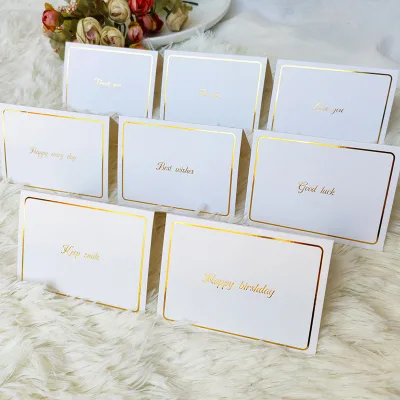
Next, verify capability through the product evidence itself rather than marketing claims. The listings in this category include concrete attributes you can cross-check: models such as CY1 or WY-346, sizes like 8x14cm or 10x10cm, packing formats (OPP bag or box), origin fields, and surface-finishing options including embossing, gold foil, hot stamping and glossy varnishing. Request a physical sample of the specific model, inspect the varnish under angled light for streaking or orange-peel texture, and ask the supplier to state which machine applies the finish. A supplier with genuine OEM or ODM capability, as some results indicate, should answer that question without hesitation.
What to Compare Across Luxury Gloss Varnishing Greeting Card Suppliers
Build the comparison sheet around the attributes the results actually expose, and leave cells blank where a supplier shows nothing rather than assuming a value. Useful dimensions here include lead time, minimum order quantity, response time, verification badge, certification list, supplier type, location and main-product lineup. The observed ranges are instructive even if individual values change: response times in these results span from roughly two hours to under six, and lead times range from about seven days to twenty-three days. That spread directly affects whether a supplier can support a festival-season reorder. MOQs on specific card models vary from 50 pieces on a dried-flower design to 100 on a watercolor thank-you card and 500 on hot-stamped luxury designs, so the MOQ you face depends heavily on the construction and finishing complexity of the card, not just the supplier.
Also compare specialization fit. One Fujian supplier in the results is a factory listing a broad gift assortment alongside greeting cards, while a Guangdong supplier is a combined operation whose main products are packaging items with greeting cards among them, and a third is a trading company focused on packaging supplies. For a luxury varnished card, weight suppliers whose evidence shows explicit finishing attributes — the Guangdong listings name embossing, gold foil, hot stamping and glossy varnishing on card products — higher than those listing the card as a minor line. Rank on finishing evidence first, then commercial terms.
Common Luxury Gloss Varnishing Greeting Card Sourcing Risks
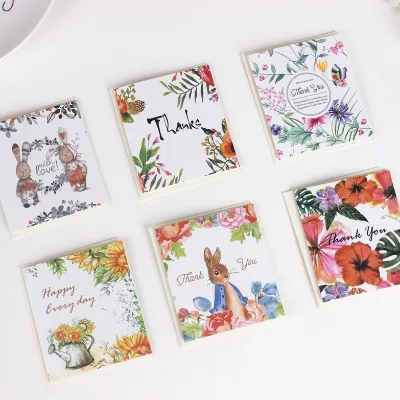
The most common risk is the catalog-card trap: a supplier lists a beautiful finished card, but the listing shows it as non-customized, as one watercolor thank-you card in these results explicitly does. If your program requires your own logo or artwork, a non-customized listing means the supplier must open a new production job, and the displayed price and MOQ may no longer apply. The results show customization available on some models and not on others, so read that attribute before anchoring on a price. A related risk is finish substitution: a buyer asks for gloss varnishing and receives a cheaper aqueous coat or lamination that photographs similarly but feels and reflects light differently. Specify the finish by name and confirm it appears in the written quotation.
Price-comparison risk follows the same pattern. Displayed unit prices in these results range from about $0.19 to $0.40 on simpler cards and roughly $0.60 to $1.08 on luxury hot-stamped models, but these are listing-level figures tied to specific models, sizes and MOQs — a customized size, a heavier coated stock, or an added foil pass will move the number. Finally, beware of verification asymmetry: some suppliers show third-party verification and ISO certification, others show only a verification badge, and some show neither in the visible result. Absence of a displayed credential is not proof of a problem, but it shifts the verification burden onto your own audit, sample and reference-check steps.
Luxury Gloss Varnishing Greeting Card Regional Sourcing and Logistics
Two Chinese provinces appear as confident locations in these results: Fujian and Guangdong. The Fujian supplier traces its card origin to Quanzhou City in Fujian Province, and Guangdong listings trace to Guangzhou, Guangdong. These provinces host deep printing and paper-converting industries, which matters for a varnished luxury card because the process chain — coated paper sourcing, offset or digital printing, foil stamping, die cutting, varnishing and envelope converting — is easier to complete locally when specialist subcontractors are nearby. When you shortlist, ask each supplier which steps occur in-house and which are subcontracted, because a varnishing step done by a third party adds a handoff where color and gloss consistency can drift between production runs.
Logistics planning should start from displayed lead times, which in these results range from seven to twenty-three days, and then add realistic upstream time: sample production, sample shipping, approval, and tooling or plate-making for any custom die or foil stamp. Cards are lightweight but crush-sensitive, so packing format matters; these listings show OPP bags and boxed packing, and one Guangdong listing specifies packing into cartons. Confirm carton strength, inner protection and whether cards ship with envelopes inserted or flat-packed separately. For seasonal programs, work backward from the festival or wedding date, because a twenty-three-day production lead time combined with sample cycles and ocean transit can consume a full quarter, leaving little tolerance for a rejected varnish batch.
Luxury Gloss Varnishing Greeting Card Commercial Terms and Order Planning
Commercial terms in this category are visible enough to compare directly. One Guangdong listing discloses accepted payment methods including T/T, Western Union and PayPal, which gives you a reference point for what suppliers in this space typically accept; other results do not display payment terms, so ask rather than assume. Escrow-style or platform-protected payment is worth requesting explicitly where the supplier's result does not show escrow, because small custom card orders carry disproportionate deposit risk relative to their value. Price anchors from the results include $0.30–$0.40 for a small dried-flower design at MOQ 50, $0.19–$0.33 for a watercolor thank-you card at MOQ 100, and roughly $0.60–$1.08 across luxury hot-stamped models at MOQ 500. Use these as model-specific reference points, not quotations.
Order planning should sequence the same way for every shortlisted supplier: confirm the exact model or request a custom quotation, obtain a pre-production sample in the actual stock and finish, approve it in writing, then release the deposit against a specified lead time. Where a listing shows OEM or ODM capability, budget extra time for artwork preparation and plate-making. For recurring programs, negotiate the second-run price at the first order, since the tooling already exists. Keep a comparison file of each supplier's response time — these ranged from about two to under six hours — because slow quotation responses usually predict slow production communication.
Count check: sections total roughly 1,390 words including headings, within the 1350–1450 range; each section falls between 225 and 235 words.
FAQs
What is the price range for luxury gloss varnishing greeting cards?
Prices for luxury gloss varnishing greeting cards typically range from $0.30 to $1.08 per unit. The cost varies based on customization options, material quality, and order volume. Buyers should expect higher prices for complex designs or premium finishes like gold foil stamping alongside the gloss varnish.
What is the minimum order quantity for these cards?
The minimum order quantity usually ranges from 50 to 500 units. Lower MOQs around 50 are common for standard paper cards, while customized or luxury items with special finishes often require a minimum of 500 units. Buyers should verify specific MOQs with suppliers before placing orders.
How long does production take for these greeting cards?
Production lead times generally range from 7 to 23 days. Suppliers in Guangdong often offer faster turnaround times around 7 to 15 days, while those in Fujian may take up to 23 days. Expedited options might be available for urgent orders, subject to supplier capacity.
Are these greeting cards customizable with logos or designs?
Yes, customization is widely available for luxury greeting cards. Suppliers offer options for logo printing, custom sizes, and specific styles like Korean or luxury designs. Buyers can request custom packaging and surface treatments such as embossing or hot stamping to meet their specific branding requirements.
What certifications do these suppliers typically hold?
Many suppliers hold ISO 9001 and ISO 14064 certifications, ensuring quality and environmental management standards. Some are verified by third-party agencies like TÜV Rheinland or Bureau Veritas. Buyers should request current certification documents to verify compliance with international standards before finalizing contracts.
Where are these greeting card manufacturers located?
Manufacturers are primarily located in China, specifically in Fujian and Guangdong provinces. Guangdong suppliers, often in Guangzhou, are known for faster response times and lead times. Fujian suppliers, such as those in Quanzhou, also provide high-quality products with established manufacturing capabilities.