Luxury Glass Fork Knife Spoon Suppliers and Manufacturers
Source 19 verified suppliers for Luxury Glass Fork Knife Spoon items. Compare response times, lead times, certifications, and pricing to find the right partner. Contact suppliers directly to request quotes and samples; review the available evidence before requesting comparable quotations from suitable candidates.
Suppliers List

Rollin Porcelain Industrial Co., Ltd.
- Verified by BV
- Manufacturer/Factory
- China Guangdong
- Lead time45 days
- Avg. response≤ 7h
Main productsPorcelain Dinnerware, Tableware, Dinner Set, Dinner Plate, Hotel and Restaurant Tableware, Bone China, Cutlery, Glassware, Ceramic Plate, Porcelain
Main marketsEastern Europe,Mid East,North America,Southeast Asia,Eastern Asia,Oceania,Western Europe

Yangjiang Feehome Tech Co., LTD
- Verified by TUVRHEINLAND
- Trading Company,Manufacturer/Factory,Group Corporation,Other
- China Guangdong
- Lead time23 days
- Avg. response≤ 3h
Main productsKitchen Knives, Outdoor Knives, Nail Clippers, Kitchen Ware, Tea Infuser, BBQ Tools, Multi Function Tools, Kitchen Tools, Baking Tools, Coffee Tools
Main marketsSouth America,Eastern Europe,Mid East,North America,Southeast Asia,Eastern Asia,Oceania,Western Europe,Africa

Luxury Wedding Inox Golden Stylish Knife Fork and Spoon Stainless Steel Cutlery
$0.55 - $2.99
MOQ: 3000 Pieces


Weishan Weilong Wood Product Co., Ltd.
- Trading Company
- China Shandong
- Lead time15 days
- Avg. response≤ 7h
Main productsWooden Tongue Depressor, Wooden Spoon Fork and Knife, Wooden Cutlery, Wooden Ice Cream Stick, Wooden Ice Cream Spoon, Wooden Coffee Stirrer, Wooden Craft Stick
Main marketsSouth America,Eastern Europe,Mid East,North America,Southeast Asia,Eastern Asia,Oceania,Western Europe,Africa

JIEYANG CITY JIESHI HARDWARE PLASTIC CO., LTD.
- Verified by TUVRHEINLAND
- Trading Company,Manufacturer/Factory
- China Guangdong
- Lead time30 days
- Avg. response≤ 6h
Main productsCutlery, Kitchenware, Flatware, Bar Accessories, Children Tableware, Kitchen Utensils, Bakeware, Dinnerware, Dinner Sets, Kitchen Tools
Main marketsSouth America,Eastern Europe,Mid East,North America,Southeast Asia,Eastern Asia,Oceania,Western Europe,Africa

Kaimei Housewares (Qingdao) Co., Ltd.
- Combined
- China Shandong
- Lead time15 days
- Avg. response≤ 3h
Main productsStainless Steel Cutlery, Fork, Spoon, Horca Flatware, Cutlery Set, Tableware, Dinnnerware, Restaurant Cutlery
Main marketsSouth America,Africa,Southeast Asia/ Mideast,East Asia(Japan/ South Korea),Domestic,Europe,Australia,North America

Light Luxury Wedding Cutlery Stainless Steel Fork Knife Spoon Utensil Silverware Set
$0.30 - $1.50
MOQ: 100 Pieces


Jinjiang Jiaxing Import and Export Co., Ltd.
- Verified by CTI
- Manufacturer/Factory
- China Fujian
- Lead time120 days
- Avg. response≤ 1h
Main productsShoes, Slipper, Clothes, Promotion Gifts, Silicone Products, Outdoor Sports Products, Bags, Fashion Accessories, Consumer Electronics
Main marketsSouth America,Eastern Europe,Mid East,North America,Southeast Asia,Eastern Asia,Oceania,Western Europe,Africa
Anhui Nature Imp. & Exp. Co., Ltd.
- Verified by SGS
- Trading Company
- China Anhui
- Lead time15 days
- Avg. response≤ 2h
Main productsBamboo Products, Wooden Products, Multiple Knife Fork & Spoon, Bamboo Scissors Stick, Bamboo Sushi Curtain, Disposable Creative Bead Bamboo Stick, Bamboo Straw, Bamboo Stick, Wooden Cutlery, Wooden Knife Spoon Fork
Main marketsSoutheast Asia/ Mideast,Europe,North America


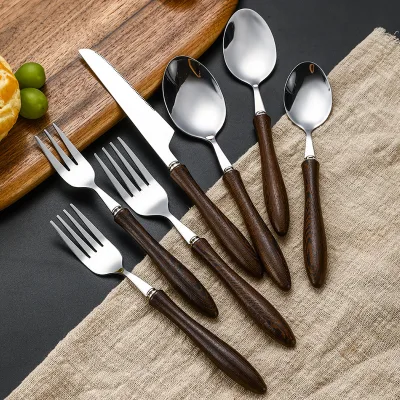
Wooden Kitchen Knives Wooden Cutlery Wood Knife Fork Spoon for Restaurants
$0.01 - $0.02
MOQ: 50000 Pieces


4 Inch Wholesale Manufacturer Fruit Knife and Fork Disposable Wooden Knife Fork Spoon
$0.02 - $0.02
MOQ: 50000 Pieces

100mm Best Price Manufacturer Fruit Knife and Fork Disposable Wooden Knife Fork Spoon
$0.02 - $0.02
MOQ: 50000 Pieces

Forks Knives and Spoon Corn Starch Eco-Friendly Cutlery Disposable Spoon Knife and Fork
$0.01 - $0.02
MOQ: 50000 Pieces

NINGBO EVERFINE PLASTICS CO., LTD.
- Verified by SGS
- Manufacturer/Factory
- China Zhejiang
- Lead time30 days
- Avg. response≤ 16h
Main productsPaper Straws, Plastic Cutlery & Cutlery Kits, Portion Cups with Lids, Plastic Straws, Plastic Soup Containers, Party Cups
Main marketsSouth America,Eastern Europe,Mid East,North America,Southeast Asia,Eastern Asia,Oceania,Western Europe,Africa

Xiamen Luckypack Paper Products Co., Limited
- Verified by TUVRHEINLAND
- Manufacturer/Factory
- China Fujian
- Lead time30 days
- Avg. response≤ 10h
Main productsPaper Cup, Biodegradable Tableware, Disposable Cup, Food Box
Main marketsEastern Europe,North America,Southeast Asia

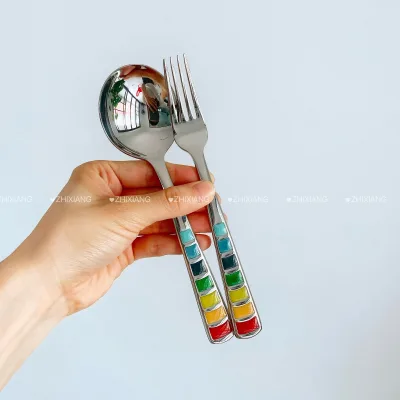
Jieyang Jiedong Xichang Zhixiang Stainless Steel Products Factory
- Manufacturer, Trading Company
- Guangdong, China
- Lead time15 days
- Avg. response≤ 2h
Main productsstainless steel cutlery,Stainless steel kitchenware,Gift tableware,Plastic tableware,wheat straw product
Main marketsSouth America(25.00%), North America(24.00%), Oceania(16.00%), Southeast Asia(15.00%), Eastern Europe(10.00%), Africa(10.00%)

Wenzhou Cathylin International Trade Co., Ltd.
- Verified by TUVRHEINLAND
- Trading Company
- China Zhejiang
- Lead time15 days
- Avg. response≤ 13h
Main productsFlatware, Cutlery, Kitchen Tools, Tableware, Cookware, Bakeware, Drinkware
Main marketsNorth America
Danyang Liou Kitchenware Co., Ltd.
- Verified by CTI
- Combined
- China Jiangsu
- Lead time23 days
- Avg. response≤ 7h
Main productsCutlery, Flatware, Charger Plate, Wine Glass, Bone China Plate, Glass Plate
Main marketsDomestic,North America
Changsha Sunflower B&T Co., Ltd.
- Verified by TUVRHEINLAND
- Manufacturer/Factory
- China Hunan
- Lead time0 days
- Avg. response≤ 5h
Main productsWater Bottle, Sponge, Tumblers, Plastic Water Bottle, Stainless Steel Water Bottle, Mugs, Mat, Make up Sponge, Backpack, Drinlwares
Main marketsSouth America,Eastern Europe,Mid East,North America,Southeast Asia,Eastern Asia,Oceania,Western Europe,Africa

- Verified by SGS
- Trading Company,Manufacturer/Factory
- China Guangdong
- Lead time45 days
- Avg. response≤ 2h
Main productsStainless Steel Cookware, Stainless Steel Untensil, Stainless Steel Kitchenware, Stainless Steel Colander Bowl, Stainless Steel G. N Pan, Stainless Steel Pressure Cooker, Stainless Steel Buckets, Stainless Steel Dishes Rack, Stainless Steel Chafing Dishes, Stainless Steel Fittings
Main marketsSouth America,Eastern Europe,Mid East,North America,Southeast Asia,Eastern Asia,Oceania,Western Europe,Africa

Guangzhou Nantian Sources Co., Ltd.
- Manufacturer/Factory
- China Guangdong
- Lead time15 days
- Avg. response≤ 6h
Main productsKitchen Equipment, Kitchenware, Food Machine, Kitchen Appliance, Glassware, Food Machinery, Bakery Equipment, Dinnerware, Kitchen Utensils, Food Processor
Main marketsSouth America,Mid East,Southeast Asia,Eastern Asia,Oceania,Africa

GuangDong Infull Industrial Co., Ltd.
- Verified by TUVRHEINLAND
- Manufacturer/Factory
- China Guangdong
- Lead time45 days
- Avg. response≤ 3h
Main productsCutlery & Flatware, Dinnerware&Tableware, Tray&Lunch Plate, Ceramic Dinnerware, Kitchenware, Baking & Pastry Tools, Kitchen Knife, Kitchen Gadgets, Barware, Drinkware
Main marketsSouth America,Eastern Europe,Mid East,North America,Southeast Asia,Eastern Asia,Oceania,Western Europe,Africa

Billion Plastic Manufacturing Co., Ltd. Jiangmen
- Verified by BV
- Combined
- China Guangdong
- Lead time30 days
- Avg. response≤ 14h
Main productsPlastic Bag, PE Plastic Bag, T-Shirt Bag, Food Bag, Trash Bag, Shopping Bag, Plastic Fork, Plastic Spoon, Plastic Cup
Main marketsSouth America,North America
Hefei Baide Packaging Technology Co., Ltd.
- Verified by SGS
- Trading Company
- China Anhui
- Lead time15 days
- Avg. response≤ 5h
Main productsDisposable Paper Cup, Paper Takeaway Box, Paper Food Packaging and Box, Paper Bag, Soup Container, Paper Bowl, Ice Cream Cup, Fast Food Packaging, Street Food Packaging
Main marketsEurope,North America

Anhui Taicheng Paper & Plastic Technology Co., Ltd.
- Verified by SGS
- Trading Company
- China Anhui
- Lead time30 days
- Avg. response≤ 5h
Main productsDisposable Paper Cups, Compostable Lids, Disposable Cutlery, Biodegradable Tableware, Disposable Food Box, Disposable Plate, Disposable Tableware, Kraft Paper Food Container, Sugarcane Tableware, Cornstarch Tableware
Main marketsSouth America,Africa,Southeast Asia/ Mideast,Europe,North America




Comprehensive Sourcing Guide
Luxury Glass Fork Knife Spoon Supplier Concentration and Factory Types
The current supplier landscape for luxury glass cutlery reveals a concentration of manufacturing capabilities primarily within China's Guangdong province, where specialized factories produce high-end tableware. These facilities often operate as Manufacturer/Factory entities, distinguishing them from pure trading companies that may lack direct production oversight. When evaluating potential partners, buyers should look for suppliers explicitly listing "Manufacturer/Factory" as their company type to ensure direct access to production lines and quality control processes. The presence of such entities suggests a cluster of expertise in glass molding and finishing techniques required for luxury items, though specific geographic clusters beyond Guangdong are not confirmed in the current data set.
In contrast, other supplier types such as Trading Companies or Group Corporations appear in the broader results, often offering a wider range of main products including kitchen knives, outdoor tools, and wooden cutlery. These entities may serve as intermediaries, aggregating goods from various factories rather than producing the luxury glass items themselves. Buyers must verify if a supplier's primary focus aligns with glassware, as some listed companies specialize in stainless steel cutlery or wooden disposables. The distinction between a dedicated glass manufacturer and a general trading company is critical, as the former typically offers better customization options for unique glass designs and more transparent pricing structures for complex materials.
How to Verify Luxury Glass Fork Knife Spoon Suppliers
Verification of supplier credibility relies heavily on third-party audit reports and system certifications that confirm operational standards. Current data indicates that some suppliers hold ISO 9001 certification, which validates their quality management systems, while others possess BSCI, ASME, or SEDEX certifications, signaling adherence to social compliance and ethical labor practices. Buyers should prioritize suppliers with BV or TÜV Rheinland verification badges, as these represent independent assessments of the company's business legitimacy and operational capacity. It is essential to request specific audit reports for the glass production line rather than relying solely on general company verification, ensuring the facility meets the rigorous standards required for luxury tableware.
Product-specific certifications are equally vital for glass cutlery intended for food contact, with FDA and LFGB standards appearing as key evidence of material safety. Suppliers listing these certifications demonstrate that their glass materials have undergone testing for heavy metals and chemical leaching, a non-negotiable requirement for luxury dining ware. Buyers must cross-reference these claims against the specific product models, such as those with model numbers like RY-ZH2300 or FH-142, to ensure the certification applies to the exact item being sourced. Additionally, checking for "Eco-Friendly" features and "Non-Disposable" attributes helps confirm the durability and sustainability of the glass products, aligning with the expectations of high-end hotel and restaurant clients.
What to Compare Across Luxury Glass Fork Knife Spoon Suppliers
When comparing suppliers, lead time and response speed are critical operational metrics that directly impact project timelines and inventory planning. The available data shows response times ranging from approximately 2.24 to 6.56 hours, indicating varying levels of communication efficiency among potential partners. Lead times also differ significantly, with some suppliers offering a 15-day turnaround while others require up to 45 days for production and delivery. Buyers should calculate the total time from order placement to shipment, factoring in these variables to determine which supplier can meet their specific launch schedules. A faster response time does not always guarantee a shorter lead time, so both metrics must be evaluated together to assess overall reliability.
Minimum Order Quantities (MOQ) and pricing structures provide another layer of comparison essential for budgeting and scalability. Current product evidence lists MOQs as low as 100 pieces for certain stainless steel items, while others require 3,000 pieces, highlighting a wide variance in order thresholds. Prices for similar cutlery items range from $0.35 to $2.99 per unit, depending on the material, design complexity, and customization level. Buyers must clarify if the quoted price includes packaging, such as standard export cartons or custom branded boxes, as this affects the final landed cost. Comparing these financial terms alongside the supplier's main product focus ensures that the selected partner can accommodate the desired order volume without compromising on the luxury quality of the glass fork, knife, and spoon sets.
Common Luxury Glass Fork Knife Spoon Sourcing Risks
One significant risk in sourcing luxury glass cutlery is the potential mismatch between a supplier's primary product focus and the specific material requirements of the order. Many suppliers in the current results specialize in stainless steel, wooden disposables, or general kitchen tools rather than glass manufacturing. A supplier listing "Wooden Tongue Depressor" or "Stainless Steel Cutlery" as main products may lack the specialized molds and tempering equipment necessary for high-quality glass forks and knives. Buyers must rigorously verify that the supplier's production lines are dedicated to glassware to avoid receiving substandard products or facing delays while the factory attempts to adapt its processes.
Another critical risk involves the ambiguity of customization capabilities and the associated costs for unique designs. While some suppliers indicate that customization is available for logos, packages, and sizes, others may have strict limitations or hidden fees for complex glass shaping. The data shows varying customization terms, such as "Logo 300PCS" or "Package 500-1000PCS" minimums, which can inflate costs for small-batch luxury orders. Furthermore, the absence of specific glass-related certifications in some supplier profiles raises concerns about material safety and durability. Buyers should explicitly request samples and detailed specifications for glass thickness and finish to mitigate the risk of receiving items that do not meet luxury standards or safety regulations.
Luxury Glass Fork Knife Spoon Regional Sourcing and Logistics
Geographic location plays a pivotal role in determining shipping costs and delivery reliability for heavy glass items. The current supplier data identifies China's Guangdong province as a primary hub for manufacturers producing porcelain and glass tableware, offering established logistics networks for international export. Suppliers located in this region typically have experience handling fragile goods, utilizing standard export cartons designed to protect items during transit. Buyers should prioritize suppliers with a proven track record in Guangdong to leverage these logistical advantages, ensuring that the glass cutlery arrives in pristine condition. For suppliers located in other regions like Shandong, buyers must verify their specific packaging protocols for glass products, as regional expertise may vary.
Logistics planning must also account for the specific packaging requirements of luxury glassware, which often differ from standard metal or wooden cutlery. Evidence shows that some products are packed in "Standard Export Carton" or "Carton" formats, but the internal cushioning and structural integrity for glass are not always detailed. Buyers need to confirm that the packaging includes sufficient dividers, foam, or bubble wrap to prevent breakage during long-haul shipping. Additionally, the origin of the product, such as "China" or specific cities like Yangjiang, influences the customs clearance process and potential tariffs. Understanding these regional nuances helps buyers estimate total landed costs accurately and select a supplier whose logistics capabilities align with the fragility of the glass fork, knife, and spoon sets.
Luxury Glass Fork Knife Spoon Commercial Terms and Order Planning
Commercial terms regarding payment, escrow, and order planning are fundamental to securing a successful transaction for luxury glass cutlery. While specific escrow details are not explicitly detailed in the current data, the presence of verified suppliers suggests that secure payment channels are likely available. Buyers should insist on using platform-protected payment methods to safeguard funds until the goods are verified against the agreed specifications. It is crucial to clarify the payment schedule, whether it requires a deposit before production or full payment upon shipment, and to ensure that the terms align with the supplier's lead time and production capacity. Clear communication on these terms prevents disputes and ensures a smooth flow of capital throughout the sourcing process.
Order planning must also consider the specific product attributes and model numbers to avoid confusion during the procurement phase. The data lists various models, such as RY-ZH2300 or FH-142, each with distinct features like "Chrome Plated" finishes or "Multicolor" options. Buyers should create a detailed purchase order that references these specific model numbers and attributes to ensure the supplier manufactures the exact luxury design required. Additionally, verifying the "Quality" claims, such as the ability to use items over 1,000 times, helps confirm the durability of the glass. By meticulously documenting these commercial and technical details, buyers can minimize the risk of errors and ensure that the final delivery matches the high standards expected for luxury dining ware.
FAQs
What is the price range for stainless steel cutlery sets?
Prices for stainless steel cutlery sets typically range from $0.35 to $3.50 per piece depending on the design and material grade. Basic models start around $0.35, while luxury or specialized designs can reach up to $3.50. Buyers should verify specific pricing based on order volume and customization requirements.
What certifications are available for restaurant tableware?
Manufacturers offer FDA and LFGB certifications for stainless steel cutlery, ensuring food safety compliance. System certifications like ISO 9001, BSCI, SEDEX, and BRC are also available for quality and ethical standards. Buyers should request specific certificates to verify that products meet international regulatory requirements for their target markets.
What is the typical lead time for orders?
Lead times vary by supplier, ranging from 15 to 45 days. Suppliers in Shandong may offer faster turnaround times around 15 days, while those in Guangdong typically require up to 45 days. Buyers should confirm exact delivery schedules with suppliers to align with their inventory planning and event timelines.
What is the minimum order quantity for custom cutlery?
Minimum order quantities generally start at 100 pieces for standard items. Custom logo printing requires a minimum of 300 pieces, while custom packaging may require 500 to 1000 pieces. Buyers should check specific MOQs with suppliers to ensure their order volume meets production requirements for personalized designs.
Are eco-friendly options available for disposable cutlery?
Yes, eco-friendly options include wooden and bamboo cutlery that are biodegradable and sustainable. These products are certified under standards like ISO 13485 and GMP. Buyers seeking sustainable solutions can source wooden forks, knives, and spoons that offer an environmentally responsible alternative to plastic or metal disposables.
What is the response time for supplier inquiries?
Supplier response times vary, with some responding within 2.24 hours and others taking up to 6.56 hours. Faster response times indicate active customer service teams ready to assist with quotes and specifications. Buyers should prioritize suppliers with quicker response rates to ensure efficient communication during the sourcing process.