Luxury Elegant Artificial Olive Tree Suppliers and Manufacturers
Explore 19 verified suppliers offering luxury elegant artificial olive trees with varying lead times, MOQs, and certifications. Compare dimensions, materials, and response times to find the right partner for your project and request quotes today; review the available evidence before requesting comparable quotations from suitable candidates.
Updated
Suppliers List

Guangzhou Junpeng Artificial Craft Company Limited
- Verified by SGS
- Trading Company
- China Guangdong
- Lead time15 days
- Avg. response≤ 2h
Main productsArtificial Flower Wall, Artificial Palm Trees, Artificial Banyan Trees, Artificial Grass Wall, Artificial Olive Tree, Artificial Olive Bonsai, Artificial Flowers, Artificial Potted Plant, Artificial Cherry Tree, Artificial Fruit Tree
Main marketsSoutheast Asia/ Mideast,Europe,Australia,North America


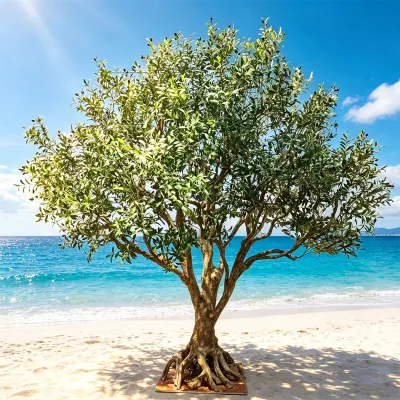
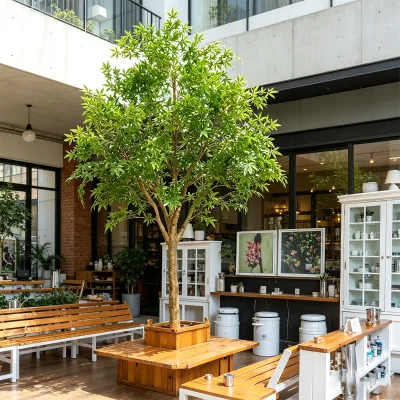
Realistic Artificial Tree Giant Artificial Olive Tree for Home Decoration
$254.00 - $600.00
MOQ: 1 pcs


Guangzhou Haihong Arts & Crafts Factory
- Verified by Intertek
- Manufacturer, Trading Company
- Lead time15 days
- Avg. response≤ 5h
Main productsArtificial Plants, Artificial Trees, Artificial Foliage & Branch, Garden Landscaping, Luminous Plants And Animals
Main marketsMid East(40%), North America(15%), Eastern Europe(15%)

Shenzhen Shangpin Flower Art Design Co., Ltd.
- Verified by SGS
- Trading Company
- China Guangdong
- Lead time15 days
- Avg. response≤ 2h
Main productsArtificial Tree, Artificial Cherry Tree, Olive Tree, Banyan Tree, Coconut Tree, Grass Wall, Turf Grass, Bonsai Tree, Potted Tree
Main marketsSouth America,Southeast Asia/ Mideast,East Asia(Japan/ South Korea),Domestic,Europe,Australia,North America

Shenzhen Wild Art Decoration Co.,Ltd.
- Verified by CTI
- Trading Company,Manufacturer/Factory
- China Guangdong
- Lead time23 days
- Avg. response≤ 10h
Main productsChristmas Decorations, Christmas Tree, Ramadan Decorations, Chinese New Year Lantern, Christmas Ornaments, LED Motif Light, Artificial Tree, Fiberglass Planter Pot, Fiberglass Seat, Fiberglass Sculpture
Main marketsSouth America,Eastern Europe,Mid East,North America,Southeast Asia,Eastern Asia,Oceania,Western Europe,Africa

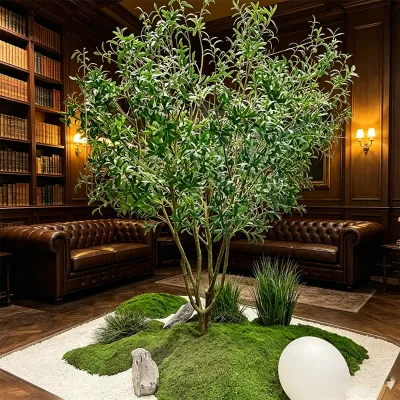
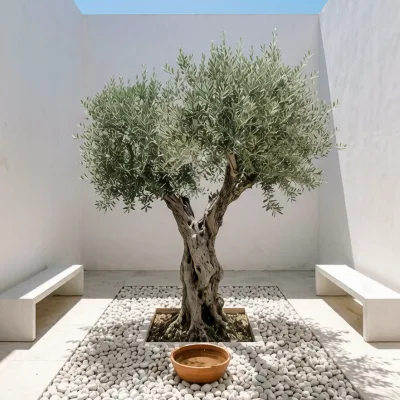
Luxurious Large Big High Quality Decoration Artificial Olive Landscape Tree
$159.00 - $300.00
MOQ: 2 Meters


Dongguan Guansee Artificial Landscape Co., Ltd.
- Verified by SGS Group
- Manufacturer, Trading Company
- Lead time10 days
- Avg. response≤ 5h
Main productsArtificial Trees, Artificial Leaves, Artificial Plant Wall, Artificial Bonsai Plants, Artificial Flower Wall
Main marketsEastern Asia(30%), Mid East(25%), North America(19%)
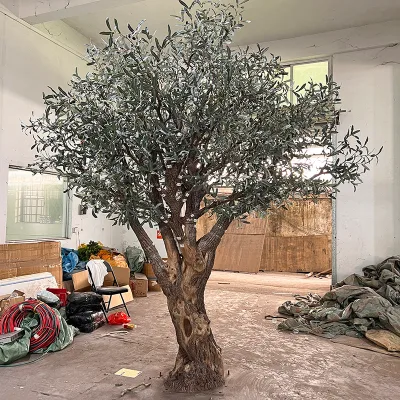
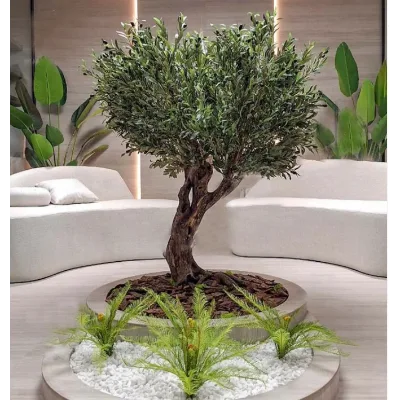
$88.1793 - $159.9545
MOQ: 2 meters
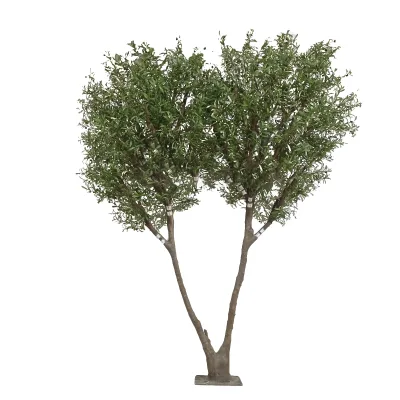
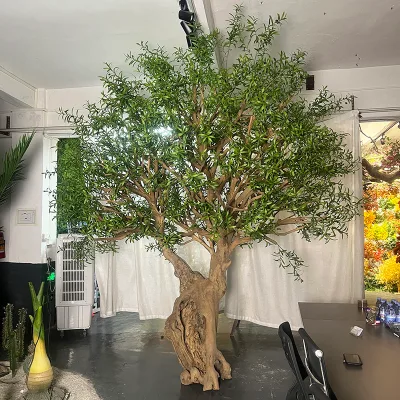
$192.7642 - $241.9811
MOQ: 2 meters
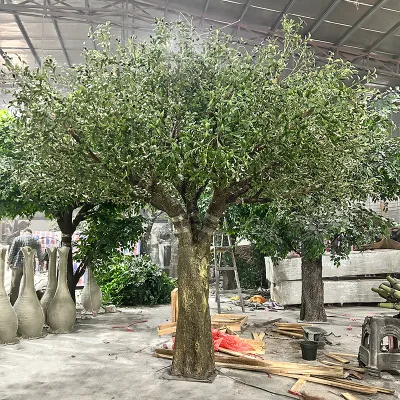
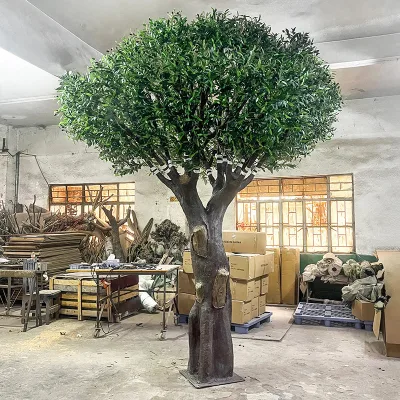
$193.0292 - $238.2056
MOQ: 2 meters
Guangzhou Mingchuang Garden Landscape Co., Ltd.
- Verified by SGS Group
- Manufacturer, Trading Company
- Lead time20 days
- Avg. response≤ 2h
Main productsArtificial Trees, Artificial Plants, Artificial Plant Walls, Artificial Blossom Trees, Artificial Vines
Main marketsNorth America(21%), Eastern Europe(13%), Mid East(13%)
- Manufacturer, Trading Company
- Guangdong, China
- Lead time15 days
- Avg. response≤ 6h
Main productsartificial palm trees,artitfical cherry blossom trees,artificial wisteria trees,artificial plants,artificial animals
Main marketsNorth America(40.00%), Mid East(30.00%), South America(10.00%), Eastern Europe(10.00%), Domestic Market(1.00%), South Asia(1.00%), Southern Europe(1.00%), Northern Europe(1.00%), Central America(1.00%), Western Europe(1.00%), Eastern Asia(1.00%), Southeast Asia(1.00%), Oceania(1.00%), Africa(1.00%)

Shenzhen Onup Technology Co., Ltd
- Verified by BV
- Trading Company,Manufacturer/Factory
- China Guangdong
- Lead time15 days
- Avg. response≤ 10h
Main productsArtificial Tree, Christmas Tree, Artificial Grass, Artificial Flower, Artificial Plant
Main marketsSouth America,Eastern Europe,Mid East,North America,Southeast Asia,Eastern Asia,Oceania,Western Europe,Africa


Customized 12FT Large Green Olive Tree Big Artificial Olive Tree for Restaurant Hotel Decor
$260.00 - $280.00
MOQ: 1 Meters

Xiamen Kagajo International Trade Co., Ltd.
- Trading Company
- Fujian, China
- Lead time0 days
- Avg. response≤ 2h
Main productsArtificial trees,Artificial plant,Artificial flowers
Main marketsNorth America(35.00%), Western Europe(20.00%), Central America(20.00%), Southeast Asia(20.00%), Oceania(5.00%)

Nanjing Dongyu Home Arts and Crafts Co., Ltd
- Trading Company
- China Jiangsu
- Lead time0 days
- Avg. response≤ 3h


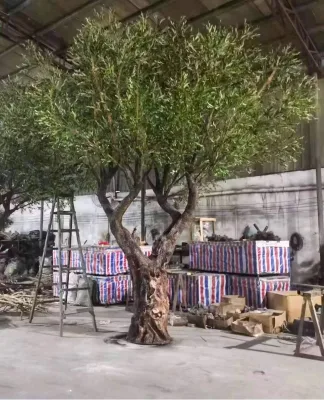
Artificial Old Large Olive Tree Artificial Tree for Wedding Home Decoration
$7.00 - $10.00
MOQ: 12 Pieces

$7.00 - $10.00
MOQ: 12 Pieces

Large Artificial Olive Tree Ficus Leaf UV Resistant Home & Outdoor Landscape Decor Potted
$7.00 - $10.00
MOQ: 12 Pieces
Shaanxi Longstar New Material Technology Co., Ltd.
- Manufacturer, Trading Company
- Lead time旺季: "1 - 1000":40,"> 1000":"To be negotiated", 淡季: "1 - 1000":40,"> 1000":"To be negotiated"
- Avg. response≤ 6h
Main productsChristmas Tree, Flocked Christmas Tree, Christmas Wreath, Christmas Garland, Table Christmas Tree
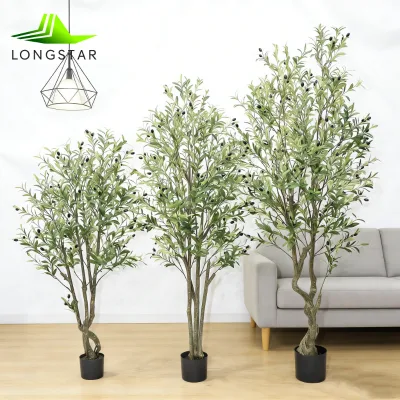
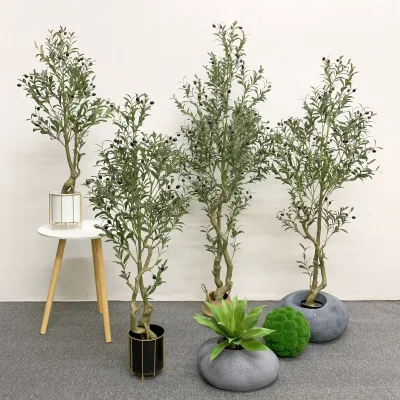
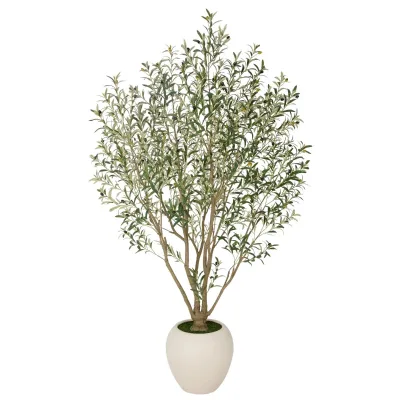
Artificial Olive Tree Lifelike Potted Olive Tree for Living Room Entryway & Patio
$16.00 - $20.00
MOQ: 50

Cangzhou Guangsu E-COMMERCE Co., Ltd.
- Trading Company,Manufacturer/Factory
- China Hebei
- Lead time23 days
- Avg. response≤ 6h
Main productsArtifical Lawn, Artificial Grass, Synthetic Grass, Artificial Turf, Synthetic Lawn, Football Grass, Garden Grass, Forged Coupler, Landscaping Artificial Grass, Synthetic Artificial Grass
Main marketsSouth America,Eastern Europe,Mid East,North America,Southeast Asia,Eastern Asia,Oceania,Western Europe,Africa
Guangzhou Haihong Gardening Co, Ltd
- Manufacturer, Trading Company
- Guangdong, China
- Lead time30 days
- Avg. response≤ 6h
Main productsArtificial Trees,Artificial Flowers,Artificial Plants,Grass Wall
Main marketsDomestic Market(30.00%), North America(30.00%), South America(10.00%), Northern Europe(10.00%), Africa(10.00%), Southeast Asia(10.00%)
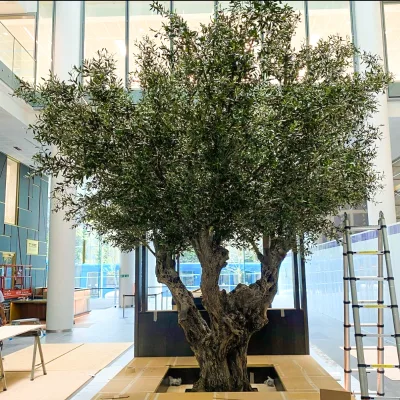
$51.4444 - $154.3317
MOQ: 3 meters
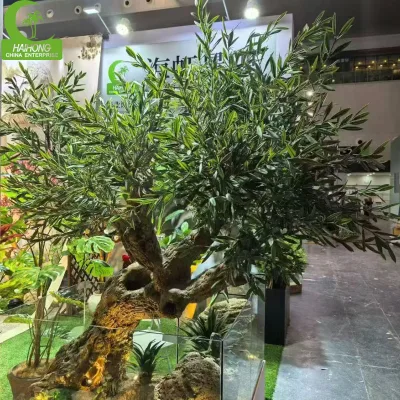
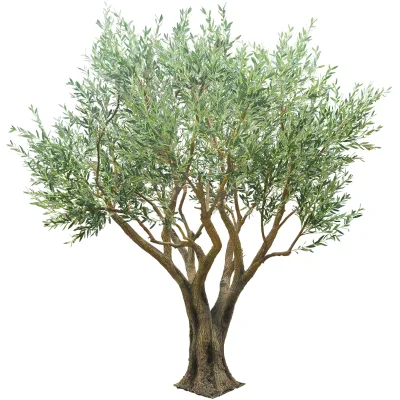
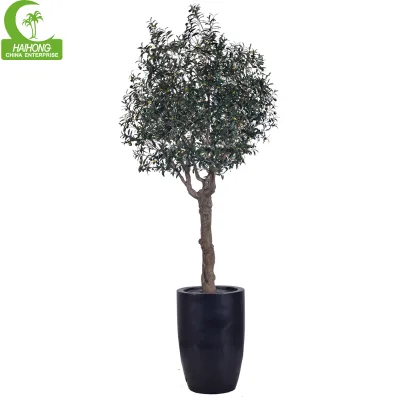
$111.8139 - $1157.5567
MOQ: 5 Minimum

Henan Yongnuo Trading Co., Ltd.
- Trading Company
- Henan, China
- Lead time30 days
- Avg. response≤ 3h
Main productsArtificial flower,Artificial plants,Wedding decoration,Crystal Candlestick,Artificial Peacock
Main marketsCentral America(15.00%), North America(15.00%), South America(10.00%), Northern Europe(10.00%), Eastern Europe(10.00%), Southeast Asia(7.00%), Domestic Market(5.00%), Western Europe(5.00%), Oceania(5.00%), Mid East(5.00%), Eastern Asia(4.00%), Africa(3.00%), South Asia(3.00%), Southern Europe(3.00%)
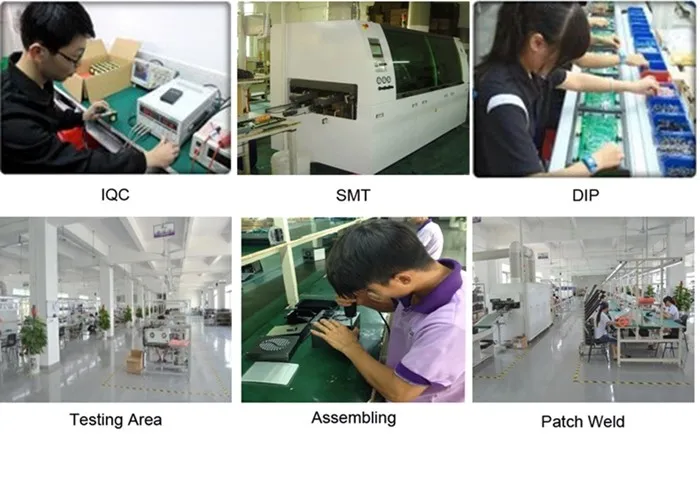
Shenzhen Dali Technology Co., Ltd.
- Manufacturer, Trading Company
- Guangdong, China
- Lead time10 days
- Avg. response≤ 10h
Main productscommercial electronics,toys,game console,drone,led light
Main marketsWestern Europe(20.00%), Southeast Asia(20.00%), North America(20.00%), South Asia(10.00%), Northern Europe(10.00%), Eastern Europe(10.00%), South America(10.00%)

Dongguan Jinchen Arts And Crafts Co., Ltd.
- Trading Company
- Guangdong, China
- Lead time50 days
- Avg. response≤ 5h
Main productsArtificial Plants,Artificial tree,Artificial flower,Artificial plant walls,Succulents
Main marketsNorth America(20.40%), South America(12.27%), Western Europe(10.56%), South Asia(9.72%), Eastern Europe(8.20%), Southern Europe(7.20%), Oceania(6.65%), Northern Europe(5.18%), Mid East(4.95%), Africa(4.81%), Southeast Asia(4.01%), Eastern Asia(3.04%), Central America(2.30%), Domestic Market(0.71%)
Hunan Fanhua Crafts Manufacturing Co., Ltd.
- Verified by Intertek
- Manufacturer, Trading Company
- Lead time30 days
- Avg. response≤ 3h
Main productsArtificial tree, Artificial flower, Artificial green plants, Christmas daily necessities and flower garland, Magnesium oxide flowerpots
Main marketsDomestic Market(63%), North America(10%), South America(10%)

Shenzhen Fayfun Crafts Co., Ltd.
- Verified by TUVRHEINLAND
- Manufacturer/Factory
- China Guangdong
- Lead time0 days
- Avg. response≤ 6h
Main productsArtificial Flower, Christmas Flowers, Christmas Floral Picks, Easter Decoration, Artificial Plants, Artificial Tree, Christmas Wreath& Garland, Christmas Ribbon& Bow
Shenzhen The Source Of Flowers International Trade Co., Ltd.
- Trading Company, Distributor/Wholesaler
- Guangdong, China
- Lead time0 days
- Avg. response≤ 3h
Main productsartificial plants,artificial green wall,artificial flower,artificial plants greenery,Christmas decorations
Main marketsSoutheast Asia(50.00%), North America(30.00%), Western Europe(20.00%)
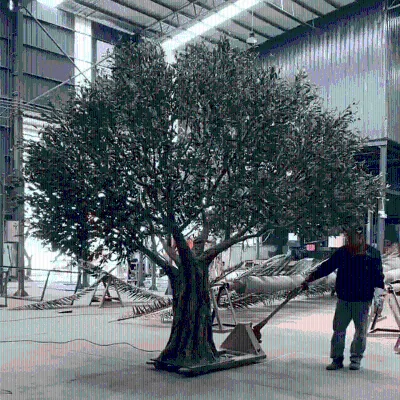


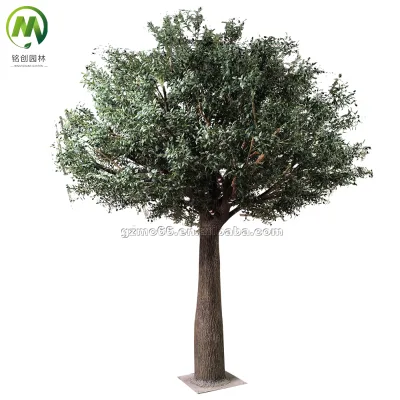
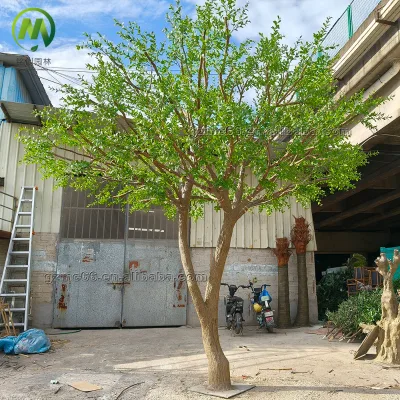
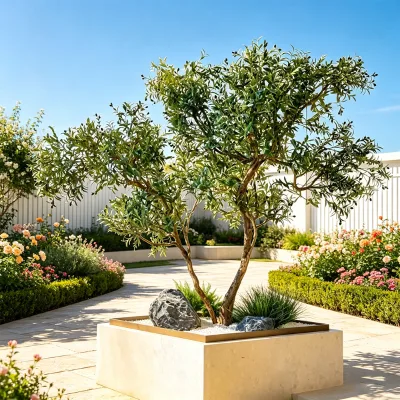


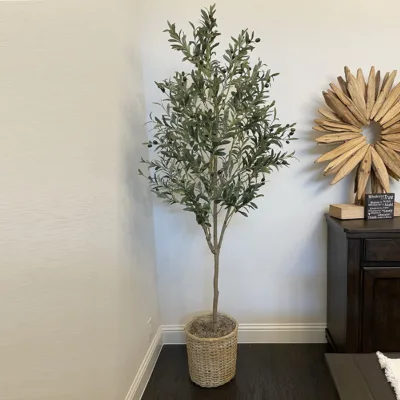
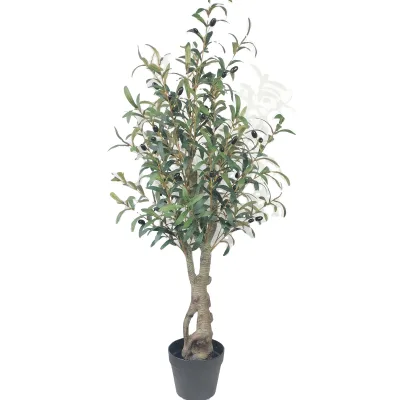
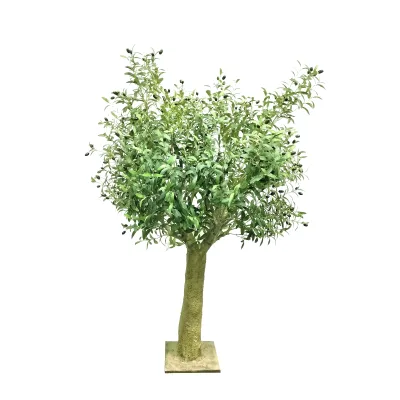
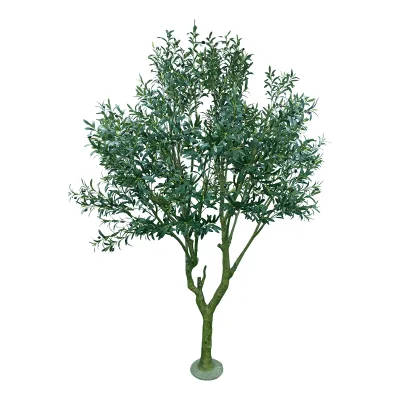
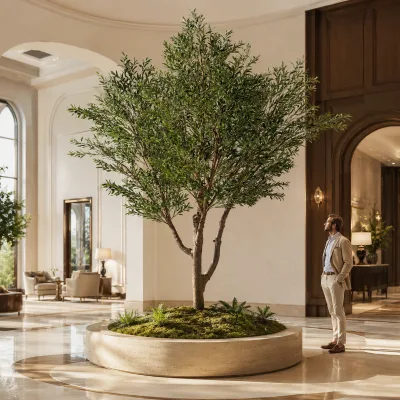
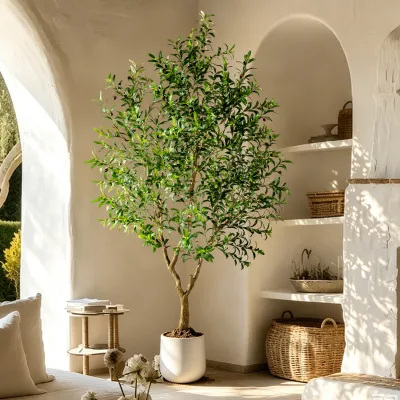
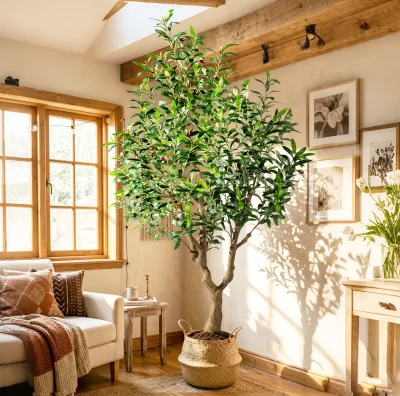


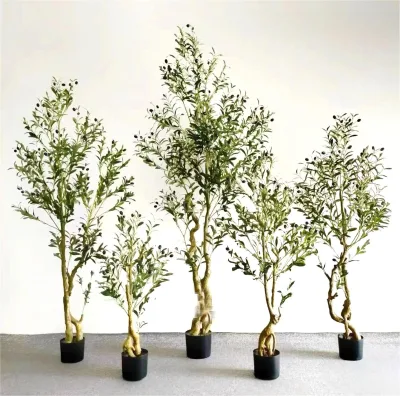
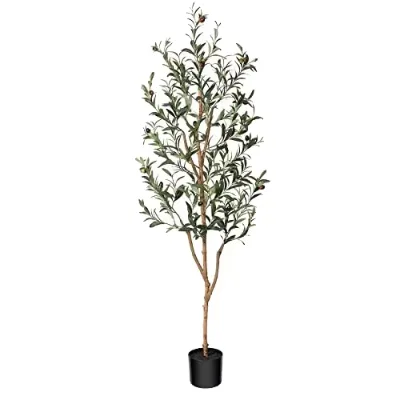
Comprehensive Sourcing Guide
Luxury Elegant Artificial Olive Tree Supplier Concentration and Factory Types
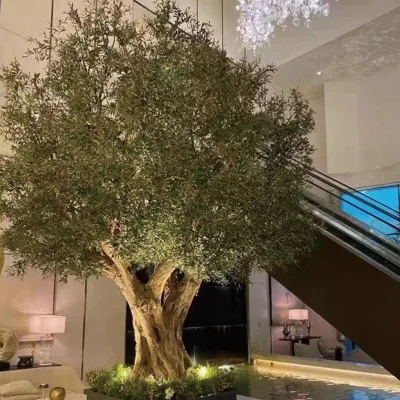
Buyers searching for a Luxury Elegant Artificial Olive Tree will notice that many listed suppliers concentrate their operations in Guangdong, China, which appears repeatedly as the stated location for this category in current supplier results. That concentration matters because it shapes how you should approach sourcing: dense regional clusters typically support a wide range of complementary products, and the supplier results here reflect that breadth, with main product lines covering artificial flower walls, palm trees, banyan trees, grass walls, olive trees, potted plants, cherry trees, and fruit trees. A supplier that produces an entire artificial foliage ecosystem is more likely to match the botanical detail and trunk finishing that a luxury-grade olive tree demands than a generalist reseller.
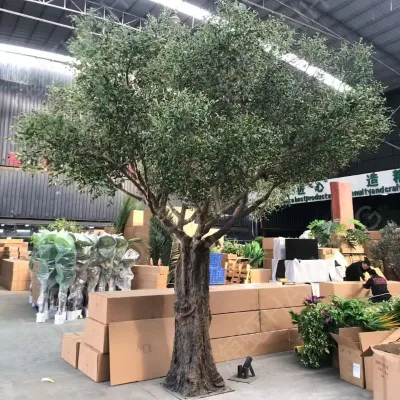
The supplier types themselves also vary. Current listings show both trading companies and combined manufacturer-trading companies, and this distinction affects price structure, customization depth, and accountability. Manufacturer-oriented listings tend to describe fiberglass or natural wood trunk construction, anti-UV and flame-retardant treatments, and custom heights in the two-to-eight-meter range, which points to genuine production capability for large landscape projects. Trading-company listings, by contrast, often carry lower minimums and faster responses but may outsource production. As a buyer, note the company type displayed on each profile, then ask directly whether the olive tree trunks and foliage are produced in-house or sourced from a partner workshop, and request photographs of the actual production floor to confirm.
How to Verify Luxury Elegant Artificial Olive Tree Suppliers
Verification should begin with the credentials already visible on supplier profiles, then extend to checks you commission yourself. In the current results, some suppliers carry third-party verification badges — one is SGS-verified and another is Intertek-verified — which indicates that an independent body has audited elements of the company's identity or operations. Others display management and product-related system certifications such as ISO 9001, ISO 14001, ISO 45001, EN 13501, and ASTM E84, which are particularly relevant when trees must meet fire-safety expectations for commercial interiors or public spaces. Never assume a badge covers the specific olive tree you intend to order; ask the supplier to state precisely which certificate applies to which product line and request the certificate document itself.
Beyond documentation, verification should test whether the supplier actually handles the product category at the quality level you need. Research and development capacity is one useful signal: at least one listed supplier discloses capabilities in light customization, customized-on-demand work, sample processing, and graphic processing, which suggests an ability to adapt trunk shape, canopy density, or pot style to your specification. Ask for factory photos or a live video walkthrough of the workshop where trees are assembled, request samples of both foliage material and trunk texture, and compare sample quality against reference photos of real olive trees. If a supplier resists sample requests or cannot explain its manufacturing process in detail, treat that as a meaningful warning before committing funds.
What to Compare Across Luxury Elegant Artificial Olive Tree Suppliers
Build a comparison table using the attributes suppliers actually display, while remembering that not every supplier shows every attribute. Useful dimensions in the current results include response time, lead time, minimum order quantity, location, company type, and main products. For example, response times in the observed listings range from under two hours to around five hours — a meaningful spread when you are iterating on trunk curvature or canopy samples under a deadline. One listing states a lead time of 15 days, while another product-level entry describes 15–20 days, so always confirm whether the quoted lead time applies to stock items or to customized trees, which naturally take longer.
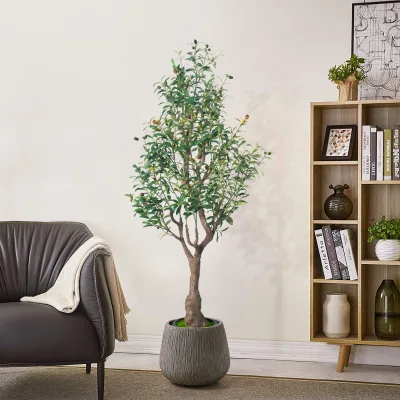
MOQ and pricing also deserve careful comparison because they vary dramatically across the category. Some listings show minimums as low as a single piece, others four or five pieces, and unit prices in observed products span from under ten dollars for small potted styles to several hundred dollars for large custom trees — a range that reflects differences in height, trunk construction, and foliage fidelity rather than pure supplier markup. Compare like with like: a 120-centimeter handmade potted tree and a six-meter fiberglass trunk specimen are different products entirely. Also weigh main-product breadth, customization availability, logo-printing options, and packing methods, since carton packing versus bubble bag with plywood frame signals very different shipping protection for large trees.
Common Luxury Elegant Artificial Olive Tree Sourcing Risks
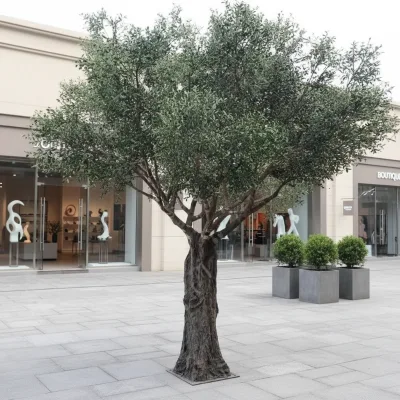
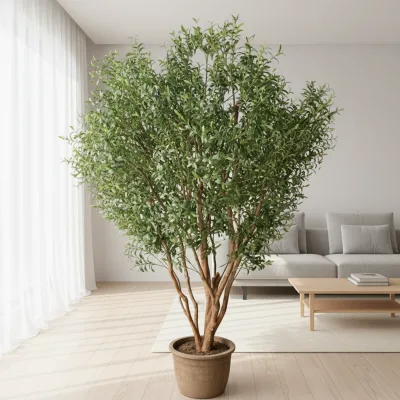
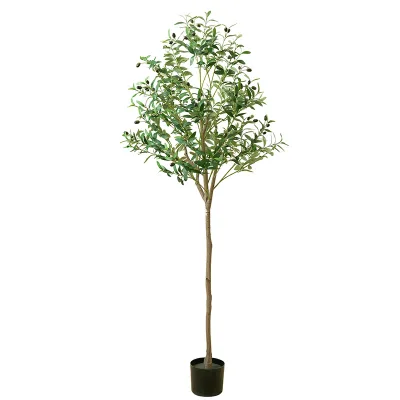
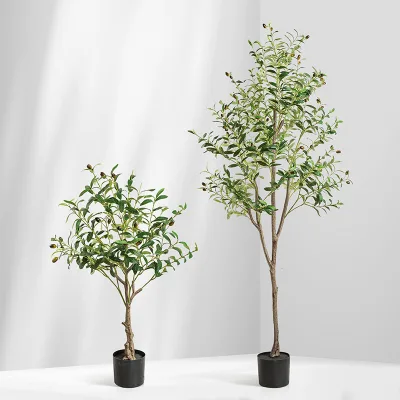
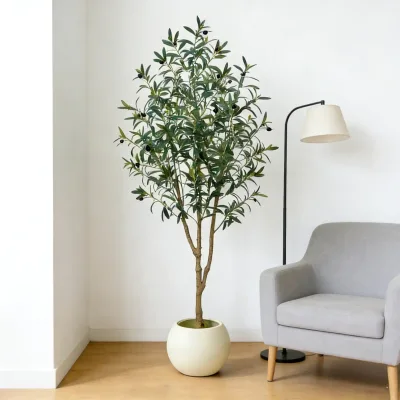
The most frequent risk in this category is specification drift between sample and bulk order. A luxury olive tree lives or dies on details — the mottled grey-green of the leaves, the gnarled texture of the trunk, the natural irregular spacing of branches — and mass production can flatten these qualities. In the observed listings, some products are marked non-customized while others offer customization, so confirm at the outset whether the unit you saw quoted is the same configuration you will receive at volume. Another risk is confusing product tiers: the results include small potted olive trees and giant fiberglass-trunk landscape trees under similar names, and ordering the wrong tier wastes both time and budget.
Quality-attrition and durability risks follow closely. Listings cite differing lifespans — one states indoor use of 5–8 years, another claims 8–20 years for fiberglass-trunk construction — and these figures depend heavily on environment, UV exposure, and handling, so request written clarification of the expected lifespan for your specific placement. Fire compliance is another trap: a certificate displayed on a company profile may not cover the foliage material of the specific tree, which matters for hospitality and public-space installations. Finally, shipping damage is a real risk for large trees; one observed packing method uses only a carton, while another adds bubble bag with plywood frame, so agree on packing in writing before production begins.
Luxury Elegant Artificial Olive Tree Regional Sourcing and Logistics
Because supplier results place this category squarely in Guangdong, China, buyers can plan logistics around a well-developed export region with established freight-forwarding infrastructure for oversized decorative goods. Guangdong's port access makes container consolidation practical, but large artificial olive trees — especially fiberglass-trunk specimens in the two-to-eight-meter range described in some listings — often exceed standard carton dimensions and may require disassembled trunks, frame packing, or even flat-rack arrangements. Ask each supplier how the tree is sectionalized for shipping, whether the trunk joins are visible after assembly, and what hardware or instructions are provided, since on-site assembly quality directly affects how luxurious the finished tree looks.
When you cannot confirm a cluster from supplied data, identify it yourself: run searches across B2B platforms filtered by province, compare how many verified suppliers list the product in each region, and note which regions appear in product origin fields rather than relying on company headquarters alone. For inland or overseas buyers, request quotations on both FOB and delivered terms so you can see the true logistics share of cost, and ask about volumetric weight for air freight on urgent samples. Lead times in the observed listings run roughly 15–20 days for production, but customs clearance, oversized-cargo handling, and seasonal port congestion can add weeks, so build buffer time into any installation deadline rather than trusting production lead time alone.
Luxury Elegant Artificial Olive Tree Commercial Terms and Order Planning
Commercial terms should be settled in writing before any deposit changes hands. Observed listings mention payment via PayPal on some products, which offers some buyer protection on smaller trial orders, while larger custom-tree orders typically require negotiated terms — ask about deposit percentages, balance payment timing, and whether any escrow-style arrangement through the platform is available, since at least some verified suppliers operate on marketplaces that offer such protections. Do not assume a term displayed on one product listing applies to a custom project; large customized trees often carry different payment schedules and minimums than the small potted versions shown in the same catalog. Confirm which terms govern your actual order in the proforma invoice.
Order planning should sequence a sample, an approval, and then volume. Start with one piece — several observed listings allow minimums of one to five pieces — then approve trunk finish, foliage color, and pot style before committing to project quantities. Budget using the price bands visible in current results, which for olive tree products span from single-digit dollars for small potted plants to several hundred dollars for large specimens, treating quoted prices as reference points rather than fixed offers. Confirm lead time in days, packing method, and customization scope per the proforma, and state that any change to height, trunk material, or fire-retardant treatment resets both price and production schedule so expectations stay aligned through delivery.
Word count check: sections of approximately 229, 228, 226, 227, 229, 230 words ≈ 1370 total. Within range.
FAQs
What is the minimum order quantity for artificial olive trees?
The minimum order quantity varies by product type. Small decorative items require a minimum of 4 pieces, while large landscape trees start at 1 piece. Some potted plants have a minimum of 5 pieces. Buyers should check specific product listings to confirm the exact MOQ before placing an order.
How long does production take for these artificial trees?
Standard lead times are typically around 15 days. Some suppliers indicate a production window of 15 to 20 days. This timeframe applies to most standard orders. Buyers requiring urgent delivery should confirm specific lead times with the supplier before finalizing the purchase agreement.
Are these artificial olive trees suitable for outdoor use?
Yes, many options are designed for outdoor environments. Specific products feature UV-resistant materials and fiberglass construction to withstand weather conditions. Some items are explicitly labeled as outdoor artificial plants. Buyers should verify the UV resistance and material specifications to ensure long-term durability in outdoor settings.
What certifications do the suppliers hold?
Suppliers hold various industry certifications including ISO 9001, ISO 14001, and ISO 45001. Some also possess EN 13501 and ASTM E84 standards. Verification is provided by agencies like SGS and Intertek. These credentials indicate adherence to quality and safety management systems.
Can I customize the size or logo of the tree?
Customization options are available for many products. Buyers can request specific sizes, such as 120cm or 180cm, or custom heights up to 8 meters. Logo printing is generally not available, but other customizations like color and material are possible. Buyers should contact suppliers directly to discuss specific requirements.
What is the price range for luxury artificial olive trees?
Prices vary significantly based on size and complexity. Small decorative trees range from approximately $5.90 to $47.24. Large landscape trees can cost between $165 and $600. The final price depends on the specific model, material, and order quantity. Buyers should request quotes for accurate pricing.
Where are these artificial plants manufactured?
These artificial plants are manufactured in Guangdong, China. This region is a major hub for artificial flora production. Buyers can expect products originating from this location. The manufacturing base supports a wide variety of styles, from small indoor plants to large outdoor landscaping trees.