Luxury Women Night Dress Suppliers and Manufacturers
Source 27 verified suppliers for Luxury Women Night Dress items. Compare dimensions including lead times, MOQs, certifications, and response rates. Review product specs and request quotes to streamline your procurement process; review the available evidence before requesting comparable quotations from suitable candidates.
Updated
Suppliers List

- Verified by CTI
- Trading Company
- China Anhui
- Lead time23 days
- Avg. response≤ 1h
Main productsFurniture, Home Furniture
Main marketsSoutheast Asia/ Mideast


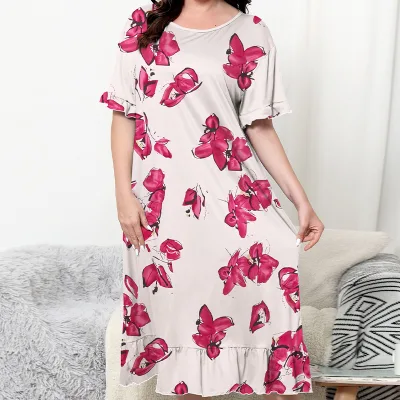
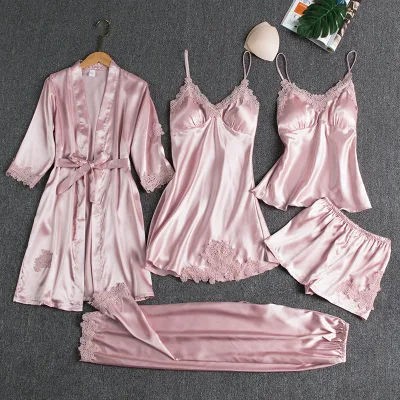
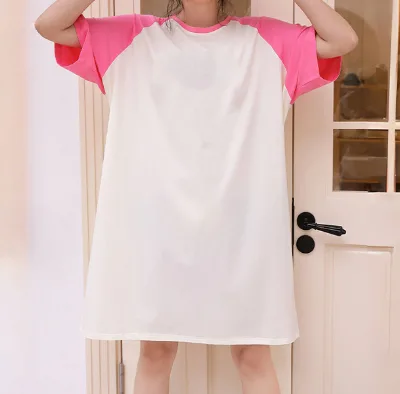
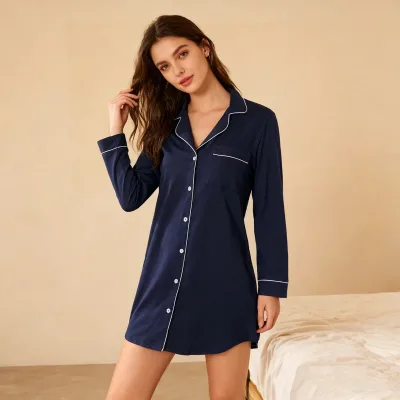
Women Sleepwear Spring Autumn Satin Long Pajamas Night Wear Elegant Sleep Dress
$0.50 - $20.00
MOQ: 200 Pieces


Qingdao Glamour Garment Co., Ltd.
- Verified by SGS Group
- Manufacturer, Trading Company
- Lead time30 days
- Avg. response≤ 3h
Main productsPajamas, Robes, Nightshirt, Nightgown, Onesie
Main marketsNorth America(49%), Domestic Market(35%), Oceania(8%)

Shanghai Easun Group Imp & Exp Co., Ltd.
- Verified by BV
- Trading Company
- China Shanghai
- Lead time15 days
- Avg. response≤ 21h
Main productsHoodies, Pajamas, T-Shirt, Bath Robe, Sleepwear, Polo Shirts, Safety Shoes
Main marketsAfrica


Nightdress Nightgown Nighties Cotton Nightwear Nightwear Pajama Sets Nighty
$5.00 - $10.00
MOQ: 500 Sets

Shantou City Bai Mu Underwear Industrial Co., Ltd.
- Verified by CTI
- Combined
- China Guangdong
- Lead time30 days
- Avg. response≤ 5h
Main marketsDomestic
Qingdao Gu Ang Industry And Trading Co., Ltd.
- Verified by TüVRheinland
- Manufacturer, Trading Company
- Lead time45 days
- Avg. response≤ 2h
Main productsPajama Sets, Lounge Wear, Casual Wear, Home Wear, Leather Apparel
Main marketsNorth America(43%), Western Europe(25%), Mid East(22%)
Hangzhou Yaofei Garment Co., Ltd.
- Verified by TüVRheinland
- Manufacturer, Trading Company
- Lead time20 days
- Avg. response≤ 4h
Main productsSleepwear, Pajamas, Robe, Sleep Dress, Pajamas Set
Main marketsNorth America(70%), Northern Europe(20%), Domestic Market(10%)

Wujiang First Textile Co., Ltd.
- Verified by CTI
- Combined
- China Jiangsu
- Lead time23 days
- Avg. response≤ 7h
Main productsSilk Pillow Silk Pillowcase Silk Bonnet, Silk Garment Silk Pajama Silk Dress, Silk Eye Mask Silk Mask Silk Sleeping Cap, Silk Scarf Silk Hair Band, Silk Fabric Silk Jacquard Fabric, Silk Knitted Silk Jersey Fabric, Viscose Rayon Fabric, Loycell Acetate Curpro Fabric, Polyester Fabric Recycled Fabric, Velvet Fabric Burnout Velour Fabric
Main marketsSouth America,Africa,Southeast Asia/ Mideast,Domestic,Europe,Australia,North America

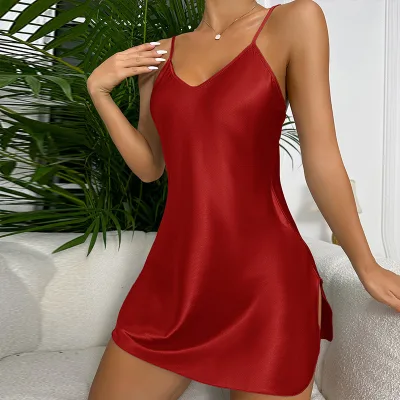
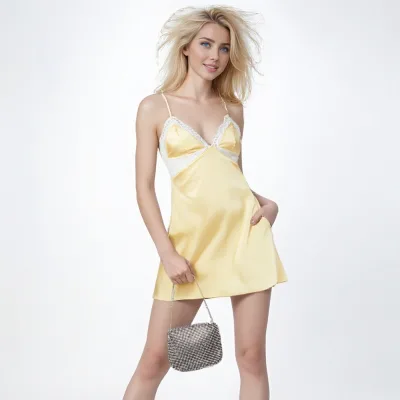
OEM ODM Women's Sexy Nightdress Silk Night Dress for Women Luxury Sleepwear Silk Pajamas
$19.30 - $39.60
MOQ: 2 pieces

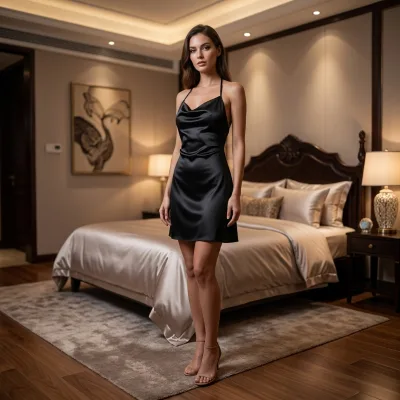
Customized Women's Sexy Nightdress Silk Sleepwear Night Dress Luxury Silk Pajamas
$21.35 - $32.60
MOQ: 2 pieces

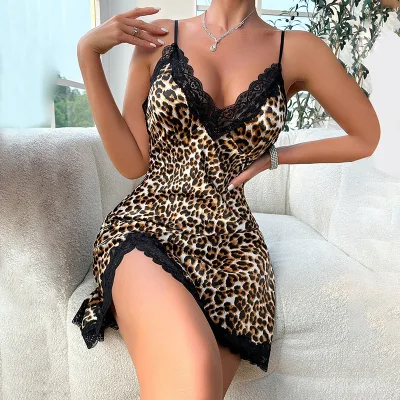
Custom Women's Sexy Lingerie Nightdress Silk Night Dress for Women Luxury Silk Sleepwear Pajamas
$12.30 - $32.60
MOQ: 100 pieces


$33.80 - $52.50
MOQ: 2 pieces

Customs Luxury Women Sexy Lingerie Night Dress 100% Mulberry Silk 16mm 19mm 22mm Sleepwear Pajama
$32.00 - $45.00
MOQ: 50 piece

Shenzhen Weixi Chuang Industrial Co., Ltd.
- Verified by SGS
- Trading Company
- China Guangdong
- Lead time15 days
- Avg. response≤ 5h
Main productsDress, T-Shirt, Lingerie, Sport Wear, Sleepwear, Corset, Underwear, Pajamas, Bra, Bathrobe
Main marketsNorth America

Wholesale Luxury Lingerie Women's Sexy Pajamas Evening Nightgown Night Dress
$5.89 - $6.89
MOQ: 10 Sets

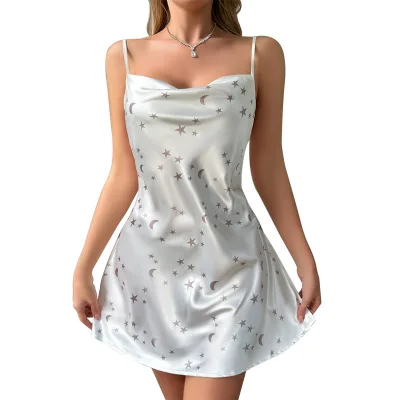
Luxury Starry Shimmer Mesh Sleep Dress Deep V Backless MID-Length Women's Date Dress
$5.69 - $6.59
MOQ: 10 Sets


Foshan FUN-CITY Garments Co., Ltd.
- Manufacturer, Trading Company
- Guangdong, China
- Lead time20 days
- Avg. response≤ 2h
Main productsPajamas,Women Sets,Dress,T-shirts,Loungewear
Main marketsSouth Asia(100.00%), Eastern Asia(100.00%), Mid East(100.00%), Africa(100.00%), Oceania(30.00%), South America(20.00%), North America(15.00%), Western Europe(10.00%), Eastern Europe(5.00%), Southern Europe(5.00%), Northern Europe(5.00%), Central America(5.00%), Domestic Market(3.00%), Southeast Asia(2.00%)

Foshan Wesickey Clothing Co., Ltd
- Verified by TUVRHEINLAND
- Trading Company
- China Guangdong
- Lead time15 days
- Avg. response≤ 2h
Main productsBra, Sexy Lingerie, Bra Set, Women's Underwear, Sexy Bodysuit, Women's Pajamas, Thong, Briefs, Corset
Main marketsDomestic

Sexy Long Sleeve Embroidery Woman Sleepwear Dress New Luxury V-Neck Nightwear
$6.91 - $7.65
MOQ: 1 Sets

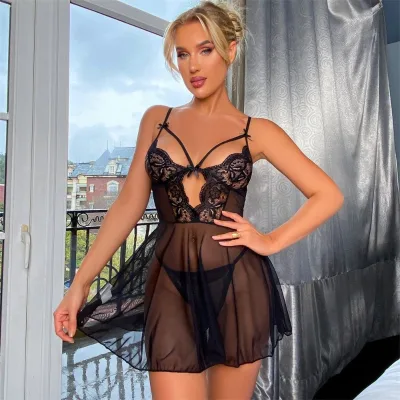
Sexy Transparent Mesh Women Sleepwear Long Dress Hot Sale Embroidery Nightwear
$4.71 - $5.44
MOQ: 2 Sets

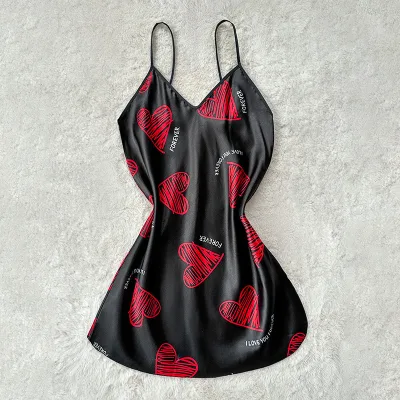
Sexy V-Neck Transparent Mesh Sleepwear Dress New Heart Pattern Women Nightwear
$6.01 - $6.75
MOQ: 1 Sets


New V-Neck Long Velvet Nightwear Dress Sexy Solid Color with Lace Woman Sleepwear
$6.62 - $7.65
MOQ: 1 Sets

Sexy Flower Embroidery Mesh Woman Sleepwear Hot V-Neck Suspender Long Dress Nightwear
$6.99 - $7.73
MOQ: 1 Sets

Chongqing Sinanxin Trading Co., Ltd.
- Trading Company
- Chongqing, China
- Lead time0 days
- Avg. response≤ 2h
Main productssexy clothes,sexy underwear,adult costume,lingerie,Erotic Sleepwear
Main marketsNorth America(20.00%), Western Europe(10.00%), Eastern Asia(10.00%), Mid East(10.00%), Oceania(10.00%), Africa(10.00%), Southeast Asia(10.00%), Eastern Europe(10.00%), South America(10.00%)
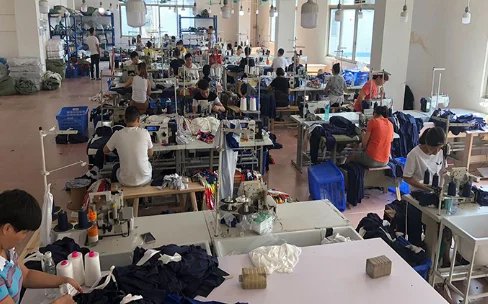
Guangzhou Samwestart Technology Co., Ltd.
- Manufacturer, Trading Company, Agent, Distributor/Wholesaler
- Guangdong, China
- Lead time5 days
- Avg. response≤ 5h
Main productspajamas,Women Pajamas,Men Pajamas,Silk Pajamas,Cotton Pajamas
Main marketsMid East(15.00%), North America(15.00%), Western Europe(12.00%), South America(10.00%), Eastern Asia(9.00%), Southeast Asia(8.00%), Oceania(7.00%), Domestic Market(5.00%), Africa(5.00%), South Asia(3.00%), Southern Europe(3.00%), Northern Europe(3.00%), Eastern Europe(3.00%), Central America(2.00%)

- Verified by CTI
- Trading Company
- China Zhejiang
- Lead time15 days
- Avg. response≤ 6h
Main productsJewelry, Brooch, Belt, Necklace, Agent, Bracelet, China Trim, China Ring, China Hair Accessory, China Earring
Main marketsSouth America

- Verified by TUVRHEINLAND
- Combined
- China Shanghai
- Lead time15 days
- Avg. response≤ 3h
Main productsInfant Clothes, Baby Clothes, Kids Wear, Underwear, Sock, Pajama, Night Dress, Sleep Bag, Yoga Clothes, Nursing Tee
Main marketsEurope,Australia,North America

Custom Sexy Dresses Women Night Sleeveless Gown Sleeping Satin Dresses for Woman
$11.90 - $14.50
MOQ: 50 Pieces

Women Sexy Deep V-Neck Party Long Evening Dress 95% Bamboo Lady Night Dress
$13.64 - $16.38
MOQ: 300 Pieces


Wholesale Custom Sleep Night Dress Women Long Sleeve Nightgowns Women's Sleepwear
$7.00 - $7.57
MOQ: 50 Pieces


Wholesale Custom Sleep Dress Woman Nightdress Summer Bamboo Elegant Women's Nightgown
$7.99 - $9.99
MOQ: 10 Pieces

Huai'an Yunzhi Import And Export Co., Ltd.
- Manufacturer, Trading Company
- Jiangsu, China
- Lead time0 days
- Avg. response≤ 2h
Main productsTowel,Beach towel,Bath towel,Sport Towel,Bathrobe
Main marketsNorth America(30.00%), Oceania(20.00%), Southern Europe(10.00%), Mid East(10.00%), Eastern Europe(10.00%), Southeast Asia(4.00%), Northern Europe(3.00%), Domestic Market(3.00%), South Asia(3.00%), Western Europe(2.00%), Eastern Asia(2.00%), Central America(1.00%), Africa(1.00%), South America(1.00%)

Guangzhou Ouzun Clothing Co., Ltd.
- Verified by CTI
- Combined
- China Guangdong
- Lead time23 days
- Avg. response≤ 3h
Main productsUniforms, Pants, Suits&Blazer, T Shirt, Polo Shirt, Sportswear, Jacket, Hoodies&Sweatshirts
Main marketsDomestic

Women's Elegant Floor Length Sleep Dress with Delicate Lace Details Nightgown Dress
$3.29 - $4.99
MOQ: 100 Pieces

Women's Elegant MIDI Length Sleep Dress with Floral Print and Adjustable Straps Nightgown Dresses
$3.29 - $4.99
MOQ: 100 Pieces

Ladies Comfortable Nightwear Short and Long Sleep Dress Options Nightgowns
$3.29 - $4.99
MOQ: 100 Pieces

- Manufacturer/Factory
- China Zhejiang
- Lead time45 days
- Avg. response≤ 9h
Main productsSilk Scarf, Silk Eye Mask, Silk Pillowcase, Silk Sleepwear, Silk Fabric, Silk Tie
Main marketsSouth America,Eastern Europe,Mid East,North America,Southeast Asia,Eastern Asia,Oceania,Western Europe,Africa

China Factory Luxury 100% Silk Sexy Short Nightdress with Custom Label
$30.00 - $60.00
MOQ: 100 Pieces

Wholesale Luxury Pure Silk Hot Sale Long Nightdress with Custom Design
$30.00 - $60.00
MOQ: 100 Pieces


Sexy Lace Summer Thin Suspender Nightdress for Women's Custom Color Slim Fit
$30.00 - $60.00
MOQ: 100 Pieces
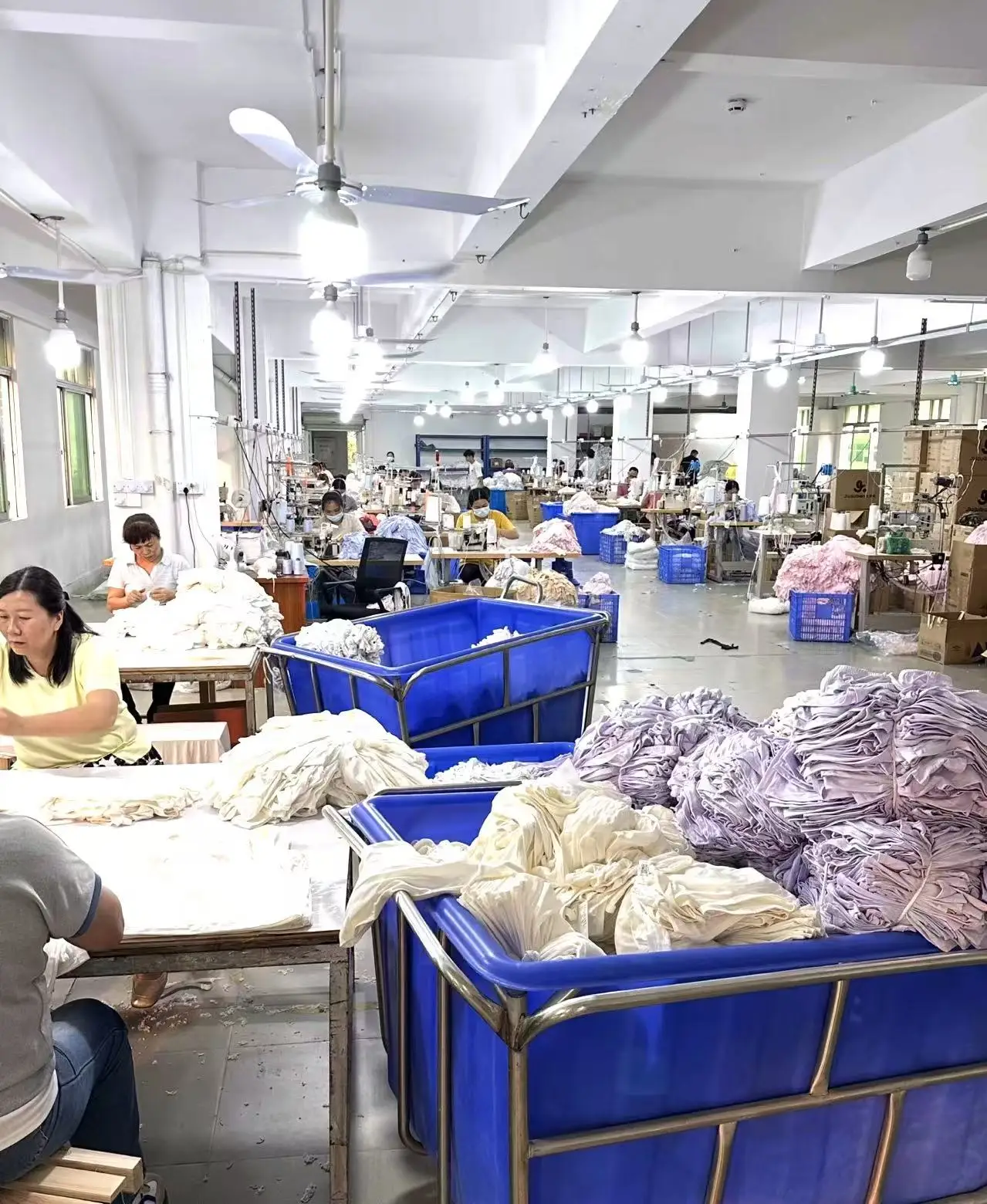
Guangzhou Autumn Chant Trading Co., Ltd.
- Trading Company
- Guangdong, China
- Lead time30 days
- Avg. response≤ 7h
Main productsWomen Lingerie,Women Sleepwear,Sexy Lingerie,Shapers,Plus Size Sleepwear
Main marketsNorth America(40.00%), Western Europe(30.00%), Eastern Europe(15.00%), Mid East(15.00%)

Xiamen Pop Gloria International Trade Co., Ltd.
- Verified by BV
- Combined
- China Fujian
- Lead time15 days
- Avg. response≤ 12h
Main productsUnderwear, Sexy Lingerier, Period Underwear, Pregnancy Underwear, Comfortable Bra, Fashion Underwear, Fashion Bra Set, Sexy String, Nursing Bra, Sexy Bra
Main marketsSoutheast Asia/ Mideast,Europe

Shijiazhuang Hepulu Import And Export Trading Co., Ltd.
- Trading Company
- Hebei, China
- Lead time10 days
- Avg. response≤ 3h
Main productsSports and fitness products,Body shaper products for pregnant and postpartum women,Home health daily necessities,Clothing and accessories,Maternal and baby products
Main marketsNorth America(29.00%), Southern Europe(10.00%), Eastern Europe(10.00%), Western Europe(10.00%), Northern Europe(9.00%), Eastern Asia(5.00%), Central America(5.00%), South America(5.00%), South Asia(3.00%), Southeast Asia(3.00%), Mid East(3.00%), Domestic Market(3.00%), Oceania(3.00%), Africa(2.00%)

Guangzhou Vincenia Trading Co., Ltd.
- Trading Company
- China Guangdong
- Lead time23 days
- Avg. response≤ 7h
Main productsUnderwear, Lingerie, Shapewear, Legging, Lace, Bra, Briefs, Yoga, Fabrics
Main marketsSouth America,Southeast Asia/ Mideast,East Asia(Japan/ South Korea),Europe,North America


Custom Wholesale Women Silk Dress Summer Long Sleeve Suit Dress Nightdress
$4.50 - $4.66
MOQ: 100 Pieces
Qingdao Genhongzuo Clothing Co., Ltd.
- Verified by SGS Group
- Manufacturer, Trading Company
- Lead time60 days
- Avg. response≤ 5h
Main productsLoungewear, Pajamas, Robe, Swimwear, Sportswear
Main marketsNorth America(82%), Mid East(11%), Oceania(5%)
Dalian Youlan Garments Co., Ltd.
- Verified by SGS Group
- Manufacturer, Trading Company
- Lead time90 days
- Avg. response≤ 4h
Main productsUnderwear, Sleepwear, Swimwear, Bodysuits, Dresses
Main marketsOceania(55%), North America(16%), Northern Europe(14%)
Yiwu Dailiansha Clothing Co., Ltd.
- Manufacturer, Trading Company
- Zhejiang, China
- Lead time10 days
- Avg. response≤ 16h
Main productsSexy Lingerie & Plus Size Lingerie,Panties,Stocking & Body Stocking,Bra Sets,Body Chain
Main marketsSouth America(60.00%), Mid East(20.00%), Western Europe(15.00%), Africa(5.00%)

SHANTOU HUICHEN FASHIONS CO.,LTD.
- Combined
- China Guangdong
- Lead time60 days
- Avg. response≤ 10h
Main productsUnderwear, Bra, Sexy Lingerie, Sexy Babydoll, Wireless Bra, Sport Bra, Bra & Panty Set, Underwear Set, Sexy Lingerie Set
Main marketsSouth America,Africa,Europe,North America
- Verified by TüVRheinland
- Manufacturer, Trading Company
- Lead time25 days
- Avg. response≤ 3h
Main productsSheet, Duvet Cover, Pillowcase, Pyjama, Dress
Main marketsOceania(70%), North America(30%)
Changyi Hongbo Textile Co., Ltd.
- Verified by SGS Group
- Manufacturer, Trading Company
- Lead time20 days
- Avg. response≤ 2h
Main productsBaby Romper, Baby Clothes Set, Baby Sleeping Bag, Family Matching Outfit, Swaddle Blanket
Main marketsNorth America(64%), Oceania(20%), Eastern Europe(10%)
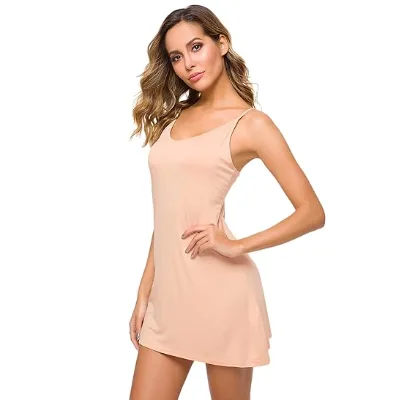
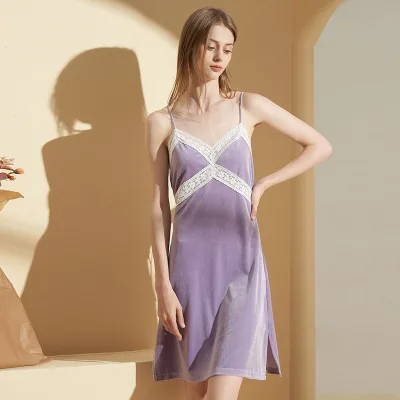
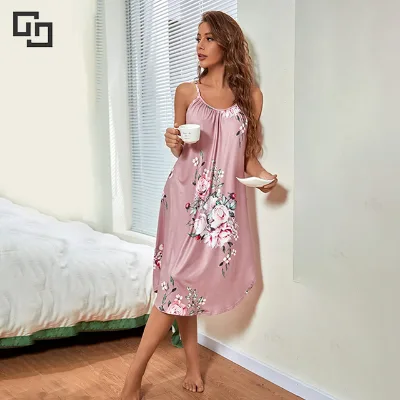
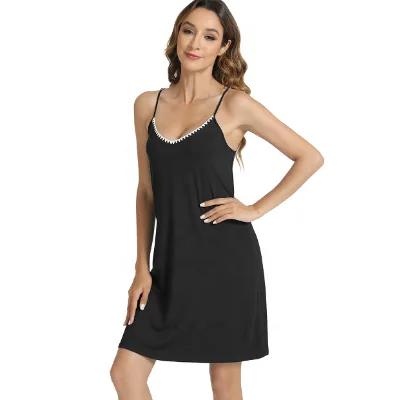
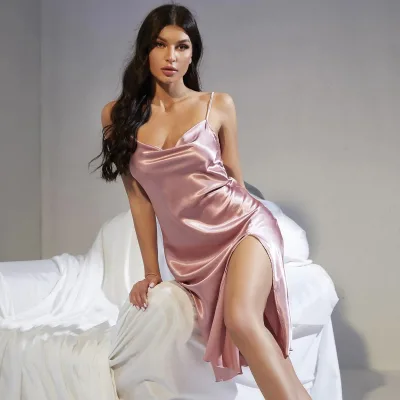
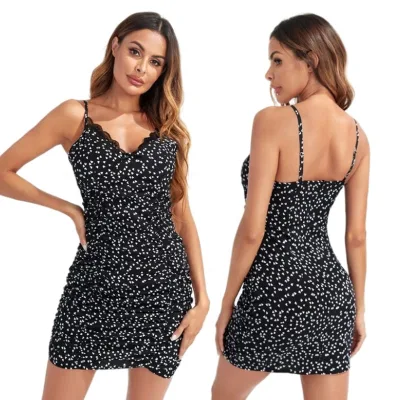


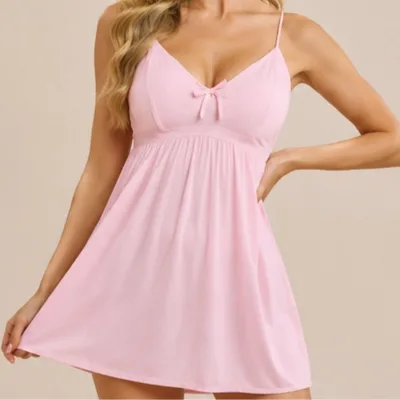
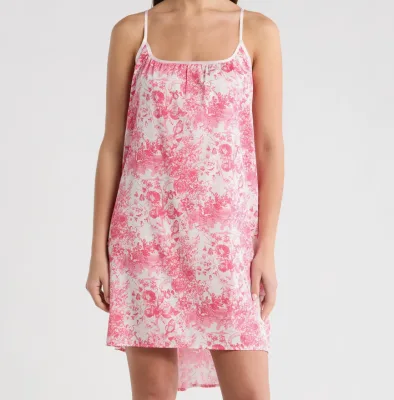
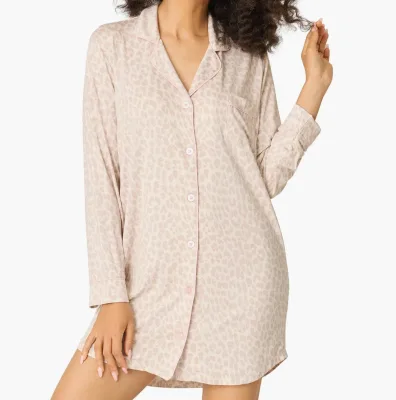
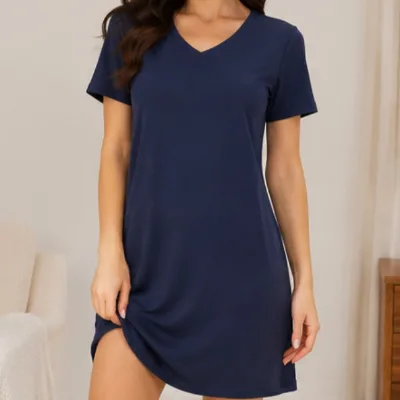
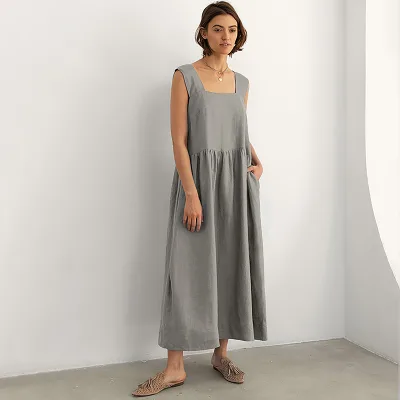
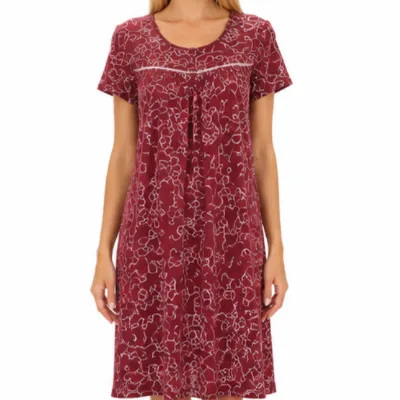
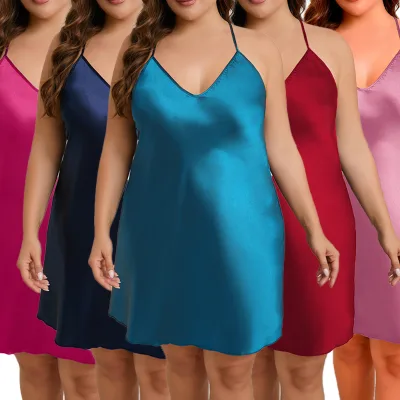
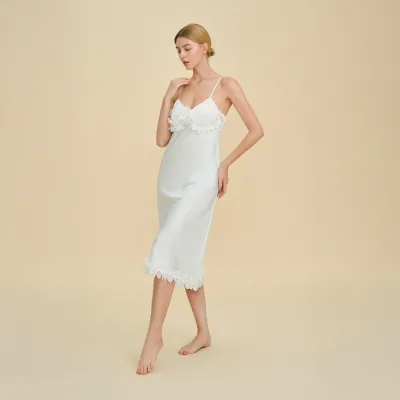
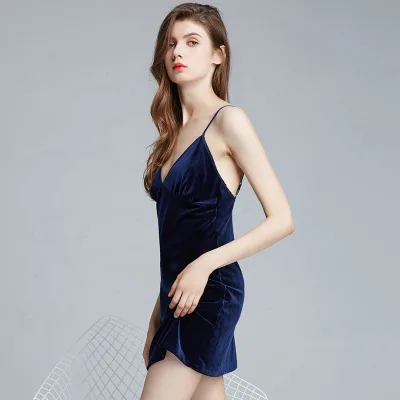
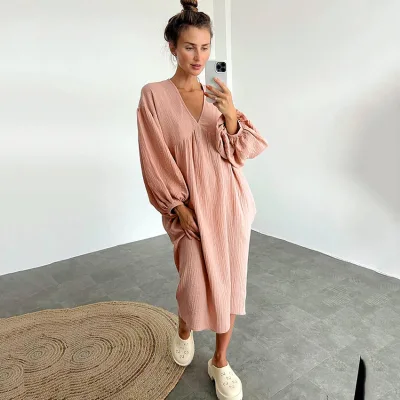
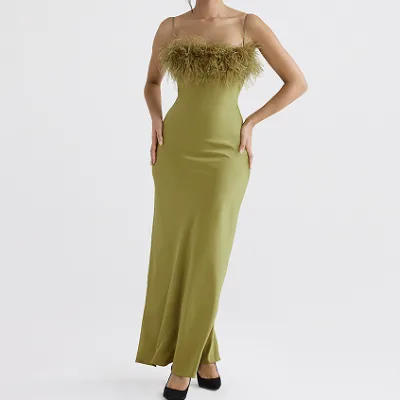
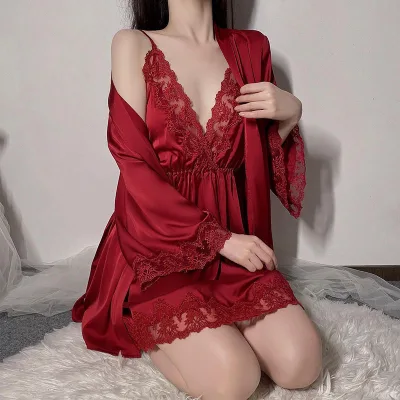
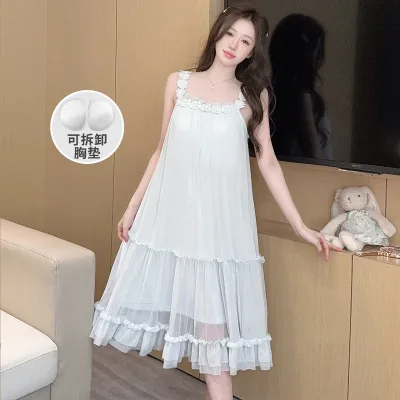


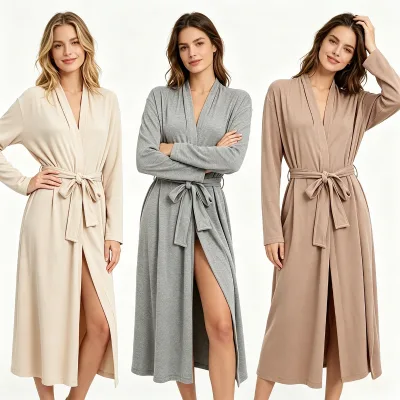
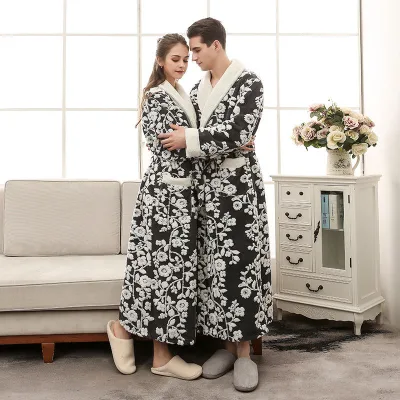
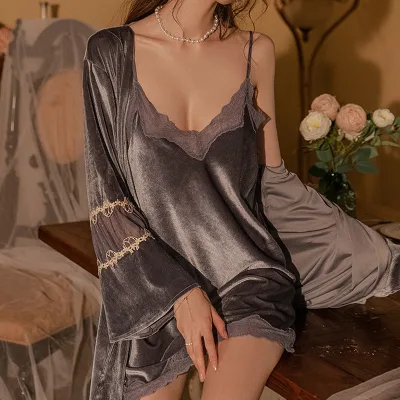


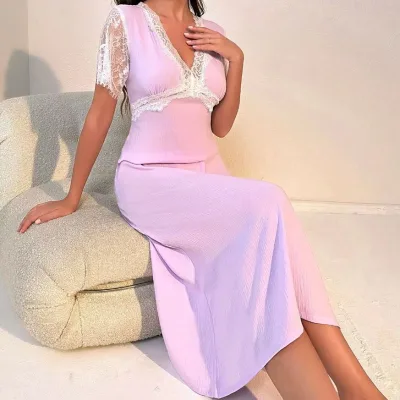


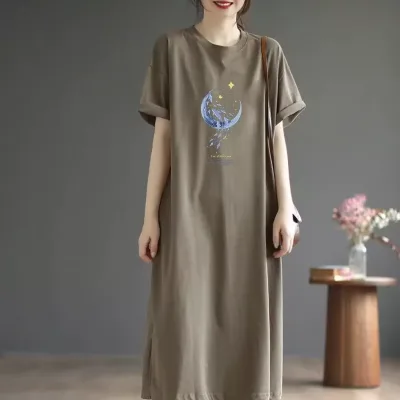
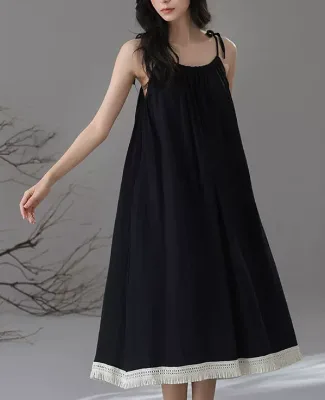

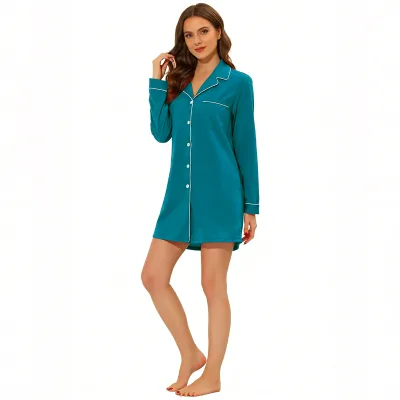
Comprehensive Sourcing Guide
Luxury Women Night Dress Supplier Concentration and Factory Types
The current supplier landscape for luxury women night dresses reveals a distinct mix of manufacturing capabilities and trading structures, primarily anchored in specific regional hubs. Data indicates that a significant portion of these suppliers are located in China, with Anhui emerging as a notable concentration point for production facilities. This geographic clustering suggests that buyers sourcing this category should expect a high density of vendors operating within this province, which may influence logistics planning and sample shipping times. The presence of these suppliers in Anhui provides a tangible reference point for identifying manufacturing clusters, allowing procurement teams to focus their outreach efforts on regions known for textile and apparel output. Understanding this spatial distribution is crucial for evaluating the scalability of potential partners, as concentrated industrial zones often offer more robust supply chain ecosystems for raw materials like silk, bamboo fiber, and chiffon.
Beyond location, the company types listed for these suppliers vary between pure manufacturers and trading companies, with some entities operating as hybrid models that combine both functions. This distinction is critical when assessing the directness of communication and the flexibility of production adjustments. Suppliers identified as manufacturers typically offer greater control over the production process, including light customization, customized on demand, sample processing, and graphic processing capabilities. These technical capacities are essential for brands seeking to implement specific design changes, such as altering fabric options from cotton and polyester to organic cotton, bamboo, viscose, modal, rayon, silk, or linen. Trading companies, on the other hand, may provide a broader portfolio of existing stock items but might have less direct influence over the manufacturing timeline. Buyers must carefully review the company type to determine if they require the agility of a trader or the production oversight of a factory, ensuring their choice aligns with their brand’s need for customization and quality control.
How to Verify Luxury Women Night Dress Suppliers
Verification is a non-negotiable step in the sourcing process, particularly when dealing with luxury apparel where quality and ethical standards are paramount. The available data highlights several verification badges that buyers should look for, such as CTI and SGS Group certifications. These third-party validations provide a layer of trust regarding the supplier’s operational legitimacy and compliance with international standards. For instance, the presence of an SGS Group verification indicates that the supplier has undergone rigorous assessment by a recognized inspection agency, which can significantly reduce the risk of engaging with fraudulent or non-compliant entities. Buyers should prioritize suppliers who display these verification marks, as they serve as a preliminary filter for reliability. Additionally, the mention of system certifications like BSCI, Oeko-Tex 100, CPC, CE, and FSC further underscores the importance of checking for specific compliance documents. These certifications are not merely decorative; they attest to the supplier’s adherence to labor standards, environmental regulations, and product safety requirements, which are increasingly critical for luxury brands aiming to maintain their reputation and meet consumer expectations.
In addition to external verification badges, buyers should scrutinize the supplier’s response time and engagement metrics as indicators of operational efficiency. A response time of 0.15 hours, as observed in some results, suggests a highly responsive team capable of addressing inquiries and resolving issues quickly. This level of responsiveness is vital for maintaining momentum in the sourcing process, especially when negotiating customizations or resolving production delays. Conversely, a response time of 3 hours, while still acceptable, may indicate a slower workflow that could impact project timelines. Buyers should use these metrics to gauge the supplier’s commitment to customer service and their ability to handle urgent requests. It is also advisable to verify the supplier’s establishment year and track record, although specific dates are not provided in the current data. Instead, buyers should look for consistent performance indicators and positive feedback histories. By combining verification badges, response speed analysis, and a thorough review of the supplier’s profile, buyers can build a comprehensive picture of their potential partners’ reliability and professionalism.
What to Compare Across Luxury Women Night Dress Suppliers
When evaluating multiple suppliers for luxury women night dresses, it is essential to compare key operational metrics such as lead time, minimum order quantity (MOQ), and pricing structures. The data shows a range of lead times, with some suppliers offering a 23-day turnaround and others requiring up to 30 days. This variation can significantly impact inventory planning and time-to-market strategies, making it crucial for buyers to align their supplier choice with their sales cycle. Similarly, MOQs vary considerably, with some suppliers requiring as few as 200 units, while others demand a minimum of 10,000 units. This disparity allows buyers to select partners that match their order volume capabilities, whether they are small boutique brands or large-scale retailers. Pricing is another critical factor, with observed price points ranging from $0.50 to $20.00 per unit. Buyers should analyze these prices in the context of the materials used, such as silk, bamboo fiber, or chiffon, to ensure they are getting fair value for the quality provided.
Beyond these quantitative metrics, buyers should also compare the customization options and product attributes offered by each supplier. The availability of OEM services, customizable colors, patterns, and logos is a significant differentiator for luxury brands seeking unique product offerings. For example, some suppliers offer extensive fabric options, including organic cotton, bamboo, and silk, allowing for greater material flexibility. Additionally, the style and design variations, such as slip dresses, nightgowns, and robes, should be evaluated against the brand’s target audience and aesthetic. Buyers should also consider the supplier’s main products to ensure they specialize in the desired category. A supplier focusing on pajamas, robes, and nightgowns may have more expertise and refined production processes for these items compared to a generalist apparel manufacturer. By systematically comparing these attributes, buyers can identify suppliers that not only meet their logistical requirements but also align with their brand’s design philosophy and quality standards.
Common Luxury Women Night Dress Sourcing Risks
One of the primary risks in sourcing luxury women night dresses is the potential mismatch between sample quality and mass production output. Even with verified suppliers and positive response times, the transition from prototype to bulk production can introduce inconsistencies in fabric quality, stitching, and finishing. Buyers must be vigilant about this risk by requesting detailed production samples and conducting thorough quality checks before approving bulk orders. The use of different materials, such as switching from silk to bamboo fiber or chiffon, can also lead to unexpected variations in drape, feel, and durability. It is crucial to specify exact material compositions and weave types, such as jacquard or knitting, in the purchase agreement to minimize ambiguity. Additionally, the risk of intellectual property infringement exists, particularly when working with suppliers that offer extensive customization services. Buyers should ensure that their designs and branding are protected through clear contractual agreements and, if necessary, through local legal measures in the supplier’s country.
Another significant risk is the reliability of the supply chain, which can be disrupted by factors such as raw material shortages, labor issues, or logistical bottlenecks. The observed lead times of 23 to 30 days assume a smooth production process, but any disruption can delay shipments and impact sales. Buyers should mitigate this risk by maintaining open communication with their suppliers and establishing clear contingency plans. It is also important to verify the supplier’s capacity to handle large orders, especially when dealing with high MOQs like 10,000 units. Suppliers with limited production capacity may struggle to meet demand during peak seasons, leading to delays or compromised quality. Furthermore, the risk of non-compliance with international standards, such as Oeko-Tex 100 or BSCI, can result in product recalls or reputational damage. Buyers should regularly audit their suppliers’ compliance records and ensure that all products meet the necessary safety and ethical standards. By proactively addressing these risks, buyers can build a more resilient and reliable sourcing strategy.
Luxury Women Night Dress Regional Sourcing and Logistics
The geographic concentration of suppliers in China, particularly in Anhui and Shandong provinces, has significant implications for logistics and shipping costs. Buyers sourcing from these regions should anticipate specific transit times and freight options, which can vary based on the destination country and the chosen shipping method. The proximity of these manufacturing hubs to major ports and logistics networks can facilitate efficient export processes, but buyers must still account for potential delays due to customs clearance or carrier capacity constraints. Understanding the regional strengths of these areas can help buyers optimize their supply chain. For instance, Anhui’s concentration of furniture and home furniture suppliers may also indicate a broader textile and apparel ecosystem, potentially offering competitive pricing and faster turnaround times for related products. However, buyers should verify the specific capabilities of each supplier, as some may specialize in different segments of the apparel market.
Logistics planning should also consider the packaging and labeling requirements of the products, as these can impact shipping efficiency and compliance with destination regulations. The data indicates that products are typically packed in polybags or OPP bags, which are standard for apparel but may require additional protection for luxury items. Buyers should discuss packaging options with their suppliers to ensure that the products arrive in pristine condition. Additionally, the origin of the products, whether from Shandong or other parts of China, may affect the availability of certain materials or production techniques. For example, suppliers in Shandong may have access to specific textile resources or manufacturing expertise that differs from those in Anhui. Buyers should leverage this regional knowledge to select suppliers that best fit their logistical needs and quality expectations. By carefully planning the logistics and understanding the regional dynamics, buyers can streamline their sourcing process and reduce overall costs.
Luxury Women Night Dress Commercial Terms and Order Planning
Commercial terms and order planning are critical components of a successful sourcing strategy for luxury women night dresses. Buyers should negotiate clear payment terms, delivery schedules, and return policies to protect their interests and ensure a smooth transaction process. The observed MOQs, ranging from 200 to 10,000 units, require careful financial planning to ensure that inventory levels align with sales forecasts and cash flow constraints. Buyers should also consider the total cost of ownership, including shipping, duties, and potential tariffs, when evaluating the final price of the products. The price range of $0.50 to $20.00 per unit offers flexibility, but buyers must assess whether the lower prices correspond to acceptable quality levels or if higher prices are justified by superior materials and craftsmanship. Establishing a strong relationship with the supplier can lead to better terms, such as discounts for larger orders or more flexible payment schedules.
Order planning should also account for the customization process, which can add time and complexity to the production cycle. Suppliers offering OEM and ODM services, such as Glamour, provide opportunities for brand differentiation but require detailed specifications and approvals. Buyers should allocate sufficient time for design iterations, sample approvals, and production adjustments to avoid delays. Additionally, the supply type, whether ODM or customized on demand, should be clearly defined in the contract to prevent misunderstandings. Buyers should also consider the scalability of their orders, ensuring that their suppliers can handle increases in demand without compromising quality or delivery times. By carefully planning the commercial terms and order logistics, buyers can minimize risks and maximize the efficiency of their sourcing operations. This proactive approach ensures that the supply chain remains agile and responsive to market changes, supporting the long-term success of the luxury night dress brand.
FAQs
What is the minimum order quantity for silk night dresses?
Minimum order quantities vary by product, with some listings requiring 500 units while others specify 10000 units. Buyers should check specific product attributes for the exact MOQ before placing an order to ensure it meets their volume needs.
How long does it take to receive custom night dress orders?
Lead times for these orders typically range from 23 to 30 days depending on the supplier and customization level. Some manufacturers offer faster response times, but the production duration remains a key factor in planning your inventory schedule.
Which certifications do suppliers for luxury night dresses hold?
Verified suppliers often hold certifications such as BSCI, Oeko-Tex 100, CPC, CE, and FSC. These credentials indicate compliance with safety and environmental standards, ensuring the materials used in the night dresses meet international quality requirements for export.
What materials are commonly used for luxury women night dresses?
Common materials include silk, bamboo fiber, chiffon, cotton, polyester, and modal. Suppliers offer various fabric options to suit different seasons and comfort levels, allowing buyers to select the ideal material for their specific luxury night dress requirements.
Can suppliers provide OEM and ODM services for night dresses?
Yes, many suppliers offer both OEM and ODM services, allowing for customization of size, color, pattern, logo, and style. This flexibility enables buyers to create unique products that align with their brand identity and specific market demands effectively.
Where are the manufacturers of these night dresses located?
Manufacturers are primarily located in China, with specific facilities in Anhui and Shandong provinces. These regions are known for their textile industry capabilities, providing a strong supply chain for producing high-quality apparel and sleepwear for global markets.
What is the price range for wholesale silk night dresses?
Prices for wholesale silk night dresses range from 0.50 to 20.00 USD per unit depending on the material and design. Specific listings show prices like 8.00 USD for certain models, while others may vary based on the complexity of the customization requested.