Wearable App Remote Control Vibrator Suppliers and Manufacturers
Source 20 verified suppliers for Wearable App Remote Control Vibrator products. Compare key dimensions including Guangdong and Jiangsu locations, response times, lead times, MOQs, and certifications. Review product specifications and pricing to identify suitable partners for your business needs; review the available evidence before requesting comparable quotations from suitable candidates.
Suppliers List
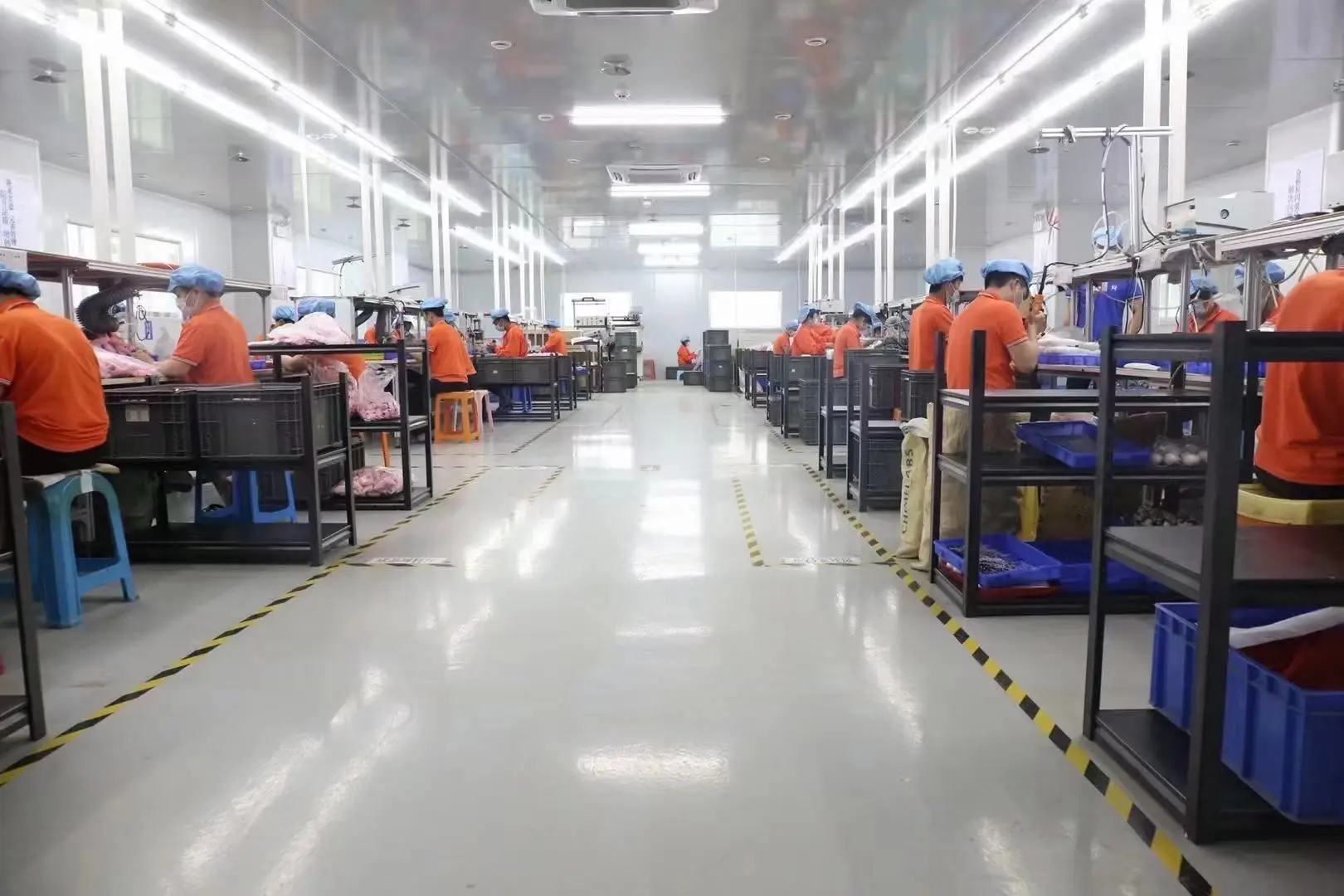
Guangzhou Haslove Electronic Co., Ltd.
- Manufacturer, Trading Company
- Guangdong, China
- Lead time20 days
- Avg. response≤ 2h
Main productsVibrator,Dildo Vibrator,Vibrator Egg,Dildo Vibrator Wand,Rabbit Vibrator
Main marketsNorth America(25.00%), Western Europe(15.00%), Eastern Asia(15.00%), South America(15.00%), Eastern Europe(10.00%), Domestic Market(5.00%), Northern Europe(5.00%), Southeast Asia(5.00%), Oceania(5.00%)
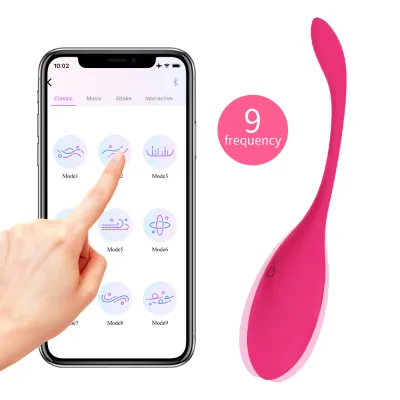
Female Love Vibrator With 9 Frequencies Adult Sex Toys Remote Control for Vibration
$12.77 - $13.79
MOQ: 3 pieces
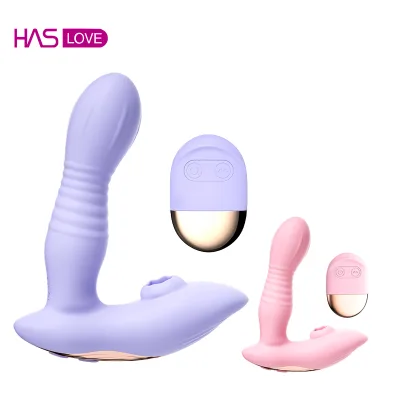
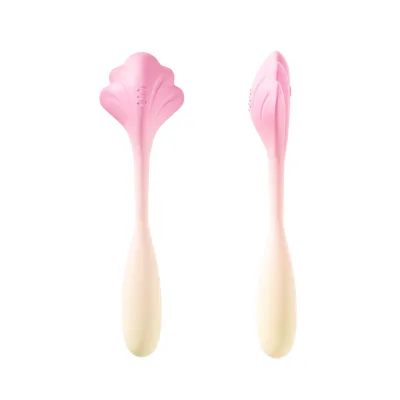

SUZHOU STAR RABBIT ELECTRONIC TECHNOLOGY CO., LIMITED
- Verified by TUVRHEINLAND
- Trading Company
- China Jiangsu
- Lead time30 days
- Avg. response≤ 8h
Main productsSex Toy, Vibrator, Anal Sex Toys, Adult Toy, Masturbator, Dildo, Rabbit Vibrator, Sex Doll
Main marketsSouth America,Africa,Southeast Asia/ Mideast,Domestic,Europe,Australia,North America


Wireless Remote Control Clitoral Vibrator for Couples Relaxing & Exciting
$11.50 - $12.99
MOQ: 50 Pieces


Dongguan Xibei Technology Co., Ltd.
- Verified by CTI
- Manufacturer/Factory
- China Guangdong
- Lead time15 days
- Avg. response≤ 2h
Main productsSex Toy, Adult Toy, Vibrator, Dildo, Sexy Underwear, Lingerie, Male Masturbator, Penis Pump, Anal Plug, Massagers
Main marketsSouth America,Eastern Europe,Mid East,North America,Southeast Asia,Eastern Asia,Oceania,Western Europe,Africa


Sex Toys Bluetooth Dildo Vibrator for Women Wireless APP Remote Control Vibrator
$0.90 - $1.90
MOQ: 5 Pieces


Shenzhen Paphos Technology Co., Ltd
- Verified by TUVRHEINLAND
- Trading Company,Manufacturer/Factory
- China Guangdong
- Lead time15 days
- Avg. response≤ 6h
Main productsSex Toy, Sex Doll, Penis Dildo, Didlo, Rubber Vagina, Rubber Penis Vibrating, Sex Silicone Doll, Female Sex Toy Vibrator, Artificial Penis
Main marketsSouth America,Eastern Europe,Mid East,North America,Southeast Asia,Eastern Asia,Oceania,Western Europe,Africa

Remote Vibrator Simulated Vibrator Remote Vibrator Comfort Vibrator Silent Vibrator Sexy Vibrator
$3.40 - $4.00
MOQ: 50 Pieces


Shenzhen Guangyufeng Rubber Co., Ltd.
- Verified by SGS
- Trading Company,Manufacturer/Factory
- China Guangdong
- Lead time23 days
- Avg. response≤ 3h
Main productsSilicone Product, Silicone Rubber Product, Baby Product, Silicone Tube, Silicone Rubber Roller, Silicone Sex Toy, Silicone Mold, Silicone Kitchenware, Silicone Case, Silicone Strap
Main marketsSouth America,Eastern Europe,Mid East,North America,Southeast Asia,Eastern Asia,Oceania,Western Europe,Africa

$5.00 - $9.80
MOQ: 20 Pieces


Wireless Remote Control Vibration Sex Toy Silicone Women Vibrator for Vagina
$0.50 - $3.00
MOQ: 20 Pieces

Wearable Vibrator Sex Toy with Silicone Remote Control Wireless Vibration G-Spot Dildo Sex Vibrator
$0.50 - $3.00
MOQ: 20 Pieces


Shenzhen Gelances Technology Co., Ltd
- Verified by SGS
- Combined
- China Guangdong
- Lead time15 days
- Avg. response≤ 6h
Main productsSex Toy, Sex Doll, Vibrator, Dildo, Penis, Masturbators, Anal Plug, Realistic Dildos, Pussy Doll, Penis Rings
Main marketsEurope

Shenzhen Enovart Technology Co., Ltd.
- Manufacturer, Trading Company
- Guangdong, China
- Lead time15 days
- Avg. response≤ 3h
Main productssex toy,sex vibrator,Sex massager,SM bondage,dildo
Main marketsNorth America(40.00%), Northern Europe(20.00%), Domestic Market(10.00%), South America(10.00%), Western Europe(10.00%), Eastern Europe(10.00%)

Shenzhen Zhonghongtian Technology Co., Ltd.
- Trading Company
- Guangdong, China
- Lead time3 days
- Avg. response≤ 5h
Main productsWomen Vibrators,Sex Toys,Masturbators,Anal Plug,Sex Massagers
Main marketsMid East(100.00%), Central America(100.00%), Domestic Market(100.00%), North America(30.00%), Western Europe(20.00%), Eastern Europe(15.00%), Eastern Asia(11.00%), Northern Europe(7.00%), Oceania(5.00%), South America(5.00%), Southern Europe(3.00%), Southeast Asia(2.00%), Africa(1.00%), South Asia(1.00%)

Xingtai Lemon Tree Trading Co., Ltd.
- Verified by CTI
- Trading Company,Manufacturer/Factory
- China Hebei
- Lead time15 days
- Avg. response≤ 25h
Main productsSex Toys, Penis Dildo, Females Vibrator, Artificial Vagina, Adult Products, Adult Sex Toy, Breast Massager, Stimulator Vibrator, Silicone Vagina, Erotic Sex Toy
Main marketsSouth America,Eastern Europe,Mid East,North America,Southeast Asia,Eastern Asia,Western Europe

APP Remote Control Wearable Clitoral Vibrator with 10 Vibration Hands-Free Clit Stimulator Sex Toy
$7.00 - $7.70
MOQ: 100 Pieces

$5.50 - $6.50
MOQ: 100 Pieces

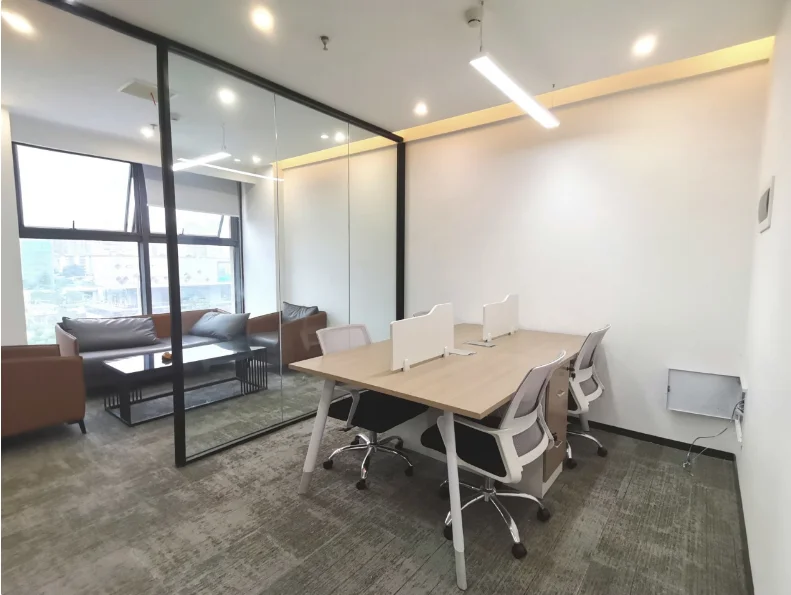
Chengdu Bold Love Technology Co., Ltd.
- Trading Company
- Sichuan, China
- Lead time7 days
- Avg. response≤ 1h
Main productsAdult Product,SEX DOLLS,Dildo,Vibrator,BDSM
Main marketsEastern Europe(30.00%), North America(15.00%), South America(15.00%), Oceania(10.00%), Southern Europe(5.00%), Northern Europe(5.00%), Western Europe(5.00%), Southeast Asia(5.00%), Eastern Asia(5.00%), Mid East(5.00%)
Shenzhen Dongshishui Technology Co., Ltd.
- Trading Company
- Guangdong, China
- Lead time15 days
- Avg. response≤ 2h
Main productsvibrator,dildo,Anal Butt Plug,SM,PlugMasturbators
Main marketsNorth America(30.00%), Mid East(10.00%), Oceania(10.00%), Southern Europe(5.00%), Northern Europe(5.00%), South Asia(5.00%), Western Europe(5.00%), Eastern Asia(5.00%), Eastern Europe(5.00%), South America(5.00%), Domestic Market(5.00%), Southeast Asia(5.00%), Central America(3.00%), Africa(2.00%)
Dongguan Cado Electronic Technology Co., Ltd.
- Manufacturer, Trading Company
- Guangdong, China
- Lead time15 days
- Avg. response≤ 5h
Main productsRose Vibrator,Sexy Rose,Anal plug,Dildos,Condoms
Main marketsNorth America(30.00%), Eastern Asia(20.00%), Domestic Market(10.00%), Northern Europe(10.00%), Oceania(10.00%), Southeast Asia(10.00%), Eastern Europe(5.00%), Southern Europe(3.00%), Western Europe(2.00%)

Ningbo Haishu Deluxe Machinery Manufacturing Co., Ltd.
- Trading Company,Manufacturer/Factory
- China Zhejiang
- Lead time30 days
- Avg. response≤ 16h
Main productsConcrete Vibrator, Power Trowel, Plate Compactor, Concrete Mixer, Road Roller, Steel Bar Machine, Screed Trowel, Steel Bar Cutter and Bar Bender, Tamping Rammer, Concrete Cutter
Main marketsSouth America,Eastern Europe,Mid East,North America,Southeast Asia,Eastern Asia,Oceania,Western Europe,Africa
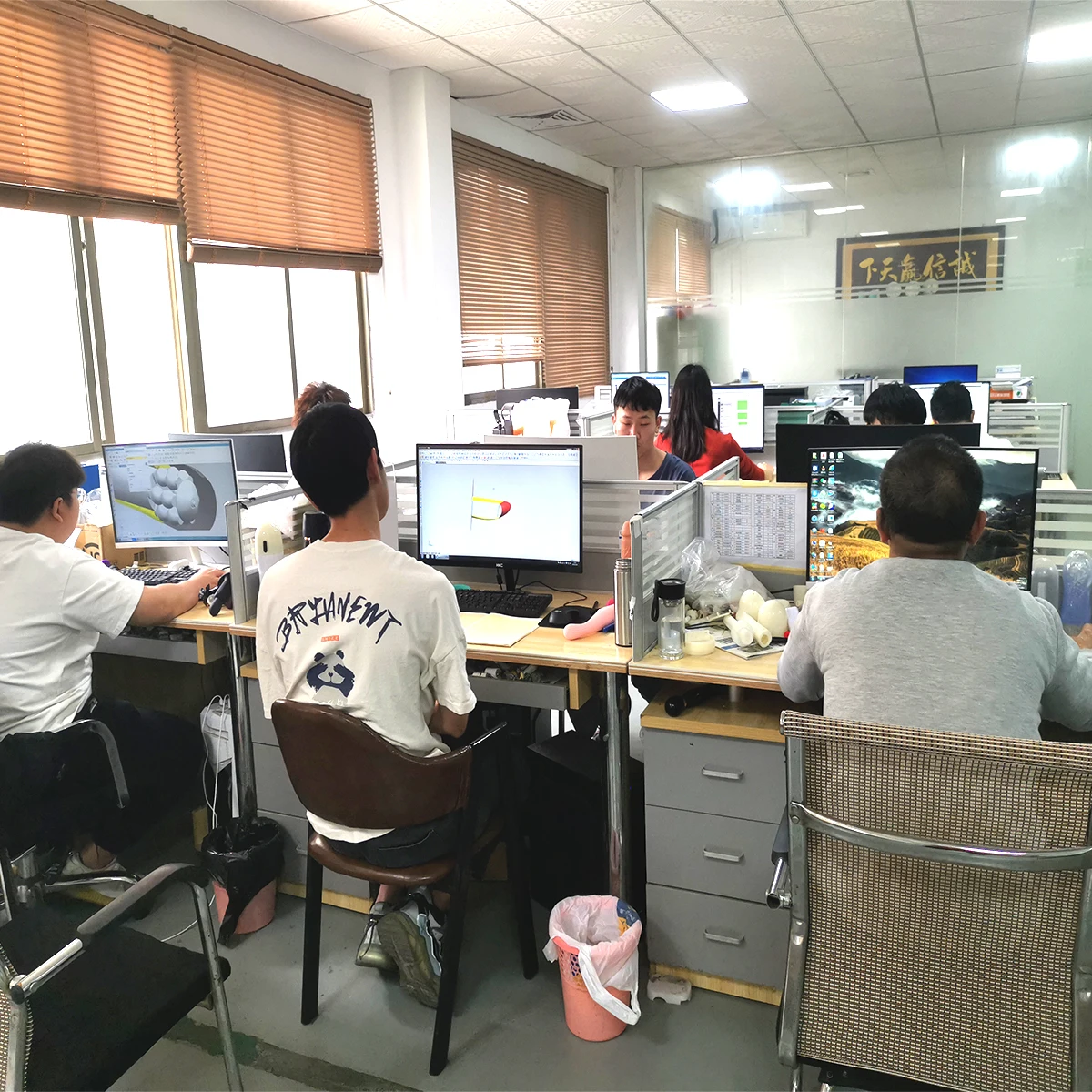
Shenzhen You You Wang Guo Technology Co., Ltd.
- Manufacturer, Trading Company
- GuangDong, China
- Lead time7 days
- Avg. response≤ 1h
Main productsVibrator,Dildo,Wand Massager,Anal Sex Toy,Masturbator
Main marketsNorth America(46.00%), Eastern Asia(12.00%), Western Europe(10.00%), Northern Europe(10.00%), Central America(5.00%), South America(5.00%), Oceania(5.00%), Southern Europe(3.00%), Africa(2.00%), Eastern Europe(2.00%)
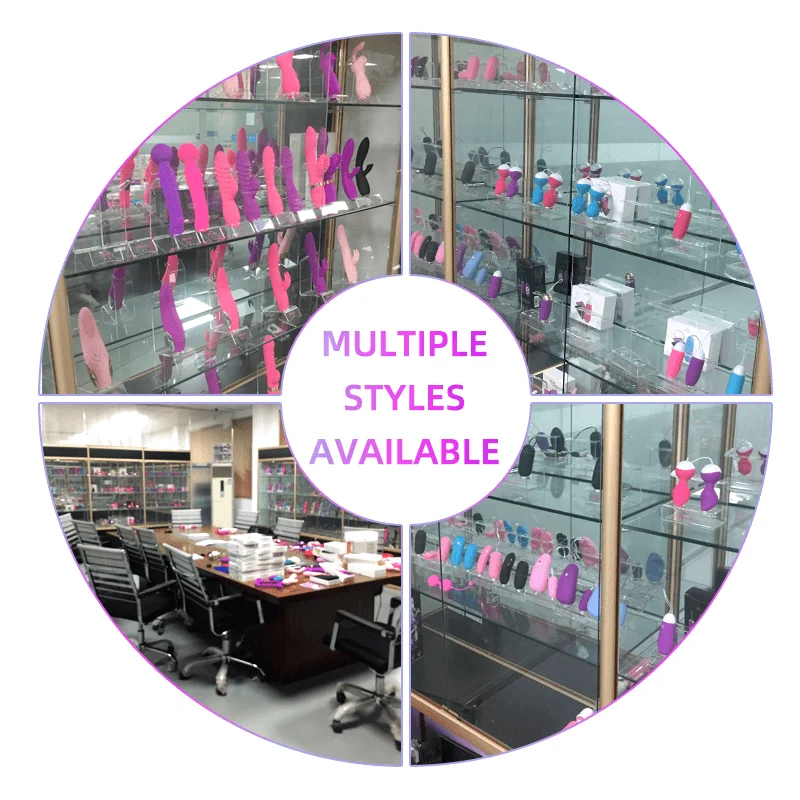
Beijing Xing Yuan Da S&T Co.,Ltd
- Trading Company
- Beijing, China
- Lead time5 days
- Avg. response≤ 5h
Main productsvibrator&dildo,Women's Sexy Lingerie,Male Masturbators,Anal Sex toys,Bondage Gear
Main marketsSouthern Europe(10.00%), Central America(10.00%), Western Europe(10.00%), Eastern Asia(10.00%), Mid East(10.00%), Africa(10.00%), Southeast Asia(10.00%), Eastern Europe(10.00%), South America(10.00%), North America(10.00%)

NanChang Sunflower Silicone Rubber Co. Ltd
- Verified by TUVRHEINLAND
- Trading Company
- China Jiangxi
- Lead time15 days
- Avg. response≤ 2h
Main productsSex Toy, Watch, Phone Case, Kitchenware, Gift
Main marketsOthers(foreignTradeCapacity.exportBusinessCapacityMarketOther)
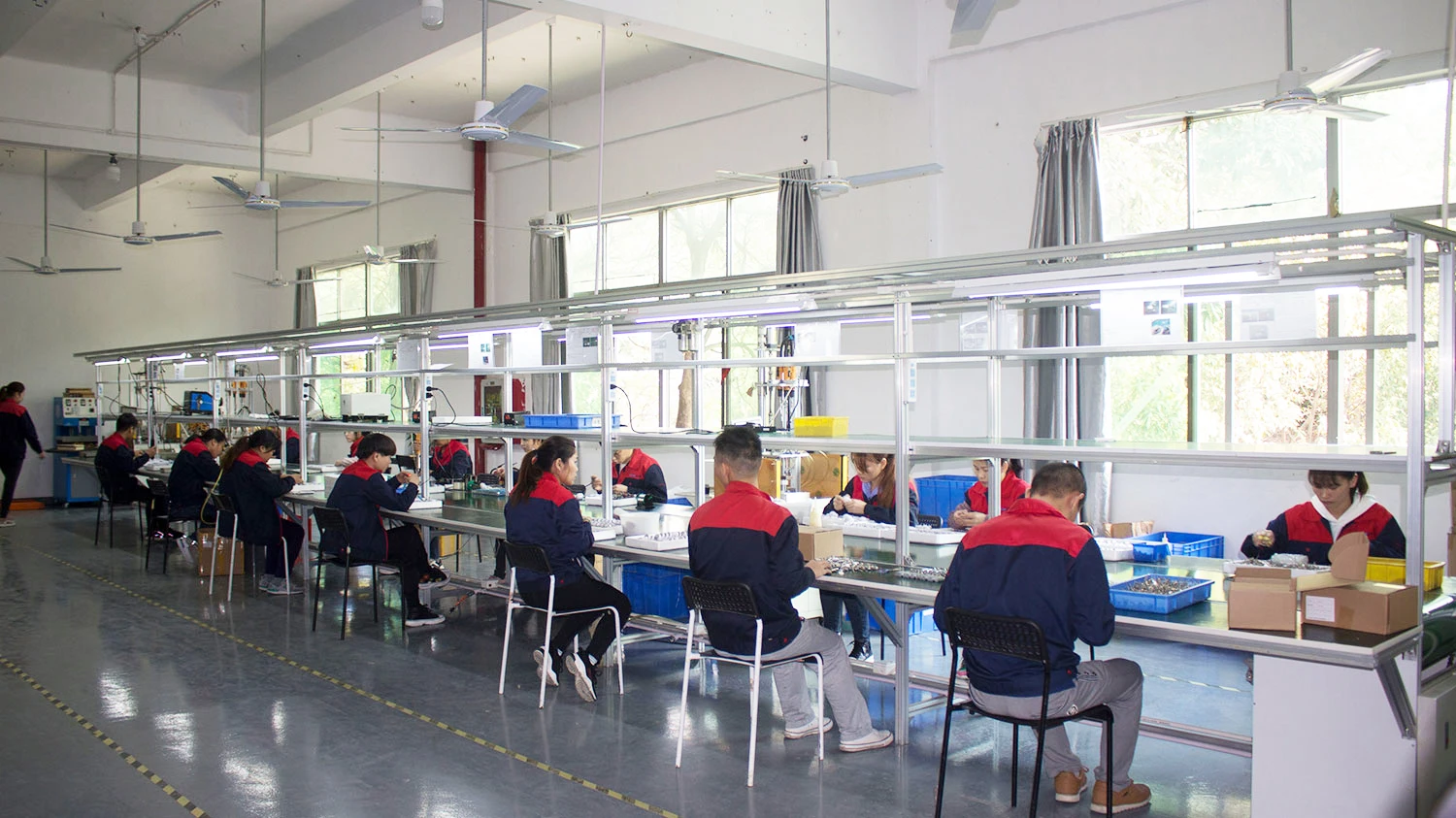
Shenzhen Eros Electronic Technology Co., Ltd.
- Manufacturer, Trading Company
- Guangdong, China
- Lead time15 days
- Avg. response≤ 3h
Main productsSex Toy, Vibrator, Penis Pump, Wand Massager, Lactation Massager
Main marketsNorth America(40.00%), Western Europe(30.00%), Domestic Market(10.00%), South America(5.00%), Eastern Europe(5.00%), Southern Europe(3.00%), Mid East(3.00%), Oceania(2.00%), Northern Europe(2.00%)

Shenzhen Aiyuewei Technology Co., Ltd.
- Verified by SGS
- Trading Company,Manufacturer/Factory
- China Guangdong
- Lead time23 days
- Avg. response≤ 3h
Main productsSex Dolls, Vibrator, Anal Toys, Silicone Dolls, TPE Doll, Sex Toys, Dildo, Masturbation Cup, Doll Torso, Sex Toy
Main marketsSouth America,Eastern Europe,Mid East,North America,Southeast Asia,Eastern Asia,Oceania,Western Europe,Africa
Shenzhen Dkktech E-Commerce Co., Ltd.
- Verified by Intertek
- Trading Company
- Lead time5 days
- Avg. response≤ 5h
Main productsSex Toys, Home&Garden, Clothes, Consumer Electronics
Main marketsNorth America(70%), Eastern Europe(8%), Western Europe(8%)

Shenzhen Qiyu Playmate Technology Co., Ltd.
- Trading Company
- China Guangdong
- Lead time0 days
- Avg. response≤ 3h
Main productsSilicone Doll, Sex Doll, Sex Toy, Sex Silicone Doll, Fake Penis, Silicone Sex Doll, Adult Toys, Dildo, Sex Toy Online Shop, Silicone Vagina


Wearable Vibrators, Comfort Vibrators, Silent Vibrators, Silicone Vibrators, Female Vibrators
$8.10 - $9.20
MOQ: 500 Pieces

$16.20 - $16.80
MOQ: 1 Pieces


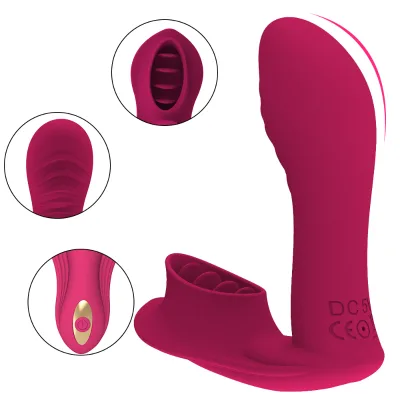
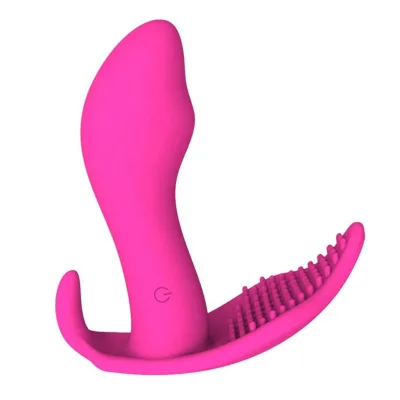
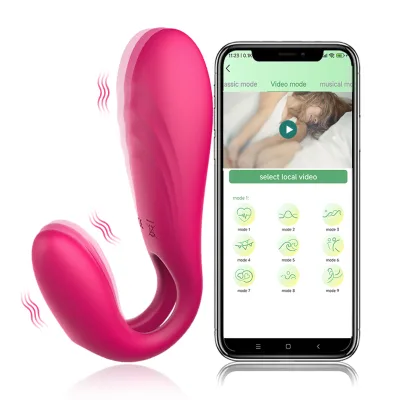
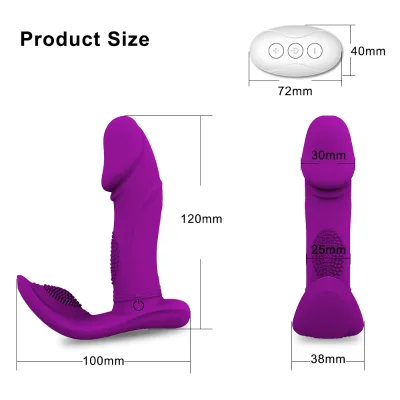
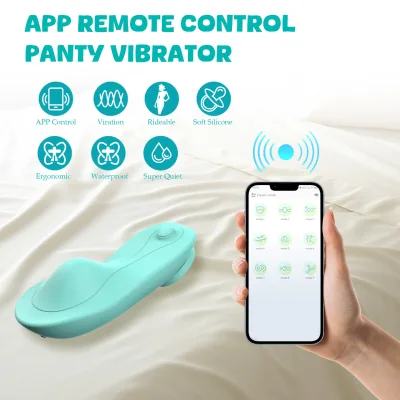
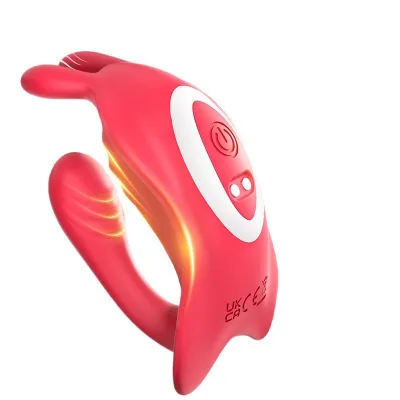
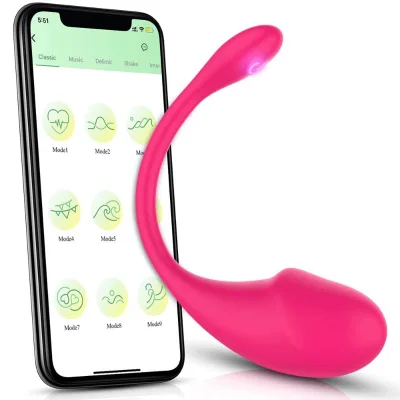
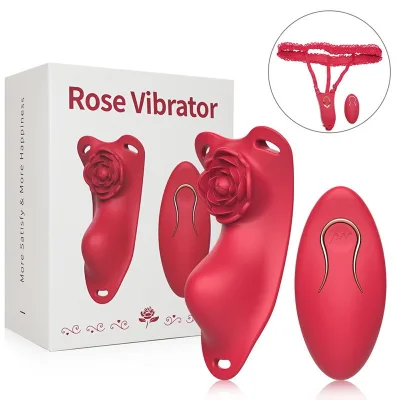
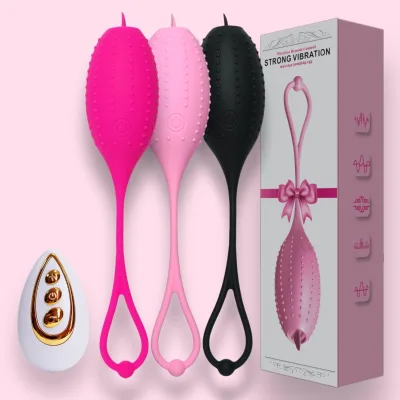
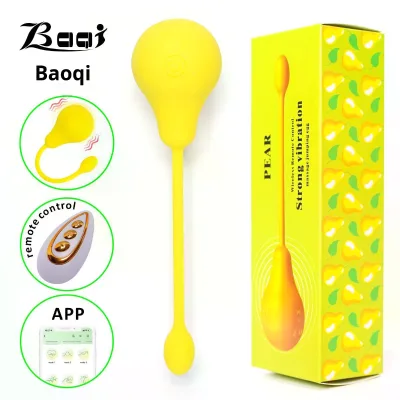
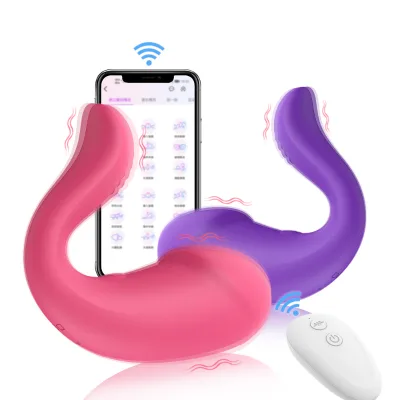
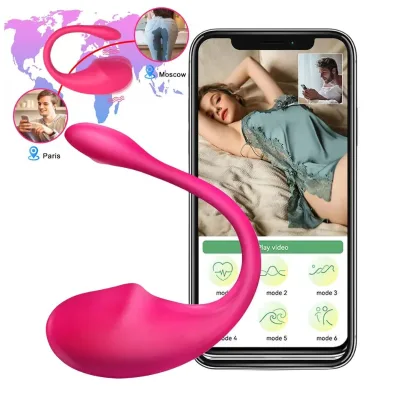


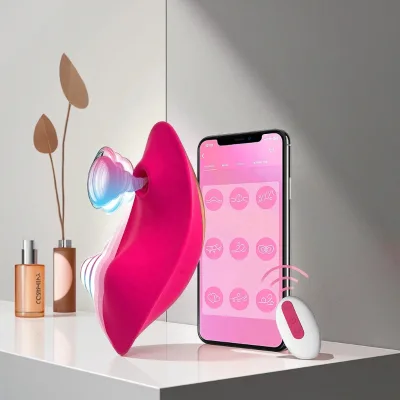
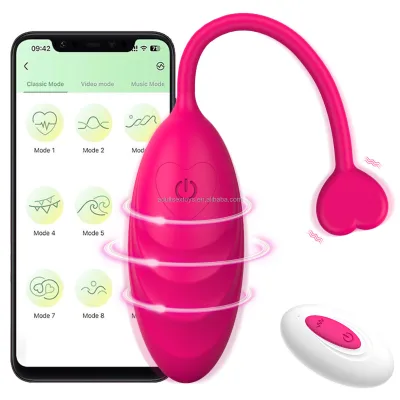
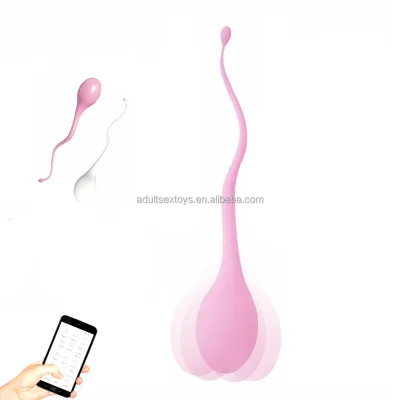
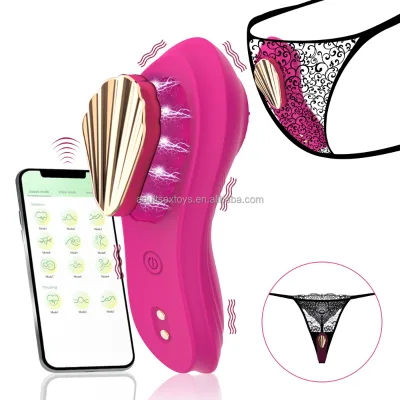
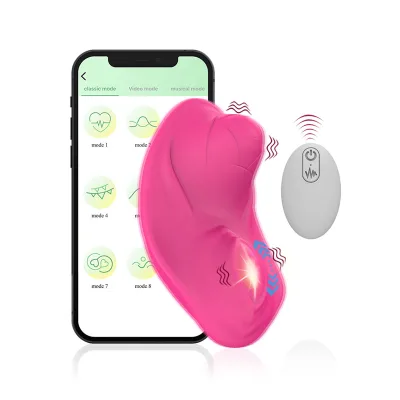


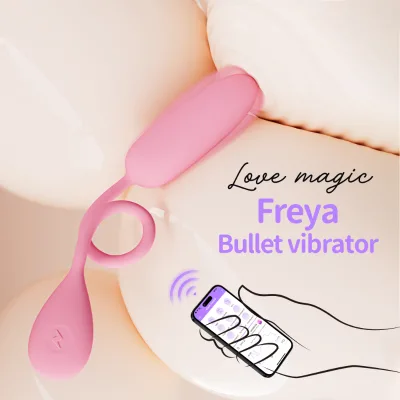
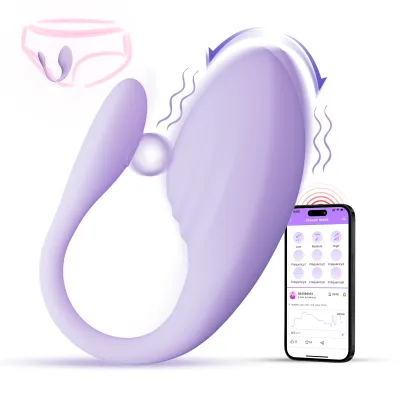


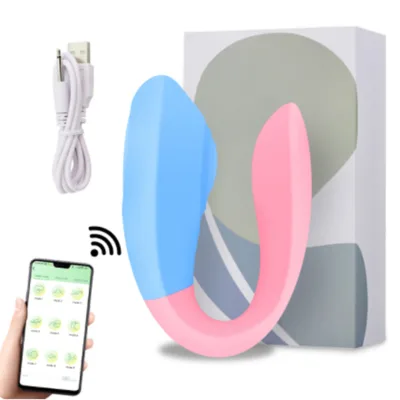
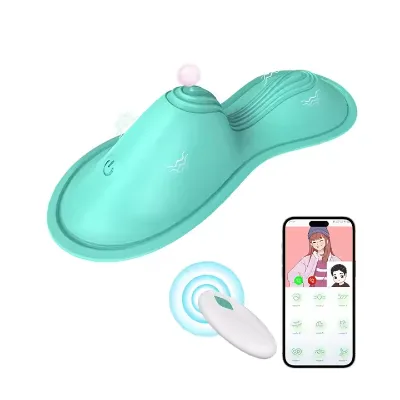
Comprehensive Sourcing Guide
Wearable App Remote Control Vibrator Supplier Concentration and Factory Types
The available data indicates a significant concentration of manufacturing activity in Guangdong, China, where specific product listings explicitly state this origin. This region hosts a mix of Manufacturer and Trading Company entities capable of producing wearable app remote control vibrators with features like USB charging and silicone materials. Buyers observing these results should note that the primary product categories often include various vibrator types such as rabbit vibrators and wearable extensions, suggesting a specialized cluster for adult wellness electronics. When evaluating potential partners, the presence of a manufacturer status often implies direct control over the production line, whereas trading companies may aggregate goods from multiple factories.
In contrast, some supplier profiles list locations in China Jiangsu, indicating that sourcing is not limited to a single province. These entities are identified as Trading Companies, which may offer different logistical advantages compared to direct manufacturers. The main products listed for these suppliers span a broad range including sex toys, masturbators, and dildos, showing that the supply base is diverse. Buyers must verify if a specific supplier is a manufacturer or a trading intermediary by checking their company type designation. Understanding this distinction is critical because it affects the ability to customize product attributes like voltage, material composition, and packaging specifications for the Wearable App Remote Control Vibrator category.
How to Verify Wearable App Remote Control Vibrator Suppliers
Verification begins with examining the specific attributes provided in product listings, such as the presence of certifications like CE or verification badges from entities like TÜV Rheinland. Some suppliers display explicit verification statuses, while others may show no system certification listed, requiring the buyer to request third-party audit reports directly. It is essential to confirm that the supplier can validate the waterproof capabilities and voltage specifications, such as 3.7V or USB rechargeable power sources, which are common in the current results. Buyers should not assume all listed suppliers possess these credentials without direct confirmation, as the data shows a mix of verified and unverified profiles.
Response time and lead time are also critical verification metrics that indicate operational reliability. Current data shows response times ranging from 2 hours to over 7 hours, with lead times varying between 20 and 30 days. A supplier with a rapid response time may indicate a more agile operation, while longer lead times might suggest higher production volumes or complex customization requirements. Buyers should cross-reference these timelines against their own project schedules to ensure feasibility. Additionally, checking the establishment year and specific product evidence, such as model numbers and material compositions like Silicon ABS, helps confirm the supplier's actual experience and capability in producing wearable app remote control vibrators.
What to Compare Across Wearable App Remote Control Vibrator Suppliers
When comparing suppliers, the minimum order quantity (MOQ) is a primary differentiator, with current listings showing values as low as 3 units up to 100 pieces. This variance allows buyers to select partners based on their inventory strategy, whether they require small batch testing or large-scale distribution. Price points also vary significantly, with some products listed between $4.00 and $4.50, while others range from $7.60 to $13.78. Buyers must analyze these price ranges in the context of the included features, such as 10 frequencies, remote control capabilities, or specific materials like silicone, to determine the true value proposition of each supplier.
Beyond pricing and volume, the functional specifications of the products offer another layer of comparison. Some listings highlight features like APP control, 10 extension vibrations, and specific noise levels under 50 decibels, while others focus on basic vibration modes. The packaging details, such as color boxes or branded packaging options, also differ, impacting the final retail presentation. Buyers should create a comparison matrix that includes response times, lead times, and specific product attributes like waterproof ratings and battery types. This structured approach ensures that the selected supplier aligns with both the technical requirements and the commercial goals of the Wearable App Remote Control Vibrator project.
Common Wearable App Remote Control Vibrator Sourcing Risks
One significant risk involves the discrepancy between claimed product attributes and actual manufacturing capabilities, particularly regarding waterproof ratings and material safety. While some listings explicitly state "100% waterproof" or "Silicon ABS" materials, others may lack detailed certification evidence, leaving the buyer vulnerable to quality inconsistencies. The absence of specific system certifications in some profiles necessitates rigorous pre-shipment inspections to verify that the electronic components, such as USB charging ports and app connectivity modules, meet safety standards. Buyers must be cautious of suppliers who do not provide clear evidence of their manufacturing processes or material sourcing.
Another risk stems from the variability in lead times and response speeds, which can disrupt supply chain planning. With lead times ranging from 20 to 30 days and response times varying from 2 to 7 hours, delays in communication or production can have cascading effects on inventory management. Suppliers with longer lead times may struggle to meet urgent demand, while those with slower response times might delay critical issue resolution. Additionally, the diversity in main products, ranging from simple vibrators to complex wearable extensions, means that a supplier's expertise in one area may not translate to another. Buyers should assess the supplier's track record in handling similar complex electronic sex toys to mitigate these operational risks.
Wearable App Remote Control Vibrator Regional Sourcing and Logistics
The current data highlights Guangdong, China, as a primary hub for the production of wearable app remote control vibrators, with specific product origins listed from this region. This concentration suggests established logistics networks and supply chains tailored for this category, potentially offering faster shipping options and lower freight costs. Buyers sourcing from this area can expect a robust ecosystem of manufacturers and trading companies familiar with international export requirements. However, the presence of suppliers in other regions like Jiangsu indicates that logistics strategies may vary, requiring buyers to evaluate local infrastructure and shipping partners for each specific location.
Logistics planning must also account for the specific packaging and weight characteristics of the products, which influence shipping costs and handling requirements. Listings show single package sizes ranging from 12x4.5x14.5 cm to 14.7x7.6x4.6 cm, with weights varying from 97g to 205g. These dimensions and weights are critical for calculating freight charges and determining the most efficient shipping method, whether by air or sea. Buyers should verify the shipping terms, such as DHL or sea shipping options, and ensure that the supplier can provide accurate documentation for customs clearance. Understanding the regional logistics capabilities is essential for optimizing the total landed cost of the Wearable App Remote Control Vibrator.
Wearable App Remote Control Vibrator Commercial Terms and Order Planning
Commercial terms vary significantly among suppliers, with payment methods including T/T, PayPal, and Western Union, and shipping terms ranging from DHL to sea freight. Buyers must carefully review these terms to ensure they align with their financial policies and risk tolerance. Some suppliers offer branded packaging options, while others may require standard color boxes, impacting the final product presentation. The minimum order quantities, which range from 3 to 100 pieces, also dictate the initial capital outlay and inventory planning. Buyers should negotiate terms that allow for flexibility in order sizes while maintaining cost efficiency.
Order planning requires a detailed understanding of the production timeline and customization capabilities. With lead times of 20 to 30 days and customization options available for certain models, buyers need to factor in these durations when planning their product launches. The availability of features like remote control, APP integration, and specific voltage requirements must be confirmed early in the process to avoid delays. Additionally, the noise levels and material specifications, such as silicone or ABS, should be verified against market expectations. By aligning commercial terms with realistic production schedules, buyers can ensure a smooth procurement process for their Wearable App Remote Control Vibrator orders.
FAQs
What is the typical lead time for orders?
Lead times vary by supplier, with observed ranges from 20 to 30 days. Buyers should confirm specific delivery schedules before placing orders. Some manufacturers offer faster turnaround, while others require longer production periods depending on order volume and customization needs.
What are the minimum order quantities for these products?
Minimum order quantities differ across listings, with values ranging from 3 to 100 pieces. Some suppliers accept small batches starting at just three units, while others require larger orders of fifty or more. Always check the specific MOQ listed for the desired product model.
Are these vibrators waterproof for safe use?
Many listed products feature waterproof capabilities, with some rated as 100% waterproof. Specific models include silicone materials and USB charging for safe operation. Buyers should verify the waterproof rating on individual product pages to ensure suitability for intended use scenarios.
What materials are used in manufacturing these toys?
Common materials include medical-grade silicone and ABS plastic for durability and safety. Some products combine silicon and ABS for specific functions like remote control or app connectivity. Verify material specifications on product pages to ensure compliance with personal safety requirements.
Do these devices support remote or app control?
Yes, many models offer remote control or app-based functionality for enhanced user experience. Features include multiple frequencies, thrusting actions, and wearable designs. Check product attributes for specific control methods like Bluetooth connectivity or dedicated remote controls included in the package.
What is the price range for these items?
Prices vary significantly, ranging from approximately 4 to 14 dollars per unit depending on features. Basic models start lower, while advanced versions with app control or multiple functions cost more. Final pricing depends on order quantity and specific supplier terms.
Where are these products manufactured?
Most products originate from Guangdong, China, with some listings indicating Jiangsu as a production location. Buyers should verify the place of origin on product details to understand shipping logistics and potential tariffs associated with importing from these specific Chinese regions.