M2C Wide Body Kits Suppliers and Manufacturers
Explore 21 verified suppliers offering M2C Wide Body Kits with varying lead times, certifications, and response speeds. Compare dimensions like MOQ, material types, and origin locations to find the right partner. Contact suppliers directly to request quotes and samples; review the available evidence before requesting comparable quotations from suitable candidates.
Suppliers List
Guangzhou Css Auto Accessories Co., Ltd.
- Verified by SGS Group
- Trading Company
- Lead time15 days
- Avg. response≤ 1h
Main productsBody Kits, Car Bumpers, Car Spoiler, Carbon Fiber Auto Body Parts, Carbon Fiber Interior Trims
Main marketsWestern Europe(20%), North America(18%), Southeast Asia(15%)
Changzhou Carbon Tech Composite Material Co., Ltd.
- Verified by TüVRheinland
- Manufacturer, Trading Company
- Lead time7 days
- Avg. response≤ 5h
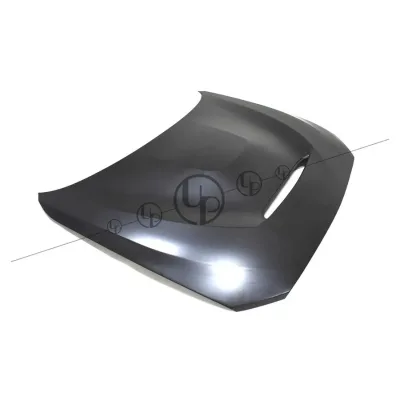
Main productsBody Kit, Bumpers, Carbon Fiber Parts, Head and Taillights, Hood
Main marketsDomestic Market(40%), Eastern Europe(20%), South America(10%)
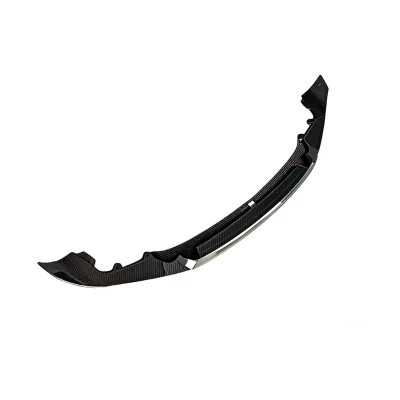
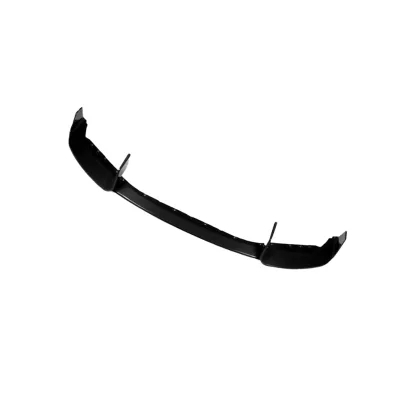
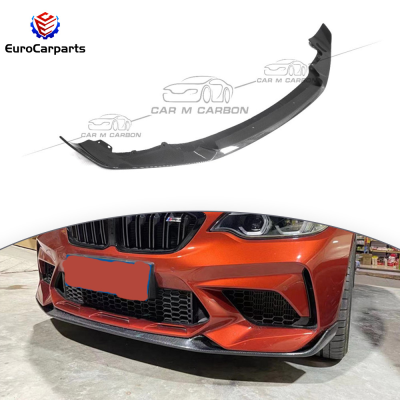
M2C Mp Style Dry Carbon Fiber Material Front Lip Fit for M2C Body Kit for Car Parts
$300.00 - $360.00
MOQ: 1
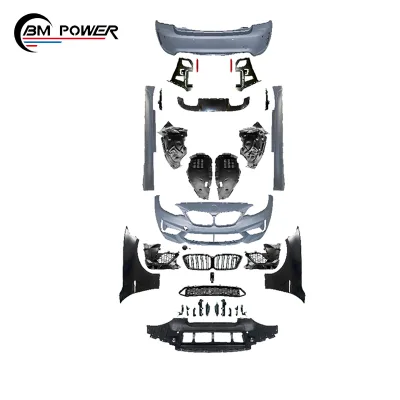
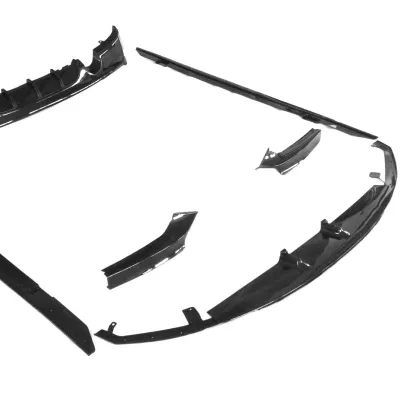
Changzhou Fan Xingchen Auto Parts Co., Ltd.
- Trading Company
- Jiangsu, China
- Lead time0 days
- Avg. response≤ 2h
Main productsTail,surround,Auto Parts,Automotive supplies,Car luggage rack
Main marketsDomestic Market(10.00%), South Asia(10.00%), Southern Europe(10.00%), Northern Europe(10.00%), Central America(10.00%), Western Europe(10.00%), Eastern Asia(10.00%), Mid East(10.00%), Oceania(10.00%), Africa(10.00%), Southeast Asia(10.00%), Eastern Europe(10.00%), South America(10.00%), North America(10.00%)
Dalian Eurocar Auto Parts Co., Ltd.
- Verified by Intertek
- Trading Company
- Lead time3 days
- Avg. response≤ 5h
Main productsAuto Body Kits, Auto Tuning Parts
Main marketsNorth America(28%), Southeast Asia(25%), South America(16%)
Guangzhou Cdykit Auto Parts Co., Ltd.
- Trading Company
- Guangdong, China
- Lead time15 days
- Avg. response≤ 4h
Main productsbody kits,exhaust,auto parts,bumper kits,car hood
Main marketsMid East(30.00%), North America(30.00%), South Asia(10.00%), Western Europe(10.00%), Northern Europe(8.00%), Southern Europe(5.00%), Eastern Europe(2.00%), South America(2.00%), Africa(1.00%), Eastern Asia(1.00%), Oceania(1.00%)
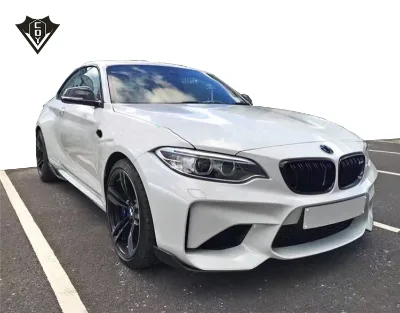
M2 F87 M-performance Carbon Body Kit Good Fitment Small Body Kit for Bw 2 Series
$500.00 - $1100.00
MOQ: 1
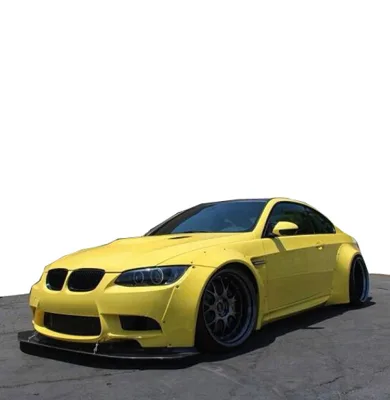
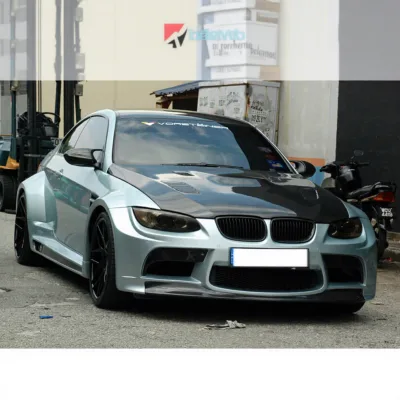
2008-2011M3/ E92/E93 Body Kit the Best Selling LB E92 Wide Body Kits
$900.00 - $1000.00
Guangzhou Cheshang Auto Parts Co., Ltd.
- Manufacturer, Trading Company, Distributor/Wholesaler
- Guangdong, China
- Lead time10 days
- Avg. response≤ 1h
Main productsAuto body kit,Auto hood,Auto fender,Auto carbon parts,Forged carbon
Main marketsNorth America(30.00%), Mid East(20.00%), South Asia(10.00%), Central America(10.00%), Southeast Asia(10.00%)

Bengbu Taidahui Auto Parts Co., Ltd.
- Verified by SGS
- Trading Company
- China Anhui
- Lead time15 days
- Avg. response≤ 1h
Main productsBody Kit, Forged Wheels, Bumper, Auto Lamp, Steering Wheel, Carbon Fiber Parts, 4X4 Accessories, Grille, Front Splitter, Rear Spoiler
Main marketsSoutheast Asia/ Mideast,Domestic

$1200.00 - $1399.00
MOQ: 1 Sets

Factory Price Car Body Kit for BMW G20 G28 Lci Facelift to M-Tech Body Kit with Side Skirts
$369.00 - $399.00
MOQ: 1 Sets

$1599.00 - $1799.00
MOQ: 1 Sets

High-End PP Car Body Kit for BMW 4 Series G22 Facelift to M4 CS Style Body Kit with Side Skirts
$699.00 - $799.00
MOQ: 1 Sets

Factory Price Car Body Kit for BMW G22 Upgrade to 1: 1 M4 Wide Body Kit with Aluminium Hood Fenders
$1600.00 - $1750.00
MOQ: 1 Sets

$1599.00 - $1799.00
MOQ: 1 Sets

Changzhou Everon Machinery Parts Co., Ltd.
- Trading Company
- China Jiangsu
- Lead time15 days
- Avg. response≤ 17h
Main productsHead Lamp, Door Mirror, Car Grille, Car Body Kit, Bumper Guard, Rear Lamp, Car Bumper, Fog Lamp, Running Board
Main marketsAfrica,Southeast Asia/ Mideast,Europe

$680.00 - $980.00
MOQ: 1 Sets

Car Bumper M2c Style Body Kit with Front Rear Bumper Side Skirts for BMW 2 Series F22/F23 2014-2019
$150.00 - $400.00
MOQ: 1 Sets

Qingyuan Huazhongye Auto Accessories Co., Ltd
- Verified by SGS
- Manufacturer
- China Guangdong
- Lead time15 days
- Avg. response≤ 4h
Main productsBody Kits, Carbon Fiber Auto Parts, Car Modification, Auto Parts, Carbon Fiber Engine Hood, Front Lip, Carbon Fiber Automotive Parts, Carbon Fiber Spoiler, Rear Wing, Rear Lip

$209.00 - $218.00
MOQ: 1 Pieces


$350.00 - $370.00
MOQ: 1 Sets

BMW M2c F87 F22 MP Style Car Engine Hood Carbon Fiber Front Engine Hood Car Body Kit
$600.00 - $642.00
MOQ: 1 Pieces


Guangzhou CSS Auto Accessones Co.,Ltd
- Verified by SGS
- Trading Company
- China Guangdong
- Lead time15 days
- Avg. response≤ 4h
Main productsCar Bumpers, Engine Hoods, Rear Spoilers, Carbon Fiber Auto Body Parts, Carbon Fiber Car Interior Trims, Wheel Hub, Front Lip, Rear Diffuser, Front Bumper
Main marketsEurope,Australia,North America

$5500.00 - $6980.00
MOQ: 1 Sets

$5250.00 - $5630.00
MOQ: 1 Sets

$5345.00 - $5650.00
MOQ: 1 Sets

$2500.00 - $2650.00
MOQ: 1 Sets

Changzhou LangNuo Auto Parts Manufacturing Co.,LTD
- Verified by TUVRHEINLAND
- Manufacturer/Factory
- China Jiangsu
- Lead time38 days
- Avg. response≤ 6h
Main productsBodykit, Spoiler, Front Lip, Tail Lamp, Radiator Support, Grille, LED Lamp
Main marketsSouth America,Eastern Europe,Mid East,North America,Southeast Asia,Eastern Asia,Oceania,Western Europe,Africa

Mtech Style Car Bumper Body Kit with Side Skirts Upgrade Bodykits Gle167
$950.00 - $1200.00
MOQ: 10 Sets

Mtech Style Car Bumper Body Kit with Side Skirts for W213 Executive 21year
$950.00 - $1200.00
MOQ: 10 Sets
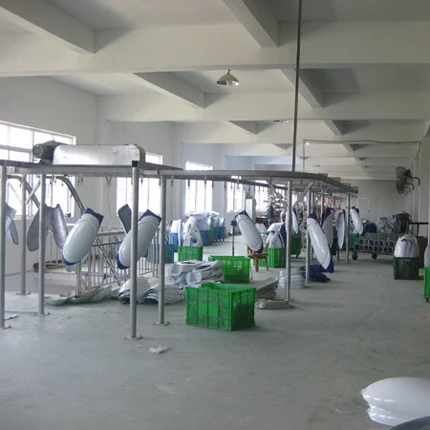
Danyang Ronny Lighting Co., Ltd.
- Manufacturer, Trading Company
- Jiangsu, China
- Lead time10 days
- Avg. response≤ 19h
Main productsstreet light,LED street light,LED highbay light,LED garden light,LED floodlight
Main marketsWestern Europe(25.00%), Southeast Asia(20.00%), Mid East(15.00%), Domestic Market(10.00%), Eastern Asia(10.00%), North America(10.00%), Eastern Europe(5.00%), Africa(5.00%)
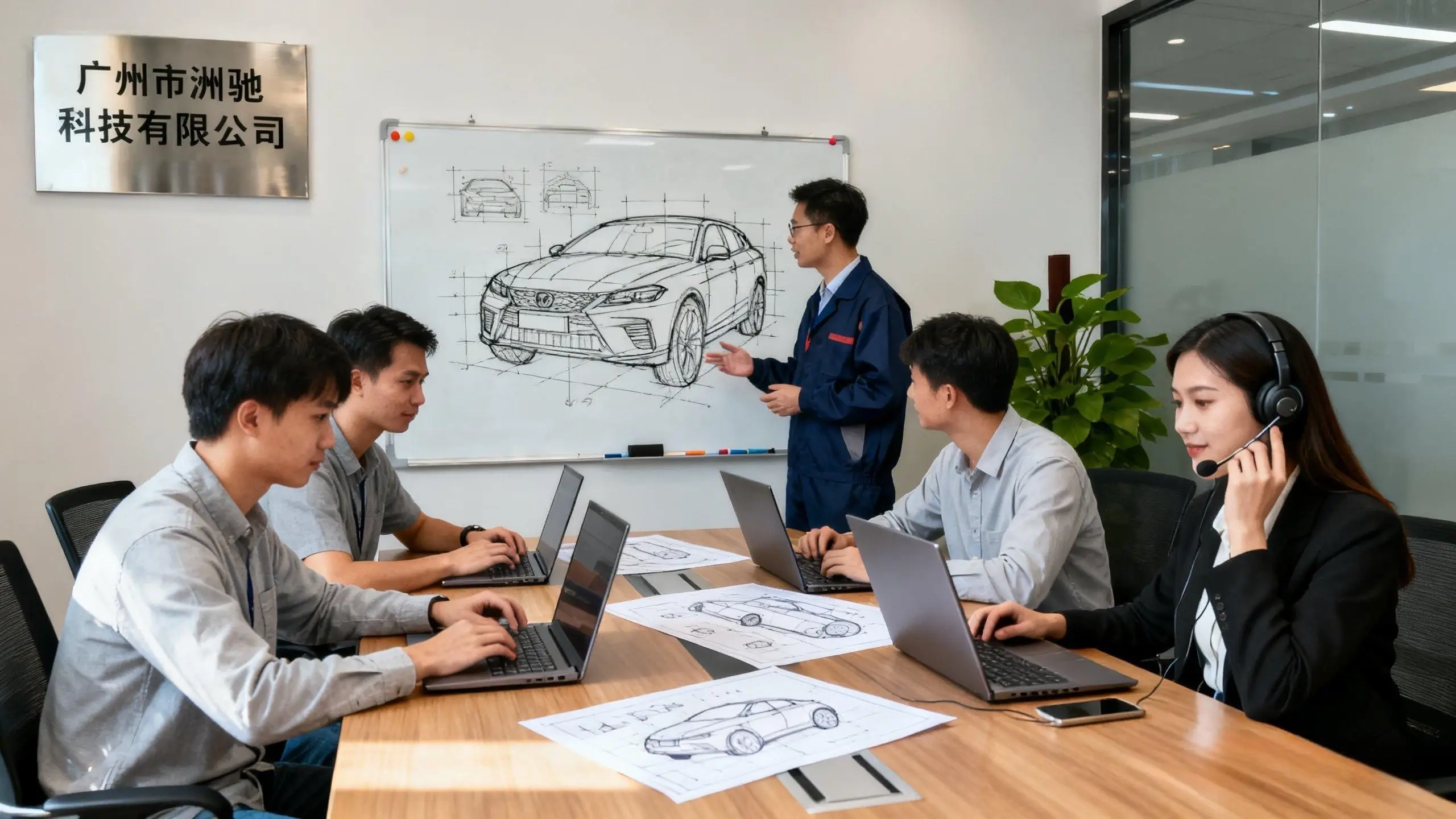
Guangzhou Zhouchi Technology Co., Ltd.
- Trading Company, Distributor/Wholesaler, Other
- Guangdong, China
- Lead time7 days
- Avg. response≤ 3h
Main productsAuto Body Kit,Carbon Fiber Product,Headlight Lens,Headlight DRL Tube,Headlight Ballast Module
Main marketsNorth America(35.00%), Mid East(20.00%), Western Europe(20.00%), South America(15.00%), South Asia(5.00%), Eastern Asia(5.00%)
Guangzhou Css Auto Accessories Co., Ltd.
- Trading Company
- Lead time旺季: "1 - 1":30,"2 - 2":45,"> 2":"To be negotiated", 淡季: "1 - 1":30,"2 - 2":45,"> 2":"To be negotiated"
- Avg. response≤ 2h
Main productsBody Kits/Car Bumpers/Carbon Fiber Auto Body Parts, Carbon Fiber Engine Hoods, Forged Wheel Rims, Carbon Fiber Interior Trims
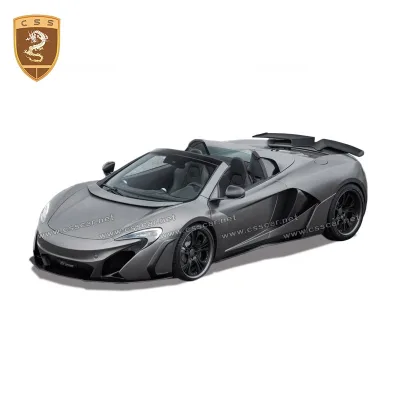
$18000.00 - $20000.00
MOQ: 1
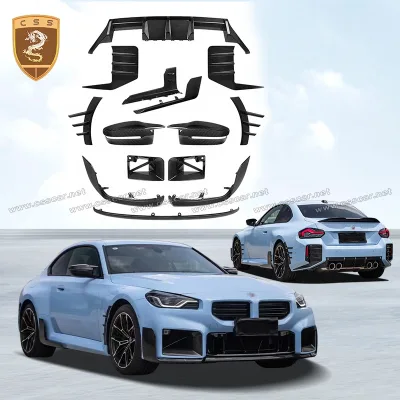
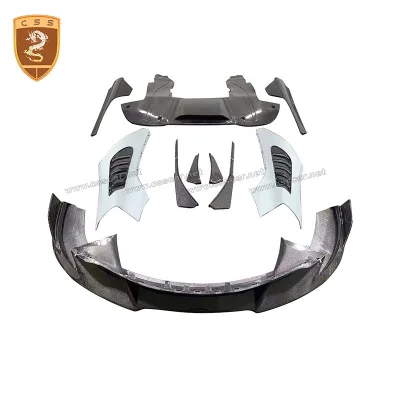
Guangzhou Abinna Commerce Trading Co., Ltd.
- Verified by SGS Group
- Trading Company
- Lead time10 days
- Avg. response≤ 1h
Main productsCarbon Fiber Body Kit, Car Spoilers, Engine Hood, Car Interior Trims, Wheels Rims
Main marketsNorth America(30%), South America(20%), Eastern Europe(12%)
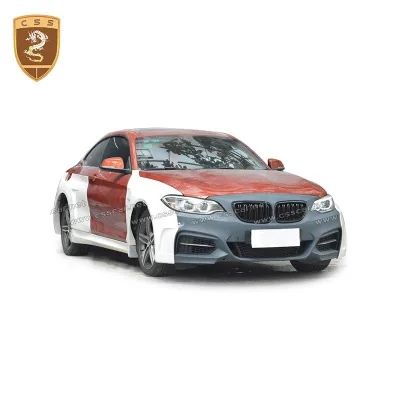
Car Bumpers Body Parts Suitable for B*W 2 Series F22 220i 225i Upgrade M2 Sport Style Body Kit
$812.37 - $1542.48
MOQ: 1 Minimum
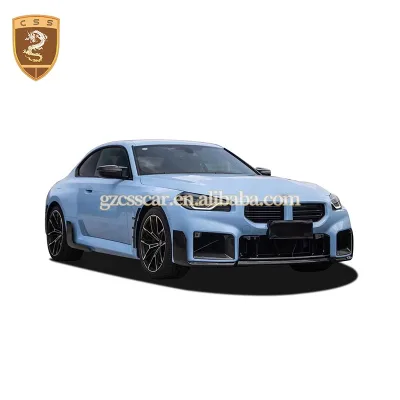
$6102.00 - $6302.00
MOQ: 1 sets
Guangzhou Yamei Auto Accessories Co., Ltd.
- Manufacturer, Trading Company, Distributor/Wholesaler
- Guangdong, China
- Lead time10 days
- Avg. response≤ 2h
Main productscarbon fiber products,car body kits,car exhaust system,Automotive Interior,ABS product OEM
Main marketsNorth America(65.00%), Mid East(10.00%), Domestic Market(5.00%), South Asia(5.00%), Northern Europe(5.00%), South America(5.00%), Africa(5.00%)
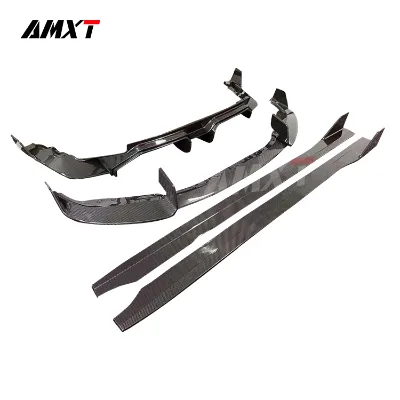
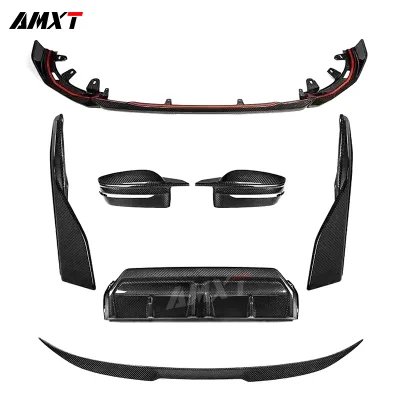
$3500.00 - $4300.00
MOQ: 1 sets
Guangzhou Jinkunhao Automotive Parts Co., Ltd.
- Verified by TUVRHEINLAND
- Trading Company
- China Guangdong
- Lead time0 days
- Avg. response≤ 20h
Main productsAutomotive Electrical System, Body Kit, Front Light, Hood, Interior Modification Parts of The Car


$210.00 - $214.00
MOQ: 1 Sets
Changzhou Shuo Enchen Auto Parts Co., Ltd.
- Trading Company
- Jiangsu, China
- Lead time0 days
- Avg. response≤ 3h
Main productsLED Headlights,LED Tail Lights,Car Bumpers,Car Ambient Light,Exterior Accessories
Main marketsEastern Europe(40.00%), Africa(20.00%), Mid East(20.00%), Eastern Asia(10.00%), North America(10.00%)
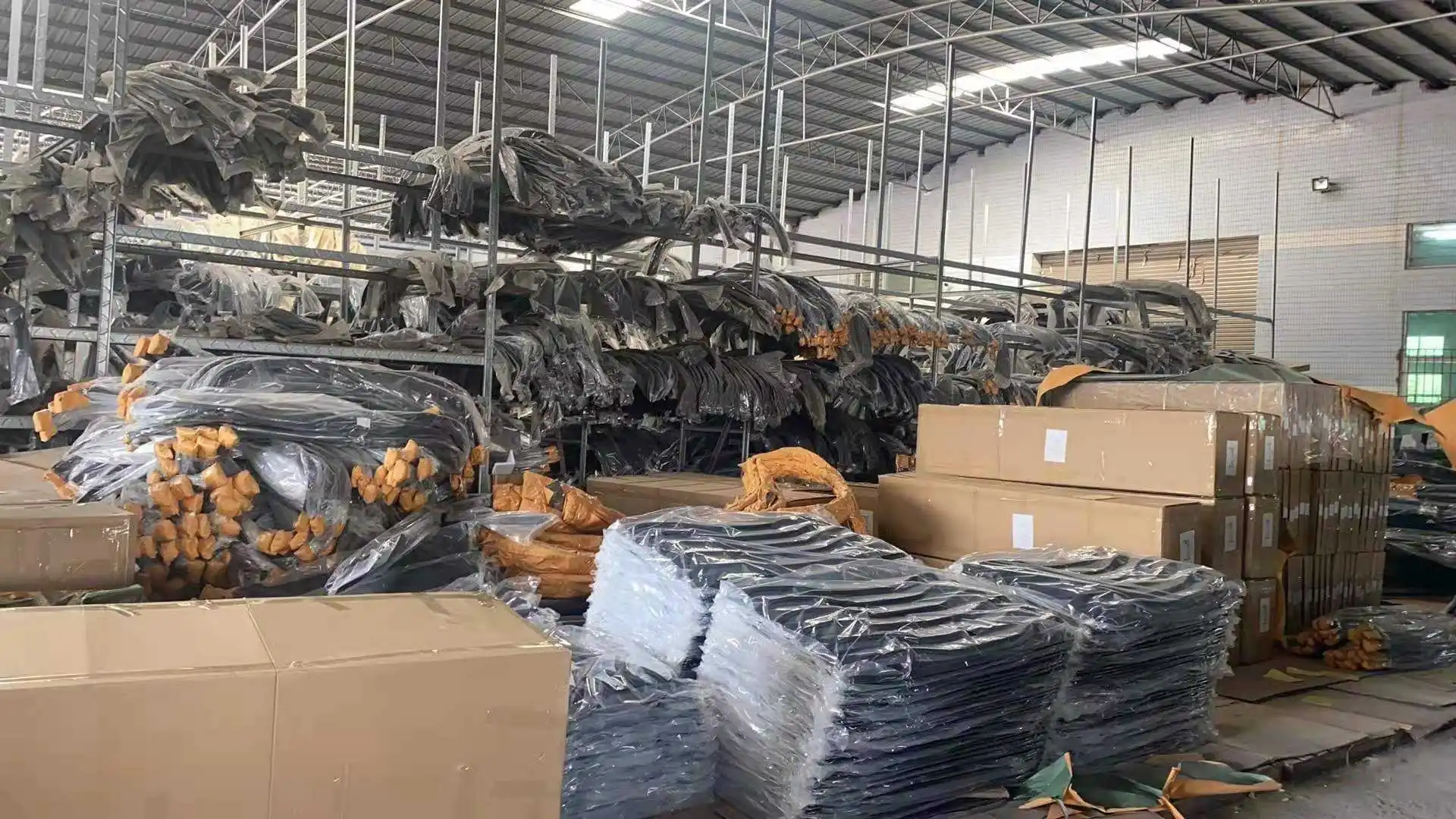
Guangzhou Extreme Carbon Fiber Products Co., Ltd.
- Guangdong, China
- Lead time0 days
- Avg. response≤ 2h
Guangzhou Beite Auto Accessories Firm
- Manufacturer, Trading Company
- Guangdong, China
- Lead time0 days
- Avg. response≤ 2h
Main productscar bodykit,car bumper
Main marketsNorth America(60.00%), Africa(20.00%), South America(20.00%)
Guangzhou Feisheng Carbon Fiber Co., Ltd.
- Verified by TüVRheinland
- Trading Company
- Lead time3 days
- Avg. response≤ 4h
Main productsCar Exterior Accessories
Main marketsMid East(40%), North America(10%), South America(8%)
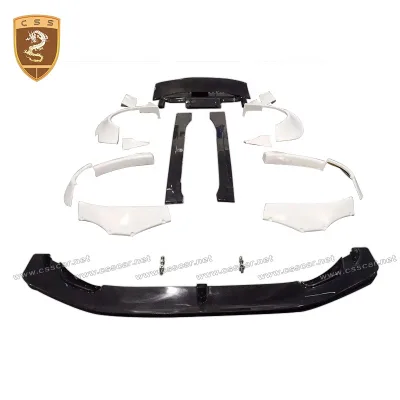
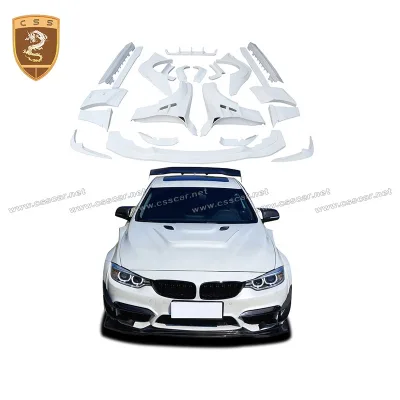
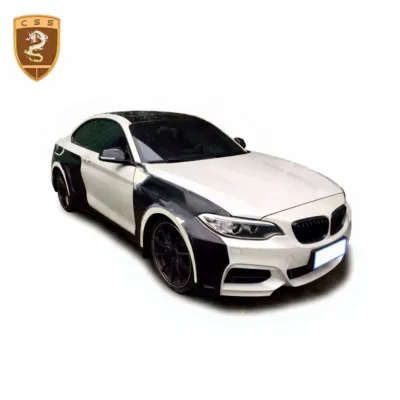
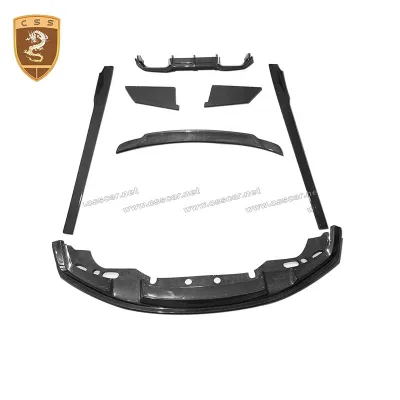
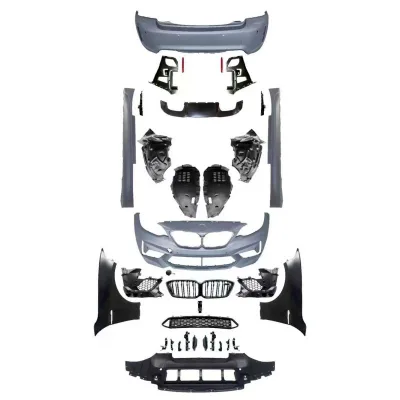
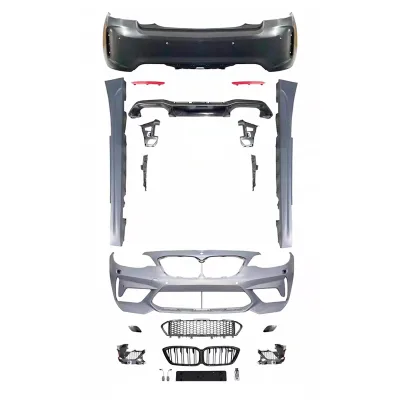
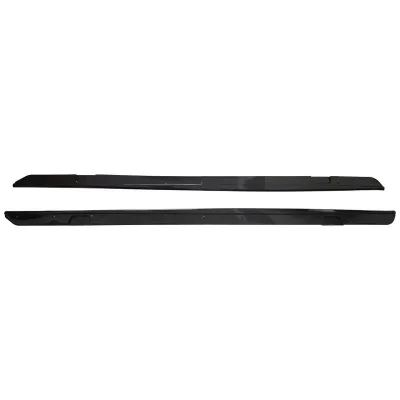
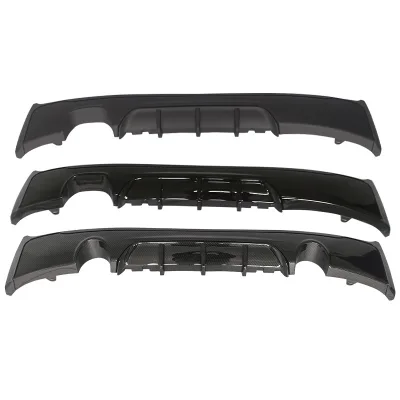
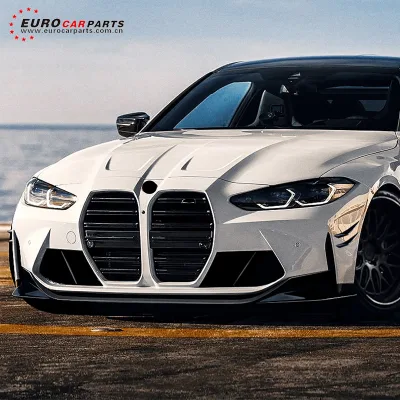
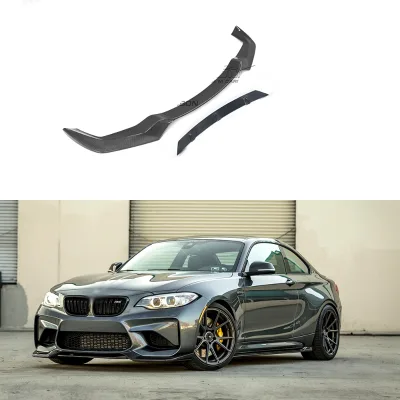
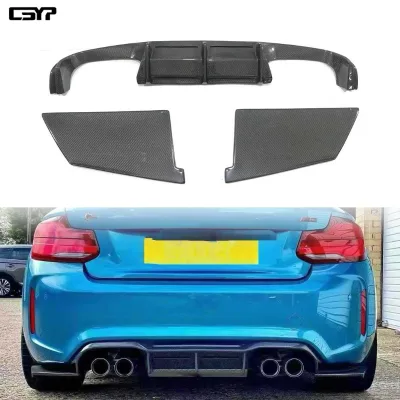
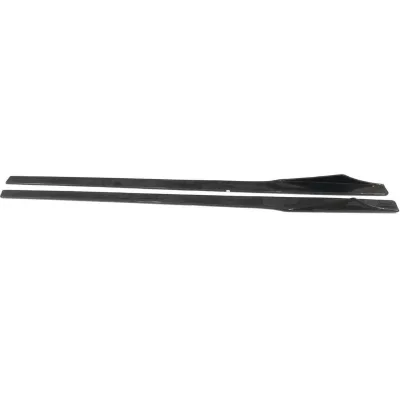
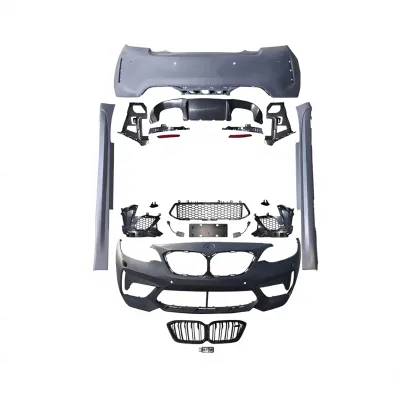
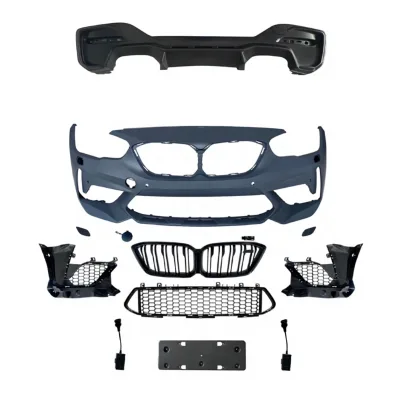
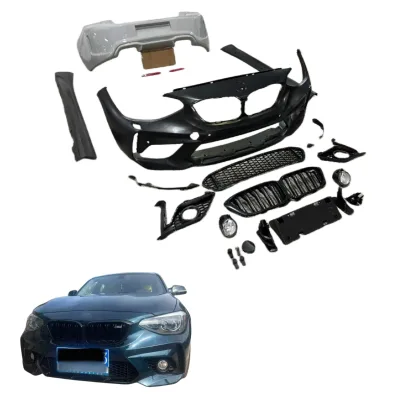
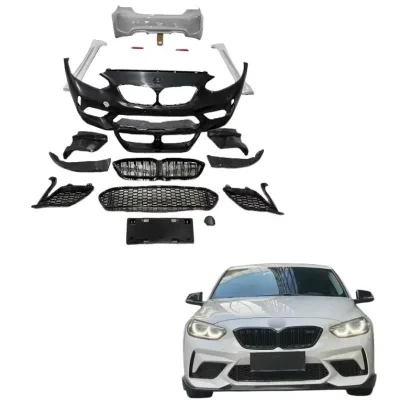
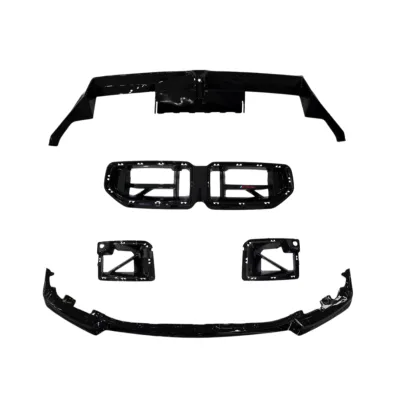
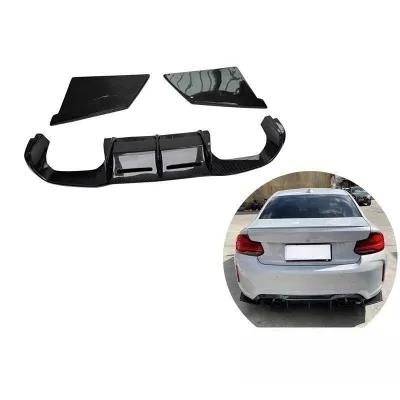
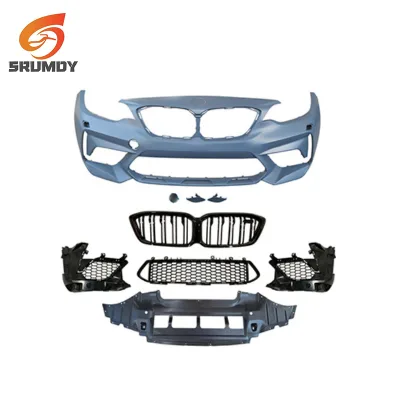
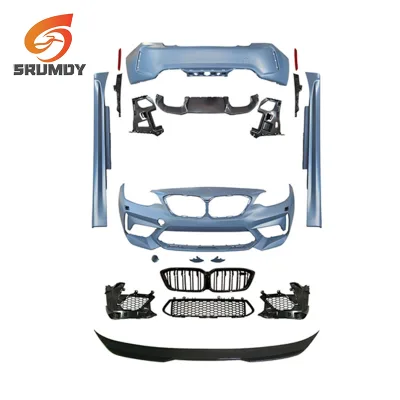
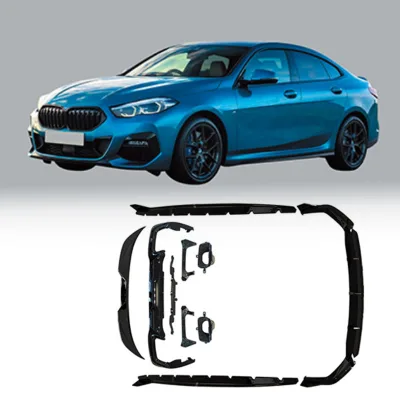
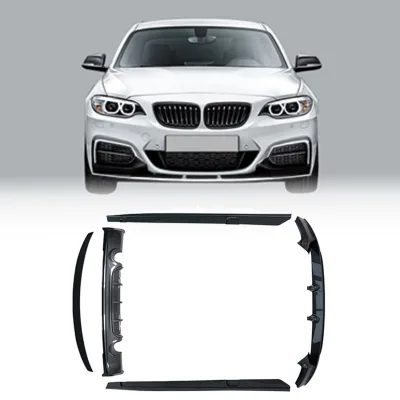
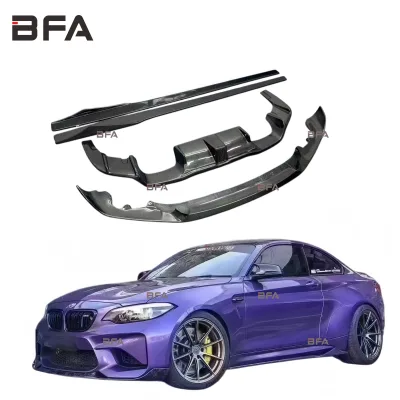
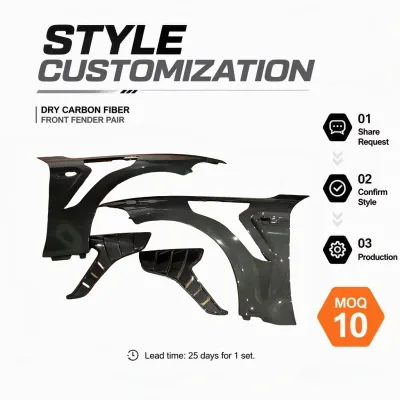
Comprehensive Sourcing Guide
M2C Wide Body Kits Supplier Concentration and Factory Types
The current supplier landscape for M2C Wide Body Kits reveals a mix of trading companies and manufacturers, with specific entities identified as either trading firms or combined manufacturer-trading operations. Some suppliers list their company type strictly as a trading company, while others operate with dual capabilities as both a manufacturer and a trading company. This distinction is critical because trading companies often aggregate products from various factories, whereas manufacturers control the production line directly. The observed data indicates that suppliers are located in Guangdong, China, which serves as a primary hub for automotive body parts. This region is known for its dense network of automotive component factories, though buyers must verify if a specific supplier is the actual factory or a middleman.
When evaluating the concentration of suppliers, it is essential to note that not all entities in this region possess the same production capacity. Some suppliers offer sample processing and customized on-demand services, suggesting a flexible manufacturing setup capable of handling specific design requests. Others focus on graphic processing and light customization, which may limit the scope of deep engineering modifications. The presence of verified suppliers, such as those checked by SGS Group or TÜV Rheinland, adds a layer of credibility to the manufacturing claims. However, the exact number of active factories versus trading intermediaries varies, and buyers should not assume a fixed ratio. Understanding whether a supplier is a direct factory or a trading entity helps in predicting lead times and communication efficiency.
How to Verify M2C Wide Body Kits Suppliers
Verification of M2C wide body kit suppliers requires a rigorous check of their certification status and third-party audit results. The available data shows that some suppliers hold RoHS, CE, and GPSD certifications, which are standard for automotive components entering international markets. Additionally, specific suppliers have undergone verification by reputable agencies like SGS Group and TÜV Rheinland. These third-party validations confirm that the supplier's business license and operational capabilities have been independently assessed. Buyers should prioritize suppliers with these visible verification badges, as they reduce the risk of dealing with fraudulent entities. It is important to note that not every supplier in the search results displays these specific credentials, so the absence of a badge does not automatically disqualify a vendor but warrants further inquiry.
Beyond certifications, the response time and service availability are key indicators of a supplier's reliability. The observed response times range from one day to five days, with some suppliers offering 24-hour online service. A faster response time often correlates with a more active sales team and better communication channels, which is vital for resolving technical issues regarding fitment or material quality. Buyers should also check the supply ability, which varies significantly from 2 sets per month to 3000 sets per month. High-volume suppliers may have more established logistics networks, while low-volume suppliers might offer more personalized attention. Verifying these operational metrics ensures that the supplier can meet the buyer's specific volume and timeline requirements without compromising on quality control.
What to Compare Across M2C Wide Body Kits Suppliers
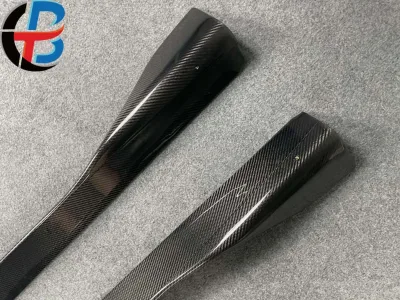
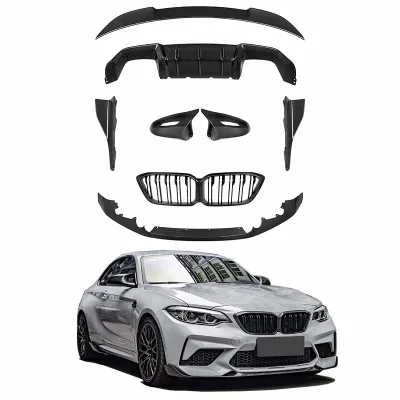
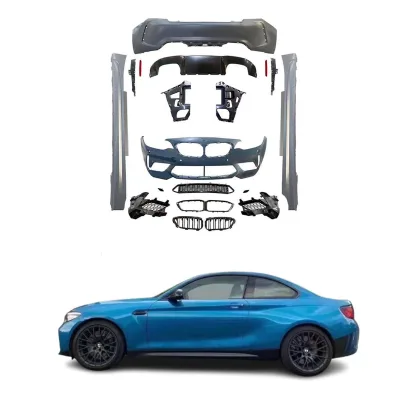
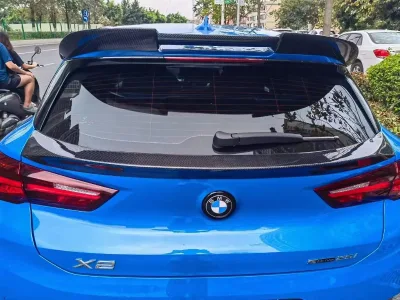
Comparing suppliers requires a detailed analysis of their product specifications, material composition, and minimum order quantities. The product evidence indicates that M2C Wide Body Kits are available in materials such as carbon fiber, fiberglass, and a combination of both. Some listings specify "dry carbon fiber" or "real carbon fiber," while others list "cf&frp" or "fiber glass." These material differences directly impact the weight, durability, and price of the final product. Buyers must compare the specific material claims against their performance requirements, as carbon fiber offers superior strength-to-weight ratios compared to fiberglass. Additionally, the minimum order quantity (MOQ) is consistently listed as 1 set or 1 piece across various suppliers, which allows for small-batch testing but may affect unit pricing.
Lead times and supply capabilities are another critical comparison point. The data shows lead times ranging from 7 to 15 days, with some suppliers offering a supply ability of 500 sets per month while others list significantly lower capacities. This variation suggests that some suppliers may have dedicated production lines for high-volume orders, while others might rely on subcontracting or have limited capacity for custom runs. Buyers should also compare the port of dispatch, which is frequently listed as Guangzhou, though some mention Shenzhen or Hong Kong. The choice of port can influence shipping costs and transit times. Furthermore, warranty periods vary, with some suppliers offering 6 months and others providing 1 year, which reflects their confidence in product longevity.
Common M2C Wide Body Kits Sourcing Risks
One of the primary risks in sourcing M2C Wide Body Kits is the discrepancy between advertised materials and actual product quality. While some suppliers claim to use "dry carbon fiber" or "real carbon fiber," others list "fiber glass" or generic "cf material." Without independent testing, it is difficult to verify the authenticity of these claims, especially when the price points vary significantly. Buyers face the risk of receiving products that do not meet the expected structural integrity or aesthetic standards. The presence of different material types in the search results highlights the need for strict quality assurance protocols before finalizing any order. Relying solely on product descriptions without physical samples or third-party lab reports can lead to costly mismatches.
Another significant risk involves the fitment and compatibility of the body kits with specific vehicle models. The product evidence lists various car makes and models, including BMW M4, M2, and 2 Series, but some entries contain typos or inconsistent model numbers like "for afor b mw m4" or "Fit for m3 f87." These inconsistencies suggest a potential lack of rigorous quality control in the product listing process. Buyers must verify that the model number and fitment details match their specific vehicle exactly, as even minor deviations can result in installation failures. Additionally, the warranty terms vary, with some suppliers offering only 6 months while others provide 1 year. A shorter warranty period may indicate lower confidence in the product's durability, increasing the risk of post-purchase issues.
M2C Wide Body Kits Regional Sourcing and Logistics
The regional sourcing landscape for M2C Wide Body Kits is heavily concentrated in Guangdong, China, which is identified as the place of origin for the majority of the listed products. This region is a well-established manufacturing hub for automotive parts, offering a dense network of suppliers and logistics infrastructure. Buyers sourcing from this area can expect efficient access to raw materials and specialized production facilities. However, the specific port of dispatch varies, with Guangzhou being the most common, though some suppliers list Shenzhen or Hong Kong. The choice of port can impact shipping costs and delivery times, so buyers should factor this into their logistics planning. Understanding the regional concentration helps in anticipating the supply chain dynamics and potential bottlenecks.
Logistics planning must also account for the packaging details provided by suppliers, which often include safe carton boxes with bubble wrap or wooden supports. These packaging methods are designed to protect the body kits during transit, but the dimensions vary significantly, ranging from 1505430cm to 2109075cm. Buyers need to calculate the total volume and weight to determine the most cost-effective shipping method. The supply ability of suppliers, which ranges from 2 sets per month to 3000 sets per month, also influences logistics. High-volume orders may require consolidated shipping to reduce costs, while small orders might be sent via express courier. Verifying the port of dispatch and packaging specifications ensures that the buyer can accurately estimate the total landed cost and delivery timeline.
M2C Wide Body Kits Commercial Terms and Order Planning
Commercial terms for M2C Wide Body Kits typically include payment methods such as TT, PayPal, Western Union, and Trade Assurance. These options provide varying levels of security for the buyer, with Trade Assurance offering protection against non-delivery or quality issues. Buyers should carefully review the payment terms to ensure they align with their risk tolerance and cash flow requirements. The price range for these kits varies, with some listings showing minimum prices around $980 and others reaching nearly $3000. This wide range reflects differences in material quality, brand reputation, and production complexity. Understanding the pricing structure helps buyers budget effectively and negotiate better terms with suppliers.
Order planning must consider the delivery time and supply ability to ensure timely receipt of goods. The observed delivery times range from 7 to 15 days, with some suppliers offering a supply ability of 500 sets per month. Buyers should plan their orders well in advance, especially if they require large quantities or custom modifications. The warranty period, which varies from 6 months to 1 year, should also be factored into the order planning process. A longer warranty period may indicate a more reliable supplier, but it is essential to verify the terms and conditions. Additionally, the service availability, such as 24-hour online support, can be crucial for resolving any issues that arise during the order fulfillment process. Proper planning ensures a smooth transaction and minimizes the risk of delays or disputes.
FAQs
What is the minimum order quantity for M2C Wide Body Kits?
The minimum order quantity is typically one set or piece, allowing buyers to test quality before committing to larger volumes. This low entry point supports small workshops and individual restorers who need specific components without excessive inventory costs or storage requirements.
How long does delivery take for these body kits?
Delivery times generally range from seven to fifteen days after order confirmation. Suppliers often list specific lead times between seven and fifteen days, ensuring buyers can plan installation schedules accurately while accounting for manufacturing and shipping logistics from the origin location.
What materials are used in M2C style wide body kits?
Manufacturers primarily use real carbon fiber, dry carbon fiber, and fiberglass reinforced plastic for these kits. These materials provide high strength and lightweight performance, with options varying by style and price point to suit different aesthetic and durability requirements for vehicle upgrades.
Are these body kits verified by third-party inspection agencies?
Yes, many suppliers are verified by recognized agencies such as SGS Group and TüV Rheinland. These verifications confirm the company's operational status and product quality standards, providing buyers with additional confidence in the reliability and consistency of the supplied automotive components.
What payment terms are accepted for these auto parts?
Common payment methods include Telegraphic Transfer, PayPal, Western Union, and Trade Assurance. These flexible options accommodate different buyer preferences and risk management strategies, ensuring secure transactions while facilitating smooth order processing for international automotive part purchases and wholesale distribution channels.
Where are these wide body kits manufactured?
These products are predominantly manufactured in Guangdong, China, a major hub for automotive component production. The region offers established supply chains and manufacturing expertise, enabling efficient production of complex body kits while maintaining competitive pricing and consistent quality standards for global export markets.