Magnetic Closure Cigarette Case Suppliers and Manufacturers
Explore 23 verified options for Magnetic Closure Cigarette Case suppliers and manufacturers in Guangdong, China. Compare response times, lead times, certifications, and product specifications like material and closure type before contacting factories directly; review the available evidence before requesting comparable quotations from suitable candidates.
Suppliers List

Shenzhen Dingbiao Technology Co., Ltd.
- Manufacturer, Trading Company, Distributor/Wholesaler
- Guangdong, China
- Lead time8 days
- Avg. response≤ 3h
Main productsCigarette Accessories,Cigarette Case,Earphone Case,Silicone Case,Silicone Product
Main marketsNorth America(30.00%), Southern Europe(20.00%), Northern Europe(20.00%), Domestic Market(10.00%), Eastern Asia(10.00%), Eastern Europe(10.00%)

Guangzhou Binhao Technology Co., Ltd.
- Verified by TUVRHEINLAND
- Manufacturer/Factory
- China Guangdong
- Lead time23 days
- Avg. response≤ 8h
Main productsTipping Paper, Aluminum Foil Paper, BOPP/PVC Film, Tear Tape, Cigarette Cardboard Paper, Inner Frame, Shisha Packaging Materials, Automatic Packaging Machine
Main marketsSouth America,Eastern Europe,Mid East,North America,Southeast Asia,Eastern Asia,Oceania,Western Europe,Africa


Cigarette Cardboard Box/Cases with Offset Printing in Different Color Tobacco Packaging
$0.24 - $0.26
MOQ: 50000 Sets

Cigarette Package Packs for Cigarette Carton with Full Color OEM Customized Design and Logo
$0.01 - $0.02
MOQ: 100000 Pieces


Dongguan Kaiyang Home Technology Co., Ltd.
- Manufacturer, Trading Company
- Guangdong, China
- Lead time5 days
- Avg. response≤ 6h
Main productsUsb lighters,Gas Lighter,Cigar Tools,Metal Case,Lighter Case
Main marketsNorth America(20.00%), Western Europe(10.00%), Southern Europe(10.00%), Mid East(10.00%), Central America(10.00%), Eastern Europe(10.00%), South America(10.00%), Northern Europe(8.00%), Eastern Asia(5.00%), Southeast Asia(5.00%), South Asia(2.00%)
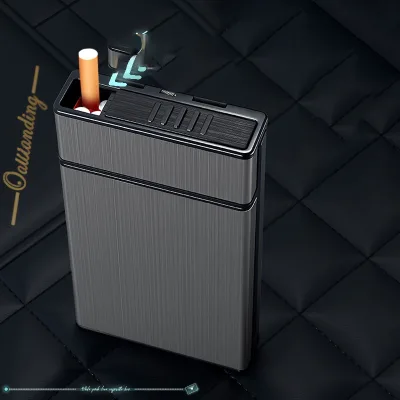
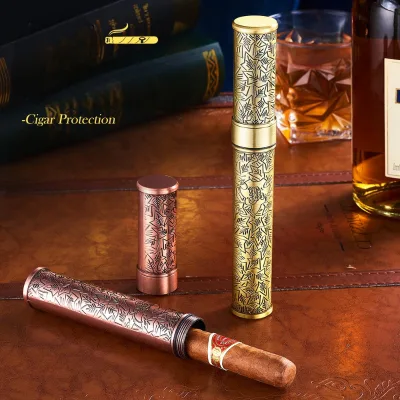
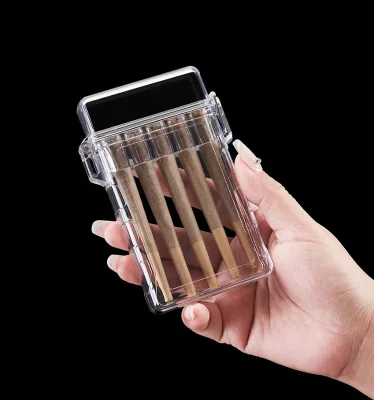
Thickened Transparent Cigarette Case Compact Waterproof Holder for Cigars and Cigarettes
$0.56 - $0.96
MOQ: 20 pieces


Universal Cigarette Case with Flip Lid Transparent Protective Box for Hard Soft Packs
$0.21 - $0.42
MOQ: 10 pieces
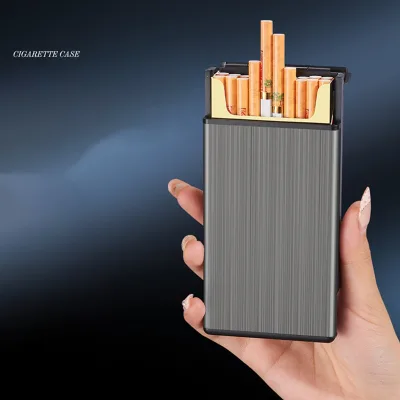
High End Slim Cigarette Case Portable Automatic Lid Engraved Gift Box for Men
$1.04 - $1.64
MOQ: 10 pieces
Shenzhen Hejia Industry Co., Ltd.
- Verified by SGS Group
- Trading Company
- Lead time0 days
- Avg. response≤ 7h
Main productsAluminium Tin, Pill Box , Vials Box, LED Stick

Jinan Glass International Trade Co., Ltd.
- Manufacturer/Factory
- China Shandong
- Lead time15 days
- Avg. response≤ 7h
Main productsGlass Smoking Pipe, Glass Pipe, Printing and Package, Laboratory Glassware, Home Glassware, Machine, Sticker, Wall Decal
Main marketsSouth America,Eastern Europe,North America,Southeast Asia,Eastern Asia,Oceania,Western Europe,Africa


Hexagonal Wooden Storage Box Wooden Storage Box with Lock Wooden Cigarette Case with Lock
Contact supplier
MOQ: 20 Pieces

Yiwu Jiju Import & Export Co., Ltd.
- Verified by BV
- Trading Company,Manufacturer/Factory
- China Zhejiang
- Lead time23 days
- Avg. response≤ 25h
Main productsHerb Grinder, Rolling Tary, Smoking Pipe, Jar, Smoking Accessories, Glass Water Pipe, Wireless Speaker, Charger, Data Cable, Earphone
Main marketsSouth America,Eastern Europe,Mid East,North America,Southeast Asia,Eastern Asia,Oceania,Western Europe,Africa

Cangnan Shengju Smoking Factory
- Verified by SGS
- Combined
- China Zhejiang
- Lead time23 days
- Avg. response≤ 12h
Main productsCigarette Roling Paper, Olling Trays, Grinder, Cigar Cutter, Metal Pipes, Water Pipe, Asthrays, Cigarette Rolling Machine, Metal Smoking Pipe, Lighter
Main marketsDomestic

TAIZHOU HARSOUL IMP. & EXP. CO., LTD.
- Trading Company
- China Zhejiang
- Lead time30 days
- Avg. response≤ 14h
Main productsPromotion Gifts, Promotional Bag, Promotional Jewelry, Promotional Toys, Promotional Stationery, Promotional Plastic Goods
Main marketsOthers(foreignTradeCapacity.exportBusinessCapacityMarketOther),Europe,North America
Wenzhou Pritech Industiral Co., Ltd.
- Verified by Intertek
- Trading Company
- Lead time45 days
- Avg. response≤ 4h
Main productsLighter, Lighter Torch, Cigarette Case, Tobacco Pipe, Smoke Grinder
Main marketsNorth America(45%), Eastern Europe(25%), Northern Europe(20%)
AnHui Genuine Paper Packing Co.,LTD.
- Verified by SGS
- Combined
- China Anhui
- Lead time30 days
- Avg. response≤ 3h
Main productsTipping Paper
Main marketsDomestic

Custom Print Logo Empty Cigarette Case Fold Blank Cardboard Cigarette Boxes
$0.01 - $0.02
MOQ: 100000 Pieces

Factory Wholesale Portable Smoking Cardboard Paper Cigarette Case Printing Cigarette Box
$0.01 - $0.02
MOQ: 100000 Pieces



Wenzhou Huangrun Light Industrial Co., Ltd.
- Manufacturer, Trading Company
- Zhejiang, China
- Lead time60 days
- Avg. response≤ 12h
Main productsRolling Machine / Plastic Grinder / Cigarette Rolling Case,Cigarette Case
Main marketsWestern Europe(60.00%), Mid East(28.00%), South Asia(3.00%), North America(3.00%), Eastern Europe(3.00%), Southeast Asia(3.00%)
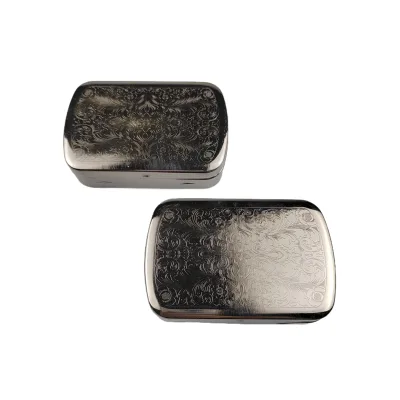
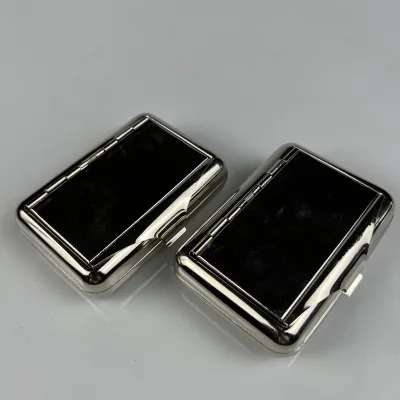
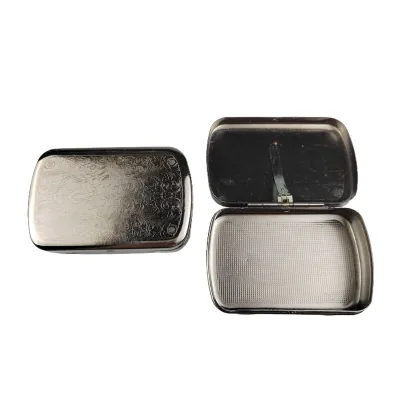
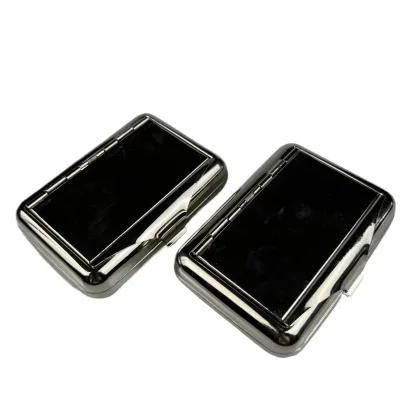
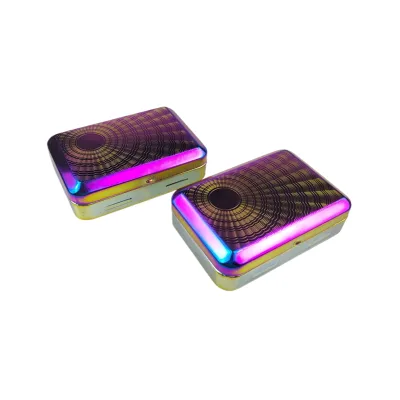
Hot Selling Cool Colored Metal Square Cigarette Box Portable Cigarette Case for Men
$0.80
MOQ: 1000 pieces

Zhejiang Jiaxin Electronic Products Co., Ltd.
- Manufacturer, Trading Company
- Zhejiang, China
- Lead time15 days
- Avg. response≤ 1h
Main productsLighters,Electronic USB Lighter,Cigarette set,herb grinder,BBQ torch ignitor
Main marketsEastern Europe(30.00%), South America(30.00%), North America(30.00%), Southeast Asia(10.00%)

ZHEJIANG FOCUS INNOTEC CO.,LTD
- Manufacturer, Trading Company
- Zhejiang, China
- Lead time15 days
- Avg. response≤ 5h
Main productsLighter,Cigarette case,herb grinder,Ashtray,torch
Main marketsDomestic Market(30.00%), Western Europe(25.00%), North America(20.00%), South America(5.00%), Southern Europe(5.00%), Eastern Europe(5.00%), Oceania(3.00%), Southeast Asia(2.00%), Eastern Asia(1.00%), Northern Europe(1.00%), Africa(1.00%), South Asia(1.00%), Mid East(1.00%)
Jiashan Jiaxin Electronic Products Co., Ltd.
- Verified by TüVRheinland
- Manufacturer, Trading Company
- Lead time15 days
- Avg. response≤ 2h
Main productsLighter, Electronic Lighter, Cigarette Lighter, USB Lighter
Main marketsNorth America(30%), South America(30%), Eastern Europe(30%)

Shenzhen Banana Times Technology Co., Ltd.
- Verified by BV
- Trading Company
- China Guangdong
- Lead time15 days
- Avg. response≤ 4h
Main products510 Cartridge, Vape Filling Machine, Disposable Vape Pen, Vape Battery, E Juice, Vape Pod, OEM Packaging, Cartridge Filling Machine, Vape Box, E Cigarette
Main marketsEurope,North America

Customized OEM Magnetic Food Grade Empty Rigid Cardboard Cigarette Box Cigar Box
$0.26 - $0.45
MOQ: 10000 Pieces

Custom Packaging Box Child Resistant Packaging Cigarette Box Cigarette Case with No Button
$0.26 - $0.45
MOQ: 10000 Pieces

$0.26 - $0.45
MOQ: 10000 Pieces

Professional Cigarette Packaging Box Manufacturer Customized Logo Flip Cigarette Box
$0.26 - $0.45
MOQ: 10000 Pieces

Dongguan Pomall Packaging Product Co.,Ltd
- Verified by CTI
- Combined
- China Guangdong
- Lead time15 days
- Avg. response≤ 5h
Main productsPaper Box, Chocolate Box, Gift Box, Packaging Box, Jewelry Box, Cosmetic Box, Perfume Box, Wine Box
Main marketsSoutheast Asia/ Mideast

Shenzhen Lovisle Technology Co., Ltd.
- Verified by TUVRHEINLAND
- Trading Company,Manufacturer/Factory,Group Corporation
- China Guangdong
- Lead time38 days
- Avg. response≤ 6h
Main productsTorch Gas Lighter, Cigarette Lighter, Cigarettes Cases, USB Lighter, Herb Grinder, Water Hookah Shisha, Rolling Machine, Smoking Accessories, Electronic Cigarettes Lighters
Main marketsSouth America,Eastern Europe,Mid East,North America,Southeast Asia,Eastern Asia,Oceania,Western Europe,Africa

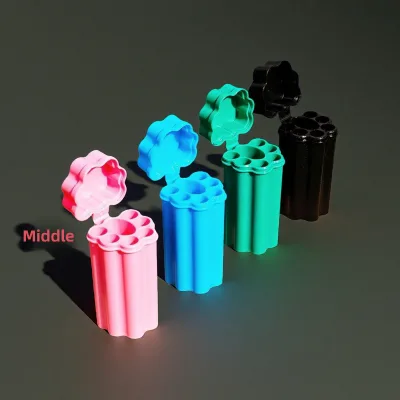
Smell Proof Cigarette Case Lighter Case Holder Smell Proof Plastic Tube Container Holder
$0.30 - $0.50
MOQ: 384 Pieces

Cigarette Holder Case Glow in Dark Charging Case Box for Smoking Accessories
$4.60 - $5.00
MOQ: 120 Pieces


Plastic Cone Holder Tube King Size Cones Tube Container Plastic Cigar Holder
$0.07 - $0.59
MOQ: 20 Pieces


Guangzhou Best Packaging Products Co., Ltd
- Verified by SGS
- Trading Company
- China Guangdong
- Lead time30 days
- Avg. response≤ 13h
Main productsChild Proof Jar, Glass Bottle, Glass Jar, Cosmetic Jar, Cosmetic Bottle, Serum Bottle, Glass Vial
Main marketsNorth America

3 Pack Cigarette Joint Rolling Paper Pre-Roll Cone Holder Case for Smoking with Box
$0.02
MOQ: 10000 Pieces


Ningbo Sunyoung Enclosure Co., Ltd.
- Verified by TUVRHEINLAND
- Manufacturer/Factory
- China Zhejiang
- Lead time15 days
- Avg. response≤ 6h
Main productsPlastic Case, Aluminum Case, Rotomolded Case, Tool Storage Case, Aluminum Enclosure, Plastic Enclosure, Tool Box, Organizer Box, Cooler Box, EVA Case
Main marketsSouth America,Eastern Europe,Mid East,North America,Southeast Asia,Eastern Asia,Oceania,Western Europe,Africa


IP68 Portable Hard Plastic Cigar Tobacco Storage Case with Customized Foam
$10.00 - $15.00
MOQ: 1 Pieces


Jiaxing Hua Gong Rubber & Plast Co., Ltd.
- Verified by TUVRHEINLAND
- Manufacturer/Factory
- China Zhejiang
- Lead time0 days
- Avg. response≤ 2h
Main productsMasterbatch, Plastic Resin Raw Materials, Rubber Bridge Pedestal, Extrusion Rubber Sealing Strip, Plastic Products, Plastic Film, Foam Sponge Strip, Rubber Gasket & Washer, Silicone Daily Necessities, Anti-Skid Rubber Vibration Damper
Main marketsSouth America,Eastern Europe,Mid East,North America,Southeast Asia,Eastern Asia,Oceania,Western Europe,Africa
- Verified by BV
- Trading Company
- China Beijing
- Lead time30 days
- Avg. response≤ 1h
Main marketsEurope

Customizable Cardboard Blank Storage Cigarette Packing Inner Outer Paper Case Block Box
$0.01
MOQ: 500000 Pieces


Wholesale Cardboard Blank Cigarette Packaging Inner Outer Paper Case Block Box Manufacturer
$0.01
MOQ: 500000 Pieces


Dongguan City Weimei Can(Manufactory) Co., Ltd.
- Manufacturer
- China Guangdong
- Lead time30 days
- Avg. response≤ 22h
Main productsTin Container, Tin Box, Tin Bucket, Tin Coaster, Tin Badge, Tin Tray, Tin Sign, Tin Pencil Case, Tin Clock, Tin Photo Frame
Main marketsEast Asia(Japan/ South Korea),Europe,North America


Cigarette Cigar Tin Box Tobacco Tin Can Metal Tin Gift Packaging Tin Box
$0.20 - $0.25
MOQ: 5000 Pieces
HONG KONG SHUYUAN CO., LIMITED
- Trading Company
- Hong Kong S.A.R.
- Lead time0 days
- Avg. response≤ 8h
Main productsrolling paper,smoking grinder,ashtray,rolling machine,smoking pipe
Main marketsWestern Europe(15.00%), South Asia(11.00%), Central America(10.00%), Southern Europe(10.00%), North America(10.00%), South America(10.00%), Mid East(10.00%), Southeast Asia(8.00%), Eastern Asia(5.00%), Domestic Market(4.00%), Africa(4.00%), Northern Europe(3.00%)






Comprehensive Sourcing Guide
Magnetic Closure Cigarette Case Supplier Concentration and Factory Types
Suppliers offering magnetic closure cigarette cases in the current results are concentrated in Guangdong, China, which appears repeatedly as the place of origin across listed products. Guangdong functions as a genuine manufacturing cluster for this category, with factories producing metal cigarette cases, PU leather storage boxes, and aluminum alloy containers alongside adjacent smoking accessories. Buyers should treat this concentration as a practical starting point for supplier outreach, since proximity to accessory supply chains typically shortens component sourcing for magnets, hinges, and surface materials. When evaluating any listing, confirm the stated place of origin directly with the supplier, because origin fields are self-reported and should match what the factory can actually demonstrate about its production base.
The supplier results also reveal a mix of company types worth noting. One listed company describes itself as a Manufacturer, Trading Company, and Distributor/Wholesaler simultaneously, while another tobacco-packaging supplier identifies purely as a Manufacturer/Factory. Hybrid designations are common in this region and are not automatically a red flag, but they do change who is accountable for quality. A genuine factory controls tooling for magnetic closures and case molds; a trading company aggregates products from multiple workshops, which can broaden design options but may dilute production control. Ask each candidate whether the magnetic closure assembly happens in-house or is subcontracted, and request evidence such as workshop photos or process documentation before assuming you are dealing with the actual maker.
How to Verify Magnetic Closure Cigarette Case Suppliers
Verification starts with the credentials visible on the platform and ends with your own diligence. In the current supplier set, one packaging manufacturer lists ISO 9001, ISO 14001, ISO 20000, and QC 080000 system certifications and displays a TÜV Rheinland verification badge, while other entries show no certification data at all. Absence of a displayed credential does not prove a supplier lacks capability, but it does mean you must verify independently. Request copies of valid certificates, check their scope against the products you intend to buy, and confirm issuing bodies. For any magnetic closure case, ask specifically about material compliance and eco-friendly claims, since some listings market products as eco-friendly without attached test documentation to support that label.
Beyond paperwork, verify operational substance. Check how long a supplier has been established, what its stated main products are, and whether those products align with cigarette cases or sit in unrelated categories like earphone or silicone cases, which would suggest a generalist rather than a smoking-accessory specialist. Confirm response behavior by timing replies to detailed technical questions about magnet strength, closure alignment, and finish durability. For the verified factory in these results, OEM and ODM capability is explicitly offered, which you can probe by requesting design files or mold references. Finally, treat any supplier claiming both manufacturing and trading roles as two separate questions: ask which products are made in-house and which are sourced out, then verify the in-house claims against facility evidence.
What to Compare Across Magnetic Closure Cigarette Case Suppliers
Build a comparison table from the attributes actually displayed, recognizing that not every supplier shows every field. In the current results, quoted unit prices span a wide range: paper-based cardboard cigarette cases from a packaging factory list between roughly $0.012 and $0.020 per unit, PU flip-style boxes list around $1.80 to $2.50, and rigid metal or aluminum alloy magnetic cases list between approximately $6.30 and $7.00. These are not equivalent products, so compare within material categories first. Then compare lead times, where the results show an 8-day figure for one accessory supplier and a 23-day figure for the packaging manufacturer, and response speeds, which range from about 3 hours to nearly 8 hours across listed suppliers.
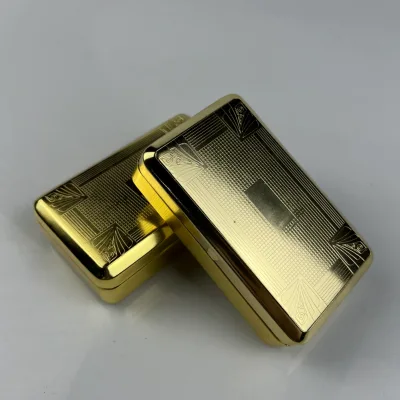
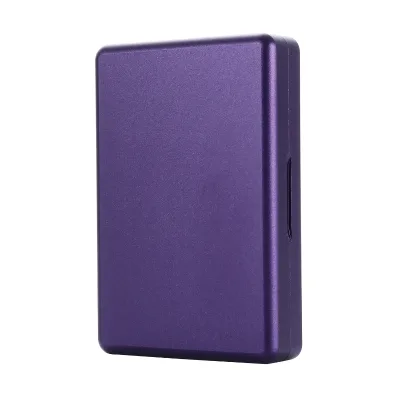
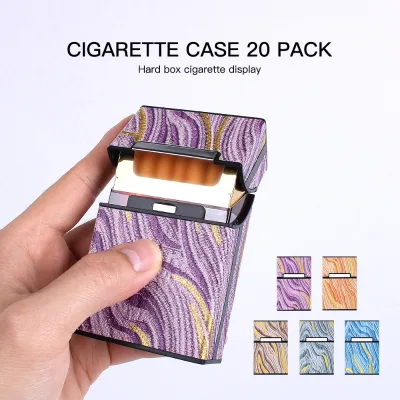
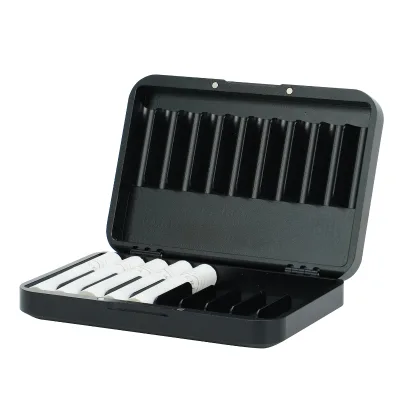
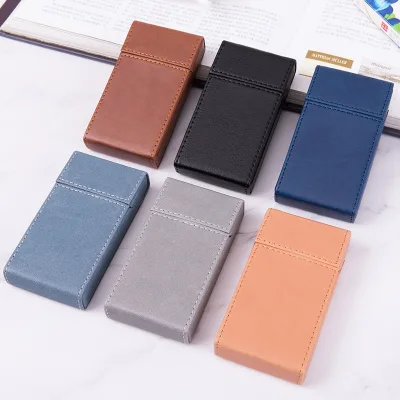
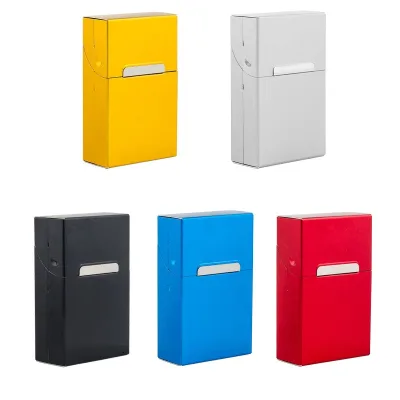
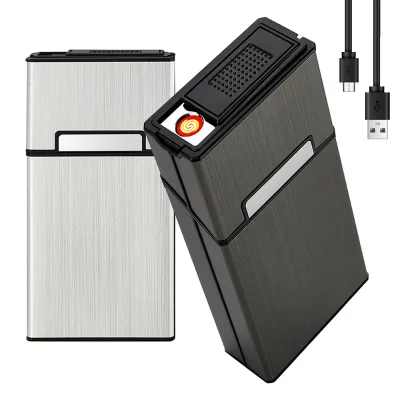
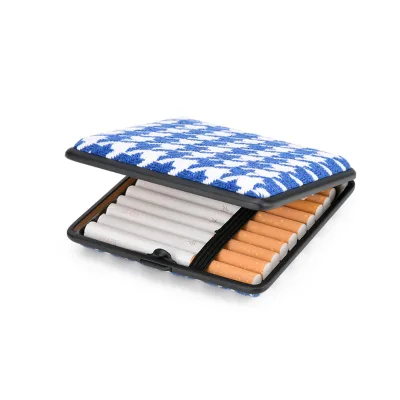
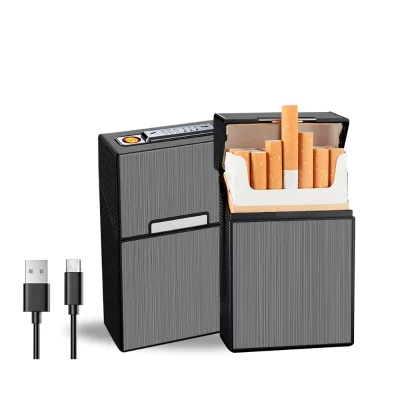
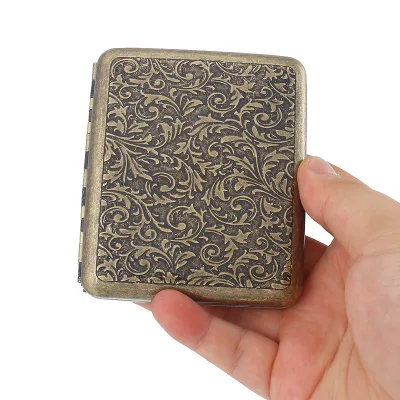
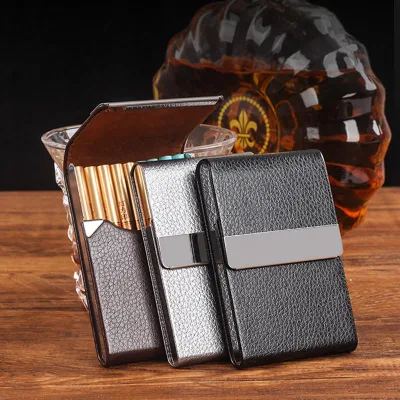
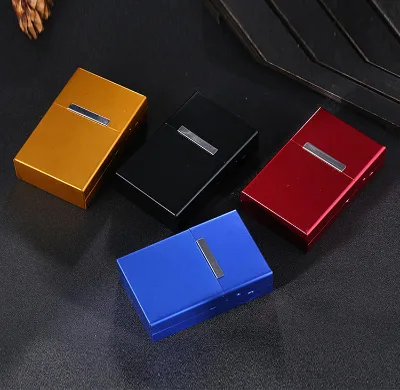
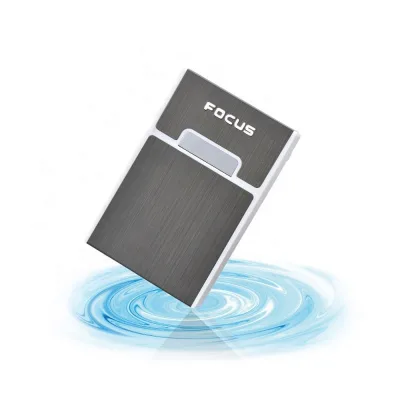
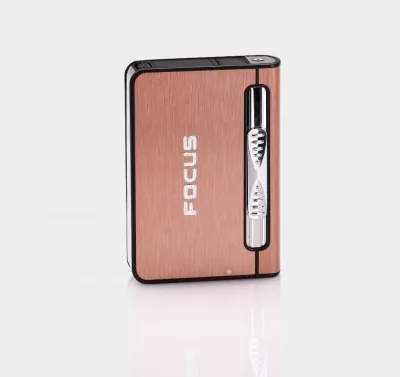
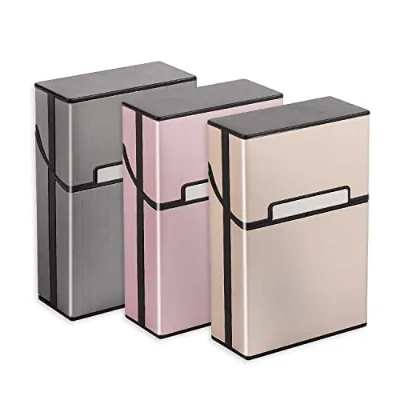
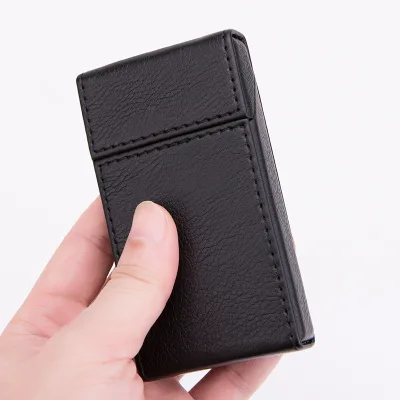
Beyond price and speed, compare product specifications side by side. The listings vary meaningfully: one metal case holds 20 cigarettes in a 48mm magnetic flip format with six color options and a shiny finish; a PU and plastic box emphasizes pressure-proof and moisture-proof performance with bohemian styling; an aluminum alloy container advertises moisture-proof construction with a magnetic closure. Compare capacity (some state 20 pieces), materials, closure types (magnetic versus lock), logo capabilities (some support silkscreen printing, others explicitly state no logo craft), and available colors. Company type, location, main product lines, and whether OEM or ODM services are offered complete the picture. Weight fields by what matters to your channel: retail packaging buyers should prioritize printing capability, while accessory resellers should prioritize finish quality and closure durability.
Common Magnetic Closure Cigarette Case Sourcing Risks
The most frequent risk in this category is specification drift between listing and delivery. Listings describe attributes such as eco-friendly features, waterproof or moisture-proof performance, and anti-press protection, yet several entries simultaneously state no printing technique or no logo craft, and none of the visible product data includes third-party test results. A supplier marketing pressure-proof or moisture-proof performance should be asked to substantiate it with test reports or samples subjected to your own checks. Magnetic closure quality is especially vulnerable: weak magnets, misaligned flips, or adhesive failure around the magnet pocket rarely appear in photos and emerge only after handling samples or first production units.
Secondary risks include compliance and volume assumptions. Tobacco-related accessories face import restrictions and labeling rules in many markets, and listings here provide no regulatory documentation, so regulatory clearance is entirely the buyer's task to verify. Low listed prices on cardboard cases can tempt buyers into comparing them against metal cases without recognizing the difference in durability, perceived value, and target channel. There is also risk in hybrid suppliers whose main products span cigarette accessories, earphone cases, and general silicone goods; breadth can mean divided attention and variable quality control. Finally, some listings show a single price point rather than a range, which often signals a price valid only at specific volumes. Mitigate all of these by ordering pre-production samples, agreeing on a signed specification sheet covering magnet pull strength, material grades, and finish standards before deposit.
Magnetic Closure Cigarette Case Regional Sourcing and Logistics
Guangdong's dominance in these results simplifies regional planning because the cluster offers integrated access to metals, PU materials, paperboard, and packaging machinery. Notably, one Guangdong-based packaging manufacturer lists tipping paper, aluminum foil paper, BOPP/PVC film, tear tape, cardboard paper, and automatic packaging machines among its main products, which means buyers sourcing finished cigarette cases can potentially consolidate with packaging material suppliers in the same province. This consolidation reduces freight legs, simplifies quality alignment across components, and can shorten corrective cycles when a closure or print issue needs rapid iteration. Visiting the cluster or using a local inspection service is more practical when several candidate suppliers sit within the same region.
Logistics planning should reflect the product's physical characteristics. Metal and aluminum alloy cases are compact and durable but add weight per unit, affecting air freight economics, while PU and cardboard cases are lighter and cube out shipping cartons faster. The listings provide usable planning data: single package sizes such as 5x8x12 cm and 14x12x12 cm, single gross weights of 0.06 kg and 0.12 kg, and pallet or carton packing for paper cases. Use these figures to model carton counts and freight classes before quoting rates. Lead-time differences matter too; the 8-day versus 23-day spread between suppliers in these results suggests planning buffers should reflect your chosen supplier's stated production time plus transit, rather than a generic industry assumption.
Magnetic Closure Cigarette Case Commercial Terms and Order Planning
Commercial negotiations should anchor on the price ranges and lead times visible in the listings, then push for volume-adjusted terms. With accessory-style cases quoted between roughly $1.98 and $7.00 depending on material, there is room to negotiate tiered pricing at higher quantities, but first establish the MOQ, which is not displayed in the current results and must be requested from each supplier directly. Ask what the listed price assumes regarding color, finish, and logo work, since one listing supports silkscreen printing while others explicitly exclude it, and customization is confirmed as available only for certain entries. For the ISO-certified packaging supplier offering OEM and ODM services, clarify design ownership and tooling costs for custom molds before committing.
Order planning should sequence deposits, samples, and production realistically. Structure agreements around a confirmed specification sheet, a pre-production sample approval, and staged payments tied to inspection milestones rather than a single deposit. The 8-day and 23-day lead times in these results are starting points only; add time for magnetic closure sampling iterations, which commonly require at least one revision round. Confirm escrow or platform-protected payment availability where offered, since not all supplier pages display such protections, and treat any absence as a question to raise rather than a disqualification. Finally, plan reorders by locking pricing windows and lead times in writing, and confirm packing formats, whether retail box, carton, or pallet, so inbound logistics and retail readiness align with your launch schedule.
FAQs
What materials are used for magnetic closure cigarette cases?
Magnetic closure cigarette cases are commonly made from metal, aluminum alloy, or PU leather. Some options feature plastic combined with PU leather for a lightweight feel. The material choice affects durability and moisture resistance, with metal offering superior protection against pressure and impact for daily storage needs.
What is the typical price range for these cases?
Prices for magnetic closure cigarette cases vary significantly based on material and customization. Metal and aluminum alloy options typically range from 6.30 to 7.00 USD per unit. Plastic and PU leather alternatives are more affordable, with prices starting as low as 1.80 USD up to 2.50 USD depending on the specific design features.
How long does it take to receive an order?
Lead times for these products generally range from 8 to 23 days depending on the supplier and order volume. Some manufacturers offer faster turnaround times around 8 days for standard orders. Larger or customized orders may require up to 23 days for production and shipping preparation to ensure quality standards are met.
Can I get custom logos printed on these cases?
Custom logo availability depends on the specific product and supplier capabilities. Some metal cases do not support logo crafting, while others offer silkscreen printing options. Buyers should verify if the specific model supports customization, as many standard items come without printed logos or require specific printing techniques like offset printing.
Where are these cigarette cases manufactured?
Most magnetic closure cigarette cases are manufactured in Guangdong, China. This region is a major hub for producing various smoking accessories and packaging materials. Buyers can expect products to originate from this location, which often supports efficient logistics and a wide variety of material options for different case designs.
What is the minimum order quantity for these cases?
Minimum order quantities vary by supplier and product type. Some listings indicate single item selling units, allowing for small trial orders. Others may require bulk purchases for specific printing or packaging services. Buyers should check individual product pages for specific MOQ requirements before placing an order to ensure they meet the supplier's thresholds.
Are these cases suitable for travel and protection?
Yes, many magnetic closure cigarette cases are designed specifically for travel and protection. Features include moisture-proofing, pressure-proof construction, and secure magnetic closures. These attributes ensure cigarettes remain intact and dry during transport, making them ideal for car storage or carrying in pockets without risk of crushing or damage.