Magnetic Closure Paperboard Beer Carrier Suppliers and Manufacturers
Compare 20 verified suppliers offering Magnetic Closure Paperboard Beer Carrier options with varying lead times, certifications, and locations. Review response times and MOQs to select a factory that matches your production needs and request samples for quality verification; review the available evidence before requesting comparable quotations from suitable candidates.
Updated
Suppliers List

Qingdao LAFU Packaging Technology Co., Ltd
- Verified by CTI
- Manufacturer/Factory
- China Shandong
- Lead time15 days
- Avg. response≤ 6h
Main productsSugarcane Tableware, Paper Tableware, Paper Cup, Soup Cup, Salad Bowl, Paper Lunch Box, Sugarcane Palte, Sugarcane Box, Sugarcane Tray, Disposable Cutlery
Main marketsSouth America,Eastern Europe,Mid East,North America,Western Europe

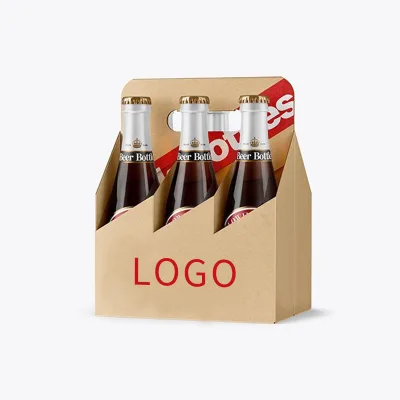
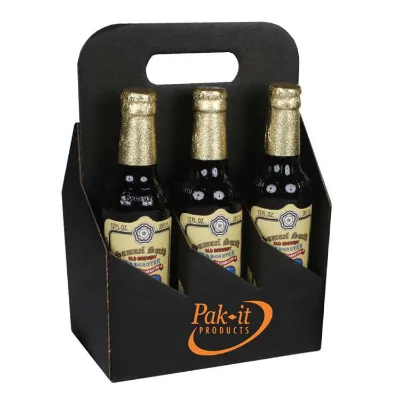
Kraft Paper Carrying Red Wine Packaging Box Cardboard 6 Bottle Beer Carrier
$0.02 - $0.021
MOQ: 10000 Pieces

Beer Packaging Box Corrugated Cardboard Paper Packaging 6 Pack Beer Bottle Carrier Holder for Drink
$0.03 - $0.05
MOQ: 10000 Pieces


KKS Enterprises Co., Ltd. Hangzhou
- Verified by SGS
- Manufacturer/Factory
- China Zhejiang
- Lead time23 days
- Avg. response≤ 12h
Main productsBar Runner, Floor Mats, Bar Mats, Logo Mats, Carpet, Promotional Products, Ice Bucket, Dust Control Mats, Bar Tray, Bottle Openers
Main marketsSouth America,Eastern Europe,Mid East,North America,Southeast Asia,Eastern Asia,Oceania,Western Europe,Africa


$3.23 - $3.66
MOQ: 500 Pieces

Suzhou Innovation Packaging Materials Co., Ltd.
- Verified by SGS
- Trading Company
- China Jiangsu
- Lead time30 days
- Avg. response≤ 19h
Main productsOutdoor Camping, Pet Airline Box, Cat Litter Box, Outdoor Camper, Pet Folding Bowl, Fishing Bucket, Pet Food Storage Bucket, Folding Swimming Ring, Outdoor Folding Chair, Folding Toilet
Main marketsSouth America,Europe


Outdoor Foldable Plastic Beer Carrier with Custom Logo Durable 6 Bottle Carries
$2.15 - $2.46
MOQ: 500 Pieces



Shenzhen Fancy Packaging Products Co., Ltd.
- Manufacturer, Trading Company, Distributor/Wholesaler
- Guangdong, China
- Lead time12 days
- Avg. response≤ 2h
Main productspackaging box,paper bag,paper tube,sticker,Brochure
Main marketsCentral America(30.00%), North America(30.00%), Eastern Europe(20.00%), South America(10.00%), Western Europe(10.00%)

Shanghai Forests Packaging Group Co., Ltd.
- Verified by CTI
- Combined
- China Shanghai
- Lead time15 days
- Avg. response≤ 10h
Main productsPaper Gift Box, Carton Cardboard Box, Gift Box, Paper Box, Carton Box, Cardboard Box, Corrugated Box, Packaging Box, Paper Packaging, Paper Carton
Main marketsDomestic,Europe,North America

- Verified by SGS
- Manufacturer/Factory
- China Zhejiang
- Lead time38 days
- Avg. response≤ 6h
Main productsBar Mat, Ice Bucket, Cocktail Shaker, Barware, Jigger, Mug, Ss Cup, Bar Spoon, Strainer, Muddler
Main marketsSouth America,Eastern Europe,Mid East,North America,Southeast Asia,Eastern Asia,Oceania,Western Europe,Africa

Premium Kraft Paper Kraft Drink Holder 6 Pack 4 Pack 2 Pack Cardboard Bottle Carrier
$0.21 - $0.51
MOQ: 500 Pieces

Custom Logo Color Size Premium Kraft Paper Kraft Drink Holder 6 Pack Cardboard Bottle Carrier
$0.21 - $0.51
MOQ: 500 Pieces

$0.21 - $0.51
MOQ: 500 Pieces

Foldable Design Moisture Resistant 6 Pack Cardboard Bottle Carrier with Portable Handle
$0.21 - $0.51
MOQ: 500 Pieces

Shanghai Woods Packaging Co., Ltd.
- Verified by CTI
- Combined
- China Shanghai
- Lead time15 days
- Avg. response≤ 10h
Main productsGift Box, Paper Box, Carton Box, Pizza Box, Paper Gift Box, Carton Cardboard Box
Main marketsAustralia,North America


Six or Four Pack Foldable Paper Beer Carrier Box Beer Wine Bottle Carrier Wine Box
$0.38 - $1.96
MOQ: 500 Pieces



Xiamen Funwel Packaging Industry Trade Co., Ltd.
- Manufacturer, Trading Company
- Fujian, China
- Lead time15 days
- Avg. response≤ 10h
Main productsPaper Bag,Paper Box,Wrap paper,Paper Stand,Notebook
Main marketsNorth America(25.00%), Oceania(20.00%), Africa(15.00%), Southeast Asia(15.00%), Northern Europe(10.00%), Western Europe(10.00%), Eastern Asia(5.00%)
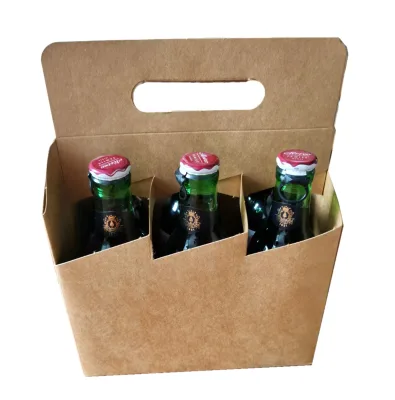
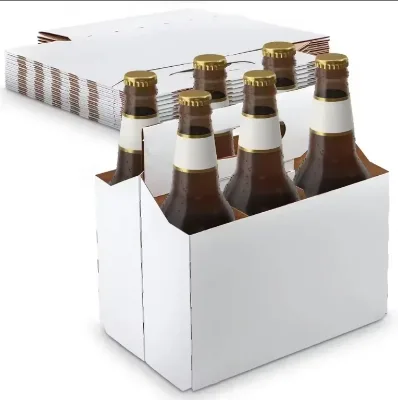
$0.0519 - $0.2081
MOQ: 500 Minimum
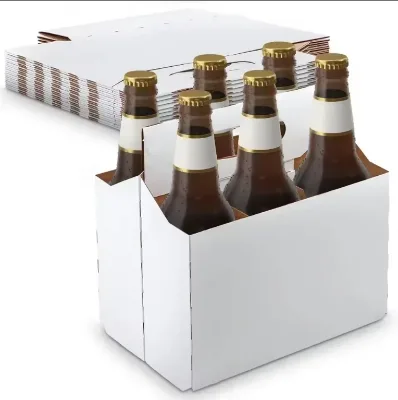
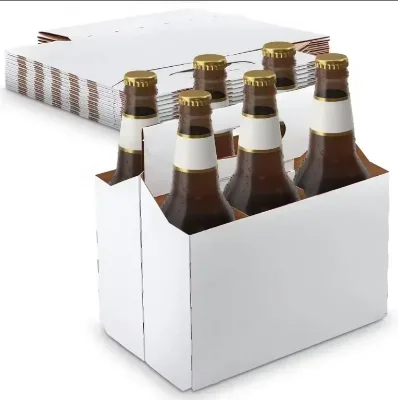
$0.0514 - $0.2066
MOQ: 10 Minimum

Xiamen Ebei Import & Export Co., Ltd.
- Verified by CTI
- Trading Company,Manufacturer/Factory
- China Fujian
- Lead time45 days
- Avg. response≤ 2h
Main productsEco-Friendly Products, Bamboo Tableware, Bamboo Furniture, Bamboo Kitchenware, Bamboo Office Supply, Bamboo Fibre Products, Biodegradable Products, Bamboo Towel, Solar Energy Products, Bamboo Garden Products
Main marketsSouth America,Eastern Europe,Mid East,North America,Southeast Asia,Eastern Asia,Oceania,Western Europe,Africa

Reusable Kraft Paper Wine Beer Carrier Carrier Box 2 or 3 Bottles Recyclable Beverage Diecut Handle
$0.42 - $0.46
MOQ: 1000 Pieces


QINGDAO BAIXI INDUSTRY CO., LTD.
- Verified by BV
- Trading Company
- China Shandong
- Lead time23 days
- Avg. response≤ 5h
Main productsAluminum Cans, Beer Cans, Beverage Cans, Soda Cans, Plastic Beer Carriers, Carbonated Drinks Cans, Energy Drinks Cans, Aluminum Can Lids, Easy Open Ends
Main marketsSouth America,Eastern Europe,Mid East,North America,Southeast Asia,Eastern Asia,Oceania,Western Europe,Africa

Hangzhou Iforest Electronic Commerce Co., Ltd.
- Verified by BV
- Trading Company
- China Shanghai
- Lead time23 days
- Avg. response≤ 6h
Main productsPaper Box, Paper Bag, Paper Tube
Main marketsSouth America,Southeast Asia/ Mideast,Domestic,Europe,Australia,North America

Reusable Kraft Paper Wine Beer Carrier Carrier Box 2 or 3 Bottles Recyclable Beverage Diecut Handle
$0.13 - $0.35
MOQ: 500 Pieces

Factory Price Customizable Wine Box Cardboard Beer Bottle Carriers Kraft Whisky Packaging Paper Box
$0.13 - $0.35
MOQ: 500 Pieces
Shanghai Huixiong Packaging Co., Ltd.
- Verified by SGS Group
- Manufacturer, Trading Company
- Lead time3 days
- Avg. response≤ 9h
Main productsPaper Boxes, Paper Bags
Main marketsSoutheast Asia(30%), Northern Europe(30%), North America(20%)

WEIFANG WEYEA PLASTIC PRODUCTS CO., LTD.
- Combined
- China Shandong
- Lead time30 days
- Avg. response≤ 6h
Main productsGarbage Bag, Plastic Bag, Polythene Gloves, Polythene Apron, Mesh Bag, PE Apron, Trash Bag, T- Shirt Bag, Disposable PE Gloves and Aprons, Food Bag
Main marketsSouth America,Africa,Southeast Asia/ Mideast,East Asia(Japan/ South Korea),Europe,Australia,North America

Compostable and Biodegradable Kraft Paperboard Drink Carrier with Handle
$0.01 - $0.20
MOQ: 10000 Pieces

Foldable Kraft Paperboard Drink Carrier Holder with Handle for Delivery
$0.01 - $0.20
MOQ: 10000 Pieces
Yantai Dinglong Packaging Co., Ltd.
- Manufacturer, Trading Company
- Shandong, China
- Lead time7 days
- Avg. response≤ 2h
Main productsPaper Products Manufacturing and Sales ts Production,Plastic Products Manufacturing and Sales,Printed Materials Manufacturing and Sales,Packaging Service,Cargo Export
Main marketsNorth America(40.00%), Mid East(25.00%), South America(15.00%), Eastern Europe(10.00%), Africa(10.00%)

Shanghai Coffe Packing Group Co., Ltd.
- Verified by CTI
- Combined
- China Shanghai
- Lead time15 days
- Avg. response≤ 7h
Main productsPaper Gift Box, Carton Cardboard Box, Gift Box, Paper Box, Carton Box, Cardboard Box, Corrugated Box, Packaging Box, Paper Packaging, Paper Carton
Main marketsDomestic,Europe,Australia,North America


Portable Wine Bottle Box Cheap 2 Pack Bottles Beer Carrier Accept Custom with Handle
$0.25 - $0.70
MOQ: 1000 Pieces

- Verified by Intertek
- Manufacturer, Trading Company
- Lead time15 days
- Avg. response≤ 6h
Main productsPaper Box, Cake Box, Paper Bag, Paper Coaster, Tissue Paper
Main marketsNorth America(15%), Eastern Europe(11%), South America(10%)

Xiamen Birtley Industry & Trading Co., Ltd.
- Verified by TUVRHEINLAND
- Combined
- China Fujian
- Lead time15 days
- Avg. response≤ 2h
Main productsFood and Beverage Box, Display Stand, Mailer Box, Cosmetic Box, Jewelry Box, Luxury Gift Box, Holiday Box, Accessories, Printing Service, Cardboard Sheet and Luxury Paper
Main marketsSouth America,Southeast Asia/ Mideast,Europe,Australia,North America
Dongguan Enguanghao Paper Products Co., Ltd.
- Manufacturer, Trading Company
- Guangdong, China
- Lead time30 days
- Avg. response≤ 1h
Main productsColoured Carton, Shipping Beer Box, Paperboard, Packing Box, Stickers And Tape
Main marketsSouth America(15.00%), Eastern Europe(10.00%), North America(10.00%), Northern Europe(5.00%)
$0.1137 - $0.476
MOQ: 500 pieces
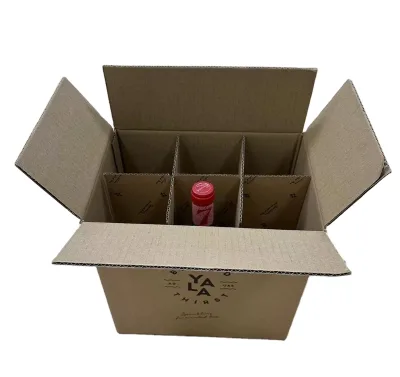
$0.05 - $0.34
MOQ: 2000 pieces

Shanghai Zhize Printing Technology Co., Ltd.
- Verified by SGS
- Trading Company
- China Shanghai
- Lead time15 days
- Avg. response≤ 4h
Main productsPaper Bag
Main marketsSouth America,Europe,Australia,North America

Custom Logo Recyclable Cardboard Six Pack Carrier Portable Beer Shipping Box
$0.10 - $0.90
MOQ: 1000 Pieces

Custom Corrugated Board 6-Bottle Beer Carrier Matt Lamination Packaging Box
$0.08 - $0.25
MOQ: 1000 Pieces

Weihong Paper And Printing Co., Ltd.
- Manufacturer, Trading Company
- Guangdong, China
- Lead time15 days
- Avg. response≤ 5h
Main productsPaper Box,Paper Bag,Cake Box,Paper Coaster,Card Box
Main marketsNorth America(22.00%), South America(20.00%), Oceania(10.00%), Eastern Europe(9.00%), Southern Europe(6.00%), Western Europe(6.00%), Eastern Asia(5.00%), Southeast Asia(5.00%), South Asia(3.00%), Domestic Market(3.00%), Northern Europe(3.00%), Central America(3.00%), Africa(3.00%), Mid East(2.00%)
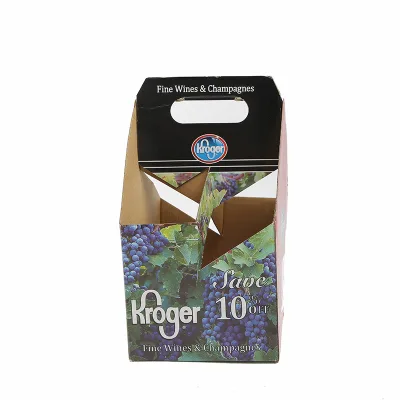
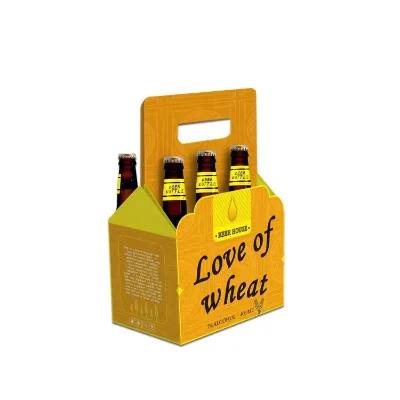


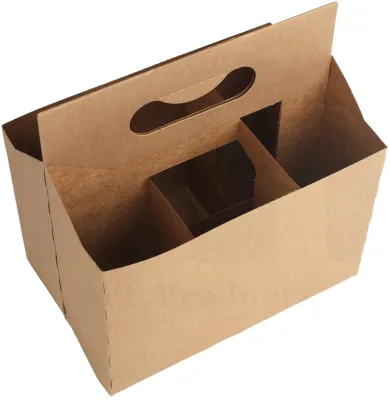


Comprehensive Sourcing Guide
Magnetic Closure Paperboard Beer Carrier Supplier Concentration and Factory Types
When searching for Magnetic Closure Paperboard Beer Carrier suppliers, buyers will encounter a mix of factory types rather than a single uniform category. Some results come from packaging and printing specialists whose main product lines include paper boxes, kraft carriers, and printed food packaging; these factories often sit in China's eastern and northern provinces, with one verified example located in Shandong that lists sugarcane and paper tableware alongside kraft bottle carriers. Other listings come from companies focused on barware and beverage accessories, such as a Zhejiang-based supplier offering wooden and plastic beer carriers, which may outsource the paperboard component. A third type is the trading company, exemplified by a Jiangsu firm that sells foldable plastic bottle carriers without manufacturing them directly.
Understanding this split matters because factory type affects customization depth, tooling ownership, and accountability. A true manufacturer can usually adjust board thickness, magnet placement, and die-cut tooling in-house, while a trading company may relay requirements to an unnamed subcontractor, adding a layer between the buyer and the production floor. Buyers should also note that suppliers with paper tableware as a main product often already hold food-contact experience, which is relevant when a beer carrier will touch glassware sold with consumables. When no cluster location is displayed for a given result, buyers should ask the supplier directly for the manufacturing city and check whether the registered address matches the stated factory location.
How to Verify Magnetic Closure Paperboard Beer Carrier Suppliers
Verification should start with the credentials that search results actually display, then move to documents requested directly from the supplier. In this product space, relevant displayed signals include third-party audit verification marks such as CTI or SGS, and system certifications like BSCI, ISO 9001, ISO 14001, HACCP, GMP, or BRC seen on packaging-sector suppliers. Product-level claims are equally important: one paperboard beer carrier listing cites Ok Compost, FDA, and BPI certificates, while a kraft carrier listing references FSC, BRCs, and ISO. Buyers should request the actual certificate numbers and scope documents, because a certificate held by the factory covers only the certified product range and site, not every item quoted.
Company type is the second verification axis. A listing labeled Manufacturer/Factory, like the Shandong packaging supplier, should be confirmed with a business license and, ideally, a live video audit of the converting lines and magnet-assembly station. A Trading Company label, as shown by the Jiangsu result, is not a disqualification but changes the questions: ask who manufactures, whether the trading firm holds escrow or payment protection, and how defect claims are handled. Response time offers another verification clue. Displayed response times in this result set range from under six hours to more than eighteen hours, and slow or inconsistent replies during sampling usually predict slower problem-solving during production. Finally, request one physical sample before any tooling commitment.
What to Compare Across Magnetic Closure Paperboard Beer Carrier Suppliers
Build a comparison grid across the dimensions visible in supplier results: location, lead time, MOQ, response time, company type, main products, certifications, and verification status. In the current evidence, lead times differ sharply — a Shandong manufacturer lists around fifteen days, a Zhejiang barware supplier around twenty-three days, and a Jiangsu trading company around thirty days — so a single sourcing cycle can vary by more than two weeks depending on whom you contact. MOQs also diverge: the paperboard carrier listings show 10,000-piece minimums, while wooden carriers list a 100-piece MOQ and plastic carriers 500 pieces, reflecting material and tooling economics rather than supplier quality.
Main products reveal specialization. A supplier whose catalog centers on paper boxes, cups, and food-grade tableware is more likely to control board sourcing, food-safe adhesives, and two-sided printing; a bar-runner or mat supplier is stretching into carriers as an adjacent category. Compare OEM and ODM capability too: both the Shandong packaging factory and the Zhejiang supplier advertise these services, but ask what has actually been produced before. Price ranges shown in the results — roughly $0.02–0.05 for paperboard carriers versus $1.20 and above for wooden ones — signal completely different product classes, so normalize quotes to identical board grade, size, magnet type, and print coverage. Do not assume every displayed attribute applies to every supplier; reconfirm each field per quote.
Common Magnetic Closure Paperboard Beer Carrier Sourcing Risks
The most frequent risk is conflating product categories. Search results for this keyword surface wooden six-pack carriers, plastic foldable bottle holders, and corrugated kraft carriers side by side; a buyer who quotes a wooden caddy supplier for a paperboard magnetic box may receive a subcontracted item with unclear quality control. The Jiangsu trading-company listing, for instance, describes plastic carriers with a 35–45 day delivery time — far longer than paperboard factories quote — which suggests the buyer is buying through intermediation rather than from a converting line. Confirm the exact construction: solid grayboard versus corrugated kraft, magnet strength, and whether the closure is glued or wrapped.
Second, certificate scope is a common trap. Listings cite Ok Compost, FDA, BPI, FSC, BRCs, and ISO in abbreviated attribute fields, but these may be carried by the supplier's other products rather than the specific carrier quoted. Third, sample and tooling risk: one listing offers free samples while the trading-company result charges a 7–10 working-day sample window, so sampling cost and speed vary widely and should be budgeted. Fourth, lead-time drift — a quoted fifteen days can extend once two-sided printing, custom colors, and magnet insertion are added. Finally, MOQ inflexibility is a risk for new brands: 10,000-piece minimums on paperboard designs can lock buyers into oversized inventory. Negotiate tiered quantities or split SKUs before signing.
Magnetic Closure Paperboard Beer Carrier Regional Sourcing and Logistics
The evidence points to three sourcing regions within China, each with logistics implications. A Shandong-based manufacturer benefits from proximity to Qingdao, which the product listing names as the loading port; Qingdao is a major container gateway, so buyers shipping full containers of paperboard carriers can expect straightforward FOB arrangements from that province. A Zhejiang supplier sits near the Yangtze Delta manufacturing belt, where Ningbo and Shanghai ports offer dense sailing schedules, though the listed products there are wooden and plastic carriers rather than paperboard. A Jiangsu trading company also falls within this coastal corridor, meaning all three regions share similar ocean-freight economics for buyers.
Regional choice should also reflect material supply. Paperboard and kraft converting is concentrated where board mills and food-packaging ecosystems exist, and the Shandong supplier's main products — sugarcane tableware, paper cups, lunch boxes, and trays — indicate an established fiber-processing base. When a result does not display a location, buyers should ask for the factory's city and nearest loading port before comparing freight, because inland factories add trucking cost and day variance to the quoted lead time. Air freight for pre-production samples is practical given the light weight of paperboard, but production volumes should move by sea. Confirm packing details — one listing specifies bag-per-carton packing — since carton configuration affects container utilization and landed cost per unit.
Magnetic Closure Paperboard Beer Carrier Commercial Terms and Order Planning
Commercial planning should begin with the minimum order quantities and lead times disclosed in results, then negotiate around them. Paperboard carrier listings show MOQs of 10,000 pieces and lead times of roughly fifteen days, with customization available and OEM/ODM service advertised; a Jiangsu trading listing quotes 500 pieces at 35–45 days for a plastic alternative. Buyers should anchor orders to the paperboard-specific figures and treat any quote that blends categories as a red flag. Ask whether the 10,000-piece MOQ is per design or per order, since multi-SKU buyers can often combine colorways to reach the threshold. Confirm free-sample policy in writing, as one listing offers them while others charge and quote 7–10 working days.
Payment and protection terms deserve explicit attention. None of the displayed results state escrow coverage, so buyers should verify directly whether the platform or supplier offers trade assurance, escrow, or secure payment options, and favor a milestone structure — deposit, pre-shipment inspection, balance — over full prepayment, especially with trading companies. Build a timeline that includes sample approval, tooling for a custom magnetic closure, and a production buffer on top of the quoted fifteen days, since two-sided printing and custom colors add steps. Finally, document every attribute — board grade, magnet placement, certificates cited (Ok Compost, FDA, BPI, FSC), packing format, and loading port — in the purchase contract so verification claims carry contractual weight.
(~1400 words total)
FAQs
What MOQ should I expect for magnetic closure paperboard beer carriers?
Custom paperboard carriers are commonly quoted at a 10,000 piece minimum order, especially for printed magnetic closure styles. Some suppliers list smaller minimums for plastic or wooden six pack carriers, including 500 piece and 100 piece programs. Before committing, confirm the minimum for your exact size, board weight, magnet placement, and print finish, since low-volume runs usually carry a higher unit price.
How long does production take for paperboard beer carriers?
Listed lead times for related packaging and bottle carrier products range from 15 days to about 30 days, with some plastic carrier orders quoting 35 to 45 days including sampling. Magnetic closure paperboard styles add time for die cutting, folding, and magnet insertion. Ask for a written production schedule covering sample approval, mass production, and shipping from the loading port before you place a deposit.
Can magnetic closure beer carriers be customized with my branding?
Yes, customization is widely available on bottle carriers and packaging boxes, including custom colors, two-sided printing, and OEM or ODM service. Paperboard carriers typically support printed artwork on both the exterior and interior panels, which matters when the flap opens to reveal the inside. Provide dieline files and logo artwork early, and request a pre-production sample to check print alignment and closure strength.
What certifications should I verify when sourcing paperboard beer carriers?
Relevant evidence includes FSC chain-of-custody, ISO 9001, and food-contact documents such as FDA or LFGB, and some carriers are listed with Ok Compost and BPI claims. System certifications like BSCI, ISO 14001, BRC, GMP, and HACCP appear on some supplier profiles but relate to broader operations. Always request current, product-specific certificates and test reports rather than relying on profile badges alone.
How do I test the magnetic closure strength before bulk production?
Request free or low-cost samples first, then perform a simple drop and carry test with loaded bottles to see if the flap stays shut. Check magnet alignment after repeated opening cycles, since misaligned magnets cause gaps. Compare results across 2, 4, and 6 pack configurations if you plan multiple sizes, and document any failures so the supplier can adjust magnet size or board thickness.
Which supplier locations matter for beer carrier sourcing?
Suppliers of bottle carriers and paper packaging in this category are concentrated in Chinese provinces including Shandong, Zhejiang, and Jiangsu, with Qingdao listed as a loading port on packaging products. Location affects freight cost, port access, and total lead time more than product quality. Ask each supplier to confirm its actual factory address, nearest port, and whether it manufactures in-house or subcontracts the paperboard work.
What price range is typical for six pack bottle carriers?
Listed prices vary widely by material and volume. Paper and cardboard carriers have quoted ranges around 0.02 to 0.05 dollars per piece at high volumes, while wooden carriers list around 1.20 dollars and plastic foldable carriers around 3.23 to 3.66 dollars at 500 piece minimums. A magnetic closure paperboard design will sit above basic cardboard carriers, so request quotes against a full specification sheet.