Minimalist Ceramic Flower Pot with Saucer Suppliers and Manufacturers
Source 18 suppliers for Minimalist Ceramic Flower Pot with Saucer options. Compare grounded dimensions including location, response time, lead time, MOQ, and pricing to identify suitable partners. Verify specific product attributes and certifications directly with the suppliers to ensure alignment with your sourcing requirements.
Suppliers List

Yangzhou Youcai Import and Export Trading Co., Ltd
- Trading Company
- China Jiangsu
- Lead time0 days
- Avg. response≤ 5h

- Verified by BV
- Trading Company
- China Shandong
- Lead time30 days
- Avg. response≤ 2h
Main productsCeramic Mugs, Ceramic Dinnerware, Ceramic Tea Set, Ceramic Kitchen Ware, Custom Drum Shape Ceramic Coffee Mug, 24oz Large Capacity 3D Embossed Mug, Porcelain Cappuccino Cup and Saucer, 14oz Custom Souvenirs Ceramic Mug, 12 Sets Vintage Reactive Glazed Tableware, Custom Royal White Ceramic Milk Jar
Main marketsNorth America

Minimalist Colorful Cylinder Flower Vase Ceramic Flower Pot with Tray for Indoor Plants
$2.00 - $5.00
Moq: 3000


Factory Simple Garden Planter Pot Home Decorative Flower Pot Custom Ceramic Pot
$1.00 - $3.00
Moq: 3000


CHAOZHOU CHANGLONG PORCELAIN INDUSTRIAL CO., LTD.
- Manufacturer, Trading Company
- Guangdong, China
- Lead time30 days
- Avg. response≤ 4h
Main productsFlower Pot,Flower Vase,Garden Stool,Planter,Ceramic Vase
Main marketsNorth America(11.12%), Western Europe(11.11%), Eastern Asia(11.11%), Mid East(11.11%), Oceania(11.11%), Africa(11.11%), Southeast Asia(11.11%), Eastern Europe(11.11%), South America(11.11%)

Chaozhou Huancheng Ceramic Factory
- Verified by TUVRHEINLAND
- Combined
- China Guangdong
- Lead time30 days
- Avg. response≤ 3h
Main productsceramic flower pot
Main marketsSoutheast Asia/ Mideast,Domestic

Ningbo H&G Home Decoration Limited
- Combined
- China Zhejiang
- Lead time60 days
- Avg. response≤ 7h
Main productsMetal Candle Lantern, Wood Candle Lantern, LED Candle Lantern, LED String Light Lantern, Metal Candle Holder, Candlestick, Wall Sconce Candle Holder, Flower Pot Stand, Metal Planter, Metal Plant Stand
Main marketsAfrica,Europe,Australia,North America
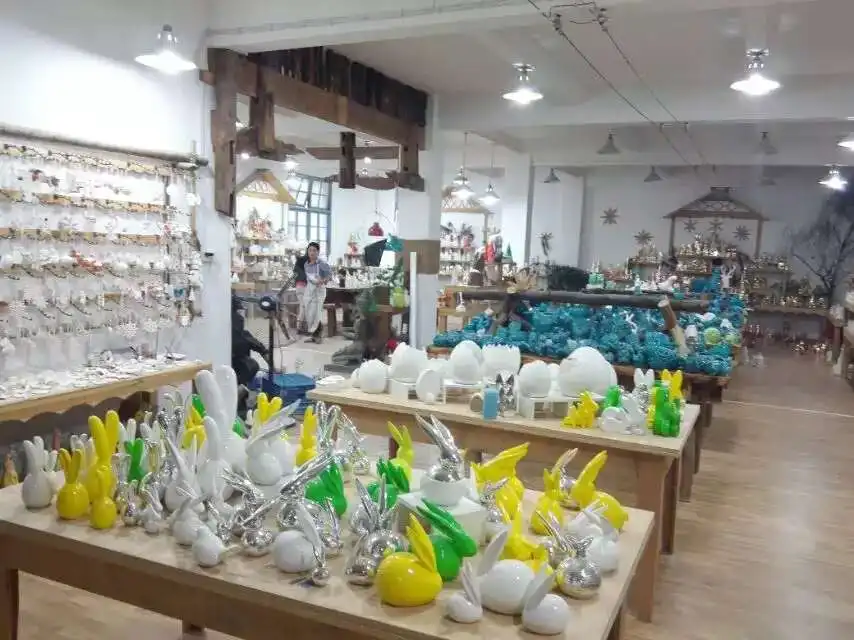
Dehua Beauty Rich Arts & Crafts Co., Ltd.
- Manufacturer, Trading Company
- Fujian, China
- Lead time30 days
- Avg. response≤ 10h
Main productsPolyresin crafts,Ceramic crafts,PVC crafts,Home decoration,Garden decoration
Main marketsEastern Europe(15.0%), North America(15.0%), South America(12.0%), Mid East(5.0%), Oceania(5.0%), South Asia(3.0%), Southern Europe(3.0%), Northern Europe(3.0%), Central America(3.0%), Western Europe(3.0%), Eastern Asia(3.0%), Domestic Market(3.0%), Southeast Asia(3.0%), Africa(2.0%)

ZHANGZHOU XIANGCHENG GREENHOME HORTICULTURE CO., LTD
- Trading Company,Manufacturer/Factory
- China Fujian
- Lead time15 days
- Avg. response≤ 15h
Main productsOrchid, Live Plants, Seedlings, Indoor Plants & Outdoor Plants, Flowerpot
Main marketsSouth America,Eastern Europe,Mid East,North America,Southeast Asia,Eastern Asia,Oceania,Western Europe,Africa

- Verified by TUVRHEINLAND
- Trading Company
- China Hunan
- Lead time45 days
- Avg. response≤ 1h
Main productsCeramic Mug, Vacuum Flask, Dinner Set, Cup, Mug, Thermal Bottle, Ceramic Dinner Set, Glass Jar, Glass Cup, Wine Cup
Main marketsSoutheast Asia/ Mideast
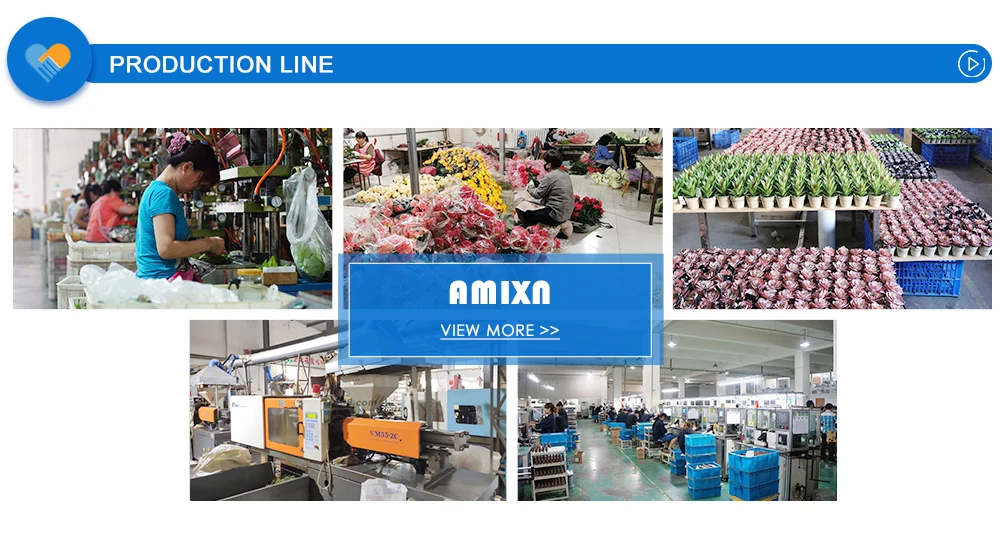
Hefei Amixn E-Commerce Co., Ltd.
- Trading Company
- Anhui, China
- Lead time25 days
- Avg. response≤ 2h
Main productsParty Decor,Garden,Metal Raised Garden Beds,Hydroponic Planters,Macrame Planters
Main marketsNorth America(60.0%), Eastern Europe(30.0%), South America(5.0%)

Chaozhou Chaoan Yirui Ceramics Factory
- Verified by SGS
- Trading Company
- China Guangdong
- Lead time15 days
- Avg. response≤ 4h
Main productsCement Flower Pot, Ceramic Flower Pot, Cement Planter, Flower Pot, Ceramic Flower Vase, Cement Flower Vase, Glass Flower Vase, Plastic Flower Pot
Main marketsEast Asia(Japan/ South Korea)
Xiamen Bestcera Technology Co., Ltd.
- Verified by TüVRheinland
- Trading Company
- Lead time60 days
- Avg. response≤ 3h
Main productsCeramic Pet Bowl, Ceramic Treat Jar, Ceramic Candle Jar, Ceramic Vase, Ceramic Home Decoration
Main marketsNorth America(60%), Eastern Europe(10%), Southeast Asia(10%)

Golden Ace Industrial Co., Ltd.
- Verified by BV
- Combined
- China Shandong
- Lead time60 days
- Avg. response≤ 8h
Main productsGlassware, Kitchenware, Houseware, Glass Vase, Giftware
Main marketsAfrica,Southeast Asia/ Mideast,Europe,Australia,North America

- Trading Company
- Fujian, China
- Lead time120 days
- Avg. response≤ 1h
Main productsA wide range of Ceramic/Porcelain/Stoneware items,such as Spring/Valentine/Easter/Summer/Autumn/Halloween/Christmas/Bathroom wares/Tableware/ Home Decor,Etc...
Main marketsEastern Europe(35.0%), Northern Europe(30.0%), Western Europe(20.0%), Southern Europe(10.0%), North America(5.0%)
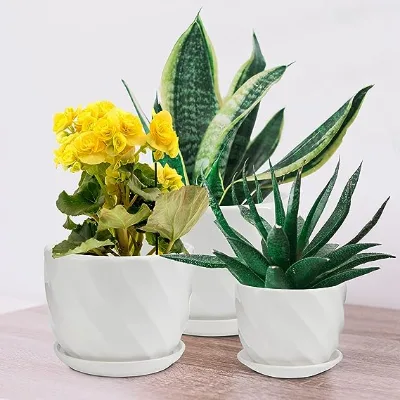

Contact supplier

Taizhou Shengerda Plastic Co., Ltd.
- Combined
- China Zhejiang
- Lead time30 days
- Avg. response≤ 8h
Main productsPlastic, Plastic Flower Pot, Plastic Tray, Plastic Bucket, Plastic Trash Can, Plastic Basin
Main marketsSouth America,Europe,Australia
Chaozhou Jizhi Ceramics Co., Ltd
- Manufacturer, Trading Company
- Guangdong, China
- Lead time40 days
- Avg. response≤ 7h
Main productsFlower vase,ceramic pot,ceramic animal,table lamp,ceramic fruit plate
Main marketsNorthern Europe(30.0%), South America(20.0%), South Asia(10.0%), North America(10.0%), Eastern Asia(10.0%), Southeast Asia(10.0%), Eastern Europe(10.0%)

Chaozhou City Hualake Electric Appliance Factory
- Verified by TUVRHEINLAND
- Combined
- China Guangdong
- Lead time15 days
- Avg. response≤ 21h
Main productsStainless Steel, Household Electric Appliances, Kitchenware
Main marketsDomestic

Shandong Fenghe Furniture Co., Ltd.
- Verified by CTI
- Combined
- China Shandong
- Lead time30 days
- Avg. response≤ 4h
Main productsVintage Furniture, Antique Furniture, Ceramic Container, Elm Dining Table
Main marketsSoutheast Asia/ Mideast,Europe

Quanzhou Comain Ceramic Co., Ltd
- Trading Company
- China Fujian
- Lead time0 days
- Avg. response≤ 1h
Main productsCeramic Products


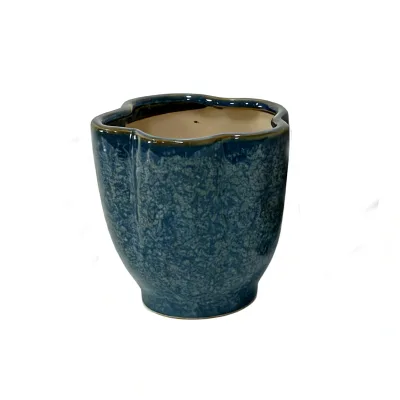
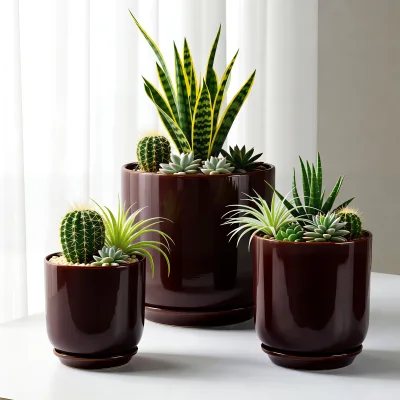


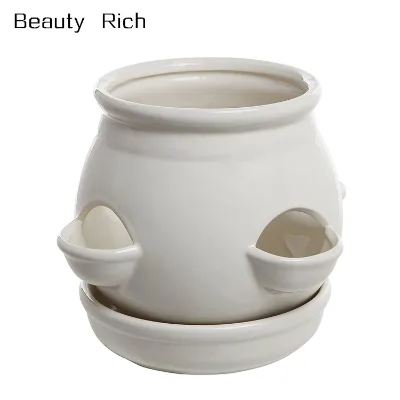
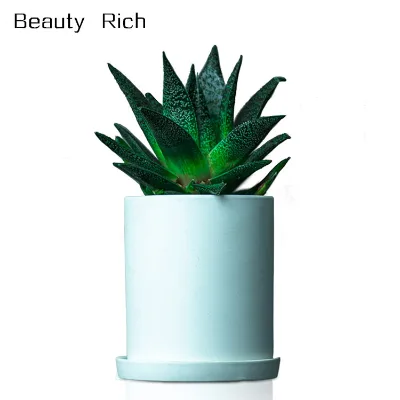
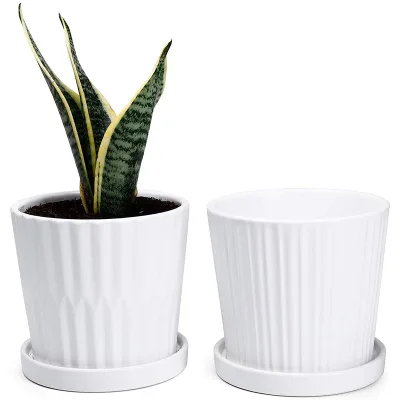
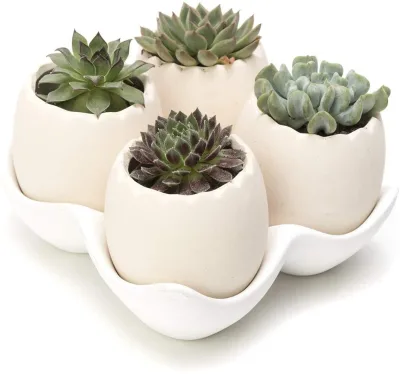
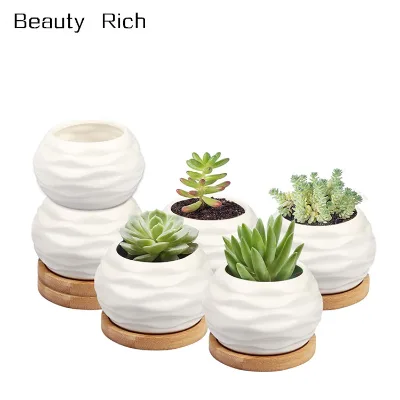
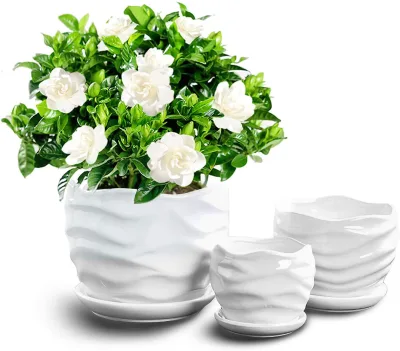


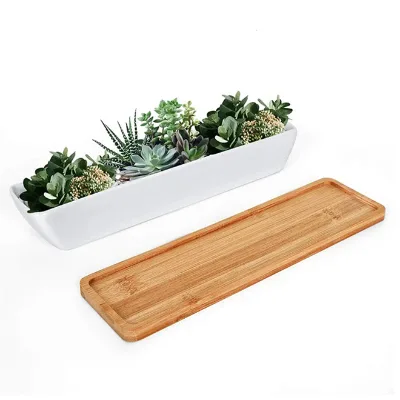






Comprehensive Sourcing Guide
Minimalist Ceramic Flower Pot with Saucer Supplier Concentration and Factory Types
Sourcing for minimalist ceramic flower pots with saucer reveals distinct manufacturing clusters primarily located in China, specifically within Jiangsu, Shandong, and Guangdong provinces. Evidence indicates that suppliers in Jiangsu often operate as trading companies, while those in Shandong and Guangdong may function as manufacturers or hybrid entities combining both roles. When evaluating potential partners, buyers should verify the specific company type listed in the supplier profile, as this distinction dictates the supply chain structure and direct access to production lines. Factories in these regions typically specialize in glazed ceramic ware, offering semi-manual and semi-mechanical production methods that balance artisanal quality with volume efficiency.
The concentration of suppliers in these specific provinces suggests established industrial ecosystems for ceramic production, yet the exact factory location must be confirmed through direct supplier data rather than general assumptions. Some profiles list main products ranging from custom ceramic mugs to large garden planters, indicating that a single facility might handle diverse ceramic categories. Buyers should prioritize suppliers whose primary product lines explicitly include ceramic flower pots, vases, or garden planters to ensure specialized expertise. Understanding whether a supplier is a pure manufacturer or a trading company is critical, as trading companies may offer broader product ranges but potentially less control over the manufacturing process compared to direct factories.
How to Verify Minimalist Ceramic Flower Pot with Saucer Suppliers
Verification of suppliers for minimalist ceramic flower pots with saucer requires a rigorous check of their business credentials and operational history. Buyers should look for third-party verification badges, such as BV certification, which serve as a tangible indicator of a supplier's legitimacy and adherence to certain business standards. While not every supplier will display this specific badge, its presence provides a higher degree of confidence regarding the company's operational stability. Additionally, checking the response time metric is a practical method to gauge supplier engagement; a faster response time often correlates with better communication channels and more attentive customer service, which is vital for resolving product-specific queries.
Beyond digital badges, buyers must scrutinize the detailed product attributes provided in the supplier listings to ensure alignment with specific requirements. For instance, verifying that the material is explicitly listed as ceramic and that the finishing is glazed confirms the product matches the minimalist aesthetic. Buyers should also check if customization options for logos, sizes, and packaging are available, as these are common requirements for branded orders. If a supplier profile lacks specific details on production methods or quality standards, it is advisable to request this information directly before proceeding. The absence of clear data on establishment years or specific certifications should prompt a request for documentation rather than an assumption of capability.
What to Compare Across Minimalist Ceramic Flower Pot with Saucer Suppliers
When comparing suppliers, the primary focus should be on quantifiable metrics such as minimum order quantities, lead times, and price ranges, which vary significantly across the market. Some suppliers may offer low minimum order quantities, such as 1,000 units, while others might require higher volumes like 3,000 units, directly impacting the feasibility of small-scale orders. Lead times also differ, with some suppliers indicating a standard production window of 30 days, whereas others may have undefined or zero-day lead times that require clarification. Price points can range from under one dollar to over nine dollars per unit, necessitating a careful analysis of the cost structure relative to the specified quality standards and material composition.
In addition to cost and volume, buyers should compare the specific product attributes and customization capabilities offered by each supplier. Differences in product standards, such as specific dimensions like 6-inch or 8-inch diameters, or variations in shape and style, can determine the suitability of a supplier for a particular design brief. The availability of custom packaging and the ability to customize logos are also critical differentiators that affect the final product's marketability. Buyers must ensure that the supplier's stated production method, whether semi-manual or semi-mechanical, aligns with their quality expectations. A comprehensive comparison requires looking beyond the base price to understand the full scope of services, including packing options and the flexibility to meet unique design specifications.
Common Minimalist Ceramic Flower Pot with Saucer Sourcing Risks
One significant risk in sourcing minimalist ceramic flower pots with saucer is the potential mismatch between the advertised product attributes and the actual delivered goods. Suppliers may list materials as ceramic but fail to specify the exact glazing process or quality grade, leading to inconsistencies in the final product's appearance and durability. Without clear standards such as "A-B Grade" or specific requirements defined in the contract, buyers risk receiving items that do not meet their aesthetic or functional expectations. This ambiguity is particularly risky when dealing with trading companies that may source from multiple factories, making it difficult to enforce consistent quality control across the entire order.
Another critical risk involves the reliability of lead times and the clarity of shipping logistics. While some suppliers list specific lead times, others may provide zero or undefined values, creating uncertainty in the supply chain planning. If a supplier fails to meet the agreed-upon delivery schedule, it can disrupt inventory management and sales cycles, especially for time-sensitive retail launches. Furthermore, the lack of detailed information on production methods or quality assurance processes can lead to hidden defects that are only discovered after the goods have been shipped. Buyers must mitigate these risks by demanding clear, written agreements on quality standards, production timelines, and inspection protocols before finalizing any purchase order.
Minimalist Ceramic Flower Pot with Saucer Regional Sourcing and Logistics
Regional sourcing strategies for minimalist ceramic flower pots with saucer must account for the specific logistical advantages and challenges associated with different manufacturing hubs in China. Suppliers located in Guangdong, Shandong, and Jiangsu offer distinct logistical profiles, with each region having its own port access and transportation infrastructure. Buyers should verify the specific origin of the goods, as this impacts shipping costs and transit times. For instance, products originating from Guangdong may have different freight rates compared to those from Shandong, depending on the destination port and the volume of the shipment. Understanding these regional nuances allows buyers to optimize their logistics strategy and reduce overall procurement costs.
Logistics planning also involves assessing the supplier's packaging capabilities, which are crucial for protecting fragile ceramic items during transit. Some suppliers offer customized packaging solutions, while others may use standard carton packing that might not provide sufficient protection for delicate designs. Buyers should inquire about the specific packaging standards and whether they can be tailored to meet the requirements of long-distance shipping. Additionally, the supplier's ability to handle export documentation and coordinate with freight forwarders is essential for a smooth delivery process. Ensuring that the supplier has experience with international shipping and understands the specific needs of ceramic products can prevent damage and delays during the transit phase.
Minimalist Ceramic Flower Pot with Saucer Commercial Terms and Order Planning
Commercial terms for Minimalist Ceramic Flower Pot with Saucer orders must be clearly defined to avoid disputes and ensure a smooth transaction. Buyers should pay close attention to the payment terms, delivery schedules, and any penalties for delays or quality issues. The minimum order quantity is a key factor in order planning, as it determines the initial investment required and the potential for economies of scale. Suppliers with lower MOQs may be more suitable for startups or test orders, while those with higher MOQs might offer better unit pricing for large-scale production. Understanding these terms helps buyers align their financial planning with the supplier's capabilities and expectations.
Order planning also requires a detailed review of the product specifications and customization options to ensure they meet the buyer's market needs. Buyers should confirm the availability of specific sizes, colors, and styles, as well as the lead time required for custom designs. It is essential to establish a clear communication channel with the supplier to discuss any changes or updates to the order specifications. Additionally, buyers should consider the potential for future orders and negotiate terms that allow for flexibility and scalability. By carefully planning the commercial terms and order details, buyers can minimize risks and ensure a successful partnership with their chosen supplier.
FAQs
What is the price range for minimalist ceramic flower pots with saucers?
Prices for these pots typically range from $0.52 to $9.08 per unit depending on size and customization. Basic PP models start lower, while glazed ceramic options with trays cost more. Buyers should check specific product listings for exact pricing tiers based on order volume and material choices.
What is the minimum order quantity for ceramic flower pots?
Minimum order quantities vary by supplier and material type. Some PP flower pots require a minimum of 1000 units, while ceramic options often start at 3000 units. Buyers should verify the specific MOQ for their chosen model, as customized sizes or special glazing may have different threshold requirements.
How long does production take for ceramic flower pots?
Lead times depend on the supplier and product type. Some ceramic manufacturers report a lead time of 30 days for production. Other suppliers may list zero days for specific stock items. Buyers should confirm the exact production schedule with the supplier before placing orders to ensure timely delivery.
Are these flower pots suitable for indoor living rooms?
Yes, many minimalist ceramic pots are designed for living room use. Products are often labeled for living room suitability and feature simple styles. They are applicable for flowers and plants, making them ideal for home decor. Buyers can find options with trays that protect furniture while enhancing interior aesthetics.
What materials are used for these minimalist flower pots?
Common materials include PP plastic and ceramic. PP pots are lightweight and durable, while ceramic pots offer a glazed finish for a premium look. Some products are semi-manual and semi-mechanical. Buyers can choose between plastic for storage or ceramic for decorative home furnishing based on their specific needs.
Can I customize the logo and size of the pots?
Customization is available for many ceramic flower pots. Buyers can often customize the logo, size, and packaging. Some suppliers offer a-B grade quality standards or requirements according to the buyer. Custom sizes like 6-inch or 12-inch are common, allowing for tailored solutions for specific plant types.