Minimalist Ceramic Cup and Saucer Suppliers and Manufacturers
Explore 29 verified suppliers offering Minimalist Ceramic Cup and Saucer sets with OEM capabilities and eco-friendly features. Compare response times, lead times, and pricing to find the right partner for your daily use or gift needs; review the available evidence before requesting comparable quotations from suitable candidates.
Updated
Suppliers List

FUZHOU SHOO-IN IMP & EXP CO., LTD.
- Verified by SGS
- Trading Company
- China Fujian
- Lead time15 days
- Avg. response≤ 3h
Main productsPadel Ball, Tennis Ball, Hat, Pet Leash, Pickleball, Yoga Mat, Sports Towel
Main marketsEast Asia(Japan/ South Korea),North America


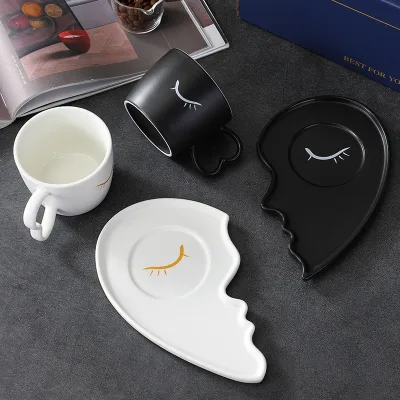
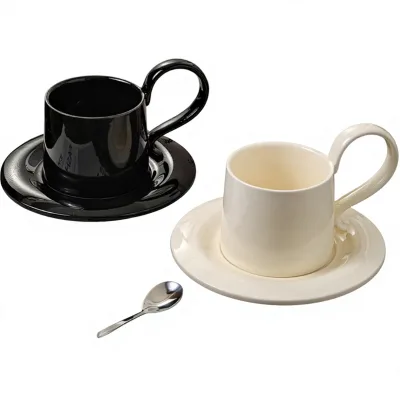
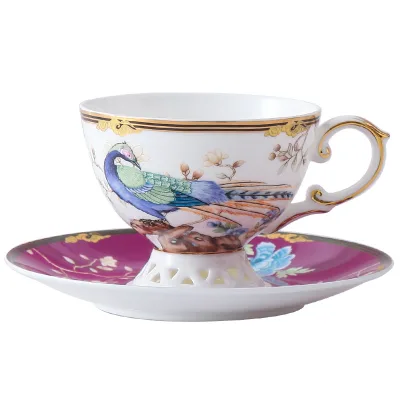
Vintage Ceramic Coffee Cup and Saucer Set for Creative Mugs Gift Ceramic Cup
$3.70 - $4.10
MOQ: 5 Pieces


Vintage Handcrafted Luxury Coffee Cup Ceramic Cup and Saucer Set Gift Ceramic Cup
$4.80 - $5.10
MOQ: 50 Pieces
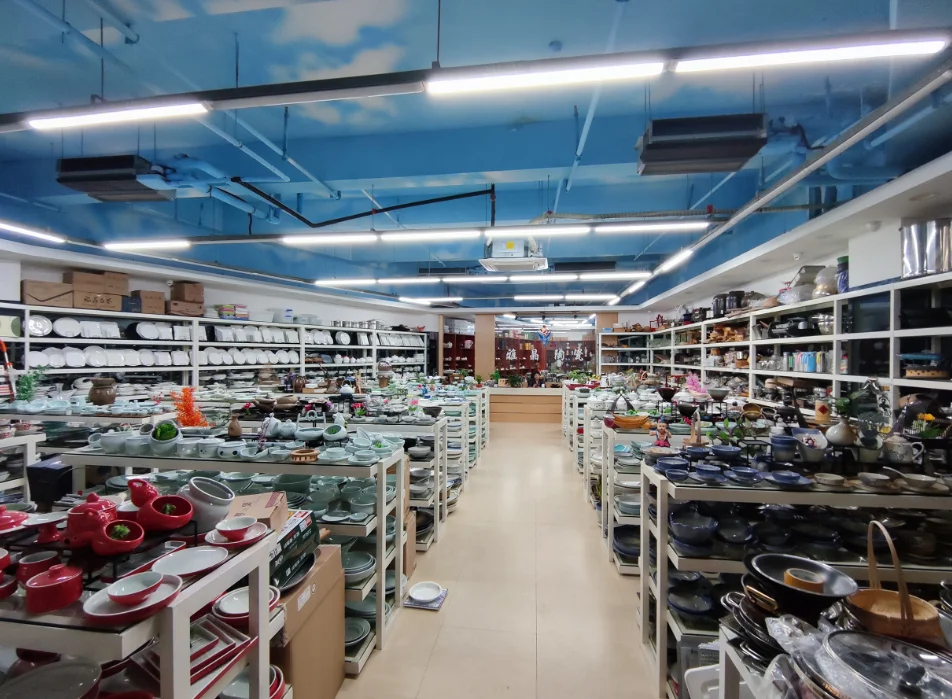
Fuzhou Beisuosi E-Commerce Co., Ltd.
- Trading Company
- Fujian, China
- Lead time7 days
- Avg. response≤ 3h
Main productsAluminum Foil Pan,Ceramic tableware,Household products,Restaurant supplies,Chinese ceramic products
Main marketsNorth America(50.00%), Domestic Market(17.00%), South America(5.00%), Oceania(5.00%), Africa(5.00%), Southeast Asia(5.00%), Eastern Europe(5.00%), Western Europe(2.00%), Mid East(1.00%), South Asia(1.00%), Southern Europe(1.00%), Northern Europe(1.00%), Central America(1.00%), Eastern Asia(1.00%)

Rollin Porcelain Industrial Co., Ltd.
- Verified by BV
- Manufacturer/Factory
- China Guangdong
- Lead time45 days
- Avg. response≤ 5h
Main productsPorcelain Dinnerware, Tableware, Dinner Set, Dinner Plate, Hotel and Restaurant Tableware, Bone China, Cutlery, Glassware, Ceramic Plate, Porcelain
Main marketsEastern Europe,Mid East,North America,Southeast Asia,Eastern Asia,Oceania,Western Europe


Ceramic Coffee Cup Coffee Saucer Porcelain Coffee Cup for Hotel and Restaurant
$0.60 - $1.18
MOQ: 100 Sets


- Verified by TUVRHEINLAND
- Trading Company
- China Hunan
- Lead time45 days
- Avg. response≤ 1h
Main productsCeramic Mug, Vacuum Flask, Dinner Set, Cup, Mug, Thermal Bottle, Ceramic Dinner Set, Glass Jar, Glass Cup, Wine Cup
Main marketsSoutheast Asia/ Mideast
Shenzhen Biyou Trade Co., Ltd.
- Manufacturer, Trading Company
- Guangdong, China
- Lead time15 days
- Avg. response≤ 3h
Main productsceramic mugs,ceramic coffee set,ceramic candle jar,glass mugs,glass jar
Main marketsSouthern Europe(10.00%), Northern Europe(10.00%), Central America(10.00%), Western Europe(10.00%), Eastern Asia(10.00%), Mid East(10.00%), Southeast Asia(10.00%), Eastern Europe(10.00%), South America(10.00%), North America(10.00%)

- Verified by BV
- Trading Company
- China Shandong
- Lead time30 days
- Avg. response≤ 2h
Main productsCeramic Mugs, Ceramic Dinnerware, Ceramic Tea Set, Ceramic Kitchen Ware, Custom Drum Shape Ceramic Coffee Mug, 24oz Large Capacity 3D Embossed Mug, Porcelain Cappuccino Cup and Saucer, 14oz Custom Souvenirs Ceramic Mug, 12 Sets Vintage Reactive Glazed Tableware, Custom Royal White Ceramic Milk Jar
Main marketsNorth America

Unique Cup and Saucer Afternoon Tea Ceramic Cup Saucer Custom Porcelain Cup with Saucer
$0.50 - $1.50
MOQ: 5000 Sets

Bone China Cup and Saucer White Ceramic Cup and Saucer Custom Decal White Tableware Cup and Saucer
$0.50 - $1.50
MOQ: 5000 Sets

China Manufacturer Coffee Cup Saucer Ceramic Cup Saucer Custom Porcelain Cup and Saucer
$1.50 - $3.50
MOQ: 5000 Sets

Blank Ceramic Cup with Saucer Custom Logo Tea Cup and Saucer White Coffee Cup Saucer
$0.50 - $2.00
MOQ: 5000 Sets


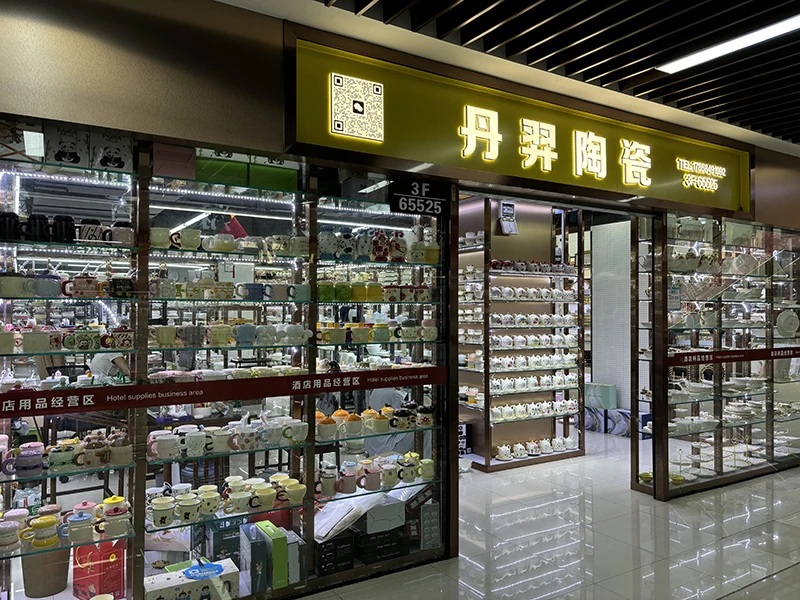
Yiwu Danyi Import And Export Co., Ltd.
- Trading Company
- Zhejiang, China
- Lead time30 days
- Avg. response≤ 4h
Main productsTableware,Coffee Cup
Main marketsCentral America(100.00%), Northern Europe(100.00%), Domestic Market(100.00%), South Asia(100.00%), Africa(100.00%), Eastern Europe(100.00%), Southern Europe(100.00%), North America(40.00%), Western Europe(20.00%), Mid East(15.00%), Oceania(10.00%), Eastern Asia(5.00%), Southeast Asia(5.00%), South America(5.00%)
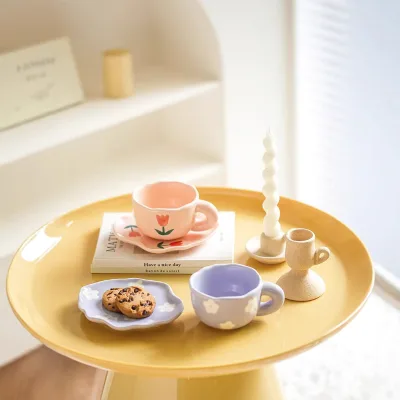
$2.1692 - $3.8862
MOQ: 6 Minimum
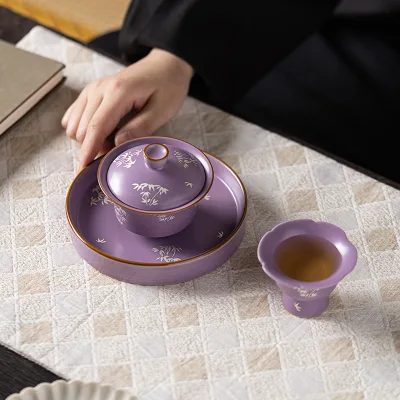
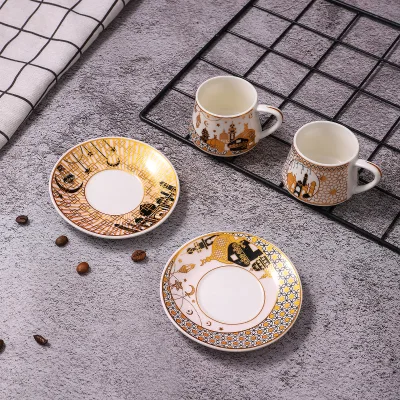
Custom European-style Ceramic Coffee Cup and Saucer Set Electroplating Ceramic Cup Set
$4.30 - $4.80
MOQ: 500 bags
Liling Daily Ceramic Co., Ltd.
- Trading Company
- Hunan, China
- Lead time45 days
- Avg. response≤ 3h
Main productsStoneware Mug,Ceramic Bowl,Ceramic Cup & Saucer,Ceramic plate,Ceramic dinner set
Main marketsEastern Europe(12.10%), Southeast Asia(9.80%), Africa(9.80%), Eastern Asia(9.80%), Domestic Market(9.70%), Western Europe(8.50%), North America(7.30%), Northern Europe(7.30%), South America(6.10%), Mid East(4.90%), South Asia(4.90%), Southern Europe(4.90%), Central America(4.90%)
Xiamen Dashing Jewelry Co., Ltd.
- Trading Company
- Lead time旺季: "1 - 20":15,"> 20":"To be negotiated", 淡季: "1 - 20":15,"> 20":"To be negotiated"
- Avg. response≤ 5h
Main productsDrinkware, Party Supplies, Home Decoration, Garden Supplies

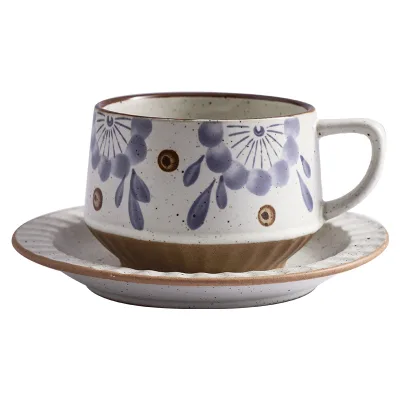
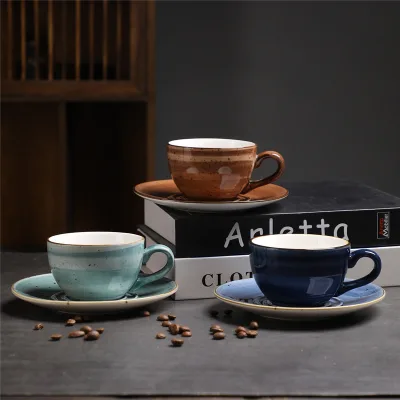
$5.6272 - $7.5793
MOQ: 2 Minimum
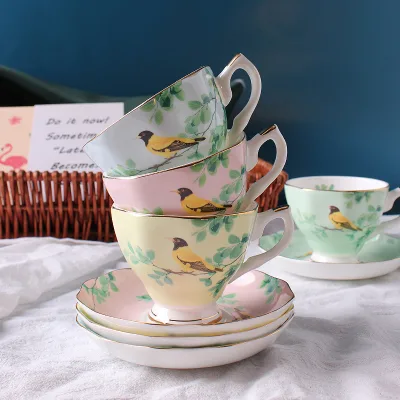

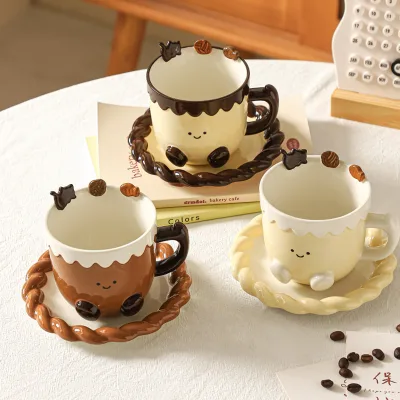
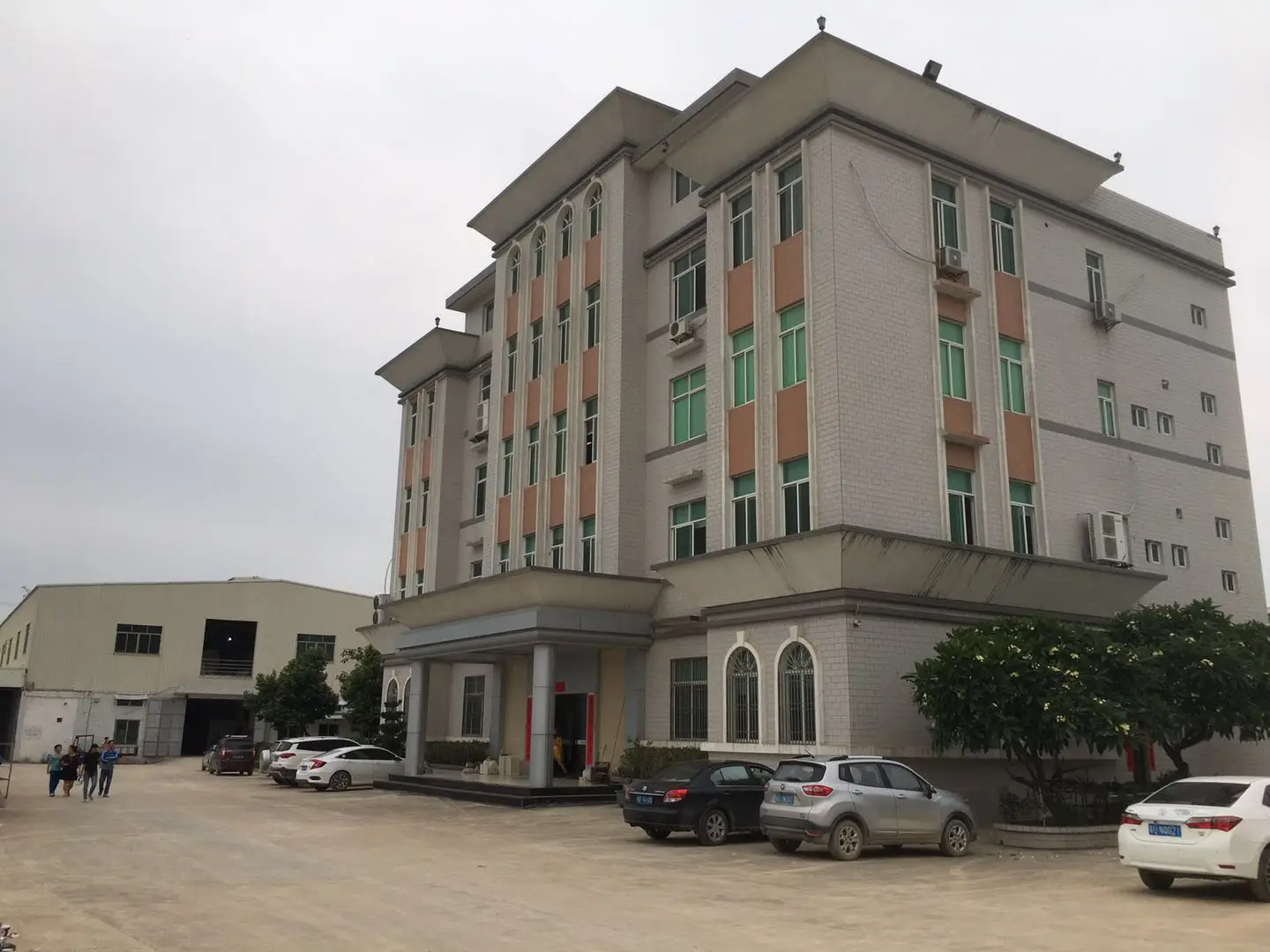
Xiamen Hinwell Manufacture And Trade Co., Ltd.
- Trading Company
- Fujian, China
- Lead time30 days
- Avg. response≤ 3h
Main productsCeramic Pots, Ceramic Vases, Porcelain Mug, Resin Figurines, Cement Planter and Decorations
Main marketsNorth America(30.00%), Western Europe(30.00%), South America(20.00%), Eastern Europe(10.00%), Southeast Asia(10.00%)

Zibo Timestone International Co., Ltd.
- Manufacturer/Factory
- China Shandong
- Lead time45 days
- Avg. response≤ 11h
Main productsCeramic Dinnerware, Ceramic Mugs, Stainless Steel Bottles Mugs and Tumblers, Glass Bottles Mugs and Tumblers, Dinnerware, Tableware, Glassware, Kitchenware, Household Items, Ceramic Granding Balls and Filters
Main marketsSouth America,Eastern Europe,Mid East,North America,Southeast Asia,Eastern Asia,Oceania,Western Europe,Africa
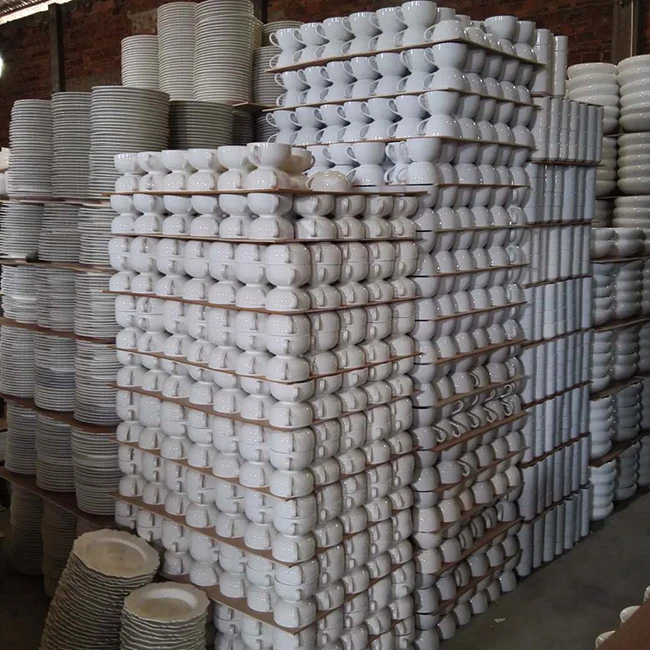
Shenzhen Sanbo Home And Garden Manufacturing Co., Ltd.
- Manufacturer, Trading Company
- Gaungdong, China
- Lead time15 days
- Avg. response≤ 3h
Main productsstainless steel dinnerware,metal cake holder,glass cake holder,cake tools,ceramic dinnerware
Main marketsAfrica(20.00%), Southeast Asia(10.00%), Eastern Europe(10.00%), Oceania(10.00%), Southern Europe(9.00%), Central America(8.00%), Northern Europe(8.00%), South Asia(6.00%), South America(4.00%), Western Europe(4.00%), Eastern Asia(3.00%), Mid East(3.00%), North America(3.00%), Domestic Market(2.00%)

Xiamen Yoyo Ceramic Trading Co., Ltd.
- Verified by BV
- Combined
- China Fujian
- Lead time23 days
- Avg. response≤ 11h
Main productsCeramic Mugs, Ceramic Plates, Teawares, Ceramic Canisters, Ceramic Vases, Ceramic Flower Planters, Ceramic Coin Bank, Flowerpot, Canisters, Resin Crafts
Main marketsSouth America,Africa,Southeast Asia/ Mideast,East Asia(Japan/ South Korea),Europe,Australia,North America
Shenzhen Fenn Industrial Co., Ltd.
- Verified by TüVRheinland
- Manufacturer, Trading Company
- Lead time60 days
- Avg. response≤ 2h
Main productsPorcelain Tableware, Porcelain Plate & Dish, Porcelain Bowl, Porcelain Mug, Porcelain Cup & Saucer
Main marketsNorth America(37%), Northern Europe(20%), Eastern Europe(15%)
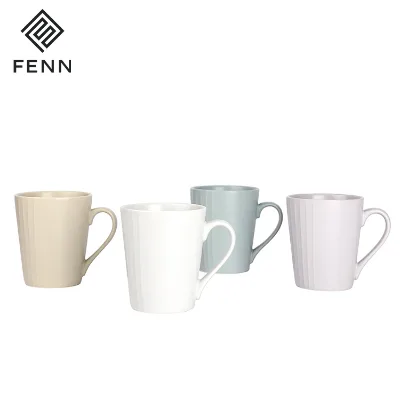
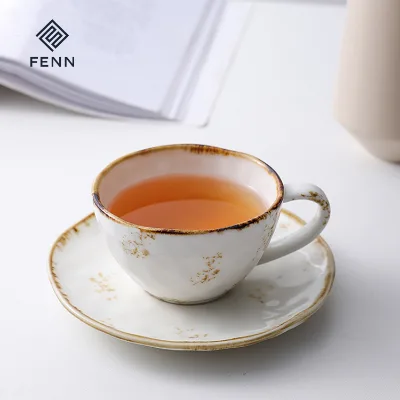
Graceful Round Pattern Embossed Full Colored Ceramic Coffee Cup and Saucer
$1.88 - $2.88
MOQ: 500 sets
Liling Huarui Ceramic Co., Ltd.
- Verified by Intertek
- Manufacturer, Trading Company
- Lead time40 days
- Avg. response≤ 3h
Main productsCeramic Mug, Ceramic Bowl, Ceramic Cup and Saucer, Ceramic Plate, Ceramic Tableware
Main marketsDomestic Market(50%), North America(20%), South America(20%)

Jinjiang Jiaxing Import and Export Co., Ltd.
- Verified by CTI
- Manufacturer/Factory
- China Fujian
- Lead time120 days
- Avg. response≤ 1h
Main productsShoes, Slipper, Clothes, Promotion Gifts, Silicone Products, Outdoor Sports Products, Bags, Fashion Accessories, Consumer Electronics
Main marketsSouth America,Eastern Europe,Mid East,North America,Southeast Asia,Eastern Asia,Oceania,Western Europe,Africa

Shenzhen Hua Mei Industry Development Ltd.
- Verified by TUVRHEINLAND
- Trading Company
- China Guangdong
- Lead time60 days
- Avg. response≤ 3h
Main productsDinnerware, Porcelain Dinnerware, Ceramic Dinnerware, Ceramic Bowl, Ceramic Mug, Porcelain Bowl
Main marketsSoutheast Asia/ Mideast,Europe,Australia,North America

Wholesale Customized Glass Tea Coffee Porcelain Cups Ceramic Cup and Saucer
$2.09 - $2.99
MOQ: 1000 Pieces

High Quality Porcelain Tea Cup with Saucer Pattern Custom Ceramic Cup Saucer
$2.09 - $2.99
MOQ: 1000 Pieces

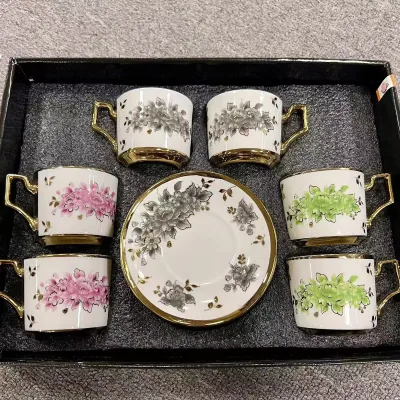
Set of 6 Wholesale Porcelain Mug Christmas Ceramic Coffee Tea Cup Saucer
$21.00 - $23.00
MOQ: 500 Sets

Guangzhou Unique Hotel Supplies Co., Ltd.
- Verified by CTI
- Trading Company,Manufacturer/Factory
- China Guangdong
- Lead time15 days
- Avg. response≤ 6h
Main productsServing Tray, Ice Bucket, Gn Pan, Kitchenware, Water /Beer Cup, Plastic Products, Pitchers/Kettles, Food Plate Cover, Bowls, Organizer and Holder
Main marketsSouth America,Eastern Europe,Mid East,North America,Southeast Asia,Eastern Asia,Africa

Factory Low Price Ceramic Tea Coffee Cup and Saucer Ceramic Coffee Cup and Saucer New Glaze
$2.40 - $3.70
MOQ: 100 Pieces

Wholesale Custom Logo Cup and Saucer Coffee Cup Mug Coffee Ceramic Cup and Saucer Sets
$2.40 - $3.70
MOQ: 100 Pieces

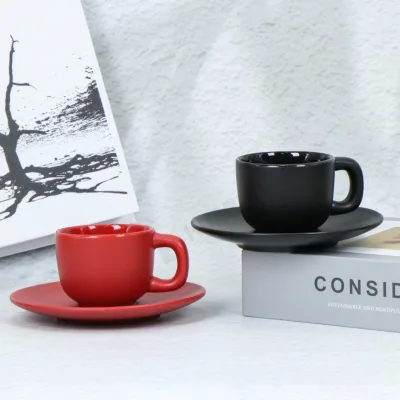
Espresso Cup Saucer Ceramic Cup with Plate Small Size Coffee Cup with Low Price
$1.70 - $2.40
MOQ: 100 Pieces
Foshan Kylin Trading Company Limited.
- Trading Company
- Guangdong, China
- Lead time30 days
- Avg. response≤ 2h
Main productsnapkin dispenser,bottle opener,ice bucket,tray,can carrier
Main marketsWestern Europe(30.00%), Southern Europe(10.00%), Mid East(10.00%), Eastern Europe(8.00%), Africa(7.00%), North America(5.00%), Northern Europe(5.00%), South America(5.00%), Central America(5.00%), Eastern Asia(4.00%), South Asia(4.00%), Southeast Asia(3.00%), Domestic Market(2.00%), Oceania(2.00%)
Hangzhou Xuxi Hehe Importand Export Trading Co., Ltd.
- Trading Company
- Zhejiang, China
- Lead time5 days
- Avg. response≤ 2h
Main productsTea Set, Mark Cup, Coffee Cup, Tableware, Ceramic Decor
Yiwu Jiesiming E-Commerce Co., Ltd.
- Trading Company
- Jinhua, China
- Lead time0 days
- Avg. response≤ 3h
Main productsDaily provisions
Main marketsCentral America(30.00%), North America(30.00%), Mid East(20.00%), South Asia(10.00%), Southeast Asia(10.00%)

Foshan Ciray Household Products Co., Ltd.
- Trading Company,Manufacturer/Factory
- China Guangdong
- Lead time45 days
- Avg. response≤ 17h
Main productsCeramic Plate, Ceramic Bowl, Ceramic Tray, Stainless Steel Tray, Stainless Steel Cutlery, Stainless Steel Plate, Coffee-Related Products, Ceramic Ornaments, Ceramic Tableware, Glass Tableware
Main marketsSouth America,Eastern Europe,North America,Oceania,Western Europe

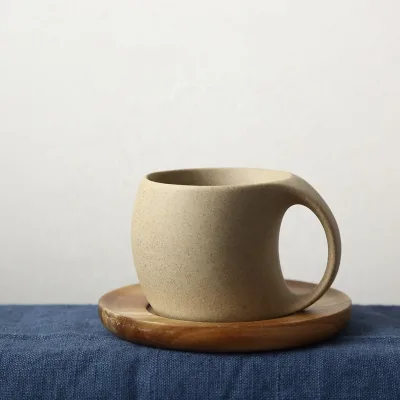
Custom 10.6oz Ceramic Coffee Cup and Saucer Creative Wooden Saucer Ceramic Mug
$2.60 - $3.00
MOQ: 1000 Sets


Shanghai Fine-V Intl Trade Co., Ltd.
- Manufacturer, Trading Company
- Shanghai, China
- Lead time45 days
- Avg. response≤ 14h
Main productsTea Pot Set,Coffee Cup,Ceramic Mugs,Handicraft Ceramics,Decorative Porcelain
Main marketsNorth America(20.00%), Mid East(10.00%), Domestic Market(10.00%), Northern Europe(10.00%), Eastern Europe(10.00%), Western Europe(10.00%), Oceania(5.00%), Southern Europe(5.00%), Southeast Asia(5.00%), Central America(5.00%), South America(5.00%), Eastern Asia(5.00%)
$1.8503 - $2.2605
MOQ: 1 sets
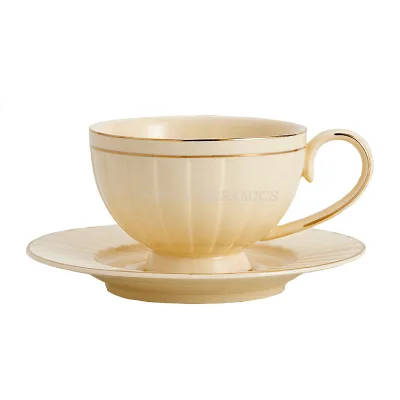
$3.7126 - $4.9835
MOQ: 500 pieces
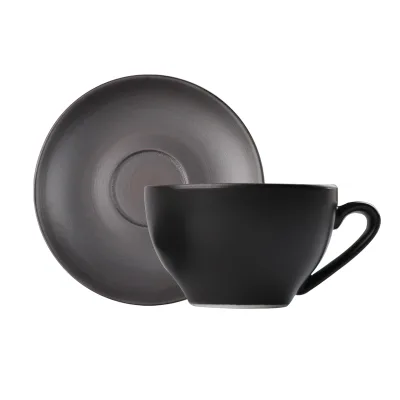
Hot selling high quality durable ceramic coffee cup saucer tea cup plate
$1.5419 - $2.2605
MOQ: 500 sets
Hangzhou Jade New Materials Co., Ltd
- Trading Company
- Zhejiang, China
- Lead time30 days
- Avg. response≤ 1h
Main productsHome decoration,Coffee&Tea Cup,Kitchenware Set,Glassware,Dinnerware Set
Main marketsWestern Europe(40.00%), North America(30.00%), Mid East(20.00%), South America(15.00%), Africa(15.00%), South Asia(10.00%), Eastern Asia(10.00%), Southeast Asia(10.00%)

Foshan Ron Hospitality Supplies Co., Ltd.
- Verified by BV
- Manufacturer/Factory,Group Corporation
- China Guangdong
- Lead time45 days
- Avg. response≤ 2h
Main productsRestaurant Furniture, Restaurant Booth, Restaurant Chair, Restaurant Table, Bar Stools, Wedding Chairs, Flatware Sets, Dinnerware Sets, Garden Chairs, Disposable Dinnerware & Tableware
Main marketsSouth America,Eastern Europe,Mid East,North America,Southeast Asia,Eastern Asia,Oceania,Western Europe,Africa
Hangzhou Qianghua Cup Industry Co., Ltd.
- Verified by TüVRheinland
- Manufacturer, Trading Company
- Lead time15 days
- Avg. response≤ 2h
Main productsCeramic Mug, Glass Cup, Water Bottle, Thermos Series, Stylish Vase
Main marketsNorth America(25%), Eastern Europe(15%), South America(10%)
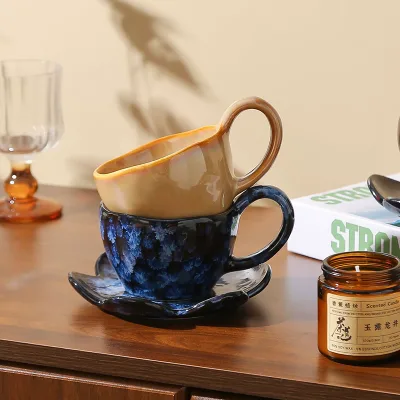
Light Luxury Retro Coffee Cup and Saucer Design Irregular Dessert Saucer
$2.738 - $3.7769
MOQ: 36 pieces
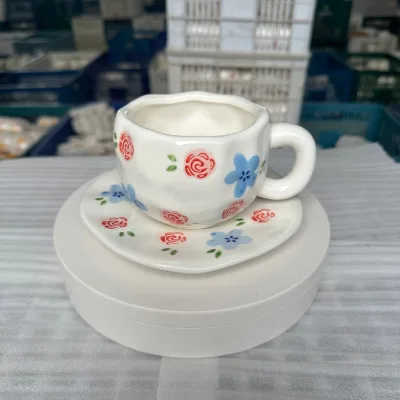
Chaozhou Ceramics Factory Sale Demitasse Ceramic Coffee Cup and Saucer Set for Afternoon Tea
$3.4685 - $4.0389
MOQ: 30 sets
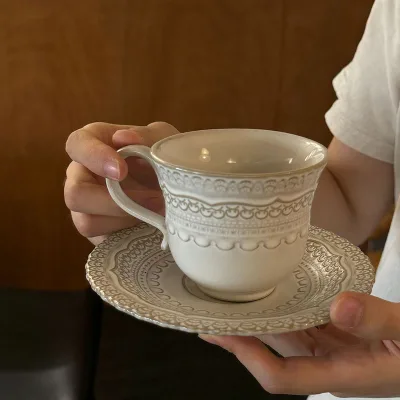
Vintage Lace Embossed Ceramic Coffee Cup Saucer Underglaze Porcelain Cup French Dessert Plate
$3.6527 - $3.994
MOQ: 48 Minimum

Xiamen Ebei Import & Export Co., Ltd.
- Verified by CTI
- Trading Company,Manufacturer/Factory
- China Fujian
- Lead time45 days
- Avg. response≤ 2h
Main productsEco-Friendly Products, Bamboo Tableware, Bamboo Furniture, Bamboo Kitchenware, Bamboo Office Supply, Bamboo Fibre Products, Biodegradable Products, Bamboo Towel, Solar Energy Products, Bamboo Garden Products
Main marketsSouth America,Eastern Europe,Mid East,North America,Southeast Asia,Eastern Asia,Oceania,Western Europe,Africa
Shenzhen Tao Hui Industrial Co., Ltd.
- Verified by TüVRheinland
- Manufacturer, Trading Company
- Lead time60 days
- Avg. response≤ 8h
Main productsPorcelain Products
Main marketsWestern Europe(30%), North America(20%), Southeast Asia(10%)
Shenzhen Bogart Kitchenware Co., Ltd.
- Verified by TüVRheinland
- Trading Company
- Lead time15 days
- Avg. response≤ 2h
Main productsCoffee & Tea Sets, Matcha Tools, Portable Coffee Maker, Coffee Tumbler & Mugs, Coffee Accessories
Main marketsMid East(30%), North America(20%), Western Europe(13%)
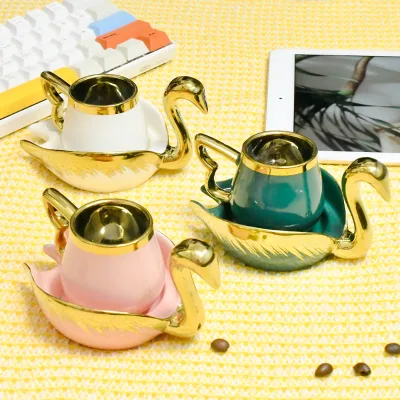
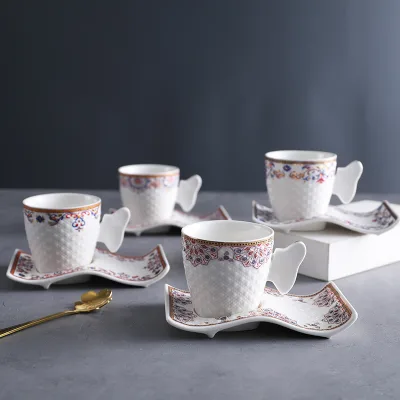
Custom Ceramic Swan Shaped Saucer Handle Coffee Cups and Saucer With Gold Rim Set
$9.50 - $12.00
MOQ: 24 pieces










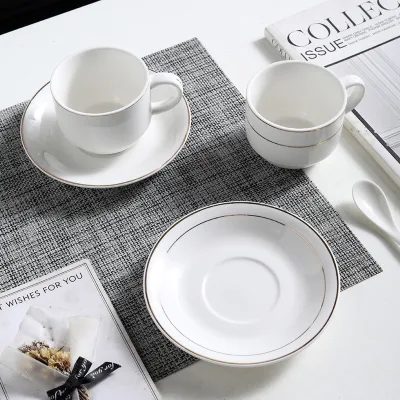
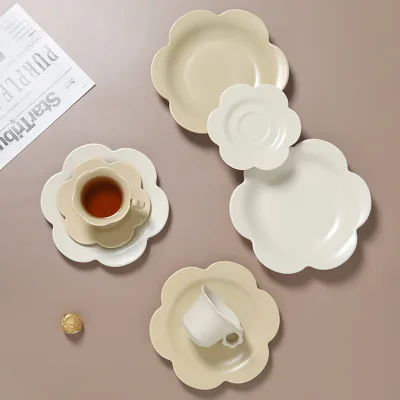


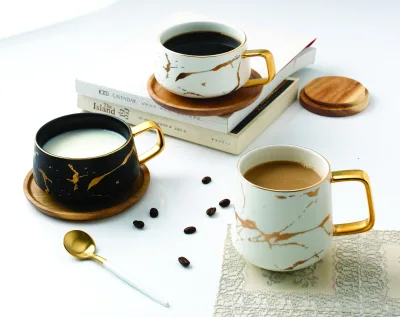
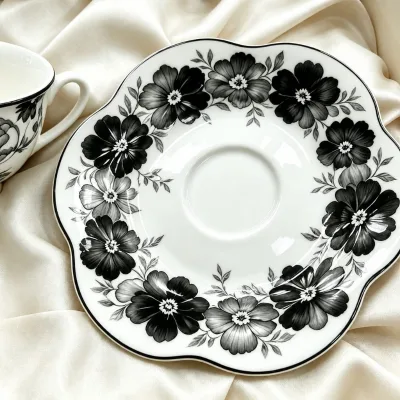
Comprehensive Sourcing Guide
Minimalist Ceramic Cup and Saucer Supplier Concentration and Factory Types
Buyers sourcing a Minimalist Ceramic Cup and Saucer will find that the supplier results on this page are heavily concentrated in Fujian, China, which appears as the listed location for multiple suppliers. This province has a long association with ceramic tableware and drinkware production, and the suppliers here list main products that include ceramic tableware, Chinese ceramic products, restaurant supplies, and household products alongside drinkware-adjacent items. When a search shows repeated location matches like this, it signals a genuine regional cluster rather than a random assortment of sellers, because suppliers in the same province often share kiln access, glazing subcontractors, packaging printers, and freight forwarders familiar with ceramic handling.
Supplier types in this category split into two broad groups. Trading companies are common; at least one supplier on this page is explicitly labeled as a trading company, and its main product list spans padel balls, tennis balls, hats, pet leashes, pickleball paddles, yoga mats, and sports towels — a breadth that indicates aggregation across partner factories rather than in-house ceramic production. Other suppliers focus narrowly on ceramic tableware and household goods, which more closely resembles a dedicated producer or a category specialist. Neither structure is automatically better: traders offer wider catalogs and consolidation, while specialists typically control glazing, decal application, and hand-painted detailing more directly. Your verification work in the next section determines which structure actually matches the product quality you need.
How to Verify Minimalist Ceramic Cup and Saucer Suppliers
Verification for ceramic drinkware starts with third-party inspection status. On this page, one supplier carries an SGS verification label, which is an externally audited credential rather than a self-reported claim. Treat verification badges as a floor, not a ceiling: they confirm a supplier exists, operates at a certain scale, and passed documentation checks, but they do not certify that a specific Minimalist Ceramic Cup and Saucer design will survive drop tests, dishwasher cycles, or food-contact requirements in your market. Always ask which entity — the factory or the trading company — will appear on inspection reports and invoices, because mismatched names are an early warning of hidden subcontracting.
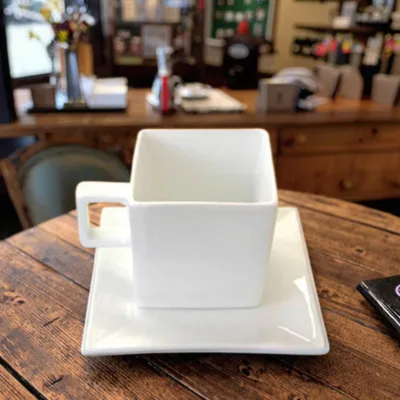
The product listings themselves provide verification material. Multiple listings state the material as pottery or ceramic, list place of origin as China with Fujian specifics, and declare features such as eco-friendly, heat-resistant, and heat-transfer compatible. Cross-check these claims by requesting physical samples before committing: verify glaze uniformity, handle strength, saucer flatness, and whether sublimation or underglaze decoration matches the photographed colorways. Ask for the actual production location rather than the registered office, since a Fujian trading company may source from kilns in neighboring provinces. Request recent test documentation for food-contact safety from the entity that manufactures the ware, and confirm the model numbers quoted in listings — such as the SIL and CX series codes shown here — correspond to the exact configuration you will receive.
What to Compare Across Minimalist Ceramic Cup and Saucer Suppliers
Build a comparison sheet using the attributes suppliers actually display. Lead time is directly comparable here: one supplier lists a 15-day lead time while another lists 7 days, a meaningful difference for restocking seasonal gift ranges or filling retail promotions. Response time is another displayed metric, with observed values of roughly 2.5 to 3 hours; faster responders generally resolve specification questions, sample changes, and shipping problems more efficiently during a live order. MOQs on this page range from as low as 5 sets on a vintage-style listing to 50 sets on a floral petal design, so align minimums with your launch volume before falling in love with a design.
Compare product economics within realistic bands. Listed price ranges on this page run from about $3.20 per set up to higher figures on handcrafted luxury designs, with MOQ-adjusted tiers visible on several listings — one minimalist set lists $4.60 to $99.00, an unusually wide spread that suggests customization tiers or display packaging variants. Also weigh the establishment year where displayed, main product focus, OEM capability (one supplier lists OEM under research-and-development capacity), and whether gift-box packaging, spoons, or trays are included in the quoted configuration. Never assume an attribute exists just because a competitor displays it; if a supplier omits response time, lead time, or verification status, ask directly and record the answer as part of your audit trail.
Common Minimalist Ceramic Cup and Saucer Sourcing Risks
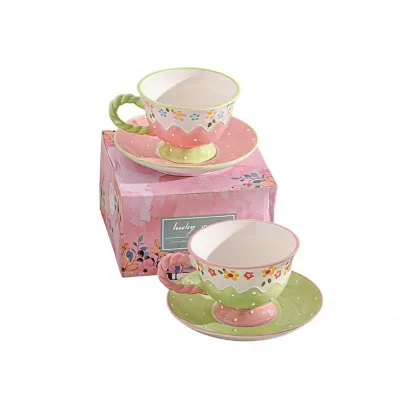
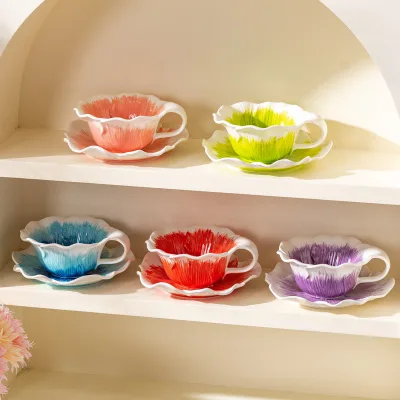
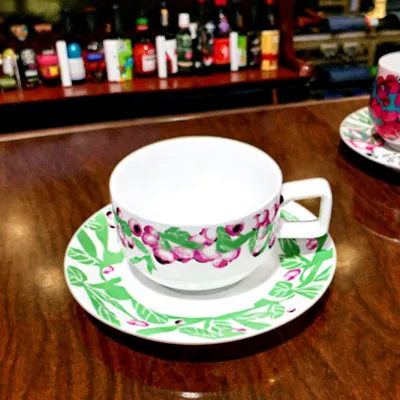
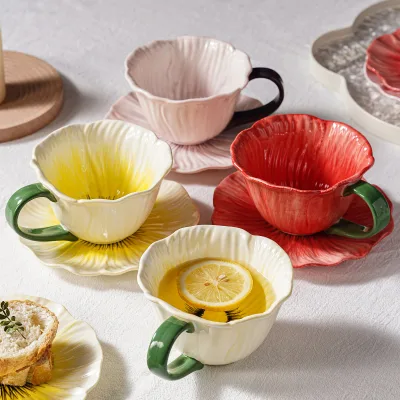
The most frequent risk in this category is cosmetic variance. Hand-painted flower detailing and underglaze designs, which appear in several listings on this page, are inherently inconsistent between batches — petal placement, brush weight, and color saturation will drift. This is acceptable for artisanal positioning but problematic if your product photos promise uniformity. Sublimation and heat-transfer decorated mugs carry a different risk: poor coating quality causes fading and chipping after a few washes, and the defect only surfaces after the customer receives the product. Sample multiple production batches, not just the golden sample, and define an acceptable variance band in writing.
Structural and logistical risks follow. Ceramic is fragile; the listings here show single gross weights up to 2 kg per set and carton configurations of 20 to 40 sets, so breakage in transit directly erodes margin unless packing is specified — several listings state paper packing or gift-box packing, which you should confirm includes protective inserts. Trading-company intermediation creates a traceability risk: if the trader's catalog spans ceramics, sports towels, and pet leashes, the actual kiln may change between orders without notice, shifting glaze chemistry and color. Finally, wide price ranges like the $4.60–$99.00 listing suggest quote ambiguity; without a fully specified BOM — cup capacity, saucer diameter, decoration method, packaging — suppliers can quote low and substitute materials later. Lock specifications before the deposit, not after.
Minimalist Ceramic Cup and Saucer Regional Sourcing and Logistics
Fujian's role as the repeated listed origin on this page shapes your logistics planning. Ceramics are heavy, high-cube, fragile cargo, so freight cost per unit often rivals product cost on sea shipments; the 2 kg single gross weight on one listing is a realistic planning number for a cup-and-saucer set with saucer and packaging. Suppliers in established ceramic regions typically have experience exporting to drinkware buyers and can advise on carton stacking limits, drop-test packing, and container utilization, but you should still specify packing standards yourself rather than accepting defaults. The 7-day and 15-day lead times shown on this page reflect production speed only — add sample approval time, booking lead time, and port congestion when building your calendar.
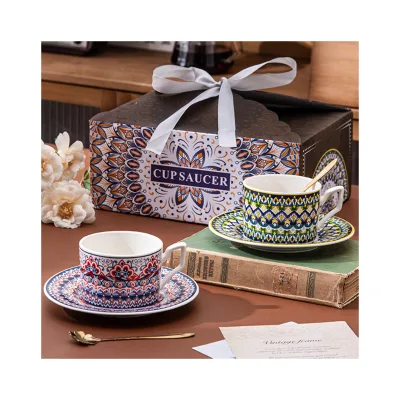
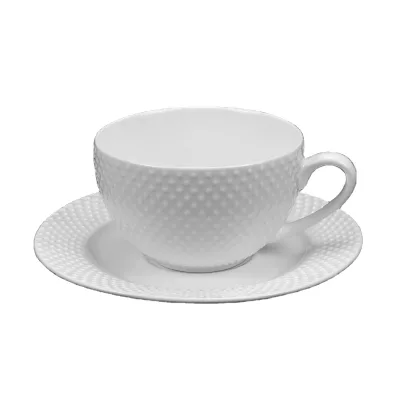
Regional concentration cuts both ways. A single-province cluster simplifies multi-supplier consolidation, since several suppliers can ship to the same forwarder and be combined into one container, reducing freight per set for mixed designs — useful when combining a minimalist houndstooth design with a floral petal variant. It also exposes you to regional disruptions: holiday shutdowns around Chinese New Year, energy rationing affecting kilns, and port congestion can delay all your suppliers simultaneously. Mitigate by confirming each supplier's factory location rather than registered location, asking which kiln stage is in-house versus subcontracted, and building buffer stock ahead of peak gifting seasons, when the gift-boxed sets listed here — bohemian and vintage gift configurations — see their strongest demand cycles.
Minimalist Ceramic Cup and Saucer Commercial Terms and Order Planning
Commercial terms should be negotiated against the listed data points rather than assumptions. With MOQs spanning 5 to 50 sets on this page, low-minimum designs are ideal for market testing, but expect the per-set price to be higher — the $4.80–$5.10 handcrafted range versus the $3.20–$3.50 minimalist range illustrates how decoration complexity and volume interact. Negotiate tiered pricing tied to quantity breaks, and clarify what the quoted price includes: several listings bundle gift boxes, spoons, or trays, while others quote the cup and saucer alone. Payment terms, tooling or decal setup fees for customized designs, and sample cost crediting against bulk orders should all be settled in writing before production.
Order planning should exploit the OEM capability one supplier advertises and the customization availability stated on multiple listings. For a minimalist line, plan a small pilot order at the lowest workable MOQ to validate glaze color against your brand palette, then scale with the shorter 7-day lead-time supplier for replenishment and the 15-day supplier for customized runs. Track response times through the negotiation phase — a supplier answering in 2.5 hours now will likely stay responsive under order pressure. Finally, use escrow or platform-protected payment where available, since it protects deposit funds while you verify first-article quality, and schedule the balance payment only after a passed pre-shipment inspection confirms quantities, packing, and decoration against your approved specification.
The total word count of this article is approximately 1,380 words, with each of the six sections falling within the 225–235 word requirement.
FAQs
What is the price range for Minimalist Ceramic Cup and Saucer sets?
Prices for these sets typically range from $3.20 to $99.00 per unit. The cost varies based on design complexity, material quality, and customization options. Buyers should check specific product listings for exact pricing tiers and volume discounts available from suppliers.
What is the minimum order quantity for these ceramic sets?
Minimum order quantities generally range from 5 to 50 sets. Some suppliers accept orders as low as five units, while others require fifty. Buyers should verify the specific MOQ for each product model to ensure it aligns with their initial procurement needs.
How long does production take for these ceramic cup sets?
Lead times for production typically range from 7 to 15 days. This duration depends on the supplier's current workload and the complexity of the order. Buyers should confirm the exact timeline with the supplier before finalizing the purchase agreement.
Are these ceramic cups and saucers eco-friendly?
Many available sets are certified as eco-friendly. Suppliers often highlight this feature in product attributes. Buyers should verify specific certifications or material compositions to ensure the products meet their sustainability standards and regulatory requirements for their target markets.
Where are these minimalist ceramic cup suppliers located?
Suppliers are primarily located in Fujian, China. This region is known for its ceramic manufacturing capabilities. Buyers can filter search results by this location to find suppliers with established production infrastructure and logistics networks for efficient shipping.
Can I customize the design of these ceramic cup sets?
Customization is available for many Minimalist Ceramic Cup and Saucer sets. Suppliers offer OEM services for patterns, colors, and packaging. Buyers should discuss specific design requirements and minimum order quantities for custom orders directly with the supplier to ensure feasibility.